New — Take a 360° Virtual Tour of our centre. Explore every space before you visit.

Substance use guide

The Complete Guide to Hashish Addiction: From Effects to Recovery

Hashish is one of the products produced from the resin-rich part of cannabis, especially marijuana. It is rich in delta-9-tetrahydrocannabinol, also known as THC, a main psychoactive compound found in cannabis plants.

According to the World Health Organisation (WHO), cannabis is one of the most used illegal drugs in the world. Some estimates suggest this number could range anywhere from 147 million to 220 million.

In this article, we will explain everything about hashish, its effects, and how to seek help with hashish addiction.

Chapter 01

What is Hashish?

Hashish is made by collecting trichomes (a tiny hair-like outgrowth) of the cannabis plant which contains resins of the plant.  These resinous materials are then dried and pressed into blocks, and they can vary in colour, ranging from red to black to brown and green. It is commonly referred to as Hash or Charas in India.

Due to its concentrated nature, hashish is considered to be more potent than other forms of cannabis. People use hashish for recreational experiences, yet, on the other hand, it also carries a higher risk of addiction.

Some research also highlights the medicinal use of cannabis in treating chronic pain and some mental conditions. However, further studies are needed to understand its efficacy and effects fully.

Chapter 02

Effects of Hashish Addiction on the Body

Like other cannabis such as marijuana, hashish also has THC-9 compound. However, due to its higher concentration in hashish, it makes people more vulnerable to severe reactions.  The immediate effects of hashish include memory loss, difficulty in learning and decision-making, and lack of attention.

Other than these immediate reactions, it can also cause short-term and long-term problems in the body.

Short-Term Effects of Hashish Addiction

The short-term effects of hashish addiction can significantly impact both mental and physical health. Here are some common immediate effects of hashish abuse:

  • Relaxation and euphoria

  • Increased heart rate

  • Impaired thinking

  • Bloodshot eyes

  • Altered senses

  • Memory loss

  • Dry mouth

  • Paranoia

Long-Term Effects of Hashish Addiction

The long-term effects of hashish addiction can lead to serious health complications over time. Here are some of the common long-term effects:

  • Increased risk of schizophrenia

  • Reproductive health problems

  • Lowered immune system

  • Respiratory problems

  • Depression

  • Anxiety

Chapter 03

Risks of Hashish Use

As mentioned at the start of this article, hashish is a concentrated form of marijuana which increases its potency manifold. It is true that people from across the globe use hashish for recreational purposes, however, regular use, especially among young people increases the risk of developing physical, mental and emotional conditions.

Physical Risk

If a person uses or exposes themself to constant hashish smoke, it can irritate their lungs which can lead to many respiratory problems. It can also increase the risk of heart stroke and heart attack, especially in people with pre-existing heart conditions.

Mental and Emotional Risks

Many people use hashish for its calming and relaxing properties, but some individuals may experience intense anxiety, hallucinations, paranoia, etc. Several studies also suggest a possible link between hashish use and mental health conditions like schizophrenia, especially if the person has been using it since adolescence.

Chapter 04

How Hashish Addiction Develops

Like all other drug addictions, hashish too is initially used as an experiment and to experience its psychoactive effects which can make one feel relaxed, euphoric, and with heightened moods.

Endocannabinoids are a natural chemical in our brain which plays a significant role in our mood, relaxation, and pleasure. THC, which is an active compound present in hashish, mimics these natural chemicals in the brain creating a similar feeling.

These effects can sometimes make individuals desire to experience it again, leading to repeated use. Over time and with regular use, one becomes more tolerant to its psychoactive compound, meaning they now need more and more to get the same effects, and this is how one gets addicted to hashish.

Chapter 05

How is Hashish Addiction Diagnosed

Diagnosing hashish addiction isn't like a simple blood test. Doctors usually talk to patients about their hash use, like how often and how much they use it, and if they've ever tried to quit. They may also ask why they use it.

Then doctors will check if the patient has symptoms of dependence, like trouble controlling its use or needing more hash to feel the same effects.

A physical exam might also be part of the picture, just to make sure there's nothing else going on health-wise. In some cases, they might do a more in-depth psych evaluation to see if there are any other mental health issues involved.

Chapter 06

When to Seek Help for Hashish Addiction?

Identifying and addressing hashish addiction at the initial stage can remarkably increase the chance of recovery.

It is recommended to seek immediate medical intervention if a person notices reliance on hashish. For example, if the person is frequently using it, or finding it difficult to perform daily activities without its use, or if the person started using it a lot more than previously used to get the same effects.

Avoiding responsibility, withdrawing from social interaction and activity, and using hashish continuously, even when knowing its harmful effects of Hashish addiction are some of the other symptoms which indicate that professional help is necessary.

Chapter 07

Treatment Options for Hashish Addiction

Treatment for hashish addiction involves multiple phases and these are largely influenced by factors such as duration, conditions, medical history, comorbidity, etc. However, some of the common Hashish addiction treatment options are: -

Detox

Detoxification is a process that cleanses the body of residues of substances, facilitating the initial phase of recovery from addiction by managing withdrawal symptoms and preparing individuals for further Hashish addiction treatment.

Therapy and Counselling

Therapy or counselling is done to help individuals identify the reasons that lead to addiction. They also help the patients learn effective coping strategies to manage stress and prevent relapse. There are different types of therapies, such as group therapy, family therapy, individual therapy, behavioural therapy, etc., that are employed based on individual needs and goals.

Inpatient and Outpatient

Inpatient Hashish addiction treatment options are great for individuals, especially for someone who lives in an environment that can increase the risk of relapse. Inpatient care can also help individuals counter triggers such as loneliness and isolation.

Outpatient care on the other hand offers flexibility to the client to live in the comfort of their own house while receiving necessary care. Generally, in outpatient care, clients need to attend the session once or twice per week.

Chapter 08

What Type of Doctors Can Treat Hashish Addiction?

Treating a person with hashish addiction needs multidisciplinary intervention, and it can be treated by several types of doctors.

For example, addiction psychiatrists have a deep understanding of the mental health factors of addiction; hence, they can prescribe medications to control withdrawal symptoms. They are also specialised in diagnosing substance-related disorders.

Other types of doctors who can treat hashish addiction are primary care physicians trained and certified in providing comprehensive care for substance disorders. These types of doctors are often called addiction medicine physicians.

Psychologists, therapists, and counsellors also play a very important role in treating addiction-related concerns. Though not medical doctors, these professionals provide important psychological support through various therapies, such as CBT, which are integral parts of holistic Hashish addiction treatment plans.

Chapter 09

What are the Effects of Hashish Withdrawal?

The use of hashish has both psychological and physical effects of hashish addiction on individuals. Studies have shown that people who stop smoking hashish experience withdrawal symptoms. Though these symptoms can be distressing, they are short-lived and subside within two weeks. Some of the psychological and physical effects of hashish withdrawal are: -

Psychological Effects

Physiological Effects

  • Stomach problems

  • Loss of appetite

  • Headaches

  • Sweating

  • Tremors

Where recovery starts

How Cadabam’s Rehabilitation Center Can Help

Addiction to substances is challenging, however, with the right Hashish addiction treatment and rehab support one can recover. Cadabam’s is one of the first institutions in the country that started de-addiction centres.

If you are searching for a solution to your problem, Cadabams Anunitha’s De-Addiction Centre can help you with its team of specialised experts. We have been helping thousands of people live healthier and happier lives for 33+ years. We leverage evidence-based approaches and holistic Hashish addiction treatment methods to help individuals effectively treat Hashish addiction. Get in touch with us today. You can call us at +91 96111 94949.

Directory

Top Rehabilitation Centres

Meet the clinicians

Meet our professionals

View all professionals
Dr Sunil M. R.

Dr Sunil M. R.

Director Facilitator

15 years of experience

View profile
Dr. Rajashekar

Psychiatrist

Dr. Rajashekar

Consultant Psychiatrist

7 years of experience

Treats: Alcohol Dependence, Autism Spectrum Disorder, Bipolar Disorder, Dementia, Depression, Drug Addiction, OCD, Personality Disorder, Schizophrenia

View profile
Dr. Swarupa M U

Psychiatrist

Dr. Swarupa M U

PSW

17 years of experience

Treats: Alcohol Dependence, Drug Addiction, Bipolar Disorder, Dementia, OCD, Schizophrenia, Depression

View profile
Dr. Arun Kumar

Psychiatrist

Dr. Arun Kumar

Consultant Psychiatrist

15 years of experience

Treats: Schizophrenia, Alcohol Dependence, Bipolar Disorder, Depression, Drug Addiction, OCD, Personality Disorder, Autism Spectrum Disorder, Dementia, SLD

View profile
Dr. Raja Hiremani

Psychiatrist

Dr. Raja Hiremani

Consultant Psychiatrist

20 years of experience

Treats: Alcohol Dependence, Schizophrenia, Dementia, Depression, OCD, Personality Disorder

View profile

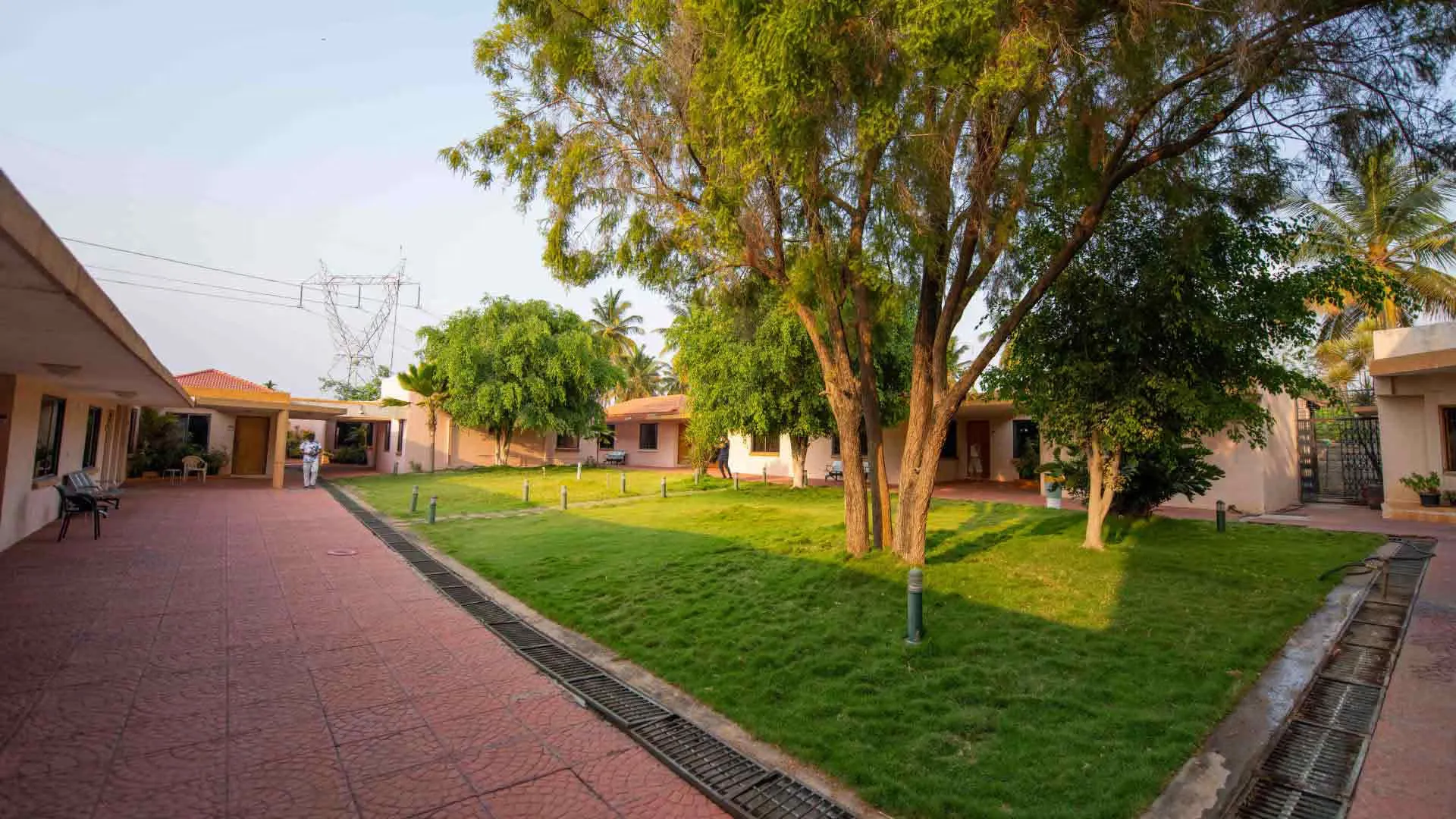
A Glimpse of the Centre

Common Area
Common Area
Common Area

Voices of recovery

What families tell us

This is one of the most well-planned and thought-out rehabilitation centers in India. I was diagnosed with substance Induced psychosis a couple of times before and was admitted here. To be honest I found it very harsh at first and sometimes they really frustrate you and curtail your freedom a lot. But when you look at the bigger picture they try to inculcate discipline and good habits which is the most effective weapon to tackle substance abuse.

Abhimanyu Verma

I had admitted my mother for schizophrenia treatment. Full marks to the facility, doctors, and the counselor. My mother was treated with utmost care. This is one of the best in the city.

Amrithraj Kannanth

My little brother. The apple of the family's eye. He is my favourite person. But, drug addiction took its toll on him. He stopped interacting with us, he became very secretive and he started having multiple health problems. We finally made the decision to avail rehabilitation at Cadabams. The change in him has been immense. Through rehabilitation at Cadabams, he has learnt how to stay off the substance and we truly believe that this recovery will be sustained.

Ananya Srinivasan

It is a very good place. Very professional. Most patients who recover some self-awareness will know the value of this place. The centre has served the patient well.

Anand Rajamani

I took my aunt here for her recovery. Though it took some time, she started getting better. In my experience, this place is the best rehabilitation centre for an affordable option.

Brijesh

FAQs

Frequently asked questions

Ready to begin?

Talk to our team about The Complete Guide to Hashish Addiction: From Effects to Recovery

Call +91 96111 94949