Professional and Personalised Drug Addiction Counsellor Near You

Drug Addiction is a serious mental health disorder that needs to be treated at the earliest. The disorder has multiple physical and mental health implications. Counseling is one of the treatment approaches that has shown its efficacy in helping people with drug addiction. Through counseling, people learn how to overcome their urge to consume the substance, and also learn how to stay away from the substance.

At Cadabams, we offer expert and empathetic care for drug addiction. Our counselors understand your requirements and tailor our treatment approaches to your need. We also offer comprehensive de-addiction services no matter the type or severity of your addiction issue.

Can Drug Addiction be treated?

Drug Addiction is a major issue affecting a large part of the country’s population. However, not many people seek help for it due to various reasons. Early detection and treating the disorder are key to ensuring recovery. Different treatment approaches exist to treat drug addiction including counseling, medication, hospitalization, or rehabilitation. Your mental health professional will guide you on the best way to approach recovery.

Professional and Personalised Drug Addiction Counsellor Near You

Our Professionals

Counsellor

Sethu P S

Designation:
Case Manager
Experience:
4
Years
Illnesses:
Depression, Schizophrenia, Alcohol Dependence, Bipolar Disorder, OCD, Personality Disorder
Book Appointment
Counsellor

Nikki Das

Designation:
Counsellor
Experience:
3
Years
Illnesses:
Alcohol Dependence, Schizophrenia, Bipolar Disorder, Personality Disorder
Book Appointment
Counsellor

Manju TH

Designation:
Case Manager
Experience:
7
Years
Illnesses:
Dementia, Depression, Schizophrenia, Autism Spectrum Disorder, Drug Addiction, OCD, Personality Disorder, SLD, Bipolar Disorder
Book Appointment

Why Choose Cadabam's for Drug Addiction ?

Cadabams is one of the largest mental healthcare providers in India. Our de-addiction services are focused solely on ensuring holistic recovery and growth. At Cadabams, we were the first to have dedicated de-addiction services in the country, and we remain the only organization to have a collaboration with CNTW, UK in curating treatment programs for drug addiction.

Illness Feature Icon

Decades of Expertise

33+ years of focused mental healthcare, shaped by 1000+ real patient journeys.

Illness Feature Icon

Dedicated Care Centres

State of the art mental health centres built for treatment and recovery.

Illness Feature Icon

Multidisciplinary Care Team

A coordinated team of psychiatrists, psychologists, counsellors, and rehabilitation specialists supporting your care.

Illness Feature Icon

Experience Across Stages

Support from early signs through treatment and recovery.

Illness Feature Icon

Structured Care Model

Treatment guided by clear plans that continue beyond diagnosis.

Illness Feature Icon

Continuity of Care

Planned follow ups and continued guidance to help maintain progress over time.

On the way to success in moving past drug addiction, the right type of help is key. A professional drug addiction counsellor can guide you on how to move your life and health away from substance abuse. They can assist in the management and control of withdrawal symptoms, provide emotional support, and design a tailored plan for treatment - all of which can help one regain control of their life and health and attain long-term sobriety. 

How a Counsellor Can Help in Treating Drug Addiction 

Counsellors for drug addiction are professional and play an instrumental role in the life of someone who is struggling with substance abuse. They assess the root cause of addiction and help design strategies to combat it.  

Using therapeutic techniques and judgement-free space, the counsellor guides their client through the emotional, psychological, and physical struggles associated with drug dependency. More importantly, at the end of the process, the counsellor guides a person toward recovery and builds a strong resistance to relapse. 

Qualifications and Experience of a Counsellor for Drug Addiction Treatment 

Counsellors specialising in drug addiction usually have advanced degrees in psychology, psychiatry, or counselling with certifications in addiction treatment. In addition, they receive intense training in addiction therapy, relapse prevention, and mental health care.  

Most counsellors have years of experience in rehabilitation, which most often equips them with practical knowledge to handle diverse addiction cases. This background ensures that they implement an evidence-based treatment customised to the individual needs of every patient. 

Importance of Choosing the Right Counsellors for Drug Addiction 

The right counsellor is central to successful recovery. Ideally, such a professional would have a robust understanding of addiction and its mechanisms yet modulate the approach according to a particular person's needs. More importantly, the person selected must have not only the appropriate qualifications but also a trustworthy, empathetic connection. The right counsellor can make the difference between temporary respite from addiction and lasting, meaningful recovery. 

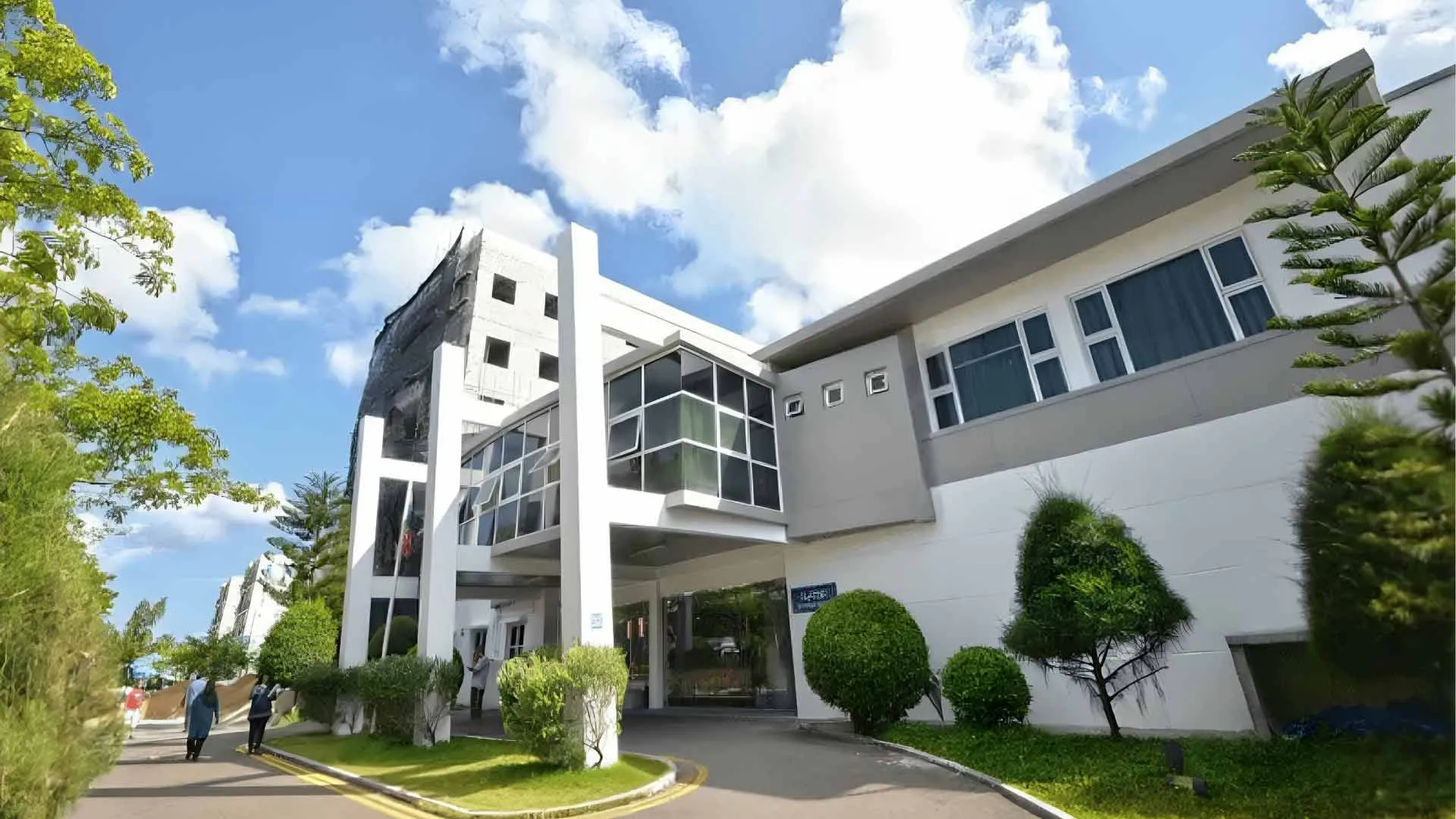
Our Drug Addiction Center Near You

Common Conditions Treated by Drug Addiction Counsellors 

Drug addiction counsellors treat various conditions, including substance abuse disorders, co-occurring mental health issues, and behavioural challenges. Here are some of the common conditions addressed by drug addiction counsellors 

Opioid Addiction 

Opioid addiction is growing rapidly to become one of the major challenges faced by international society. It is largely associated with abusing prescription drugs for pain relief.  

In opioid addiction cases, more time will be spent addressing the substance use disorder through medication-assisted treatments combined with behavioural therapy. Additionally, counselling continuously helps in reducing the chances of relapse. 

Cocaine Addiction 

Cocaine addiction is a significant issue that leads to physical and psychological dependence. A counsellor will work with one to understand which triggers them into the cocaine use, then begin to apply therapy strategies such as CBT in shifting harmful thinking and behaviours. 

Methamphetamine Addiction 

Methamphetamine addiction presents challenges that have different expression levels since the drug has extreme effects on the function of the brain. Counsellors who offer treatment for addiction use well-developed treatment plans that aim at detoxification, counselling, and aftercare, which usually guide someone to regain their normal life after being free from the physical and mental burden that methamphetamine has on users. 

Prescription Drug Abuse 

In prescription drug addiction, counsellors work with individuals who are dependent on prescription drugs like opioids, sedatives, and stimulants. Here the therapy approaches target techniques for managing withdrawal symptoms and teach the patient how to cope and avoid dependency on prescription drugs. 

Cannabis, Marijuana Addiction 

Though many may consider marijuana to be less harmful, the use of it becomes habitual and progresses into an addiction. Drug addiction therapists treat the condition through behavioural therapies to assist the person in 'breaking free' from the vicious cycle of addictive marijuana dependency, thereby improving the overall quality of life. 

Stimulant Use Disorder 

Stimulant use disorders include amphetamines and cocaine. The counsellor treats the sickness by treating the underlying reason for addiction, comes up with recovery plans that suit each client, and offers extended care to ensure the client's recovery and lasting sobriety. 

Hallucinogen Use Disorder 

While relatively uncommon, addiction to hallucinogens can be highly debilitating for individuals. Addiction counsellors employ behavioural therapies to help those struggling with hallucinogen addiction overcome their cravings and return to a more balanced state, addressing the psychological effects of drugs like LSD and psilocybin. 

Sedative, Hypnotic, or Anxiolytic Use Disorder 

In most instances, misuse of prescriptions results in drug dependency on sedatives, hypnotics, or anxiolytics. Counsellors help their clients recover from dependence by gradually reducing the usage of the drug and introducing psychotherapy sessions to mitigate anxiety and withdrawal. 

Polysubstance Use Disorder 

Polysubstance abuse, involving the use of two or more drugs simultaneously, presents unique challenges for treatment. Counsellors must possess specialised training to develop comprehensive treatment plans that address the complexities of multiple drug dependencies and provide support for managing withdrawal symptoms from various substances. 

Co-occurring Mental Health Disorders 

Another problem is that most addiction patients have comorbid mental disorders, such as depression and anxiety. Addiction counsellors often employ a combined treatment approach that addresses both the substance abuse and the underlying mental health conditions, aiming to enhance recovery outcomes. 

Withdrawal Management 

Counsellors assist individuals in withdrawal management. They help people cope with the physical and emotional symptoms accompanying detoxification. They offer close support, providing a safe and effective transition through this challenging phase. 

Behavioural and Psychological Issues 

Drug addiction involves common psychological problems that include anxiety, depression, and mood swings. The counsellors address these behavioural issues by initiating therapeutic techniques that promote emotional and mental well-being regulation to enhance the stabilisation of the recovery. 

Tests & Assessments for Diagnosing Drug Addiction in 

In diagnosing drug addiction, counsellors use several tools and assessments. These include information received through interviews with the patient, behavioural assessments, and psychological tests. In some cases, physical health assessments are done to gain a better understanding of the entire range of addiction in an individual. Diagnosing properly allows the development of an effective treatment plan, which can be changed to accommodate the specific needs of each person. 

Emergency service

Find nearest mental health center now

Illness CTA Shape

Facilities & Amenities

The Benefits of Consulting a Drug Addiction Counsellor 

Consulting a drug addiction counsellor offers personalised support, accurate diagnosis, and tailored treatment plans. Counsellors provide access to specialised therapies, help manage withdrawal symptoms, and offer long-term recovery support, ensuring sustainable sobriety. 

Accurate Diagnosis and Assessment 

One of the major benefits of consulting a counsellor specialising in drug addiction is the precise diagnosis of an illness. Clinical assessments and thorough examination by a counsellor are crucial in identifying the drugs used and the extent of addiction. Therefore, treatment is pinpointed to the target with actual solutions. 

Personalised Treatment Plans 

Usually, a drug addiction counsellor can tailor the treatment plan for each client according to their needs; mainly, they target the drug use history of the client, mental health, and personal goals. For this reason, counsellors ensure that the recovery path will be unique to the individual. 

Access to Specialised Therapies 

Counsellors provide access to special therapies intended to appropriately treat drug addiction. Whether it is CBT, MI, or DBT, counsellors only use evidence-based approaches in providing the clients hope for breaking free from addiction. 

Long-Term Recovery Support 

Recovery from addiction is a long-term process. Counsellors offer long-term support as they help their clients face problems that have arisen well beyond their initial time in treatment. An ongoing relationship helps clients continue on the right path, reducing the possibility of relapse.  

Treatment Programs Offered by Drug Addiction Counsellors 

Drug addiction counsellors provide comprehensive treatment programs designed to address the complexities of addiction. These programs are structured to help individuals overcome substance abuse and work toward long-term recovery. Here are some of the key treatment programs that counsellors offer to support clients on their path to sobriety. 

Detoxification and Withdrawal Management 

Detoxification is often the initial aspect of the treatment for drug addiction. The detox programme is kept under check by counsellors to make it safe, and the symptomatic changes are well managed. It is accompanied by supportive care provided by a team of medical professionals to create a detox-friendly environment. 

Behavioural Therapies and Counselling 

Behavioural therapy is an umbrella term encompassing various therapeutic approaches designed to help individuals overcome addiction by addressing the psychological and emotional factors contributing to substance abuse. Some of the therapies include: -  

Cognitive Behavioural Therapy (CBT) 

It is the most widely applied treatment to identify and change into healthier patterns of negative thinking. The counsellors who adopt CBT enable more effective coping strategies and reduce cravings. 

Motivational Interviewing (MI) 

Motivational Interviewing helps clients tap into their own internal motivation to make changes. Addiction counsellors use motivational interviews to encourage realistic goals about recovery and sustaining a client through personalised encouragement. 

Dialectical Behaviour Therapy (DBT) 

DBT is a union of mindfulness with behavioural techniques to control stress and other negative emotions, which are typical motivators for substance abuse. The counsellors apply DBT in an attempt to train patients to achieve emotional balance and avoid relapse. 

Individual Therapy Sessions 

Drug addiction treatment primarily includes personal therapy. Counselling engages privately with individuals to identify the sources of their addiction and to develop personal plans to fight the addiction. 

Group Therapy Sessions 

Group therapy allows people to connect with others who may be dealing with the same issues. The therapist does this by allowing clients to relate through experience and learn from one another in a group setting. 

Family Therapy 

Addiction treatment impacts families, too. Family counselling plays an important role in repairing relationships, instilling understanding, and bringing about a home environment that can help heal. 

Contingency Management 

This system rewards the individual for remaining sober and maintaining treatment. Positive reinforcement is relied on through contingency management, which is known to result in a chance of being sober over an extended period of time. 

Rehabilitation and Relapse Prevention 

The primary goal of rehabilitation is long-term sobriety; counsellors assist an individual in making life choices that reduce the risk factors involved in relapse. A different approach may involve continuing therapy and support groups as well as developing behaviours that encourage sobriety. 

Integrated Treatment for Co-occurring Disorders 

For a person who has both addictions and mental health issues, counsellors provide what is said to be an integrated treatment, meaning that you are treated for all conditions together. This holistic approach ensures that the entire aspect of an individual's well-being is treated, thus improving outcomes. 

Subscribe to our newsletter

Find out about centres, daily updates and more about mental health

Thank you! Your submission has been received!
Oops! Something went wrong while submitting the form.
Illness CTA Shape

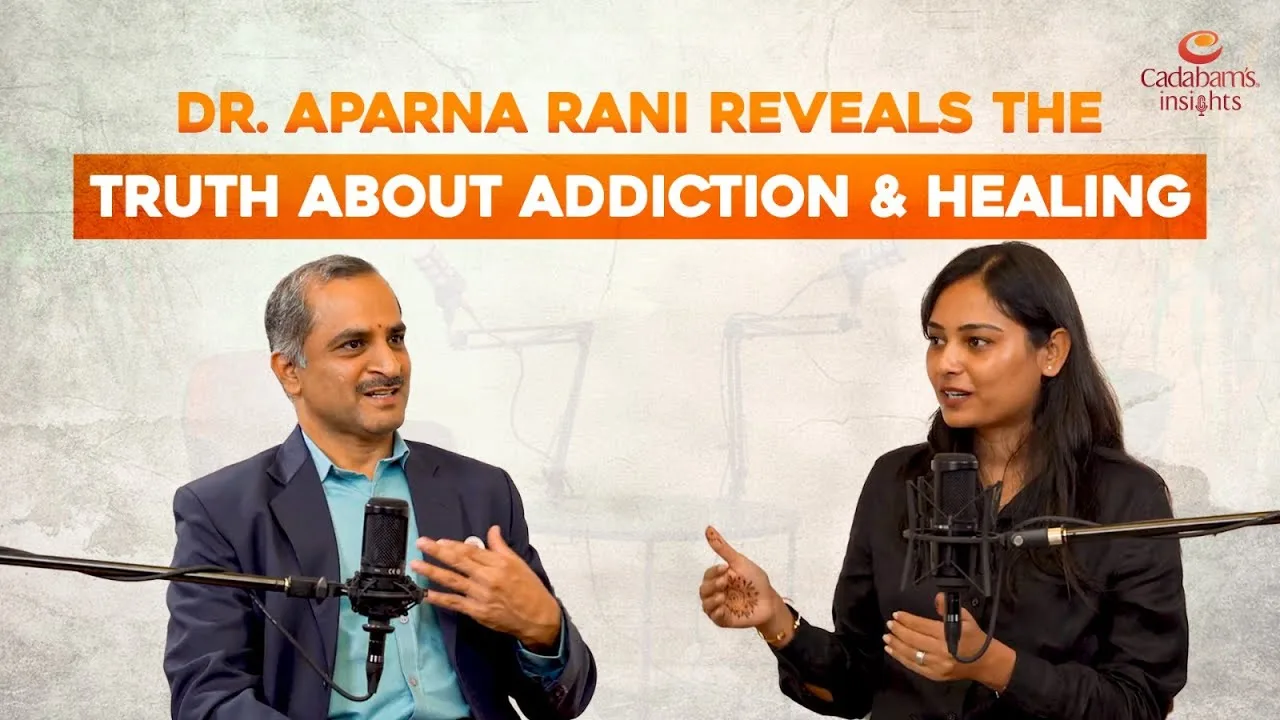
Listen to Our Expert Insights on Drug Addiction

Episode 4

Why We Drink, How We Heal: Understanding Addiction & Recovery

Frequently Asked Questions

How Can a Counsellor Help with Drug Addiction?

A counsellor helps with drug addiction by providing emotional support, identifying triggers, and offering coping strategies. They guide individuals through recovery, promoting healthier lifestyle choices and preventing relapse through therapy and personalised treatment plans tailored to their needs.

What Conditions Do Drug Addiction Counsellors Treat?

Drug addiction counsellors treat substance use disorders and co-occurring mental health issues like anxiety or depression, and address emotional or behavioural problems linked to addiction.

How much does a consultation with a drug addiction Counsellor cost?

The cost of a consultation with a drug addiction counsellor varies depending on the centre, session type, and duration. Contact Cadabam's for exact pricing details.

How often should someone visit a drug addiction Counsellor?

The frequency of visits depends on the severity of addiction and treatment progress. Typically, individuals meet counsellors weekly or bi-weekly for effective recovery.

How Do Counsellors Diagnose Drug Addiction?

Counsellors diagnose drug addiction through clinical assessments, evaluating a person’s substance use patterns, behaviour, and the impact of addiction on their physical and mental health.

What Programs Are Offered by Drug Addiction Counsellors at Cadabam’s Treatment Centre?

Cadabam's offers personalised recovery programs, including detoxification, therapy, relapse prevention strategies, and aftercare support to help individuals lead a drug-free life.

Our Testmonials

Mahesh R

The post-rehab care program really helped me. I had recovered from addiction, but was tempted again after some months of discharge. But, post-rehab care with the treating team here at Cadabams, really helped me keep my head straight.

Rajendra

My son had fallen into drug addiction. Rehabilitation here really has helped him recover.

Ananya Srinivasan

My little brother. The apple of the family's eye. He is my favourite person. But, drug addiction took its toll on him. He stopped interacting with us, he became very secretive and he started having multiple health problems. We finally made the decision to avail rehabilitation at Cadabams. The change in him has been immense. Through rehabilitation at Cadabams, he has learnt how to stay off the substance and we truly believe that this recovery will be sustained.

Varsha Govindraj

Drugs were always a means of escape for me. Sometimes, it seemed easier to consume drugs rather than face reality. My family was very supportive while I tried to fight addiction. We learn about Cadabam's and I enrolled into their drug rehabilitation program. Today, I have recovered from addiction, and am in control of my life. I will never forget what Cadabam's did for me.

Watch Our Visual Stories

What is Borderline Personality Disorder?
What is the treatment of Alcohol Dependence?
How to Deal with a Break Up? | Mental Health and Relationships
What is Dementia?
How to Overcome OCD?
Is depression a disease?
Whatsapp IconCall Iocn
close