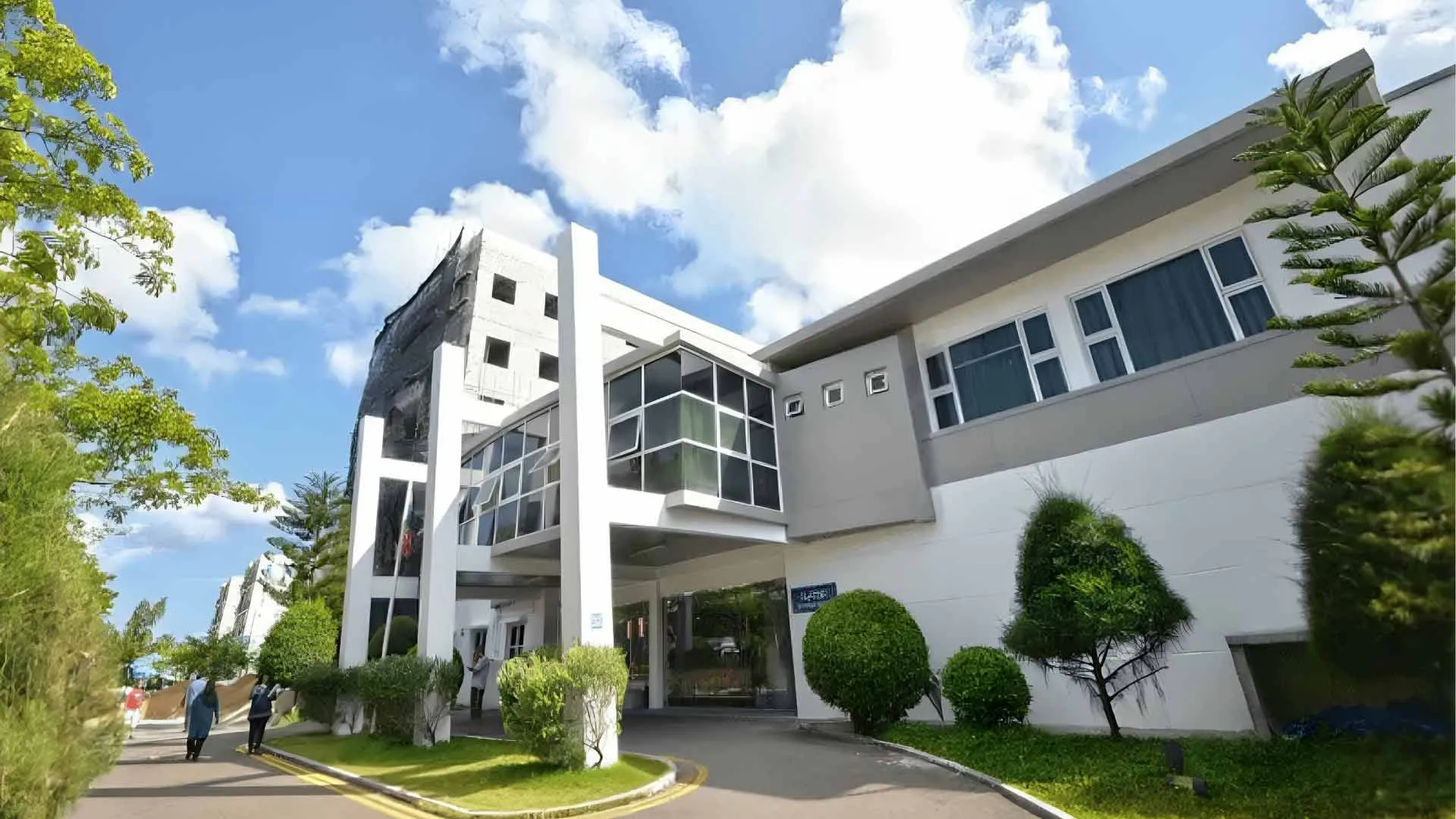
Crisis Intervention Program for Acute Mental Health Emergencies

Crisis Intervention Program for Acute Mental Health Emergencies

Emergencies don't warn us before arriving. But when they do occur, we need all the help we can get. Like physical health emergencies, there are mental health emergencies too, and individuals need prompt medical attention and the best medical infrastructure when this happens. At Cadabams we offer all of this and more through our crisis care program.

We have the most advanced mental healthcare infrastructure, and the professional expertise to deal with any kind of psychiatric emergencies that may arise. We help both the individual and the family overcome these emergencies and set them on the road to recovery.

Valid number

Thank You!!

We hope you find this resource useful!
Something went wrong. Please try again after some time.

30+

Years in mental healthcare

6

Rehabilitation centres across 2 states

200+

Mental healthcare professionals working with us

1000+

Individuals recovering and returning to society each year

What is the crisis care program at Cadabam’s?

How Does Cadabam’s Crisis Intervention Program Work?

Cadabam’s crisis program delivers immediate and specialised mental health care during a psychiatric emergency. Our approach is built on a foundation of safety, rapid response, and clinical excellence.

  • Rapid assessment by a multidisciplinary team of clinical experts.
  • 24/7 medical supervision to ensure patient safety.
  • Therapeutic support to de-escalate the crisis and stabilise mood.
  • Creation of a safe, secure, and structured environment.
  • Development of a clear plan for transitioning to long-term care.

Who Should Seek Crisis Intervention Services?

This service is for individuals who require immediate psychiatric support and are unable to manage their symptoms safely in their current environment.

  • Individuals experiencing severe emotional or psychological distress.
  • Those with active suicidal thoughts, plans, or intentions.
  • People undergoing acute psychotic episodes, including hallucinations or delusions.
  • Anyone facing a substance-induced crisis that compromises their safety.
  • Those exhibiting behavioural emergencies that pose a risk to themselves or others
  • Individuals unable to care for themselves due to a sudden mental health decline.

What Mental Health Emergencies are Treated in Crisis Intervention?

Our program is equipped to diagnose and manage a range of acute conditions that require immediate attention.

  • Acute psychosis and psychotic breaks.
  • Suicidal crises and severe suicidal ideation.
  • Severe and debilitating depressive episodes.
  • Overwhelming panic attacks and acute anxiety.
  • Substance-related crises, including acute intoxication or withdrawal.
  • Manic episodes associated with bipolar disorder.
  • Acute behavioural disturbances and loss of impulse control.

What is Involved in Crisis Intervention Treatment?

Our treatment is structured in distinct phases to provide immediate relief and create a clear path toward recovery.

What Happens During the Immediate Psychiatric Assessment?

  • Clinicians conduct a rapid and thorough evaluation upon arrival.
  • The primary goal is to understand the immediate mental health condition.
  • We identify key risk factors, such as self-harm or suicide risk.
  • All safety concerns are assessed to create a secure environment.
  • This assessment informs the initial stabilisation plan.

What is Crisis Stabilisation and Safety Planning?

  • The immediate focus is to de-escalate the acute crisis.
  • Treatment aims to reduce severe emotional distress quickly and effectively.
  • We implement measures to ensure the absolute safety of the individual.
  • Medication may be administered to manage severe, acute symptoms.
  • A collaborative safety plan is developed to prevent harm and manage triggers.

What is Short-Term Therapeutic Support?

  • Individual counselling and therapy sessions are provided.
  • The focus is on helping the individual regain emotional control and stability.
  • Therapists use evidence-based techniques proven for crisis management.
  • Support is geared toward immediate problem-solving and developing coping skills.
  • This therapeutic alliance helps bridge the transition to long-term care.

What is the Program Duration and Emergency Care Structure?

  • Crisis intervention provides immediate and short-term care.
  • The duration is typically brief, lasting only until the individual is medically and psychologically stabilised.
  • Once stable, the person is referred to an appropriate ongoing treatment program.
  • The objective is rapid stabilisation, not long-term residential treatment.

What are the Expected Outcomes of Crisis Intervention Treatment?

  • Stabilisation of acute, distressing psychiatric symptoms.
  • An established and clear plan for maintaining personal safety.
  • Significant reduction in the immediate risk of self-harm or harm to others.
  • A seamless and supported connection to long-term mental health care
  • Empowerment with initial coping skills to manage distress.

What are the Related Mental Health Programs at Cadabam’s?

After stabilisation, we ensure a smooth transition to a continuum of care tailored to the individual’s needs.

  • Psychotherapy: For ongoing individual, group, or family therapy.
  • Medication Management: For continued psychiatric oversight and adjustment of medications.
  • Rehabilitation Programs: For comprehensive, long-term recovery and life skills development.
  • Inpatient Hospitalisation: If a more intensive level of care is required post-stabilisation.

Why Choose Cadabam’s for Crisis Intervention Services?

  • Decades of proven expertise in emergency psychiatric and crisis care.
  • A highly trained, multidisciplinary team of mental health professionals.
  • Comprehensive and seamless treatment pathways from crisis to recovery.
  • A core focus on stabilising patients for successful long-term outcomes.
  • Unwavering commitment to patient safety, dignity, and compassionate care.

To learn more about our crisis intervention services and get the help you need, contact us at +91 9611194949.

Our centres where this program is offered

Types of Admissions

01
Regular Admission

As and when the family or the primary caregiver confirms the admission by following the processes related to “Admission Procedure”.

02
Referred Admissions

Many psychiatrists utilize our psychosocial rehab services for their clients. In cases where the resident is referred from a psychiatrist for psychosocial interventions, the referring psychiatrist also becomes part of the treating team and he/she will be regularly updated about the progress and will also be involved in the overall care. Hundreds of eminent psychiatrists trust us with their clientele when it comes to residential care & rehab.

03
Admission under Special Circumstances

We have a number of patrons from various countries and different parts of the country seeking admission. We also have mental health professionals across the country referring us to complex cases that require psychosocial intervention. Under special circumstances where it is not feasible to visit or in case of a crisis/mental health emergency the Director-operations will guide the family after assessing the need for intervention.

04
Admissions and Mental Health Review Board

Your admissions either be it a Voluntary or Supported is all governed by the Mental Health Care Act 2017. Cadabam's and all its entities are registered as Mental health establishments as per the act and admissions are compliant to the relevant sections of the act. Cadabam's Bangalore centers comes under the purview of Mental Health Review Board (Bangalore and Mysore Division) which is functional at Psychiatry Reception area Arts Theatre, New Building, Opposite to SBI Bank, NIMHANS Hospital Compound, Bangalore 560029. The contact no of the Board is  +91-9480817894 and e-mail: mhrb.bm2022@gmail.com.  
All admissions of whatever category mentioned are reported to the Board and anybody with any grievances can also report to Board.

CTA Left illustration

Schedule a screening with our experts

Valid number

Thank You!!

We hope you find this resource useful!
Oops! Something went wrong while submitting the form.
CTA Right illustration

Testimonials

Quotation Icon

We had the best experience at the Adrutha campus and their counsellors are so nice and cooperative.

Nasima Meyor
Quotation Icon

Cadabam’s Adrutha is an amazing place for people with mental health issues. It gives you a safe, secure, independent, natural place to let your wards thrive and sustain their living. My sister is 45 years old, and she has lived here for almost 6 years in this rehab, and she loves it.  

Narendra Surana
Quotation Icon

Cadabams has helped us so much. Our grandmother was fighting dementia, and she was suffering a lot. Cadabams Rehabilitation helped her. The doctors there were very helpful and caring. They regularly kept in touch with us to give an updated about her.

Varshith R
Quotation Icon

My father was fighting dementia, and it was difficult to manage it at home. We searched for support for him, and we found Cadabams. They helped us immensely, they cared for him, and he seems so happy there. Thank you Cadabams.

Mahantesh G
Quotation Icon

My son was suffering from Schizophrenia. We tried many places to get him treated but none worked. We heard about Cadabam's and once we stepped in here, our lives changed. They have helped us immensely and my son is recovering. I never thought I would see him enjoy life again. Thank you Cadabams.

Rahul Bose

Difference between Rehab and In-Patient

Rehabilitation

  • Continued Care and Monitoring in a setting that feels like home
  • Focuses on long-term recovery that is sustainable.
  • Involves the family over the treatment course to ensure sustainable recovery.
  • Round-the-clock assistance for the individual, with all basic needs cared for. 
  • Most important step towards recovering from psychiatric illnesses.

IP Care

  • Hospital setting for care in acute situations
  • Focuses on immediate relieving of symptoms in case of emergencies
  • Mainly involves the treating team that focuses on symptoms reduction
  • Individuals will need a family member with them in case of emergencies
  • The first step is seeking care for acute mental health disorders, after which rehabilitation may be necessary or not

Our Professionals

Psychiatrist

Dr. Arun Kumar

Designation:
Consultant Psychiatrist
Experience:
15
Years
Book Appointment
Psychiatrist

Dr. Vishal Kasal

Designation:
Consultant Psychiatrist
Experience:
15
Years
Book Appointment
Psychiatrist

Dr. Thejus Kumar B R

Designation:
Consultant Psychiatrist
Experience:
6
Years
Book Appointment
Psychiatrist

Dr. Keerthi Sagar

Designation:
Consultant Psychiatrist
Experience:
7
Years
Book Appointment
Psychiatrist

Dr. B. R. Madhukar

Designation:
Medical Director
Experience:
25
Years
Book Appointment

Why Cadabam's?

Illness Feature Icon

Decades of Expertise

33+ years of focused mental healthcare, shaped by 1000+ real patient journeys.

Illness Feature Icon

Dedicated Care Centres

State of the art mental health centres built for treatment and recovery.

Illness Feature Icon

Multidisciplinary Care Team

A coordinated team of psychiatrists, psychologists, counsellors, and rehabilitation specialists supporting your care.

Illness Feature Icon

Experience Across Stages

Support from early signs through treatment and recovery.

Illness Feature Icon

Structured Care Model

Treatment guided by clear plans that continue beyond diagnosis.

Illness Feature Icon

Continuity of Care

Planned follow ups and continued guidance to help maintain progress over time.

Ask Cadabams!

FAQ CTA Image

Got any more questions?

Give us a ring
What situations require crisis intervention?

Crisis intervention is for situations where a person's mental state poses an immediate risk to their safety or the safety of others. This includes active suicidal thoughts, severe psychosis, extreme agitation, or a complete inability to function due to mental distress. It is an emergency service for acute, unmanageable symptoms.

Is crisis intervention the same as psychiatric hospitalisation?

No, they are different. Crisis intervention is a very short-term service focused on immediate stabilisation and safety planning. Psychiatric hospitalisation is a longer-term inpatient service designed for more comprehensive treatment and management of a severe mental health condition after the initial crisis has been de-escalated.

How quickly can crisis intervention services help?

Crisis intervention is designed for rapid response. The goal is to provide a full assessment and begin support almost immediately upon arrival. The primary aim is to de-escalate the emergency within hours or a few days, ensuring the individual is safe and stable enough to transition to the next level of care.

What happens after crisis intervention?

After an individual is stabilised, our team creates a detailed discharge and aftercare plan. This plan includes a direct referral to the most appropriate form of ongoing care, which could be an outpatient program, psychotherapy, medication management, or a residential rehabilitation program. We ensure a smooth transition to support lasting recovery.

Call IocnWhatsapp Icon