New — Take a 360° Virtual Tour of our centre. Explore every space before you visit.

Cadabam’s Centre

Women's De-Addiction Centre: A Safe Place to Choose Yourself

Cadabams Anunitha in Bangalore runs a dedicated 10-bed women's de-addiction wing: a safe, women-only treatment environment with women clinicians, medical detox, structured 30–180-day residential programmes, therapy for trauma and co-occurring depression or anxiety, and family therapy to rebuild trust. Assessment and admission guidance on the 24/7 helpline: [96111 94949](tel:+919611194949).

About the centre

Why Women's Addiction Stays Hidden

Addiction in Indian women is under-counted, under-treated and over-judged. A man who drinks is "stressed"; a woman who drinks is stigmatised — so women hide it longer, drink or use alone, and reach treatment years later and sicker than men with the same condition. Three barriers repeat in almost every case we see:

  • The judgement barrier. Fear of being labelled — by neighbours, in-laws, even doctors — keeps women from seeking help. It is explicitly the single biggest reason women delay or avoid treatment.
  • The caregiver trap. Women are usually the ones holding the family together. Who cooks, who watches the children, who cares for elderly in-laws if she goes to treatment for a month? So she postpones — indefinitely.
  • The tangled roots. Women's substance use is more often interwoven with trauma, anxiety, depression, and relationship or marital distress. Treat the drinking alone and it returns, because the drinking was never the whole story.

A general de-addiction ward — designed around, and populated by, men — answers none of this. That is why the women's wing exists.

Get in touch

We’re only a form fill away!

Share a few details and our team will reach out to help you plan the next step at Women's De-Addiction Centre: A Safe Place to Choose Yourself. Your conversation stays confidential.

Phone

A visual tour

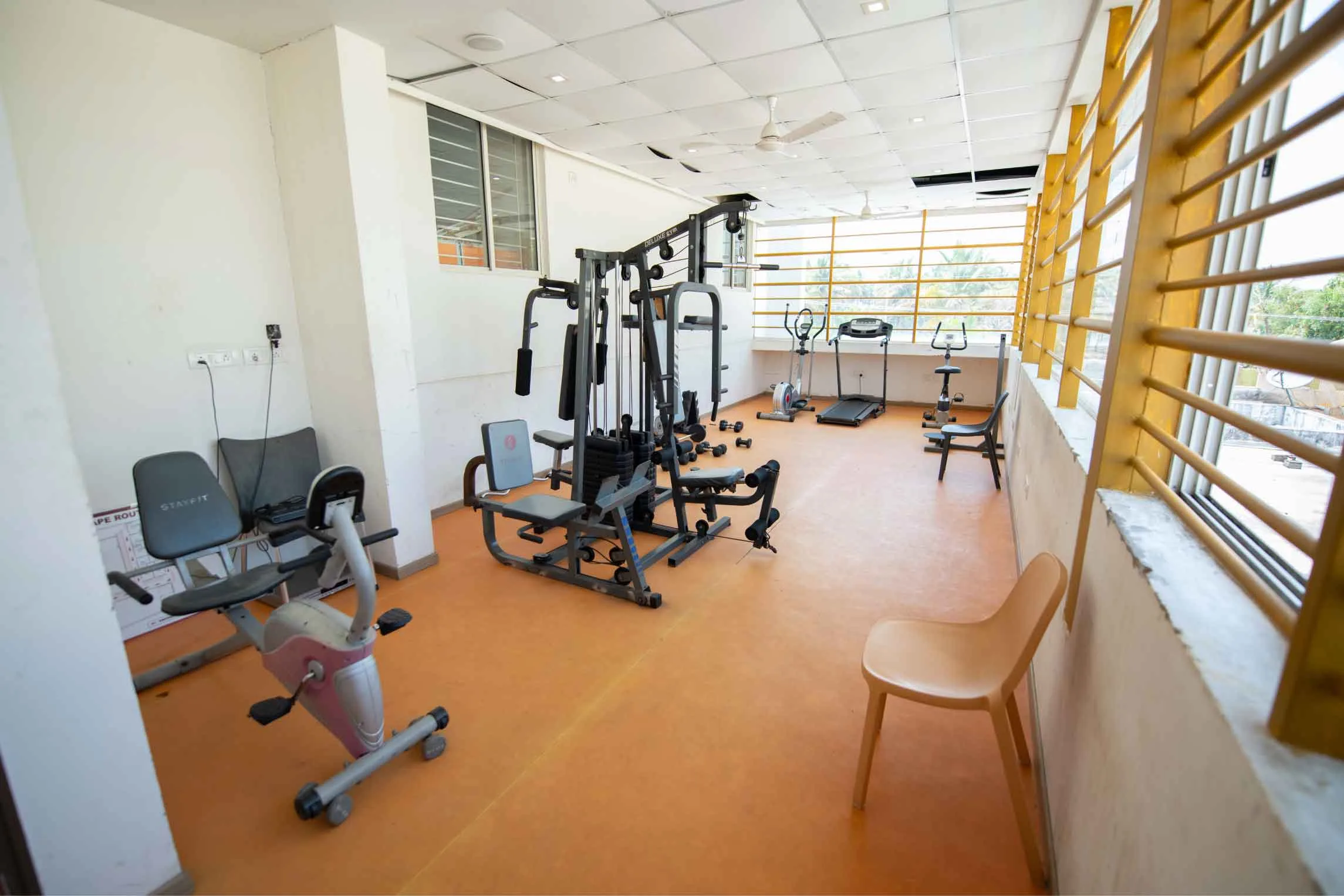
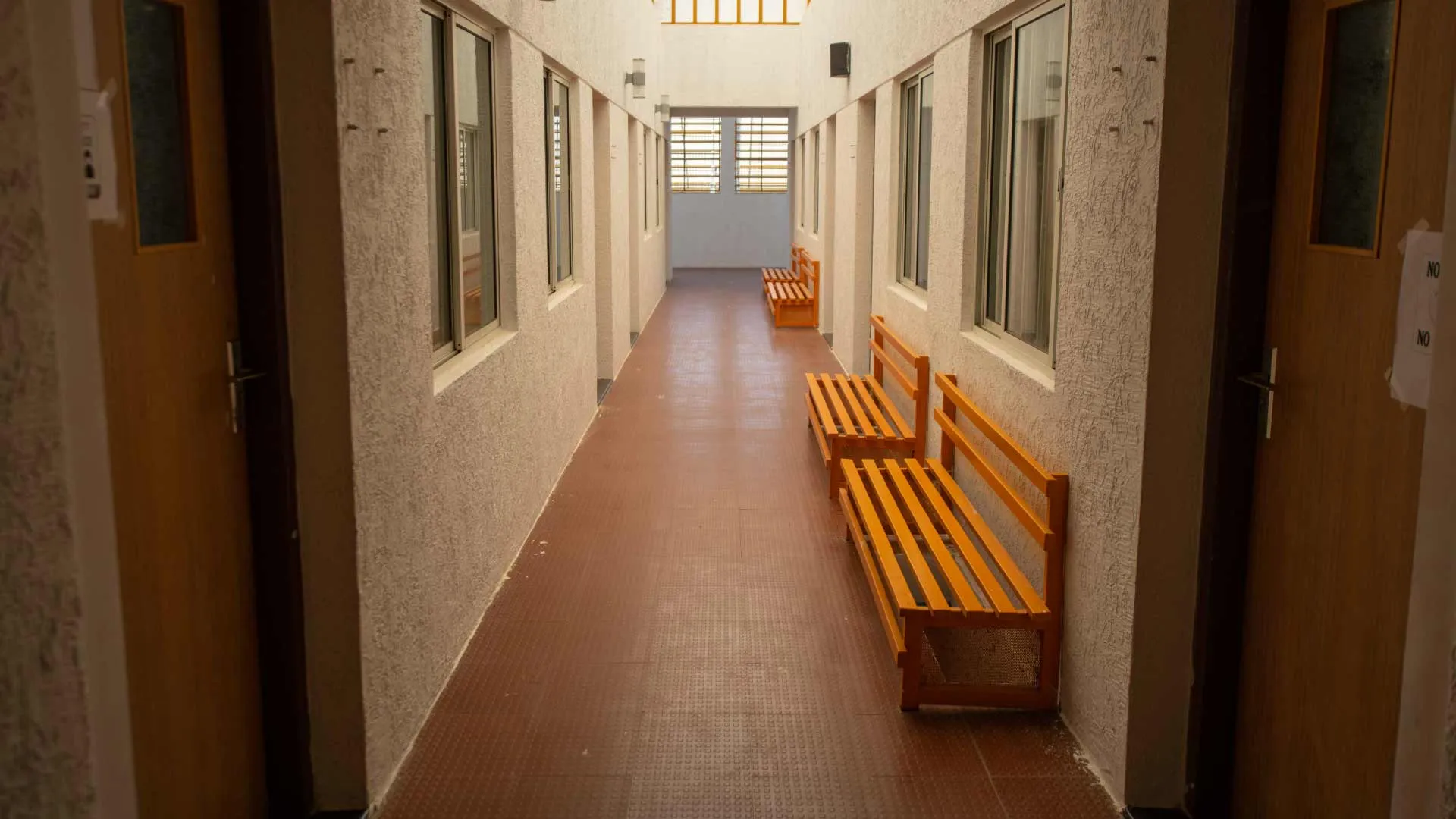
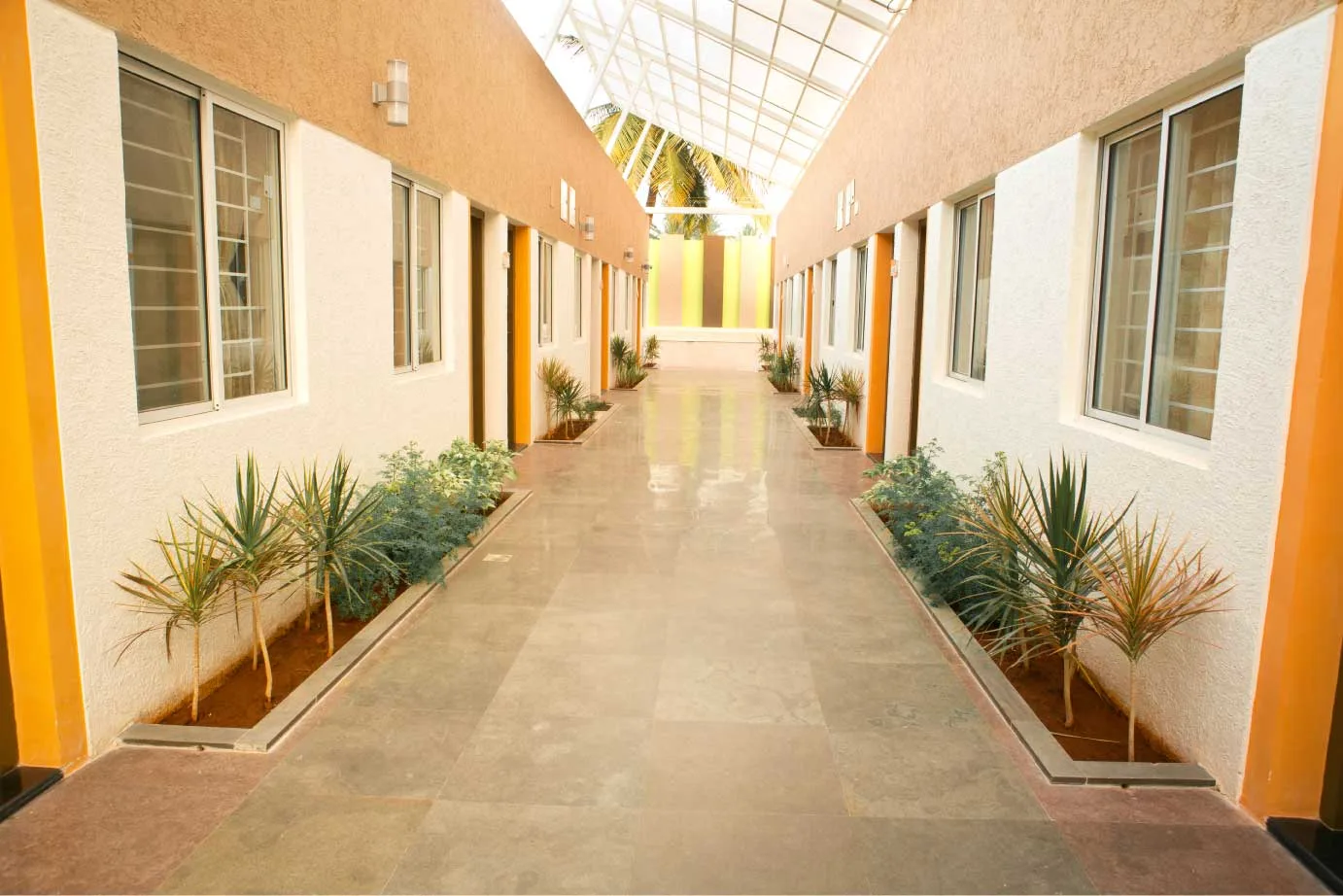
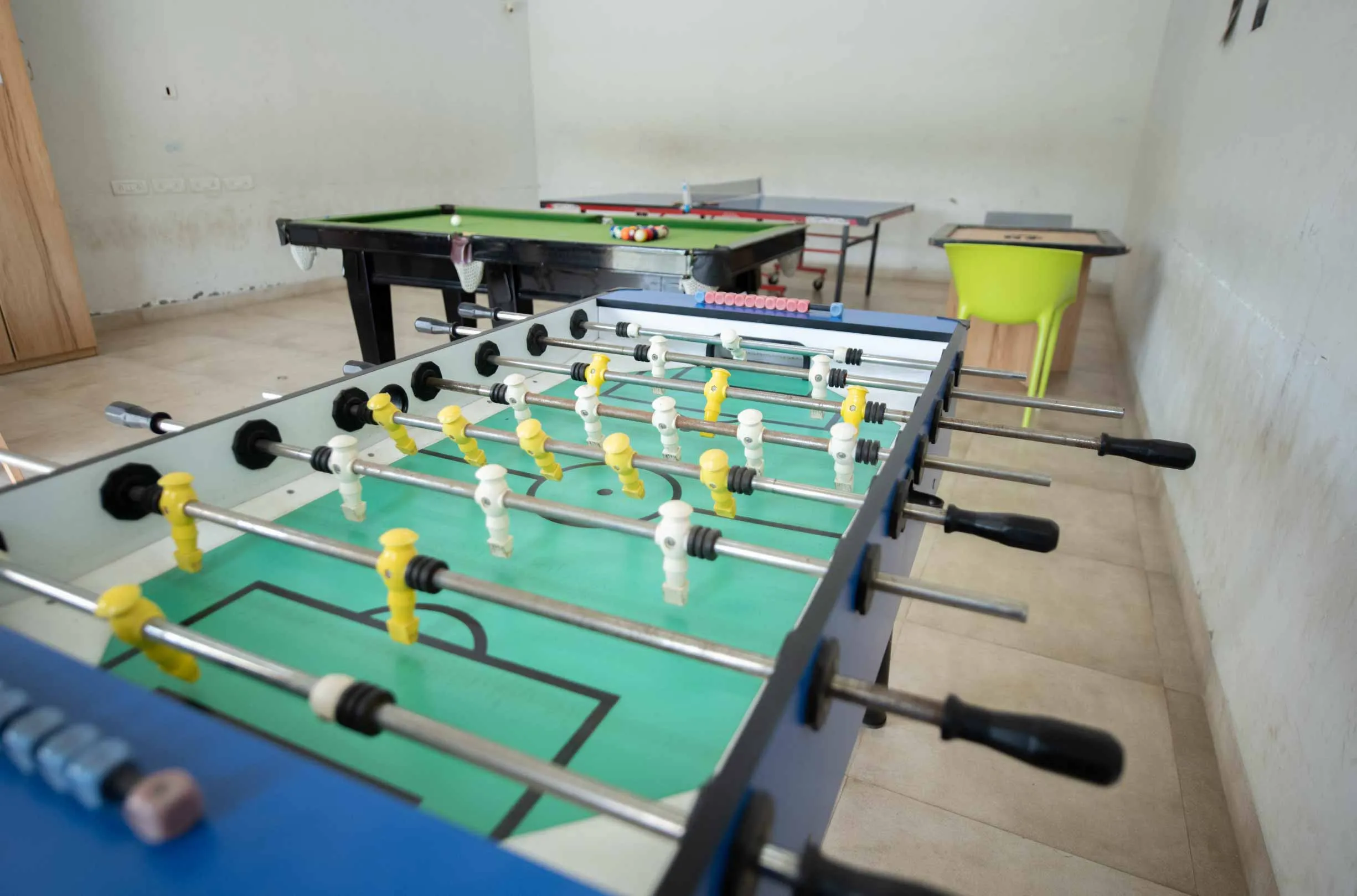
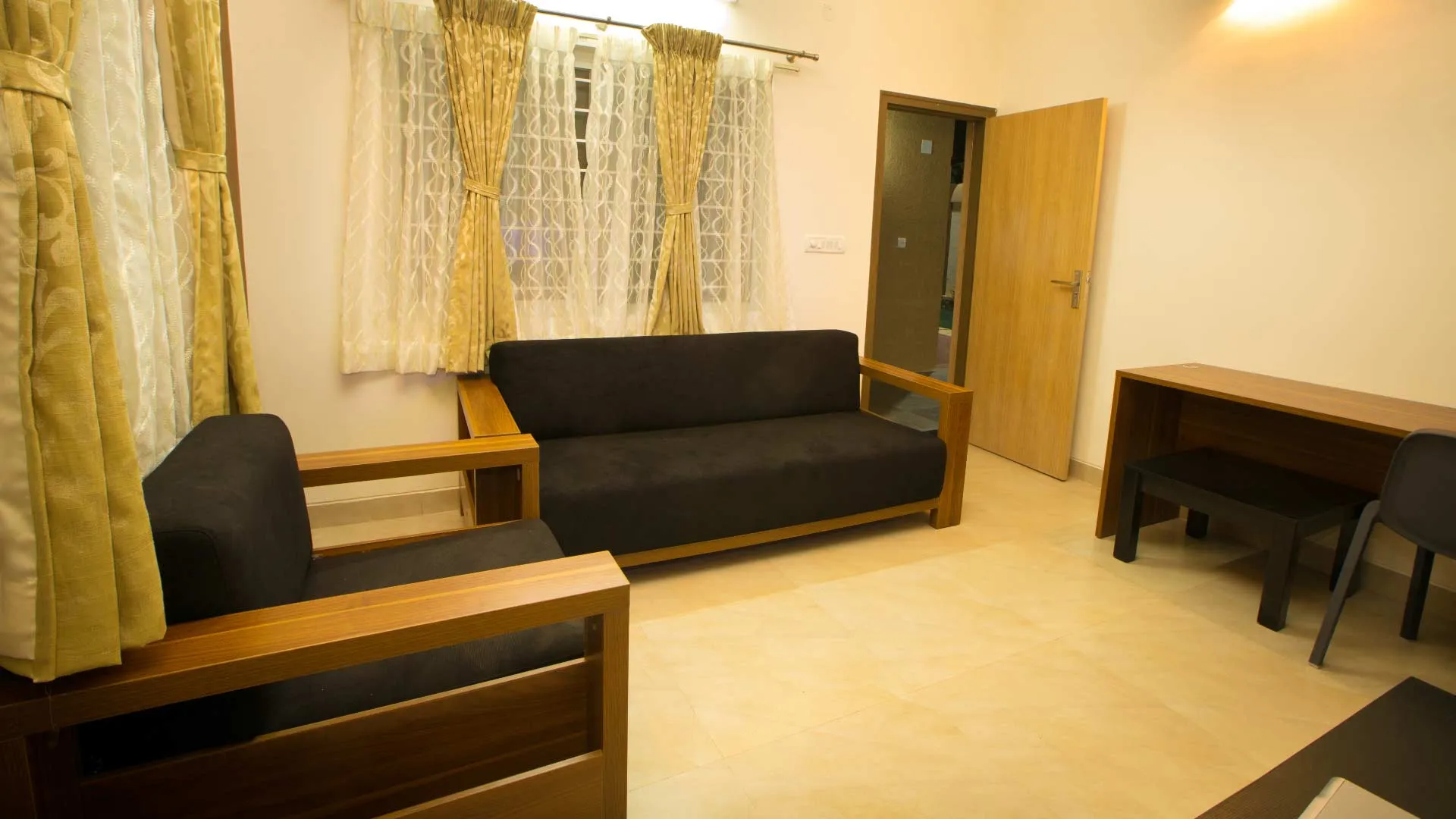
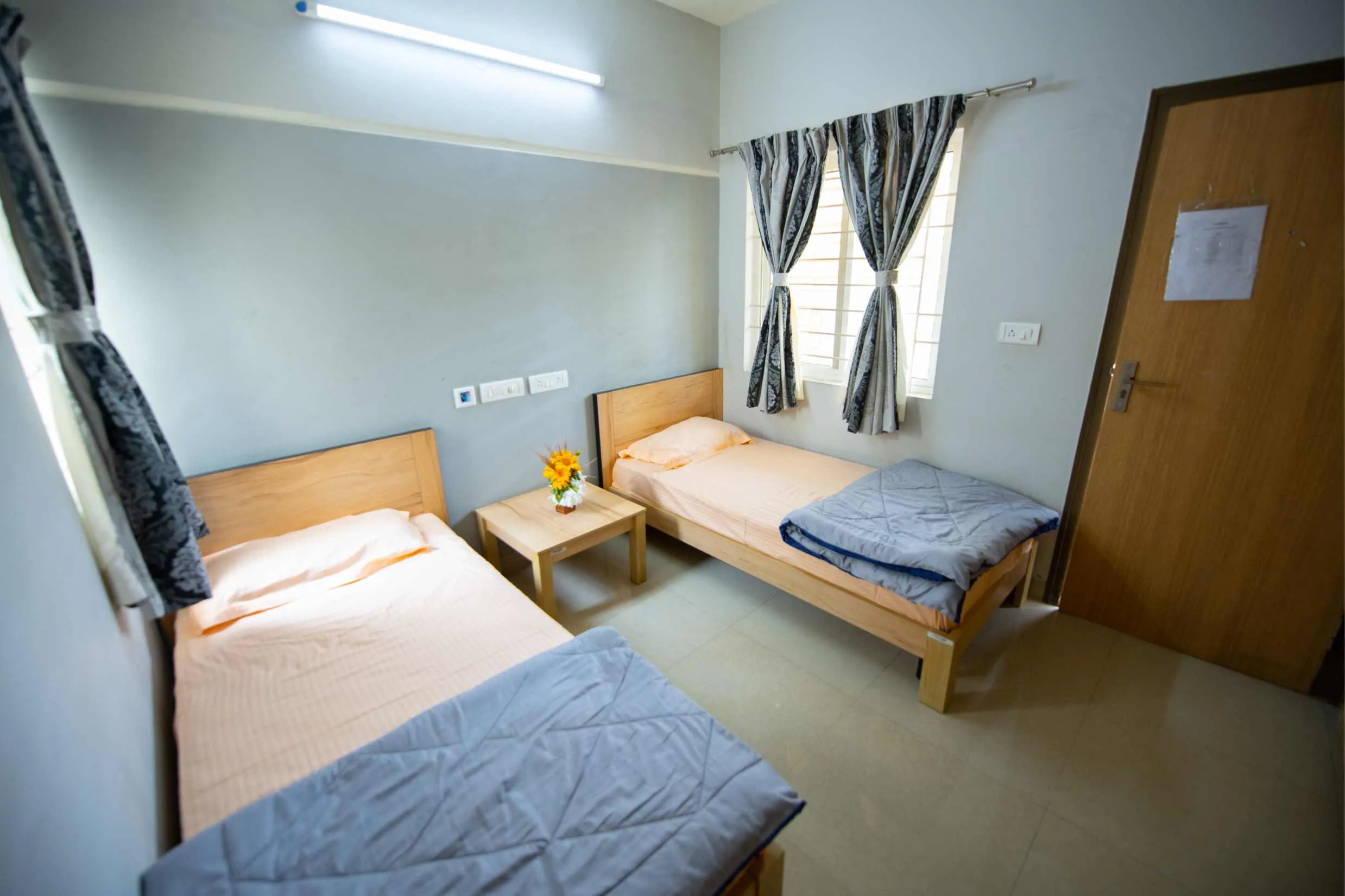
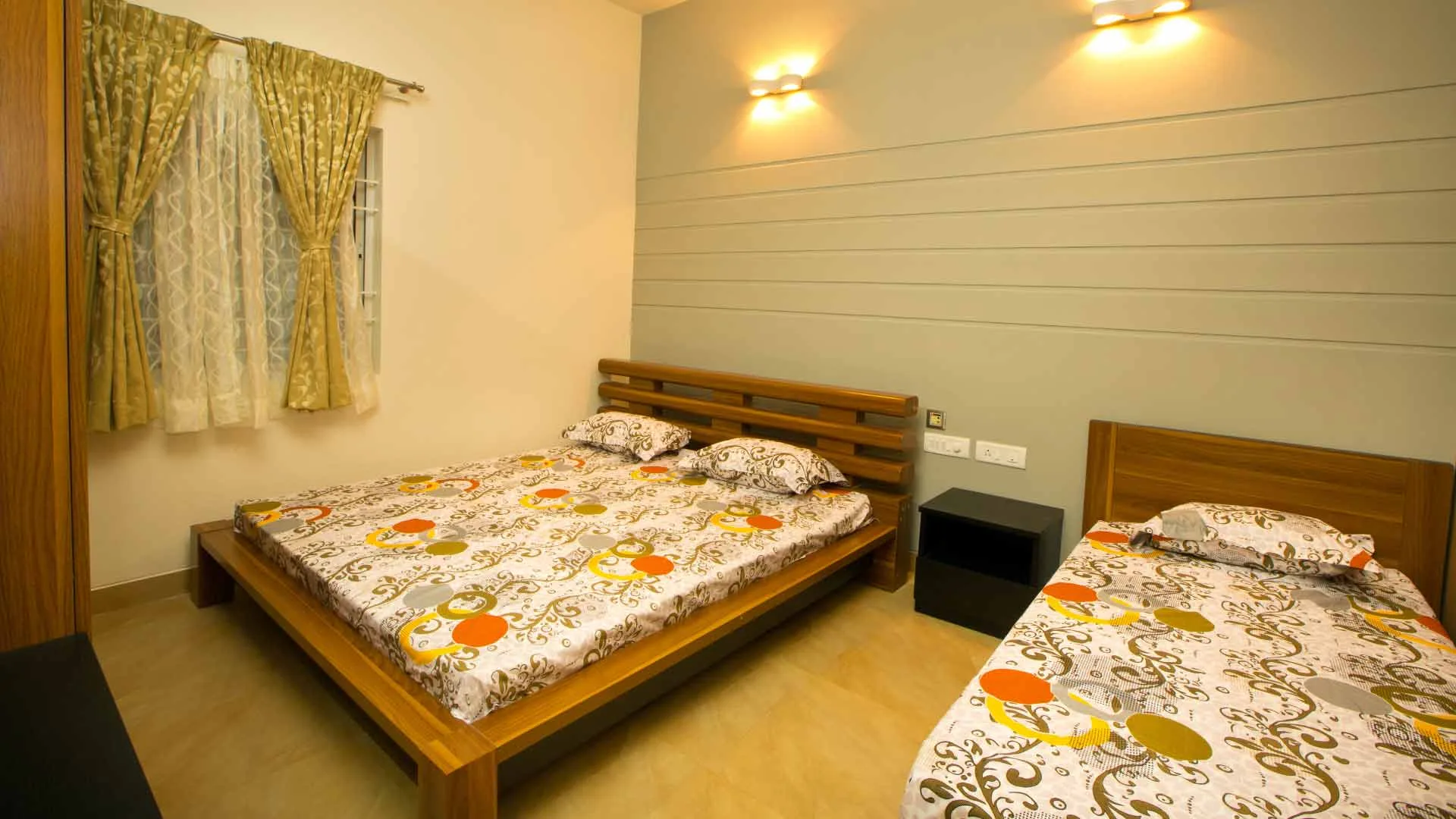
A Glimpse of the Women's Rehabilitation Centre in Bangalore

Take a virtual walkthrough of the women's wing and the wider Anunitha campus.

9 spaces
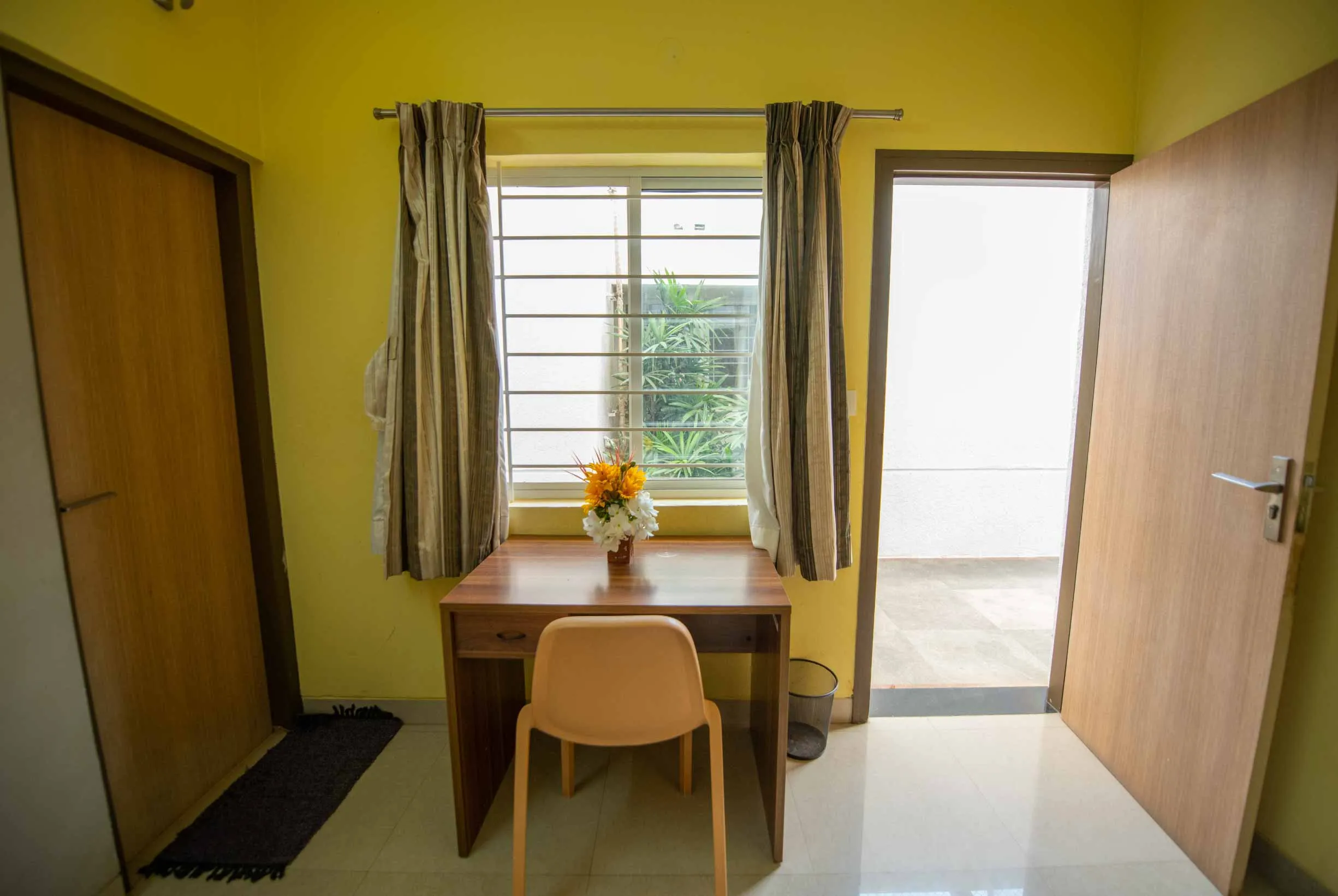
A Glimpse of the Women's Rehabilitation Centre in Bangalore Featured
A Glimpse of the Women's Rehabilitation Centre in Bangalore

Meet the clinicians

Meet our professionals

View all professionals
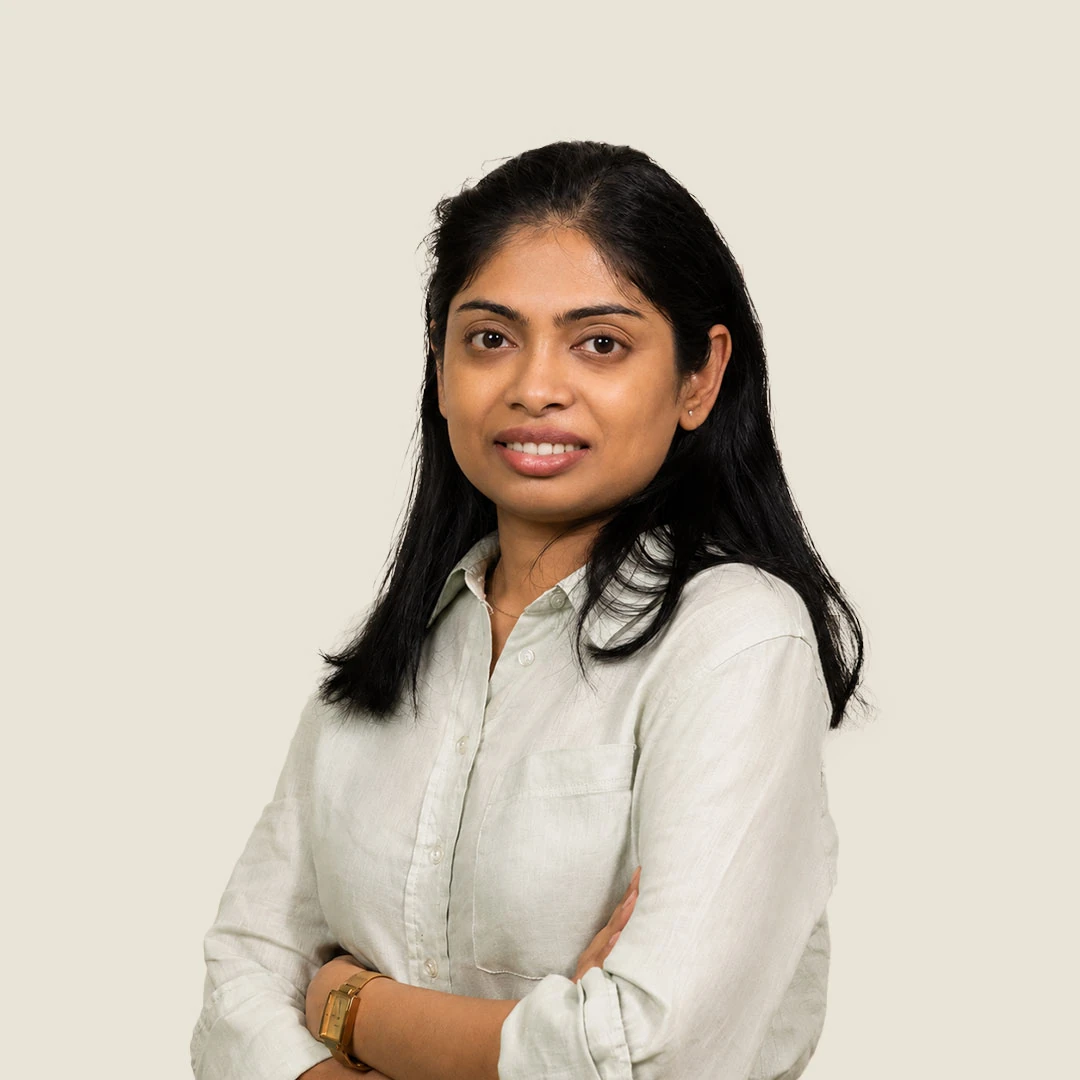
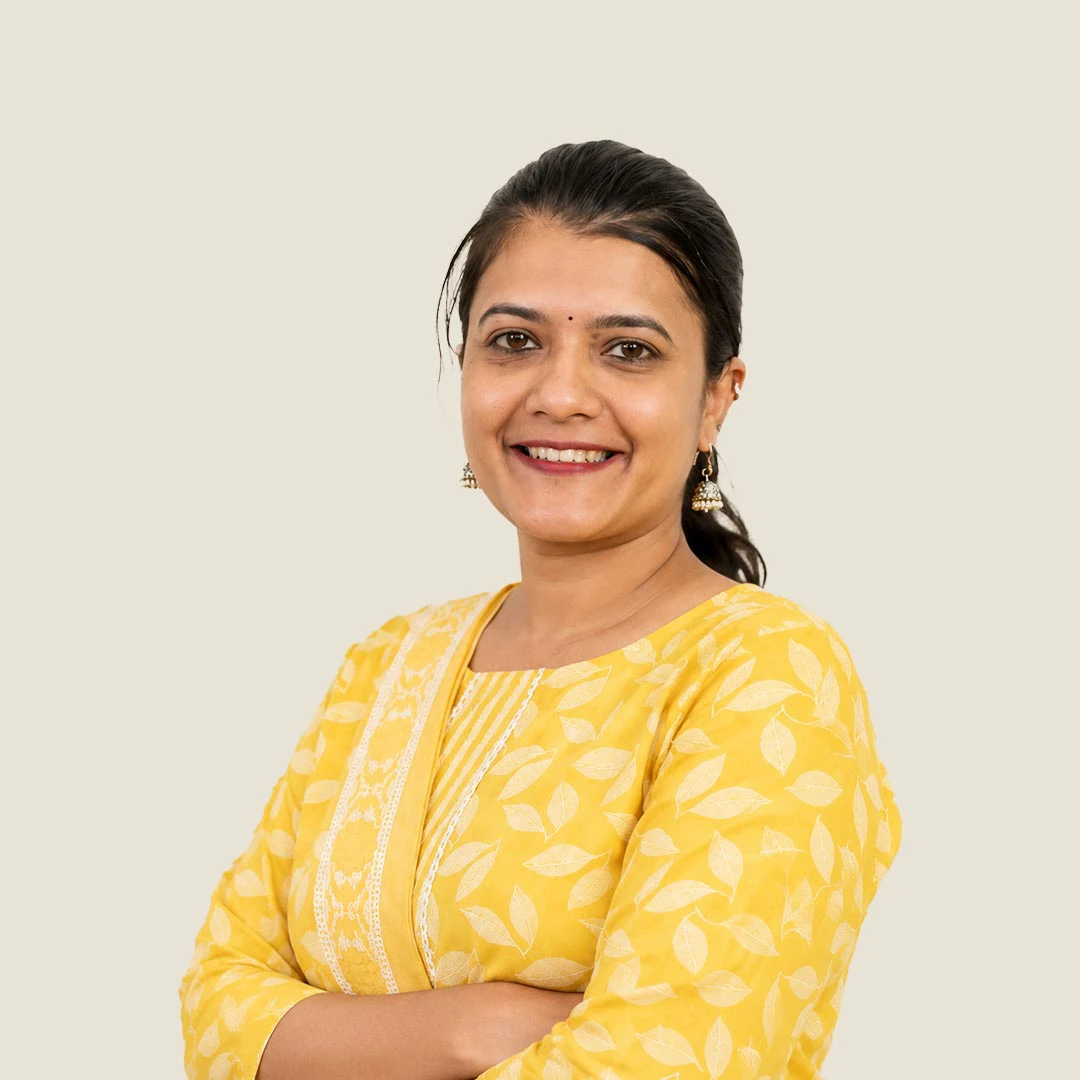
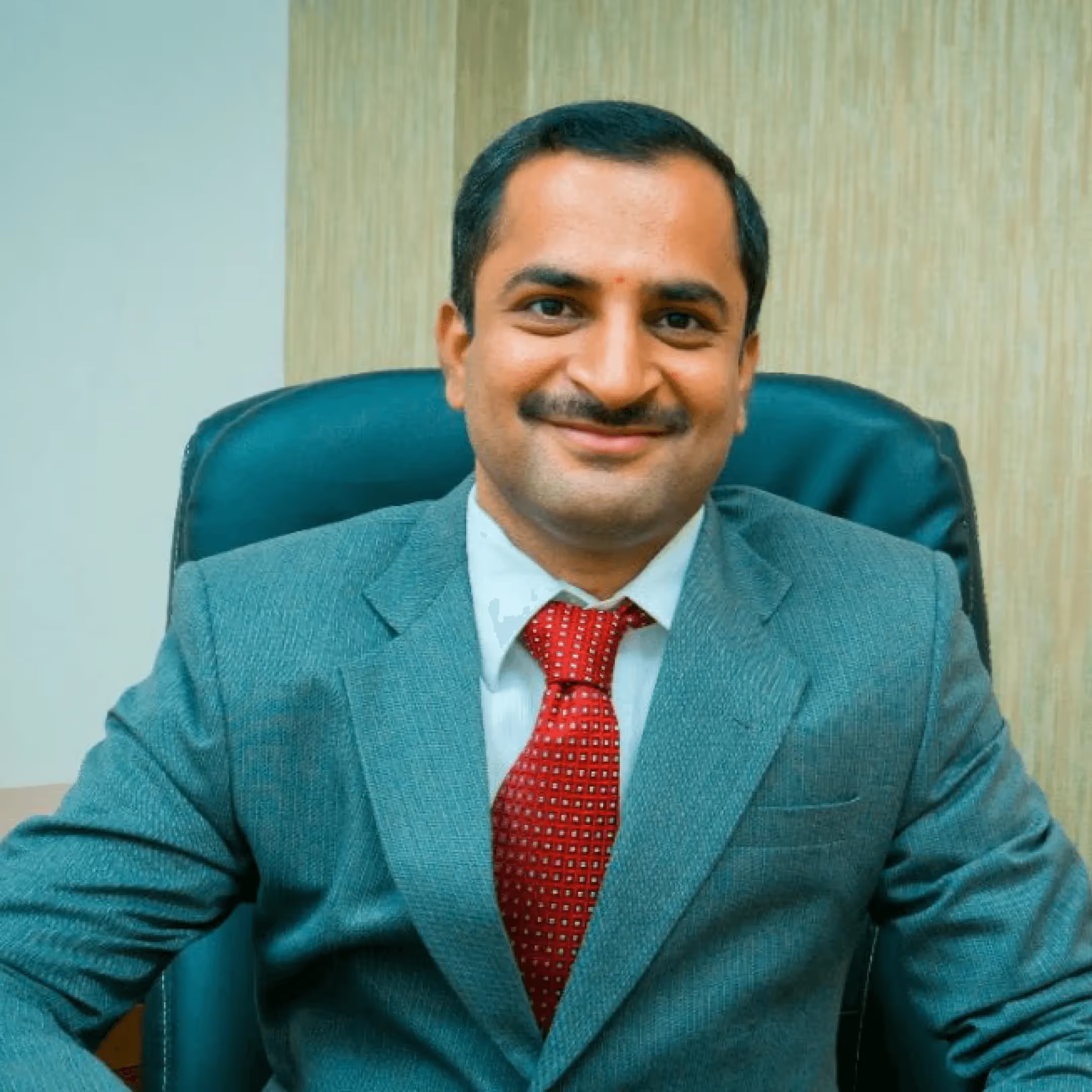
Ashwini ShastryPsychologist5+ yrs

Ashwini Shastry

Consultant Clinical Psychologist

Areas of focus
  • Depression
  • Autism Spectrum Disorder
  • Alcohol Dependence
  • +4 more
View profile
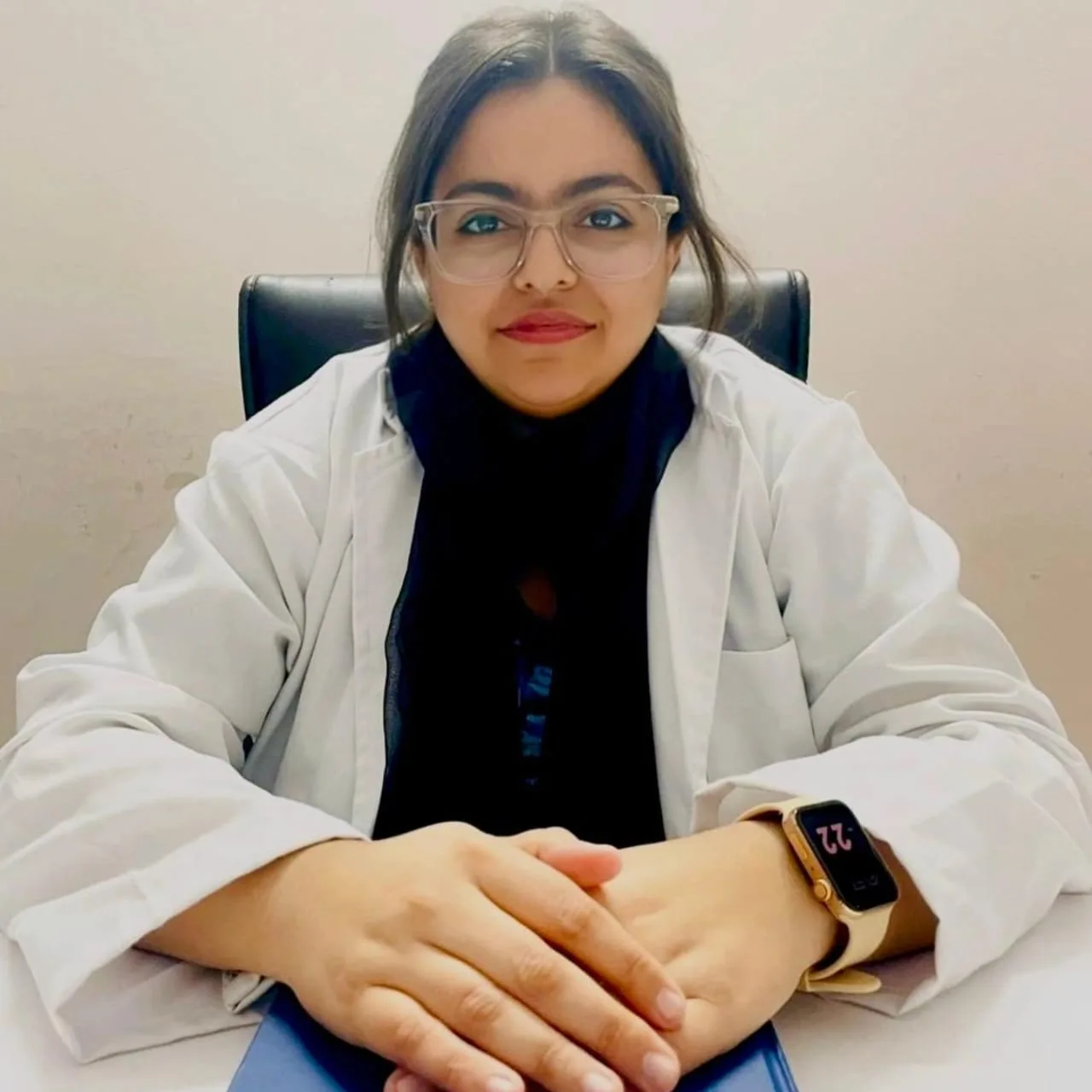
Dr Sunil M. R.Psychologist15+ yrs

Dr Sunil M. R.

Director Facilitator

Part of the multidisciplinary care team supporting every step of your recovery journey.
View profile
Dr. Deeksha ChadhaPsychologist1+ yrs

Dr. Deeksha Chadha

Clinical Psychologist

Areas of focus

  • Bipolar Disorder
  • Obsessive Compulsive Disorder
  • Drug Addiction
  • +3 more
View profile
Suhita SahaPsychologist10+ yrs

Suhita Saha

Consultant Clinical Psychologist

Areas of focus

  • Depression
  • Bipolar Disorder
  • Alcohol Dependence
  • +3 more
View profile

More on this centre

What Is Genuinely Different About Women's De-Addiction at Anunitha

Seven things, by design:

  1. A safe, women-only environment — a single-gender residential setting that lowers the threshold for seeking help and removes the largest comfort barrier from day one.
  2. Non-judgemental care that addresses the fear barrier directly — clinicians who treat addiction in women as the illness it is, never a character verdict.
  3. Addiction treated together with the underlying issues — trauma, anxiety, depression, relationship challenges and personality concerns handled as one integrated clinical picture, not separate workstreams. Where a psychiatric condition runs alongside the addiction, the dual diagnosis pathway applies.
  4. Specialised support for family, marital and parenting concerns — because women's substance use is frequently embedded in family-system dynamics, treatment addresses those dynamics.
  5. Family therapy aimed at rebuilding trust — repair, not just psychoeducation.
  6. Gender-sensitive treatment — tailored to women's distinct emotional, social and health needs, from detox through relapse prevention.
  7. Peer support from other women — recognition, connection and shared healing with women who have lived the same double burden of illness and stigma.

More on this centre

The Women's Wing at Cadabams Anunitha

Cadabams Anunitha is our dedicated de-addiction campus in Bangalore, treating addiction for over 30 years. The campus serves both women and men — 90 male beds and a dedicated 10-bed women's wing, physically and programmatically distinct. Three decades of treating men taught us exactly what was missing; in 2024 we built the women's centre this country was missing.

The wing sits inside a full-scale clinical campus, which matters: medical detoxification with hospital backup (the 5–7 day supervised protocol — see drug and alcohol detox), psychiatric cover for co-occurring conditions, occupational therapy at the Kalakriti unit, and Reach Out, our post-discharge care programme. This is a hospital-grade programme in a women-only space — not a retreat, and not a general ward with a curtain down the middle. Campus details are on the Cadabams Anunitha centre page at cadabams.org/centre/anunitha.

The Team

  • Soujanya — Senior Counsellor and Coordinator, Women's De-Addiction Services: the clinical anchor of the wing and usually the first clinician a woman or her family speaks with at length.
  • Dr. Suma — Junior Consultant, Cadabams Anunitha.
  • Mrs. Raji Raj — Head of Cadabams Anunitha, with ~11 years leading the campus.
  • The wider multidisciplinary team: psychiatrists, clinical psychologists, psychiatric social workers, nurses and counsellors, with family therapy led from Cadabams Hospitals JP Nagar by Dr. Swarupa (Consultant Family Therapist and Psychiatric Social Worker, PhD).

More on this centre

Treatment at the Women's Wing: What the Programme Looks Like

The clinical spine is the same evidence-based structure the campus is known for — delivered inside the women-only environment with the gender-sensitive lens:

  • Detoxification — medical management of acute withdrawal (5–7 days, medically supervised; severe withdrawal escalates to the Psychiatric ICU at Whitefield). If alcohol is the substance, read alcohol withdrawal symptoms first — stopping suddenly at home is the dangerous option.
  • Residential rehabilitation — structured days: individual psychotherapy (CBT, Motivational Enhancement Therapy), women-only group therapy, family sessions, recreation and routine.
  • Relapse prevention — trigger identification and coping strategies built around a woman's real environment: the kitchen at 4 p.m., the in-laws' taunts, the loneliness after the children leave for school.
  • Strong aftercare support through Reach Out — helping women maintain recovery and reintegrate into daily life, through the same structured 90-day post-discharge framework described in our caregiver guide.

Three programmes, matched at assessment — the same tiers for every resident at Anunitha:

  1. Comprehensive De-addiction Programme (CDP) — 30 days — for milder dependency with insight; suits working professionals and students.
  2. Enhanced De-addiction Programme (EDP) — 90 days — intensive multidisciplinary care for established dependency, little or no insight, or previous failed attempts.
  3. Dual Diagnosis Programme — 90–180 days — when addiction co-exists with a psychiatric condition — clinically common in women, where depression, anxiety and trauma so often sit underneath the substance use.

Aftercare with Reach Out: The First 90 Days, With a Woman's Reality in Mind

Discharge is not the finish line. The first 90 days after residential treatment carry the highest relapse risk anywhere in recovery — the Anunitha model structures them as three phases (transition, skill-building, early maintenance) with weekly OP care sessions in the first month. For women, the window has its own texture: re-entering a household that watched her leave, resuming parenting and caregiving roles while protecting her own routine, and managing the family attitudes — suspicion, over-monitoring, or premature relief — that can quietly undermine recovery. Reach Out planning at the women's wing addresses these directly, with the family in the room. The full 90-day framework, including the red flags families can watch for, is laid out in the caregiver guide.

Alcohol treatment for women, medication questions, admission timelines — ask directly. Call 96111 94949 (24/7) and ask for the Women's De-Addiction Services team. Speak to a woman counsellor about the programme, confidentiality and what admission involves. The call commits you to nothing.

More on this centre

How Families Bring a Woman Into Treatment

Families usually seek help when the addiction starts affecting health, relationships or daily life — the visible consequences, not the substance use itself. And in our experience, many women enter treatment with support from parents, a spouse or even their children, rather than alone. That is a strength, not a complication: recovery works best when the whole family becomes part of the healing process.

The pathway:

  1. Call and assessment. The triage team assesses severity and recommends outpatient care, detox, or residential admission. Unsure whether it has crossed the line into dependence? The self-assessment tools are a private first step.
  2. If she won't come in — a home-visit screening team (psychiatrist, psychologist, nurse) can assess her at home, anywhere in Bangalore. For situations where health or safety is endangered, supported admission under the Mental Healthcare Act 2017 exists; our admissions team guides families through it lawfully and gently.
  3. Family therapy from the start. Trust repair between a recovering woman and her family is programme content, not an afterthought — marital work, parenting concerns and the family system are addressed alongside the addiction.
  4. Aftercare together. The first 90 days after discharge carry the highest relapse risk; family involvement in the Reach Out plan — routine, follow-ups, structure, warmth at home — is one of the strongest protective factors we can measure.

More on this centre

Recovery Here Means More Than Stopping

At Anunitha, recovery is not just about stopping substance use. It is about helping women heal — from guilt, trauma and emotional pain — rebuild relationships, and regain control of their lives. The programme's philosophy, in the words of the Cadabams Anunitha clinical team: "Women seek treatment not because they are weak, but because they finally choose themselves."

If you are reading this for yourself: choosing yourself can start with one phone call. If you are reading it for your wife, daughter, mother or friend: your support may be the reason she finally makes it.

Cadabams Anunitha Women's De-Addiction Services, Bangalore. Assessment, home visits, admission and Reach Out aftercare: 96111 94949 — 24/7, confidential.

Find us

Visit the centre

Cadabams Group, Battarahalli, Bengaluru, Karnataka

FAQs

Frequently asked questions