Schizophrenia and substance use disorder (SUD) are often found to be co-morbid conditions. While schizophrenia is a mood disorder, SUD is an addiction issue, and it often interacts with a person. A person with schizophrenia could often use substances to cope with the symptoms of the disorder. Conversely, substance use issues could trigger schizophrenia in individuals. Through this blog, let us understand the relationship between schizophrenia and SUD.
Introduction to Schizophrenia and Substance Abuse Comorbidity
Schizophrenia and SUD are often comorbid conditions. Studies have shown that there is a significant interaction between schizophrenia and substance use, and this worsens the outcomes for individuals. Such individuals could face a higher risk of psychosis, poor medication management, and a very high chance of relapse. Being aware of the risks of comorbidity could be crucial to ensure long-term recovery.
Exploring the Link Between Schizophrenia and Substance Misuse
The relationship between SUD and schizophrenia is a difficult one to understand. Regardless of which condition triggers the other, both make the situation worse for the individual. SUD can trigger or worsen the symptoms of psychosis associated with schizophrenia, while schizophrenia itself can drive people towards addiction as a coping mechanism against symptoms.
Genetic and Neurobiological Connections for Comorbidity
Much like with other mental health disorders, genetics plays a major role in the occurrence of both schizophrenia and substance use disorders. The occurrence of both disorders (separately or together) can be traced down to specific genetic vulnerabilities that can impact dopamine regulation and brain structure. However, research about this is still ongoing.
Psychological and Social Factors Contributing to Comorbidity
Psychological factors play a major role in the co-occurrence of SUD and schizophrenia. Factors like stress, trauma, social isolation, and the lack of a support system can come together in the occurrence of both schizophrenia and substance use disorders. Addressing these issues through psychotherapy and supplementary treatment options can help in the effective management of both conditions.
The Role of Self-Medication in Co-occurrence
Schizophrenia and SUD are both disorders that necessitate medication and medical help. Especially in the case of schizophrenia, individuals may use prescribed or non-prescription substances to alleviate associated symptoms. This could lead to the occurrence of an SUD. Understanding the reasons behind these could play an important role in recovery.
The Impact of Substance Use Disorders on Schizophrenia
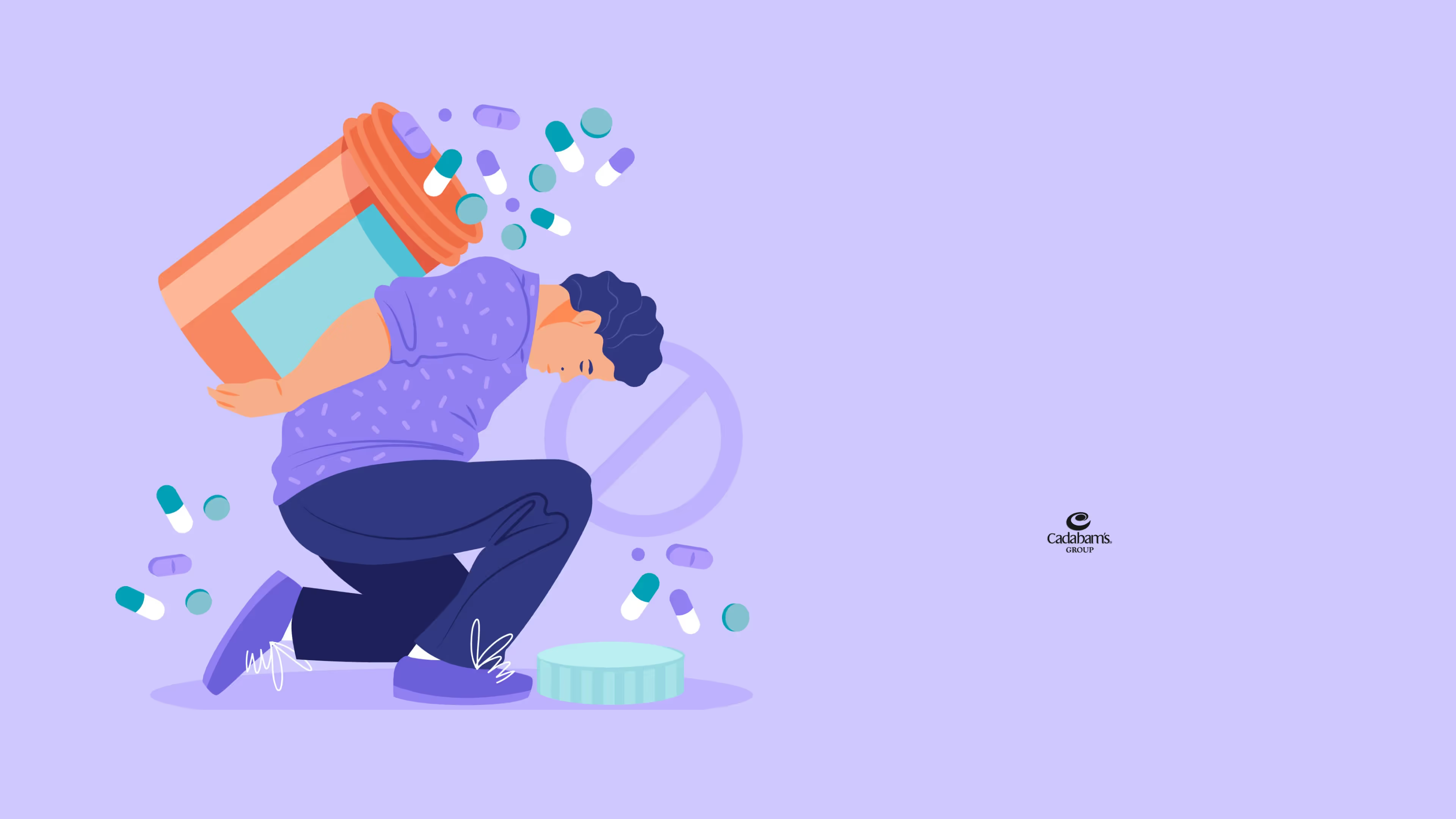
As explained above, the symptoms associated with schizophrenia can lead to a person trying to self-medicate. This could be using prescription or non-prescription medication and substances. This could also be using alcohol.
While these substances can, in the short term, lead to the alleviation of certain symptoms associated with schizophrenia, over a longer period, they do considerable damage. They can worsen symptoms of psychosis associated with schizophrenia and more.
Substances Commonly Misused by Individuals with Schizophrenia
Based on research, the following substances are seen to be most commonly abused by those with schizophrenia:
Illegal Substances
Individuals with schizophrenia could sometimes misuse substances that are deemed illegal by the law. This could include things like amphetamines, opioids, and much more. The major issue here is that these substances actively worsen the symptoms of schizophrenia and could even cause other comorbid mental health disorders.
Cannabis
Cannabis is another substance that is commonly misused by those with the disorder. The reason why it is so common is because of the psychoactive effects that can feel like helping with the symptoms of schizophrenia. Understanding marijuana abuse could hold a key to improving recovery outcomes.
Alcohol
Alcohol is also a substance that is often abused by individuals with schizophrenia. Alcohol, as a CNS depressant, can behave like a calming influence in some cases, but overall it significantly impacts recovery and worsens symptoms on a large scale. Alcohol abuse also brings severe physiological complications with it.
Nicotine
Individuals with schizophrenia often struggle with nicotine dependence issues. Smoking, as a form of nicotine intake, is associated with health hazards and can make recovery much more difficult. It is understood that some people use nicotine to control cognitive deficiencies and unpleasant symptoms associated with schizophrenia. Specialized smoking cessation programs are necessary to improve the health outcomes for people with schizophrenia.
Cocaine
Cocaine is another dangerous drug that is commonly misused by those battling schizophrenia. Cocaine, being a very powerful narcotic drug, can significantly worsen the symptoms of the disorder and carries a severe risk of addiction and overdose. Cocaine use can also be a severe impediment to schizophrenia treatment.
Free · Confidential
Book screening with our triage team
Speak to a clinician in minutes. We’ll help you figure out the right next step.
Statistics on Schizophrenia and Substance Abuse
Studies have shown that schizophrenia and substance abuse have a significant correlation with each other. The statistics show that the rate of substance abuse is 50 percent higher among individuals with schizophrenia when compared to the general population.
Diagnosing Comorbid Schizophrenia and Substance Abuse
Diagnosis of schizophrenia and substance use disorder is through the efforts of a multidisciplinary team involving psychiatrists and psychologists. Diagnosis includes interviewing the individual, going through their family and medical history, and assessments as well. Post all of these, a mental health professional
Treatment for Schizophrenia and Substance Abuse
Treatment for schizophrenia and substance abuse is a multi-modal journey. It includes medication, psychotherapy, supplementary therapy, self-help techniques, and much more. Treatment should be sought as soon as possible from a trained mental health professional to improve recovery outcomes.
Detoxification and Initial Evaluation
The first step to help those with substance use issues is to evaluate their use/misuse patterns and understand their consumption patterns as well. Post that, detoxification is the next step. Detoxification refers to the cessation of consumption of the substance. Detoxification is an important aspect of recovering from substance use issues.
Behavioral Therapies
Behavioral therapy refers to a treatment approach that focuses on modifying harmful or irrational thought patterns and behaviors and replacing them with healthier ones. It also focuses on improving coping mechanisms and enhances the overall functioning of the individual.
Effective methods of behavioral therapy include Cognitive Behavioral Therapy (CBT), Dialectical Behavior Therapy (DBT), and Assertive Community Therapy (ACT).
Cognitive Behavioral Therapy (CBT)
Cognitive Behavioral Therapy (CBT) is one of the most effective forms of psychotherapy. It is especially helpful in the cases of schizophrenia and substance use disorders. As part of CBT, the therapist guides a person toward identifying their negative thought patterns and behaviors and replacing them with healthier options. Individuals also learn how to cope with the symptoms, enhancing their quality of life.
Dialectical Behavior Therapy (DBT)
DBT is a beneficial treatment option that combines techniques of CBT and mindfulness practices to help individuals manage complex emotions. This form of therapy also helps in reducing self-destructive behaviors and improves relationships.
Assertive Community Treatment (ACT)
Assertive Community Treatment (ACT) provides community-based care for those with severe mental health illnesses. ACT includes a dedicated team that delivers personalized, around-the-clock support, focusing on symptom management, medication adherence, and social integration.
Medication Management Strategies
Medication management is a fundamental part of the recovery process from schizophrenia and substance use disorders. Ensuring medication is adhered to and ensuring that an individual does not misuse the prescribed medication is an important part of recovery from both disorders.
Training in Substance Refusal Skills
Individuals also need to be trained in how they can refuse substances when they are in a situation where they have access to or are offered substances. This could include finding healthier alternatives, getting out of such situations, and abstaining. These skills could come in handy and could prevent relapses in the long run.
Personalized Treatment Plans
At Cadabam’s Anunitha, we believe that personalized treatment plans play a fundamental role in the recovery process. At Anunitha, we have a wide range of treatment programs that are customized to meet an individual’s unique needs. Our professionals take time and effort to tailor a program to accelerate recovery.
Support Systems and Rehabilitation
Friends and family play a vital role as support systems for those battling schizophrenia and substance use disorders. They can help individuals adhere to treatment regimens and can act as vital support pillars for individuals during times of distress.
Challenges in Dual Diagnosis and Treatment
Treating schizophrenia and SUD together poses multiple challenges. Medication management is a huge challenge, and identifying differentiating symptoms of the disorders is also a challenge. The key is to keep track of symptoms to ensure that the recovery journey is on track and to prevent relapses.
Criteria for Choosing a Schizophrenia and Substance Use Disorder Rehab
Choosing the right rehabilitation center to treat a dual diagnosis of schizophrenia and substance use is a crucial decision that could greatly influence the recovery outcomes of the individual.
Things to look out for include the experience of the center, professional expertise, infrastructure, axillary staff, and much more. At Cadabam’s Anunitha, we have been the pioneers of dual diagnosis treatment in India for over 33 years now. Talk to us today!
Transforming Lives Beyond Schizophrenia and Addiction at Cadabam’s Anunitha
At Cadabam’s Anunitha, we focus on not only recovery from symptoms but also the holistic development of an individual. We drive a person towards independence in daily life while also helping them pursue their interests. We believe that an individual is not defined by the disorder they are battling.
If you are searching for a solution to your problem, Cadabam’s Anunitha’s De-Addiction Centre can help you with its team of specialized experts. We have been helping thousands of people live healthier and happier lives for 33+ years. We leverage evidence-based approaches and holistic treatment methods to help individuals effectively manage Schizophrenia. Get in touch with us today. You can call us at +91 96111 94949.