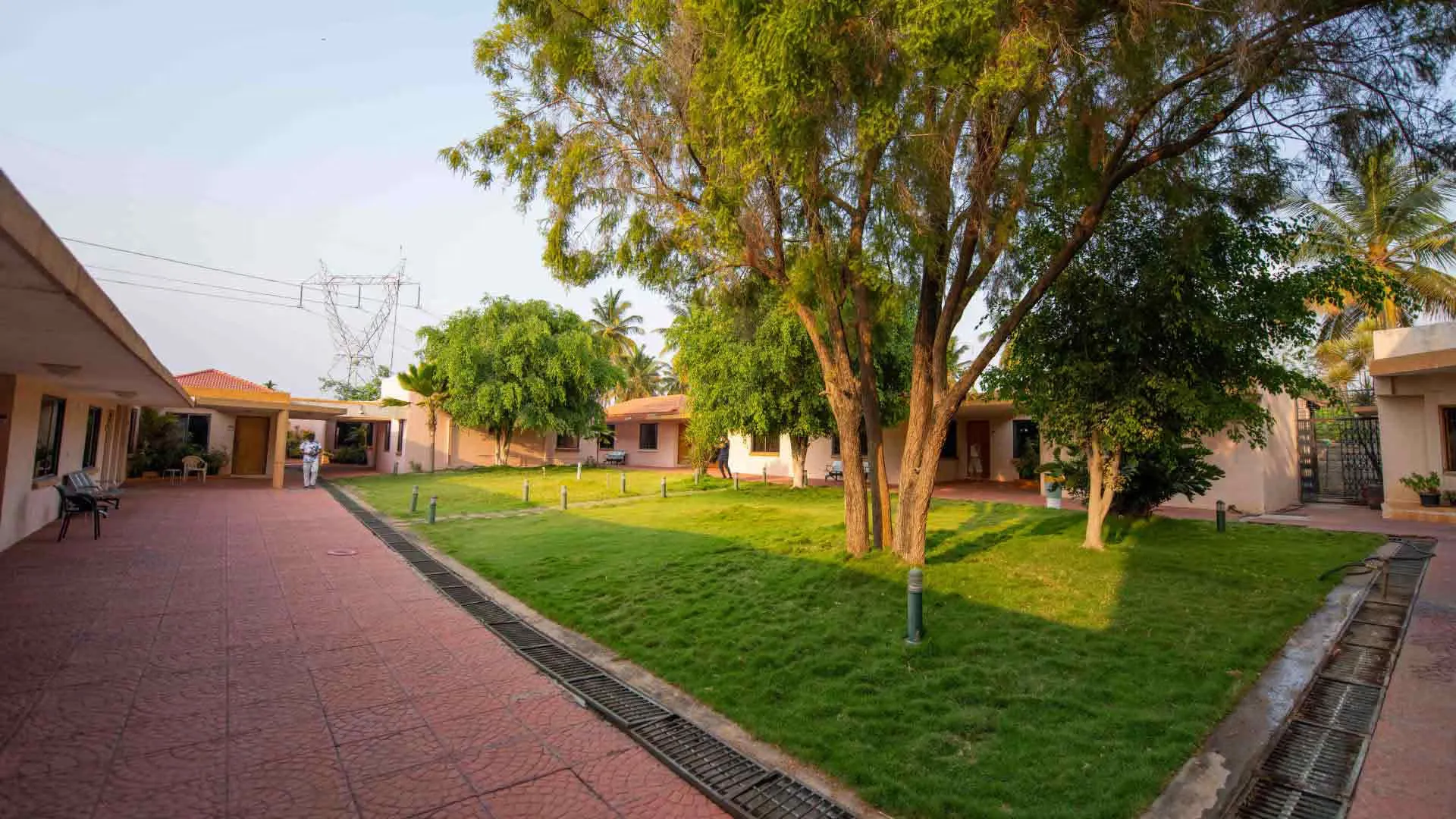
New — Take a 360° Virtual Tour of our centre. Explore every space before you visit.

Substance use guide

MDMA Addiction: Comprehensive Overview and Treatment Options

MDMA addiction is a widespread mental health concern that affects numerous individuals globally. It can cause both psychological and physiological distress, apart from the plethora of interpersonal problems as well.

There are major risks that are associated with MDMA addiction, such as overdose, damage to organs, and so much more.

Chapter 01

What is MDMA?

3, 4-methylenedioxy-N-methamphetamine is the scientific name for MDMA. It is also commonly known as Ecstasy (in a tabular form) or Molly (in crystal form). It causes the ingester to hallucinate and is, by default, a psychedelic drug. It works as a stimulant and causes an energising effect, as well as distortions in sensations. There is no proven medical benefit; it is very high on the ladder for addiction and is also illegal.

View this post on Instagram

A post shared by Cadabam's Anunitha | De-addiction Centre (@anunitha_cadabams)

Chapter 02

Effects of MDMA on the Body

MDMA functions by stimulating neurotransmitters, such as norepinephrine and serotonin, which can have a calming effect on the body. It also gives pleasure and self-confidence as well as a heightened energy level.

Short-Term Effects of MDMA

Short-term effects of MDMA usually include becoming emotionally charged, having a heightened sensory overload, being exceptionally warm and empathetic towards others and even a heightened sense of self.

Long-Term Effects of MDMA

In the long run, MDMA abuse can have a negative impact on the brain's serotonin production, leading to conditions such as psychosis. Misuse of the drug can weaken the immune system and even cause a change in levels of other neurotransmitters, such as dopamine and GABA, changing the moods of the person.

One’s appetite changes and one tends to lash out in anger. One can feel irritable and may feel an increased heart rate as well. Cognitive functions such as concentration and attention are also affected, as are sleep habits.

Chapter 03

Risks of MDMA Use

Marijuana's effects on the body encompass a spectrum of both physical and mental repercussions, influenced by its main psychoactive compound, tetrahydrocannabinol (THC).

While marijuana's medicinal properties are recognised and valued, weighing these benefits against the potential health risks is paramount to making informed decisions about its consumption.

Physical Risks

Physically, regular inhalation can lead to respiratory complications, mirroring some risks associated with tobacco smoke, including bronchitis and lung infections. Additionally, marijuana can elevate heart rates significantly, posing potential risks to individuals with heart conditions.

Mental and Emotional Risks

On the mental front, while many users consume cannabis for its calming effects, some individuals might experience heightened anxiety, paranoia, or even hallucinations. Long-term use, especially when initiated during adolescent years, has been linked to cognitive impairments, memory issues, and a potential risk for developing chronic mental health disorders like schizophrenia.

Chapter 04

How MDMA Addiction Develops

MDMA is addictive for most people, and they report signs of withdrawal when trying to quit it - such as decreasing appetite, fatigue, depression and struggle to concentrate. They show typical signs of addiction, as in they are not able to stop at will, and the dosage increases in frequency as well as intensity over time to be able to feel the same high. One has sleep issues, memory problems, anxiety, irritability, cramps, impulsive desires and confusion at times as well.

Chapter 05

How is MDMA Addiction Diagnosed

It is seen that once someone becomes a regular, they start to show withdrawal symptoms. An individual specialising in addiction management should be able to diagnose this effectively by asking about things such as changes in personality and behaviour, dependency on the drug, showing a lack of responsibility, loosening of social circles, strong urges and compulsions, inability to person daily tasks effectively, and of course the basic withdrawal symptoms of mood swings, anxiety and depression.

Chapter 06

When to Seek Help for MDMA Addiction?

Recognising and addressing MDMA addiction early on can enhance recovery outcomes by a lot. It is a good idea to seek help when one grows dependent on it or has to increase the quantity or frequency to be able to maintain the same high. If they are also unable to perform daily tasks well, avoid taking regular responsibilities, and avoid socialising because of it, this can be a warning sign. Mood changes are also to be noted, as they can be indicative of withdrawal symptoms.

Chapter 07

Treatment Options for MDMA Addiction

The usual approach for MDMA addiction treatment includes effective management of withdrawal symptoms, reducing cravings, and avoiding relapse.

Detoxification

Detoxification is usually the first step in clearing the body of toxins, and in many treatment programs, this is where the withdrawal symptoms are managed. Mood shifts are expected, as is the inability to sleep well, general irritability, and a shift in appetite as well. The setting, when a controlled one, can ensure the well-being of the individual being taken care of.

Therapy and Counseling

Cognitive Behavioural Therapy (CBT) is most effective for cases of MDMA addiction, as it allows for cognitive mediation of the person’s behaviour, expectations and thinking and allows them to get into healthy coping. Support groups for addiction can provide a group outlet, and even family counselling can help make things even with the interpersonal issues that the family faces.

Medication-Assisted Treatment

There are no FDA-approved drugs for MDMA addiction treatment as of yet, but there are some trials that have shown a great impact on animals.

Rehabilitation

MDMA Rehabilitation programs can be very helpful when considering the treatment plan for MDMA addiction. The aim is to be able to provide the support that they need, which caregivers at home are often not able to administer on their own. Whether it is inpatient or outpatient, there is scope for improvement in both kinds. The difference is usually determined by the medical professional and the client, but both emphasise therapy, support, skill-building and coping, as well as education.

Chapter 08

What Type of Doctors Can Treat MDMA Addiction?

There are usually quite a few people who treat MDMA addiction. There is a team of psychiatrists, often with a specialisation in addiction cases and clinical psychologists who make the diagnosis and plan the MDMA addiction treatment, allocate medication if needed, and provide therapy. Physicians are there for general medical-related checkups, and of course, other workers are there to make the process easier on the ground level, especially if MDMA rehab is considered. It's essential for individuals seeking help to find healthcare providers with experience in addiction medicine or therapy, ensuring a holistic and informed approach to recovery.

Chapter 09

What are the Effects of MDMA Withdrawal?

Some effects of MDMA withdrawal include irritability, anxiety, depression, issues with memory, inability to sleep well, a prevalent confused state, cognitive losses such as not being able to concentrate and a drifting attention span. There is often a loss of appetite and a change in the perception of the self.

Where recovery starts

How Cadabam's Rehabilitation Center Can Help?

Cadabam's has over 33 years of experience in helping individuals with addiction issues. With an expert team and cutting-edge infrastructure, Cadabam's offers the best recovery experience for people facing MDMA addiction. With multiple treatment programs that are evidence-based and effective, we ensure that you are always on the road to recovery.

If you are searching for a solution to your problem, Cadabam's Anunitha’s De-Addiction Centre can help you with its team of specialised experts. We have been helping thousands of people live healthier and happier lives for 33+ years. We leverage evidence-based approaches and holistic MDMA addiction treatment methods to help individuals effectively manage MDMA addiction. Get in touch with us today. You can call us at + 91 96111 94949.

Directory

Top Rehabilitation Centres

Meet the clinicians

Meet our professionals

View all professionals
Dr. Anusuya Devi M

Psychiatrist

Dr. Anusuya Devi M

Consultant Psychiatrist

8 years of experience

Treats: Depression, Schizophrenia, Dementia, Alcohol Dependence, Drug Addiction, Bipolar Disorder, SLD, Autism Spectrum Disorder

View profile
Dr. Raja Hiremani

Psychiatrist

Dr. Raja Hiremani

Consultant Psychiatrist

20 years of experience

Treats: Alcohol Dependence, Schizophrenia, Dementia, Depression, OCD, Personality Disorder

View profile
Dr. Rajashekar

Psychiatrist

Dr. Rajashekar

Consultant Psychiatrist

7 years of experience

Treats: Alcohol Dependence, Autism Spectrum Disorder, Bipolar Disorder, Dementia, Depression, Drug Addiction, OCD, Personality Disorder, Schizophrenia

View profile
Dr. B. R. Madhukar

Psychiatrist

Dr. B. R. Madhukar

Medical Director

25 years of experience

Treats: Alcohol Dependence, Bipolar Disorder, Dementia, Schizophrenia, Drug Addiction, Personality Disorder, OCD

View profile
Dr. Anitha Bharathan

Psychologist

Dr. Anitha Bharathan

Consultant Clinical Psychologist

13 years of experience

Treats: Dementia, Depression, Drug Addiction, OCD, Personality Disorder, Schizophrenia

View profile

A Glimpse of the Centre

Common Area
Common Area
Common Area

Voices of recovery

What families tell us

I had admitted my mother for schizophrenia treatment. Full marks to the facility, doctors, and the counselor. My mother was treated with utmost care. This is one of the best in the city.

Amrithraj Kannanth

It is a very good place. Very professional. Most patients who recover some self-awareness will know the value of this place. The centre has served the patient well.

Anand Rajamani

My wife of 35 years started forgetting everyday things, and that was when we realized something was amiss. We received a diagnosis of dementia. It felt like the world was falling apart for me. But, the Cadabams team have done such a good job of caring for her that I feel so much more peaceful now. I can see her happy, and I know that she is cared for.

Arvind Subramanian

This is one of the most well-planned and thought-out rehabilitation centers in India. I was diagnosed with substance Induced psychosis a couple of times before and was admitted here. To be honest I found it very harsh at first and sometimes they really frustrate you and curtail your freedom a lot. But when you look at the bigger picture they try to inculcate discipline and good habits which is the most effective weapon to tackle substance abuse.

Abhimanyu Verma

He started doing some work while recovering and it changed him as a person. He has since made some good progress in recovery, thank you Cadabams for helping my brother.

Bharat

FAQs

Frequently asked questions

Ready to begin?

Talk to our team about MDMA Addiction: Comprehensive Overview and Treatment Options

Call +91 96111 94949