01
Regular Admission
As and when the family or the primary caregiver confirms the admission by following the processes related to “Admission Procedure”.
Recovery from mental health disorders is a journey, and not a destination. It is something you will have to work on each day, regardless of where you are. The process of recovery, however, is much simpler in a rehabilitation centre, clinic, or hospital. These spaces are designed with your recovery in mind, and all actions performed here complement that. But, how do you ensure that this recovery and progress are sustained once you are discharged from a rehabilitation centre or hospital?
The answer to this is Cadabam’s Post-Rehabilitation Care Program. Our philosophy of treatment aims at recovery that is sustainable over a longer period of time. As part of this program, you will have continued access to our expert mental health professionals even after leaving our rehabilitation centres. Our professionals will regularly check up on your health and progress to ensure that the recovery you have achieved at the rehab is sustained and you are able to lead a fulfilling life.
Download our program brochure now!
33+
Years in mental healthcare
6
Rehabilitation centres across 2 states
200+
Mental health professionals working with us
1000+
Individuals recovering and returning to society each year
This program is ideal for individuals who are transitioning from a residential or intensive rehabilitation environment. It is also highly beneficial for anyone who requires continued therapeutic supervision to solidify their recovery progress and apply newly learned coping skills in real-world settings.
It is important to recognize when ongoing support is needed after initial treatment. Key signs include:
If you or a loved one shows these signs, continued care can make all the difference. Contact Cadabam’s at +91 9611194949 to discuss a support plan.
The program is designed to provide seamless, ongoing support that builds upon the progress made during rehabilitation. It functions through a combination of continuous assessment, personalized planning, and consistent therapeutic engagement to help individuals maintain stability and grow their independence.
Upon entering the program, our clinicians conduct a thorough evaluation of the individual’s recovery progress. This assessment helps identify ongoing support needs, strengths, and potential challenges. It ensures the care plan is perfectly aligned with your current state and future goals.
Based on the assessment, a customized treatment plan is developed. This plan is not about starting over; it is about maintaining and building upon the progress you have already achieved. It outlines specific strategies, goals, and support structures to ensure long-term stability.
Regular therapy sessions are a core component of the program. These sessions help individuals effectively manage stress, identify and cope with triggers, and navigate emotional challenges that arise during the transition back to daily life. The focus is on practical application of coping skills.
Our post-rehabilitation care incorporates a range of therapeutic and support services designed to reinforce recovery and promote well-being. These services are delivered in a structured yet flexible manner to adapt to each individual's journey.
For more details on our personalized programs, call us at +91 9611194949 .
The duration of post-rehabilitation care varies for each individual. It is tailored to your specific recovery needs and progress. Some may benefit from a few months of structured follow-up, while others might require longer-term support to ensure lasting stability. The structure is flexible and adjusted as you grow more confident and independent.
Engaging in a post-rehabilitation program leads to several positive, long-term outcomes that support a healthy and independent life.
Cadabam’s provides a full continuum of care to support every stage of the recovery journey. Related programs that complement our post-rehabilitation services include:
Choosing Cadabam’s means entrusting your long-term recovery to a leader in mental healthcare. We provide a supportive and structured environment to help you thrive after rehabilitation.
Where we deliver
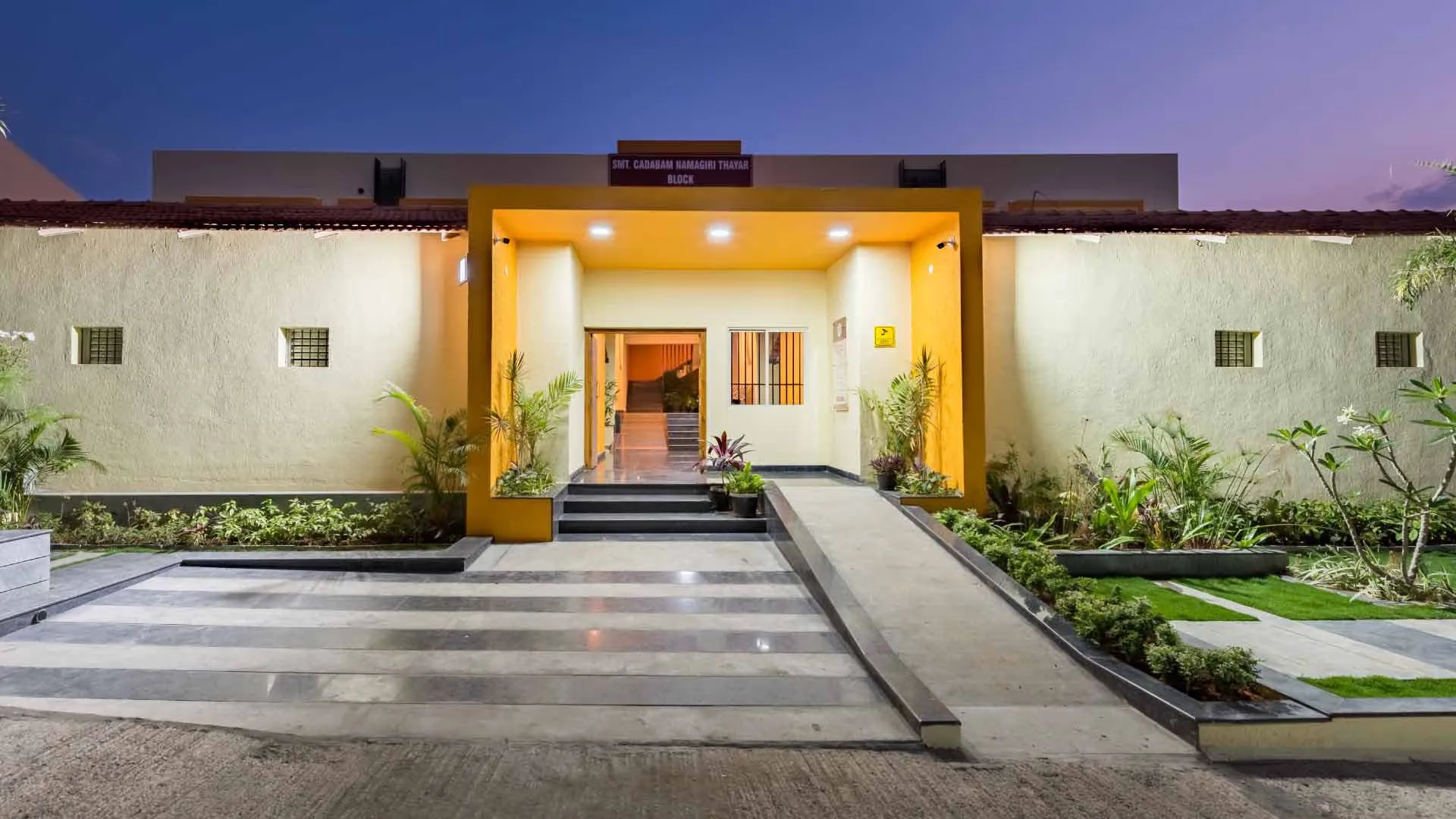 Bangalore
Advanced Psychiatric Rehab Centre in Bangalore
Read more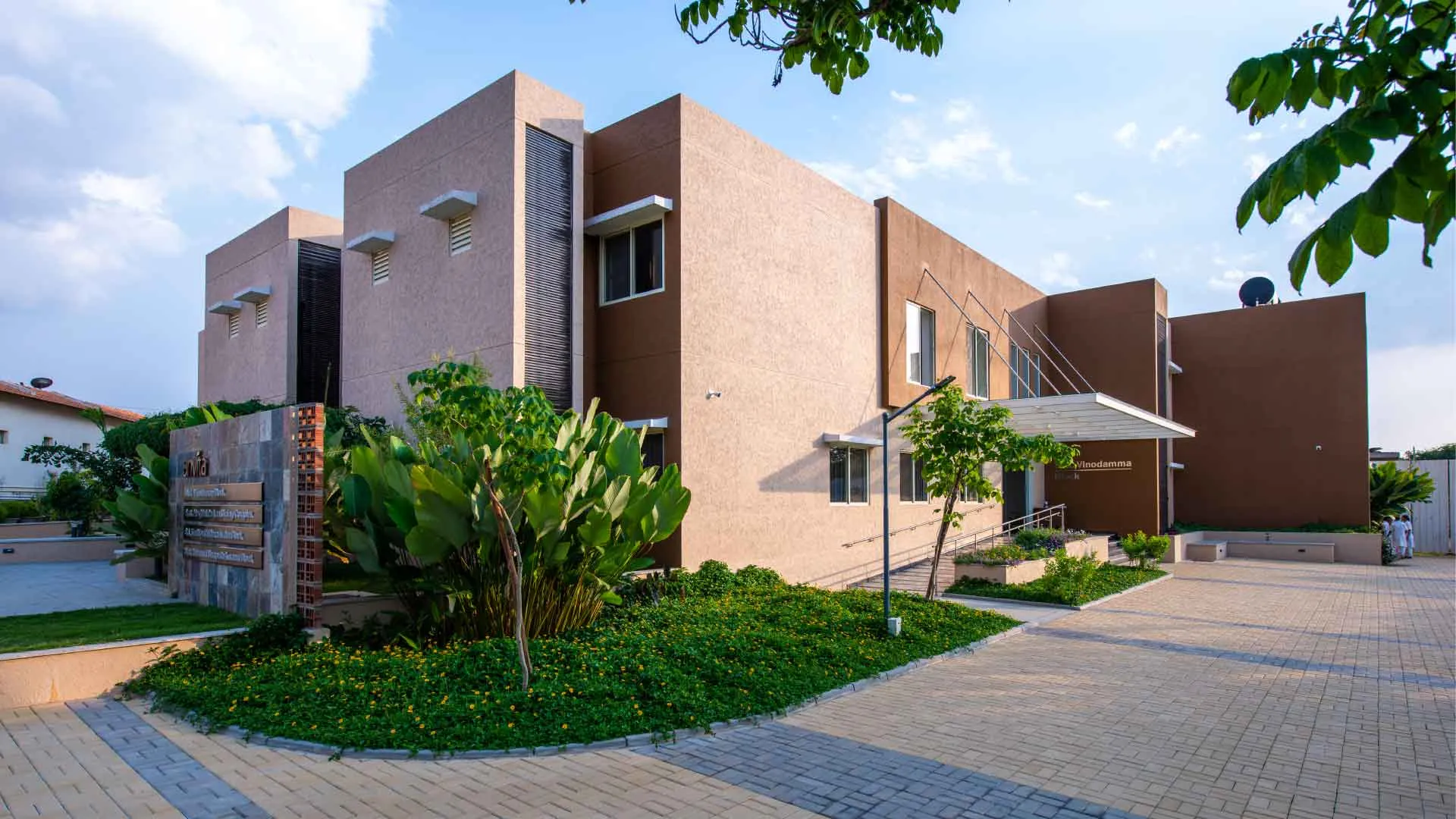 Bangalore
Long-Term Rehabilitation Center in Bangalore, India
Read more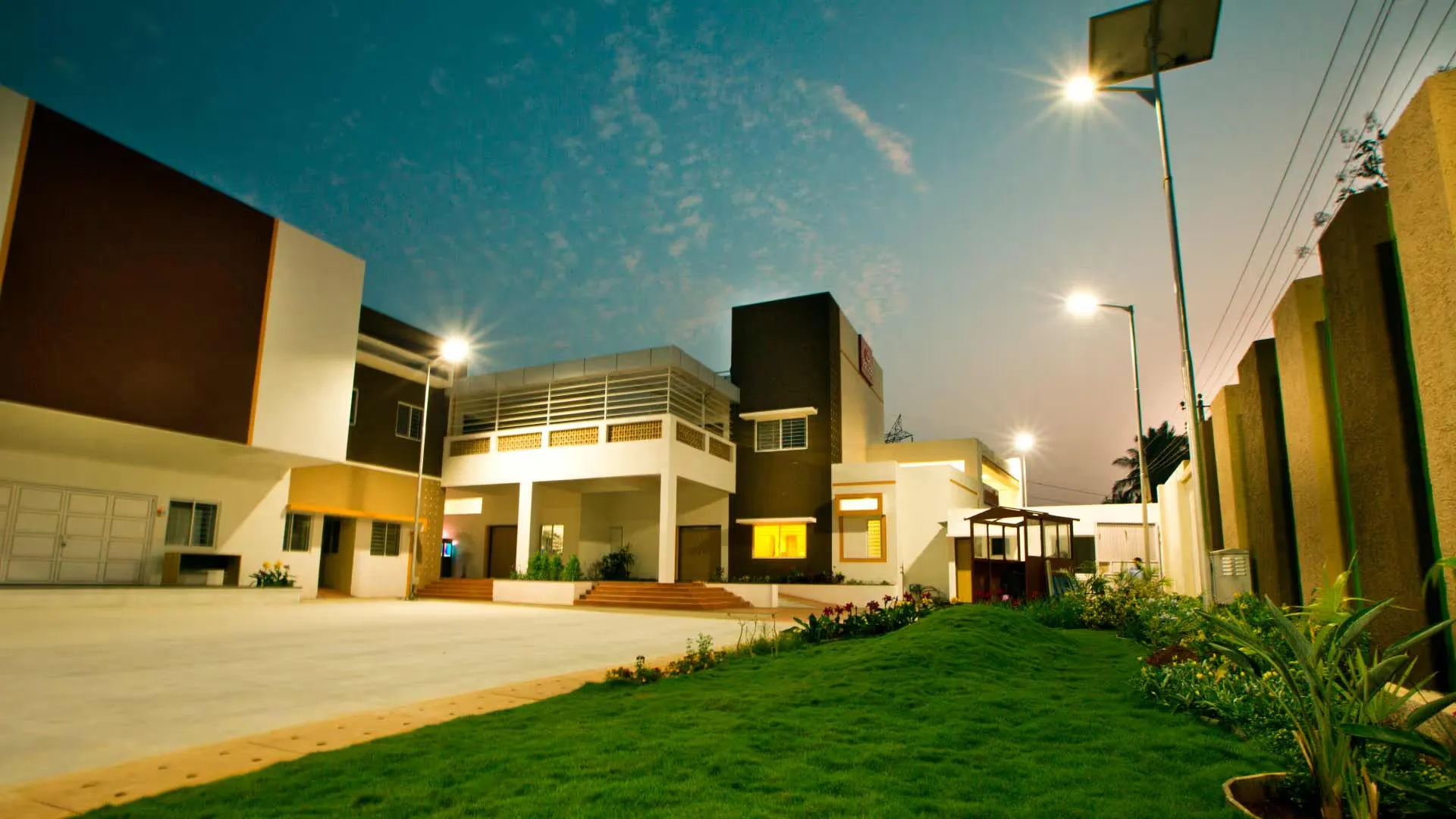 Bangalore
Our Specialised De-Addiction Centre in Bangalore
Read more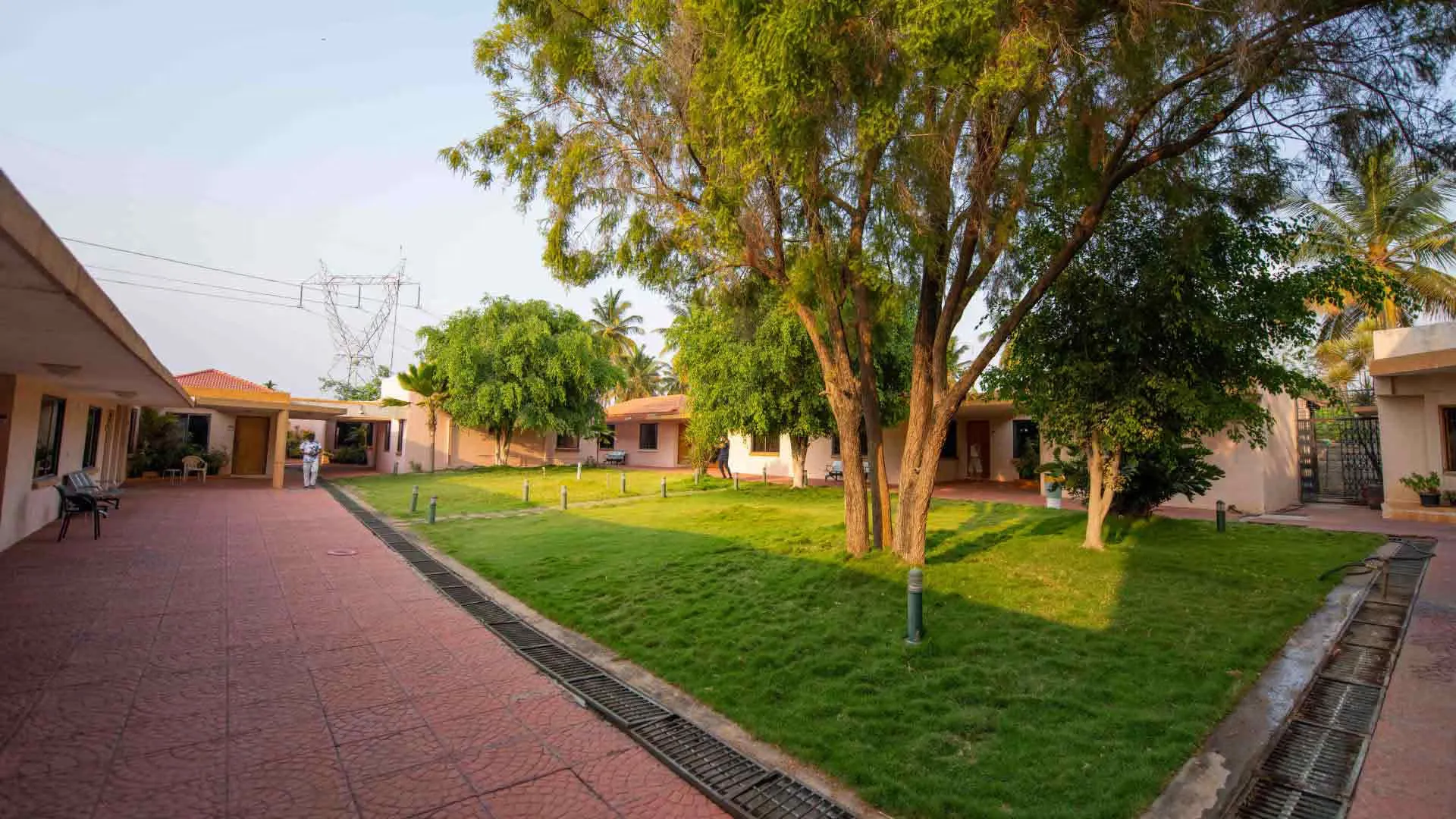 Bangalore
Luxury Rehabilitation Center in Bangalore, India
Read more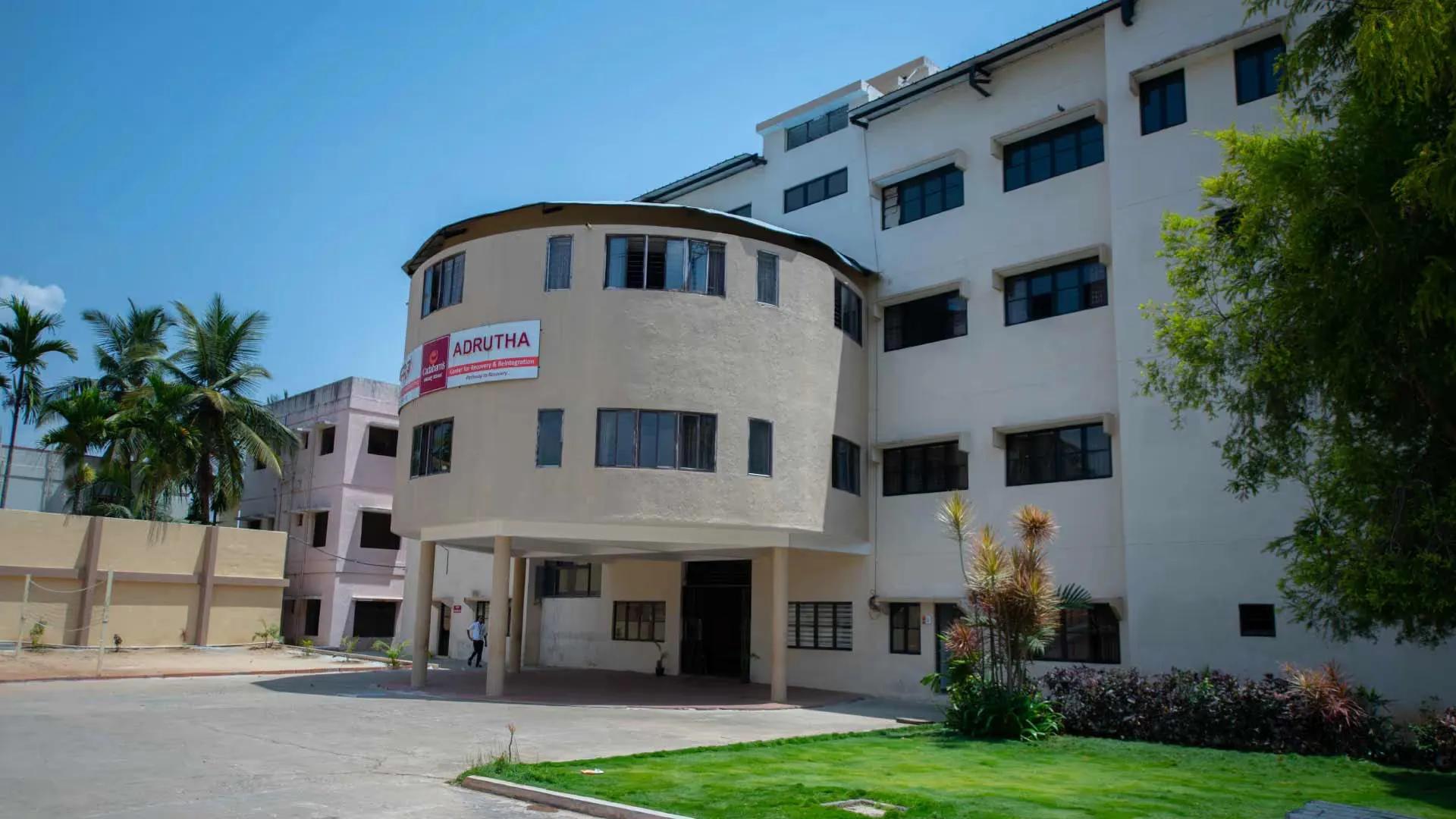 Bangalore
Our Affordable Rehab Centre in Bangalore
Read more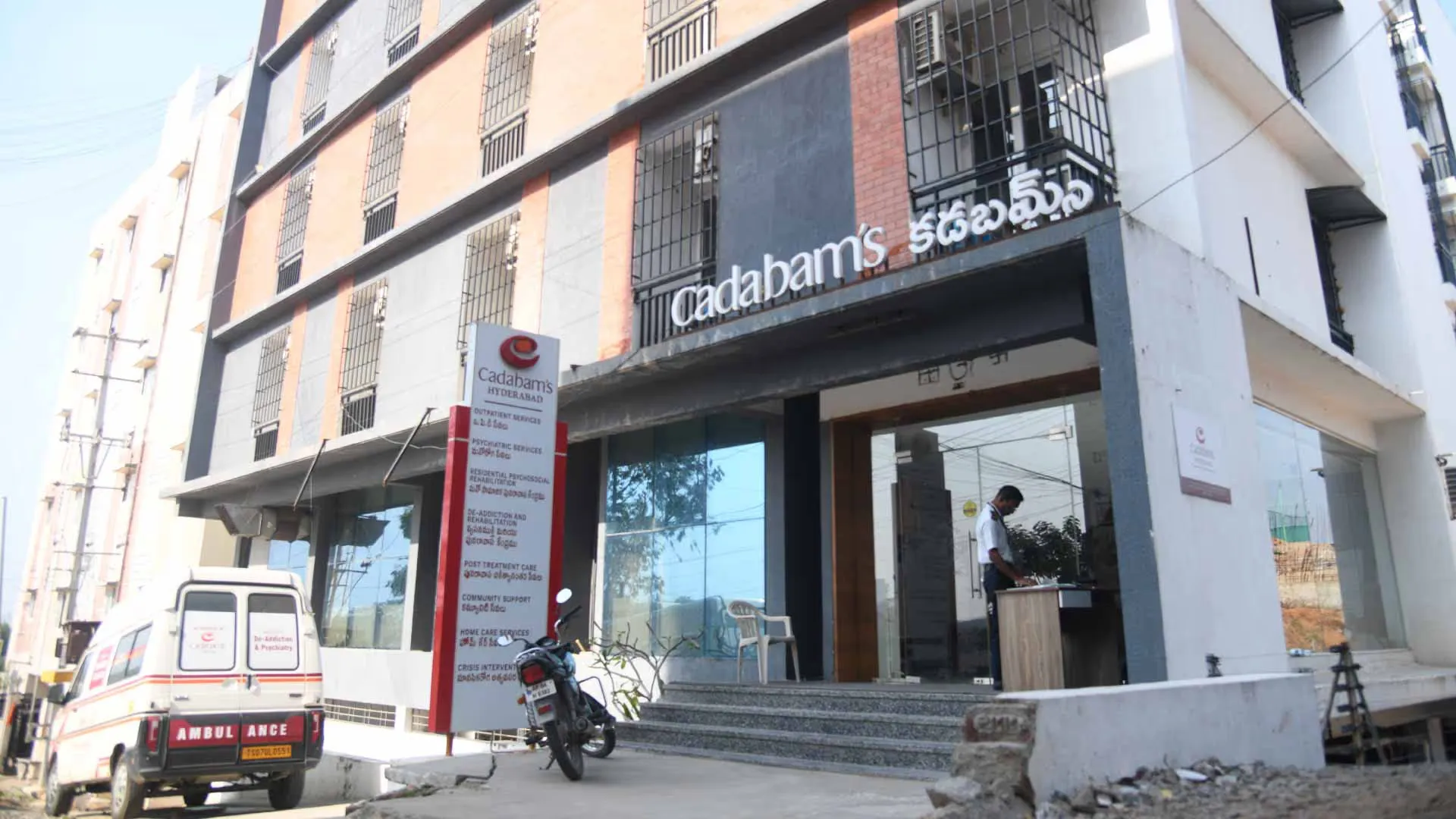 Hyderabad
Our Advanced Mental Health Rehab Centre In Hyderabad
Read more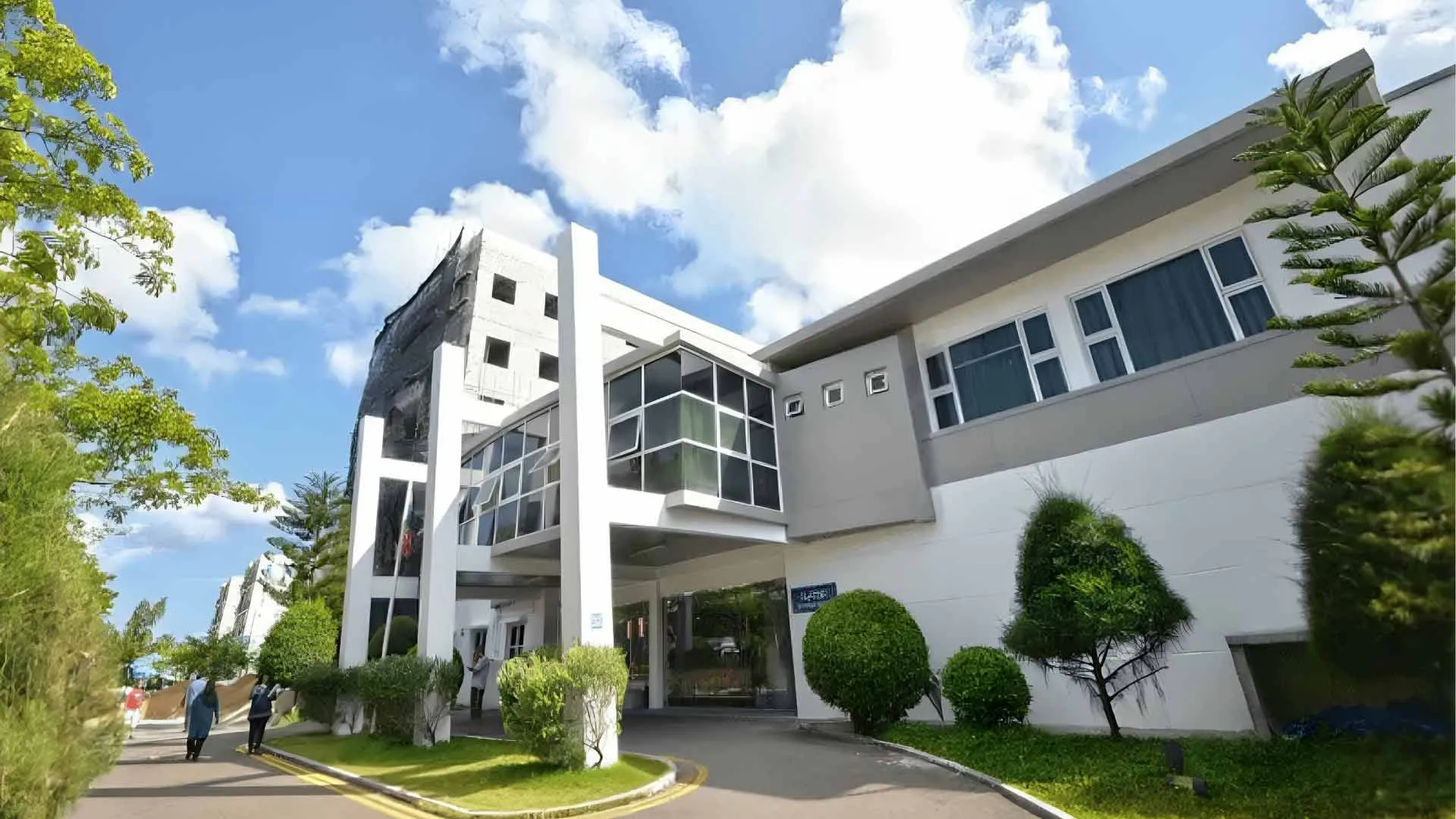 Maldives
Premier Mental Health & Rehabilitation Centre in Maldives
Read moreHow to admit
As and when the family or the primary caregiver confirms the admission by following the processes related to “Admission Procedure”.
Many psychiatrists utilize our psychosocial rehab services for their clients. In cases where the resident is referred from a psychiatrist for psychosocial interventions, the referring psychiatrist also becomes part of the treating team and he/she will be regularly updated about the progress and will also be involved in the overall care. Hundreds of eminent psychiatrists trust us with their clientele when it comes to residential care & rehab.
We have a number of patrons from various countries and different parts of the country seeking admission. We also have mental health professionals across the country referring us to complex cases that require psychosocial intervention. Under special circumstances where it is not feasible to visit or in case of a crisis/mental health emergency the Director-operations will guide the family after assessing the need for intervention.
Your admissions either be it a Voluntary or Supported is all governed by the Mental Health Care Act 2017. Cadabam’s and all its entities are registered as Mental health establishments as per the act and admissions are compliant to the relevant sections of the act. Cadabam’s Bangalore centers comes under the purview of Mental Health Review Board (Bangalore and Mysore Division) which is functional at Psychiatry Reception area Arts Theatre, New Building, Opposite to SBI Bank, NIMHANS Hospital Compound, Bangalore 560029. The contact no of the Board is +91-9480817894 and e-mail: mhrb.bm2022@gmail.com.
Voices of recovery
We had the best experience at the Adrutha campus and their counsellors are so nice and cooperative.
— Nasima Meyor
Cadabam’s Adrutha is an amazing place for people with mental health issues. It gives you a safe, secure, independent, natural place to let your wards thrive and sustain their living. My sister is 45 years old, and she has lived here for almost 6 years in this rehab, and she loves it.
— Narendra Surana
Cadabam’s has helped us so much. Our grandmother was fighting dementia, and she was suffering a lot. Cadabam’s [Rehabilitation](/drug-addiction/de-addiction-center-for-drug-addiction-in-bangalore) helped her. The doctors there were very helpful and caring. They regularly kept in touch with us to give an updated about her.
— Varshith R
My father was fighting dementia, and it was difficult to manage it at home. We searched for support for him, and we found Cadabam’s. They helped us immensely, they cared for him, and he seems so happy there. Thank you Cadabam’s.
— Mahantesh G
My son made great recovery at the rehabilitation centre, but he was having some problems after discharge. With post-rehabilitation care at Cadabam’s, they ensured that my son identified and dealt with his issues at an early stage. The dedication of the team is really commendable!
— Dhanvantri J
The post-rehab care program really helped me. I had recovered from addiction, but was tempted again after some months of discharge. But, post-rehab care with the treating team here at Cadabam’s, really helped me keep my head straight.
— Mahesh R
Meet the clinicians
Psychiatrist
Consultant Psychiatrist
15 years of experience
View profile
Psychiatrist
Consultant Psychiatrist
5 years of experience
View profile
Psychiatrist
Psychiatrist
5 years of experience
View profile
Psychologist
Consultant Clinical Psychologist
9 years of experience
View profile
Psychiatrist
Child Psychiatrist
4 years of experience
View profileWhy Cadabam's

33+ years of focused mental healthcare, shaped by 1000+ real patient journeys.

State of the art mental health centres built for treatment and recovery.

A coordinated team of psychiatrists, psychologists, counsellors, and rehabilitation specialists supporting your care.

Support from early signs through treatment and recovery.

Treatment guided by clear plans that continue beyond diagnosis.

Planned follow ups and continued guidance to help maintain progress over time.
FAQs
Ready to take the next step?