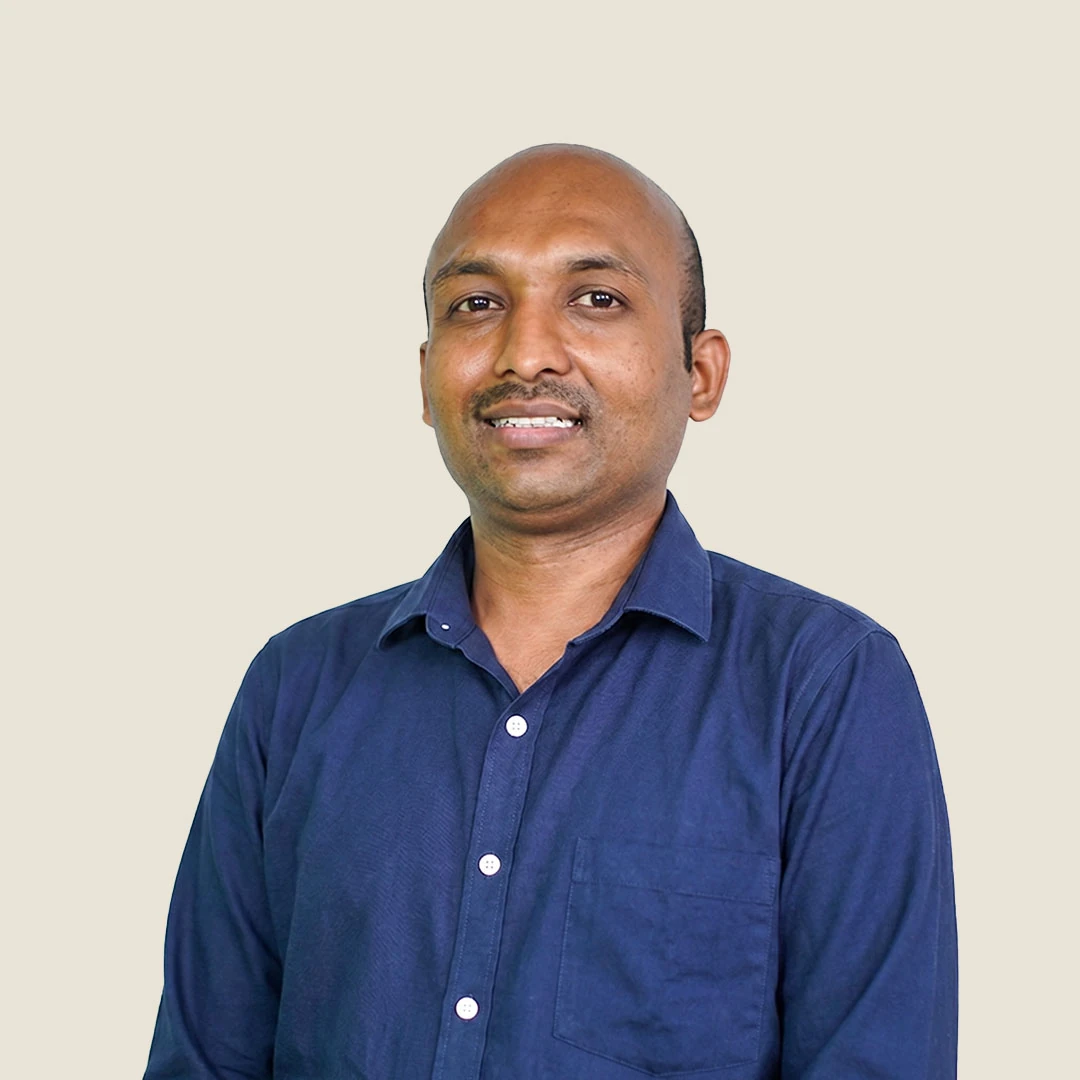
Psychiatrist
Dr. Vishal Kasal
Consultant Psychiatrist
15 years of experience
Treats: Drug Addiction, Alcohol Dependence, Dementia, Depression, Bipolar Disorder, OCD, Personality Disorder, Schizophrenia, Autism Spectrum Disorder
View profileDrug addiction is a complex medical condition that affects the brain and behaviour, leading to an inability to control the use of a legal or illegal drug. It significantly impacts a person's thoughts, emotions, and daily functioning.
This page is designed for individuals and families seeking professional help and clinical care by psychologists for drug addiction. At Cadabam’s, we provide a supportive and trusted environment to begin the journey toward recovery.
Good to know
Yes, drug addiction can be effectively diagnosed and managed with the help of psychologists specialised in drug addiction. A psychologist plays a crucial role in the recovery process through comprehensive assessment, accurate diagnosis, personalised treatment planning, and providing ongoing support.
They use evidence-based therapeutic approaches to help individuals understand the root causes of their addiction, develop healthy coping mechanisms, and build a foundation for lasting change, focusing on management rather than promising a cure.

Meet the clinicians
Psychiatrist
Consultant Psychiatrist
15 years of experience
Treats: Drug Addiction, Alcohol Dependence, Dementia, Depression, Bipolar Disorder, OCD, Personality Disorder, Schizophrenia, Autism Spectrum Disorder
View profile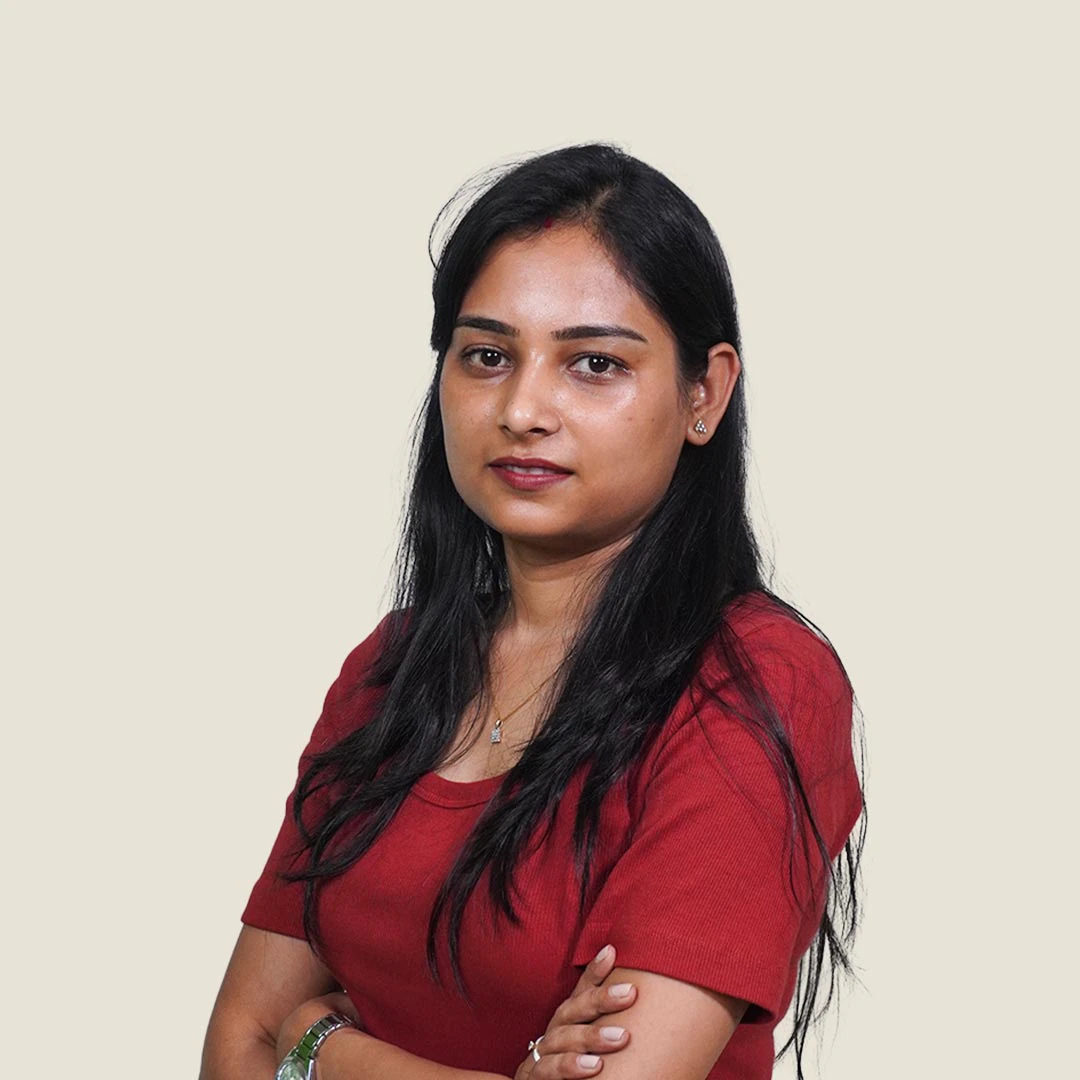
Psychologist
Consultant Clinical Psychologist
9 years of experience
Treats: Bipolar Disorder, Dementia, Depression, OCD, Personality Disorder, Schizophrenia, SLD, Autism Spectrum Disorder
View profile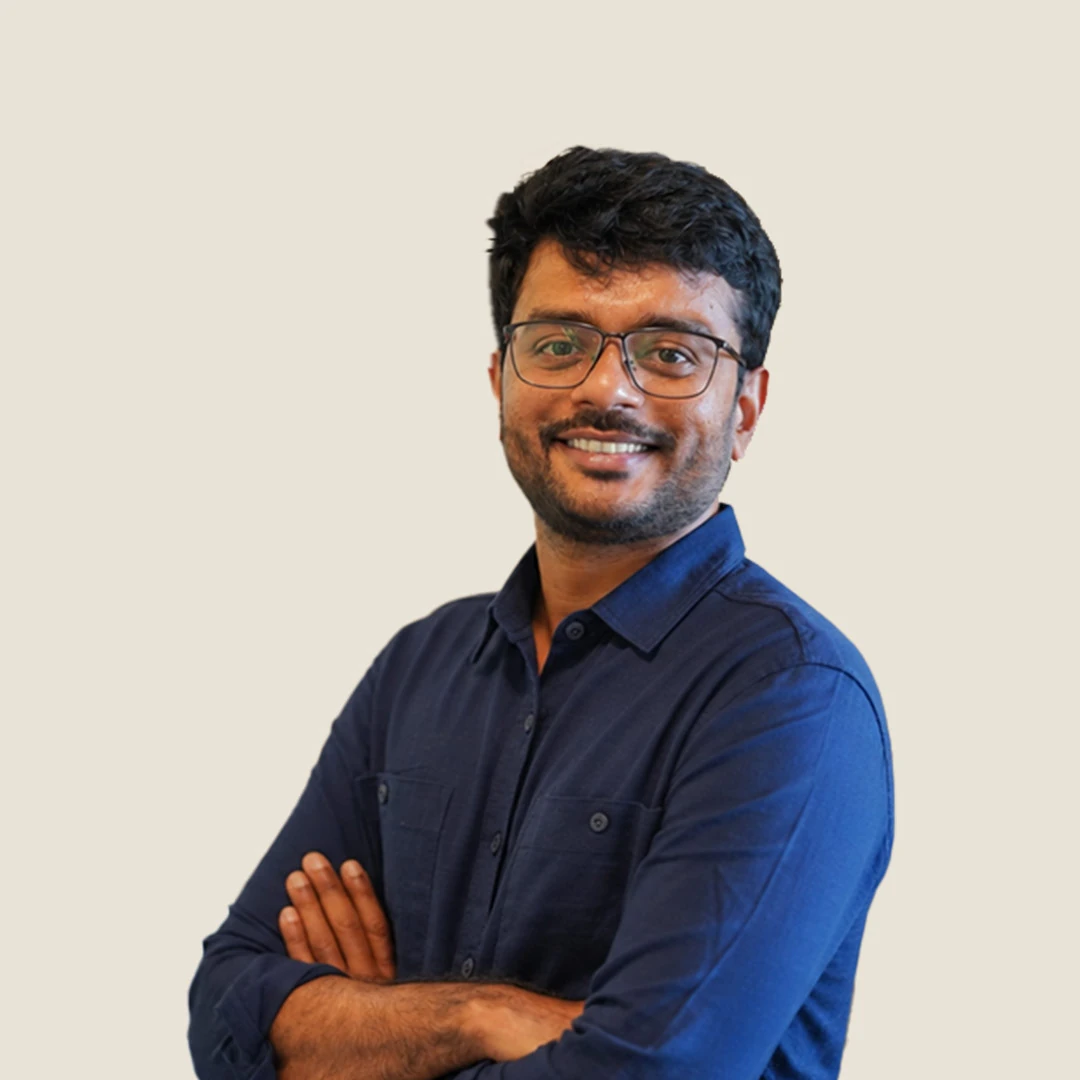
Psychiatrist
Consultant Psychiatrist
3 years of experience
View profile
Psychiatrist
Consultant Psychiatrist
5 years of experience
Treats: Schizophrenia,Personality Disorder,Bipolar,OCD,Dementia,Alzheimer's,Addiction (General),ADHD,Autism,Drug Addiction,Alcohol Addiction,Geriatric Cases,Adult Cases,Adolescent Cases,Child Cases (7-12 years),Anxiety,Depression,Stress,Relationship Issue,Family Issues,Queer Affirmative,Abuse/Trauma
View profile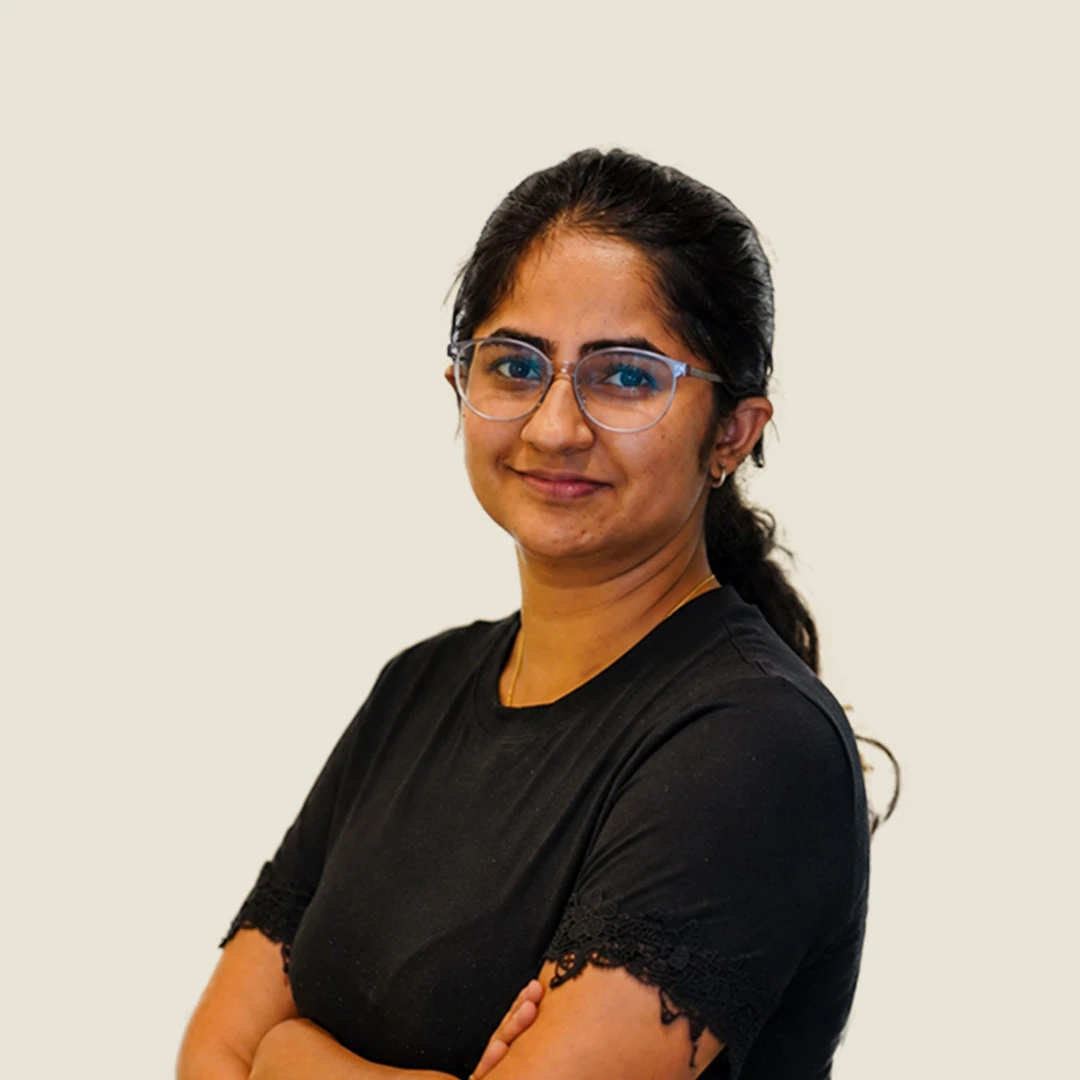
Psychiatrist
Child Psychiatrist
4 years of experience
Treats: Schizophrenia ,OCD, Anxiety, Depression, Personality-Disorder, Bipolar-Disorder, Learning-Disability, Drug-Addiction, Alcohol-Addiction, Autism, Addiction
View profileGood to know
Cadabam’s is home to some of India's best psychologists. Expertise and sensitivity are combined by our specialists to create an unrivaled healing experience. Our infrastructure works in tandem with our expertise to speed up the healing process. We are India's leading private mental healthcare provider, with more than 33 years of expertise.

33+ years of focused mental healthcare, shaped by 1000+ real patient journeys.

State of the art mental health centres built for treatment and recovery.

A coordinated team of psychiatrists, psychologists, counsellors, and rehabilitation specialists supporting your care.

Support from early signs through treatment and recovery.

Treatment guided by clear plans that continue beyond diagnosis.

Planned follow ups and continued guidance to help maintain progress over time.
Good to know
An experienced psychologist for drug addiction is a vital part of the treatment team. Their role involves:
Good to know
Seeking a consultation with psychologists for drug addiction is a critical step if you or a loved one experiences any of the following signs:
Good to know
The assessment process is a thorough and compassionate step toward creating an effective treatment plan. Psychologists treating drug addiction use several methods:
Our centres

Long-Term Rehabilitation Center in Bangalore, India
Read more
Advanced Psychiatric Rehab Centre in Bangalore
Read more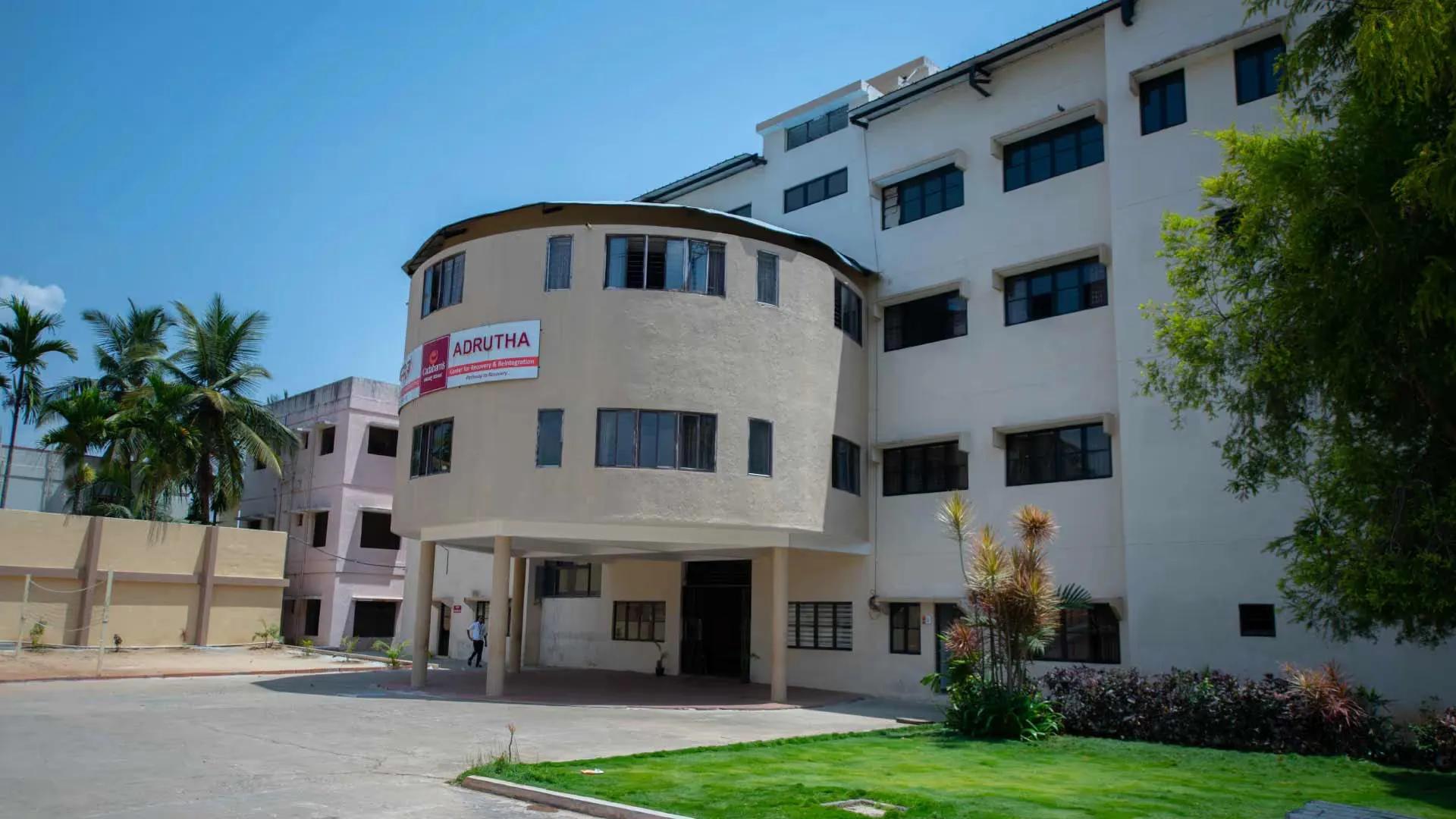
Our Affordable Rehab Centre in Bangalore
Read more
Our Specialised De-Addiction Centre in Bangalore
Read more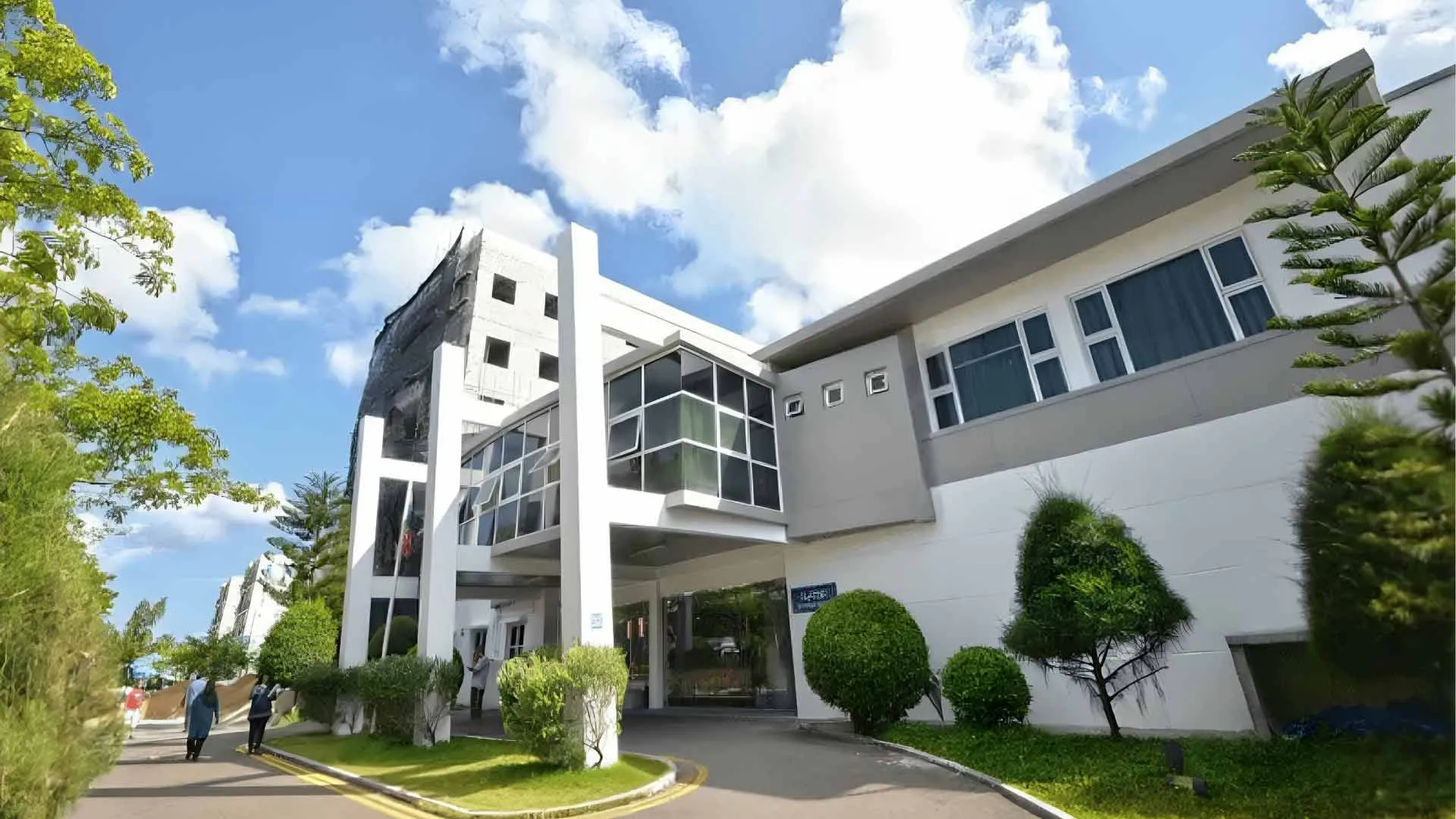
Premier Mental Health & Rehabilitation Centre in Maldives
Read moreGood to know
A psychologist coordinates a multi-faceted approach to treat drug addiction. The treatment is tailored to the individual and may include a combination of psychotherapy, symptom management, and addressing other underlying conditions. Finding a qualified psychologist for drug addiction near me is the first step towards accessing these comprehensive care options.
While psychologists primarily provide therapy, they work closely with psychiatrists when medication is needed. Medication can help manage withdrawal symptoms, reduce cravings, or treat co-occurring mental health conditions like depression or anxiety. This collaborative approach ensures that both the psychological and biological aspects of drug addiction are addressed under strict medical supervision.
Psychologists are skilled in helping individuals manage acute symptoms and risks associated with addiction. This includes developing strategies to cope with intense cravings, emotional distress, and high-risk situations that could lead to relapse. They also help create safety plans and can determine when a higher level of care, such as an inpatient program, may be necessary for the individual's safety and well-being.
Drug addiction often exists alongside other mental health conditions, known as co-occurring disorders or dual diagnosis. Drug addiction psychologists are trained to identify and treat conditions like anxiety, PTSD, bipolar disorder, or depression simultaneously with the addiction. This integrated treatment is crucial for a successful recovery, as untreated mental health issues can often trigger a relapse.
Inside our centres
Good to know
The frequency of your visits to a psychologist depends on your individual needs. Initially, sessions may be scheduled once or twice a week to build momentum and establish coping skills. As you progress and gain stability, the frequency may decrease to bi-weekly or monthly sessions for ongoing support and relapse prevention. The plan is always flexible and adjusted based on your progress and treatment phase.
Good to know
The cost of consulting a psychologist for drug addiction can vary based on several factors, including the type of consultation (initial or follow-up), the duration of the session, and the specific therapeutic interventions required. At Cadabam’s, we believe in transparency and will provide you with a clear understanding of the fee structure. Our team is available to discuss costs and help you understand your options.
Good to know
Your privacy is our utmost priority. Every psychologist at Cadabam’s adheres to strict ethical codes and legal standards of confidentiality. All your conversations and records are kept completely private. We are committed to providing a non-judgmental, respectful, and safe environment where you can feel comfortable sharing your experiences and working towards recovery.
Taking the first step is often the most challenging but also the most important part of the recovery journey. If you or someone you care about is struggling with drug addiction, do not wait to seek help. Our experienced psychologists are here to provide the expert care and support you need.
Contact Cadabam’s today to schedule a confidential consultation. Call us at +91 9611194949 .
Podcast & video
FAQs
Voices of recovery
The post-rehab care program really helped me. I had recovered from addiction, but was tempted again after some months of discharge. But, post-rehab care with the treating team here at Cadabam’s, really helped me keep my head straight.
— Mahesh R
My son had fallen into drug addiction. Rehabilitation here really has helped him recover.
— Rajendra
My little brother. The apple of the family's eye. He is my favourite person. But, drug addiction took its toll on him. He stopped interacting with us, he became very secretive and he started having multiple health problems. We finally made the decision to avail rehabilitation at Cadabam’s. The change in him has been immense. Through rehabilitation at Cadabam’s, he has learnt how to stay off the substance and we truly believe that this recovery will be sustained.
— Ananya Srinivasan
Drugs were always a means of escape for me. Sometimes, it seemed easier to consume drugs rather than face reality. My family was very supportive while I tried to fight addiction. We learn about Cadabam’s and I enrolled into their drug rehabilitation program. Today, I have recovered from addiction, and am in control of my life. I will never forget what Cadabam’s did for me.
— Varsha Govindraj
Watch & learn
Further reading
Helpline at your fingertips
+91 96111 94949