01
Regular Admission
As and when the family or the primary caregiver confirms the admission by following the processes related to “Admission Procedure”.
Medication management is crucial to pharmacotherapy, which is the branch of medicine concerned with using drugs to treat an illness.
Our medication management process at Cadabam’s ensures that medications prescribed by our professionals are used safely, effectively, and according to an individual’s needs.
Medication management is a critical component of psychiatric care that ensures medications are prescribed, monitored, and adjusted correctly for optimal mental health recovery. It acts as a safety system to support the patient's journey.
The primary goals include:
A medication review is necessary to ensure your treatment remains effective. Look for these signs:
Professional oversight is crucial because psychiatric medications are complex and affect individuals differently. It is necessary for several reasons:
Pharmacotherapy is a cornerstone of treatment for many psychiatric illnesses. It is commonly used to manage symptoms associated with:
A well-structured program aims to deliver significant improvements in an individual's well-being. Expected outcomes include:
A comprehensive medication management program is a multi-stage process tailored to each patient.
The field of psychiatric pharmacotherapy is constantly evolving. Emerging trends are making treatment more precise and effective:
You should seek professional support for medication management to ensure your treatment is safe and effective. Consider it in these situations:
1. You are starting a psychiatric medication for the first time.
2. You feel your current medication is no longer working effectively.
3. You are experiencing side effects that impact your quality of life.
4. You are taking multiple medications for different health conditions.
5. You want expert supervision to ensure your treatment plan is optimized.
6. You have a complex or co-occurring condition, such as a dual diagnosis.
To provide holistic care, Cadabam’s integrates medication management with other essential services. Our related programs include:
If you have questions about medication management or need to schedule a review, contact us. Call Cadabam’s at +91 9611194949 for assistance.
Where we deliver
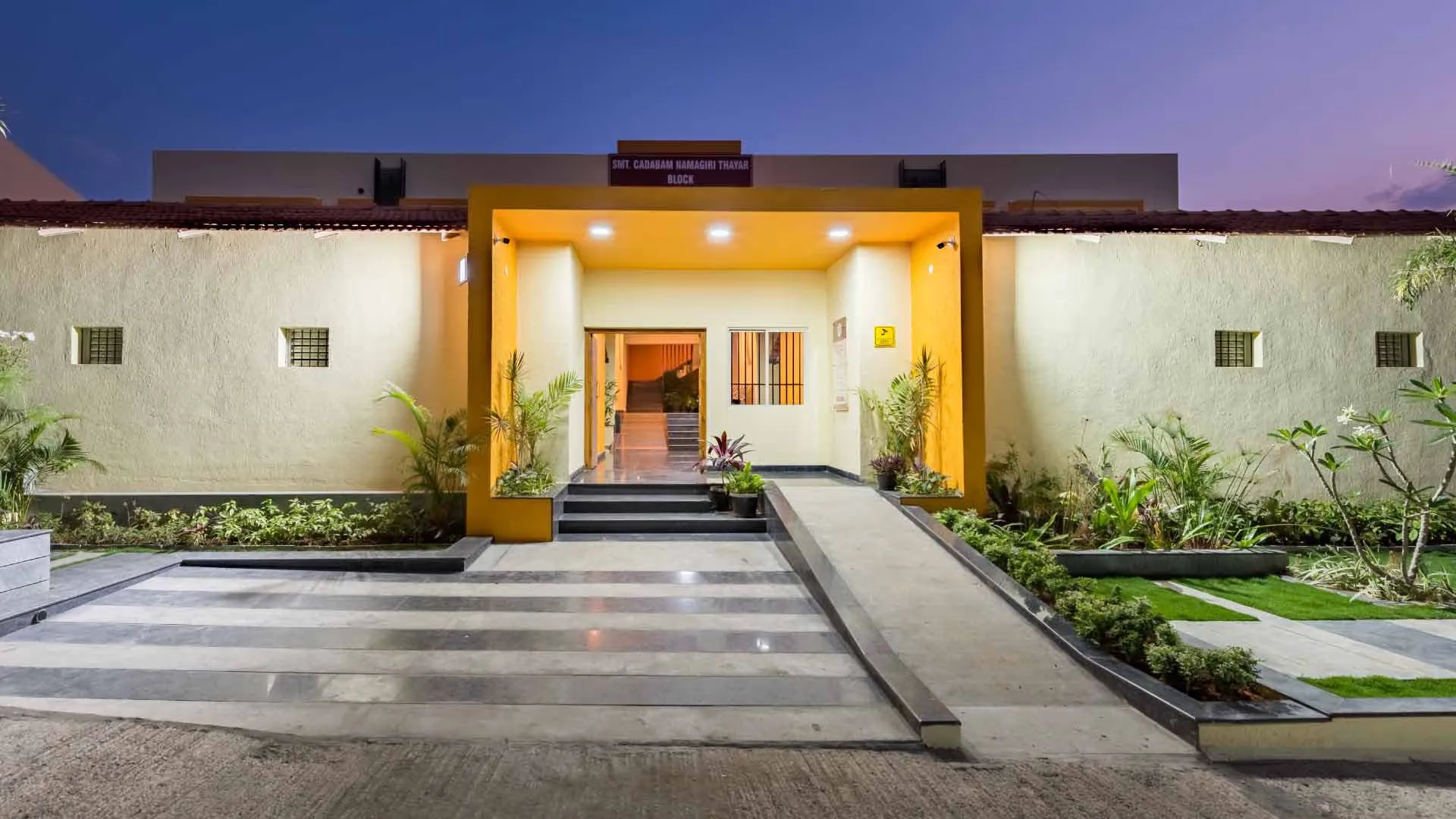 Bangalore
Advanced Psychiatric Rehab Centre in Bangalore
Read more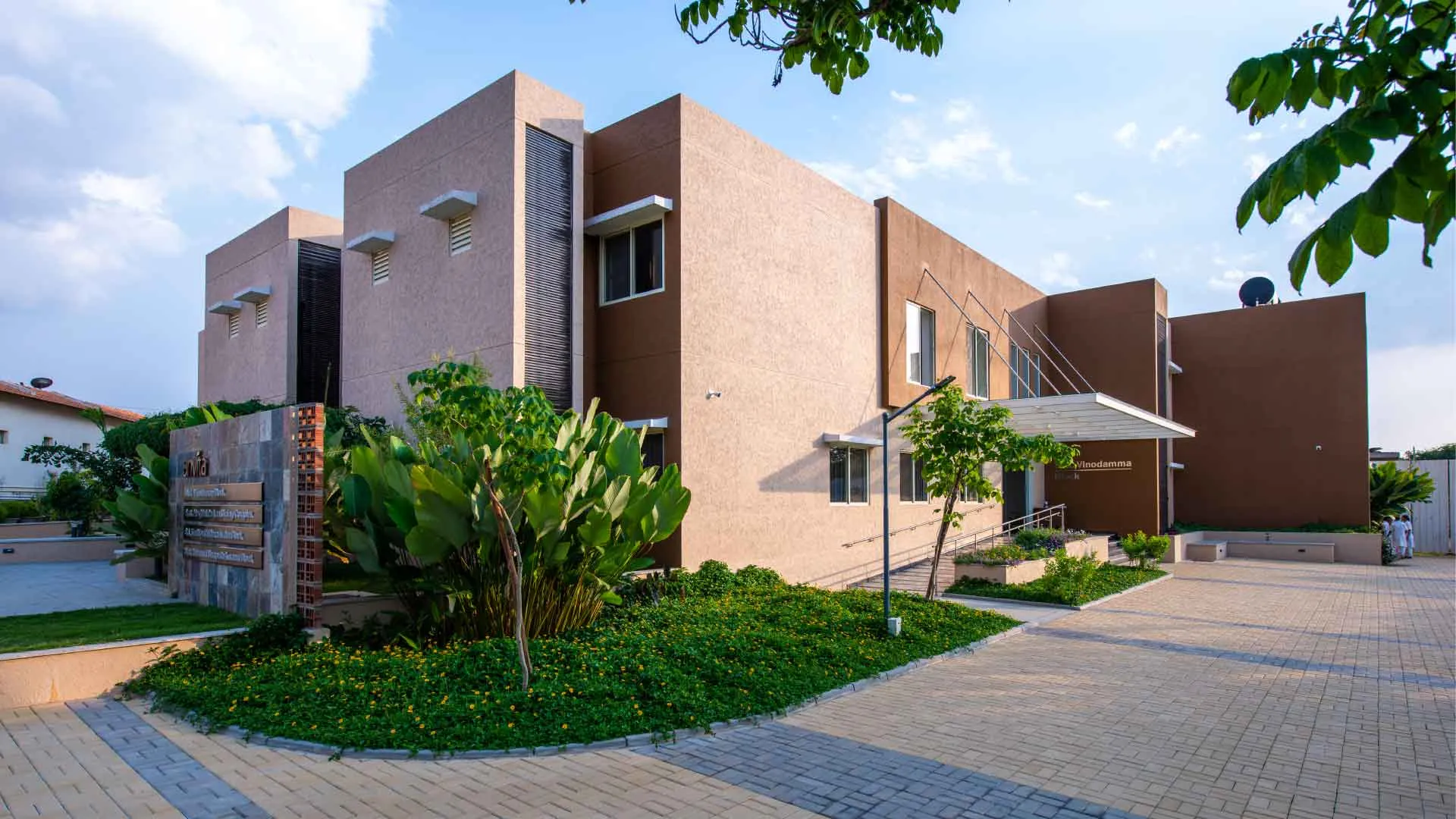 Bangalore
Long-Term Rehabilitation Center in Bangalore, India
Read more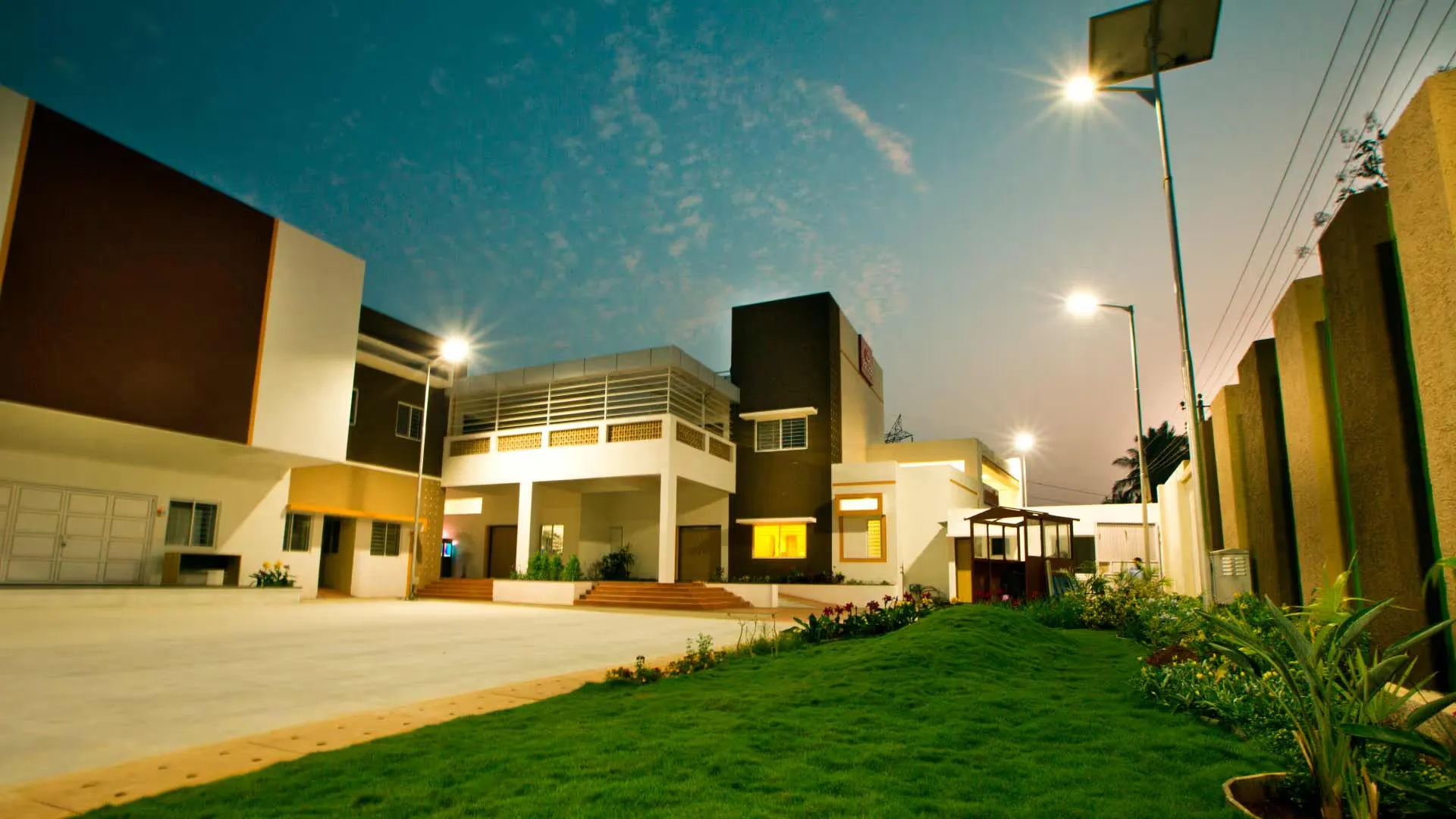 Bangalore
Our Specialised De-Addiction Centre in Bangalore
Read more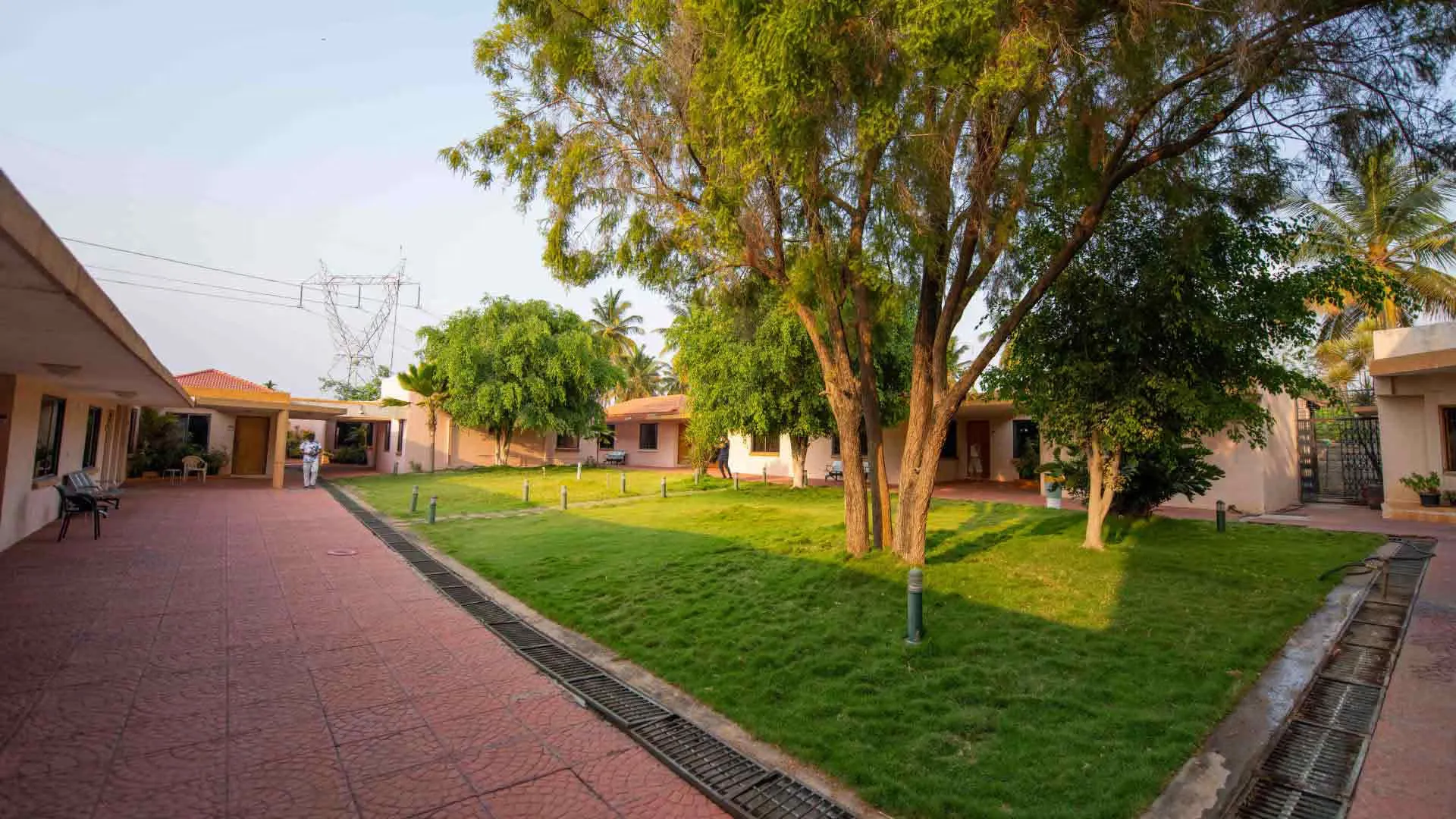 Bangalore
Luxury Rehabilitation Center in Bangalore, India
Read more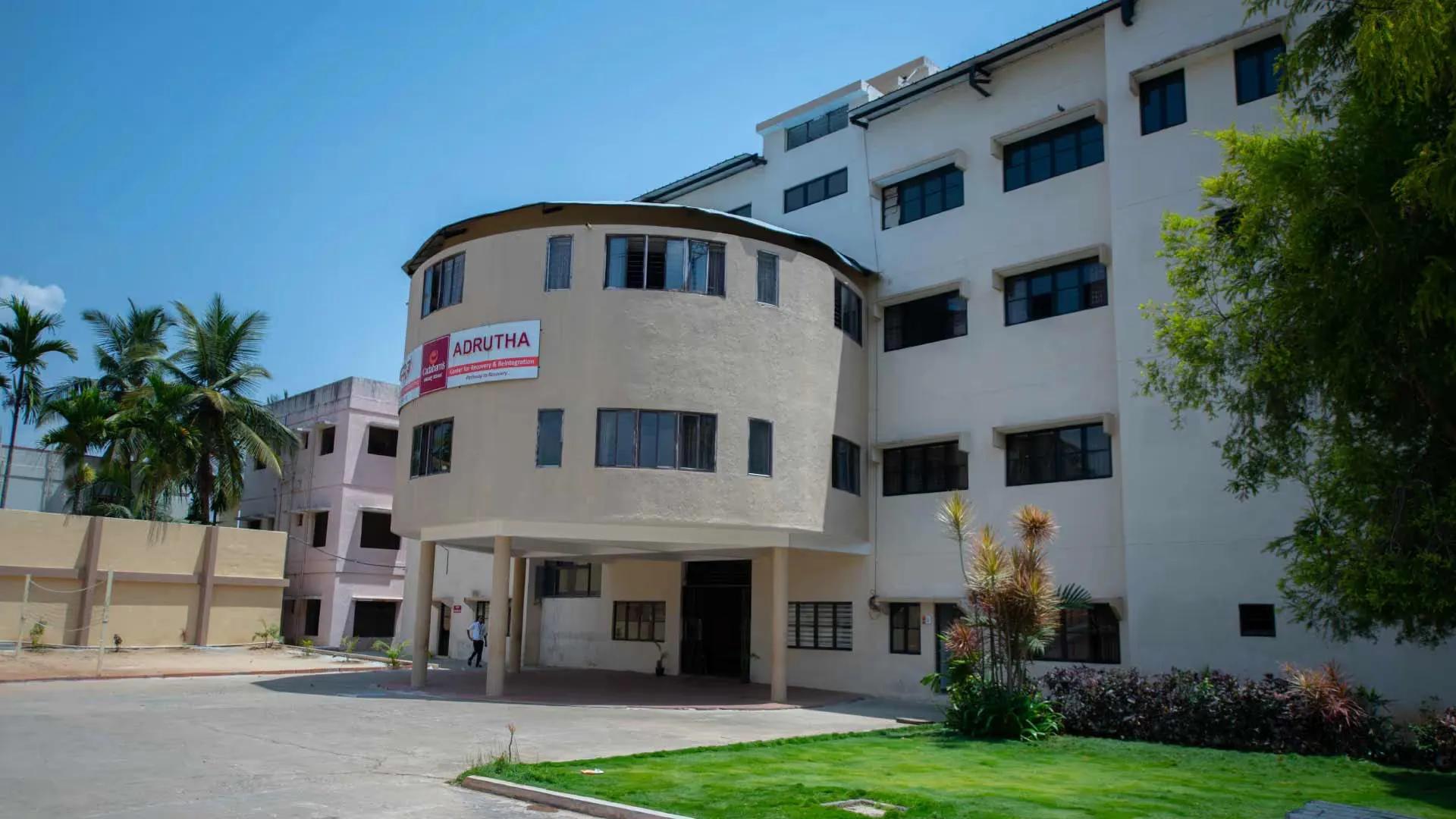 Bangalore
Our Affordable Rehab Centre in Bangalore
Read more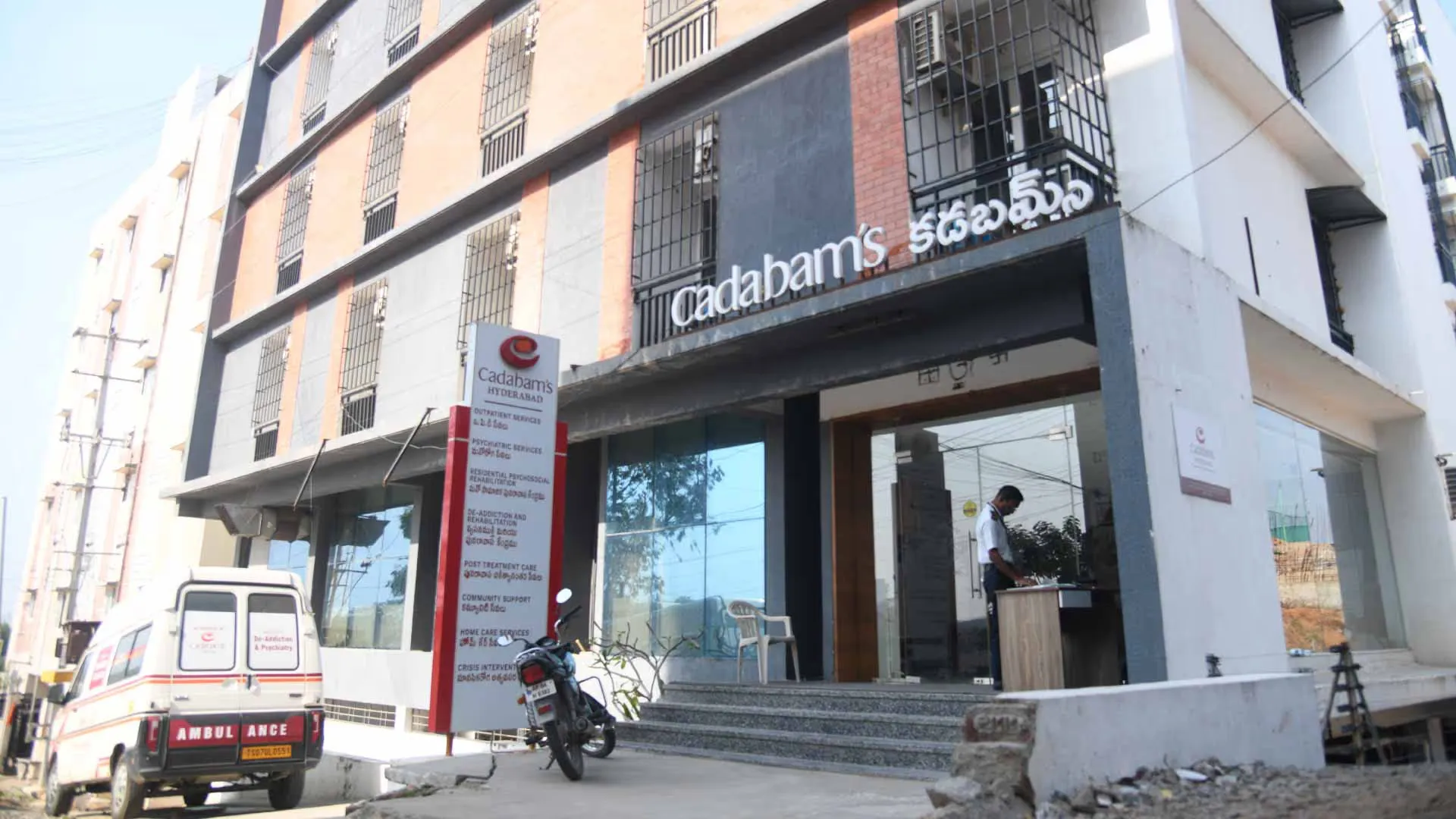 Hyderabad
Our Advanced Mental Health Rehab Centre In Hyderabad
Read more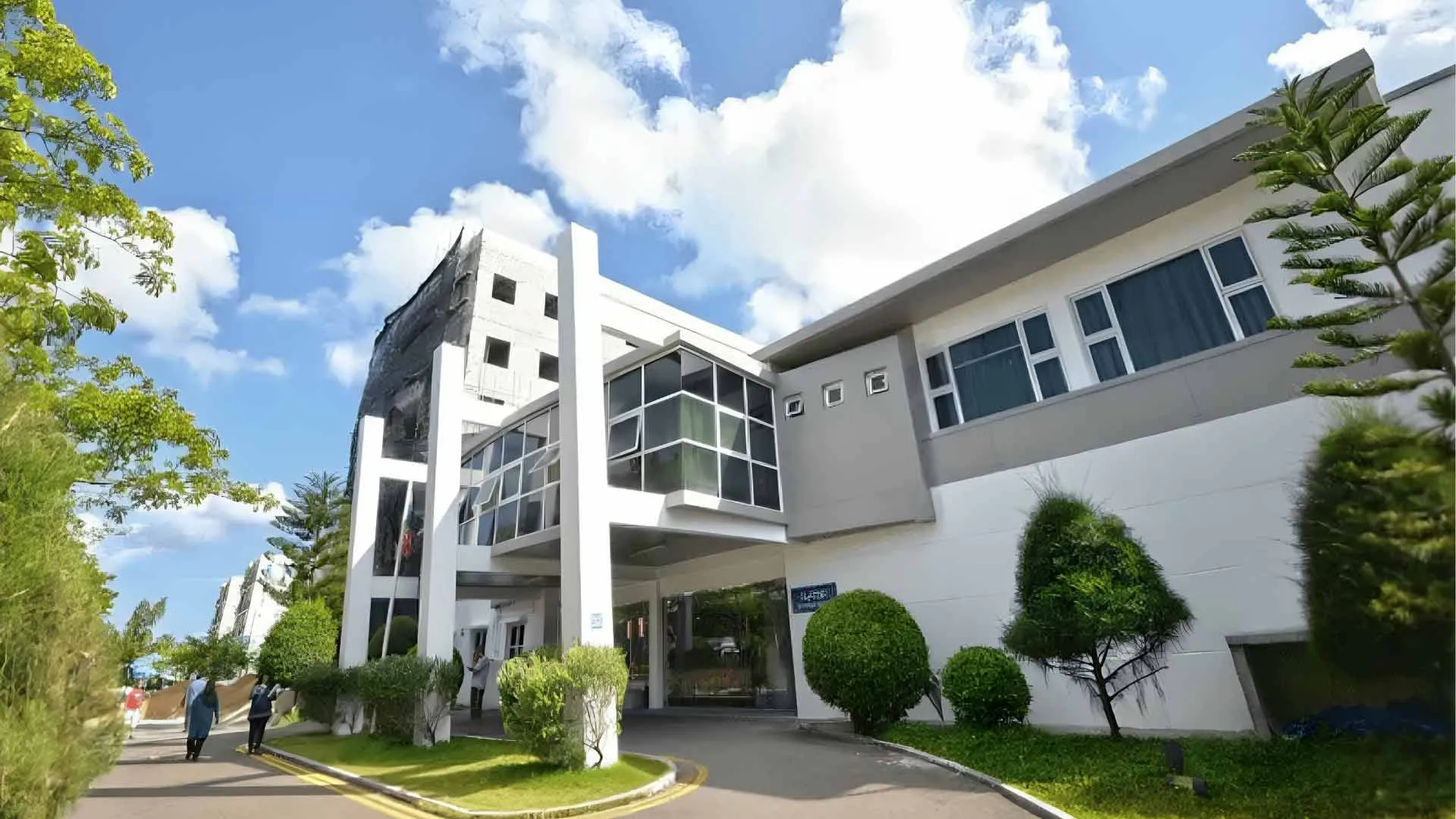 Maldives
Premier Mental Health & Rehabilitation Centre in Maldives
Read moreHow to admit
As and when the family or the primary caregiver confirms the admission by following the processes related to “Admission Procedure”.
Many psychiatrists utilize our psychosocial rehab services for their clients. In cases where the resident is referred from a psychiatrist for psychosocial interventions, the referring psychiatrist also becomes part of the treating team and he/she will be regularly updated about the progress and will also be involved in the overall care. Hundreds of eminent psychiatrists trust us with their clientele when it comes to residential care & rehab.
We have a number of patrons from various countries and different parts of the country seeking admission. We also have mental health professionals across the country referring us to complex cases that require psychosocial intervention. Under special circumstances where it is not feasible to visit or in case of a crisis/mental health emergency the Director-operations will guide the family after assessing the need for intervention.
Your admissions either be it a Voluntary or Supported is all governed by the Mental Health Care Act 2017. Cadabam’s and all its entities are registered as Mental health establishments as per the act and admissions are compliant to the relevant sections of the act. Cadabam’s Bangalore centers comes under the purview of Mental Health Review Board (Bangalore and Mysore Division) which is functional at Psychiatry Reception area Arts Theatre, New Building, Opposite to SBI Bank, NIMHANS Hospital Compound, Bangalore 560029. The contact no of the Board is +91-9480817894 and e-mail: mhrb.bm2022@gmail.com.
Voices of recovery
We had the best experience at the Adrutha campus and their counsellors are so nice and cooperative.
— Nasima Meyor
Cadabam’s Adrutha is an amazing place for people with mental health issues. It gives you a safe, secure, independent, natural place to let your wards thrive and sustain their living. My sister is 45 years old, and she has lived here for almost 6 years in this rehab, and she loves it.
— Narendra Surana
Cadabam’s has helped us so much. Our grandmother was fighting dementia, and she was suffering a lot. Cadabam’s [Rehabilitation](/drug-addiction/de-addiction-center-for-drug-addiction-in-bangalore) helped her. The doctors there were very helpful and caring. They regularly kept in touch with us to give an updated about her.
— Varshith R
My father was fighting dementia, and it was difficult to manage it at home. We searched for support for him, and we found Cadabam’s. They helped us immensely, they cared for him, and he seems so happy there. Thank you Cadabam’s.
— Mahantesh G
Meet the clinicians
Psychiatrist
Consultant Psychiatrist
15 years of experience
View profile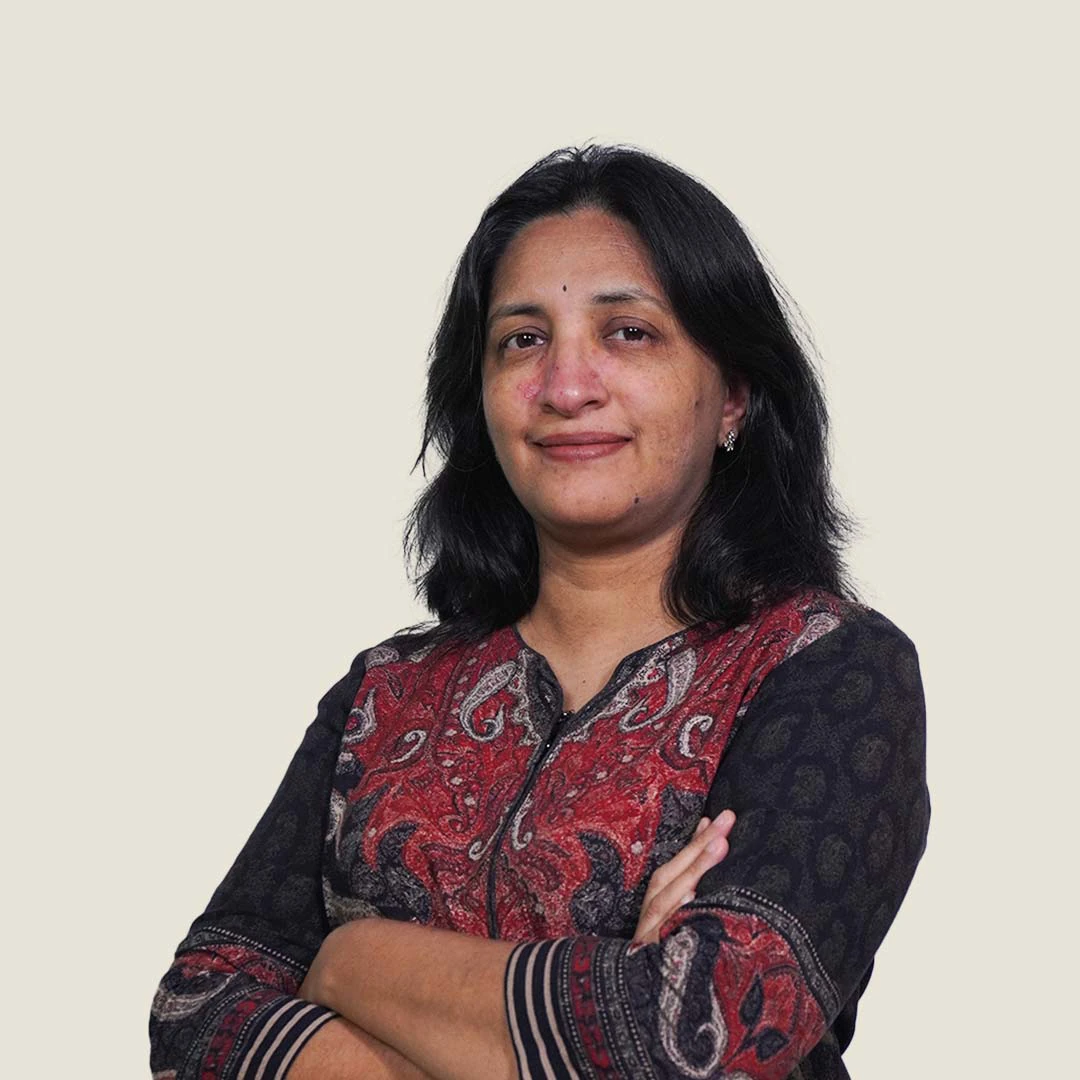
Psychiatrist
Consultant Psychiatrist
21 years of experience
View profile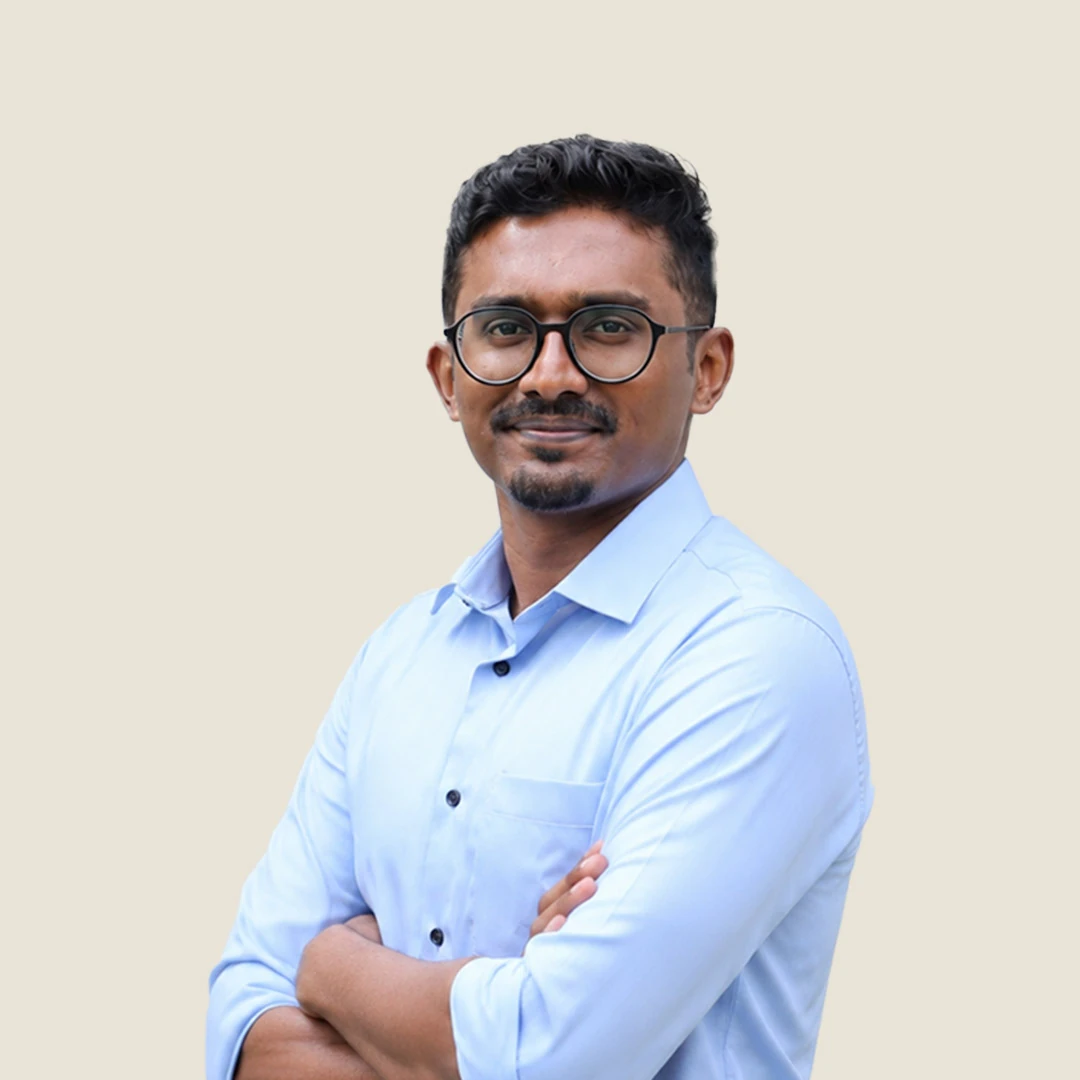
Psychiatrist
Consultant Psychiatrist
6 years of experience
View profile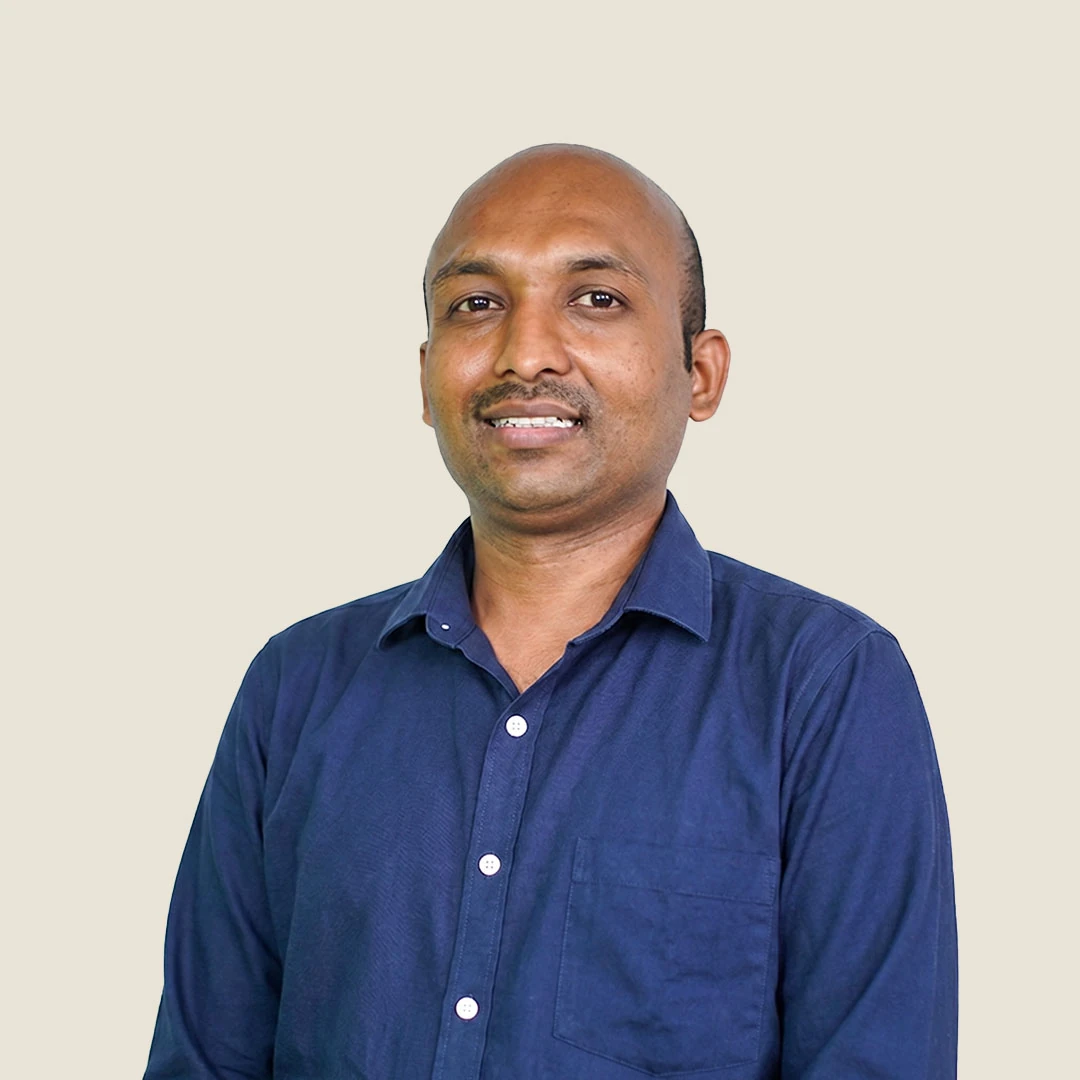
Psychiatrist
Consultant Psychiatrist
15 years of experience
View profile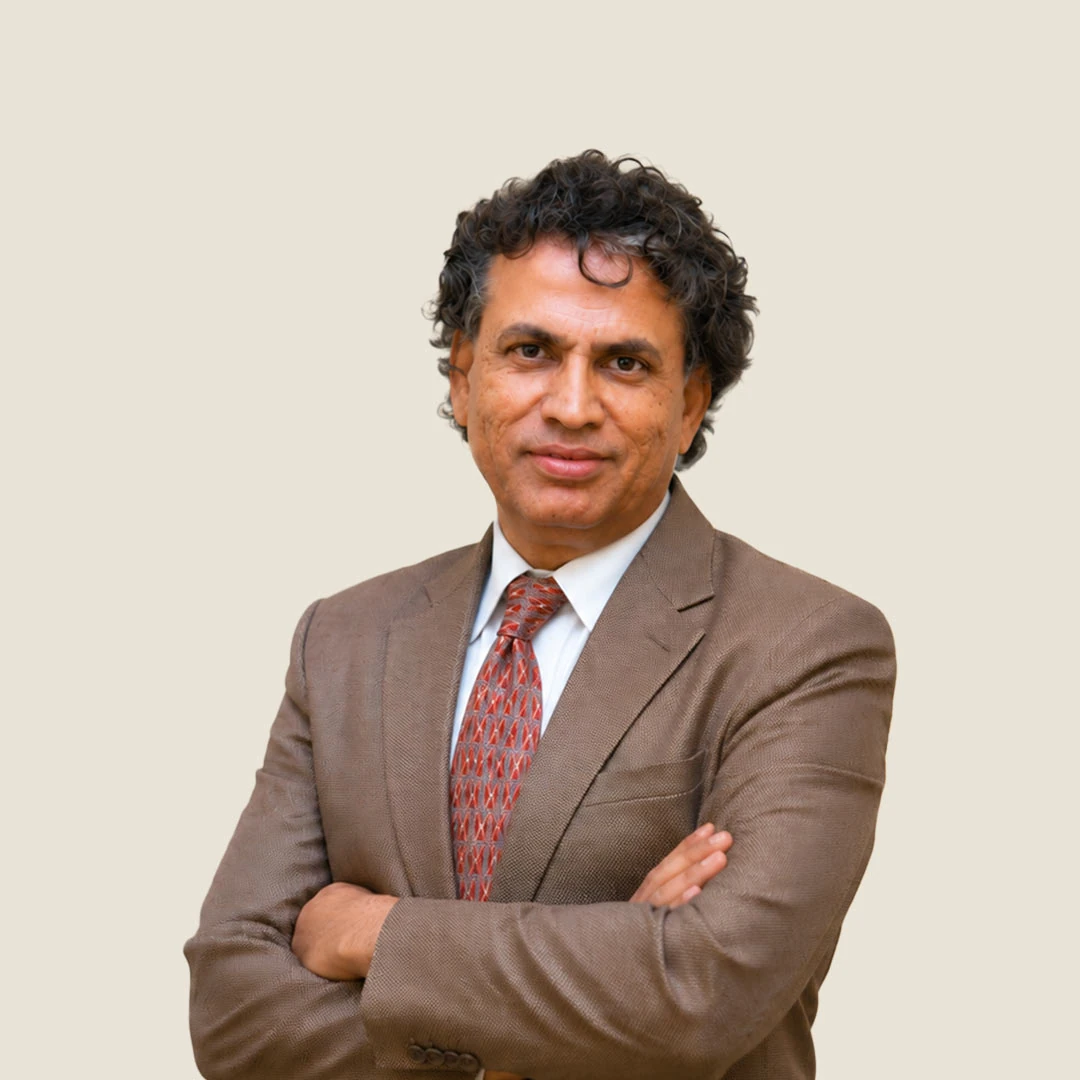
Psychiatrist
Medical Director
25 years of experience
View profileWhy Cadabam's

33+ years of focused mental healthcare, shaped by 1000+ real patient journeys.

State of the art mental health centres built for treatment and recovery.

A coordinated team of psychiatrists, psychologists, counsellors, and rehabilitation specialists supporting your care.

Support from early signs through treatment and recovery.

Treatment guided by clear plans that continue beyond diagnosis.

Planned follow ups and continued guidance to help maintain progress over time.
FAQs
Ready to take the next step?