New — Take a 360° Virtual Tour of our centre. Explore every space before you visit.

Substance use guide

Benzodiazepine Addiction

Dependence on benzodiazepines develops with prolonged use and leads to tolerance, dependence and withdrawal symptoms. Abuse of these drugs can lead to serious health risks, which is why education and early intervention are essential for safe recovery.

Benzodiazepines (benzos) are prescription drugs used to treat anxiety, insomnia and seizures. They work by slowing down brain activity, creating a sense of calm. However, prolonged use can lead to tolerance, i.e. higher doses are required to achieve the same effect, increasing the risk of dependence and addiction.

With cases of benzodiazepine addiction on the rise, it is important to raise awareness of the dangers of abuse. Sudden withdrawal can lead to severe symptoms, so professional help is essential for safe detox and long-term recovery.

Chapter 01

What Are Benzodiazepines?

Benzodiazepines (benzos) are a class of prescription drugs used to treat anxiety, insomnia and seizures by enhancing the effects of GABA, a neurotransmitter that calms brain activity. They have a calming, muscle-relaxing and anxiolytic impact but can be highly addictive.

There are two main types of benzodiazepines: short-acting and long-acting. Short-acting benzos such as Xanax and Ativan work quickly but wear off more quickly. In contrast, long-acting benzos such as Valium and Klonopin remain in the body for longer, which increases the risk of dependence.

Short-Acting Benzodiazepines (Xanax, Ativan, Halcion)

Short-acting benzodiazepines like Xanax (alprazolam), Ativan (lorazepam) and Halcion (triazolam) are quick to take effect but have a short duration of action, lasting only a few hours.

Because they are quick to take effect, they are usually used for acute anxiety or insomnia. Their quick onset of action, however, also makes them prone to abuse and dependence.

Long-Acting Benzodiazepines (Valium, Klonopin, Librium)

Benzodiazepines are legally prescribed by physicians for valid medical use. Abuse takes place, though, when individuals consume more doses than directed, mix them with other drugs like alcohol, or buy them without a prescription. The illegal use of benzodiazepines poses severe health consequences like overdose and potentially deadly withdrawal symptoms.

Legal vs. Illegal Use: Prescription vs. Misuse Scenarios

Benzodiazepines are legally prescribed by doctors for legitimate medical purposes. However, abuse occurs when people take higher doses than prescribed, combine them with other substances such as alcohol, or purchase them without a prescription.

Illicit use of benzodiazepines can lead to serious health risks, including overdose and life-threatening withdrawal symptoms.


Chapter 02

How Do Benzodiazepines Affect the Brain?

Benzodiazepines increase GABA activity, slow down the nervous system and have a calming effect.

  • Effect on GABA receptors: These drugs reduce excessive brain activity and thus help to alleviate anxiety and promote sleep.

  • Short-term vs. long-term effects: Initially, benzos lead to relaxation, sedation and even mild euphoria. However, long-term use can lead to cognitive decline, memory problems and emotional instability.

  • Why benzos are addictive: Over time, the brain becomes tolerant and requires higher doses to achieve the same effect. This leads to physical dependence and withdrawal symptoms when you try to stop using.

Chapter 03

Signs and Symptoms of Benzodiazepine Addiction

Recognising the symptoms of benzodiazepine addiction early can help prevent serious consequences.

Physical Symptoms

Physical symptoms are often the first visible indicators of benzodiazepine addiction and can affect daily functioning and motor control.

  • Drowsiness and fatigue: Slows down brain activity and makes everyday tasks more difficult.

  • Dizziness and coordination difficulties: Affects balance and increases the risk of falling.

  • Blurred vision and slurred speech: Impairment of cognitive and motor functions.

Psychological Symptoms

These symptoms reflect how benzodiazepine misuse impacts mental health, emotional balance, and cognitive processing over time.

  • Memory problems and confusion: Impairment of short-term memory and concentration.

  • Mood swings and irritability: Triggers emotional instability and frustration.

  • Increased anxiety or depression: Addiction leads to withdrawal symptoms.

Behavioural Changes

Addiction often causes noticeable behavioural shifts that disrupt personal routines, responsibilities, and social relationships.

  • Doctor visits: seeking multiple prescriptions due to tolerance.

  • Higher doses than prescribed: Seeking the same sedative effect.

  • Neglect of duties: Addiction interferes with work, relationships and daily life.

Chapter 04

What Makes Benzodiazepine So Addictive?

Addiction to benzodiazepine happens due to the following:

  • Tolerance: The body needs more of the drug over time to feel the same effect.
  • Mental Health Issues: Conditions like anxiety and PTSD increase the need for benzos, which leads to dependence.
  • Stress & Social Pressure: People under stress or surrounded by drug use are more likely to misuse benzos.
  • Biological Factors: Some people are more likely to get addicted due to genetics or brain chemistry.

Chapter 05

Risk Factors for Benzodiazepine Addiction

Certain factors make benzodiazepine dependence more likely, including genetic factors, mental illness and environmental influences. Understanding these risks can help with prevention and early intervention.

Genetic & Biological Factors

Genetic factors play a role in susceptibility to addiction. Some people have brain chemistry that increases the likelihood of addiction.

Biological factors such as metabolism and neurotransmitter function can also affect the way the body responds to benzodiazepines, making addiction more likely over time.

Co-occurring Disorders

Conditions such as anxiety, depression and PTSD often lead to the use of benzodiazepines to provide relief. Unfortunately, long-term use leads to increased dependence. People with pre-existing mental health problems have a higher risk of becoming dependent, as benzodiazepines can trigger a cycle of dependence and withdrawal.

Environmental & Social Triggers

Stress, trauma and peer influence contribute to the risk of addiction. People who are in high-pressure environments or who are exposed to substance abuse are more likely to abuse benzodiazepines. Social acceptance of prescription drug use can also lead to occasional abuse that eventually develops into addiction.

Chapter 06

How Is Benzo Addiction Diagnosed?

Benzodiazepine addiction is diagnosed on the basis of clinical criteria, medical judgement and self-report. Professionals assess withdrawal symptoms, tolerance and drug-seeking behaviour to determine the severity of dependence and the necessary treatment.

DSM-5 Criteria for Sedative Use Disorder

The DSM-5 lists criteria for addiction, including increased tolerance, withdrawal symptoms, unsuccessful attempts to stop using, and neglect of duties. If a person fulfils several criteria, they may be diagnosed with sedative use disorder, which requires medical treatment and structured intervention for recovery.

Medical & Psychological Assessments Used in Diagnosis

Doctors use physical examinations, psychiatric assessments and behavioural screenings to diagnose benzodiazepine addiction. Blood tests can detect abuse, while psychological assessments help determine emotional dependence. A combination of medical and psychological tools provides a complete picture of the severity of dependence.

Self-Assessment Tests for Benzo Dependence

Self-assessment tools help to recognise signs of addiction. These tests assess cravings, withdrawal symptoms, increased dose requirements and life impairment. Although they are not a formal diagnosis, they can encourage people to seek professional help if they suspect a dependence on benzodiazepines.

Chapter 07

How Fast Can You Get Addicted to Benzos?

The risk of benzodiazepine addiction depends on factors such as dosage, frequency of use and personal history of drug abuse. Higher doses and prolonged use significantly increase the likelihood of dependence.

Tolerance can develop within a few weeks, requiring higher doses for the same effect. Early warning signs include cravings, use beyond prescribed limits and withdrawal symptoms such as anxiety or insomnia. Recognising these signs early is crucial for addiction prevention and timely intervention.

Chapter 08

Long-Term Effects of Benzodiazepine Abuse

Chronic benzodiazepine use leads to psychological, physical and social damage. Memory loss, cognitive decline and emotional instability can develop. Over time, addiction strains relationships, impair work performance and increases long-term health risks.

Mental Health Consequences

Long-term benzodiazepine abuse leads to depression, mood swings and cognitive impairment. The brain has difficulty functioning without the drug, which exacerbates anxiety and depression. Prolonged use also increases the risk of suicidal thoughts and emotional instability over time.

Physical Impact

Prolonged benzodiazepine use impairs brain function, respiratory health and cognitive clarity. It can lead to persistent brain fog, breathing difficulties and an increased risk of dementia. Over time, dependence weakens the body’s ability to function without the drug.

Social & Relationship Problems

Benzodiazepine addiction affects personal relationships, career progression and social well-being. Individuals may struggle with their work performance, withdraw from loved ones or get into legal and financial difficulties. The emotional and behavioural effects of addiction often lead to isolation and family conflict.

Chapter 09

Benzodiazepine Withdrawal & Detox Process

Stopping benzodiazepines suddenly can be dangerous and lead to severe withdrawal symptoms, including seizures.

Medically supervised detoxification ensures a controlled withdrawal process that reduces withdrawal risks, increases safety and reduces the likelihood of relapse for long-term recovery.

Common Withdrawal Symptoms

Benzodiazepine withdrawal symptoms range from anxiety, seizures and tremors to hallucinations, nausea, sweating and muscle aches.

The intensity varies depending on the dosage and duration of use. Medical supervision is essential to manage the symptoms, avoid complications and ensure a safe recovery process.

The Ashton Manual & Tapering Strategy

The Ashton Manual describes a gradual withdrawal process to minimise withdrawal symptoms. This involves switching to long-acting benzodiazepines and slowly reducing the dose under medical supervision to allow the body to adjust safely while avoiding severe withdrawal symptoms and discomfort.

Medical Detox vs. At-Home Detox

Medical detox offers 24/7 monitoring, medications, and expert supervision, ensuring a safe withdrawal process.

At-home detox increases the risks of severe symptoms, seizures, and relapse. A medically guided detox is always recommended for a structured and safer recovery.

Chapter 10

Treatment Options for Benzodiazepine Addiction

Successful treatment includes medication, therapy and rehabilitation programmes that address both the physical dependence and the psychological triggers. A comprehensive approach ensures long-term recovery and prevents relapse.

Medications Used for Recovery

Gabapentin, Buspirone, and antidepressants are commonly prescribed to ease withdrawal symptoms, stabilise mood, and reduce cravings. These medications help restore brain function, making the detox process more manageable and improving recovery outcomes.

Therapy Options

Therapies such as CBT, DBT and EMDR help patients to recognise triggers, develop coping strategies and deal with underlying trauma. Psychological support is key to preventing relapse and promoting sustainable recovery from benzodiazepine addiction.

Inpatient Rehab vs. Outpatient Treatment

Inpatient rehab provides structured care, intensive therapy and round-the-clock medical supervision and is, therefore, ideal for severe addictions.

With outpatient treatment, those affected can take advantage of therapy and medical support while fulfilling their daily obligations.

Holistic & Alternative Approaches

Yoga, acupuncture, meditation and mindfulness help to manage stress, anxiety and cravings. These alternative approaches complement medical treatment, promote emotional well-being, improve overall health and support long-term recovery from benzodiazepine withdrawal.

Chapter 11

How to Prevent Benzodiazepine Dependence

Prevention of benzodiazepine dependence begins with safe prescribing practices. Physicians should prescribe the lowest effective dose for the shortest duration and monitor use closely to reduce the risk of addiction.

Exploring non-drug alternatives such as CBT, mindfulness and lifestyle changes can help manage anxiety and insomnia without medication.

Educating patients about the risks of benzodiazepines, including tolerance, withdrawal symptoms and long-term effects, allows them to make informed choices and find safer treatment options for their mental health needs.

Chapter 12

Benzodiazepine Use in the Elderly & Special Populations

Older people have a higher risk of dependence due to a slower metabolism and increased benzodiazepines side effects such as confusion and falls. Combining benzodiazepines with other medications can be dangerous, so doctors are now focusing on reducing prescriptions and recommending safer alternatives.

Older people have a higher risk of becoming addicted as benzodiazepines remain in their bodies for longer due to slower metabolism caused by age. This increases the risk of tolerance, withdrawal symptoms and cognitive decline. Long-term use can also lead to memory problems, confusion and falls and significantly impair quality of life.

Combining benzodiazepines with other medications, such as opioids or antidepressants, can cause dangerous interactions and serious benzodiazepines side effects. To minimise the risks, doctors are now restricting the prescription of benzodiazepines and recommending safer, non-drug alternatives for anxiety and insomnia.

Chapter 13

How Cadabam’s Support Can Help Your Recovery Journey

At Cadabam’s, we offer expert treatment for benzodiazepine addiction, with medical detox, therapy and personalised recovery plans. Our specialists provide round-the-clock support to ensure a safe withdrawal process while minimising benzodiazepine withdrawal symptoms such as anxiety and seizures.

We focus on relapse prevention, long-term sobriety strategies and holistic recovery. Whether you need inpatient rehab for benzodiazepine addiction or outpatient care, our compassionate team is with you every step of the way to help you build a healthier, addiction-free life.

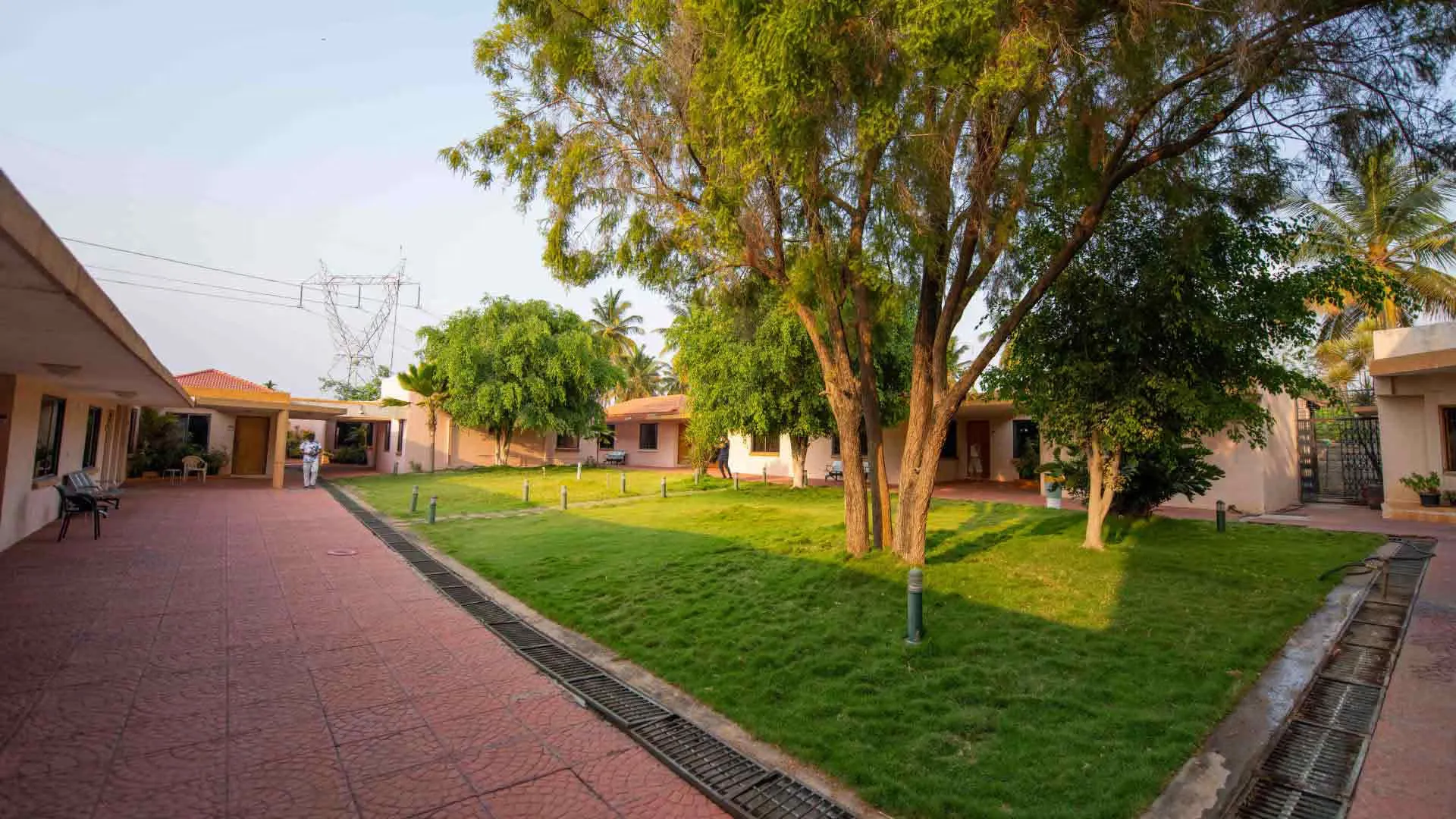
If you are searching for a solution to your problem, Cadabam’s Anunitha’s De-Addiction Centre can help you with its team of specialised experts. We have been helping thousands of people live healthier and happier lives for 33+ years. We leverage evidence-based approaches and holistic treatment methods to help individuals effectively overcome Benzodiazepine Addiction. Get in touch with us today. You can call us at +91 96111 94949.

Top Nasha Mukti Kendra

Nasha Mukti Kendra In Bangalore | Nasha Mukti Kendra In Nagpur | Nasha Mukti Kendra In Maharashtra | Nasha Mukti Kendra In Kolkata | Nasha Mukti Kendra In Nashik | Nasha Mukti Kendra In Hyderabad | Nasha Mukti Kendra In Kanpur | Nasha Mukti Kendra In Ahmedabad | Nasha Mukti Kendra In Kerala | Nasha Mukti Kendra In Pune | Nasha Mukti Kendra In Faridabad | Nasha Mukti Kendra In Davanagere | Nasha Mukti Kendra In Bijapur | Nasha Mukti Kendra In Lucknow | Nasha Mukti Kendra In Ghaziabad | Nasha Mukti Kendra In Patna | Nasha Mukti Kendra In Jaipur | Nasha Mukti Kendra In Chattarpur | Nasha Mukti Kendra In Dehradun | Nasha Mukti Kendra In Ranchi | Nasha Mukti Kendra In Coimbatore | Nasha Mukti Kendra In Chandigarh | Nasha Mukti Kendra In Mumbai | Nasha Mukti Kendra In Punjab | Nasha Mukti Kendra In Bareilly | Nasha Mukti Kendra In Chennai | Nasha Mukti Kendra In Ernakulam | Nasha Mukti Kendra In India | Nasha Mukti Kendra In Ludhiana | Nasha Mukti Kendra In Moradabad | Nasha Mukti Kendra In New-Delhi | Nasha Mukti Kendra In Agra | Nasha Mukti Kendra In Amritsar | Nasha Mukti Kendra In Bhopal | Nasha Mukti Kendra In Bhubaneshwar | Nasha Mukti Kendra In Calicut | Nasha Mukti Kendra In Dindigul | Nasha Mukti Kendra In Gandhinagar | Nasha Mukti Kendra In Gorakhpur | Nasha Mukti Kendra In Gurgaon | Nasha Mukti Kendra In Indore | Nasha Mukti Kendra In Kochi | Nasha Mukti Kendra In Noida | Nasha Mukti Kendra In Thane | Nasha Mukti Kendra In Madurai | Nasha Mukti Kendra In Trivandrum

Top Deaddiction Centres

Deaddiction Centre In Chennai | Deaddiction Centre In Davanagere | Deaddiction Centre In Kerala | Deaddiction Centre In Gurgaon | Deaddiction Centre In Dindigul | Deaddiction Centre In Coimbatore | Deaddiction Centre In Nagpur | Deaddiction Centre In Trivandrum | Deaddiction Centre In Bangalore | Deaddiction Centre In Dehradun | Deaddiction Centre In Ghaziabad | Deaddiction Centre In Hyderabad | Deaddiction Centre In India | Deaddiction Centre In Kochi | Deaddiction Centre In Ludhiana | Deaddiction Centre In Mumbai | Deaddiction Centre In Nashik | Deaddiction Centre In New-Delhi | Deaddiction Centre In Noida | Deaddiction Centre In Pune | Deaddiction Centre In Punjab | Best Deaddiction Centre In Madurai | Deaddiction Centre In Ahmedabad | Deaddiction Centre In Amritsar | Deaddiction Centre In Bareilly | Deaddiction Centre In Bhopal | Deaddiction Centre In Bhubaneshwar | Deaddiction Centre In Bijapur | Deaddiction Centre In Calicut | Deaddiction Centre In Chandigarh | Deaddiction Centre In Chattarpur | Deaddiction Centre In Ernakulam | Deaddiction Centre In Gandhinagar | Deaddiction Centre In Indore | Deaddiction Centre In Jaipur | Deaddiction Centre In Kanpur | Deaddiction Centre In Kolkata | Deaddiction Centre In Lucknow | Deaddiction Centre In Maharashtra | Deaddiction Centre In Ranchi | Deaddiction Centre In Thane | Deaddiction Centre In Faridabad | Deaddiction Centre In Patna | Deaddiction Centre In Moradabad | Deaddiction Centre In Agra | Deaddiction Centre In Gorakhpur

Top Rehabilitation Centres

Rehabilitation Centre In Ahmedabad | Rehabilitation Centre In Amritsar | Rehabilitation Centre In Bangalore | Rehabilitation Centre In Bareilly | Rehabilitation Centre In Bhopal | Rehabilitation Centre In Bhubaneshwar | Rehabilitation Centre In Bijapur | Rehabilitation Centre In Calicut | Rehabilitation Centre In Chandigarh | Rehabilitation Centre In Chattarpur | Rehabilitation Centre In Coimbatore | Rehabilitation Centre In Davanagere | Rehabilitation Centre In Dehradun | Rehabilitation Centre In Dindigul | Rehabilitation Centre In Ernakulam | Rehabilitation Centre In Gandhinagar | Rehabilitation Centre In Ghaziabad | Rehabilitation Centre In Gurgaon | Rehabilitation Centre In Hyderabad | Rehabilitation Centre In India | Rehabilitation Centre In Indore | Rehabilitation Centre In Jaipur | Rehabilitation Centre In Kanpur | Rehabilitation Centre In Kerala | Rehabilitation Centre In Kochi | Rehabilitation Centre In Kolkata | Rehabilitation Centre In Lucknow | Rehabilitation Centre In Ludhiana | Rehabilitation Centre In Maharashtra | Rehabilitation Centre In Mumbai | Rehabilitation Centre In Nagpur | Rehabilitation Centre In Nashik | Rehabilitation Centre In New-Delhi | Rehabilitation Centre In Noida | Rehabilitation Centre In Pune | Rehabilitation Centre In Punjab | Rehabilitation Centre In Ranchi | Rehabilitation Centre In Thane | Rehabilitation Centre In Chennai | Rehabilitation Centre In Faridabad | Rehabilitation Centre In Patna | Rehabilitation Centre In Moradabad | Rehabilitation Centre In Agra | Rehabilitation Centre In Gorakhpur | Rehabilitation Centre In Madurai | Rehabilitation Centre In Trivandrum

Meet the clinicians

Meet our professionals

View all professionals
Dr. Arun Kumar

Psychiatrist

Dr. Arun Kumar

Consultant Psychiatrist

15 years of experience

Treats: Schizophrenia, Alcohol Dependence, Bipolar Disorder, Depression, Drug Addiction, OCD, Personality Disorder, Autism Spectrum Disorder, Dementia, SLD

View profile
Dr. Keerthi Sagar

Psychiatrist

Dr. Keerthi Sagar

Consultant Psychiatrist

7 years of experience

Treats: Depression, Schizophernia, Alcohol Dependence, Bipolar Disorder Drug Addiction, OCD, Personality Disorder

View profile
Dr. B. R. Madhukar

Psychiatrist

Dr. B. R. Madhukar

Medical Director

25 years of experience

Treats: Alcohol Dependence, Bipolar Disorder, Dementia, Schizophrenia, Drug Addiction, Personality Disorder, OCD

View profile

A Glimpse of the Centre

Common Area
Common Area
Common Area

Videos

Watch the latest reels from our team on Instagram.

Voices of recovery

What families tell us

Anunitha gives hope, comfort, professional support when you need it the most. Dr. Priya is amazing. As for Ms. Raji, she's outstanding in her depth of understanding and tracking all the residents. Her thoughtful advice has been most valuable. I am very grateful for all the help my family member has received. Thank you!

Bhanu Chandran

My little brother. The apple of the family's eye. He is my favourite person. But, drug addiction took its toll on him. He stopped interacting with us, he became very secretive and he started having multiple health problems. We finally made the decision to avail rehabilitation at Cadabams. The change in him has been immense. Through rehabilitation at Cadabams, he has learnt how to stay off the substance and we truly believe that this recovery will be sustained.

Ananya Srinivasan

I had admitted my mother for schizophrenia treatment. Full marks to the facility, doctors, and the counselor. My mother was treated with utmost care. This is one of the best in the city.

Amrithraj Kannanth

FAQs

Frequently asked questions

Ready to begin?

Talk to our team about Benzodiazepine Addiction

Call +91 96111 94949