
Psychiatrist
Dr. Arun Kumar
Consultant Psychiatrist
15 years of experience
Treats: Schizophrenia, Alcohol Dependence, Bipolar Disorder, Depression, Drug Addiction, OCD, Personality Disorder, Autism Spectrum Disorder, Dementia, SLD
View profileImpulse Control Disorders ICDs refer to certain mental illnesses that feature the inability to manage urges and impulses that lead to self-destructive behaviour. Such behaviours may be socially inappropriate, evoke anxiety, or cause physical harm to the individual or to others.
These, accompanied by a sense of guilt and shame, can significantly impair one’s level of functioning. Early intervention with structured therapy can help individuals rebuild self-regulation, emotional control, and daily functioning.
What to look for
Behavioural Symptoms:
Chronic impulsive actions
Perpetration of violence
Violation of the basic social customs and expectations
Cognitive Symptoms:
Poor judgment
Poor disengagement from immediate pleasure
Erroneous and irrational thoughts, volatile behaviour
Physical Symptoms:
Head and stomach aches among other ailments
Restlessness or nervousness
Meet the clinicians
Psychiatrist
Consultant Psychiatrist
15 years of experience
Treats: Schizophrenia, Alcohol Dependence, Bipolar Disorder, Depression, Drug Addiction, OCD, Personality Disorder, Autism Spectrum Disorder, Dementia, SLD
View profile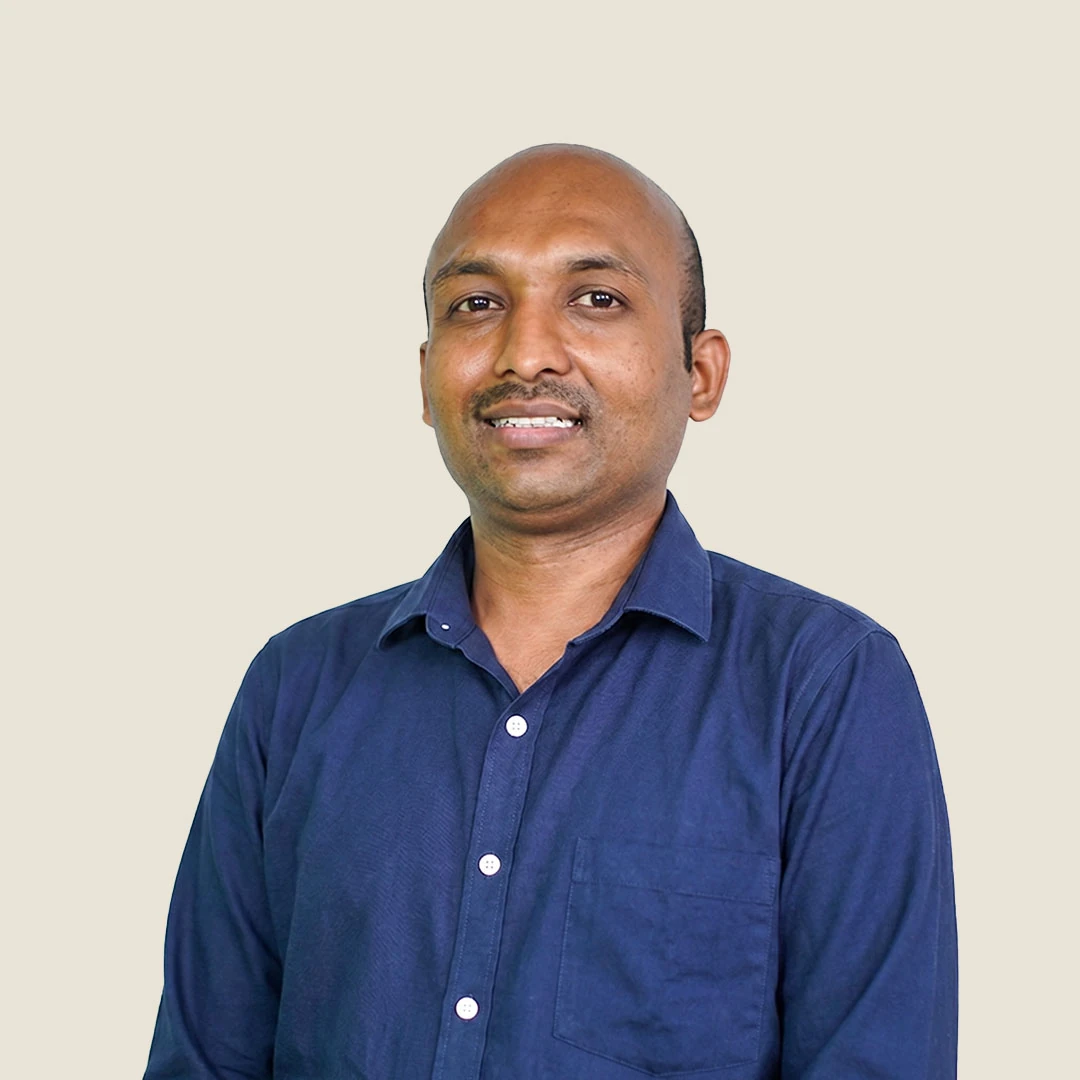
Psychiatrist
Consultant Psychiatrist
15 years of experience
Treats: Drug Addiction, Alcohol Dependence, Dementia, Depression, Bipolar Disorder, OCD, Personality Disorder, Schizophrenia, Autism Spectrum Disorder
View profile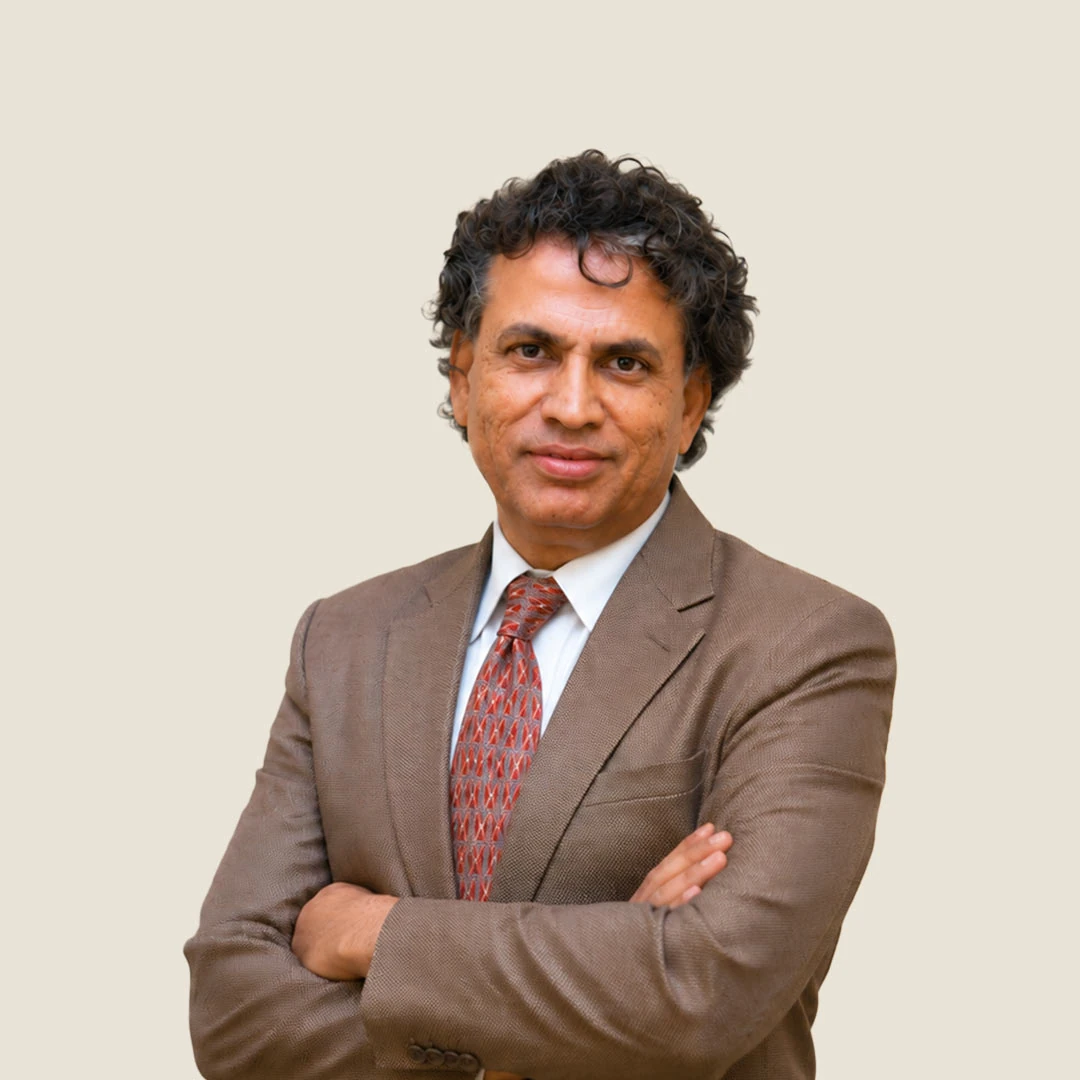
Psychiatrist
Medical Director
25 years of experience
Treats: Alcohol Dependence, Bipolar Disorder, Dementia, Schizophrenia, Drug Addiction, Personality Disorder, OCD
View profile
Psychiatrist
Consultant Psychiatrist
6 years of experience
Treats: Schizophrenia, Personality Disorder, OCD, Dementia, Autism, Drug Addiction
View profileWhy it happens
Several factors can contribute to the development of ICDs:
Genetic/Biological Factors: A genetic line with mental illness or some behavioural illness increases risk. Ingredients neutral depletions, especially on dopamine and serotonin are dominant.
Neurological Factors: Frontal lobe and limbic structures such as the pre-frontal (decision-maker and suppressor) and limbic which manages emotions sessile or poorly react.
Environmental influences: Being subjected to trauma, abuse, or neglect during childhood can profoundly affect one's emotional development and self-regulation.
Psychological/Behavioural Patterns: Additional concurrent disorders like ADHD, OCD, or PTSD can increase the level of impulsivity.
Details
Risk factors for ICD include family history, trauma, neglect, inconsistent parenting, developmental issues, and co-existing conditions like ADHD or anxiety.
The association between ICDs and the use of substances is very clear. Those who have poor control over their impulses are more likely to use substances to relieve stress or fill emotional voids.
Alcohol and drugs both impair judgment and lower inhibition, reinforcing impulsive behaviour.
ICDs can put individuals into a problematic substance use cycle that is difficult to break without formal impulse control disorder treatment.
There are differences in how men and women express impulsivity.
Men diagnosed with impulsive ICDs tend to exhibit outwardly directed aggression, high-risk behaviours like gambling, and intense anger outbursts.
Women tend to manifest impulsive ICDs in more inwardly directed ways such as compulsive shopping and skin picking.
Impulsivity is shaped differently throughout one’s life because of factors ranging from hormonal differences, culture, and lived experiences.
A positive and predictable family life during the early years promotes optimal emotional self-regulation. Unfortunately, dysfunctional or violent homes, lack of adult supervision, or exposure to domestic violence contribute significantly to a child's ability to control impulses.
Adolescents are also greatly impacted by social rejection, bullying, or peer pressure, especially when it’s paired with low self-esteem or emotional vulnerability.
How it presents
Impulse control disorders present in diverse forms, from aggression to compulsive behaviours. Understanding each type helps in early recognition, personalised impulse control disorder treatment plan, and improving long-term outcomes through targeted interventions.
Intermittent Explosive Disorder (IED): Sudden and extreme outbursts of anger, aggression, or violence.
Oppositional Defiant Disorder (ODD): Continuous defiance and hostility, especially among younger individuals.
Pyromania: The uncontrollable propensity to set fires without the intent to harm or for monetary gain.
Trichotillomania: Hair pulling to the extent that it inflicts visible hair loss and emotional distress.
Kleptomania: Stealing of items that do not hold monetary value or any value to the individual.
Excoriation (Skin-Picking) Disorder: Repetitive and excessive picking of the skin leading to damage to bodily tissues.
Gambling Disorder: Chronic gambling behaviour persists despite the gambler facing problems because of gambling.
Conduct Disorder: A form of severe behavioural problems that includes the breaking of rules, rageful or deceitful behaviours, diagnosed in childhood or adolescence.
Compulsive Sexual Behaviour: The performance of certain sexual acts or engaging in sexual fantasies of activities to such an extent that normal activity is disrupted.
Compulsive Buying Disorder: Shopping that is excessive and uncontrollable and is not based on need but on emotional factors.
Diagnosis
A mental health professional makes this diagnosis with an assessment that includes:
DSM-5 Criteria: Assess behavioural impulse control disorder symptoms.
Neuropsychological Testing: Assess impulse control, attention, and decision making.
Clinical Interviews: Structured interviews with the participant and selected family members.
Behavioural Observation: In natural or clinical settings to document the occurrence of specific impulsive behaviours.
How we help
These disorders are treated using CBT, DBT, medication, and support groups. Rehabilitation is done alongside lifestyle changes to help them manage their impulses long term.
CBT is the most effective treatment for ICDs. It helps individuals:
Recognise the most dominant triggers and associated thoughts that lead to the behaviour
Learn how to cope in healthier ways
Better control emotions and impulses
While therapy forms the foundation of treatment, medications can play a vital role in managing impulse control symptoms, especially when co-occurring conditions like anxiety or mood instability are present.
SSRIs are often prescribed when an individual is struggling with anxiety or underlying depression.
Mood stabilisers are also used to manage emotional dysregulation; Lithium, Valproate et al.
Stimulants or even some antipsychotics might be prescribed depending on other disorders present.
Group or peer therapy sessions provide individuals with validation and accountability. Therapists ensure the positive behaviours trained are maintained and provide strategies to mitigate relapse.
Mindfulness meditation aims to enhance awareness, therefore helping with emotional regulation.
Physical exercise, along with yoga, helps to alleviate stress.
Through biofeedback, other stress-related bodily responses can be monitored and controlled.
These therapies aid in mental health as part of a holistic care plan: acupuncture and nutrition therapy.
Emergency service
Find nearest mental health center now
Our centres

Our Specialised De-Addiction Centre in Bangalore
Read more
Long-Term Rehabilitation Center in Bangalore, India
Read more
Advanced Psychiatric Rehab Centre in Bangalore
Read more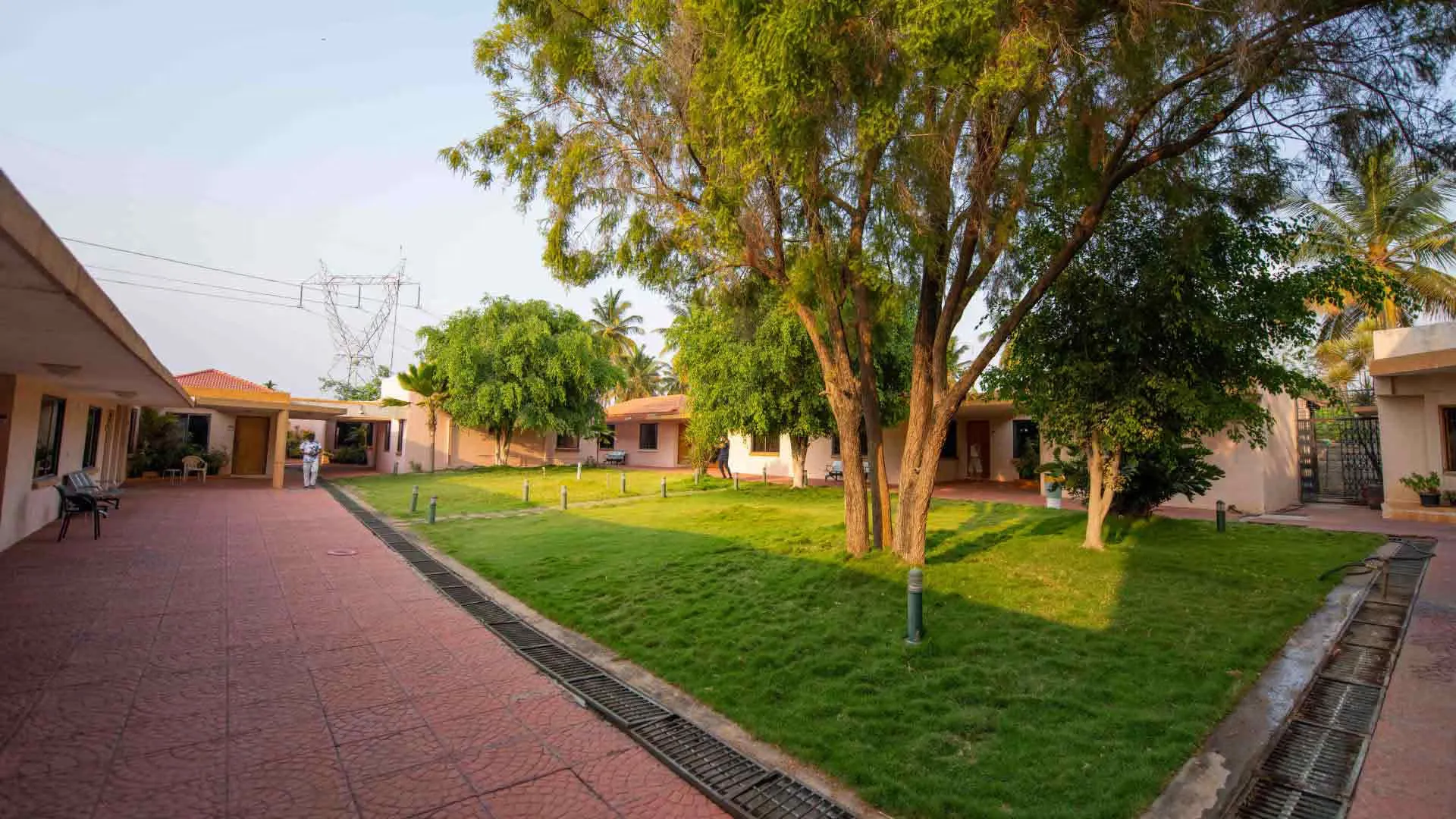
Luxury Rehabilitation Center in Bangalore, India
Read more
Our Affordable Rehab Centre in Bangalore
Read more
Our Advanced Mental Health Rehab Centre In Hyderabad
Read more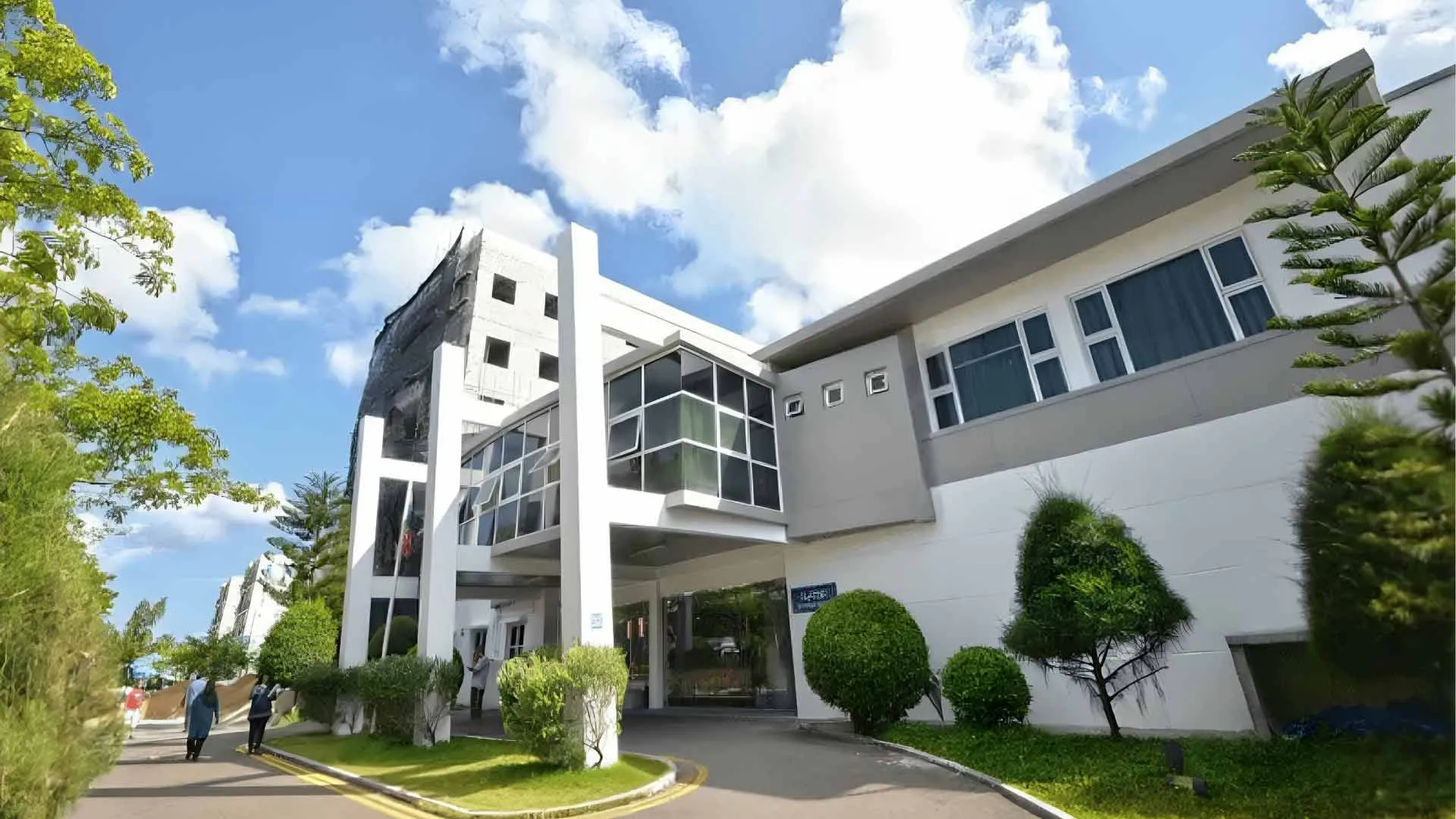
Premier Mental Health & Rehabilitation Centre in Maldives
Read moreDetails
Impulse disorders can be managed with impulse control disorder treatment plans that are individualised, holistic, and collaborative, addressing triggers, well-being, and support systems. These plans improve long-term recovery outcomes and reduce relapse risks significantly.
The therapy approach for each individual will differ based on their problem. A therapy plan should:
Consider the underlying problems as well, such as trauma, anxiety or low self-esteem.
Incorporate skills training focusing on emotional regulation, along with control over dealing with impulses.
Foster a strong therapeutic alliance for all long-term treatment.
In most cases, recovery takes time, patience and effort. Some useful tactics include:
Behavioural Interventions: Altering harmful habits and replacing them with healthier routines.
Stress Reduction Techniques: Breath work, journaling and other forms of relaxation.
Lifestyle Changes: Establishing a routine, quality sleep, good nutrition, and engaging in healthy and fun physical activities.
Preventing Relapse: Figuring out and controlling the ‘what’, ‘when’, ‘where’ and ‘how’ to trigger certain events pre-emptively.
Individuals showing severe or no responsiveness to impulse control disorder treatment are directed towards rehabilitation:
Offering concrete, consistent care through Cadabam’s Rehabilitation Centres, which supply a secure, nurturing environment.
Care includes individual and group counselling, family therapy, skill training, and medication management.
Focus is on guiding self-observation and normal impulse control alongside unhampered reintegration into everyday life.
Acting early and seeking assistance is highly recommended if it is impacting your daily life.
You keep feeling remorseful over your decisions.
Your professional and personal relationships are at stake.
You feel that the behaviours are growing in intensity or frequency.
ICDs can potentially deteriorate and lead to mental health issues and addictions if left unmonitored.
Here at Cadabam’s, we feature psychologists along with specialised doctors who provide thorough treatment for all the psychological issues facing clients.
We offer personalised treatment that is tailored specifically to family needs. This includes counselling, outpatient impulse control disorder treatment, and the entire family. Outpatient, around-the-clock monitoring, rehabilitation dormitories, and continual support make overcoming impulse control disorders possible.
Take the first step towards regaining control. Reach out to Cadabam’s today—because your well-being deserves expert care.
If you are searching for a solution to your problem, Cadabam’s Rehabilitation Centre can help you with its team of specialised experts. We have been helping thousands of people live healthier and happier lives for 33+ years. We leverage evidence-based approaches and holistic impulse control disorder treatment plans to help individuals effectively manage their Impulse Control Disorder. Get in touch with us today. You can call us at +91 96111 94949.

33+ years of focused mental healthcare, shaped by 1000+ real patient journeys.

State of the art mental health centres built for treatment and recovery.

A coordinated team of psychiatrists, psychologists, counsellors, and rehabilitation specialists supporting your care.

Support from early signs through treatment and recovery.

Treatment guided by clear plans that continue beyond diagnosis.

Planned follow ups and continued guidance to help maintain progress over time.
Inside our centres
FAQs
Patient journeys
Voices of Resilience
Paranoid Schizophrenia - Seeta's Story
Depression due to Abortion and Paranoid Schizophrenia
Read story →Voices of Resilience
Comorbid Disorders - Akash's Story
OCD, Bipolar and Substance Abuse Disoder along with Tic Disorder
Read story →Voices of Resilience
Bipolar Affective Disoder - Meena's Story
Depression, Bipolar Affective Disorder, and Obsessive Compulsive Disorder
Read story →Voices of Resilience
Borderline Personality Disorder - Sumadhra's Story
Emotionally Unstable with Borderline Personality Disorder
Read story →Voices of recovery
Cadabam’s really helped with my drinking problems. It had completely destroyed my life. A short program here really helped me bring my life back on track. Thank you.
— Vivek
Cadabam’s Amitha is the best place for recovery. My sister recovered very well here.
— Varshith H
Good rehabilitation is available at Cadabam’s. Special mention to Dr. Madhukar, very professional, and accurate treatment.
— V Mahendra
Rehabilitation at Cadabam’s really helped me. The professionals here are so helpful and understanding!
— Vinay L
Very effective treatment is given by their team of well-trained professionals. They are both patient and family-friendly. The hospital is well organized and the treatment plan is excellent. The activities are challenging and very useful. Our Thanks to Cadabam’s.
— Uma Ramesh
I was worried about leaving my son at a rehabilitation center. But Cadabam’s changed my son’s life. He has recovered impressively and the entire family is so happy. Thank you!
— Vanitha K
Helpline at your fingertips
+91 9611194949