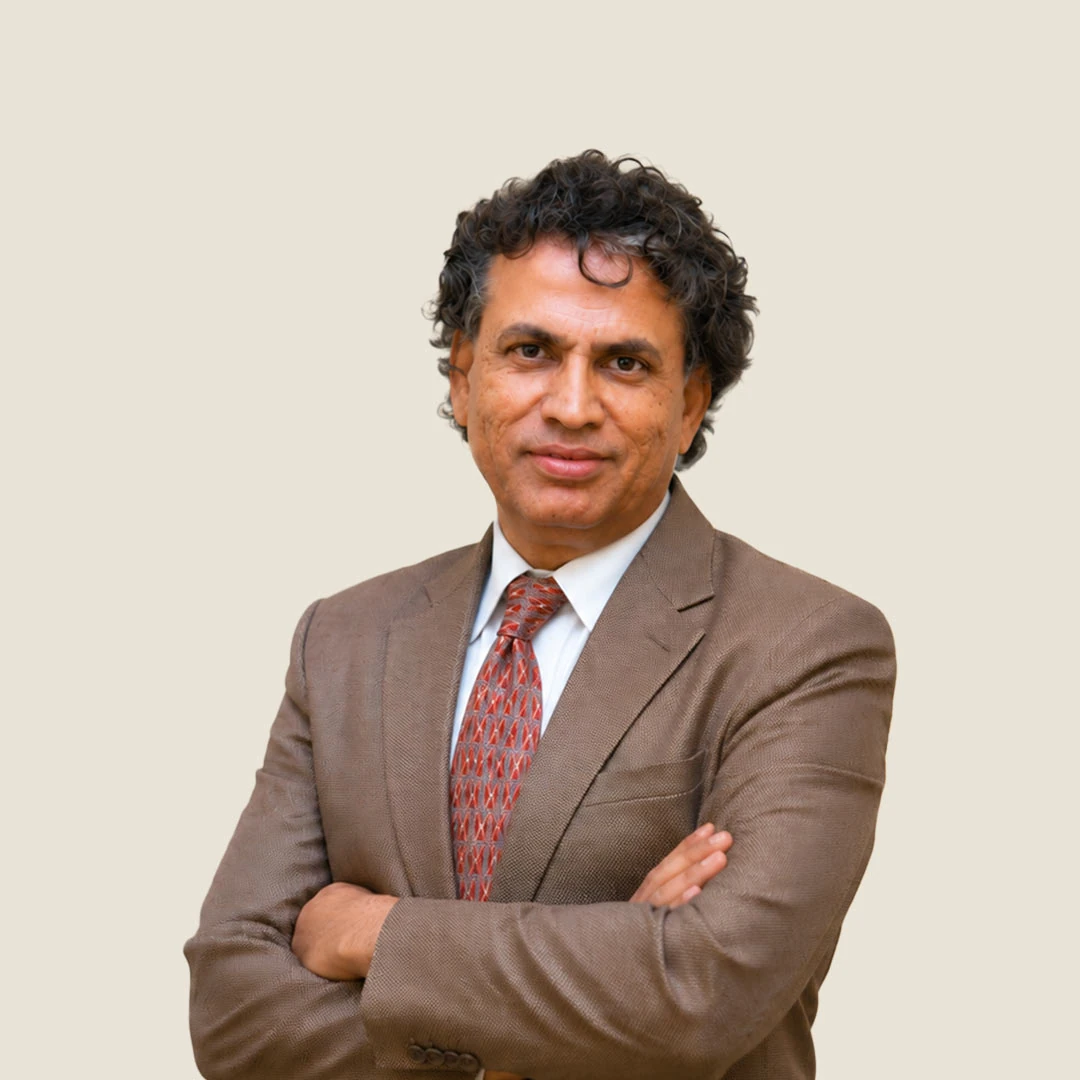
Psychiatrist
Dr. B. R. Madhukar
Medical Director
25 years of experience
Treats: Alcohol Dependence, Bipolar Disorder, Dementia, Schizophrenia, Drug Addiction, Personality Disorder, OCD
View profileSelective mutism isn’t just a childhood issue—it can affect adults too. It may quietly shape how we speak, connect, or cope in everyday life.
If you’ve ever felt stuck in silence, you’re not alone—and there are ways forward. With the right therapy and support, adults with selective mutism can regain confidence and improve communication.
What to look for
Meet the clinicians
Psychiatrist
Medical Director
25 years of experience
Treats: Alcohol Dependence, Bipolar Disorder, Dementia, Schizophrenia, Drug Addiction, Personality Disorder, OCD
View profile
Psychiatrist
Consultant Psychiatrist
15 years of experience
Treats: Schizophrenia, Alcohol Dependence, Bipolar Disorder, Depression, Drug Addiction, OCD, Personality Disorder, Autism Spectrum Disorder, Dementia, SLD
View profile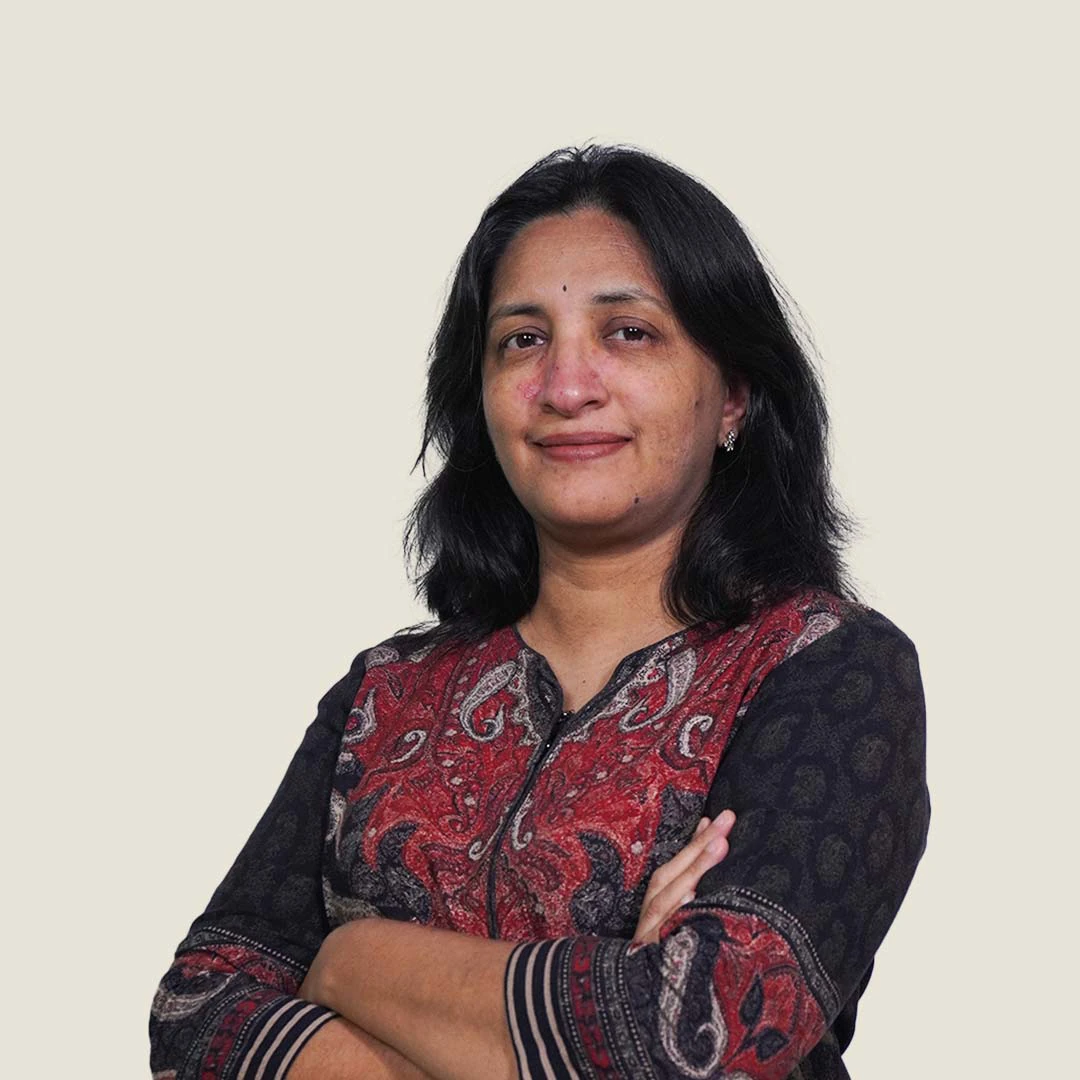
Psychiatrist
Consultant Psychiatrist
21 years of experience
Treats: SLD, Autism Spectrum Disorder, Dementia, Schizophrenia, Bipolar Disorder, OCD, Drug Addiction
View profile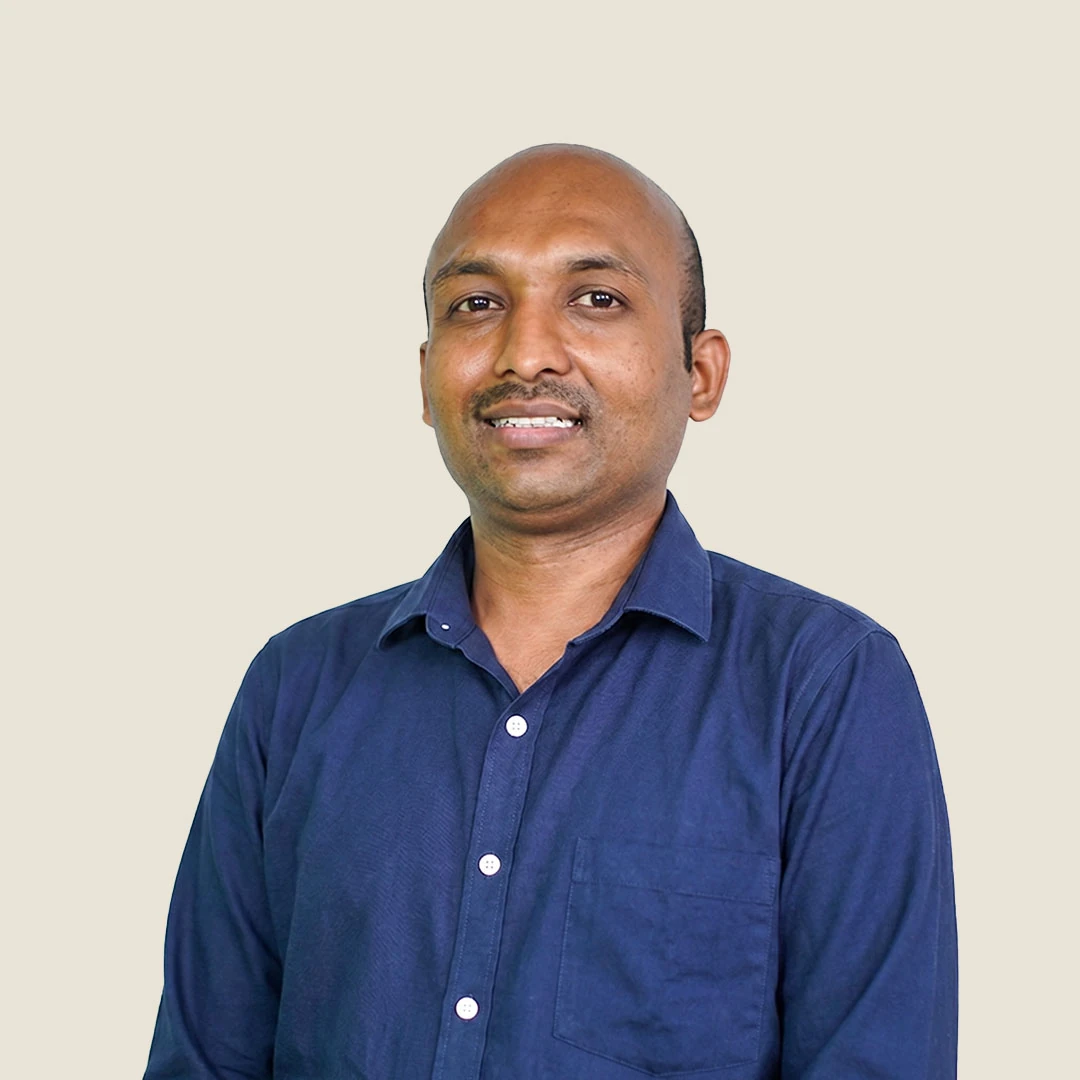
Psychiatrist
Consultant Psychiatrist
15 years of experience
Treats: Drug Addiction, Alcohol Dependence, Dementia, Depression, Bipolar Disorder, OCD, Personality Disorder, Schizophrenia, Autism Spectrum Disorder
View profile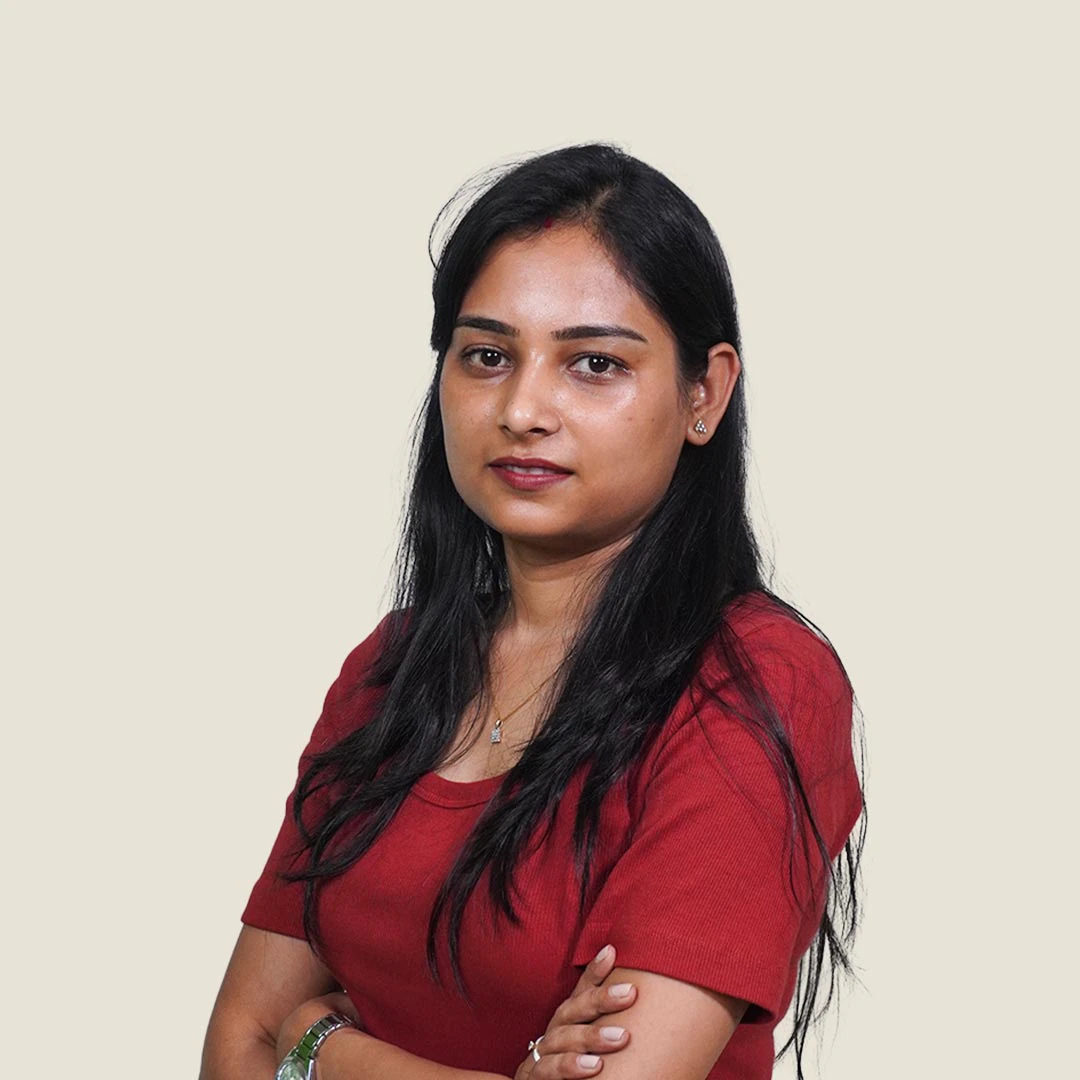
Psychologist
Consultant Clinical Psychologist
9 years of experience
Treats: Bipolar Disorder, Dementia, Depression, OCD, Personality Disorder, Schizophrenia, SLD, Autism Spectrum Disorder
View profileWhy it happens
Selective mutism in adults doesn’t develop in isolation. It often arises from a mix of genetic, emotional, developmental, and environmental factors, each shaping how and why speech becomes difficult in certain settings.
Selective mutism symptoms often run in families, pointing to a possible genetic link. Many adults with SM have close relatives with anxiety or communication-related challenges.
Inherited traits like high sensitivity or behavioural inhibition may increase vulnerability, especially in stressful or socially demanding environments.
Many adults with selective mutism live with ongoing social anxiety. Fear of embarrassment, being judged, or making mistakes can lead to silence.
Perfectionism and emotional overcontrol may reinforce this pattern, with some describing a “frozen” or dissociative state when pressured to speak. Knowing the triggers is crucial for creating effective selective mutism treatment plans.
Selective mutism in adulthood often traces back to childhood.
Early silence may have been overlooked as shyness, while experiences like bullying, neglect, or criticism reinforced speech avoidance.
Trauma—especially public embarrassment—and unstable home environments can make silence feel safer than speaking, even years later.
Social anxiety often overlaps with selective mutism.
Past difficulties with speech, like stuttering or processing differences, can fuel fear of being misunderstood or judged.
For some, early language delays or learning issues evolve into ongoing anxiety around communication, leading to silence to become a protective habit.
Growing up in multilingual or immigrant households can trigger early communication anxiety.
Environments where speaking was punished or mocked may embed silence as self-protection.
Later-life stressors—like moving abroad or workplace pressure—can also reactivate or intensify symptoms in adults who previously managed to cope.
Selective mutism often overlaps with anxiety disorders, phobias, PTSD, or autism spectrum traits—especially in those who “mask” symptoms.
Separation anxiety and trauma can make silence feel safer. Over time, isolation may lead to low mood or depression, deepening the emotional barriers to speech.
How it presents
Selective mutism in adults can present in several distinct forms, depending on underlying psychological, neurological, or situational factors. While not formally classified into subtypes in the DSM-5, clinicians recognise consistent patterns that help guide diagnosis and treatment. Understanding these types is essential for tailoring effective care, whether through anxiety management, trauma therapy, speech-language support, or neurodivergence-informed approaches.
Common types include:
Diagnosing selective mutism in adults requires care and nuance.
Mental health professionals use DSM-5 criteria, focusing on consistent difficulty speaking in specific situations, not due to language barriers or lack of knowledge.
Many cases are missed or misdiagnosed, especially when symptoms are masked as anxiety or introversion.
How we help
Selective mutism treatment for adults primarily focuses on building comfort, confidence, and communication over time.
A tailored approach using therapy, behavioural techniques, and sometimes medication can lead to meaningful progress.
CBT is one of the most effective therapies for selective mutism in adults and is considered to be the cornerstone of selective mutism treatment.
It helps individuals identify and challenge unhelpful thought patterns, manage anxiety, and gradually build confidence in speaking.
Sessions often include real-life practice, goal setting, and support in facing feared situations.
Speech therapy supports adults with selective mutism by focusing on communication comfort rather than mechanics.
Therapists create safe, low-pressure environments to encourage speech.
Techniques may include gradual exposure, confidence-building exercises, and personalised strategies to reduce fear around speaking in social or professional settings.
Behavioural strategies help adults with selective mutism ease into speaking through gradual, structured steps.
These techniques reduce anxiety and build positive speaking habits over time:
Desensitisation – Gradually reducing fear through repeated, low-pressure exposure
Exposure Therapy – Facing feared situations in a controlled way
Stimulus Fading – Slowly introducing new listeners or settings
Reinforcement – Rewarding small steps toward communication
Shaping – Encouraging progress by reinforcing closer approximations to speech
While not a standalone treatment, medication may support therapy by reducing anxiety symptoms.
In some cases, antidepressants or anti-anxiety medications are prescribed to help ease emotional barriers.
Medication is typically used alongside therapy and tailored to individual needs by a qualified mental health professional.
Emergency service
Find nearest mental health center now
Our centres

Our Specialised De-Addiction Centre in Bangalore
Read more
Long-Term Rehabilitation Center in Bangalore, India
Read more
Advanced Psychiatric Rehab Centre in Bangalore
Read more
Luxury Rehabilitation Center in Bangalore, India
Read more
Our Affordable Rehab Centre in Bangalore
Read more
Our Advanced Mental Health Rehab Centre In Hyderabad
Read more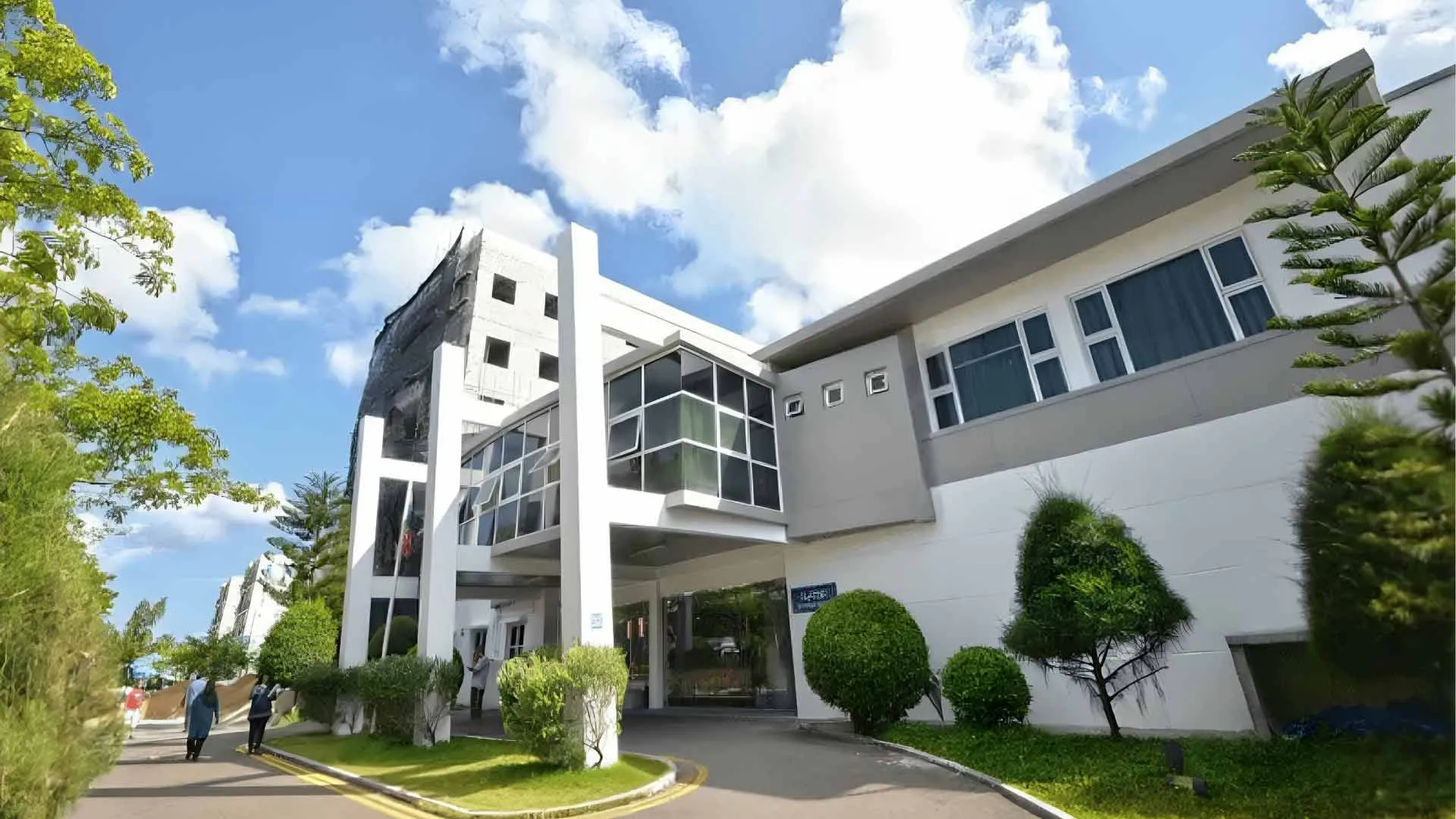
Premier Mental Health & Rehabilitation Centre in Maldives
Read moreIf selective mutism begins to affect your daily life, relationships, or career, seeking rehabilitation can help.
Clinical psychologists, speech-language pathologists, and rehab specialists work together to create supportive, personalised plans.
Multidisciplinary teams at mental health centres like Cadabam’s—and even online therapy—can play a vital role.
Timely intervention often leads to better long-term recovery outcomes.
At Cadabam’s, we understand that selective mutism in adults is complex and deeply personal.
Our experienced team includes clinical psychologists, speech-language pathologists, and rehabilitation experts who collaborate to deliver tailored, evidence-based care.
With residential rehab options, online therapy, and ongoing support, we create a space where communication can grow.
Ready to take the next step?
Reach out to Cadabam’s today—we’re here to support your journey to confident connection.
If you are searching for a solution to your problem, Cadabam’s Rehabilitation Centre can help you with its team of specialised experts. We have been helping thousands of people live healthier and happier lives for 33+ years. We leverage evidence-based approaches and holistic treatment methods to help individuals effectively manage their selective mutism in adults. Get in touch with us today. You can call us at +91 96111 94949.

33+ years of focused mental healthcare, shaped by 1000+ real patient journeys.

State of the art mental health centres built for treatment and recovery.

A coordinated team of psychiatrists, psychologists, counsellors, and rehabilitation specialists supporting your care.

Support from early signs through treatment and recovery.

Treatment guided by clear plans that continue beyond diagnosis.

Planned follow ups and continued guidance to help maintain progress over time.
Inside our centres
FAQs
Patient journeys
Voices of Resilience
Paranoid Schizophrenia - Seeta's Story
Depression due to Abortion and Paranoid Schizophrenia
Read story →Voices of Resilience
Comorbid Disorders - Akash's Story
OCD, Bipolar and Substance Abuse Disoder along with Tic Disorder
Read story →Voices of Resilience
Bipolar Affective Disoder - Meena's Story
Depression, Bipolar Affective Disorder, and Obsessive Compulsive Disorder
Read story →Voices of Resilience
Borderline Personality Disorder - Sumadhra's Story
Emotionally Unstable with Borderline Personality Disorder
Read story →Voices of recovery
Cadabam’s Adrutha is an amazing place for people with mental health issues. It gives you a safe, secure, independent, natural place to let your wards thrive and sustain their living. My sister is 45 years old, and she has lived here for almost 6 years in this rehab, and she loves it.
— Narendra Surana
My grandfather was facing many difficulties. The psychiatrists and other professionals at Cadabam’s ensured that he got better
— Ravish
It's good there are very supportive doctors like Priya Raghavan, and Arun Kumar. We are very satisfied with the doctors and counselors. The counselors are very responsible and we had a very good experience with them.
— Srividya B
Amazing Team, International standards of care and Rehabilitation. We had a good experience with the team, in particular Dr. Rajasekhar, Mr. Bipin Thomas, and the counselor Ms.Neethu.
— Sai Prasanthi Nalavenkata
Cadabam’s really cares about our recovery. The staff and the professionals all try to understand the patients. Thank you Cadabam’s!
— Ramesh G
We had tried multiple rehabilitation centers across North India. None of them seemed to help my son. Then, a relative told us about this place called Cadabam’s in Bangalore. We were very nervous actually, since our son was going to be so far away from us. But, the time he spent at Cadabam’s has changed him. We knew the recovery journey would be long, but with Cadabam’s, it seemed worth it. Today, our son is in a much better place and he is slowly regaining control over his life.
— Tina Debashish
Helpline at your fingertips
+91 9611194949