
Psychiatrist
Dr. Arun Kumar
Consultant Psychiatrist
15 years of experience
Treats: Schizophrenia, Alcohol Dependence, Bipolar Disorder, Depression, Drug Addiction, OCD, Personality Disorder, Autism Spectrum Disorder, Dementia, SLD
View profileConsider this: yelling at a coworker during their presentation in a meeting or breaking a plate because dinner is served just ten minutes late.
For someone struggling with Intermittent Explosive Disorder (IED), these examples above are not just a bad day at the office. They indeed struggle with accumulating problems that impact their life and well-being daily.
IED is more than just mood and anger problems; it is a mental condition that is associated with abnormal and dramatic episodes of rage that a person cannot control.
These intermittent explosive disorder symptoms can have an impact on work, education, personal relationships, or even simple activities like driving or standing in a queue.
It most commonly affects adolescents and young adults, especially males, and the disorder often goes undiagnosed until it has serious consequences.
Early intervention not only helps but also contributes to regaining control and achieving long-term emotional improvement.
What to look for
Meet the clinicians
Psychiatrist
Consultant Psychiatrist
15 years of experience
Treats: Schizophrenia, Alcohol Dependence, Bipolar Disorder, Depression, Drug Addiction, OCD, Personality Disorder, Autism Spectrum Disorder, Dementia, SLD
View profile
Psychiatrist
Consultant Psychiatrist
21 years of experience
Treats: SLD, Autism Spectrum Disorder, Dementia, Schizophrenia, Bipolar Disorder, OCD, Drug Addiction
View profile
Psychiatrist
Consultant Psychiatrist
6 years of experience
Treats: Schizophrenia, Personality Disorder, OCD, Dementia, Autism, Drug Addiction
View profile
Psychiatrist
Consultant Psychiatrist
15 years of experience
Treats: Drug Addiction, Alcohol Dependence, Dementia, Depression, Bipolar Disorder, OCD, Personality Disorder, Schizophrenia, Autism Spectrum Disorder
View profile
Psychiatrist
Consultant Psychiatrist
7 years of experience
Treats: Depression, Schizophernia, Alcohol Dependence, Bipolar Disorder Drug Addiction, OCD, Personality Disorder
View profileWhy it happens
Intermittent explosive disorder causes are multifaceted; it often develops from a combination of biological, psychological, and environmental factors.
Understanding the intermittent explosive disorder causes can offer deeper insight into what drives the condition and, more importantly, how to deal with intermittent explosive disorder through targeted support.
Research shows that IED may be linked to:
Differences in brain structure, particularly in areas that control emotional regulation.
Low serotonin levels can affect impulse control.
Neurological imbalances in brain chemistry are linked to aggressive responses.
A proper intermittent explosive disorder diagnosis test can help identify these above-mentioned factors.
Early life experiences may play a major role, including:
Childhood trauma, such as neglect or exposure to violence.
Learned aggression from caregivers or the environment.
Coexisting mental health issues, such as anxiety or depression, may heighten emotional reactivity.
Some situations act as frequent triggers for those with IED:
Stressful life circumstances, like financial instability or relationship conflict.
Substance abuse or withdrawal can increase impulsivity.
A history of abuse, neglect, or inconsistent discipline during formative years.
Details
IED rarely exists in isolation. It often overlaps with other mental health conditions, making intermittent explosive disorder diagnosis test more complex. A proper intermittent explosive disorder diagnosis test helps clinicians differentiate and tailor treatment accordingly. Recognising these intersections is key to building a comprehensive treatment plan.
The connection between intermittent explosive disorder and anxiety is more common than people realise.
Chronic stress and underlying anxiety can lower emotional tolerance, making even small frustrations feel overwhelming.
This often sets the stage for disproportionate outbursts.
Anxiety keeps the nervous system in a heightened state of alert.
Even minor triggers can feel threatening and provoke explosive reactions.
People with anxiety may feel constantly “on edge,” fuelling irritability and tension.
Without effective coping tools, anger becomes the default response to stress.
Learning how to deal with intermittent explosive disorder can help manage anxiety and prevent these outbursts.
While both conditions involve intense emotional shifts, intermittent explosive disorder and bipolar disorder are distinct in duration, cause, and behavioural patterns. Recognising the difference is essential for correct diagnosis and treatment.
IED involves brief, reactive anger episodes.
Bipolar disorder features prolonged mood swings—mania or depression.
Triggers in IED are external and sudden; bipolar changes can occur without a clear cause.
Treatment approaches differ significantly between the two conditions.
Intermittent explosive disorder and post-traumatic stress disorder may co-occur, especially when past trauma hasn’t been fully processed. The emotional reactivity in PTSD can amplify the severity of outbursts seen in IED.
Trauma history can heighten emotional arousal.
Both conditions may involve aggressive reactions to perceived threats.
Flashbacks or hypervigilance can fuel impulsive anger.
Differentiating the root cause supports more targeted treatment.
Diagnosis
A timely intermittent explosive disorder diagnosis is crucial to begin appropriate treatment.
Professionals rely on a detailed clinical assessment, DSM-5 guidelines, and standardised tools to identify patterns of explosive behaviour and rule out other conditions.
Intermittent explosive disorder dsm 5 criteria form the foundation of diagnosis, which helps individuals access the right care sooner.
A psychiatrist or psychologist evaluates how often and how intensely outbursts occur. They examine:
Frequency of Outbursts: How often anger episodes occur.
Severity of Episodes: Intensity and destructiveness of behaviour.
Emotional Triggers: Situations that spark the outbursts.
Impact on Daily Life: How episodes affect relationships, work, or routine.
According to DSM-5, IED involves repeated aggressive outbursts that are disproportionate to the trigger.
These may include verbal rage or physical aggression that isn’t planned. Episodes must cause distress or interfere with social, occupational, or family life to qualify as IED.
Psychologists may use questionnaires to explore impulse control, past trauma, emotional regulation, and behaviour patterns.
Impulse Control: Assess how well the individual can manage sudden urges or reactions.
Emotional Regulation: Evaluate the ability to recognise, manage, and respond to emotions.
Behaviour Patterns: Identify repeated behaviours that may indicate underlying issues.
Past Trauma: Understand if previous traumatic experiences influence current responses.
Family History: Explore mental health conditions or behavioural concerns in relatives.
Medical History: Rule out neurological or physiological causes affecting behaviour.
How we help
Seeking intermittent explosive disorder treatment can feel overwhelming, but knowing your options makes the path clearer. A mix of therapy, medication, and self-regulation techniques often brings meaningful progress and emotional balance, which can also lead to better outcomes for intermittent explosive disorder treatment .
Medication is usually prescribed when outbursts are severe or linked to coexisting conditions like depression or anxiety.
SSRIs, mood stabilisers, or anti-anxiety drugs can help reduce emotional reactivity. However, medication works best when combined with therapy that builds coping skills and emotional awareness.
Therapy plays a key role in managing intermittent explosive disorder by helping individuals recognise triggers and build better coping mechanisms.
These evidence-based approaches empower individuals to handle anger in healthier, more constructive ways.
Cognitive Behavioural Therapy (CBT): Helps identify triggers and reshape negative reactions.
CBT for Anger Management: Builds impulse control, emotional awareness, and healthy communication.
Dialectical Behaviour Therapy (DBT): Teaches distress tolerance and emotional regulation.
Combined Outcome: Promotes lasting changes in managing anger and outbursts.
Complementary methods like meditation, mindfulness, and relaxation training support emotional regulation.
Behavioural coaching can help build day-to-day coping strategies. Journaling or art-based therapy may also help express suppressed emotions.
While not substitutes for clinical therapy, these tools enhance treatment and encourage long-term emotional stability.
Emergency service
Find nearest mental health center now
Details
Managing intermittent explosive disorder (IED) requires more than just willpower—it needs intentional lifestyle adjustments and coping strategies.
While the disorder can feel overwhelming, these daily practices help create a sense of emotional control and reduce the risk of outbursts.
Deep breathing, guided meditation, and grounding exercises can help reduce tension before it escalates into aggression. Mindfulness keeps individuals aware of their emotional state and encourages calm responses in triggering situations.
Understanding personal anger triggers—like loud noises, confrontations, or stressful deadlines—helps individuals prepare for or avoid those situations. Keeping a mood journal or discussing patterns in therapy can offer valuable insights.
Regular physical activity reduces stress hormones and improves overall mood. Activities like yoga, brisk walking, or strength training help channel pent-up energy. Pairing this with adequate sleep and balanced nutrition builds resilience over time.
Our centres

Our Specialised De-Addiction Centre in Bangalore
Read more
Long-Term Rehabilitation Center in Bangalore, India
Read more
Advanced Psychiatric Rehab Centre in Bangalore
Read more
Luxury Rehabilitation Center in Bangalore, India
Read more
Our Affordable Rehab Centre in Bangalore
Read more
Our Advanced Mental Health Rehab Centre In Hyderabad
Read more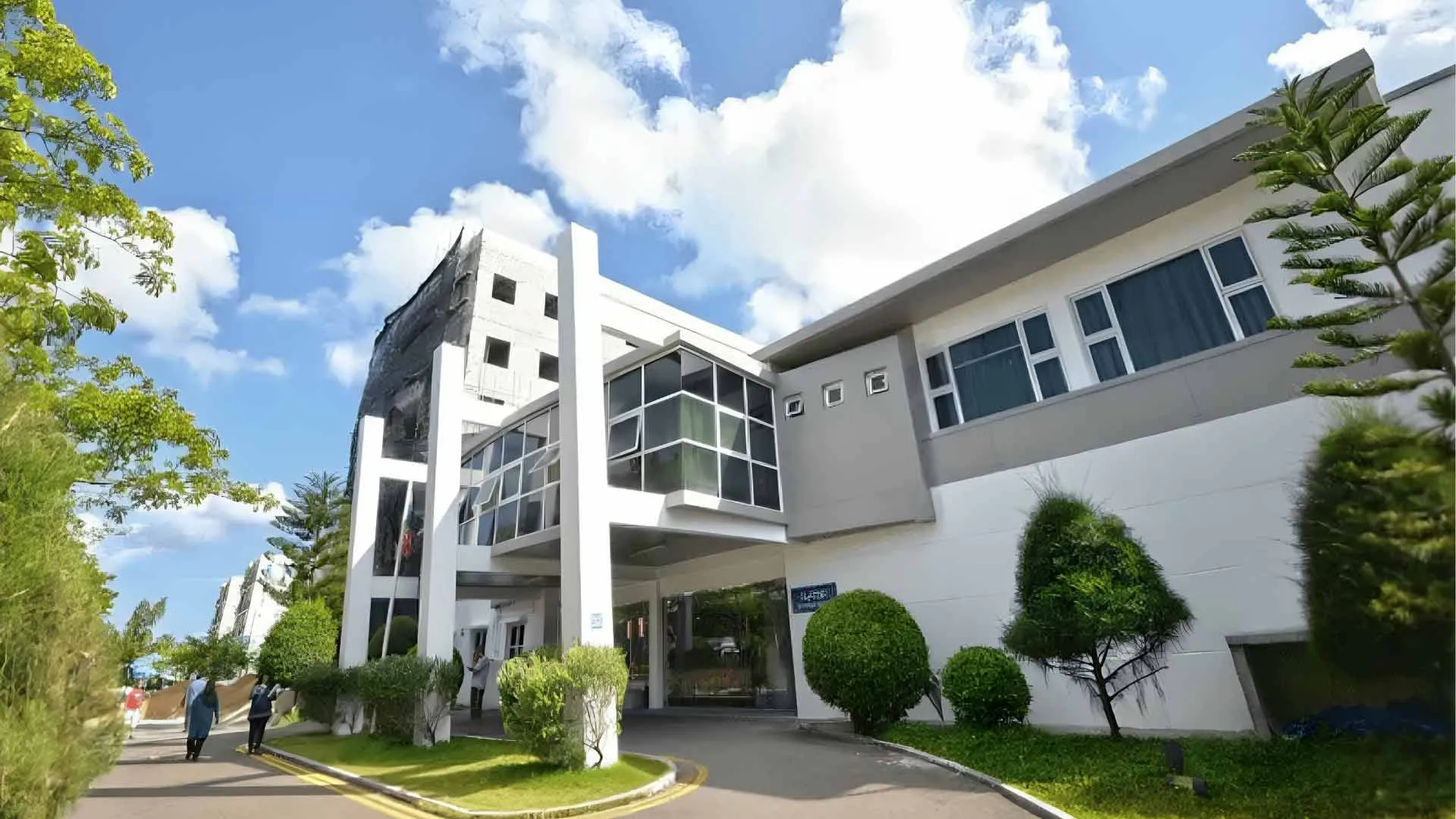
Premier Mental Health & Rehabilitation Centre in Maldives
Read moreAt Cadabam’s, we take a supportive approach by understanding the needs of people with intermittent explosive disorder.
Our expert team provides personalised care from diagnosis through to treatment, tailored to the individual's needs.
If you are searching for a solution to your problem, Cadabam’s Rehabilitation Centre can help you with its team of specialised experts. We have been helping thousands of people live healthier and happier lives for 33+ years. We leverage evidence-based approaches and holistic treatment methods to help individuals effectively manage their Intermittent Explosive Disorder. Get in touch with us today. You can call us at +91 96111 94949.

33+ years of focused mental healthcare, shaped by 1000+ real patient journeys.

State of the art mental health centres built for treatment and recovery.

A coordinated team of psychiatrists, psychologists, counsellors, and rehabilitation specialists supporting your care.

Support from early signs through treatment and recovery.

Treatment guided by clear plans that continue beyond diagnosis.

Planned follow ups and continued guidance to help maintain progress over time.
Inside our centres
FAQs
Patient journeys
Voices of Resilience
Paranoid Schizophrenia - Seeta's Story
Depression due to Abortion and Paranoid Schizophrenia
Read story →Voices of Resilience
Comorbid Disorders - Akash's Story
OCD, Bipolar and Substance Abuse Disoder along with Tic Disorder
Read story →Voices of Resilience
Bipolar Affective Disoder - Meena's Story
Depression, Bipolar Affective Disorder, and Obsessive Compulsive Disorder
Read story →Voices of Resilience
Borderline Personality Disorder - Sumadhra's Story
Emotionally Unstable with Borderline Personality Disorder
Read story →Voices of recovery
Cadabam’s really helped with my drinking problems. It had completely destroyed my life. A short program here really helped me bring my life back on track. Thank you.
— Vivek
Cadabam’s Amitha is the best place for recovery. My sister recovered very well here.
— Varshith H
Good rehabilitation is available at Cadabam’s. Special mention to Dr. Madhukar, very professional, and accurate treatment.
— V Mahendra
My grandfather was facing many difficulties. The psychiatrists and other professionals at Cadabam’s ensured that he got better
— Ravish
Cadabam’s really cares about our recovery. The staff and the professionals all try to understand the patients. Thank you Cadabam’s!
— Ramesh G
The campus was very pleasant and the staff were also very polite. The management really cares about all patients.
— Vinayak Sarkar
Helpline at your fingertips
+91 9611194949