Psychiatrist
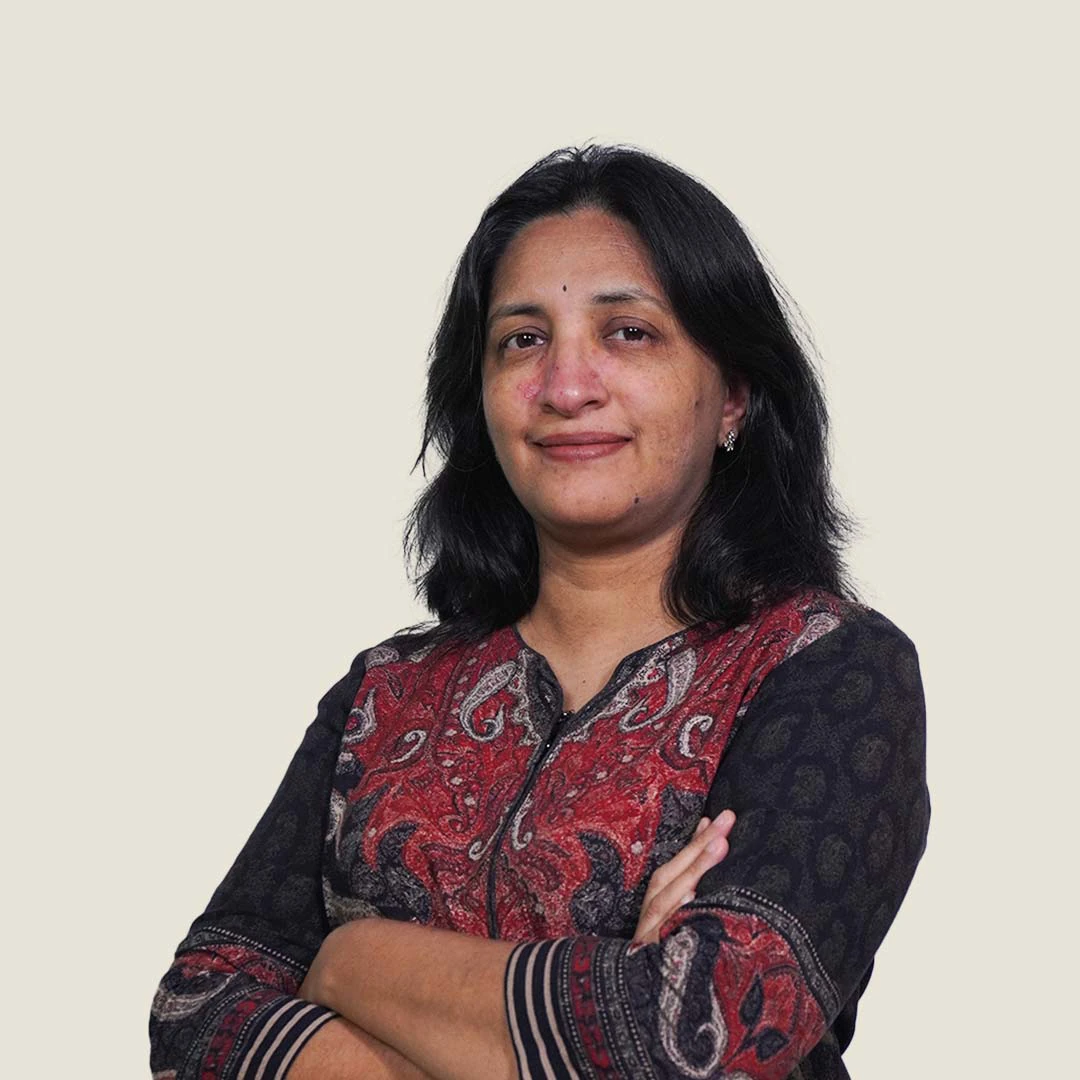
Dr. R. Priya Raghavan
Consultant Psychiatrist
21 years of experience
Treats: SLD, Autism Spectrum Disorder, Dementia, Schizophrenia, Bipolar Disorder, OCD, Drug Addiction
View profileThe increasing abuse of stimulants in India has become a serious problem, especially among the youth and the working population. With growing awareness, it is increasingly being recognised that long-term rehabilitation options are required to address the chronic nature of this disorder.
In this article, we will help you understand what Stimulant Use Disorder is, its symptoms, causes, and the effective stimulant addiction treatment and recovery options.
What to look for
Meet the clinicians
Psychiatrist
Consultant Psychiatrist
21 years of experience
Treats: SLD, Autism Spectrum Disorder, Dementia, Schizophrenia, Bipolar Disorder, OCD, Drug Addiction
View profile
Psychiatrist
Medical Director
25 years of experience
Treats: Alcohol Dependence, Bipolar Disorder, Dementia, Schizophrenia, Drug Addiction, Personality Disorder, OCD
View profile
Psychiatrist
Consultant Psychiatrist
6 years of experience
Treats: Schizophrenia, Personality Disorder, OCD, Dementia, Autism, Drug Addiction
View profile
Psychiatrist
Consultant Psychiatrist
15 years of experience
Treats: Schizophrenia, Alcohol Dependence, Bipolar Disorder, Depression, Drug Addiction, OCD, Personality Disorder, Autism Spectrum Disorder, Dementia, SLD
View profile
Counsellor
Counsellor
3 years of experience
Treats: Alcohol Dependence, Schizophrenia, Bipolar Disorder, Personality Disorder
View profileWhy it happens
Stimulants are highly addictive due to their strong impact on brain chemistry, which leads to the rapid development of tolerance. As dependence builds, individuals may experience significant behavioural changes over time, making recovery more challenging.
Stimulants affect the brain by increasing dopamine levels in the reward circuit, leading to intense feelings of happiness and reinforcing drug-taking behaviour. Over time, natural dopamine production is reduced, leaving those affected dependent on the substance to feel normal.
A combination of biological, psychological and environmental factors contributes to vulnerability to stimulant abuse. These risk factors vary from person to person and often overlap, increasing the likelihood of developing a stimulant abuse disorder.
The risk of addiction is often influenced by a family history of substance abuse, suggesting a genetic predisposition. Impulsive personality traits and co-occurring mental health conditions such as ADHD, anxiety or depression also increase the risk of developing stimulant dependence.
External pressures, such as demands at school or work, peer influence and a stressful environment, can lead individuals to seek stimulants to enhance performance. In such environments, stimulant abuse is often normalised, especially when productivity and competition are high priorities.
When stimulants such as Adderall or Ritalin are prescribed in adolescence, especially for the treatment of ADHD, the risk of abuse increases, prolonged use at a young age can promote dependence and encourage non-medical use later in life.
People who lack strong social or family ties are more likely to abuse stimulants as a means of coping. These drugs are often used to fill emotional gaps, cope with loneliness or to temporarily escape stressful situations.
How it presents
Stimulant use disorder can stem from different classes of substances - prescription, illicit, or over-the-counter. Understanding the type of stimulant misused is crucial for tailoring effective treatment strategies, as each class impacts the brain and behaviour differently.
Each type requires a comprehensive approach, combining detox, behavioural therapy, and relapse prevention planning.
Diagnosis
A formal diagnosis of stimulant use disorder is made on the basis of clinical assessment and standardised criteria. The diagnosis helps to determine the severity of the disorder and to take appropriate stimulant addiction treatment measures.
The DSM-5 describes specific symptoms such as tolerance development, withdrawal symptoms, persistent craving and repeated failed attempts to stop using. Continued use despite physical or psychological harm is also listed, emphasising the compulsive nature of the disorder.
The diagnosis is supported by instruments such as structured clinical interviews, substance use inventories and urine tests. These assessments help health professionals to confirm the presence of the disorder and develop an appropriate stimulant addiction treatment approach.
How we help
Effective treatment for stimulant use disorder involves a combination of psychological therapies, experimental medicine approaches and structured rehab programmes. A personalised plan is essential for sustained recovery and relapse prevention.
Various therapies have been used to address the causes and behavioural patterns of stimulant abuse:
Cognitive Behavioural Therapy ( CBT ): Helps restructure negative thoughts and behaviours.
Contingency Management (CM): Rewards sobriety with positive reinforcement.
Motivational Interviewing (MI): Strengthens the willingness to change.
Relapse Prevention : Builds coping skills for long-term recovery.
Currently, there are no FDA-approved medications to treat stimulant addiction. Some antipsychotics and antidepressants are being used experimentally. In extreme cases, deep brain stimulation has been explored to target the brain circuitry involved in reward and addiction, although this is still a developing field.
Cadabam’s comprehensive rehab programmes are designed to treat the psychological, physical and social aspects of stimulant use disorder. The focus is on long-term recovery through structured and individualised care.
Structured Detox: A medically supervised process that helps to manage withdrawal safely and comfortably.
Therapy Programmes: Daily sessions to examine behavioural patterns and develop coping strategies.
Peer Support Groups: Individuals share experiences and receive encouragement in a community-based setting.
Family Counselling: Family members are involved in the therapy to rebuild trust and support recovery.
Emergency service
Find nearest mental health center now
Our centres
Details
It is important to recognise the right time to seek help. Early intervention increases the chances of recovery and helps individuals regain control before further damage is done.
There are certain signs that may indicate the need for urgent rehab, these signs include:
Blackouts: Loss of memory or consciousness due to stimulant use.
Paranoia: Extreme mistrust or delusions that have nothing to do with reality.
Violent behaviour: Aggressive outbursts that endanger oneself or others.
Failed attempts to quit: Multiple relapses despite the desire to quit.
Starting stimulant addiction treatment at the earliest offers significant benefits to individuals:
Prevents overdose: Reduces the risk of fatal complications.
Improves outcomes: Increases chances of full recovery and stability.
Eliminates root causes: Helps uncover underlying mental health issues or trauma that underlie addiction.
Details
At Cadabam’s, we provide personalised, evidence-based care for individuals struggling with stimulant addiction. From detox to long-term recovery, our comprehensive approach ensures consistent support at every stage of the healing process.
The rehab program at Cadabam’s is designed to provide safe, structured and continuous care:
Detoxification: Medically supervised withdrawal to ensure safety and comfort.
24/7 monitoring: Continuous clinical monitoring to control symptoms and risks.
Trauma Therapy: Specialised care for co-occurring trauma and emotional distress.
Safe Inpatient Care: A safe, non-judgmental environment that supports recovery.
At Cadabam’s, recovery is supported by holistic practices that nourish the mind and body, and these are accomplished through:
Yoga : Improves physical well-being and emotional balance.
Mindfulness : Sharpens awareness and reduces cravings by reducing stress.
Vocational Training: Teaches life and work skills to support reintegration.
Aftercare Support : Ongoing counselling and resources to prevent relapse and maintain progress.
The family plays a critical role in long-term recovery and relapse prevention in many ways:
Family Therapy: Facilitates healing of strained relationships and encourages open communication.
Boundary Education: Teaches families how to support recovery without enabling harmful behaviours.
Relapse Support: Helps families recognise early signs of relapse and use effective response strategies.
Together, these services strengthen the recovery environment and empower families to contribute positively to the healing process.
If you are searching for a solution to your problem, Cadabam’s Rehabilitation Centre can help you with its team of specialised experts. We have been helping thousands of people live healthier and happier lives for 33+ years. We leverage evidence-based approaches and holistic treatment plans to help individuals effectively manage their Stimulant Use Disorder. Get in touch with us today. You can call us at +91 96111 94949.

33+ years of focused mental healthcare, shaped by 1000+ real patient journeys.

State of the art mental health centres built for treatment and recovery.

A coordinated team of psychiatrists, psychologists, counsellors, and rehabilitation specialists supporting your care.

Support from early signs through treatment and recovery.

Treatment guided by clear plans that continue beyond diagnosis.

Planned follow ups and continued guidance to help maintain progress over time.
Inside our centres
FAQs
Patient journeys
Voices of Resilience
Paranoid Schizophrenia - Seeta's Story
Depression due to Abortion and Paranoid Schizophrenia
Read story →Voices of Resilience
Comorbid Disorders - Akash's Story
OCD, Bipolar and Substance Abuse Disoder along with Tic Disorder
Read story →Voices of Resilience
Bipolar Affective Disoder - Meena's Story
Depression, Bipolar Affective Disorder, and Obsessive Compulsive Disorder
Read story →Voices of Resilience
Borderline Personality Disorder - Sumadhra's Story
Emotionally Unstable with Borderline Personality Disorder
Read story →Voices of recovery
Cadabam’s Adrutha is an amazing place for people with mental health issues. It gives you a safe, secure, independent, natural place to let your wards thrive and sustain their living. My sister is 45 years old, and she has lived here for almost 6 years in this rehab, and she loves it.
— Narendra Surana
My grandfather was facing many difficulties. The psychiatrists and other professionals at Cadabam’s ensured that he got better
— Ravish
It's good there are very supportive doctors like Priya Raghavan, and Arun Kumar. We are very satisfied with the doctors and counselors. The counselors are very responsible and we had a very good experience with them.
— Srividya B
Amazing Team, International standards of care and Rehabilitation. We had a good experience with the team, in particular Dr. Rajasekhar, Mr. Bipin Thomas, and the counselor Ms.Neethu.
— Sai Prasanthi Nalavenkata
Cadabam’s really cares about our recovery. The staff and the professionals all try to understand the patients. Thank you Cadabam’s!
— Ramesh G
We had tried multiple rehabilitation centers across North India. None of them seemed to help my son. Then, a relative told us about this place called Cadabam’s in Bangalore. We were very nervous actually, since our son was going to be so far away from us. But, the time he spent at Cadabam’s has changed him. We knew the recovery journey would be long, but with Cadabam’s, it seemed worth it. Today, our son is in a much better place and he is slowly regaining control over his life.
— Tina Debashish
Further reading
Helpline at your fingertips
+91 9611194949