
Psychiatrist
Dr. Arun Kumar
Consultant Psychiatrist
15 years of experience
Treats: Schizophrenia, Alcohol Dependence, Bipolar Disorder, Depression, Drug Addiction, OCD, Personality Disorder, Autism Spectrum Disorder, Dementia, SLD
View profileFood plays an essential role in everyday life, providing nourishment, comfort and socialising. For some, however, it becomes a source of stress and guilt, leading to harmful eating habits.
Bulimia nervosa disorder is one such condition characterised by repeated episodes of binge eating and purging.
Unlike other eating disorders, bulimia nervosa disorder does not always result in noticeable weight loss, making it harder to recognise. However, the emotional and psychological effects can be severe, affecting a person’s physical health, self-esteem and overall well-being. Recognising the signs early is crucial, as timely intervention can prevent long-term damage and pave the way to bulimia nervosa treatment.
What to look for
Meet the clinicians
Psychiatrist
Consultant Psychiatrist
15 years of experience
Treats: Schizophrenia, Alcohol Dependence, Bipolar Disorder, Depression, Drug Addiction, OCD, Personality Disorder, Autism Spectrum Disorder, Dementia, SLD
View profile
Psychiatrist
Consultant Psychiatrist
15 years of experience
Treats: Drug Addiction, Alcohol Dependence, Dementia, Depression, Bipolar Disorder, OCD, Personality Disorder, Schizophrenia, Autism Spectrum Disorder
View profile
Psychiatrist
Medical Director
25 years of experience
Treats: Alcohol Dependence, Bipolar Disorder, Dementia, Schizophrenia, Drug Addiction, Personality Disorder, OCD
View profile
Psychiatrist
Consultant Psychiatrist
6 years of experience
Treats: Schizophrenia, Personality Disorder, OCD, Dementia, Autism, Drug Addiction
View profileWhy it happens
The bulimia nervosa causes are multifactorial and it develop due to a combination of genetic, psychological and environmental factors. These influences form a complex network of triggers that increase the risk of developing the disorder.
A family history of eating disorders increases the likelihood of developing bulimia. Genetic predisposition also plays a role, as certain individuals may inherit traits that make them more susceptible. Imbalances in brain chemistry, particularly in serotonin and dopamine, can affect mood regulation and impulse control, contributing to binge eating.
Underlying mental illnesses often contribute to bulimia. Anxiety and depression are often associated with the disorder, as individuals with the condition may use eating as a coping mechanism. Low self-esteem can lead a person to seek validation through weight control, while perfectionism encourages unrealistic body standards.
The cultural pressure to achieve a certain body type can be a strong external trigger. Diet culture promotes restrictive eating behaviour and increases the risk of binge eating and subsequent purging. Peer pressure, especially in adolescence, can lead to unhealthy comparisons that exacerbate dissatisfaction with one's own body.
Bulimia nervosa typically shows up in two forms, purging and non-purging. Both involve episodes of binge eating, but differ in how individuals try to "make up for" it.
Understanding the type helps in choosing the right treatment and breaking the cycle with support that fits.
Details
A correct diagnosis of bulimia includes both physical and psychological examinations. As the symptoms are often hidden, a thorough examination is required to confirm the bulimia nervosa complications. Understanding the difference between anorexia nervosa and bulimia nervosa is essential during the diagnostic process.
Doctors will examine physical symptoms, including weight fluctuations, dental damage and digestive problems. Blood tests are performed to check electrolyte balance and organ function. To identify signs of bulimia, the patient’s medical history of eating habits, purging behaviour and associated health complications will also be reviewed.
Mental health professionals conduct structured interviews and psychological screening to identify eating disorders. Standardised tests, such as the Eating Disorder Examination (EDE), help to determine the severity of the disorder. Underlying mental illnesses such as anxiety or depression, are also examined to support treatment planning.
How we help
Treatment of bulimia involves a blend of psychological, nutritional and medical treatments. Each individual needs an individualised treatment plan in order to be successful in the long run.
Cognitive behaviour therapy (CBT) is the most effective treatment for bulimia. It assists people in identifying and modifying negative thoughts about food and body image. Dialectical behaviour therapy (DBT) targets emotion management and coping mechanisms to decrease binge eating.
Counselling with a dietitian is essential in restoring a normal relationship with food. A planned meal plan assists individuals involved in adopting healthy eating patterns once more and overcoming food phobias. Learning about proper nutrition is also crucial in long-term recovery.
In other instances, drugs like antidepressants are used to manage co-occurring disorders like depression and anxiety. Periodic medical check-ups guarantee that complications of bulimia, including electrolyte disturbances and gastrointestinal issues, are addressed and managed.
Emergency service
Find nearest mental health center now
Details
Preventing efforts to target the bulimia nervosa causes involve promoting a healthier relationship with food and body image. Small changes in eating habits and mindset can reduce the risk of disordered eating behaviour.
Mindfulness during mealtimes helps individuals to recognise hunger and satiety signals. Eating slowly without distraction aids digestion and reduces the urge to overeat. Mindful eating also shifts the focus from guilt to pleasure and promotes a balanced approach to food.
Unrealistic ideas about "good" and "bad" food contribute to unhealthy eating behaviour. Challenging these thoughts by viewing food as nourishment rather than a threat can reduce food anxiety. Encouraging flexibility and balance in food choices contributes to healthier attitudes.
Early education about nutrition helps to prevent the development of harmful eating habits. Educating young people about the importance of a varied diet, portion control, and the dangers of extreme diets lays a foundation for long-term health. Schools and families play a crucial role in promoting a positive food culture.
Details
Misconceptions about bulimia contribute to stigmatisation and prevent people from seeking bulimia nervosa treatment. Clarifying these myths helps to better understand the illness.
Vomiting is common, but it is not the only behaviour associated with bulimia. Some individuals use excessive exercise, fasting or laxatives to compensate for their binge eating. The disorder is more about the cycle of bingeing and purging than a single method of vomiting.
Unlike anorexia, bulimia does not always lead to extreme weight loss. Many people with bulimia have a normal weight or even appear overweight. This misconception makes it difficult to recognise the disorder and delays diagnosis and treatment.
Bulimia is not a simple habit that can be overcome by willpower alone. It is a complex psychological disorder that requires professional intervention. Therapy, medical supervision and nutritional counselling are often necessary for recovery.
Details
Recognising and addressing bulimia nervosa symptoms in a loved one can be a challenge. The right support can make a significant contribution to proper bulimia nervosa treatment.
Signs of bulimia include frequent trips to the toilet after meals, secret eating or an obsession with weight and dieting. Physical signs such as puffy cheeks, dental problems and dehydration may also be present. Emotional changes such as anxiety, mood swings and withdrawal from social activities can also indicate bulimia.
It's important to have the conversation with empathy. Rather than focusing on their eating habits, being concerned about their general well-being can create a safe space for conversation. Avoid judgmental comments and encourage open communication about their problems.
Encouraging professional treatment is critical to recovery. Supporting a loved one by offering to help them find resources, attending therapy sessions with them, or simply listening can be comforting. Patience and understanding are very important in helping someone through their healing process.
Podcast & video
Our centres

Our Specialised De-Addiction Centre in Bangalore
Read more
Long-Term Rehabilitation Center in Bangalore, India
Read more
Advanced Psychiatric Rehab Centre in Bangalore
Read more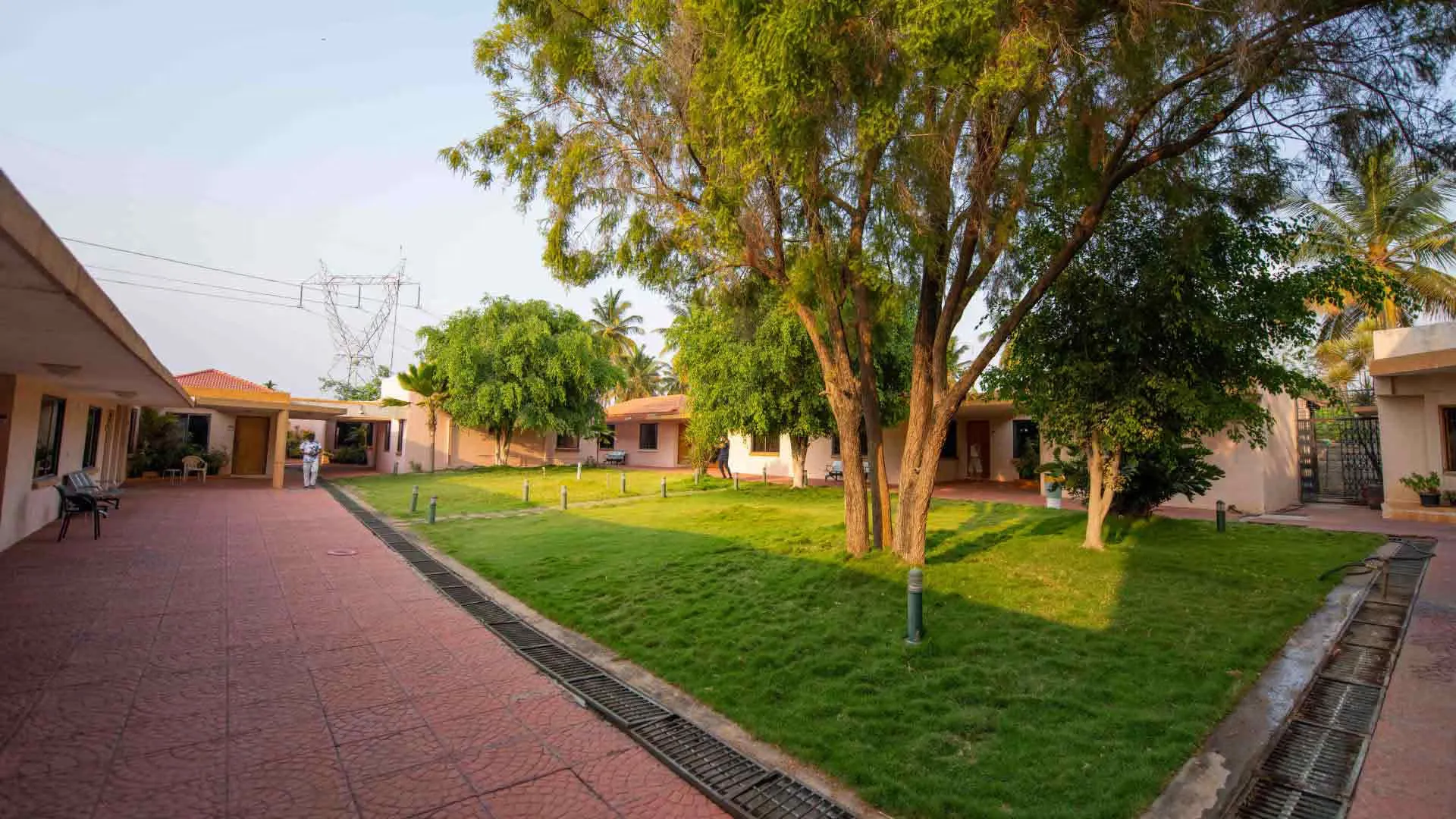
Luxury Rehabilitation Center in Bangalore, India
Read more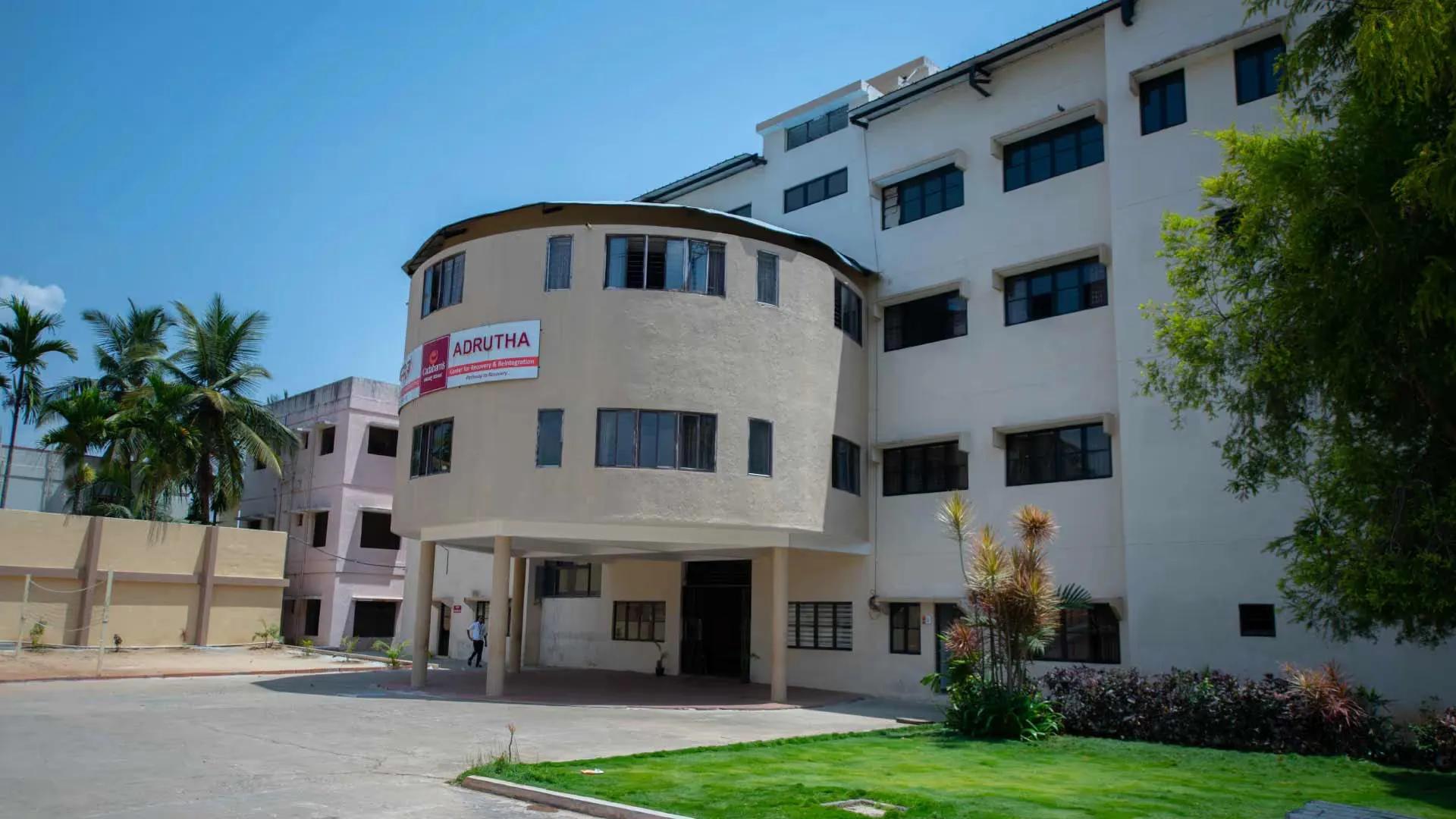
Our Affordable Rehab Centre in Bangalore
Read more
Our Advanced Mental Health Rehab Centre In Hyderabad
Read more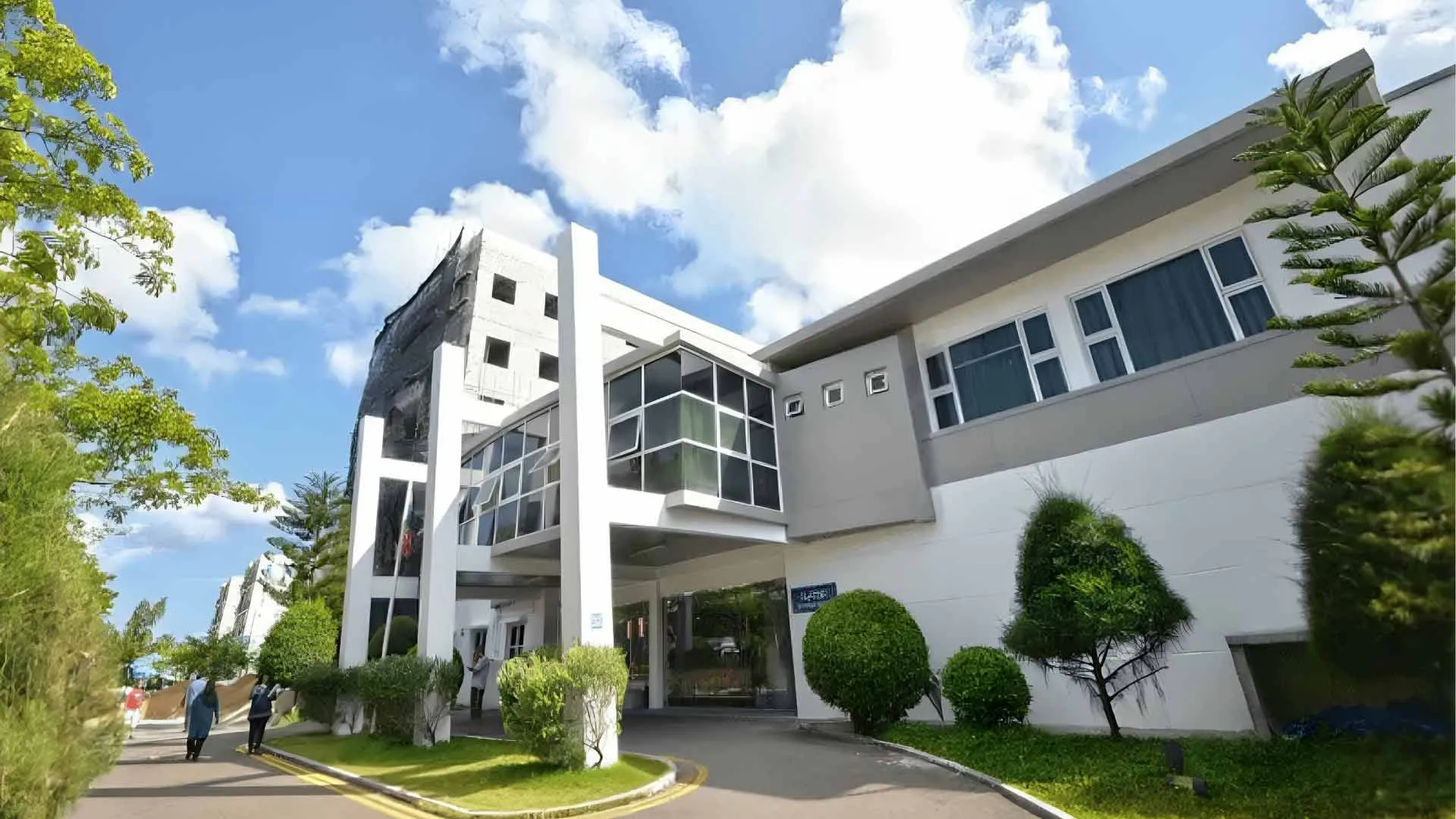
Premier Mental Health & Rehabilitation Centre in Maldives
Read moreRecovery from bulimia is possible with the right support system. Cadabam’s, one of the largest mental health centres in the country, provides specialised care for a range of mental health conditions, including bulimia. At our centre, we provide care through therapy, medical monitoring and individualised treatment plans.
By treating both the physical and emotional aspects of bulimia, we guide individuals towards a healthier relationship with food and themselves. Professional intervention combined with support from family members plays a crucial role in interrupting the binge eating cycle. With early treatment and ongoing support, long-term recovery is an achievable goal.
If you are searching for a solution to your problem, Cadabam’s Rehabilitation Centre can help you with its team of specialised experts. We have been helping thousands of people live healthier and happier lives for 33+ years. We leverage evidence-based approaches and holistic treatment methods to help individuals effectively manage their bulimia nervosa. Get in touch with us today. You can call us at +91 96111 94949.

33+ years of focused mental healthcare, shaped by 1000+ real patient journeys.

State of the art mental health centres built for treatment and recovery.

A coordinated team of psychiatrists, psychologists, counsellors, and rehabilitation specialists supporting your care.

Support from early signs through treatment and recovery.

Treatment guided by clear plans that continue beyond diagnosis.

Planned follow ups and continued guidance to help maintain progress over time.
Inside our centres
FAQs
Patient journeys
Voices of Resilience
Paranoid Schizophrenia - Seeta's Story
Depression due to Abortion and Paranoid Schizophrenia
Read story →Voices of Resilience
Comorbid Disorders - Akash's Story
OCD, Bipolar and Substance Abuse Disoder along with Tic Disorder
Read story →Voices of Resilience
Bipolar Affective Disoder - Meena's Story
Depression, Bipolar Affective Disorder, and Obsessive Compulsive Disorder
Read story →Voices of Resilience
Borderline Personality Disorder - Sumadhra's Story
Emotionally Unstable with Borderline Personality Disorder
Read story →Voices of recovery
Deaddiction is a difficult process. Cadabam’s made it easier for my family. A special thanks to Dr. Swarupa for helping me reconnect with my family, I am a lot happier now.
— Mohit
Rehabilitation at Cadabam’s really helped me. The professionals here are so helpful and understanding!
— Vinay L
Very effective treatment is given by their team of well-trained professionals. They are both patient and family-friendly. The hospital is well organized and the treatment plan is excellent. The activities are challenging and very useful. Our Thanks to Cadabam’s.
— Uma Ramesh
It's good there are very supportive doctors like Priya Raghavan, and Arun Kumar. We are very satisfied with the doctors and counselors. The counselors are very responsible and we had a very good experience with them.
— Srividya B
Amazing Team, International standards of care and Rehabilitation. We had a good experience with the team, in particular Dr. Rajasekhar, Mr. Bipin Thomas, and the counselor Ms.Neethu.
— Sai Prasanthi Nalavenkata
The campus was very pleasant and the staff were also very polite. The management really cares about all patients.
— Vinayak Sarkar
We had tried multiple rehabilitation centers across North India. None of them seemed to help my son. Then, a relative told us about this place called Cadabam’s in Bangalore. We were very nervous actually, since our son was going to be so far away from us. But, the time he spent at Cadabam’s has changed him. We knew the recovery journey would be long, but with Cadabam’s, it seemed worth it. Today, our son is in a much better place and he is slowly regaining control over his life.
— Tina Debashish
Helpline at your fingertips
+91 9611194949