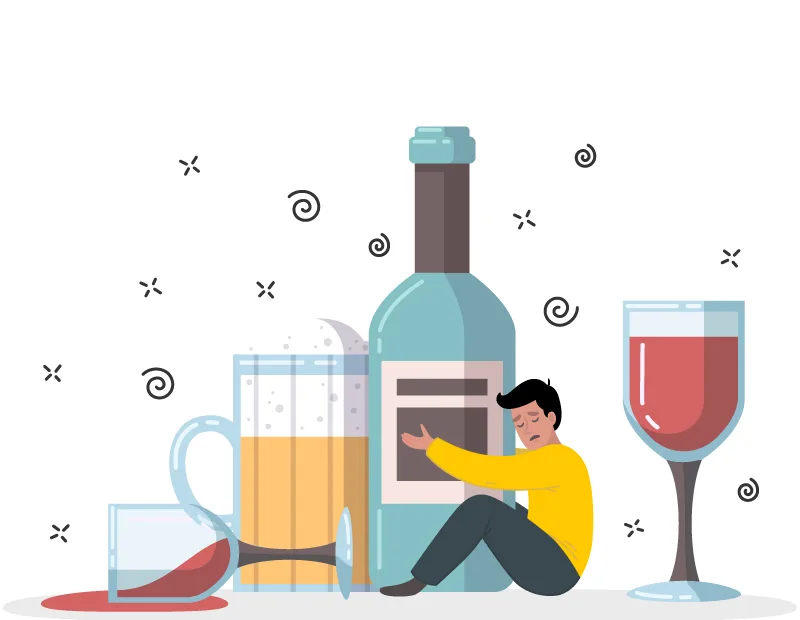
Rehabilitation in Substance Use: A Psychiatric Social Work Perspective
Host: Dr. Sunil
Guest: Dr. Shreedevi, Psychiatric Social Worker
Introduction
Host:
Hello and welcome to Cadabam’s Insights.
We are back with another insightful episode and a very special guest.
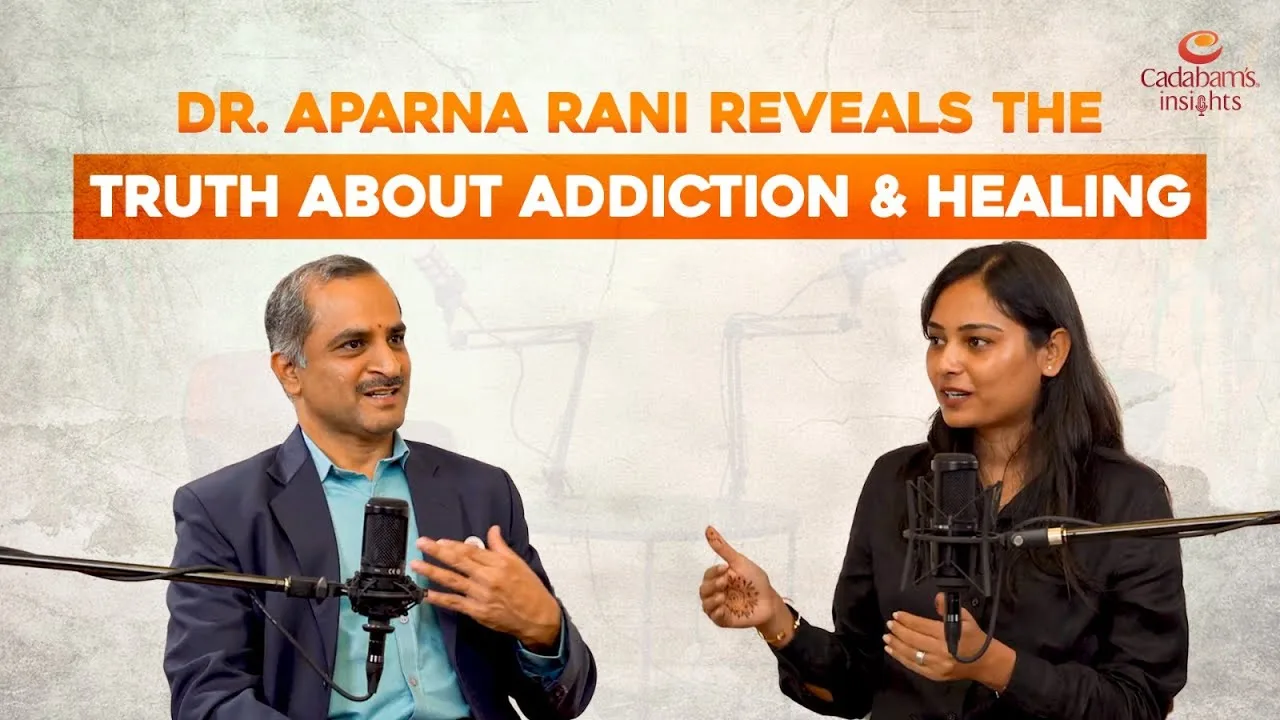
Today, we’ll be discussing rehabilitation in the context of substance use—alcohol and drug abuse. Joining us is one of the most eminent psychiatric social workers, Dr. Shreedevi.
Dr. Shreedevi completed her Master’s in Psychiatric Social Work from Mangalore, followed by an MPhil from one of India’s premier institutes—NIMHANS. After completing her PhD, she gained experience across several institutions in Bangalore and is currently working at NIMHANS as a Consultant Psychiatric Social Worker and Assistant Professor, training hundreds of professionals who go on to help millions.
Welcome, Dr. Shreedevi. It’s wonderful to meet you after such a long time. How are you?
Dr. Shreedevi:
Thank you so much for having me. I’m doing well, thank you.
What Is Psychiatric Social Work?
Host:
When people hear the term social worker, they often associate it with charity or voluntary work. But psychiatric social work is very different and deeply clinical. Could you explain what psychiatric social work really entails?
Dr. Shreedevi:
Psychiatric social work is a professional discipline, usually pursued after postgraduate education. It integrates psychiatry, psychology, and social work.
While voluntary work is often loosely called social work, psychiatric social work involves rigorous academic training, clinical exposure, and evidence-based practice. We function as part of a multidisciplinary mental health team and work closely with psychiatrists, psychologists, nurses, and therapists.
Role of a Psychiatric Social Worker in Medical Settings
Host:
What exactly is your role in a medical setup like NIMHANS or general hospitals?
Dr. Shreedevi:
We are involved from the very first point of contact—patient intake, psychosocial assessment, financial and family evaluations, and preparation for hospitalization.
During treatment, we provide psychosocial interventions, family education, and coping strategies. After discharge, we play a major role in aftercare, relapse prevention, rehabilitation, and community reintegration.
A patient’s journey—from admission to long-term recovery—is deeply supported by psychiatric social workers.
Addiction: A Psychosocial Perspective
Host:
From a psychiatric social work lens, how do you assess a person with addiction?
Dr. Shreedevi:
We never view addiction in isolation. We assess the individual, family, and community context.
This includes:
- Family dynamics
- Peer influence
- Financial stress
- Trauma or loss
- Cultural beliefs
- Misconceptions about substances
We conduct detailed psychosocial assessments with both patients and families, because family perspectives often differ significantly from the individual’s.
Family, Culture & Community Influence
Host:
How do family structure and culture influence addiction?
Dr. Shreedevi:
Families where alcohol use is normalized may unintentionally enable addiction. If a parent or sibling has substance dependence, the risk increases due to modeling behavior—this is well documented globally.
Community factors also matter:
- Easy availability of substances
- Cultural acceptance of alcohol during celebrations
- Media influence and glorification
- Social media and celebrity behaviors
All these factors increase vulnerability.
Does Education or Socioeconomic Status Matter?
Host:
Does higher education protect someone from addiction?
Dr. Shreedevi:
Unfortunately, no. Addiction cuts across all socioeconomic and educational levels.
However, help-seeking behavior differs. People from higher socioeconomic backgrounds often access treatment earlier and have better outcomes due to sustained engagement.
School dropout at a young age is a major vulnerability factor due to lack of structure and supervision.
Parenting Styles & Addiction Risk
Host:
Parents often blame themselves. How do parenting styles influence addiction?
Dr. Shreedevi:
We broadly identify four parenting styles:
- Authoritative – balanced, communicative (most protective)
- Authoritarian – rigid, controlling
- Permissive – overly lenient
- Neglectful – uninvolved
There’s no single perfect style. What matters most is consistent emotional availability, communication, and boundaries.
Rigid or neglectful styles may increase vulnerability, but parenting alone never causes addiction.
Impact on Families & Children
Host:
How does addiction affect families, especially children?
Dr. Shreedevi:
Addiction impacts the entire family system. Children exposed to substance use may experience trauma, emotional neglect, or role reversal—especially when mothers carry excessive responsibility.
Sending children away to boarding schools is not a solution. Instead, we teach families coping skills and emotional resilience so children can manage their environment more healthily.
Gender Differences in Addiction
Host:
How does addiction differ between men and women?
Dr. Shreedevi:
Women often begin substance use later in life, triggered by trauma, loss, or medical reasons. They experience telescoping, meaning they develop dependence faster than men.
Social stigma limits access for women, making their pathways and vulnerabilities different. Treatment must be gender-sensitive and contextual.
Treatment Settings & Access to Care
Host:
What treatment options exist, especially outside cities?
Dr. Shreedevi:
Treatment settings include:
- Tertiary hospitals (like NIMHANS)
- Clinics and primary health centers
- De-addiction centers (1–6 months)
- NGO-based community programs
Primary health centers can manage withdrawal and initiate referrals. The biggest challenge remains treatment continuity and follow-up.
Closing Message
Host:
Today’s discussion highlighted addiction not just as an illness, but as a family and community issue. One key takeaway is the importance of involving a psychiatric social worker in recovery.
Thank you, Dr. Shreedevi, for sharing such deep insights.
Dr. Shreedevi:
Thank you. It was my pleasure and privilege.