Psychiatrist
Dr. Arun Kumar
Consultant Psychiatrist
15 years of experience
Treats: Schizophrenia, Alcohol Dependence, Bipolar Disorder, Depression, Drug Addiction, OCD, Personality Disorder, Autism Spectrum Disorder, Dementia, SLD
View profileConfused or disorganised thoughts, trouble concentrating, hallucinations, and delusions could be early signs of Schizophrenia. Early diagnosis is the key to an effective cure and management.
The symptoms of schizophrenia are severe enough to cause extreme distress to the individual and their family members. However, once diagnosed, early intervention and an effective schizophrenia treatment plan can help manage symptoms.
What to look for
Meet the clinicians
Psychiatrist
Consultant Psychiatrist
15 years of experience
Treats: Schizophrenia, Alcohol Dependence, Bipolar Disorder, Depression, Drug Addiction, OCD, Personality Disorder, Autism Spectrum Disorder, Dementia, SLD
View profile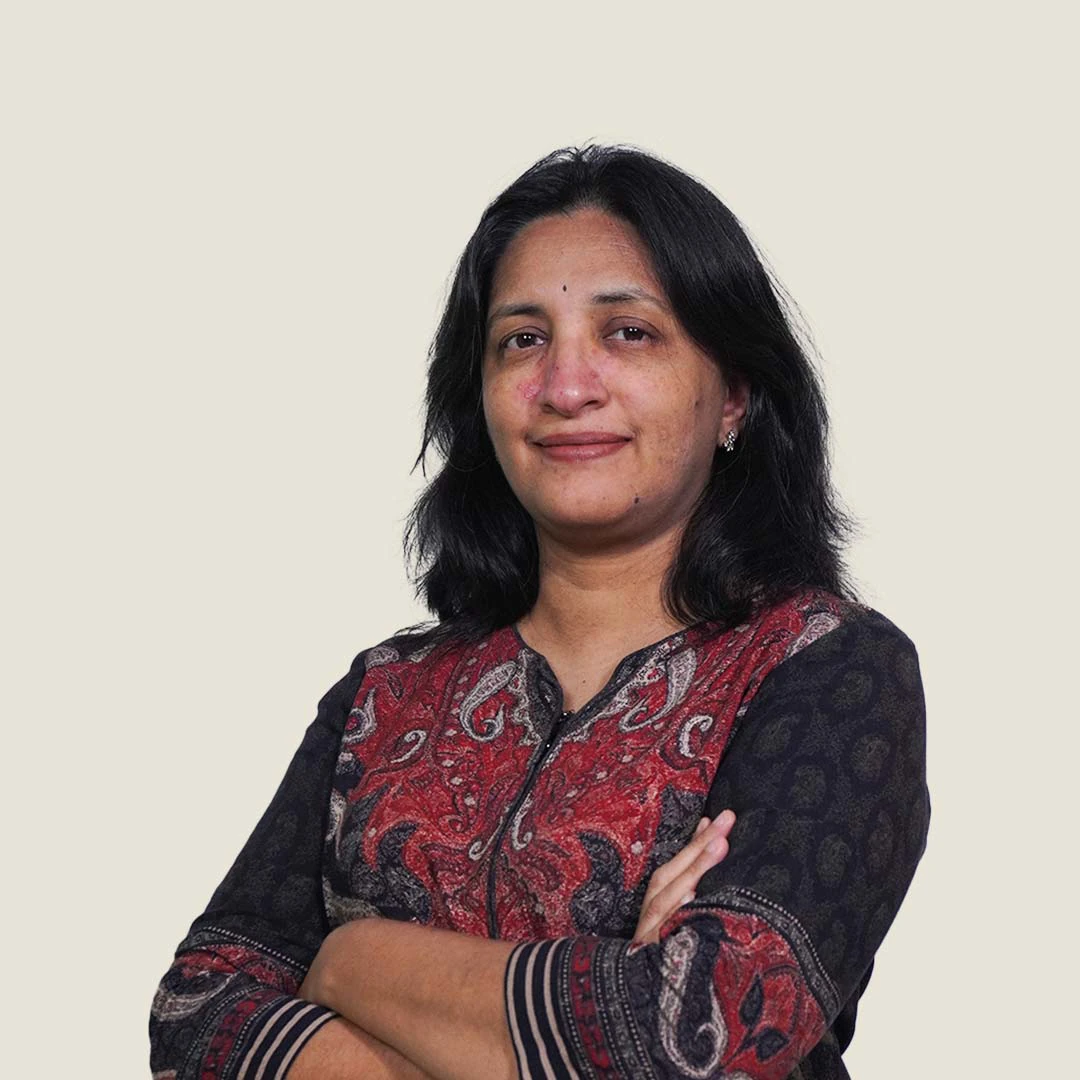
Psychiatrist
Consultant Psychiatrist
21 years of experience
Treats: SLD, Autism Spectrum Disorder, Dementia, Schizophrenia, Bipolar Disorder, OCD, Drug Addiction
View profile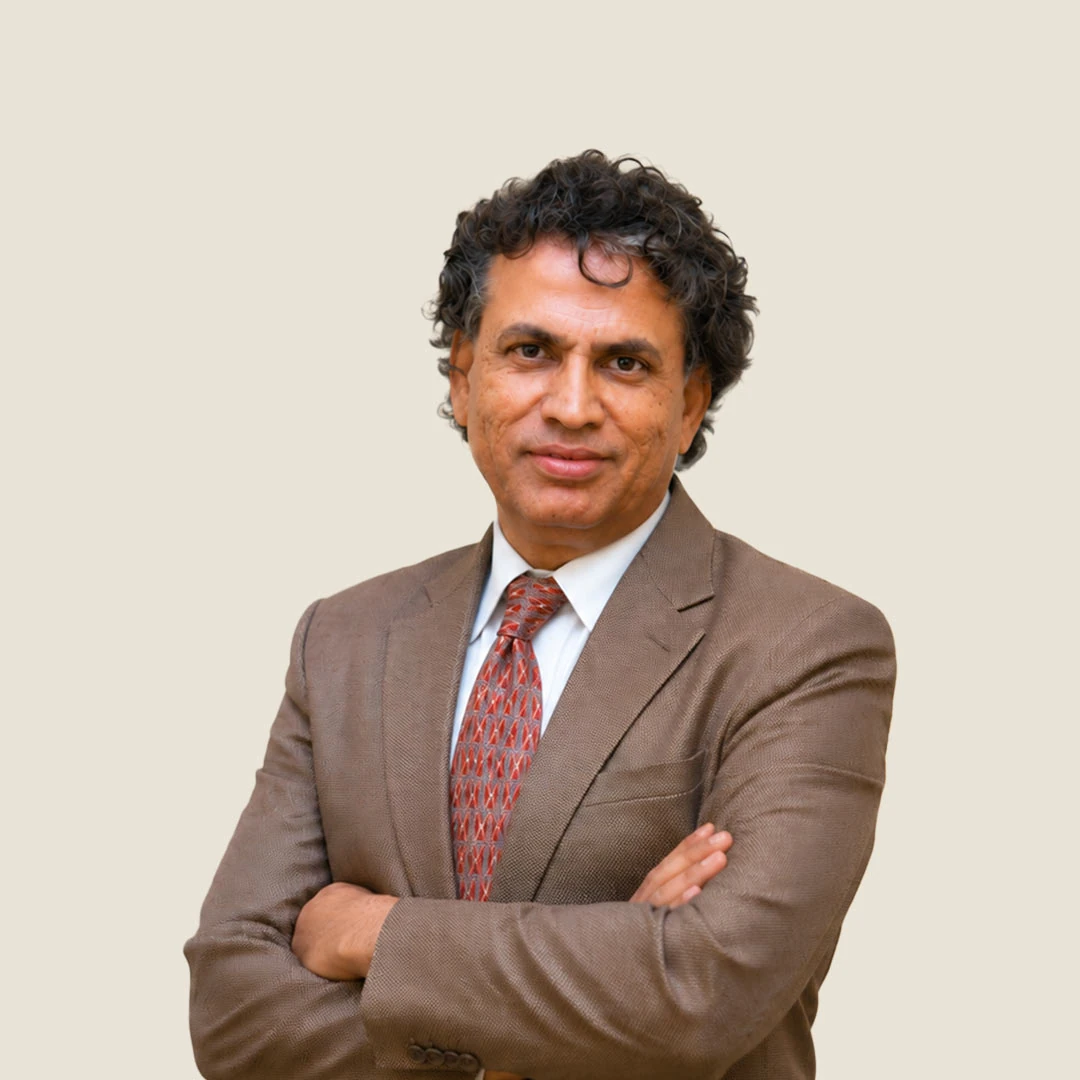
Psychiatrist
Medical Director
25 years of experience
Treats: Alcohol Dependence, Bipolar Disorder, Dementia, Schizophrenia, Drug Addiction, Personality Disorder, OCD
View profile
Psychiatrist
Consultant Psychiatrist
6 years of experience
Treats: Schizophrenia, Personality Disorder, OCD, Dementia, Autism, Drug Addiction
View profile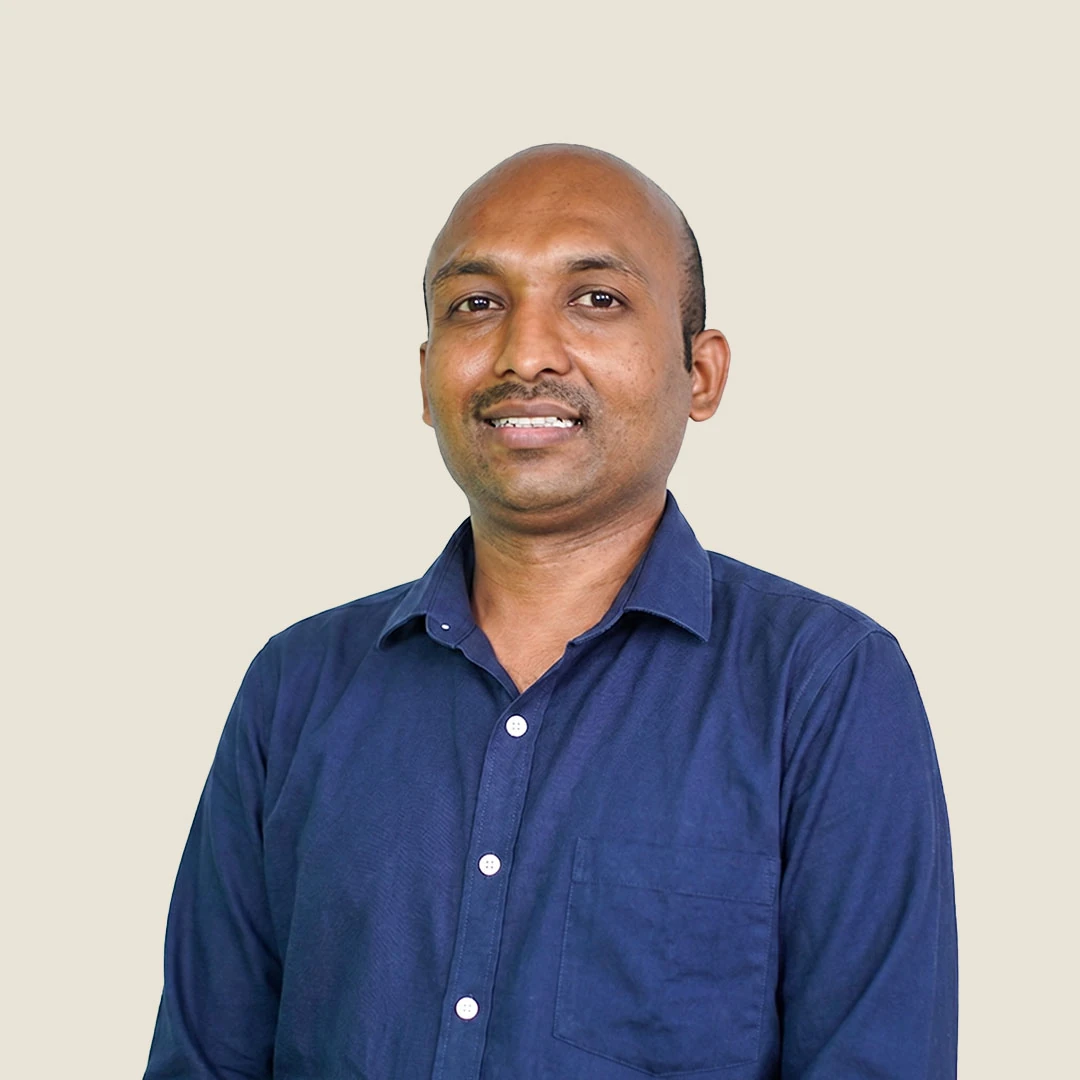
Psychiatrist
Consultant Psychiatrist
15 years of experience
Treats: Drug Addiction, Alcohol Dependence, Dementia, Depression, Bipolar Disorder, OCD, Personality Disorder, Schizophrenia, Autism Spectrum Disorder
View profileWhy it happens
There are some factors that could increase the risk of an individual developing schizophrenia. Identifying these factors is important to creating a personalised and solution-oriented treatment plan.
Biological Factors: Abnormal functioning of the brain and chemical imbalances may play a role in the development of schizophrenia. Typically, the parts of the brain are related to memory, auditory, and executive functions. These biological disruptions are among the most researched schizophrenia causes of schizophrenia.
Genetic Factors: Individuals with a family history of schizophrenia have a greater risk of developing the disorder. The onset of schizophrenia may also occur when genetics interacts with the environment. Note that a family history of schizophrenia does not guarantee the onset of the disorder, but it is one of the significant schizophrenia causes under study.
Environmental Factors: Environmental factors may interact with other genetic and biological risk factors that may lead to the disorder's onset. These include:
Understanding the types of schizophrenia is equally important, as each type may be triggered or influenced by different combinations of the above schizophrenia causes.
Free resource
Understand the various aspects of this condition
Download now
Details
Even though the exact cause of schizophrenia is unknown, these several factors are considered contributing agents.
If you have a family history of schizophrenia, especially siblings or parents, this early exposure often acts as a risk factor for developing schizophrenia.
Your surroundings, like exposure to chemicals or pre-existing autoimmune disease, can be a significant contributor.
Since both schizophrenia and ADHD affect how the brain uses dopamine, children with ADHD are at greater risk of developing schizophrenia.
Major life stressors like family violence, trauma, or poverty can increase the likelihood of schizophrenia onset.
Smoking and using cannabis pose a greater risk of not only developing but also worsening the condition.
How it presents
Schizophrenia can be classified into different types based on the individual’s symptoms. It is critical to understand what these disorders may look like in a person.
This is the most common type of schizophrenia. Symptoms such as hallucinations, delusions, and dysfunction in behaviour are prominent. You may or may not exhibit disorganised speech or a lack of emotional expression. Paranoid schizophrenia mostly develops in the later part of your life than any other form of this disorder.
Catatonic schizophrenia is the most uncommon type of schizophrenia, characterised by unusual, limited, and sudden movements. Individuals with this condition may be either completely still or in a hyperactive state. They might also mimic others’ speech and movements and not converse much with others. This frequent switch can be distressing for them and their loved ones.
Disorganised schizophrenia, or hebephrenic schizophrenia, is a type of schizophrenia characterised by disorganised speech and behaviour, with short-term delusions and hallucinations. It is hard to find individuals with this condition showing emotion in their facial expressions, voice tone, or mannerisms, making it difficult for others to understand them. Hebephrenic schizophrenia usually develops when you’re 15-25 years old.
Individuals with mixed symptoms of paranoid, catatonic, or hebephrenic schizophrenia are classified as having undifferentiated schizophrenia. You may exhibit one or all of the subtypes' symptoms, like hallucinations, delusions, negative emotions, or a lack of motivation, together making it unique and difficult to categorise.
Residual schizophrenia is when a person has a history of schizophrenic episodes but no longer, or to a considerably lesser extent, exhibits positive symptoms like hallucinations and delusions or disorganised speech and behaviours. Rather, they display negative symptoms like social withdrawal, poor memory, lack of concentration, or slow speech patterns.
Rehabilitation
With proper psychosocial treatments, it is possible for individuals to manage schizophrenia symptoms, regain a sense of independence, and build meaningful relationships to live a functional life in society. Therapeutic interventions combined with medication and consistent community support can create a huge difference in the behaviours and lifestyles of individuals with schizophrenia disorder. And where else would this be possible than at rehab?
Rehabilitation provides individuals with a relaxing and stable environment where they can avail mental health services and psychosocial treatments all under one roof. This ensures that you or your loved one has a safe space to heal in the presence of mental health professionals. The bond created between the professional and the resident is crucial to creating a hopeful atmosphere, leading to the path to recovery.
At Cadabam's world-class rehab facility, our multispecialty professionals have carefully curated a program specifically for schizophrenia. Our treatment processes are further personalised to meet your needs and expectations and those of your loved one. Our various therapy groups also allow the resident to be constantly engaged in their recovery process.
Cadabam's wide range of assessments and evaluations, along with the solution-oriented approach applied to treatment, make it one of the best schizophrenia treatment centres in India. Our clinicians stay with you every step of the way to ensure a comfortable journey to recovery.
Details
Living with schizophrenia requires a lifelong commitment to treatment, self-care, and support systems. While schizophrenia disorder can affect daily functioning, the right strategies can significantly improve quality of life.
Adhering to prescribed schizophrenia medication and attending regular therapy sessions is essential. Some individuals may experience anosognosia (lack of awareness of the illness), which can affect compliance. Establishing routines, using reminders, and involving caregivers can help maintain consistency.
Daily physical activity—like walking, yoga, or cycling—not only boosts mood but also offsets side effects of medication such as weight gain. A healthy diet rich in whole grains, vegetables, and lean proteins supports both brain and body function. These habits help reduce negative symptoms of schizophrenia, such as low energy and emotional flatness.
Stress can trigger or worsen schizophrenia symptoms. Practising mindfulness, deep breathing (e.g., the 4-7-8 technique), or engaging in calming hobbies can promote emotional stability. Avoiding overstimulating environments or stressful relationships is also important.
Substance use can interfere with schizophrenia treatment, reduce the effectiveness of medications, and increase the risk of relapse. Complete abstinence is advised, especially in individuals with a history of substance misuse.
Emotional and social support play a critical role in recovery. Whether it’s family, close friends, or a dedicated therapist, open communication helps identify early warning signs and keeps individuals grounded during difficult phases.
Joining peer groups, like those offered by Clubhouse International or local rehabilitation centres, fosters social connection and shared learning. Such settings provide routine, purpose, and a sense of belonging—all of which are therapeutic for people with schizophrenia.
With ongoing support, a structured lifestyle, and effective schizophrenia treatments, individuals can regain stability and lead purposeful lives despite the challenges of the condition.
Seeking the help of mental health professionals for your conditions can be overwhelming and lonely, but the good news is that there are many resources that support and guide you in managing your conditions. Cadabam's is one such provider.
Cadabam’s is one of the leading mental health care providers in India. With over 33 years of experience in treating various mental health disorders, our services help people with schizophrenia find long-term recovery. Our expert teams assess and evaluate the severity of schizophrenia symptoms and tailor a personalised treatment plan for you to ensure a comfortable journey to recovery.
If you are searching for a solution to your problem, Cadabam’s Rehabilitation Centre can help you with its team of specialised experts. We have been helping thousands of people live healthier and happier lives for 33+ years. We leverage evidence-based approaches and holistic treatment methods to help individuals effectively manage their Schizophrenia. Get in touch with us today. You can call us at +91 96111 94949.
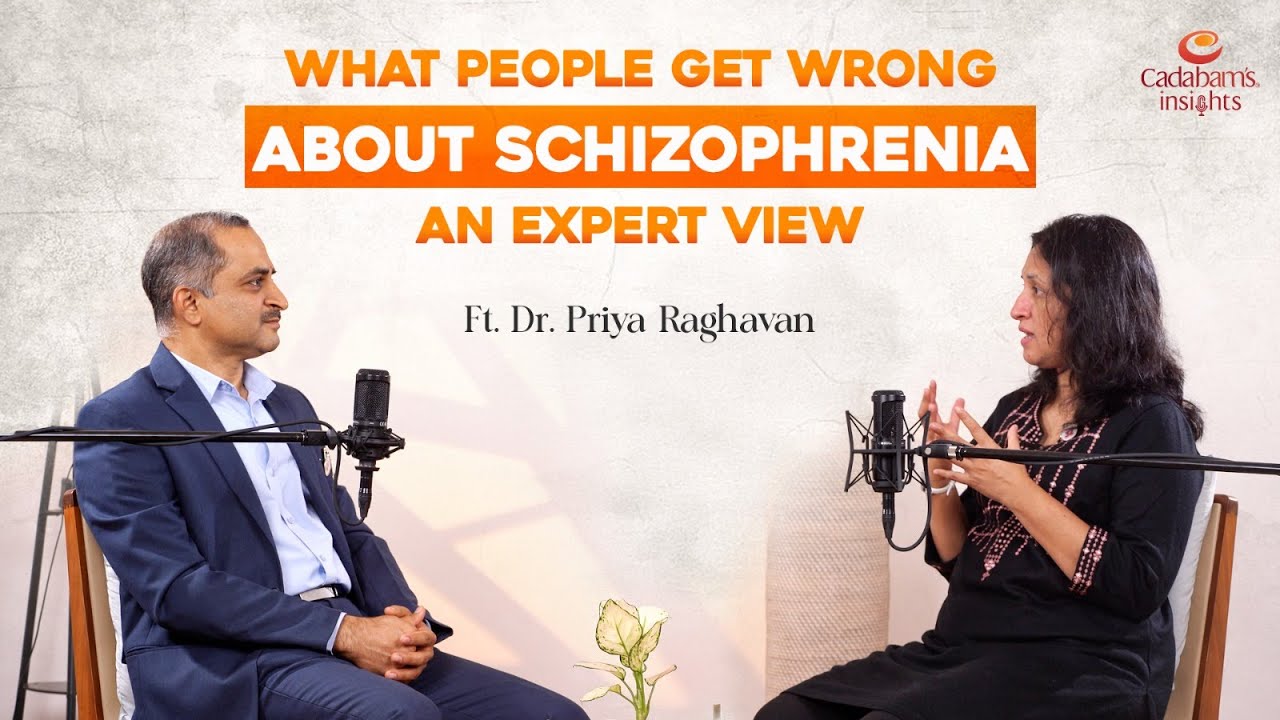
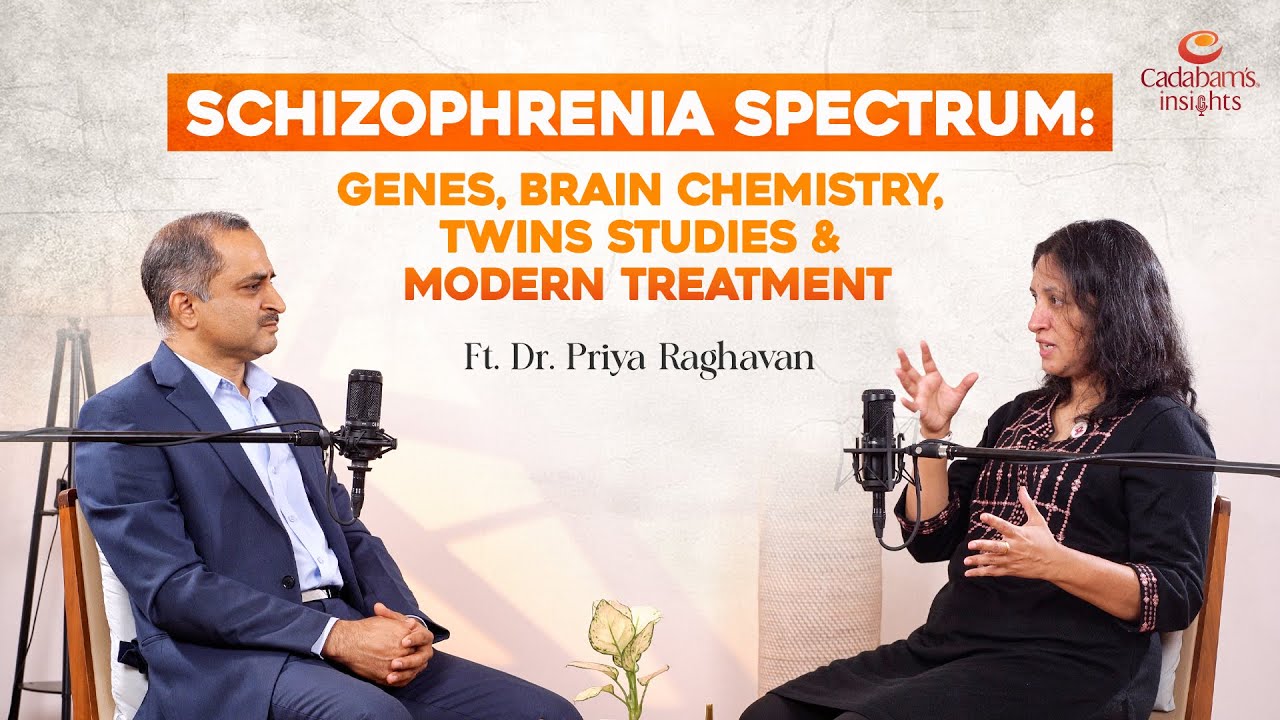
Podcast & video
Our centres

Our Specialised De-Addiction Centre in Bangalore
Read more
Long-Term Rehabilitation Center in Bangalore, India
Read more
Advanced Psychiatric Rehab Centre in Bangalore
Read more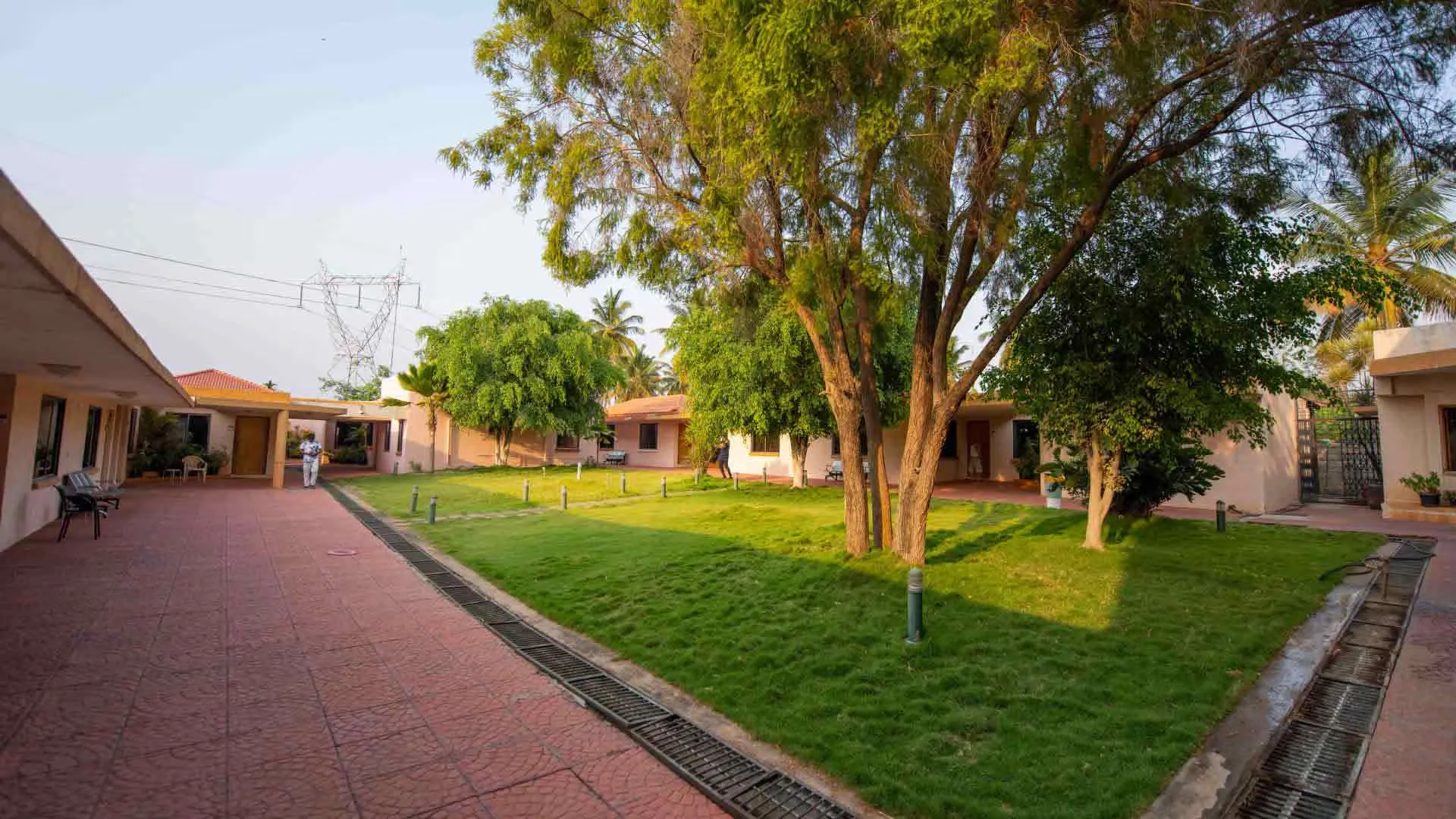
Luxury Rehabilitation Center in Bangalore, India
Read more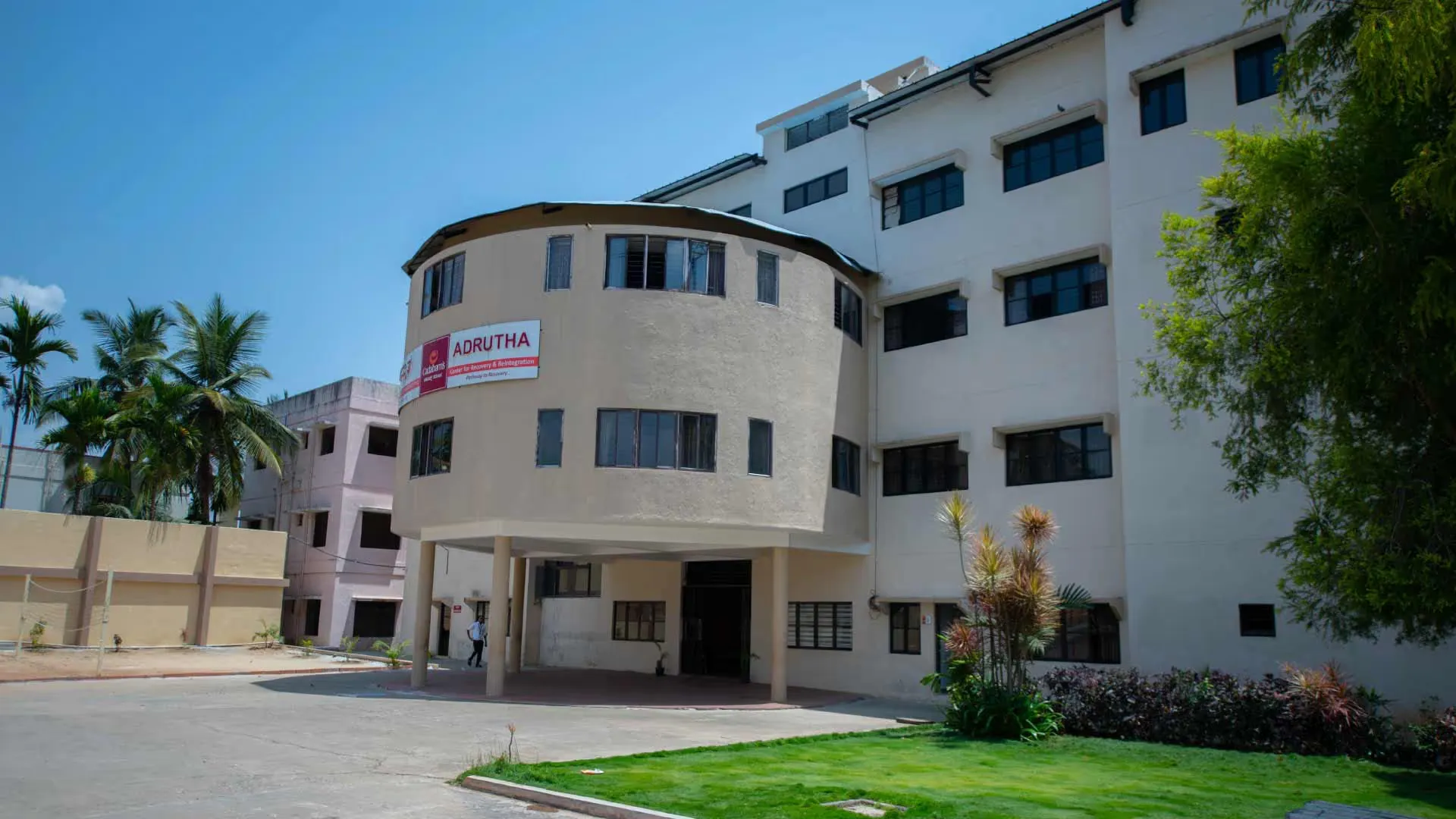
Our Affordable Rehab Centre in Bangalore
Read more
Our Advanced Mental Health Rehab Centre In Hyderabad
Read more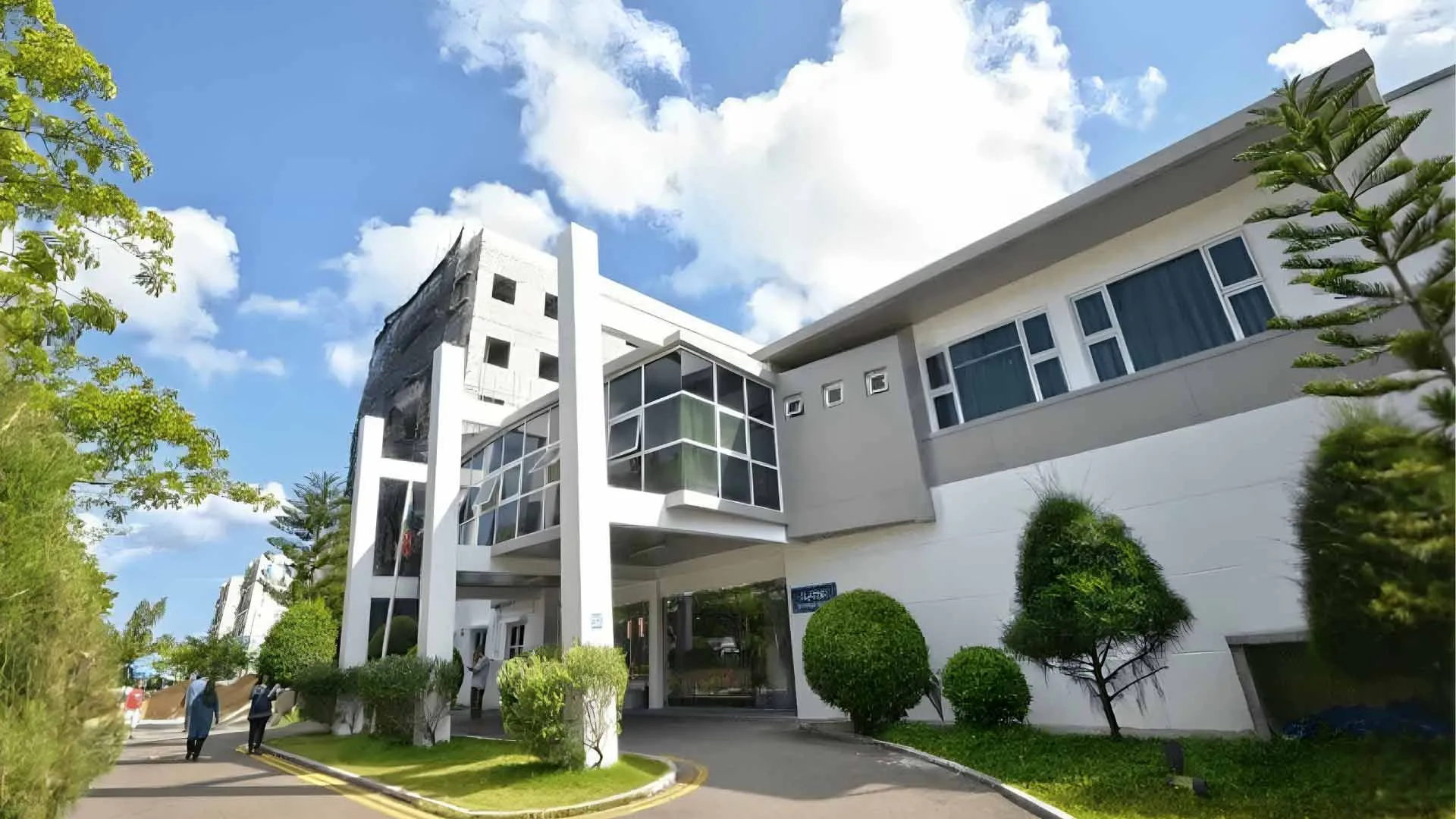
Premier Mental Health & Rehabilitation Centre in Maldives
Read moreDiagnosis
There are several diagnostic steps required to determine whether an individual has schizophrenia and to rule out other medical complications.
During this appointment, a mental health expert will ask not only about you but also about your family's medical reports to aid in assessing mood patterns, cognitive abilities, academic performance reports, and any previous problems with substance abuse.
A physician might prescribe blood tests and physical tests such as Computed Tomography (CT) and Magnetic Resonance Imaging (MRI) to assess your physical health.
Brain activity testing, such as an Electroencephalogram (EEG), measures and records electrical activity in your brain. This test can help rule out illnesses such as epilepsy.
These tests examine chemical changes in bodily fluids that could help explain behavioural abnormalities. They can rule out heavy metal toxicity or other causes of poisoning, infections, and so forth.
Good to know
When the nature of schizophrenia is very complicated, the stigma and negative or false beliefs often make it worse. Individuals suffering from this disorder are pushed into corners with different names. They have the right to avail themselves of all the resources; therefore, if you or your loved one shows any symptoms, seek mental health professional help.
Cadabam's experienced team of professionals examines and evaluates the severity of your symptoms before tailoring a treatment plan just for you.
Cadabam's Psychologists help patients with Borderline Personality Disorder by providing a blend of evidence-based therapies tailored to individual needs, fostering skills for emotional regulation, interpersonal effectiveness, and recovery in a supportive environment.
How we help
Seeking early schizophrenia treatment can help manage schizophrenia symptoms more effectively, thus increasing the chances of returning to a normal lifestyle. In terms of schizophrenia treatment in India, Cadabam's offers the best services with advanced, evidence-based approaches that help not only ease the signs and symptoms of schizophrenia but also improve the quality of life. Some options for the treatment of schizophrenia include:
Medication such as antipsychotics can be used to relieve symptoms of psychosis that are experienced with schizophrenia. Based on the symptoms of the individual, different types of antipsychotics are prescribed for the best results. Cadabam's multispecialty team provides the necessary medication treatment required to manage symptoms while increasing the functioning of individuals with schizophrenia.
Antipsychotic drugs are effectively used to manage psychosis, a set of symptoms impacting one’s perception of reality. They play a vital role in the treatment process, and many of these conditions will require continuous psychiatric care and support without these drugs.
Psychotherapeutic interventions such as group therapy, family therapy, and cognitive behavioural therapy are effective in the treatment of schizophrenia. Cadabam's counsellors assist patients by employing a personalised approach that integrates psychotherapy and holistic support, helping individuals to develop coping mechanisms and resilience in managing the symptoms of their conditions.
Family support is a crucial aspect of psychotherapy that can help family members be aware of the condition itself. They are educated about the causes, effects, and symptoms in a way that would help their loved ones.
Group therapy is a safe platform where individuals with schizophrenia can share their experiences with others who are facing similar difficulties. Through their experiences and success stories, it becomes easier for individuals to build hope and motivation for their own recovery.
CBT is a process through which negative thought patterns are reframed to be more positive. This therapeutic process helps individuals identify their own negative thoughts and manage them effectively with the help of a mental health professional. This can specifically be useful in identifying and managing the delusions of a person with schizophrenia.
Cadabam's provides residents with the required training that would help them understand the importance of interpersonal relationships and the various social skills associated with maintaining them. Social skill training helps the individual identify social cues and respond to them appropriately. This could help in the management of schizophrenia symptoms while also ensuring high levels of functioning in society.
With assistance from NGOs or social workers, vocational rehabilitation aims to help residents develop skills that could help them with employment. Through these Schizophrenia programs, individuals learn the skills required to maintain a stable job and earn a livelihood.
Emergency service
Find nearest mental health center now

33+ years of focused mental healthcare, shaped by 1000+ real patient journeys.

State of the art mental health centres built for treatment and recovery.

A coordinated team of psychiatrists, psychologists, counsellors, and rehabilitation specialists supporting your care.

Support from early signs through treatment and recovery.

Treatment guided by clear plans that continue beyond diagnosis.

Planned follow ups and continued guidance to help maintain progress over time.
Inside our centres
FAQs
Patient journeys
Voices of Resilience
Paranoid Schizophrenia - Seeta's Story
Depression due to Abortion and Paranoid Schizophrenia
Read story →Voices of Resilience
Comorbid Disorders - Akash's Story
OCD, Bipolar and Substance Abuse Disoder along with Tic Disorder
Read story →Voices of Resilience
Bipolar Affective Disoder - Meena's Story
Depression, Bipolar Affective Disorder, and Obsessive Compulsive Disorder
Read story →Voices of Resilience
Borderline Personality Disorder - Sumadhra's Story
Emotionally Unstable with Borderline Personality Disorder
Read story →Voices of recovery
Our son was fighting Schizophrenia. Earlier he used to manage it well, but slowly he started facing difficulties. A short stay at Cadabams Amitha helped my son so much.
— Mr & Mrs Shankar
My mother suffered from Schizophrenia. She had faced a lot of issues everywhere, but here, I saw some improvement. The counselors, caretakers, and the doctors all were so understanding.
— Kumud Sharma
My brother was suffering from Schizophrenia. Cadabams offered the best recovery experience and helped him return to good health.
— Manjunath R
I had admitted my mother for schizophrenia treatment. Full marks to the facility, doctors, and the counselor. My mother was treated with utmost care. This is one of the best in the city.
— Amrithraj Kannanth
I had been suffering from the illness for so long. I didn't think I could have recovered as much as I did until I found Cadabams. After rehabilitation at Cadabams, I have had so much more control over my own life.
— Varsha Manoj
My sister was fighting schizophrenia for over 10 years. Cadabam's significantly accelerated her recovery process. I am glad that I found Cadabams, the recovery journey is so much easier here.
— Sneha V
My son was suffering from Schizophrenia. We tried many places to get him treated but none worked. We heard about Cadabam's and once we stepped in here, our lives changed. They have helped us immensely and my son is recovering. I never thought I would see him enjoy life again. Thank you Cadabams.
— Rahul Bose
Further reading
Care pathways
Psychiatrist care for Schizophrenia with personalised assessment, treatment planning, and ongoing support from experienced specialists.
Learn moreLooking for the best Psychiatrist for Schizophrenia in Bangalore? Get expert consultation, symptom management, and confidential clinical care at Cadabam's.
Learn moreLooking for the best Psychiatrist for Schizophrenia in Hyderabad? Get expert consultation, symptom management, and confidential clinical care.
Learn morePsychologist care for Schizophrenia with personalised assessment, treatment planning, and ongoing support from experienced specialists.
Learn moreLooking for the best Psychologist for Schizophrenia in Bangalore? Get expert consultation, symptom management, and confidential clinical care.
Learn moreLooking for the best Psychologist for Schizophrenia in Hyderabad? Get expert consultation, symptom management, and confidential clinical care.
Learn moreTherapist care for Schizophrenia with personalised assessment, treatment planning, and ongoing support from experienced specialists.
Learn moreLooking for the best Therapist for Schizophrenia in Bangalore? Get expert consultation, symptom management, and confidential clinical care.
Learn moreLooking for the best Therapist for Schizophrenia in Hyderabad? Get expert consultation, symptom management, and confidential clinical care.
Learn morecounselor care for Schizophrenia with personalised assessment, treatment planning, and ongoing support from experienced specialists.
Learn moreLooking for the best counselor for Schizophrenia in Bangalore? Get expert consultation, symptom management, and confidential clinical care.
Learn moreLooking for the best counselor for Schizophrenia in Hyderabad? Get expert consultation, symptom management, and confidential clinical care.
Learn moreOur Schizophrenia rehabilitation treatment supports stability and sustained recovery. Get evidence-based care for long-term well-being and independence.
Learn moreCadabam's offers holistic schizophrenia rehabilitation Centre in Bangalore with therapy, support, and recovery programs designed for long-term mental wellness.
Learn moreSchizophrenia rehabilitation in Hyderabad with medication support, therapy, and personalised recovery plans. Trusted mental healthcare at Cadabams.
Learn moreExplore trusted schizophrenia treatment Centre near you with tailored programs designed for long-term recovery.
Learn moreGet expert care for schizophrenia at Cadabam's treatment centre in Bangalore. Comprehensive therapy, medication, and rehabilitation tailored.
Learn moreCadabam's offers specialized schizophrenia treatment Centre in Hyderabad with therapy, psychiatric care, and rehabilitation to help patients recover and thrive.
Learn moreHelpline at your fingertips
+91 9611194949