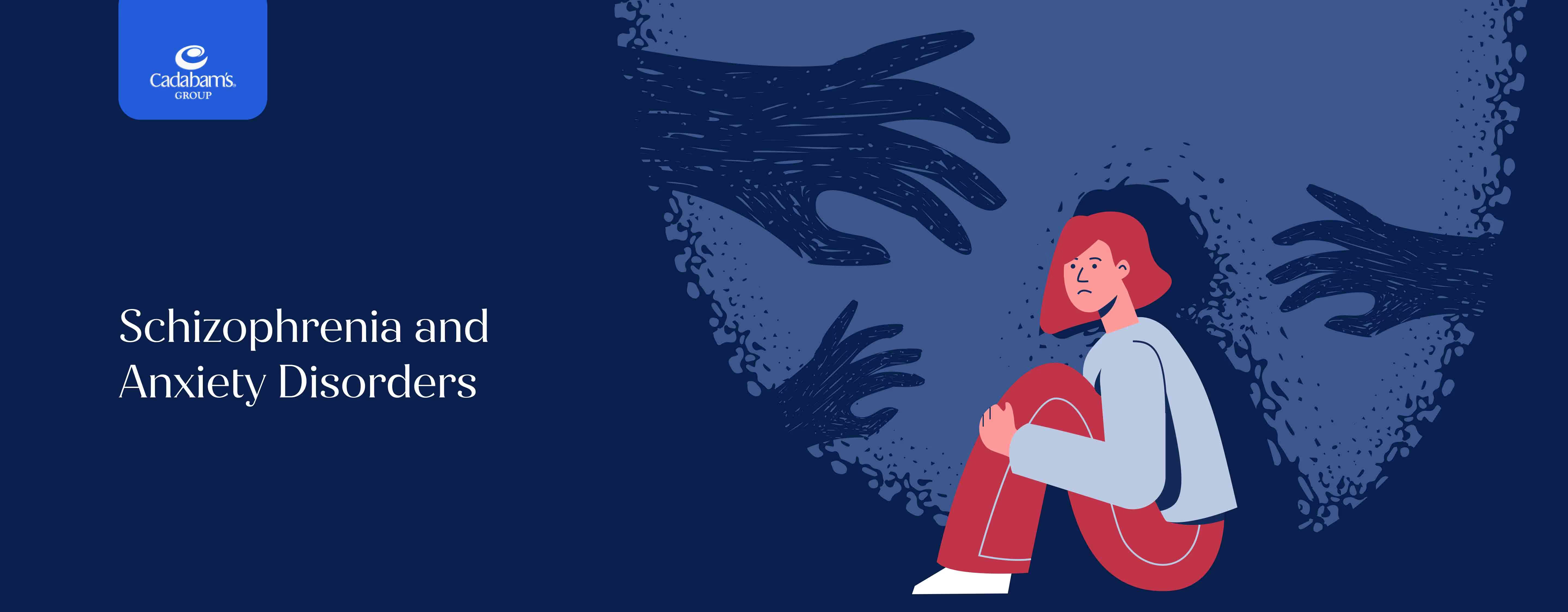
Schizophrenia and anxiety are often comorbid, which may lead to diagnostic and therapeutic problems. Let’s dive into this maze and track how these multiple issues interconnect and see where they do not overlap. See how anxiety gets the best of Schizophrenia symptoms and back. In addition to this, this clinic will provide you with great management systems that will contribute to improved customer results.
The Coexistence of Schizophrenia and Anxiety Disorders
Approximately two-thirds of schizophrenics report anxiety as well. Social anxiety, anxiety, which is seen generally, and PTSD currently stand as the most common mental challenges of our military veterans. This "co-occurrence" may aggravate symptoms and make therapeutic intervention for both conditions more difficult.
Prevalence and Types of Anxiety Disorders in Schizophrenia
The general population may not be equally affected, but in this illness, anxiety is common. Social phobia, in which people experience worse and higher social situations than usual, is reported by many people worldwide. General anxiety involves a predisposition to worry, and traumatic stress disorder happens after a horrific situation.
Impact of Anxiety on Schizophrenia Symptoms
Hallucinations and delusions might scare a person, and as a vicious cycle is repelled, a person may be concerned. Anxiety is the cause of social isolation, thus provoking trouble in completing treatment programs. Schizophrenia can also be the product of this factor.
Distinguishing Between Schizophrenia and Anxiety Disorders
Concern is a component of both, but Schizophrenia is characterized by hallucinations (visualizing and hearing non-existent things) and delusions (unrealistic beliefs). Anxiety disorders, on the other side, by acute fear and overwhelming worry through staying grounded.
Anxiety as a part of Schizophrenia
One of the symptoms that those with Schizophrenia might suffer from is anxiety. The vision and entanglement in delusion can be so distressing and horrendous, increasing anxiety, leading to coping becomes even worse.
Key Symptoms of Schizophrenia
Schizophrenia changes reality. The common symptoms may include hallucination, for example, visual, auditory, or even tactile hallucinations, and the fixed delusion or belief system, which cannot be channeled in any way. It may be difficult to ensure thinking and speaking coherency, and normal behavior or emotions might look unreasonable.
Key Symptoms of Anxiety Disorders
Anxiety disorders are defined by excruciating anxiety with panic, and physical symptoms include fast heartbeat and sweating. In some cases, they might be very specific (for example, social phobia) or pervasive (as in generalized anxiety disorders). These make it hard to handle daily life.
Free · Confidential
Book screening with our triage team
Speak to a clinician in minutes. We’ll help you figure out the right next step.
The Link Between Schizophrenia and Health Anxiety
People with Schizophrenia are mostly susceptible to suffering from health anxiety, which implies a constant terror of catching a serious disease. Hearing the voices, sighting things that are not there, and all the emotional reactions towards this experience could lead you to anxiety.
Understanding Health Anxiety in Schizophrenia
Because Cognitive distortion, catastrophic thinking, and somatic symptoms of mental illness concur, the patient may feel more fearful than usual. In addition to cognitive impairments, physicians suffering from Schizophrenia can also experience health anxiety. One of the advice that makes the mind-body loop difficult is the fact that the person believes that the real symptoms are genuine illnesses, and the confusion between reality and hallucinations also plays a part. This could lead to you getting in to see your doctor several times and doing needless medical exams.
Managing Health Anxiety in Schizophrenia
The psychiatrist should bear in mind the patient's needs, anxiety management or the problem with Schizophrenia. The mental health workers must stay in touch with their interviewers. They help in diagnosis by getting real symptoms separate from those which are effects of anxiety or hallucination. Relaxation and cognitive-behavioral work may be useful for reducing anxiety related to health and improving the patient's general condition.
Can you Have Both Schizophrenia and Anxiety Disorder?
Schizophrenia is generally associated with the experience of anxiety by more than half of people who are living with it, according to research. Social anxiety, generalized anxiety, and post-traumatic stress disorder (PTSD) are high among veterans. The biphasic effect of this drug may have the opposite effect on the patients of both disorders.
Treatment and Management Strategies for Schizophrenia and Anxiety
In addition to medicine and therapy, they are often used together to effectively deal with the illness. Psychotropic medications are the key treatment for Schizophrenia against stressful situations, while anti-anxiety drugs treat only certain concerns. Therapy can produce restorative skills, such as coping, social communication, and stress management. These skills, in return, have proved to have positive effects on overall health.
Medication
The core of treatment typically involves medications that both improve depression and anxiety symptoms. Antipsychotic medications for Schizophrenia are able to regulate the brain chemistry of the patient and reduce symptoms such as hallucinations and delusions. Anxiety drug treatment is to distinguish the kind, symptoms, and signs. The most common treatment for general anxiety disorder, Selective Serotonin Reuptake Inhibitors (SSRIs), on the other hand, may be more effective for the treatment of social anxiety, which relies on beta blockers, a medication used that helps to reduce intense physical symptoms such as sweating.
Psychotherapy and support
Through psychotherapy, these disorders can be alleviated and managed to some degree. Cognitive-behavioral therapy (CBT) provides a way for individuals to identify and conquer the distorted thinking that serves as anxiety. Family therapy could be done by providing family members with comfort and knowledge, setting up the communication framework, and reducing stress. These groups also provide a secure and comfortable setting in which people can communicate and share their experiences and feelings, creating a feeling of belongingness, therefore winning against loneliness.
How to cope with Schizophrenia and anxiety
Fighting Schizophrenia and anxiety needs a dual approach. T line. This aspect is emphasized by the author in the sentence, "Managing to cope with Schizophrenia and anxiety needs a two-pronged approach." Medicines can help with the first line of defense, but ideally, you will also learn different skills. CBT might help you to replace the thoughts that cause anxiety with the ones that accurately express reality. Dealing with hallucinations and delusions could also be aided by techniques such as relaxation to help reduce the stress that these may cause. Maintaining a healthy social network of family and friends, as well as medical professionals, provides a supportive structure that ultimately improves one’s emotional health.
Bridging the Gap Between Schizophrenia and Anxiety for Better Mental Health with Cadabam’s
Our staff has years of specialized knowledge in Schizophrenia and anxiety and is well acquainted with the specific problems that come with these illnesses. We provide a complete treatment approach that includes medication management by prescription with psychotherapy that relies solely on research and evidence from different resources. These could involve cognitive behavioral therapy (CBT), an approach that helps anchor your thinking and provides more effective coping skills. Other than relaxation techniques, which might assist an individual in getting rid of the anxiety caused by hallucinations or delusions, it is also important to implement other strategies for self-care that can be practiced in an individual’s daily life. Through a dual-diagnosis treatment approach, we believe that we are here to help you through the road to the better days of your mental well-being.
If you are searching for a solution to your problem, Cadabam’s Rehabilitation Centre can help you with its team of specialized experts. We have been helping thousands of people live healthier and happier lives for 33+ years. We leverage evidence-based approaches and holistic treatment methods to help individuals effectively manage their Schizophrenia. Get in touch with us today. You can call us at +91 96111 94949.