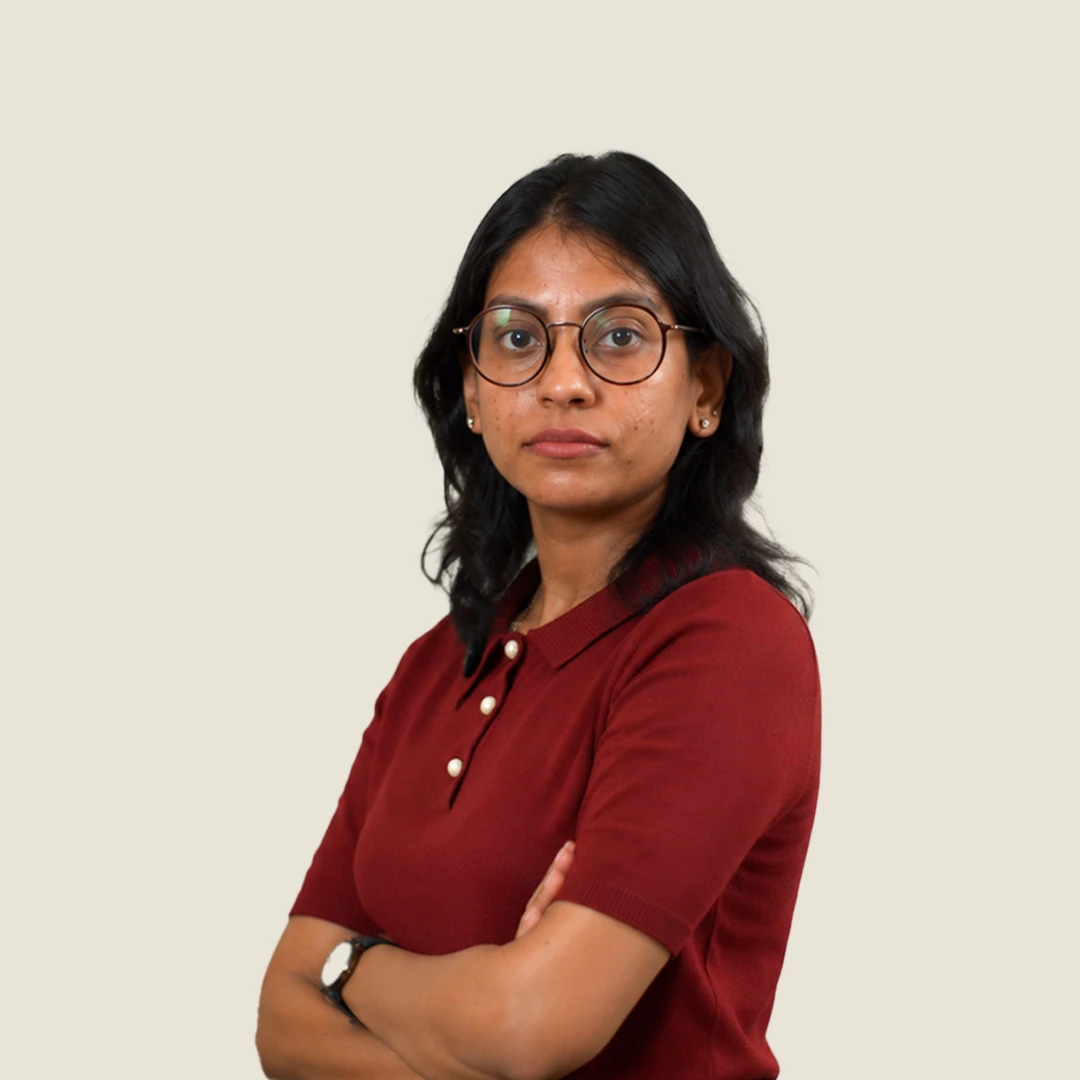
Psychiatrist
Dr. Nishmita T J
Psychiatrist
5 years of experience
Treats: Addiction, Anxiety, Dementia, OCD, Conduct-Disorder, Personality-Disorder
View profileSchizophrenia is a serious mental health condition that affects a person's thoughts, emotions, and behaviour, often making it difficult to distinguish between what is real and what is not. If you or a loved one is navigating this challenging condition, finding the right clinical care is the most crucial step. This page is designed for individuals and families seeking expert consultation and ongoing care from a therapist. At Cadabam’s, we provide compassionate and effective treatment from trusted mental healthcare specialists.
Good to know
Yes, schizophrenia can be effectively managed with professional care from a therapist as part of a comprehensive treatment team. While a formal diagnosis is typically made by a psychiatrist, therapists play a vital role in the overall management process.
They conduct assessments, contribute to treatment planning, provide crucial psychotherapy, and offer ongoing support to help individuals manage their symptoms, improve their functioning, and enhance their quality of life. The goal is long-term stability and recovery, not a quick cure.

Meet the clinicians
Psychiatrist
Psychiatrist
5 years of experience
Treats: Addiction, Anxiety, Dementia, OCD, Conduct-Disorder, Personality-Disorder
View profile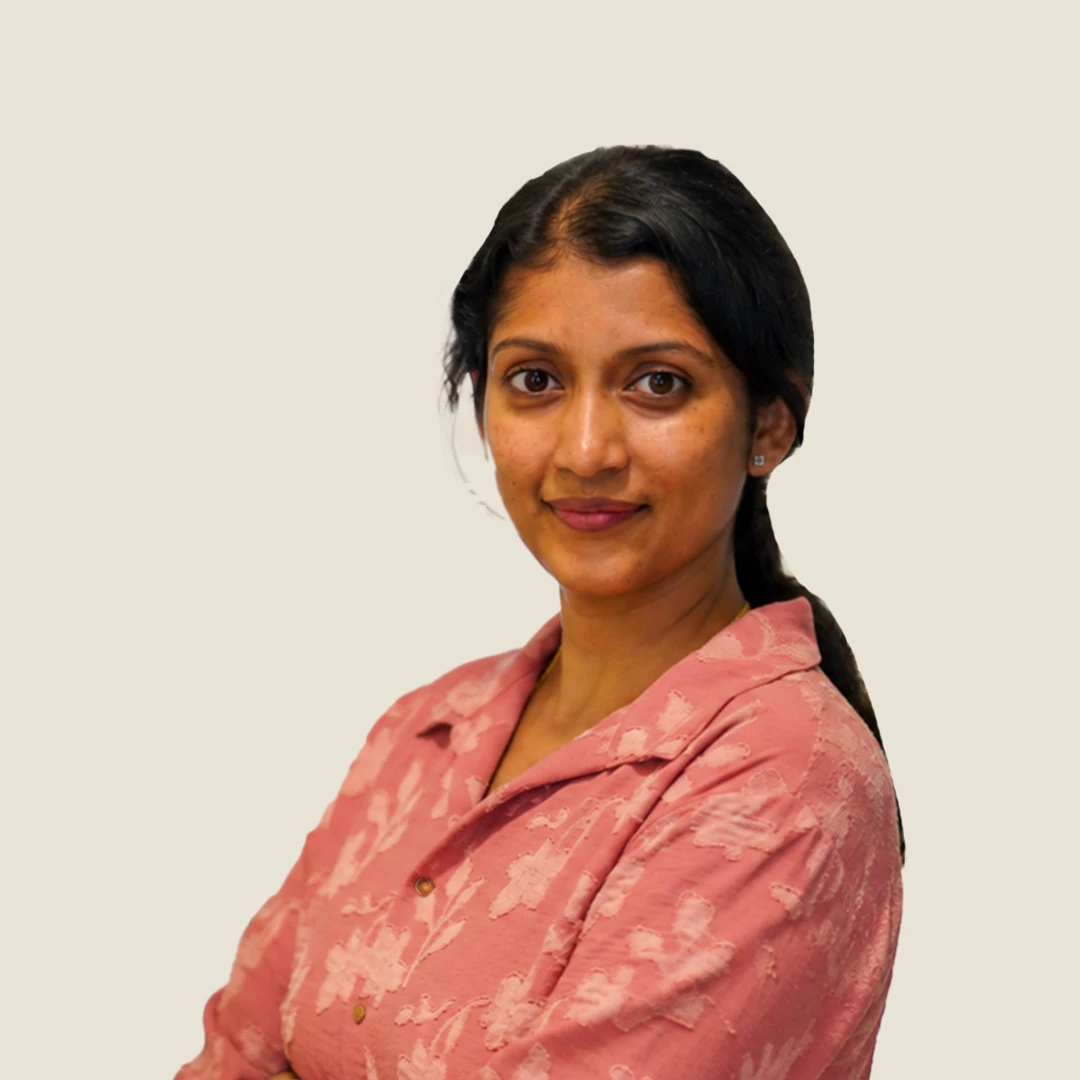
Psychiatrist
Psychiatrist
7 years of experience
Treats: Anxiety, Dementia, OCD, Psychosis, Personality-Disorder, Eating-Disorder, Autism
View profile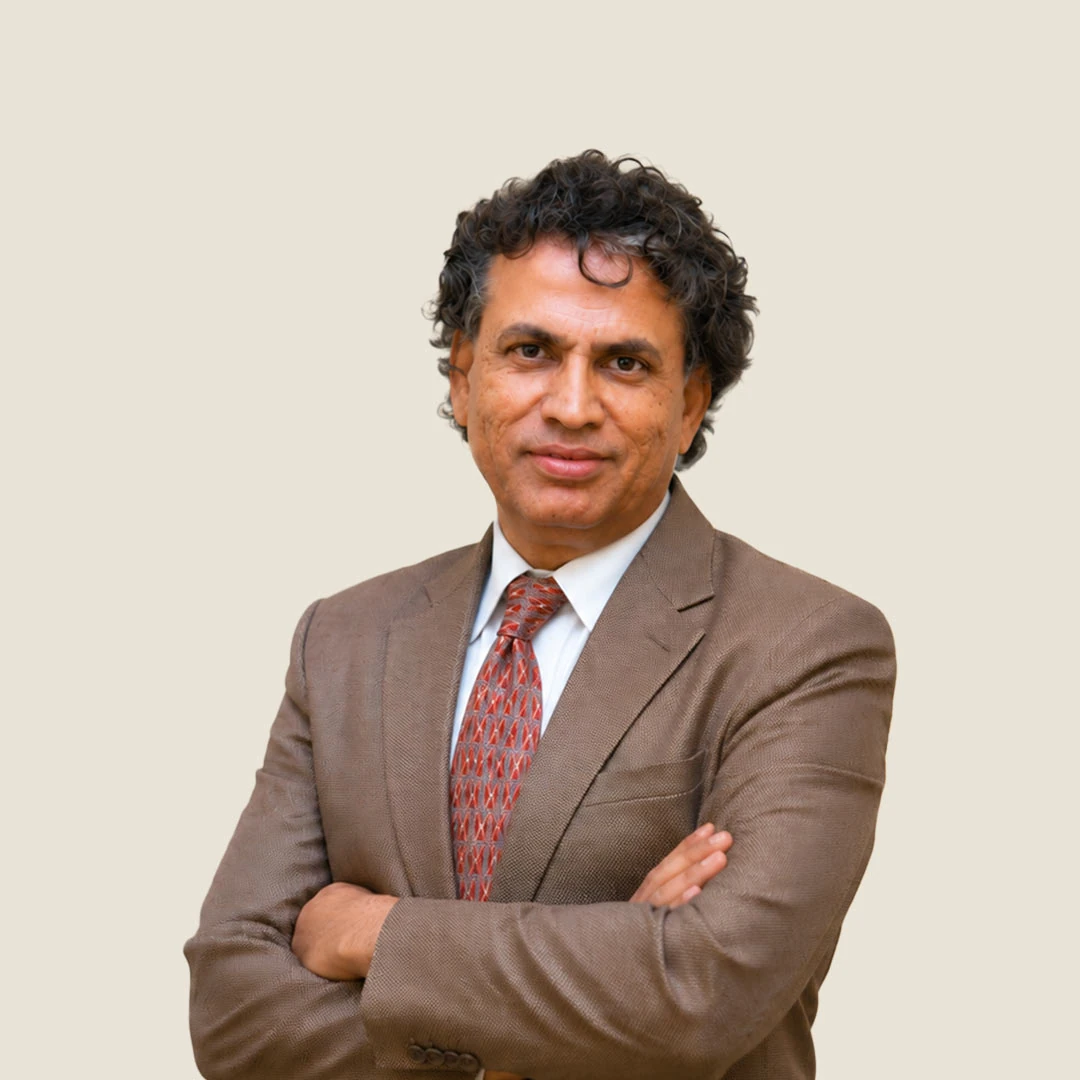
Psychiatrist
Medical Director
25 years of experience
Treats: Alcohol Dependence, Bipolar Disorder, Dementia, Schizophrenia, Drug Addiction, Personality Disorder, OCD
View profile
Psychiatrist
Consultant Psychiatrist
8 years of experience
Treats: Depression, Schizophrenia, Dementia, Alcohol Dependence, Drug Addiction, Bipolar Disorder, SLD, Autism Spectrum Disorder
View profile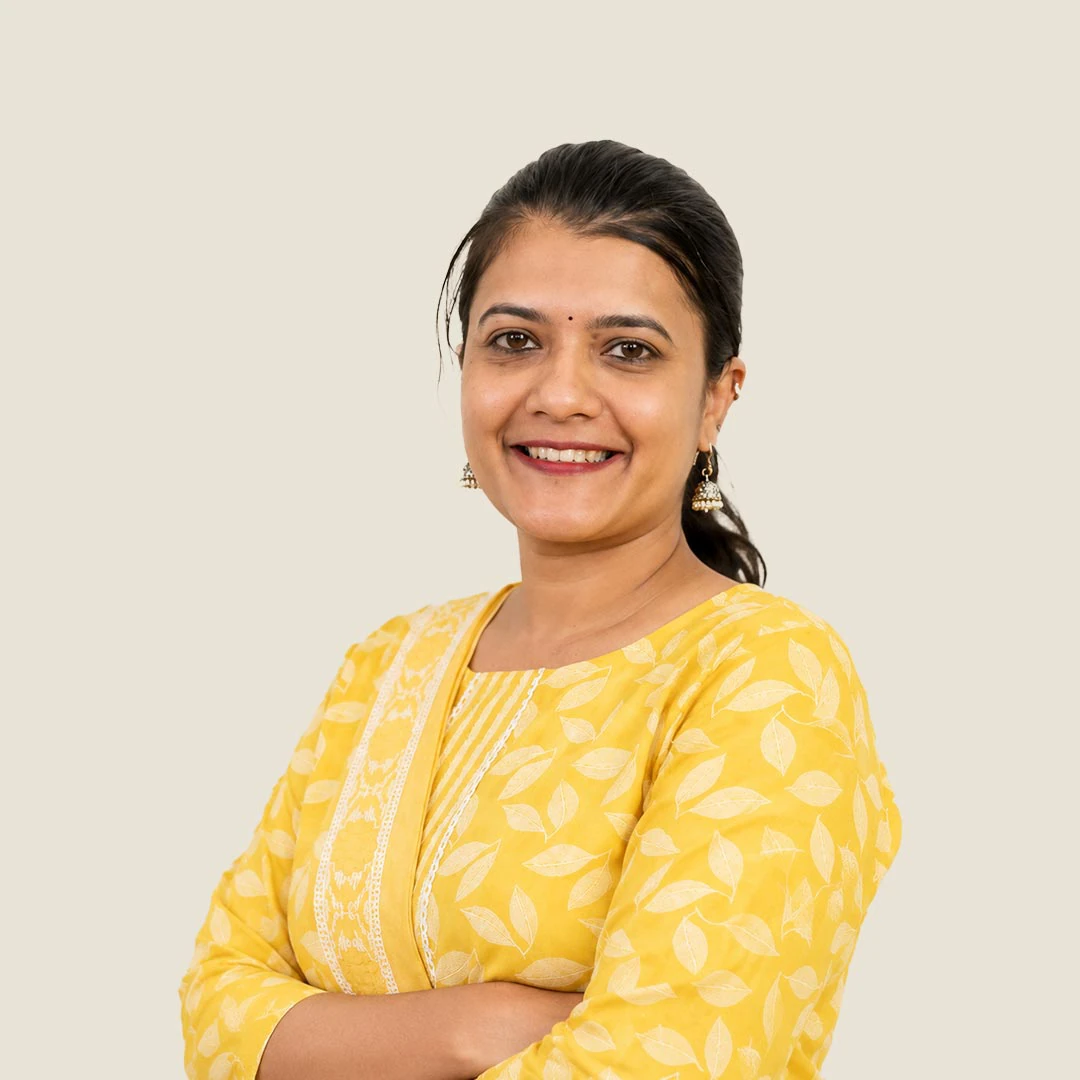
Psychologist
Consultant Clinical Psychologist
5 years of experience
Treats: Depression, Autism Spectrum Disorder, Alcohol Dependence, Drug Addiction, Personality Disorder, SLD, OCD
View profile
33+ years of focused mental healthcare, shaped by 1000+ real patient journeys.

State of the art mental health centres built for treatment and recovery.

A coordinated team of psychiatrists, psychologists, counsellors, and rehabilitation specialists supporting your care.

Support from early signs through treatment and recovery.

Treatment guided by clear plans that continue beyond diagnosis.

Planned follow ups and continued guidance to help maintain progress over time.
Good to know
An experienced therapist for schizophrenia is central to a person's recovery journey. Their role involves several key functions:
Good to know
Seeking consultation with therapists for schizophrenia is essential if you or a family member notice significant signs of distress or functional impairment. Key indicators that professional help is needed include:
Good to know
A thorough assessment is the foundation of effective clinical care by therapists for schizophrenia. This process is comprehensive and tailored to the individual. It typically includes:
Our centres

Long-Term Rehabilitation Center in Bangalore, India
Read more
Advanced Psychiatric Rehab Centre in Bangalore
Read more
Our Affordable Rehab Centre in Bangalore
Read more
Our Specialised De-Addiction Centre in Bangalore
Read more
Premier Mental Health & Rehabilitation Centre in Maldives
Read moreGood to know
Therapists offer a range of support options tailored to manage schizophrenia effectively. This multi-faceted approach ensures that care addresses the individual's unique needs, from symptom control to skill development. The primary treatment and support options are detailed below.
While talk therapists (like psychologists) do not prescribe medication, they are a critical part of a team that includes a psychiatrist. Psychiatrists are medical doctors who are therapists specialised in schizophrenia treatment through medication. They prescribe and manage antipsychotic medications, which are essential for controlling psychotic symptoms. Regular follow-ups with a psychiatrist are vital to monitor effectiveness, manage side effects, and ensure the treatment plan remains optimal.
Therapists help individuals develop practical skills to manage their symptoms. This includes learning to identify triggers, cope with distressing thoughts or voices, and manage stress. They also work with patients and families to create a risk management plan to handle crises and recognise early warning signs of a relapse, determining when a higher level of care may be needed.
It is common for individuals with schizophrenia to also experience other conditions like severe depression, anxiety disorders, or substance use issues. Therapists are skilled at identifying these co-occurring conditions and integrating their treatment into the main care plan. Addressing these related issues simultaneously is crucial for improving overall mental health, stability, and long-term outcomes.
Inside our centres
Good to know
Your first consultation is a confidential and collaborative meeting designed to understand your concerns and map out the next steps. Here’s what you can expect:
1. Discussion: You will have a safe space to discuss your symptoms, challenges, and goals.
2. Assessment: The therapist will conduct an initial assessment to understand your needs.
3. Treatment Planning: You will discuss a preliminary treatment plan and therapeutic approach.
4. Confidentiality: The therapist will explain privacy policies.
5. Next Steps: You will decide on the frequency of future sessions and establish a path forward.
Good to know
The frequency of your visits to a therapist depends entirely on your individual needs and the current phase of your treatment. Initially, sessions may be scheduled once or twice a week to establish a strong therapeutic relationship and manage acute symptoms. As you achieve greater stability, the frequency may be reduced to bi-weekly or monthly sessions for maintenance and relapse prevention.
Good to know
The cost of consulting a therapist for schizophrenia varies based on several factors, including the type of consultation (initial or follow-up), the duration of the session, and the specific interventions required. At Cadabam’s, we are committed to transparency in our pricing and will provide you with all the necessary information upfront. For detailed costs, please contact our team.
Good to know
Your privacy and well-being are our top priorities. All our therapists adhere to the highest ethical standards and strict confidentiality protocols. Every consultation is conducted in a secure, respectful, and non-judgmental environment, ensuring that you and your family feel safe and supported throughout your treatment journey with us.
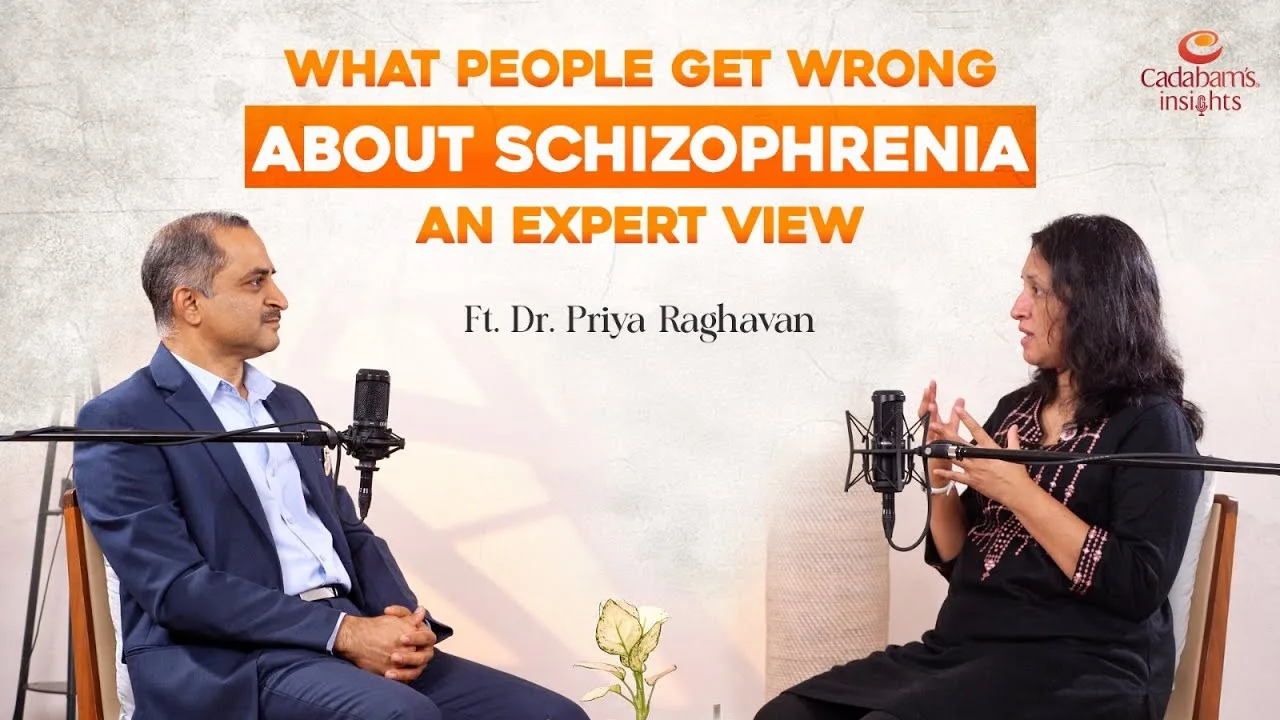
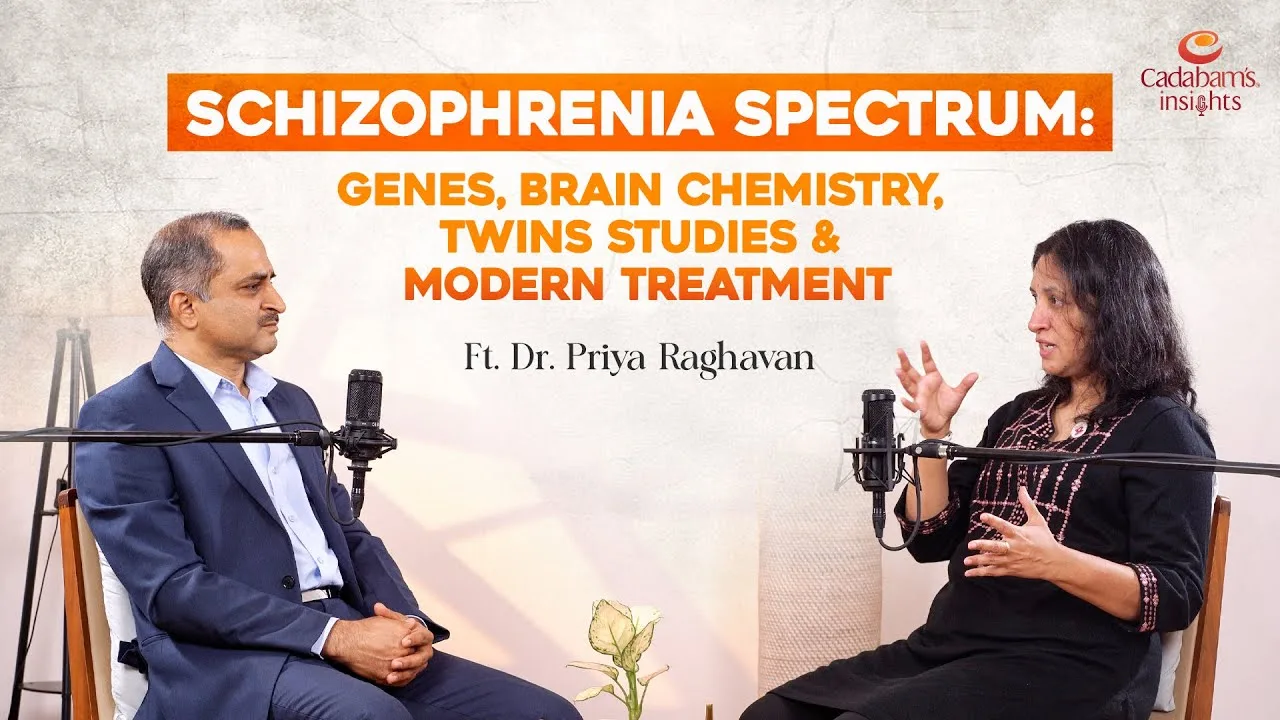
Podcast & video
FAQs
Voices of recovery
Our son was fighting Schizophrenia. Earlier he used to manage it well, but slowly he started facing difficulties. A short stay at Cadabam’s Amitha helped my son so much.
— Mr & Mrs Shankar
My mother suffered from Schizophrenia. She had faced a lot of issues everywhere, but here, I saw some improvement. The counselors, caretakers, and the doctors all were so understanding.
— Kumud Sharma
My brother was suffering from Schizophrenia. Cadabam’s offered the best recovery experience and helped him return to good health.
— Manjunath R
I had admitted my mother for schizophrenia treatment. Full marks to the facility, doctors, and the counselor. My mother was treated with utmost care. This is one of the best in the city.
— Amrithraj Kannanth
I had been suffering from the illness for so long. I didn't think I could have recovered as much as I did until I found Cadabam’s. After rehabilitation at Cadabam’s, I have had so much more control over my own life.
— Varsha Manoj
My sister was fighting schizophrenia for over 10 years. Cadabam’s significantly accelerated her recovery process. I am glad that I found Cadabam’s, the recovery journey is so much easier here.
— Sneha V
My son was suffering from Schizophrenia. We tried many places to get him treated but none worked. We heard about Cadabam’s and once we stepped in here, our lives changed. They have helped us immensely and my son is recovering. I never thought I would see him enjoy life again. Thank you Cadabam’s.
— Rahul Bose
Watch & learn
Further reading


Helpline at your fingertips
+91 96111 94949