Psychologist
Dr. Deeksha Chadha
Clinical Psychologist
1 years of experience
Treats: Bipolar Disorder, Obsessive Compulsive Disorder, Drug Adddiction, Alcohol Dependence, Depression, Schizophenia
View profileLiving with Obsessive Compulsive Disorder (OCD) can feel like a constant battle against intrusive thoughts and compulsive behaviours. While outpatient therapy is a vital first step for many, some individuals require more intensive, structured support to achieve lasting recovery. Rehabilitation programs for Obsessive Compulsive Disorder offer a long-term care pathway designed to foster symptom stability, functional recovery, and an improved quality of life. This guide is for individuals, families, and caregivers exploring comprehensive, program-based care. As an experienced mental healthcare provider, Cadabam’s offers specialised programs to help navigate the path to recovery.
Good to know
OCD rehabilitation programs are immersive, structured care environments that go beyond weekly therapy sessions or brief hospital stays. They provide a holistic framework for healing, focusing on the complex interplay between symptoms, daily functioning, and personal well-being.
Unlike short-term treatments, these programs are designed for sustained recovery. They equip individuals with the skills to manage symptoms, prevent relapses, and regain control over their daily lives, ensuring a smoother transition back into the community and a more resilient future
Meet the clinicians
Psychologist
Clinical Psychologist
1 years of experience
Treats: Bipolar Disorder, Obsessive Compulsive Disorder, Drug Adddiction, Alcohol Dependence, Depression, Schizophenia
View profile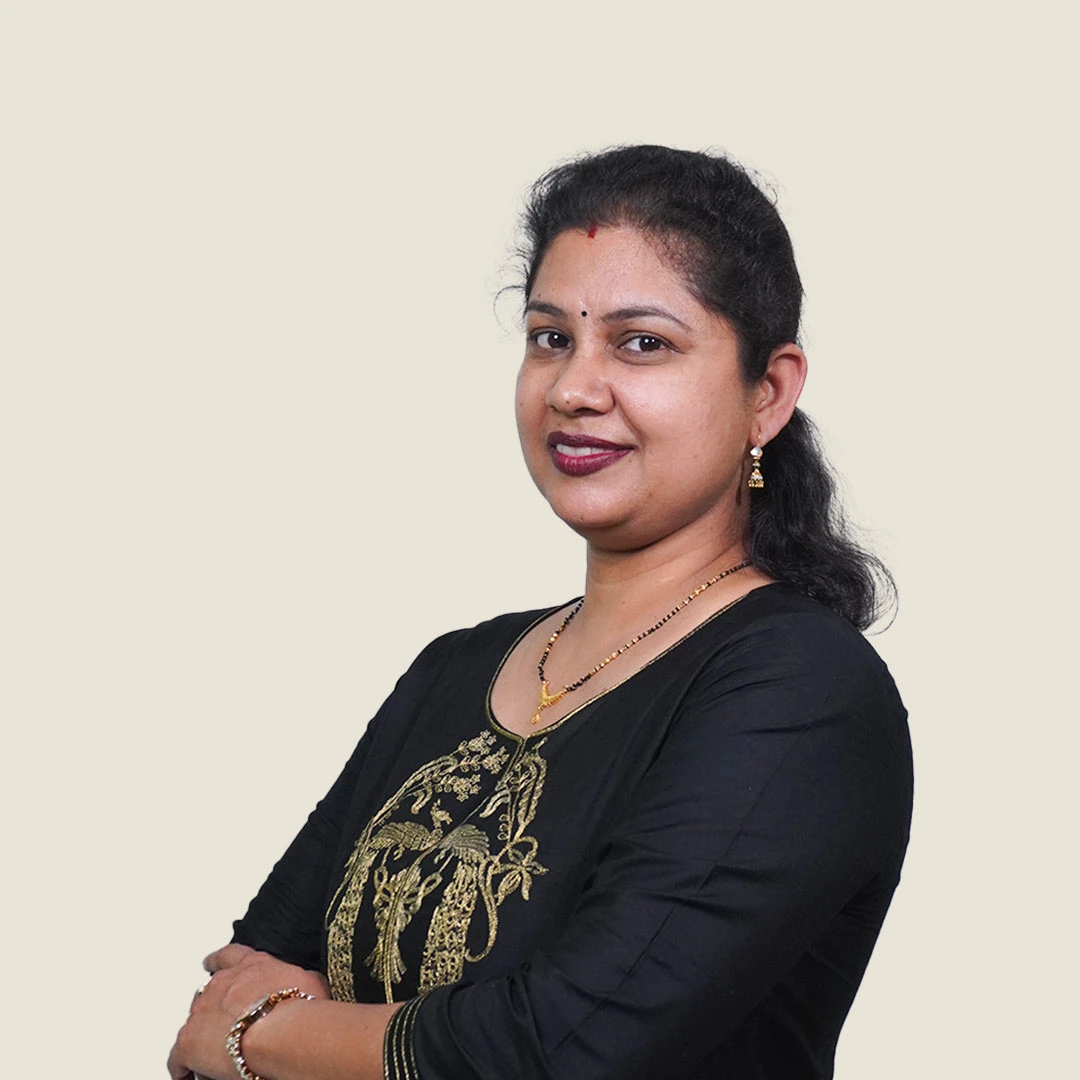
Psychiatrist
PSW
17 years of experience
Treats: Alcohol Dependence, Drug Addiction, Bipolar Disorder, Dementia, OCD, Schizophrenia, Depression
View profile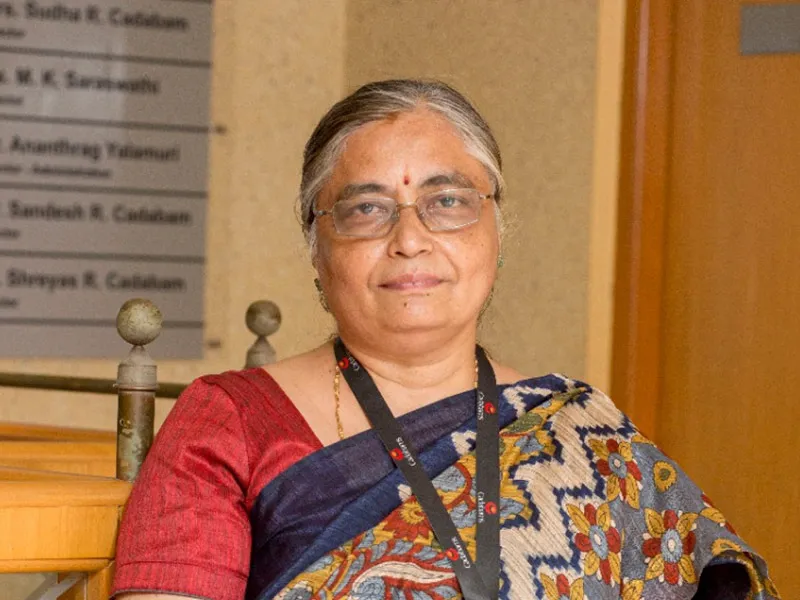
Vice-Chairperson
29 years of experience
View profile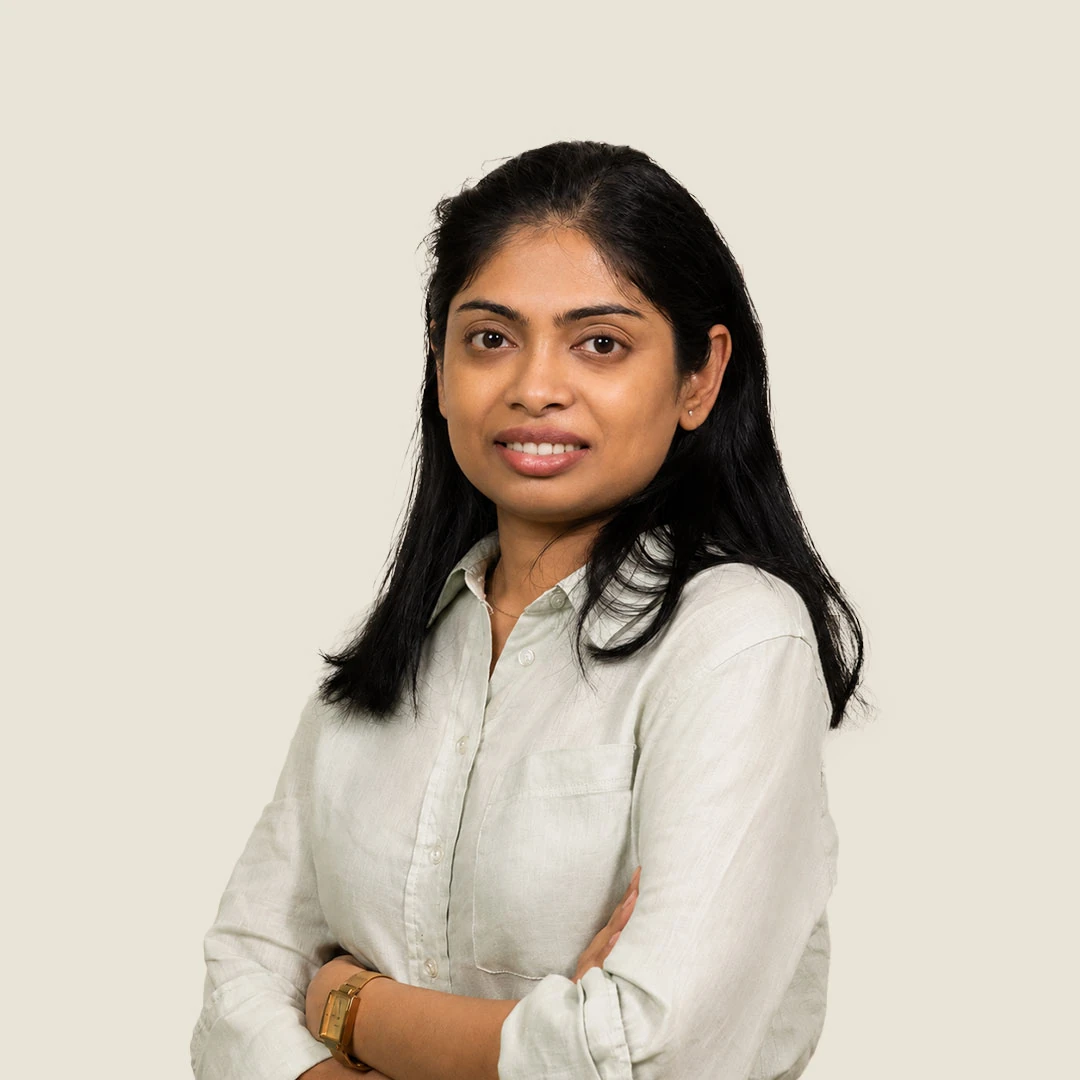
Psychologist
Consultant Clinical Psychologist
10 years of experience
Treats: Depression, Bipolar Disorder, Alcohol Dependence, Dementia, SLD, OCD
View profile
Psychologist
Consultant Clinical Psychologist
3 years of experience
Treats: Depression, Bipolar Disorder, OCD, Autism Spectrum Disorder, Dementia, Personality Disorder, Schizophrenia, SLD
View profileGood to know
Cadabam’s has a long-standing legacy in providing expert mental healthcare, including specialised programs for OCD. Our approach is built on a philosophy of personalised, outcomes-focused rehabilitation.
We bring together a multidisciplinary team of psychiatrists, psychologists, therapists, and counsellors to design a unique care plan for each individual. Our commitment to continuity of care ensures that support extends from initial assessment through rehabilitation and into long-term aftercare, promoting genuine and lasting recovery from Obsessive Compulsive Disorder.

33+ years of focused mental healthcare, shaped by 1000+ real patient journeys.

State of the art mental health centres built for treatment and recovery.

A coordinated team of psychiatrists, psychologists, counsellors, and rehabilitation specialists supporting your care.

Support from early signs through treatment and recovery.

Treatment guided by clear plans that continue beyond diagnosis.

Planned follow ups and continued guidance to help maintain progress over time.
Good to know
While anyone with OCD can benefit from structured care, rehabilitation programs are particularly effective for individuals facing significant challenges. This includes those who:
These programs offer a supportive space for both the individual and their family to find solutions and build a foundation for long-term stability.
How it presents
We recognise that recovery from OCD is not one-size-fits-all. That’s why Cadabam’s offers multiple program formats designed to meet the unique needs of individuals at different stages of their recovery journey. From intensive stabilisation to long-term functional reintegration, our programs provide the right level of support at the right time.
The short-term program is designed for individuals who need immediate, intensive support to manage acute symptoms and regain stability. The primary focus is on crisis recovery, symptom reduction, and establishing a consistent medication routine.
Our team works closely with individuals to rebuild daily structures and develop foundational coping skills, particularly through therapies like Exposure and Response Prevention (ERP). The duration is tailored to individual needs, ensuring a safe and effective transition to a lower level of care.
For those with chronic, persistent, or treatment-resistant OCD, our long-term program provides a path toward sustained recovery and independence. This program delves deeper into life-skills training, relapse prevention strategies, and social reintegration.
It offers a secure, therapeutic environment where individuals can practise newly learned skills, build confidence, and work towards meaningful personal goals. The focus is on empowering individuals to not just manage their OCD but to thrive in their personal and professional lives.
OCD can often co-occur with other conditions, such as depression, anxiety, or substance use disorders. Our dual diagnosis program provides integrated care that addresses both conditions simultaneously.
This approach is crucial because the two disorders often influence each other. By combining psychiatric care for OCD with specialised addiction treatment and therapy, we help individuals untangle the complexities of their co-occurring conditions, significantly improving the chances of a successful and lasting recovery.
OCD symptoms can severely impact a person's ability to work or pursue educational goals. This program is specifically designed to bridge the gap between treatment and occupational functioning.
We provide vocational support, practical skill training, and structured exposure to work-like environments to help rebuild confidence and competence. The goal is to empower individuals to regain their professional identity, achieve financial independence, and find fulfilment in meaningful work, a key component of holistic recovery.
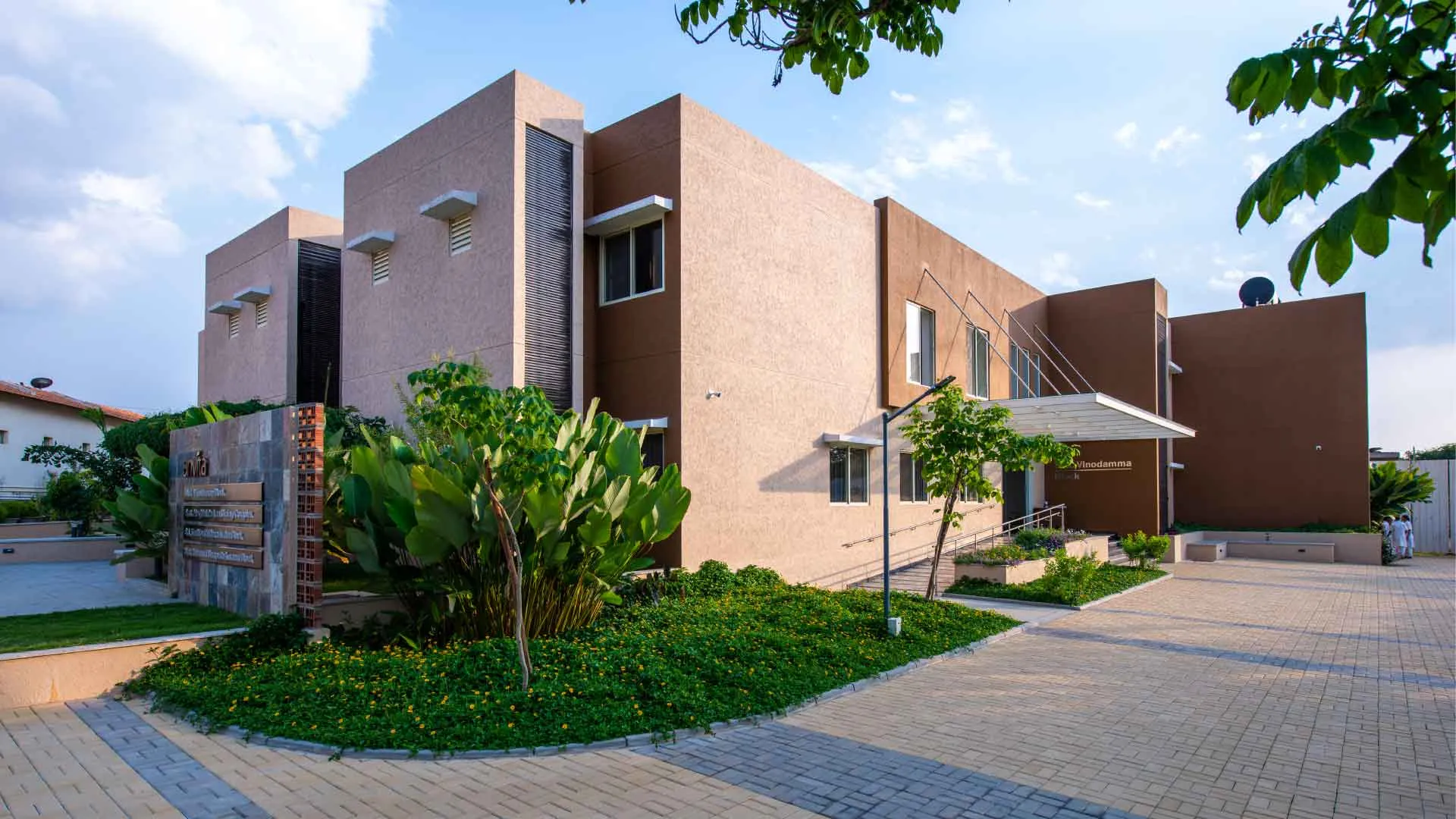
Cadabam’s Anvita
Long-Term Rehabilitation Center in Bangalore, India
Bangalore
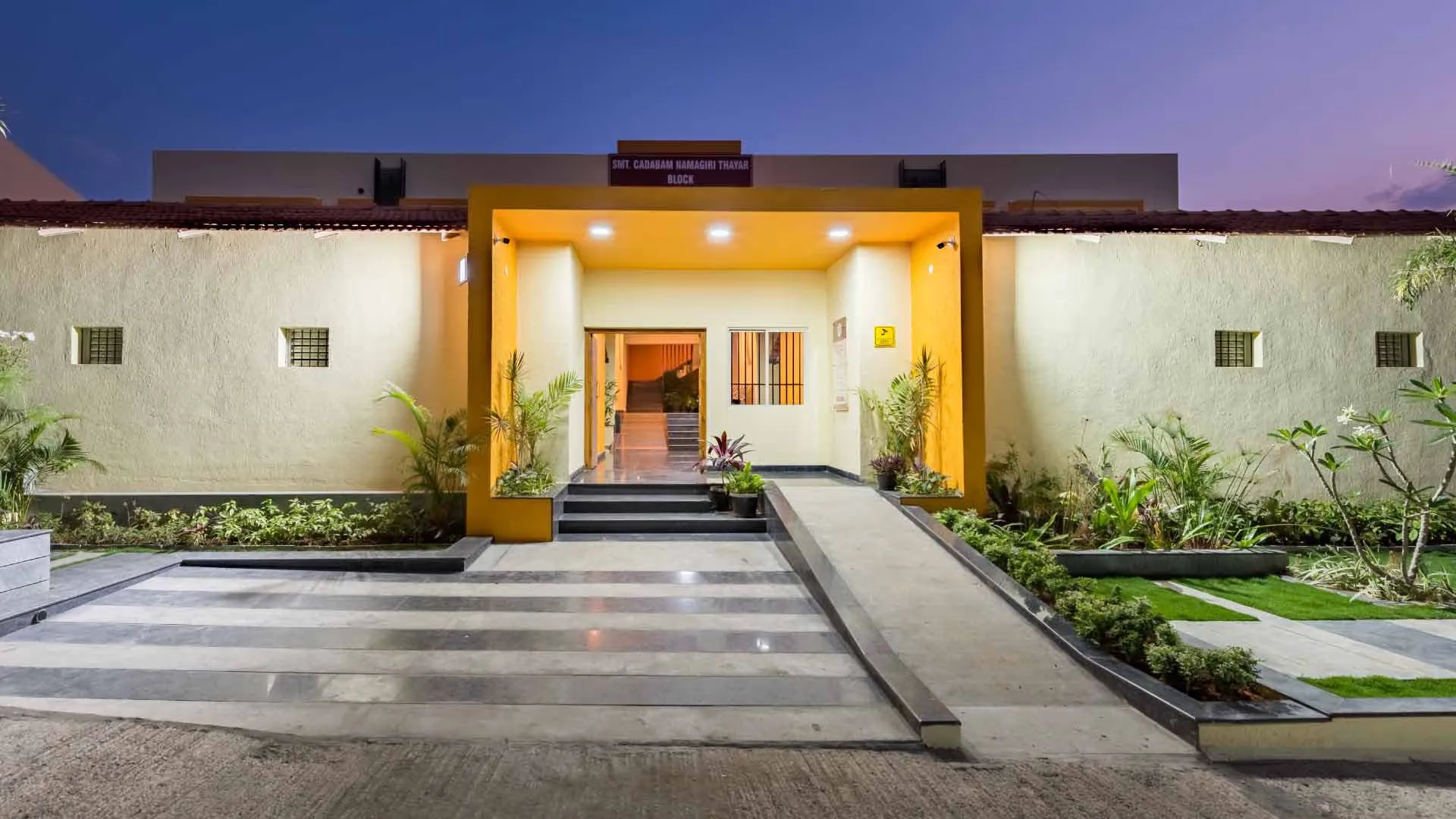
Cadabam’s Amitha
Advanced Psychiatric Rehab Centre in Bangalore
Bangalore
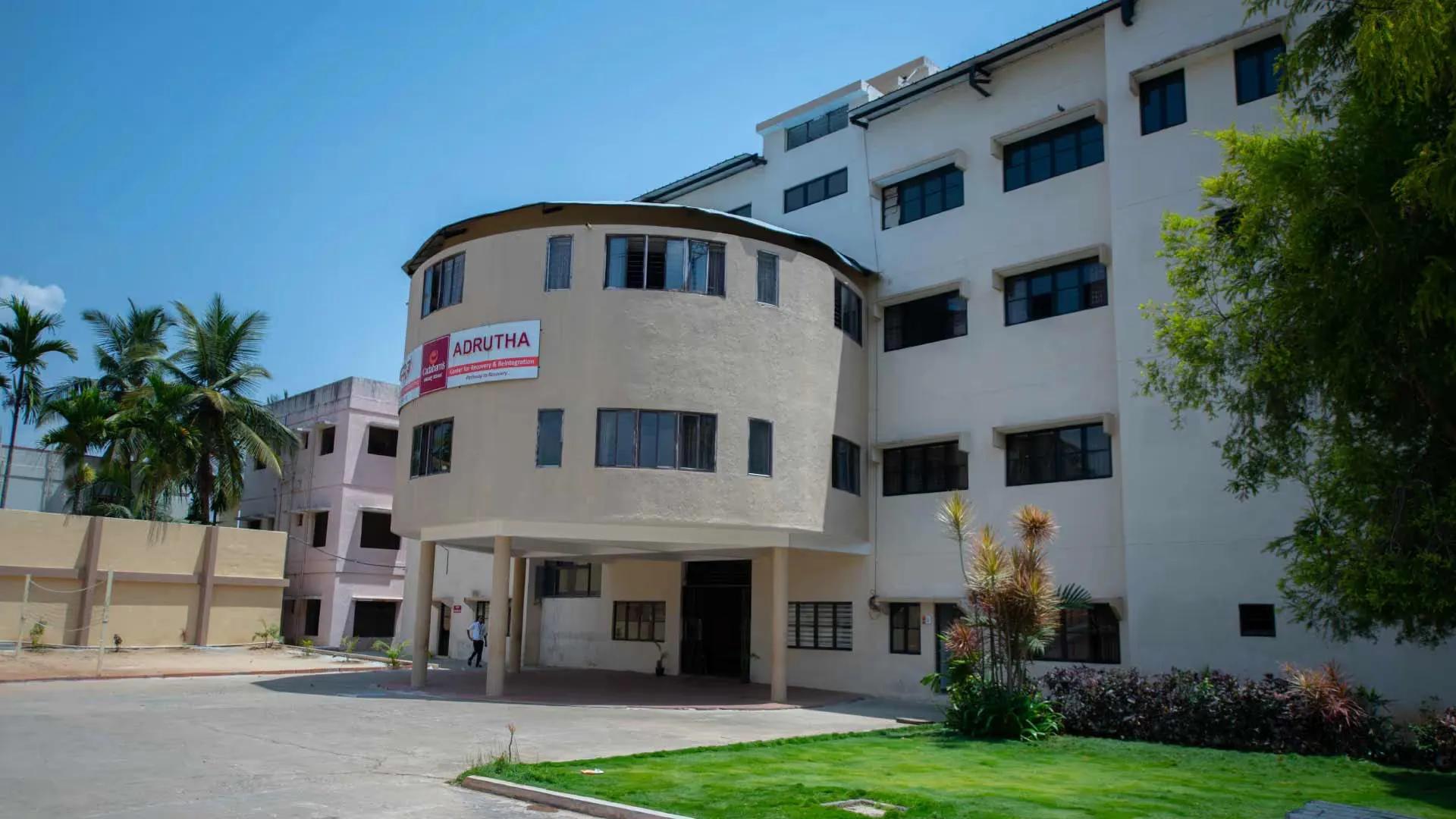
Cadabam’s Adrutha
Our Affordable Rehab Centre in Bangalore
Bangalore
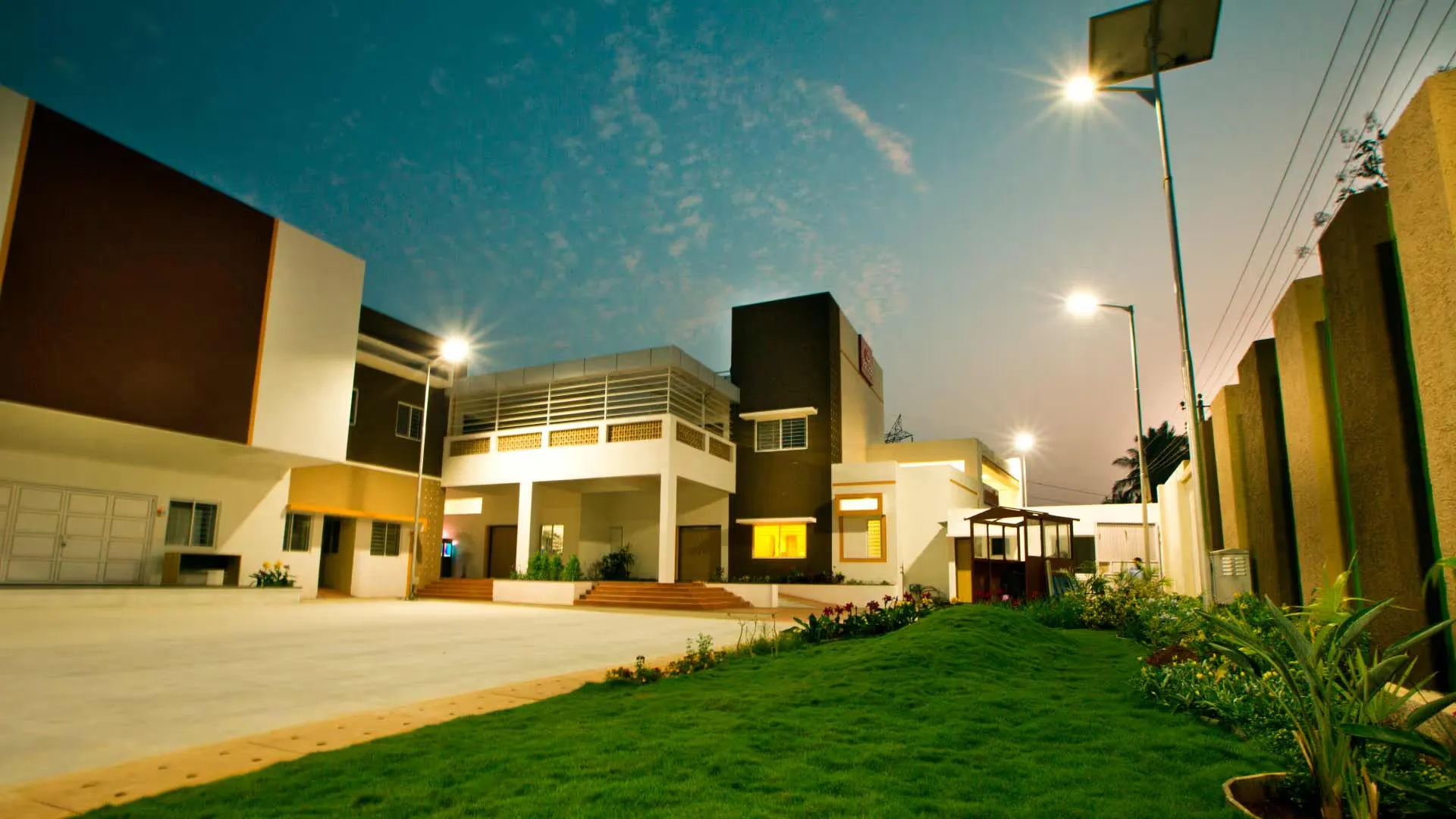
Cadabam’s Anunitha
Our Specialised De-Addiction Centre in Bangalore
Bangalore
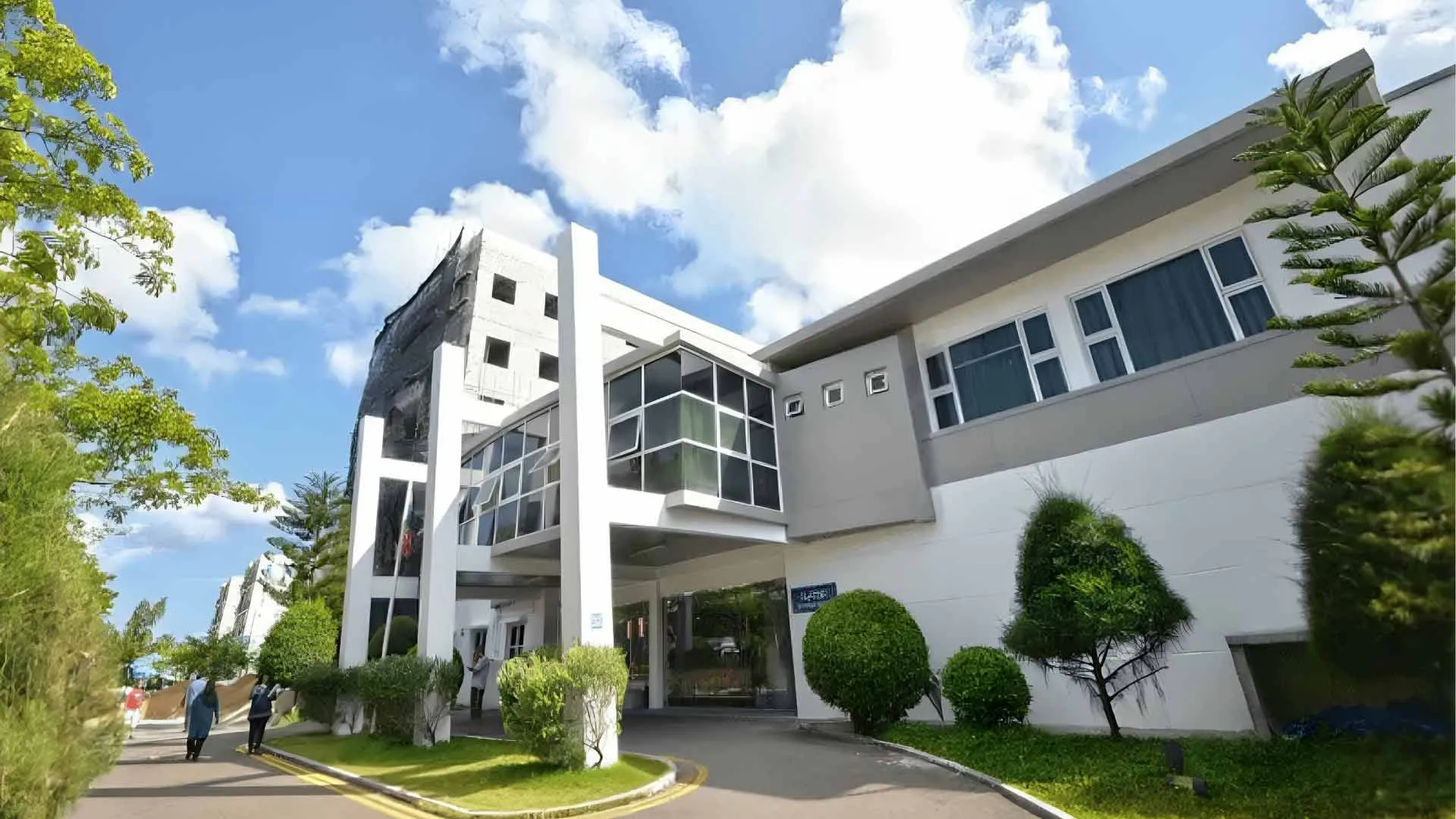
Maldives Rehab Centre
Premier Mental Health & Rehabilitation Centre in Maldives
Maldives
Good to know
At Cadabam’s, personalisation is the cornerstone of our rehabilitation programs. Your journey begins with a comprehensive assessment of your symptoms, functional abilities, and personal goals. Based on this, we co-create a tailored treatment plan.
Progress is tracked through regular symptom monitoring and the achievement of functional milestones. Our multidisciplinary team conducts frequent reviews to adjust the plan as you progress, ensuring the program remains flexible and responsive to your evolving needs throughout your recovery.
Our OCD rehabilitation programs utilise a blend of evidence-based therapies to ensure comprehensive care. Key interventions include:
Family involvement is a powerful catalyst for recovery from OCD. When family members understand the disorder and learn how to provide effective support, treatment outcomes improve significantly.
Our programs include family psychoeducation to demystify OCD, family counselling sessions to improve communication and resolve conflicts, and collaborative relapse prevention planning. Empowering caregivers with the right tools not only aids the individual's recovery but also reduces family-wide stress and burnout.
Inside our centres
The duration and cost of an OCD rehabilitation program vary based on several factors, including the severity of symptoms, the type of program selected (short-term vs. long-term), the required level of supervision, and the individual’s functional goals.
At Cadabam’s, we believe in transparency. We encourage an in-depth consultation with our admissions team to discuss these factors. This allows us to create a personalised plan that aligns with your clinical needs and financial considerations, ensuring clear expectations from the start.
Lasting recovery from OCD extends beyond the duration of the rehabilitation program. That’s why we place a strong emphasis on discharge planning and aftercare. Our team works with you to create a seamless transition to step-down care, such as outpatient follow-ups.
We develop robust relapse prevention strategies and ensure consistent medication monitoring. This commitment to continuity of care provides a safety net, empowering you to maintain your progress and confidently manage your long-term well-being.
Taking the first step toward structured care is a courageous decision for both individuals and their families. If you or a loved one is struggling with OCD, exploring a rehabilitation program can open the door to lasting recovery and a better quality of life.
Speak with our compassionate mental health professionals to understand which program best suits your unique needs.
Take the first step towards recovery. Contact us at +91 9611194949 to learn more about our specialised OCD rehabilitation programs.
FAQs
Voices of recovery
I somehow convinced my best friend, who was suffering form OCD to consider rehabilitation to help him. Cadabam’s Rehabilitation Center vindicated my advice. Today, he is able to lead his life with minimal distress and he is enjoying his daily activities.
— Damodar Modi
My sister was fighting OCD from quite some years. Sometimes with treatment it would get better, but eventually she would start having problems again. Rehabilitation at Cadabam’s, helped her a lot. She is doing much better now and her recovery seems to be sustaining.
— Virat Kumar
We did not know Obsessive Compulsive Disorder could become so severe. Thats why we started looking for treatment so late. but luckily for us, we got the best possible treatment experience on our first try. Thank you for helping our son recover from OCD.
— Veena R
Watch & learn
Further reading
Helpline at your fingertips
+91 96111 94949