Top Psychiatrists for Depression

Depression is a disorder that can cause severe distress and can result in complete deterioration of a person’s functioning. The disorder is the leading cause of disability in the world and affects over 28 crore people. Alarmingly, over 700,000 people lose their lives to depression each year.

A psychiatrist is a medical professional who is specialized in diagnosing and treating mental health disorders. A psychiatrist can help an individual battling depression by prescribing medication to help them overcome the distressing symptoms of the disorder. With effective treatment, individuals can make a significant recovery from depression.

Can Depression be treated?

Depression is a significant mental health condition that, if left untreated, can lead to death. A mental health expert should diagnose the illness as soon as possible so that the proper therapy may be prescribed. A person suffering from depression may overcome the symptoms and live a happy life after a period of recovery with professional assistance.

Top Psychiatrists for Depression

Our Professionals

Psychiatrist

Dr. Vishal Kasal

Designation:
Consultant Psychiatrist
Experience:
15
Years
Illnesses:
Drug Addiction, Alcohol Dependence, Dementia, Depression, Bipolar Disorder, OCD, Personality Disorder, Schizophrenia, Autism Spectrum Disorder
Book Appointment
Psychiatrist

Dr. Keerthi Sagar

Designation:
Consultant Psychiatrist
Experience:
7
Years
Illnesses:
Depression, Schizophernia, Alcohol Dependence, Bipolar Disorder Drug Addiction, OCD, Personality Disorder
Book Appointment
Psychiatrist

Dr. Arun Kumar

Designation:
Consultant Psychiatrist
Experience:
12
Years
Illnesses:
Schizophrenia, Alcohol Dependence, Bipolar Disorder, Depression, Drug Addiction, OCD, Personality Disorder, Autism Spectrum Disorder, Dementia, SLD
Book Appointment
Psychiatrist

Dr. R. Priya Raghavan

Designation:
Consultant Psychiatrist
Experience:
21
Years
Illnesses:
SLD, Autism Spectrum Disorder, Dementia, Schizophrenia, Bipolar Disorder, OCD, Drug Addiction
Book Appointment
Psychiatrist

Dr. B. R. Madhukar

Designation:
Medical Director
Experience:
25
Years
Illnesses:
Alcohol Dependence, Bipolar Disorder, Dementia, Schizophrenia, Drug Addiction, Personality Disorder, OCD
Book Appointment
Psychiatrist

Dr. Srinivas Reddy

Designation:
Consultant Psychiatrist
Experience:
20
Years
Illnesses:
Alcohol Dependence, Depression, Drug Addiction
Book Appointment

Why Choose Cadabam's for Depression?

Cadabam's is India's largest mental healthcare brand, with over 6 rehabilitation centres, and hospitals spread over two states. Over 200 mental health specialists are dedicated to serving the community at all times. We guarantee that you and your loved ones receive the care you deserve by taking a comprehensive approach to rehabilitation and providing the infrastructure to support it.

Illness Feature Icon

Decades of Expertise

33+ years of focused mental healthcare, shaped by 1000+ real patient journeys.

Illness Feature Icon

Dedicated Care Centres

State of the art mental health centres built for treatment and recovery.

Illness Feature Icon

Multidisciplinary Care Team

A coordinated team of psychiatrists, psychologists, counsellors, and rehabilitation specialists supporting your care.

Illness Feature Icon

Experience Across Stages

Support from early signs through treatment and recovery.

Illness Feature Icon

Structured Care Model

Treatment guided by clear plans that continue beyond diagnosis.

Illness Feature Icon

Continuity of Care

Planned follow ups and continued guidance to help maintain progress over time.

Who is a Psychiatrist?

A psychiatrist is a medical professional focused on identifying, treating, and preventing mental health issues and emotional challenges. They are trained to understand how the brain and body interact to affect a person's behaviour and mental health.

Unlike psychologists, psychiatrists can prescribe medications, as well as provide psychotherapy and other types of talk therapy. They work with patients of all ages, backgrounds, and cultures to help them manage their mental health conditions and improve their quality of life.

If you are struggling with a mental health condition, a psychiatrist may be able to provide the medical and therapeutic support you need to recover and achieve your goals.

Understanding Depression

Depression is a serious mental health concern that affects thousands of people worldwide. It is more than just feeling sad or having a rough day—it’s a persistent feeling of hopelessness, fatigue, and emotional distress that can interfere with daily life. People experiencing depression may struggle with motivation, concentration, and relationships. If left untreated, it can significantly affect one’s overall well-being. Seeking help from a psychiatrist for depression can be an effective step toward recovery.

Common Symptoms of Depression

Recognising the signs and symptoms of depression are crucial for early intervention. Some of the most common symptoms include:

  • Constant Sadness or Emptiness – A lingering feeling of hopelessness, numbness, or emotional heaviness.
  • Loss of Interest – No longer enjoying hobbies, socialising, or activities that once brought pleasure.
  • Appetite and Weight Changes – Sudden weight loss or gain due to increased or decreased eating habits.
  • Sleep Problems – Struggling with insomnia or excessive sleeping, feeling tired despite resting.
  • Fatigue and Low Energy – Constant exhaustion, making even simple tasks feel overwhelming.
  • Feelings of Guilt or Worthlessness – Harsh self-criticism, excessive guilt, or feeling like a burden.
  • Difficulty Focusing – Trouble concentrating, remembering things, or making decisions.
  • Thoughts of Self-Harm or Suicide – Persistent thoughts of harming oneself or feeling like life has no meaning.

If you or someone you know is experiencing these symptoms, seeking help from a psychiatrist for depression can be a life-changing decision.

Causes of Depression

Depression arises from a mix of genetic, biological, and environmental factors:

  • Genetics – A family history of depression increases the risk.
  • Brain Chemistry – An imbalance in neurotransmitters like serotonin and dopamine can trigger depressive symptoms.
  • Trauma and Stress – Childhood abuse, emotional trauma, or major life changes can contribute.
  • Grief and Loss – Losing a loved one or a significant relationship can lead to prolonged sadness.
  • Chronic Illness – Conditions like diabetes, heart disease, or chronic pain can cause depression.
  • Substance Abuse – Drug and alcohol misuse can worsen depressive symptoms.
  • Social Isolation – Lack of social support or loneliness increases vulnerability.
  • Personality Traits – Pessimism, low self-esteem, or excessive self-criticism may contribute.

Types of Depression

Depression varies in severity and duration. Some common types include:

  • Major Depressive Disorder (MDD) – Persistent sadness, lack of motivation, and fatigue lasting for weeks.
  • Persistent Depressive Disorder (Dysthymia) – Chronic low mood lasting over two years.
  • Bipolar Disorder – Alternating episodes of depression and manic highs.
  • Postpartum Depression – Depression occurring after childbirth due to hormonal changes.
  • Seasonal Affective Disorder (SAD) – Depression triggered by seasonal changes, usually in winter.
  • Psychotic Depression – Depression with hallucinations or delusions.
  • Atypical Depression – Mood temporarily improves with positive events but includes fatigue, weight gain, and rejection sensitivity.
  • Situational Depression – Short-term depression due to major life stressors like job loss or divorce.
  • Premenstrual Dysphoric Disorder (PMDD) – Severe mood swings before menstruation.
  • Treatment-Resistant Depression (TRD) – Depression that doesn’t respond to standard treatments.

Seeking help from a psychiatrist can make a significant difference. Depression is treatable, and timely intervention leads to recovery.

Our Depression Center Near You

What Are the Qualifications of Psychiatrists for Depression?

Psychiatrists are doctors who specialise in diagnosing and treating mental health disorders, including depression. In order to become a licensed psychiatrist, one must complete a four-year medical degree program, followed by a residency in psychiatry. During their residency, psychiatrists receive specialised training in the diagnosis and treatment of a variety of mental health conditions, including depression.

What Does a Depression Psychiatrist Do?

A depression psychiatrist is a medical doctor who specialises in diagnosing and treating depression, a common mental health disorder that affects millions of people worldwide. A depression psychiatrist is trained to understand the underlying causes of depression, including genetic, environmental, and biological factors.

They work with patients to develop an individualised treatment plan that may include a combination of medications, psychotherapy, and lifestyle changes.

Difference Between a Psychiatrist, Psychologist, Therapist & Counsellor?

A psychiatrist is a medical professional focusing on the diagnosis and treatment of depression through medication. 

A psychologist is a trained professional in mental health, holding a Ph.D. in psychology. They employ different therapeutic methods to help individuals dealing with depression. 

A therapist and counsellor for schizophrenia focuses on using talk therapy and related approaches to treat depression.

Together, these professionals form a multidisciplinary team that ensures comprehensive recovery from depression.

What Diseases Are Treated by a Psychiatrist?

A psychiatrist is a medical doctor who specialises in diagnosing and treating mental health disorders. There are a wide variety of mental health conditions that can be treated by a psychiatrist, including:

  • Anxiety disorders: Such as generalised anxiety disorder, panic disorder, and social anxiety disorder.
  • Mood disorders: Such as depression, bipolar disorder, and seasonal affective disorder.
  • Psychotic disorders: Such as schizophrenia, schizoaffective disorder, and delusional disorder.
  • Personality disorders: Such as borderline personality disorder, narcissistic personality disorder, and avoidant personality disorder.
  • Eating disorders: Such as anorexia nervosa, bulimia nervosa, and binge eating disorder.
  • Substance use disorders: Such as alcohol addiction, drug addiction, and prescription medication abuse.
  • Trauma-related disorders: Such as post-traumatic stress disorder (PTSD) and acute stress disorder.

Psychiatric Tests & Assessments for Diagnosing Depression.

Psychiatric tests and assessments are tools used by mental health professionals to diagnose depression. There are several types of assessments that may be used, including:

Depression screening tools: These are brief questionnaires designed to assess the severity of depressive symptoms. They may be administered by a healthcare provider or completed by the patient on their own.

Diagnostic interviews: These are more in-depth assessments that are conducted by a mental health professional. They may involve a series of questions about the patient's symptoms, medical history, and family history of mental health conditions.

Psychological testing: There are a variety of standardised tests that can help identify specific psychological factors associated with depression.


Physical exams and laboratory tests: These may be used to rule out underlying medical conditions that could be causing or contributing to the patient's depression symptoms.

Overall, the goal of these assessments is to provide a comprehensive understanding of the patient's symptoms and develop an accurate diagnosis for depression.

This is important in order to develop an effective treatment plan that can help the patient manage their depression and improve their overall quality of life. Consider seeking help from a qualified healthcare provider if you are experiencing depression symptoms.

Emergency service

Find nearest mental health center now

Illness CTA Shape

Facilities & Amenities

Treatment Approaches

There are various ways to treat depression, and the right approach depends on individual needs. A psychiatrist for depression can provide a combination of treatments, including medication, therapy, and lifestyle modifications, to help patients manage their symptoms effectively.

How Psychiatrists Treat Depression

A psychiatrist for depression is a medical professional trained to diagnose and treat mental health conditions, including depression. They use various treatment approaches to help individuals regain emotional stability and improve their quality of life.

Medication Management

One of the most common treatment methods used by a psychiatrist for depression is prescribing medications such as antidepressants. These drugs help balance brain chemicals, reducing symptoms of depression. A psychiatrist for depression carefully monitors the patient's progress and adjusts medication as needed to minimise side effects and maximise benefits.

Psychotherapy and Counselling

Talk therapy, also known as psychotherapy, is another crucial part of treating depression. A psychiatrist for depression or a licensed therapist provides counselling sessions to help individuals cope with stress, manage negative thoughts, and develop healthier coping strategies. Common types of psychotherapy include Cognitive Behavioral Therapy (CBT) and Interpersonal Therapy (IPT).

Lifestyle Modifications

A psychiatrist for depression may also recommend lifestyle changes to support recovery from depression. These may include:

  • Regular exercise to boost mood
  • Healthy eating habits to improve brain function
  • Proper sleep hygiene for better mental health
  • Reducing stress through meditation or mindfulness
  • Avoiding alcohol and drugs

What to Expect During an Appointment With a Psychiatrist?

During an appointment with a psychiatrist for depression, there are several things you can expect:

  • Assessment: The psychiatrist will likely ask you questions about your depression symptoms, medical history, and any medications or supplements you are currently taking.
  • Diagnosis: Based on your symptoms and assessment, the psychiatrist will develop a diagnosis and discuss treatment options with you.
  • Treatment plan: The psychiatrist will work with you to develop a treatment plan for depression that may include medication, therapy, lifestyle changes, or a combination of these approaches.
  • Monitoring: The psychiatrist will monitor your progress over time to ensure that your treatment plan is working effectively and make adjustments as needed.

When to See a Psychiatrist for Depression?

You should see a psychiatrist for depression if you are experiencing persistent feelings of sadness, hopelessness, or emptiness, as well as changes in appetite, sleep, or energy levels. Additionally, if you are having thoughts of self-harm or suicide, it is important to seek immediate help from a qualified healthcare provider.

Seeing a psychiatrist can help you get an accurate diagnosis and develop a treatment plan that can effectively manage your symptoms and improve your overall quality of life.

Subscribe to our newsletter

Find out about centres, daily updates and more about mental health

Thank you! Your submission has been received!
Oops! Something went wrong while submitting the form.
Illness CTA Shape

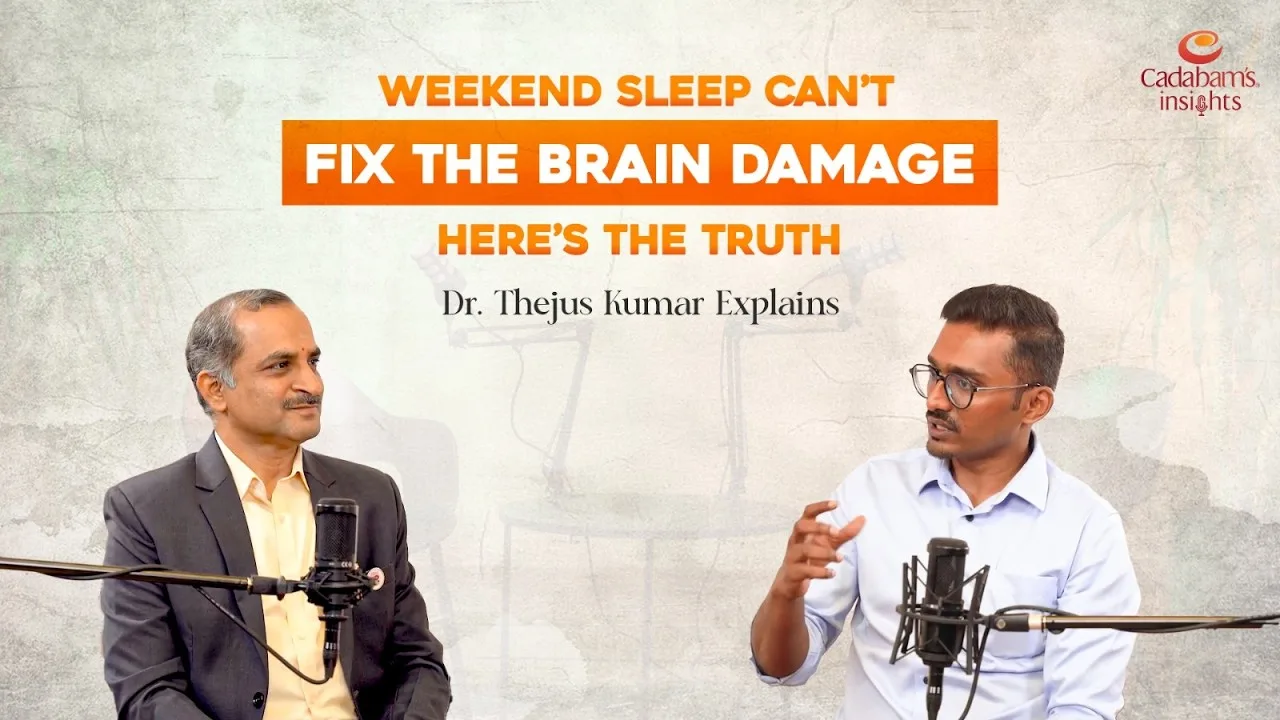
Listen to Our Expert Insights on Depression

Episode 6

Sleep Isn’t Optional: The Science, Myths & Dangers of Poor Sleep

Frequently Asked Questions

Can Psychiatrists Cure Depression?

Psychiatrists are a part of the team that treats depression. Though there is no complete cure for the disorder, with the help of psychiatrists, it can be managed, and a person can live a happy and fulfilled life.

Can Psychiatrists Do Counselling?

No, psychiatrists are not equipped to counsel individuals for any mental health disorders. They use medication and related medical approaches to help a person overcome the symptoms of depression. They also regulate the dosage and type of medication which helps in the recovery of an individual.

How do Psychiatrists Treat Depression?

Psychiatrists typically treat depression with a combination of medication and therapy. Antidepressants are commonly prescribed to address chemical imbalances in the brain, while talk therapy can help patients identify and cope with negative thought patterns.Other treatment options may include cognitive-behavioral therapy, interpersonal therapy, or electroconvulsive therapy (ECT), depending on the severity and nature of the depression.

How do Psychiatrists Diagnose Mental Disorders?

Psychiatrists diagnose mental disorders by conducting a thorough assessment of a patient's symptoms, medical history, and family history. They may also use diagnostic tools such as the DSM-5 (Diagnostic and Statistical Manual of Mental Disorders) to help guide their diagnosis.

This may involve asking the patient to complete questionnaires or undergoing physical and neurological exams. The psychiatrist will then develop a treatment plan based on the diagnosis and individual needs of the patient.

How to Consult a Depression Psychiatrist Online?

Consulting a depression psychiatrist online typically involves finding a reputable mental health provider and scheduling a virtual appointment. Cadabam's is an excellent option for those seeking online psychiatric services for depression, with a team of experienced psychiatrists who can provide personalised treatment plans tailored to individual needs.

Who Should See a Psychiatrist for Depression?

Anyone who is experiencing symptoms of depression should consider seeing a psychiatrist. This may include feelings of sadness or hopelessness, changes in appetite or sleep patterns, loss of interest in activities, and difficulty concentrating or making decisions. If left untreated, depression can lead to significant disruptions in daily life.

Our Testmonials

James Verghese

Depression is such a difficult situation to face. My family was so supportive through my recovery journey. But, I must give special credit to the team at Cadabams, who took such good care of me at their rehabilitation centre. Thank you for helping me return to my life.

Bharat Bhargav

My daughter was suffering from Depression. She had tried to hurt herself as well. The entire family was scared. The staff and doctors at Cadabams were so understanding. They really seemed to care about our daughter, and we felt a little peaceful after she began rehab at Cadabams. She is slowly but surely making significant recovery and we couldn't be happier.

Devika Sharma

I never thought depression could happen to me. I always thought of myself as a happy person. But, slowly I started noticing the changes. I was no longer finding joy in life and most of my time would be spent having really dark thoughts. It got so bad that I had to choose rehabilitation. Rehabilitation at Cadabams was so effective. It helped me recover and gave me the confidence that I could fight the dark thoughts if they ever returned. Thank you so much Cadabams!

Watch Our Visual Stories

What is Borderline Personality Disorder?
What is the treatment of Alcohol Dependence?
How to Deal with a Break Up? | Mental Health and Relationships
What is Dementia?
How to Overcome OCD?
Is depression a disease?
Whatsapp IconCall Iocn
close