
Psychiatrist
Dr. Arun Kumar
Consultant Psychiatrist
15 years of experience
Treats: Schizophrenia, Alcohol Dependence, Bipolar Disorder, Depression, Drug Addiction, OCD, Personality Disorder, Autism Spectrum Disorder, Dementia, SLD
View profilePeople suffering from Obsessive-Compulsive Disorders feel compelled to do specific tasks. These are called compulsions. These acts of compulsions offer temporary relief to the anxiety that the patient is feeling.
Some of the best approaches to OCD treatment include psychotherapy, guided therapy, and counseling sessions that help individuals to learn how to manage the condition. They also learn how to reduce the occurrence and severity of the compulsive episodes associated with OCD. There are multiple treatment options for Obsessive-Compulsive Disorder, and the percentage of people who have been able to recover after undergoing treatment is high.
What to look for
Meet the clinicians
Psychiatrist
Consultant Psychiatrist
15 years of experience
Treats: Schizophrenia, Alcohol Dependence, Bipolar Disorder, Depression, Drug Addiction, OCD, Personality Disorder, Autism Spectrum Disorder, Dementia, SLD
View profile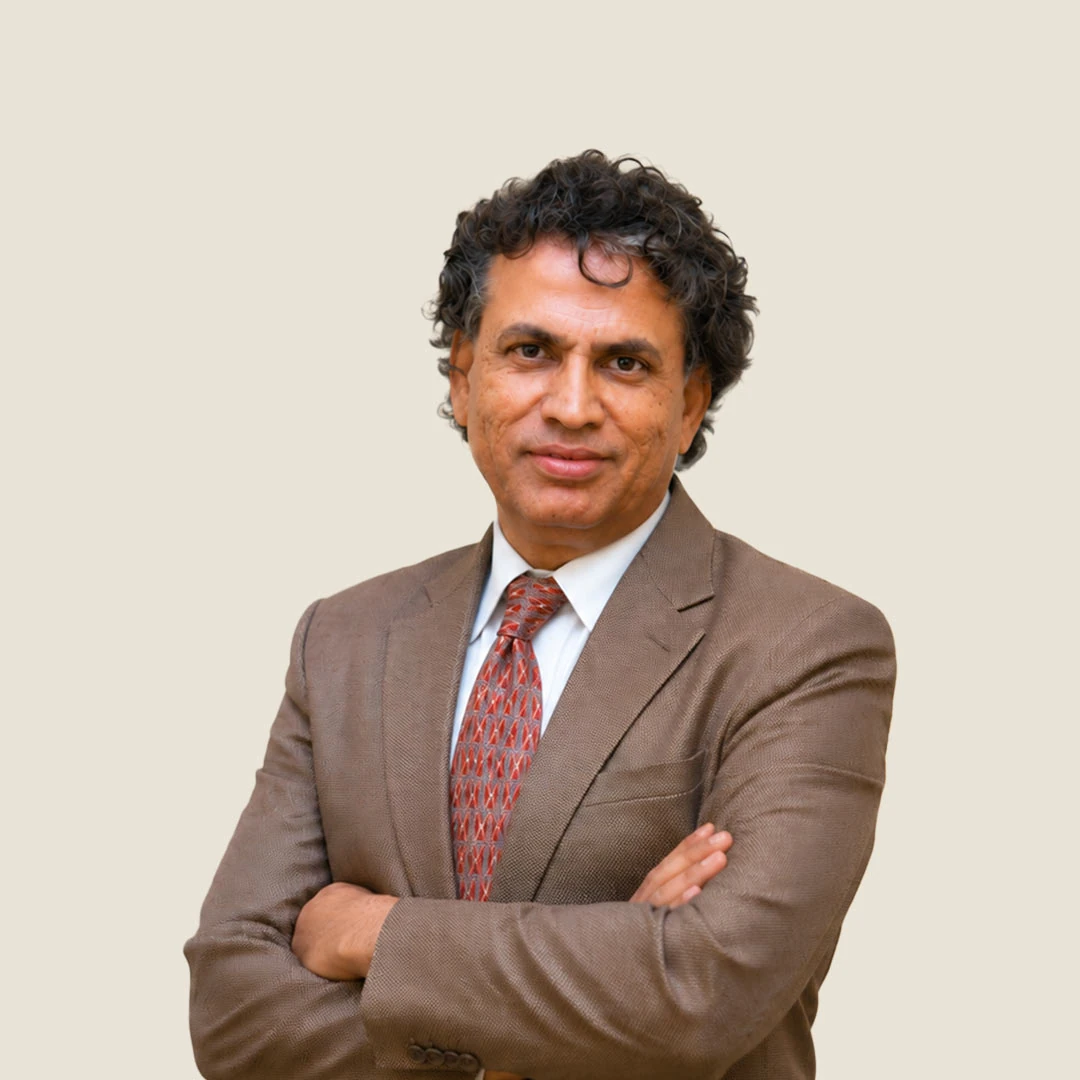
Psychiatrist
Medical Director
25 years of experience
Treats: Alcohol Dependence, Bipolar Disorder, Dementia, Schizophrenia, Drug Addiction, Personality Disorder, OCD
View profile
Psychiatrist
Consultant Psychiatrist
6 years of experience
Treats: Schizophrenia, Personality Disorder, OCD, Dementia, Autism, Drug Addiction
View profile
Psychiatrist
Consultant Psychiatrist
7 years of experience
Treats: Depression, Schizophernia, Alcohol Dependence, Bipolar Disorder Drug Addiction, OCD, Personality Disorder
View profile
Psychologist
Clinical Psychologist
8 years of experience
Treats: Depression, Bipolar Disorder, Alcohol Dependence, Drug Addiction, Personality Disorder
View profileWhy it happens
Causes of OCD involve a combination of genetic, neurological, environmental factors and life events, influencing its development and severity.
Biological factors in OCD include abnormalities in certain areas of the brain, such as the orbitofrontal cortex and basal ganglia, and imbalances in neurotransmitters like serotonin. These neurological discrepancies can affect information processing, leading to the exaggerated thoughts and behaviours characteristic of OCD.
Genetic influences play a significant role in OCD, with research indicating a higher risk among individuals with first-degree relatives who have the disorder. While no single gene has been identified, the condition likely results from the interaction of multiple genes, contributing to its complexity and varying manifestations.
Learned behaviours can contribute to the development of OCD, particularly through a process known as conditioning. If a person finds that certain actions reduce anxiety related to specific fears or obsessions, these actions can become compulsive behaviours. Over time, the compulsions are reinforced because they provide temporary relief from distress, perpetuating the cycle of OCD.
Alterations in brain structure and functioning, particularly in the orbitofrontal cortex, anterior cingulate cortex, and basal ganglia, are linked to OCD. These areas, responsible for planning, decision-making, and response to fear and anxiety, may operate differently in individuals with OCD, contributing to the disorder's characteristic patterns of thought and behaviour.
OCD is associated with an imbalance in neurotransmitters, chemicals that transmit messages between brain cells. Specifically, serotonin, dopamine, and glutamate levels are often found to be irregular. These imbalances can disrupt normal communication pathways in the brain, leading to the intrusive thoughts and repetitive behaviours seen in OCD.
Cognitive processes in individuals with OCD often involve distorted beliefs about risk, responsibility, and harm, leading to excessive worry and the need to perform compulsions to mitigate perceived threats. Maladaptive beliefs and overestimations of danger can perpetuate the cycle of obsessions and compulsions, which are central to OCD's cognitive-behavioural model.
Understanding the risk factors behind Obsessive obsessive-compulsive disorder (OCD) can help in early identification and prompt treatment. The following influences may increase an individual’s vulnerability to developing the condition:
Recognising these risk factors early allows mental health professionals to provide timely support and design effective obsessive-compulsive disorder treatment plans.
How it presents
There are several recognised types of Obsessive Compulsive Disorder (OCD), each defined by specific patterns of obsessions and compulsions. Understanding these can help tailor the most effective obsessive compulsive disorder treatment for each individual.
Recognising the types of obsessive compulsive disorder is key to diagnosis and to crafting an effective, personalised obsessive compulsive disorder treatment approach.
Diagnosis
The diagnosis of OCD involves a comprehensive evaluation by a mental health professional, including a detailed clinical interview and symptom assessment based on the DSM-5 criteria. Tools such as the Yale-Brown Obsessive Compulsive Scale (Y-BOCS) may be used to gauge the severity of obsessions and compulsions. Differential diagnosis is crucial to rule out other mental health conditions with similar symptoms.
How we help
Treatment for OCD includes cognitive-behavioural therapy, specifically exposure and response prevention, alongside medications like SSRIs, offering effective symptom management.
Psychotherapy for OCD involves structured sessions with a mental health professional to address the thoughts, feelings, and behaviours associated with OCD. Techniques may include cognitive-behavioural therapy (CBT), which helps patients identify and challenge distorted cognitions and replace them with healthier ones, effectively reducing OCD symptoms and improving quality of life.
CBT is a highly effective treatment for OCD, focusing on altering dysfunctional thoughts and behaviours. CBT teaches individuals to recognise and reevaluate their obsessive thoughts, confront their fears, and reduce compulsive behaviours. For personalised CBT strategies tailored to your OCD symptoms, consider exploring options with Cadabam’s.
ERT is a specific type of CBT that involves gradual exposure to the source of anxiety or obsession, followed by the prevention of the customary compulsive response. This technique helps reduce the anxiety associated with obsessions and diminishes the need for compulsive behaviours, leading to long-term improvements in managing OCD.
Medication for OCD typically includes selective serotonin reuptake inhibitors (SSRIs), which help balance the brain's serotonin levels, reducing the severity of obsessions and compulsions. In more severe cases, other types of medication, like serotonin-norepinephrine reuptake inhibitors (SNRIs) may be used. Medications are often most effective when combined with psychotherapy.
In treatment-resistant cases of Obsessive Compulsive Disorder (OCD), neurosurgical options may be considered. One such procedure is gamma ventral capsulotomy, which involves targeted brain lesioning and has shown promising results in individuals with severe, unresponsive OCD. However, its use remains limited due to concerns about its invasive nature and historical bias. Another emerging option is deep brain stimulation (DBS), which uses implanted electrodes to regulate brain activity without causing permanent damage. While DBS offers a less destructive alternative with clinical support for its effectiveness, it is highly specialised and requires ongoing care, available only in select, advanced healthcare settings.
Emergency service
Find nearest mental health center now
Good to know
Obsessive Compulsive Disorder (OCD) cannot always be fully prevented due to its genetic and neurological roots. However, early recognition of obsessive compulsive disorder symptoms, timely obsessive compulsive disorder diagnosis, and intervention can greatly reduce the severity and impact. Managing stress, seeking help for anxiety, and avoiding reinforcement of compulsive behaviours can also lower risk. Education and awareness play a vital role in early detection and effective support.
Our centres

Our Specialised De-Addiction Centre in Bangalore
Read more
Long-Term Rehabilitation Center in Bangalore, India
Read more
Advanced Psychiatric Rehab Centre in Bangalore
Read more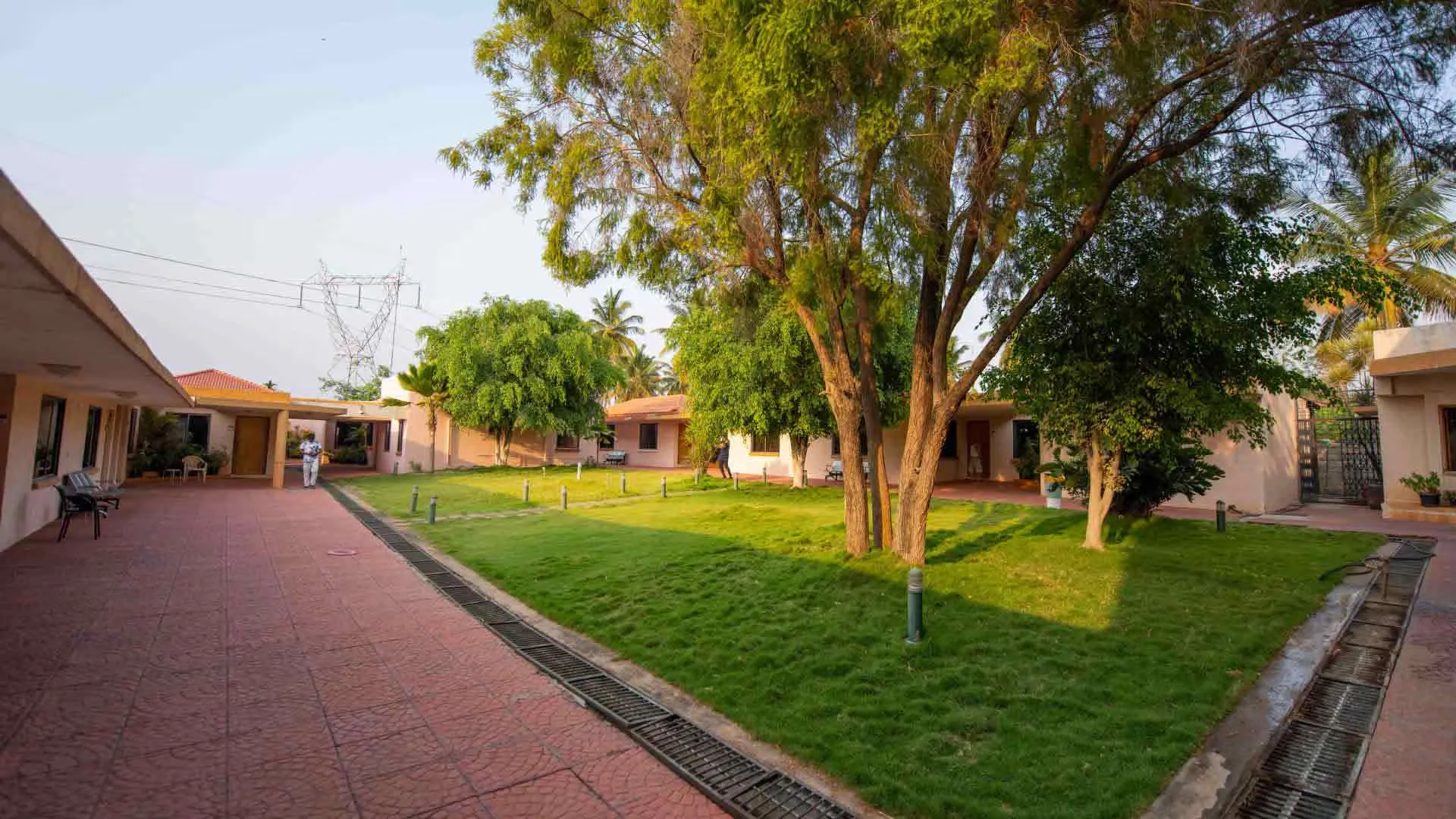
Luxury Rehabilitation Center in Bangalore, India
Read more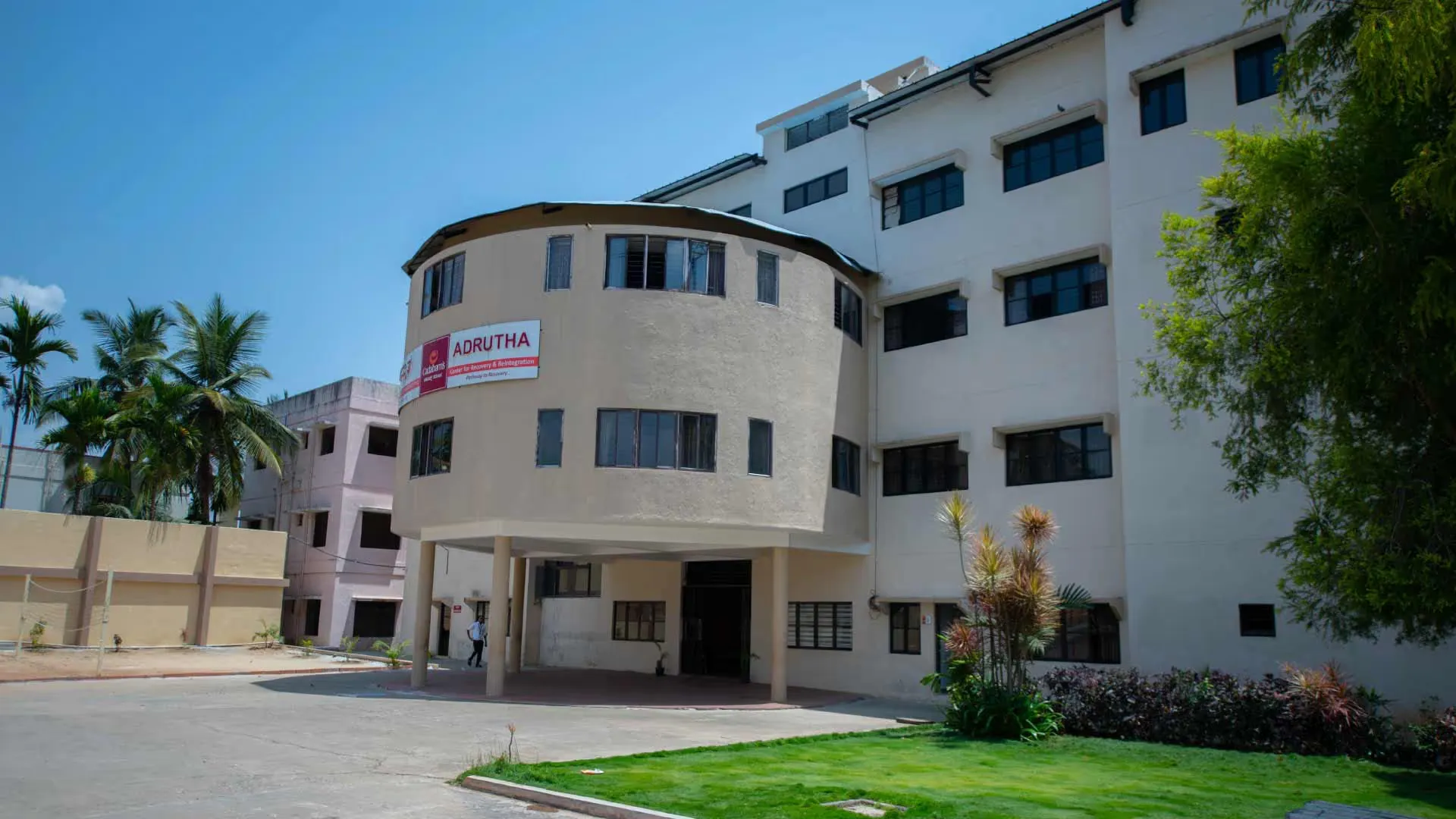
Our Affordable Rehab Centre in Bangalore
Read more
Our Advanced Mental Health Rehab Centre In Hyderabad
Read more
Premier Mental Health & Rehabilitation Centre in Maldives
Read moreRehabilitation
Rehabilitation for OCD encompasses a comprehensive approach, integrating psychological and psychiatric interventions, medication management, counselling and lifestyle adjustments. Tailored to meet individual needs, rehabilitation programs focus on reducing symptoms, improving daily functioning, and enhancing coping strategies. Support groups and educational sessions help individuals understand their condition, fostering a supportive community for sharing experiences and strategies for managing OCD in everyday life.
Cadabam’s is at the forefront of OCD rehabilitation and support, offering an integrative treatment approach that combines advanced psychotherapies, medication management, and personalised care plans. Our focus on holistic well-being and recovery is supported by a dedicated team of experts, state-of-the-art facilities, and a nurturing environment. Cadabam’s provides comprehensive support, including family education and therapy, to ensure sustained recovery and improved quality of life for individuals with OCD.
If you are searching for a solution to your problem, Cadabam’s Rehabilitation Centre can help you with its team of specialised experts. We have been helping thousands of people live healthier and happier lives for 33+ years. We leverage evidence-based approaches and holistic treatment methods to help individuals effectively manage their Obsessive-Compulsive Disorder. Get in touch with us today. You can call us at +91 96111 94949.

33+ years of focused mental healthcare, shaped by 1000+ real patient journeys.

State of the art mental health centres built for treatment and recovery.

A coordinated team of psychiatrists, psychologists, counsellors, and rehabilitation specialists supporting your care.

Support from early signs through treatment and recovery.

Treatment guided by clear plans that continue beyond diagnosis.

Planned follow ups and continued guidance to help maintain progress over time.
Inside our centres
FAQs
Patient journeys
Voices of Resilience
Paranoid Schizophrenia - Seeta's Story
Depression due to Abortion and Paranoid Schizophrenia
Read story →Voices of Resilience
Comorbid Disorders - Akash's Story
OCD, Bipolar and Substance Abuse Disoder along with Tic Disorder
Read story →Voices of Resilience
Bipolar Affective Disoder - Meena's Story
Depression, Bipolar Affective Disorder, and Obsessive Compulsive Disorder
Read story →Voices of Resilience
Borderline Personality Disorder - Sumadhra's Story
Emotionally Unstable with Borderline Personality Disorder
Read story →Watch & learn
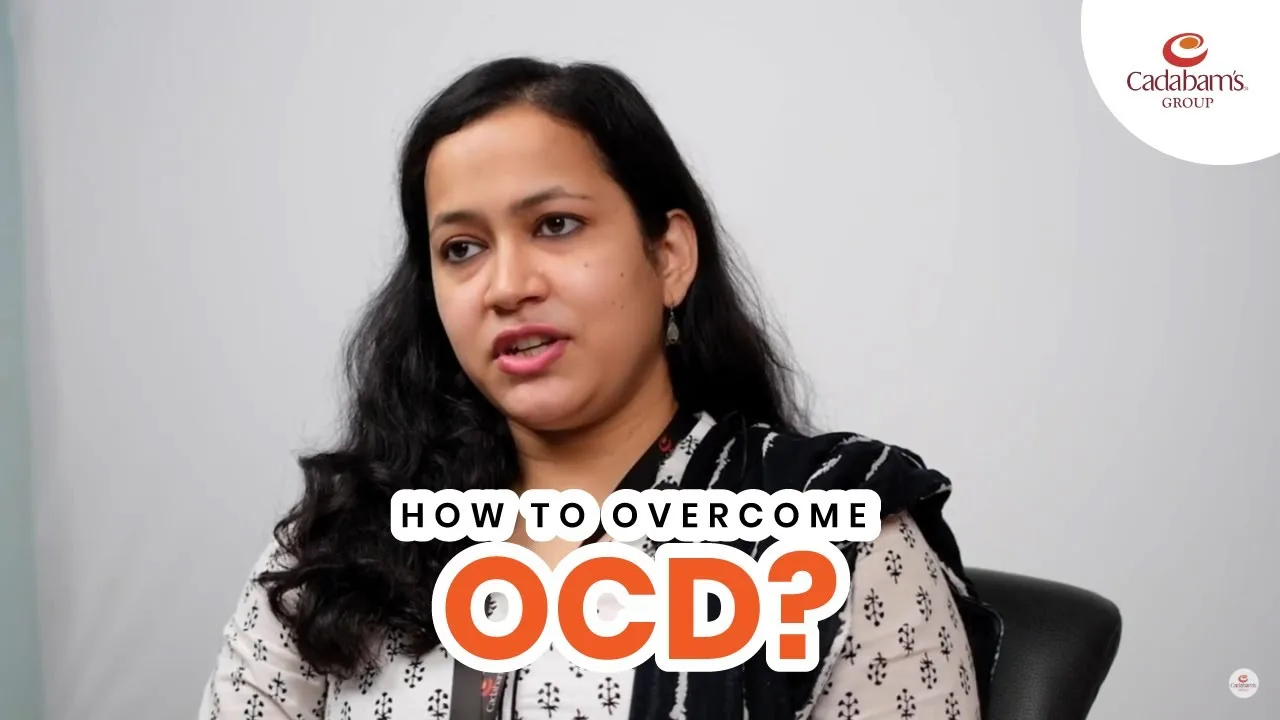
Voices of recovery
I somehow convinced my best friend, who was suffering form OCD to consider rehabilitation to help him. Cadabam’s Rehabilitation Center vindicated my advice. Today, he is able to lead his life with minimal distress and he is enjoying his daily activities.
— Damodar Modi
My sister was fighting OCD from quite some years. Sometimes with treatment it would get better, but eventually she would start having problems again. Rehabilitation at Cadabam’s, helped her a lot. She is doing much better now and her recovery seems to be sustaining.
— Virat Kumar
We did not know Obsessive Compulsive Disorder could become so severe. Thats why we started looking for treatment so late. but luckily for us, we got the best possible treatment experience on our first try. Thank you for helping our son recover from OCD.
— Veena R
Further reading

Care pathways
Psychiatrist care for Obsessive Compulsive Disorder with personalised assessment, treatment planning, and ongoing support from experienced specialists.
Learn morePsychologist care for Obsessive Compulsive Disorder with personalised assessment, treatment planning, and ongoing support from experienced specialists.
Learn moreLooking for the best Psychologist for Obsessive Compulsive Disorder in Hyderabad? Get expert consultation, symptom management, and confidential clinical care.
Learn moreTherapist care for Obsessive Compulsive Disorder with personalised assessment, treatment planning, and ongoing support from experienced specialists.
Learn moreCounselor care for Obsessive Compulsive Disorder with personalised assessment, treatment planning, and ongoing support from experienced specialists.
Learn moreLooking for the best counselor for Obsessive Compulsive Disorder in Bangalore? Get expert consultation, symptom management, and confidential clinical care.
Learn moreOur rehabilitation for Obsessive Compulsive Disorder offers stability and sustained recovery. Experience evidence-based psychosocial rehabilitation
Learn moreSpecialised treatment center for Obsessive Compulsive Disorder offering psychiatric consultation, diagnosis, medication management, and therapy for long-term
Learn moreObsessive Compulsive Disorder (OCD) is a serious mental health condition that can significantly affect a person's thoughts, emotions, and behaviour.
Learn moreGet the best OCD treatment in Bangalore at our treatment centre that is both effective & advanced. Get the best treatment at our rehabilitation center.
Learn moreGet the best OCD treatment in Hyderabad at our treatment centre that is both effective & advanced. Get the best treatment at our rehabilitation center.
Learn moreComprehensive rehabilitation programs for Obsessive Compulsive Disorder with personalised treatment plans, therapy, and long-term aftercare support.
Learn moreHelpline at your fingertips
+91 9611194949