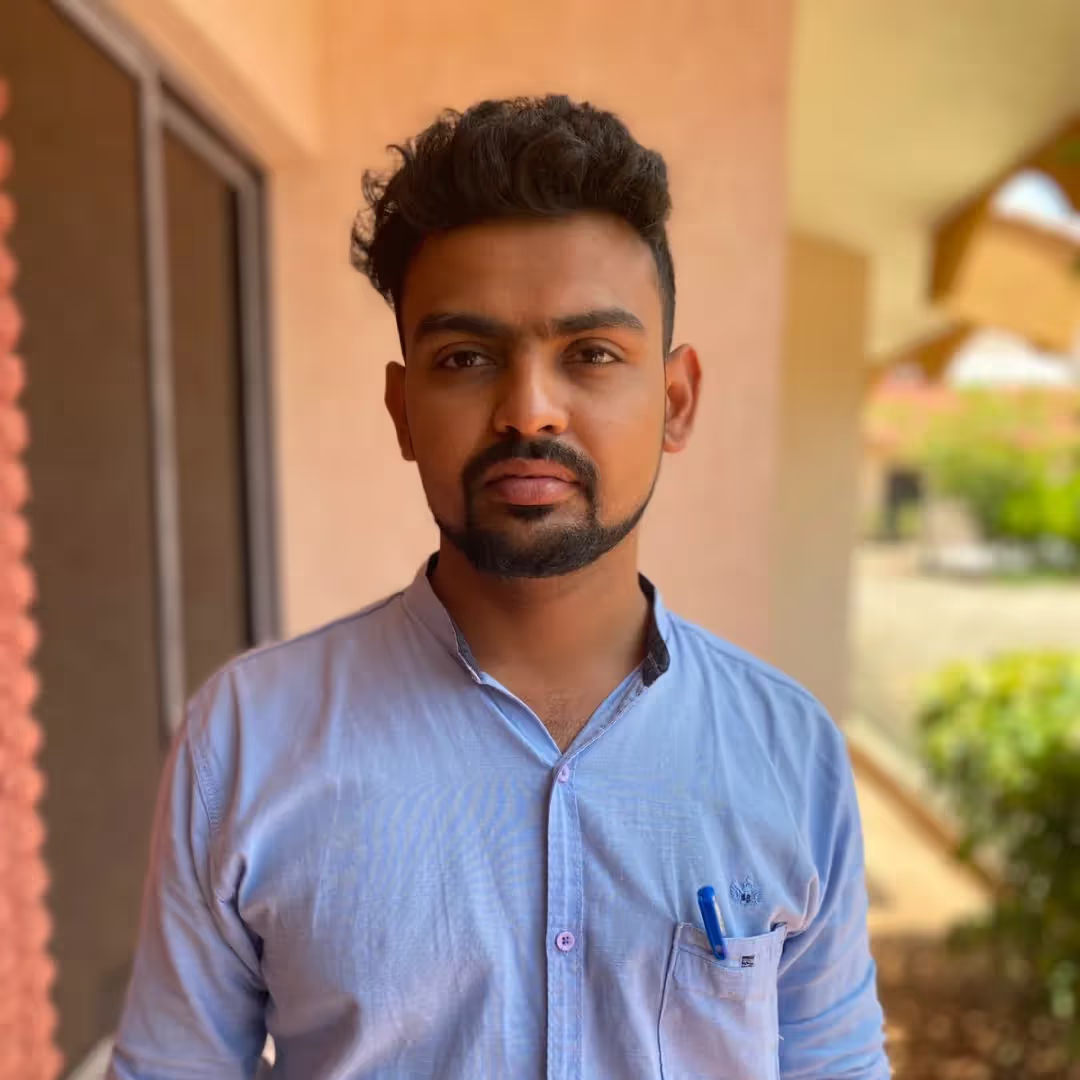
Counsellor
Manju TH
Case Manager
7 years of experience
Treats: Dementia, Depression, Schizophrenia, Autism Spectrum Disorder, Drug Addiction, OCD, Personality Disorder, SLD, Bipolar Disorder
View profileObsessive Compulsive Disorder (OCD) is a serious mental health condition characterized by a cycle of unwanted, intrusive thoughts (obsessions) and repetitive, ritualistic behaviors (compulsions). These symptoms can significantly affect a person's thoughts, emotions, and ability to function in daily life. If you or a loved one is struggling, finding a specialized Obsessive Compulsive Disorder treatment center is a critical first step towards managing the condition. This page is designed for individuals and families seeking expert medical treatment and psychiatric care. At Cadabam’s, we are a trusted mental healthcare provider dedicated to delivering evidence-based care for long-term stability.
Good to know
Yes, absolutely. While Obsessive Compulsive Disorder (OCD) is a chronic, long-term condition, it is highly treatable. With timely and appropriate psychiatric intervention, symptoms can be effectively managed, allowing individuals to regain control over their lives.
Effective management focuses on a comprehensive approach that includes a precise diagnosis, targeted therapy to control symptoms, and expert medication management. The goal of treatment at a professional Obsessive Compulsive Disorder treatment hospital is not just to reduce symptoms but to improve overall quality of life and prevent relapse.

Meet the clinicians
Counsellor
Case Manager
7 years of experience
Treats: Dementia, Depression, Schizophrenia, Autism Spectrum Disorder, Drug Addiction, OCD, Personality Disorder, SLD, Bipolar Disorder
View profile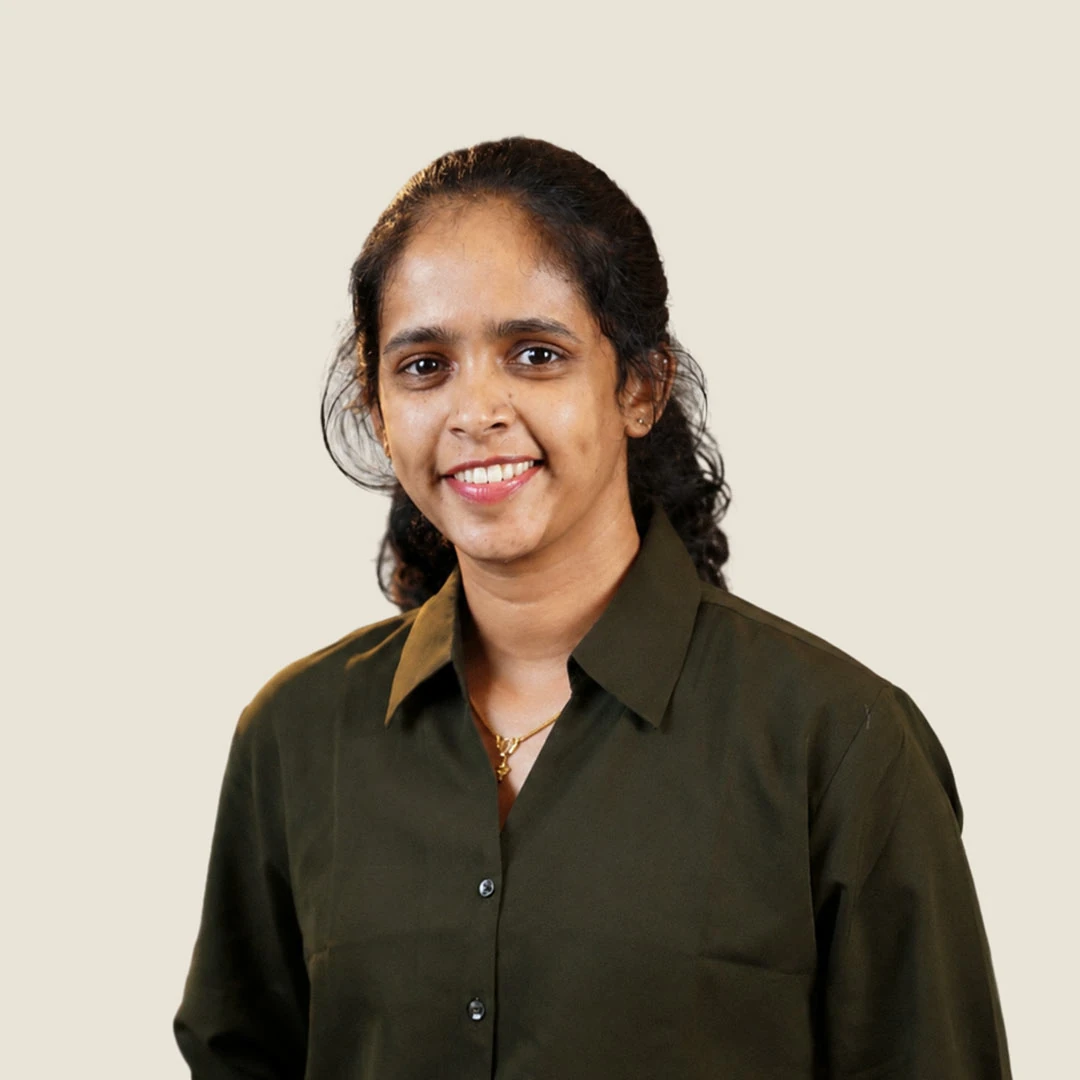
Psychologist
Psychologist
2 years of experience
Treats: Personality Disorder, Bipolar, ADHD, Autism, Learning Disability, Adult Cases, Child Cases (Less than 7 years), Child Cases (7-12 years), Anxiety, Depression, Stress, RTMS, Alcohol Addiction, OCD
View profile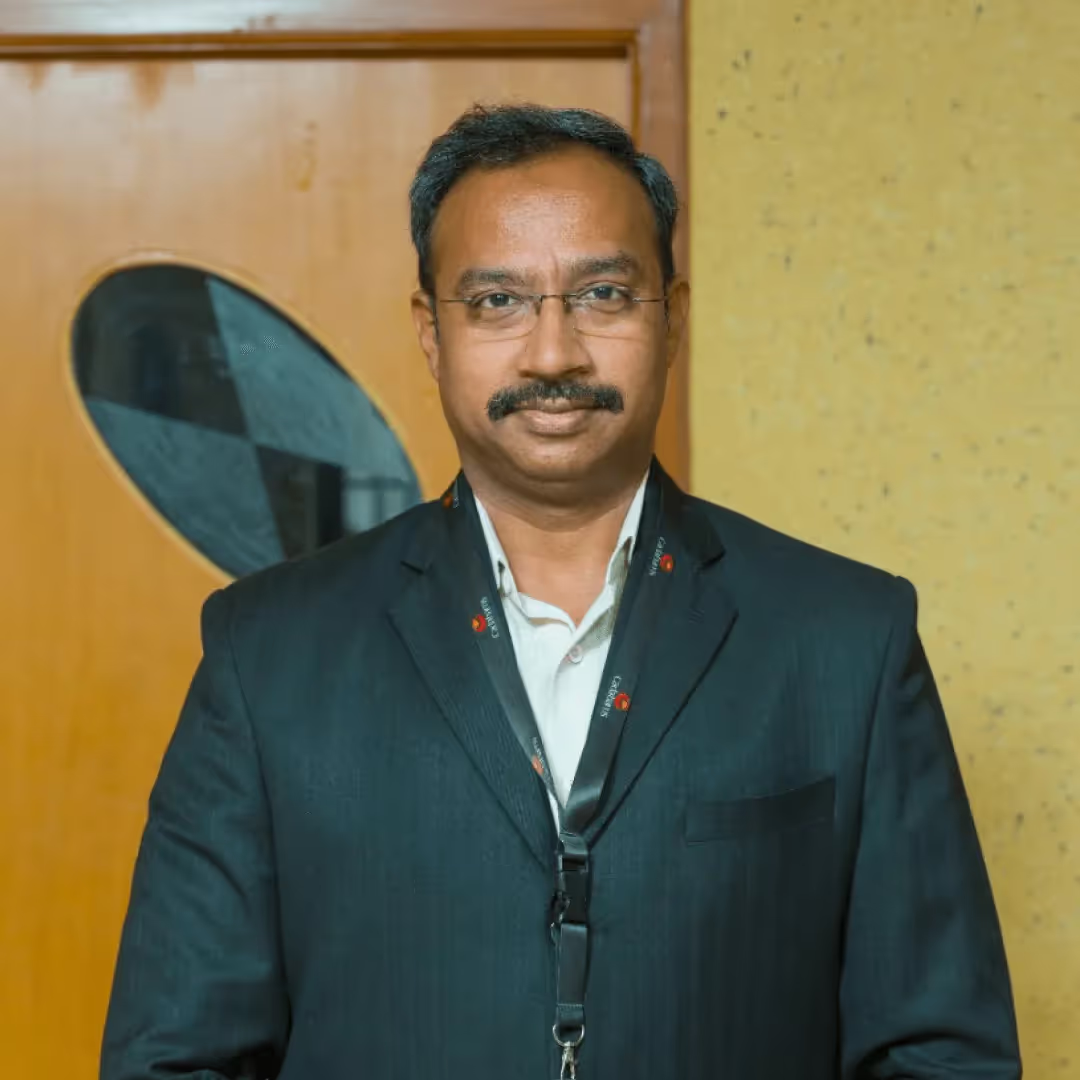
Director Administration
15 years of experience
View profile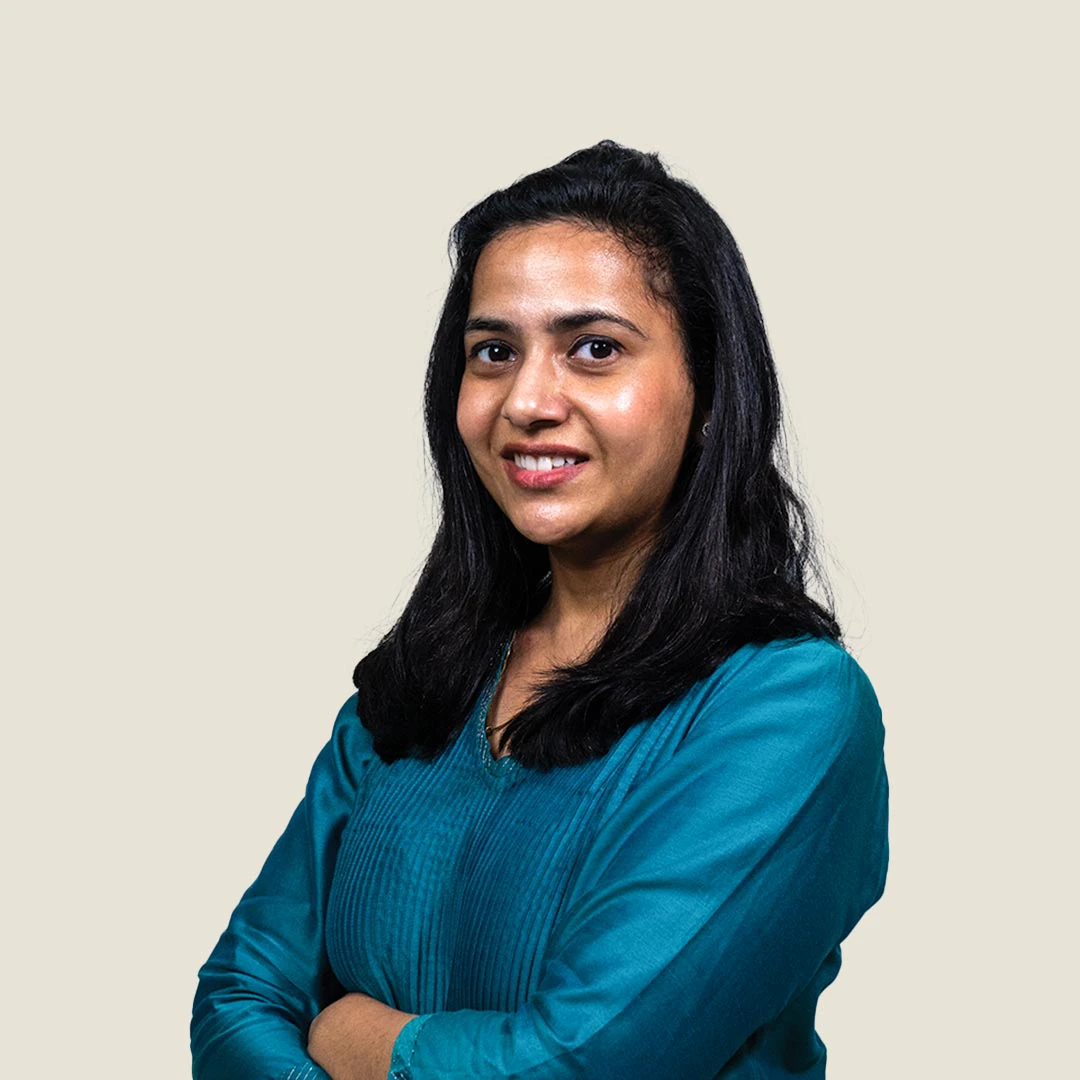
Psychologist
Clinical Psychologist
3 years of experience
Treats: Addiction, Anxiety, Dementia, OCD, Psychosis, Conduct-Disorder, Eating-Disorder, Learning-Disability,Personality-Disorder, Autism
View profile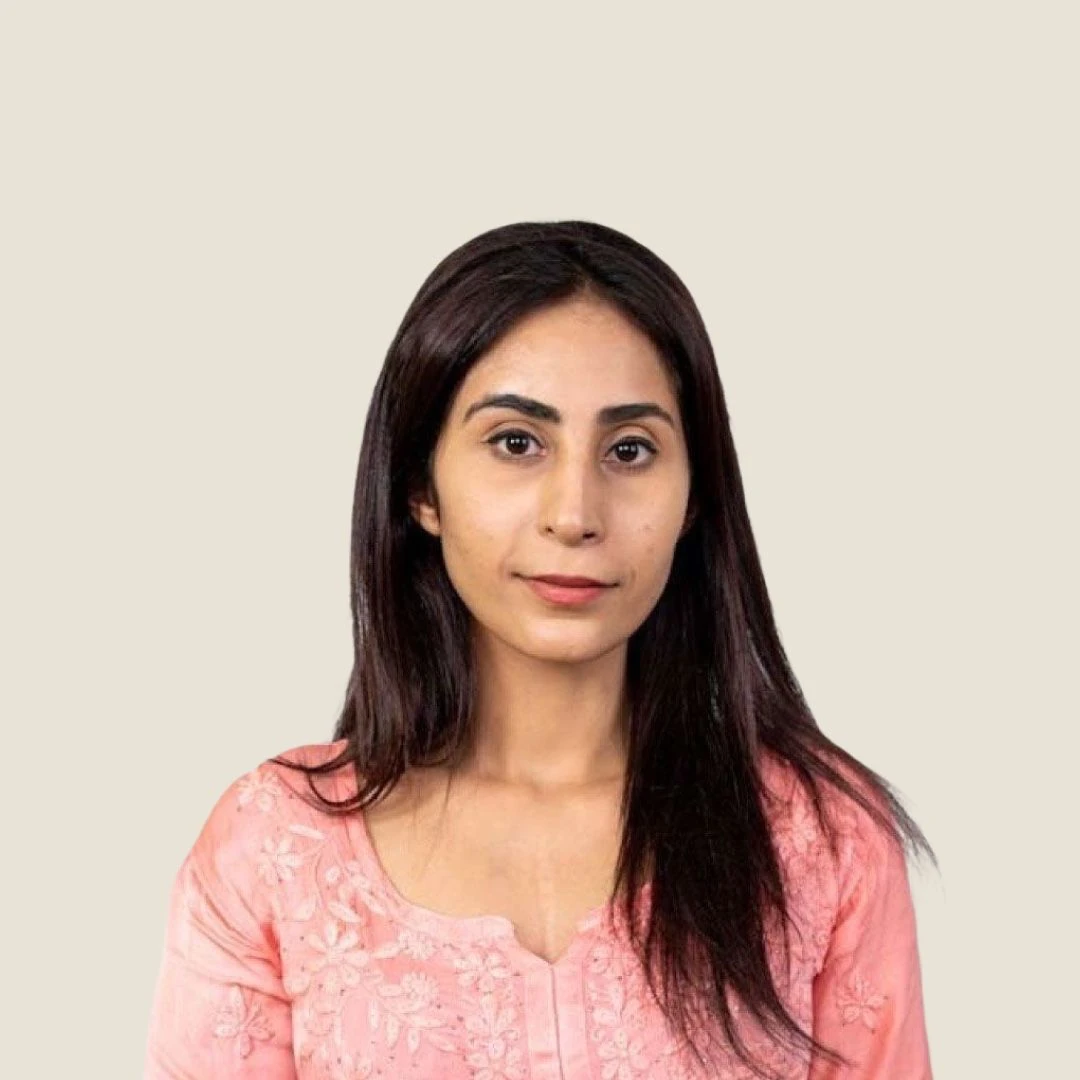
Psychologist
Clinical Psychologist
5 years of experience
Treats: Schizophrenia, OCD, Dementia, Anxiety, Depression, Alcohol-Addiction, Bipolar-Disorder, Learning-Disability, Personality-Disorder, Autism, Drug-Addiction
View profileGood to know
Choosing the right treatment facility is crucial for a successful recovery journey. Cadabam’s stands out as a specialized Obsessive Compulsive Disorder treatment clinic for several key reasons:

33+ years of focused mental healthcare, shaped by 1000+ real patient journeys.

State of the art mental health centres built for treatment and recovery.

A coordinated team of psychiatrists, psychologists, counsellors, and rehabilitation specialists supporting your care.

Support from early signs through treatment and recovery.

Treatment guided by clear plans that continue beyond diagnosis.

Planned follow ups and continued guidance to help maintain progress over time.
Good to know
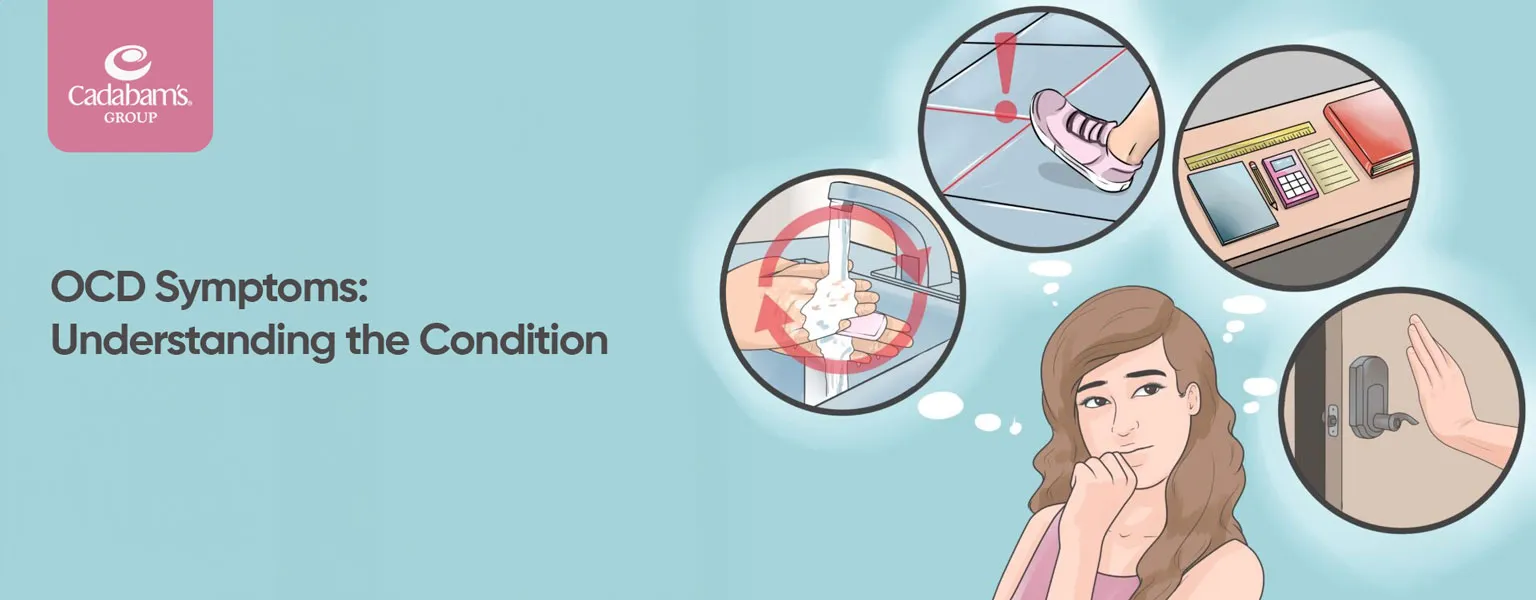
The diagnosis and treatment of Obsessive Compulsive Disorder begins with recognizing its signs. OCD presents a distinct pattern of symptoms that can be distressing and disruptive. Families should watch for these warning signs:
Emotional Symptoms:
Behavioural Symptoms (Compulsions):
Cognitive Symptoms (Obsessions):
Functional Symptoms:
Good to know
It is time to seek professional help at a treatment centre for Obsessive Compulsive Disorder when symptoms begin to control your life. Key indicators that necessitate immediate medical attention include:
If you are looking for a Obsessive Compulsive Disorder treatment centre near me, don’t wait. Early intervention can significantly improve treatment outcomes.
Good to know
An accurate diagnosis is the foundation of effective OCD treatment. At Cadabam’s, our diagnostic process is thorough and clinical:
1. Comprehensive Psychiatric Evaluation: A senior psychiatrist conducts an in-depth assessment to understand your symptoms, medical history, and personal background.
2. Clinical Interviews: We engage in detailed discussions with both the individual and their family (with consent) to gather a complete picture of how the symptoms manifest.
3. Diagnostic Criteria: We use internationally recognized diagnostic manuals, such as the DSM-5, to confirm if the symptoms meet the clinical criteria for OCD.
4. Symptom Severity Assessment: Standardized scales are used to measure the severity of obsessions and compulsions and their impact on daily life.
5. Identifying Co-occurring Conditions: We carefully screen for other conditions like depression, anxiety disorders, or tic disorders, which often accompany OCD and require integrated treatment.
Our centres
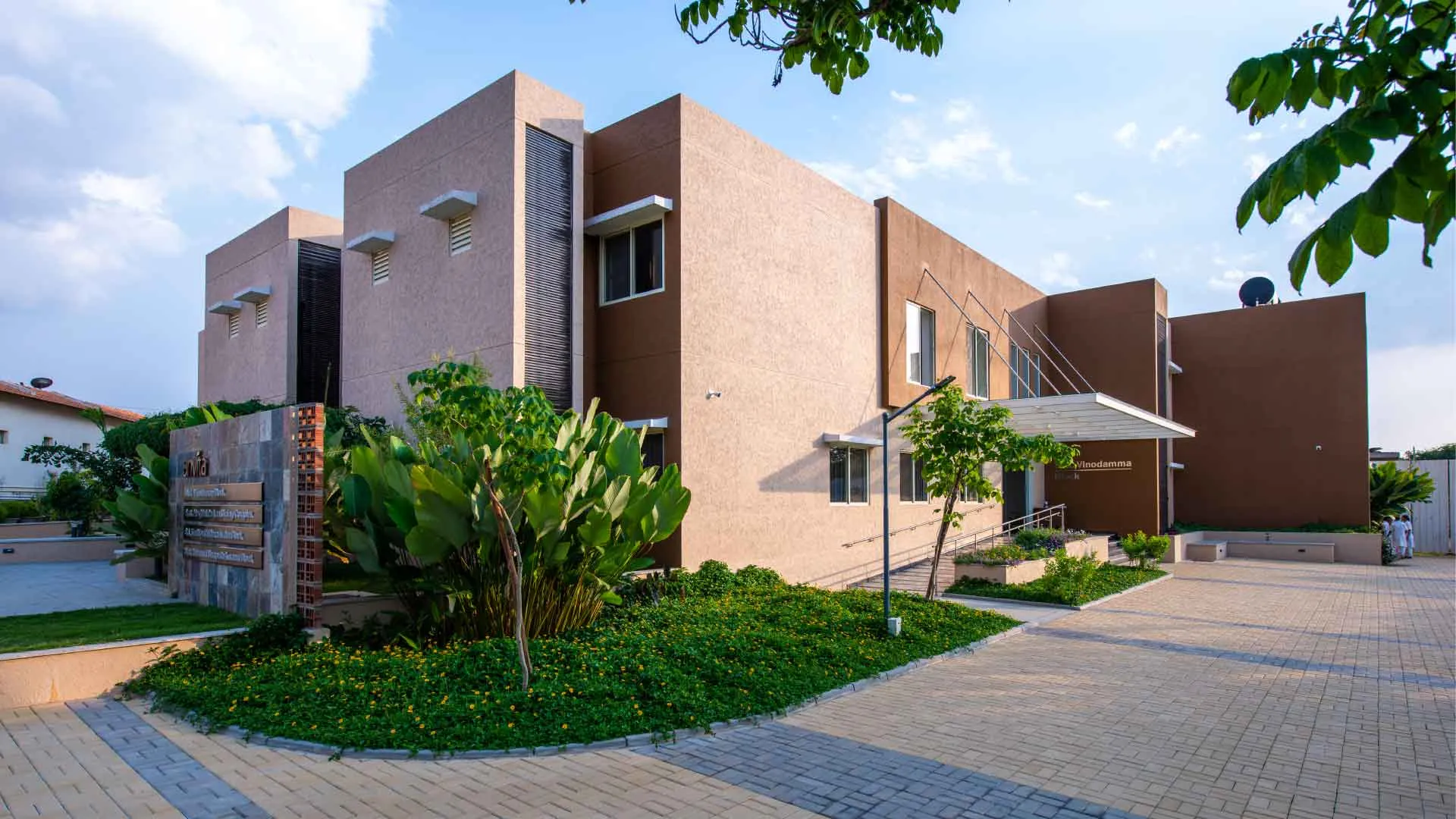
Long-Term Rehabilitation Center in Bangalore, India
Read more
Advanced Psychiatric Rehab Centre in Bangalore
Read more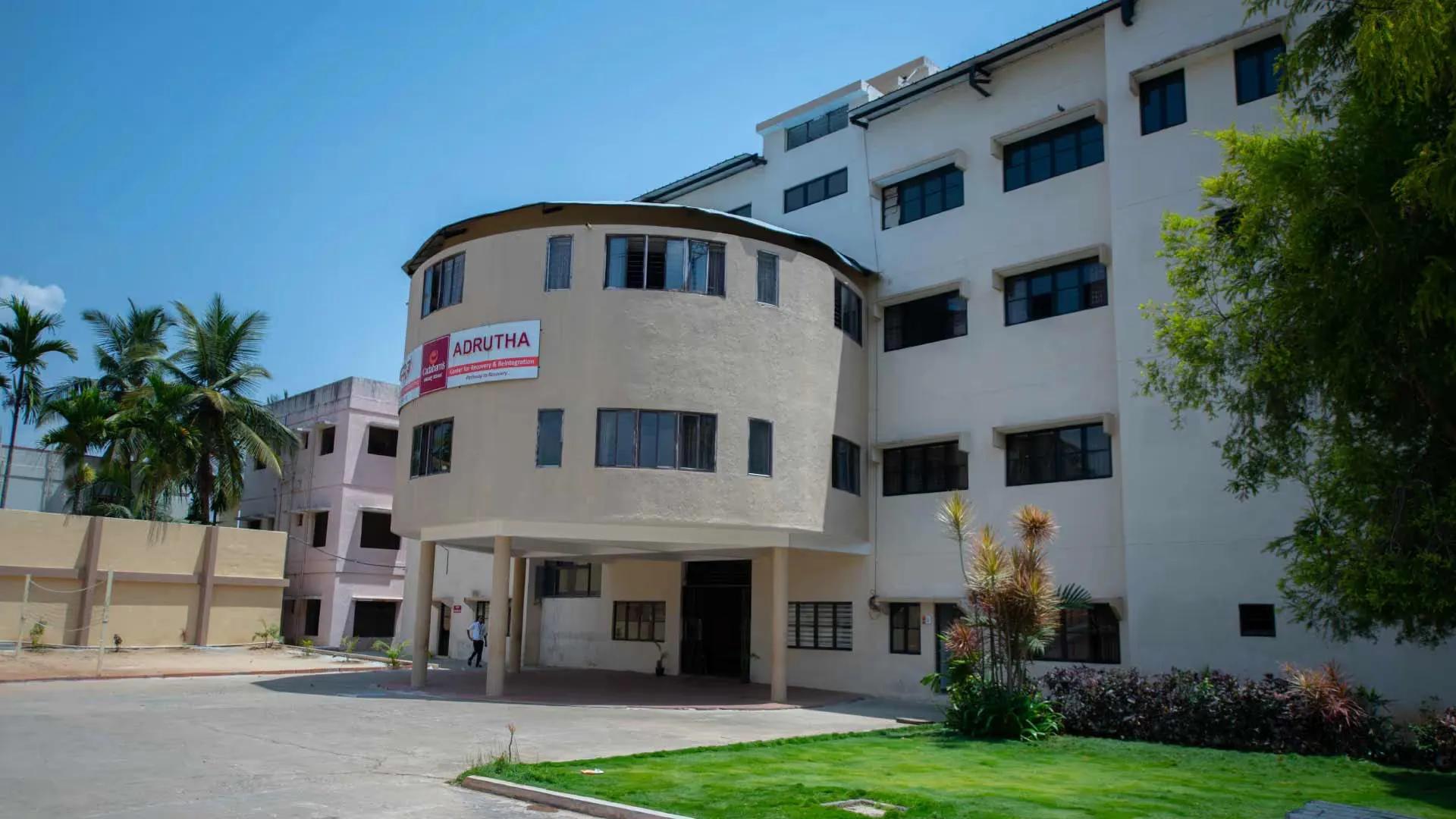
Our Affordable Rehab Centre in Bangalore
Read more
Our Specialised De-Addiction Centre in Bangalore
Read more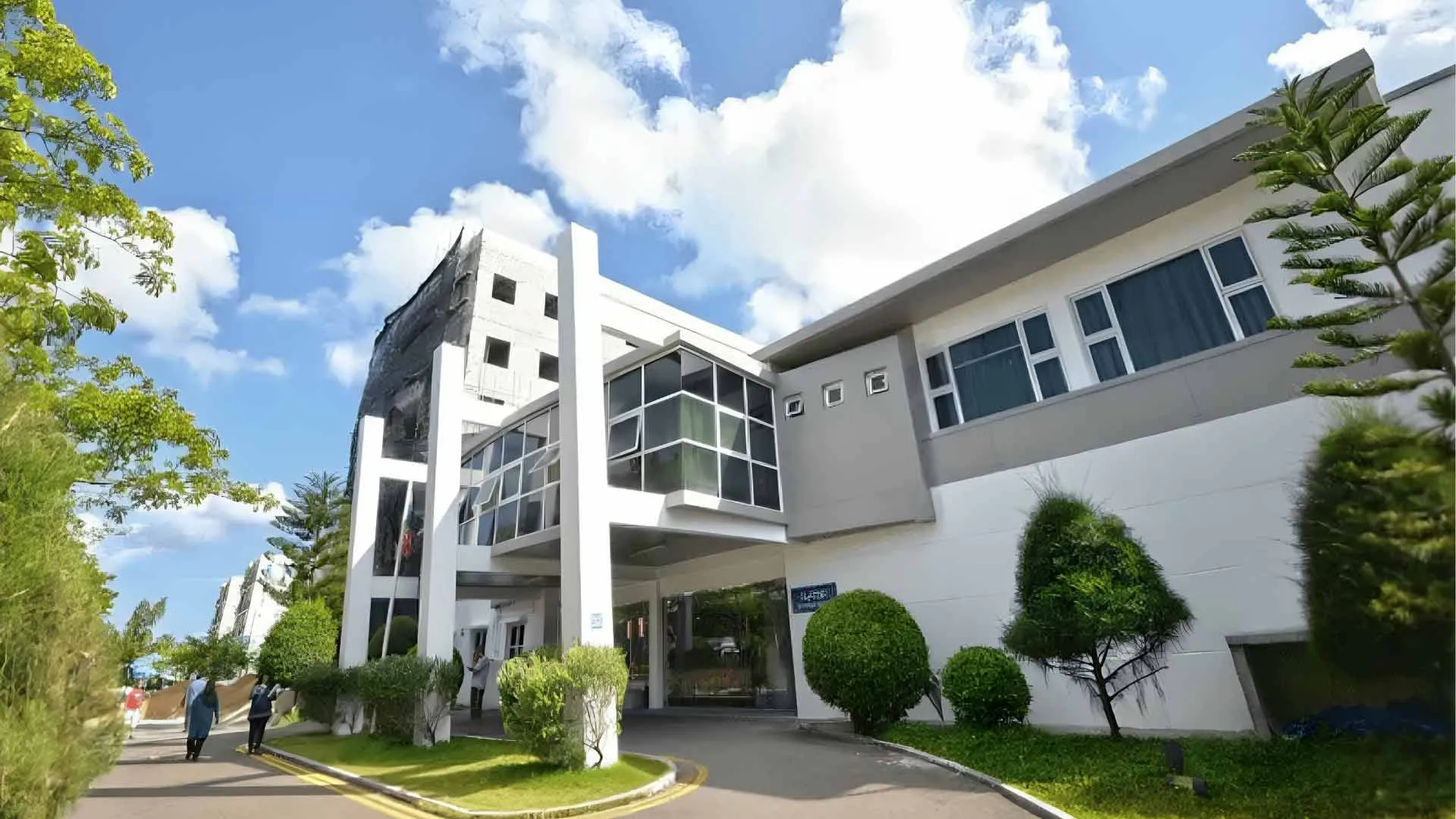
Premier Mental Health & Rehabilitation Centre in Maldives
Read moreGood to know
At our treatment centre for Obsessive Compulsive Disorder near me, we offer a range of medical and psychological treatments tailored to each individual's clinical needs. Our focus is strictly on clinical care designed for symptom management and long-term stability.
Psychiatrists are at the core of our OCD treatment. Your journey begins with a detailed psychiatric consultation to establish a diagnosis and create a personalized treatment plan. Throughout your treatment, the psychiatrist continuously monitors your progress, makes necessary adjustments to the care plan, manages medication decisions, and ensures you are on the right path to recovery.
Medication management for Obsessive Compulsive Disorder is a key component of treatment for many individuals. Medications, primarily a class of antidepressants called Selective Serotonin Reuptake Inhibitors (SSRIs), are often prescribed to help reduce the intensity of obsessions and the urge to perform compulsions.
A psychiatrist determines if medication is necessary, selects the appropriate type and dosage, and provides regular monitoring to manage its effectiveness and address any side effects. This expert supervision is essential for safety and optimal results.
Psychotherapy is a cornerstone of OCD treatment. At Cadabam’s, we use evidence-based therapies that are proven to be effective for managing symptoms:
Good to know
We provide a continuum of care to meet patients where they are in their recovery journey. Our key clinical services include:
Inside our centres
Good to know
Partnering with Cadabam’s offers numerous benefits for individuals and families:
Good to know
Our centers are designed to be safe, therapeutic, and conducive to healing. We offer modern medical infrastructure, including:
Good to know
The duration and cost of OCD treatment are not one-size-fits-all. They vary based on several factors:
A transparent and detailed plan regarding duration and cost is developed and discussed with you after an initial psychiatric consultation.
Good to know
Your privacy and dignity are our top priorities. Cadabam’s strictly adheres to all medical ethics and data protection laws. All consultations, records, and treatment details are kept completely confidential. We are committed to fostering a respectful, non-judgmental environment where patients and their families feel safe and supported throughout their treatment journey.
FAQs
Voices of recovery
I somehow convinced my best friend, who was suffering form OCD to consider rehabilitation to help him. Cadabam’s Rehabilitation Center vindicated my advice. Today, he is able to lead his life with minimal distress and he is enjoying his daily activities.
— Damodar Modi
My sister was fighting OCD from quite some years. Sometimes with treatment it would get better, but eventually she would start having problems again. Rehabilitation at Cadabam’s, helped her a lot. She is doing much better now and her recovery seems to be sustaining.
— Virat Kumar
We did not know Obsessive Compulsive Disorder could become so severe. Thats why we started looking for treatment so late. but luckily for us, we got the best possible treatment experience on our first try. Thank you for helping our son recover from OCD.
— Veena R
Watch & learn
Further reading
Helpline at your fingertips
+91 96111 94949