Psychologist
Udisha Sarma
Clinical Psychologist
8 years of experience
Treats: Depression, Bipolar Disorder, Alcohol Dependence, Drug Addiction, Personality Disorder
View profileObsessive Compulsive Disorder (OCD) is a mental health condition characterized by intrusive, unwanted thoughts (obsessions) and repetitive behaviors or mental acts (compulsions). These symptoms can significantly affect your thoughts, behavior, and daily functioning. If you or a loved one is seeking professional support, this page provides information on finding the right counselor for consultation and clinical care for Obsessive Compulsive Disorder. At Cadabam’s, we offer specialized care from trusted mental healthcare providers to help you manage OCD and improve your quality of life.
Good to know
Yes, Obsessive Compulsive Disorder can be effectively diagnosed and managed with expert care from a qualified counselor. A counselor plays a crucial role in the treatment journey by providing a comprehensive assessment, accurate diagnosis, and a personalized treatment plan.
They offer ongoing support through evidence-based therapies designed to reduce symptoms and help you regain control. While OCD is a chronic condition, the right therapeutic support from specialized counselors can lead to significant and lasting improvement.
Meet the clinicians
Psychologist
Clinical Psychologist
8 years of experience
Treats: Depression, Bipolar Disorder, Alcohol Dependence, Drug Addiction, Personality Disorder
View profile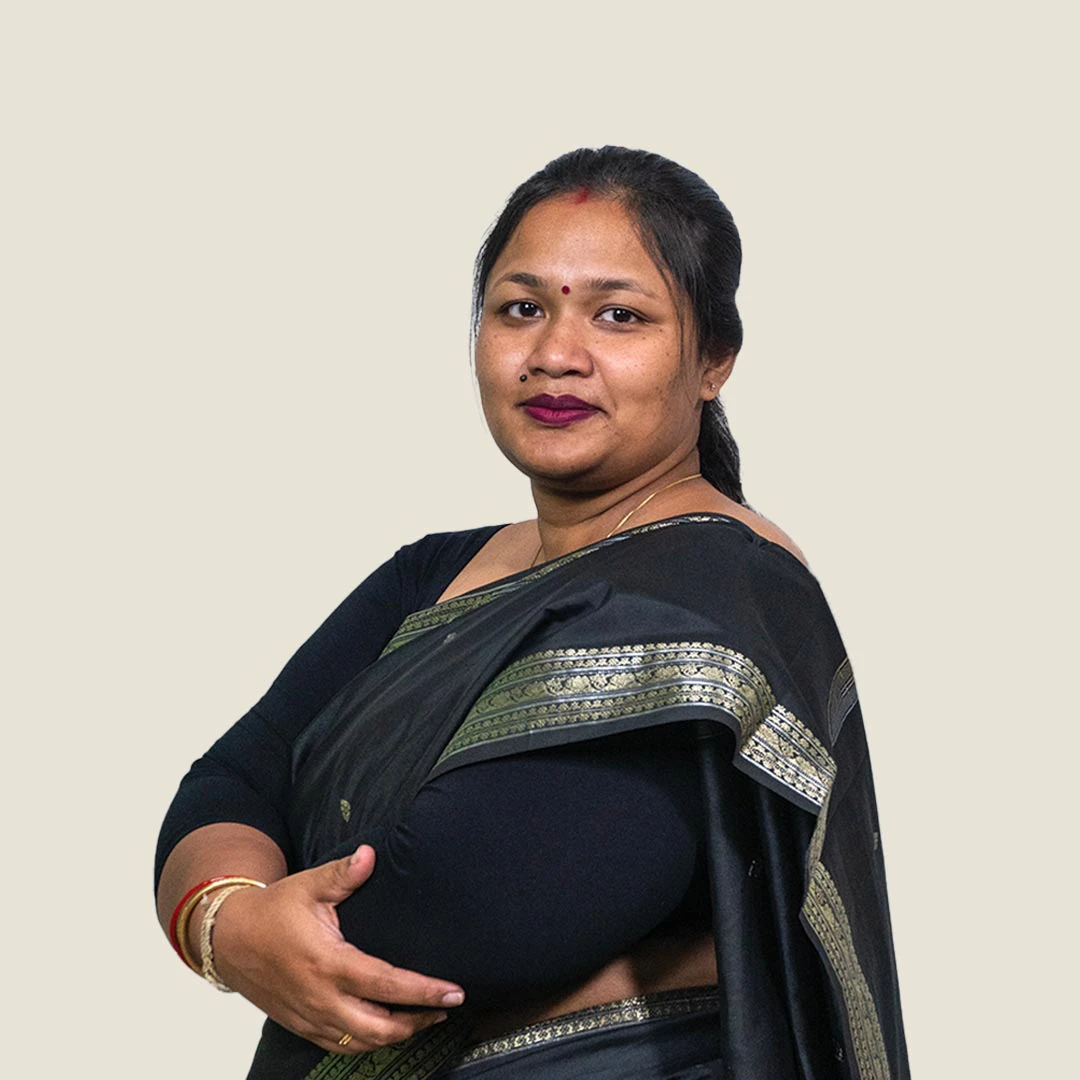
Psychologist
Clinical Psychologist
11 years of experience
Treats: OCD, Depression, Autism Spectrum Disorder, Dementia, SLD
View profile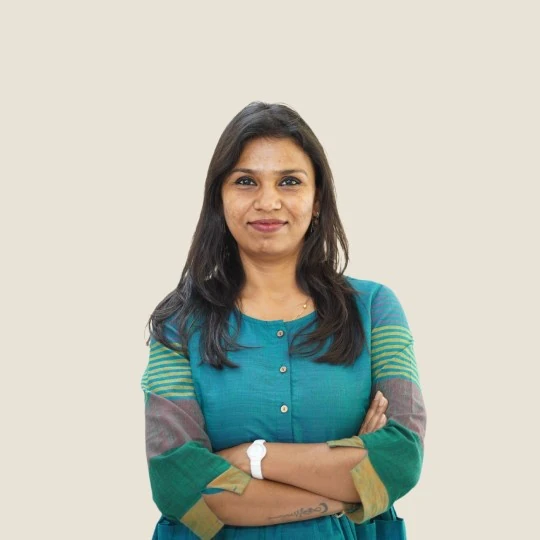
Psychologist
Consultant Clinical Psychologist
4 years of experience
Treats: Schizophrenia, Depression, OCD, Bipolar Disorder
View profile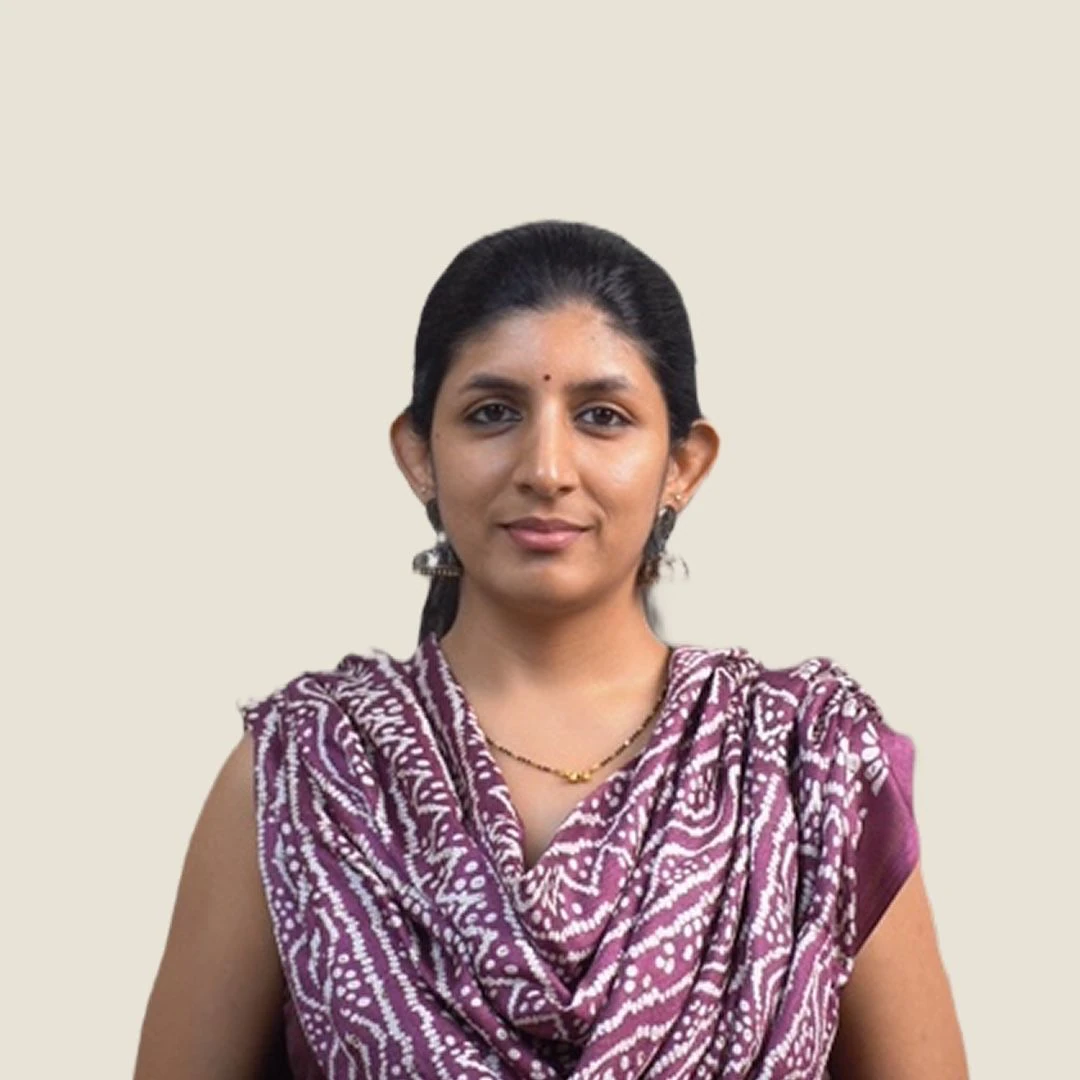
Psychologist
Consultant Clinical Psychologist
2 years of experience
Treats: Schizophrenia, Personality Disorder, Bipolar Disorder, OCD, Dementia, Autism Spectrum Disorder, Alcohol Dependence, Drug Addiction, SLD, Depression
View profileGood to know
Cadabam’s is renowned for its comprehensive approach to OCD treatment, making it one of the best centers in India for managing the condition. Our wide range of assessments and evidence-based, solution-oriented treatments ensure that each individual receives personalized care.
With over 33 years of experience in mental health, our multispecialty team of psychiatrists, psychologists, counsellors, and physicians work collaboratively to create holistic treatment plans tailored to each person's needs. At Cadabam’s, we are committed to supporting you every step of the way on your journey to recovery.

33+ years of focused mental healthcare, shaped by 1000+ real patient journeys.

State of the art mental health centres built for treatment and recovery.

A coordinated team of psychiatrists, psychologists, counsellors, and rehabilitation specialists supporting your care.

Support from early signs through treatment and recovery.

Treatment guided by clear plans that continue beyond diagnosis.

Planned follow ups and continued guidance to help maintain progress over time.
Good to know
An experienced counselor for Obsessive Compulsive Disorder is central to your recovery. Their role involves a multi-faceted approach tailored to your specific needs. They begin by conducting a thorough assessment of your symptoms and how they impact your life.
Based on this, they create a structured treatment plan, which often includes specialized therapies like Exposure and Response Prevention (ERP). Throughout the process, the counselor delivers these interventions, monitors your progress, and provides the emotional and psychological support needed to navigate the challenges of recovery.
Good to know
A thorough assessment is the foundation of effective OCD treatment. When you first see a counselor, they will use several methods to understand your condition. This typically starts with a detailed clinical interview to discuss your specific thoughts, behaviors, and history.
They may use standardized screening tools like the Yale-Brown Obsessive Compulsive Scale (Y-BOCS) to measure symptom severity. The assessment also evaluates the functional impact of OCD on your life and helps identify any co-occurring conditions, such as anxiety or depression, which is crucial for a holistic treatment plan.
Our centres

Long-Term Rehabilitation Center in Bangalore, India
Read more
Advanced Psychiatric Rehab Centre in Bangalore
Read more
Our Affordable Rehab Centre in Bangalore
Read more
Our Specialised De-Addiction Centre in Bangalore
Read more
Premier Mental Health & Rehabilitation Centre in Maldives
Read moreGood to know
Counselors who are specialised in Obsessive Compulsive Disorder offer several evidence-based treatment and support options. The primary approach is psychotherapy, often supplemented by other strategies to ensure comprehensive care and manage all aspects of the condition.
While counselors (psychologists and therapists) provide psychotherapy, they often work collaboratively with psychiatrists if medication is deemed necessary. Medications like Selective Serotonin Reuptake Inhibitors (SSRIs) can be highly effective in controlling the symptoms of OCD.
If medication is part of your treatment plan, a psychiatrist will oversee your prescription, monitor for side effects, and make adjustments as needed. Regular medical supervision and follow-ups are essential for safety and effectiveness.
Counselors are skilled at helping individuals manage acute symptoms and the intense anxiety that often accompanies OCD. They teach coping strategies and relaxation techniques to handle distress. Part of symptom and risk management is also creating a safety plan if obsessions involve themes of harm. If symptoms become too severe or pose a significant risk, the counselor will recommend and facilitate a referral for a higher level of care, such as an inpatient program.
It's common for individuals with OCD to also experience other mental health conditions like depression, social anxiety, or panic disorder. Counselors treating Obsessive Compulsive Disorder are trained to identify and address these co-occurring conditions. Treating these issues alongside OCD is vital for improving overall well-being and achieving better, more sustainable treatment outcomes.
Good to know
Your first consultation with counselors for Obsessive Compulsive Disorder can feel daunting, but knowing what to expect can help ease anxiety. The session is a safe, confidential space for you to:
1. Discuss Your Concerns: You'll have the opportunity to talk openly about the symptoms you're experiencing.
2. Undergo an Initial Assessment: The counselor will ask questions to understand your history, symptoms, and goals.
3. Collaborate on a Treatment Plan: Based on the assessment, the counselor will discuss recommended therapeutic approaches and create a preliminary plan with you.
4. Understand Confidentiality: The counselor will explain the principles of patient confidentiality and ethical care.
5. Determine Next Steps: You will leave the session with a clear understanding of the path forward, including the frequency of future appointments.
Inside our centres
Good to know
The frequency of your visits to a counselor depends entirely on your individual needs. Initially, sessions are often scheduled weekly to build momentum and establish therapeutic strategies. As you make progress and your symptoms become more manageable, the frequency may be reduced to bi-weekly or monthly. The ultimate goal is to provide the right level of support at each phase of your recovery, adjusting as you achieve greater stability.
Good to know
The cost of consulting a counselor for OCD varies based on several factors, including the type of consultation (initial vs. follow-up), the duration of sessions, and the complexity of the care required. At Cadabam’s, we are committed to transparency. We encourage you to discuss the costs with our care team, who can provide detailed information based on your proposed treatment plan.
For more details on consultation costs, please call us at +91 9611194949 .
Good to know
At Cadabam’s, your privacy and well-being are our highest priorities. All our counselors adhere to strict ethical guidelines and legal standards of confidentiality. We provide a safe, non-judgmental, and respectful environment where you can feel secure sharing your experiences. Our commitment to ethical practices ensures that you receive the highest quality of compassionate and professional care.
FAQs
Voices of recovery
I somehow convinced my best friend, who was suffering form OCD to consider rehabilitation to help him. Cadabam’s Rehabilitation Center vindicated my advice. Today, he is able to lead his life with minimal distress and he is enjoying his daily activities.
— Damodar Modi
My sister was fighting OCD from quite some years. Sometimes with treatment it would get better, but eventually she would start having problems again. Rehabilitation at Cadabam’s, helped her a lot. She is doing much better now and her recovery seems to be sustaining.
— Virat Kumar
We did not know Obsessive Compulsive Disorder could become so severe. Thats why we started looking for treatment so late. but luckily for us, we got the best possible treatment experience on our first try. Thank you for helping our son recover from OCD.
— Veena R
Watch & learn
Further reading
Helpline at your fingertips
+91 96111 94949