Psychiatrist
Dr. Arun Kumar
Consultant Psychiatrist
15 years of experience
Treats: Schizophrenia, Alcohol Dependence, Bipolar Disorder, Depression, Drug Addiction, OCD, Personality Disorder, Autism Spectrum Disorder, Dementia, SLD
View profileAlcohol Addiction or Alcoholism has been portrayed in popular culture as something that is part of a happy life and sometimes develops into a bad habit. What many people fail to understand is that it can also develop into a serious mental health issue. A person is said to be facing alcohol addiction when they go binge drinking.
They also have a problem when they consume heavy quantities of alcohol regularly, or have trouble staying sober for a long time. A person needs to get help from a rehabilitation center for alcohol if they are suffering social, relationship, or workplace problems due to their consumption of alcohol.Medication can also support treatment when prescribed by a psychiatrist.
What to look for
Meet the clinicians
Psychiatrist
Consultant Psychiatrist
15 years of experience
Treats: Schizophrenia, Alcohol Dependence, Bipolar Disorder, Depression, Drug Addiction, OCD, Personality Disorder, Autism Spectrum Disorder, Dementia, SLD
View profile
Psychiatrist
Consultant Psychiatrist
21 years of experience
Treats: SLD, Autism Spectrum Disorder, Dementia, Schizophrenia, Bipolar Disorder, OCD, Drug Addiction
View profile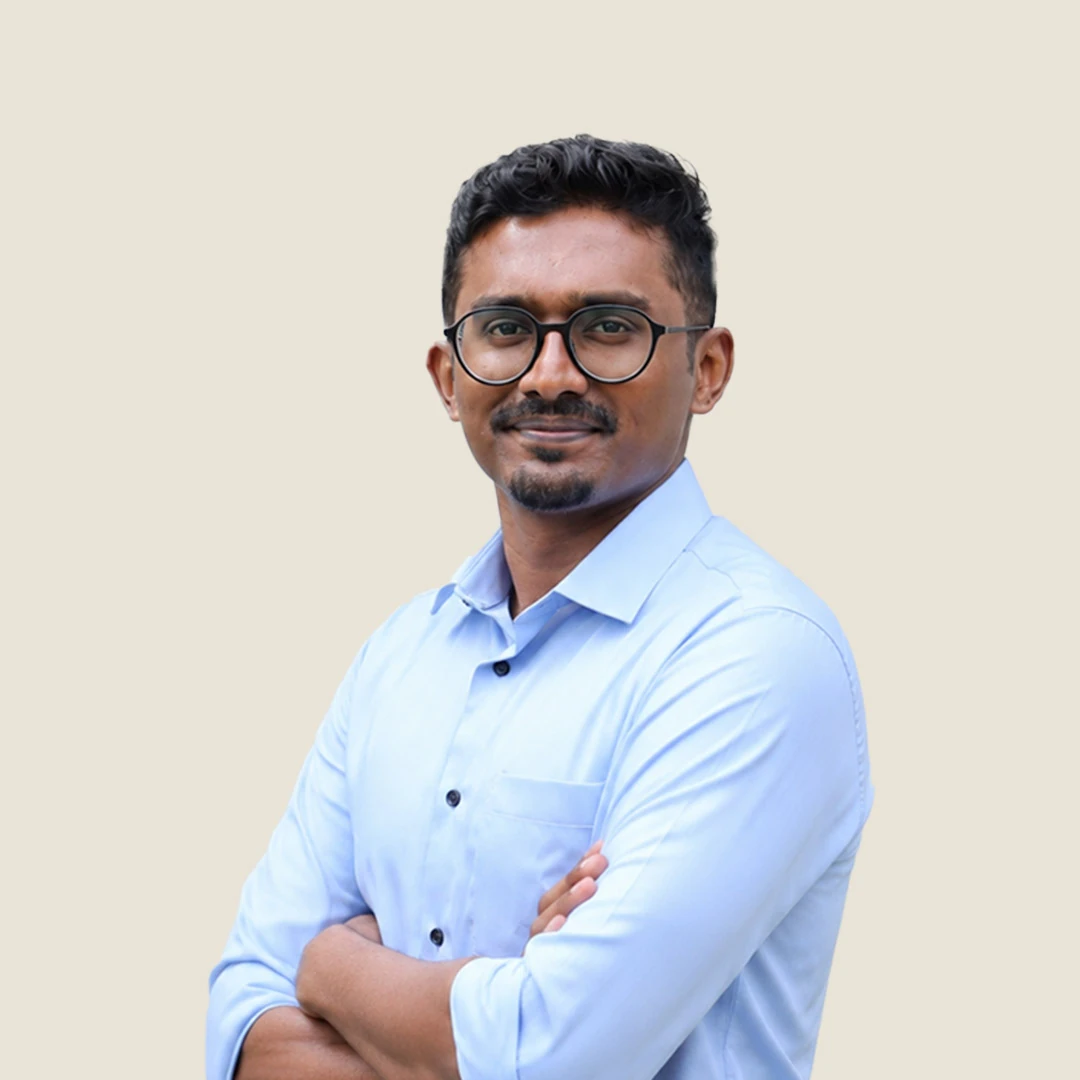
Psychiatrist
Consultant Psychiatrist
6 years of experience
Treats: Schizophrenia, Personality Disorder, OCD, Dementia, Autism, Drug Addiction
View profile
Psychologist
Consultant Clinical Psychologist
9 years of experience
Treats: Bipolar Disorder, Dementia, Depression, OCD, Personality Disorder, Schizophrenia, SLD, Autism Spectrum Disorder
View profile
Psychiatrist
Consultant Psychiatrist
7 years of experience
Treats: Depression, Schizophernia, Alcohol Dependence, Bipolar Disorder Drug Addiction, OCD, Personality Disorder
View profileWhy it happens
Genetic predisposition, stress, mental health issues, social environment, and patterns of heavy or binge drinking contribute to the development of alcohol dependence.
A family history of alcoholism significantly increases the risk of developing alcohol dependence due to genetic and environmental factors. Growing up in a household with alcohol abuse can influence drinking behaviors and attitudes toward alcohol, perpetuating a cycle of dependency across generations.
Individuals struggling with mental health issues such as depression, anxiety, stress, or trauma are more likely to turn to alcohol as a coping mechanism. Over time, this can lead to dependence as the individual relies more heavily on alcohol to manage their psychological distress.
An individual's environment and culture can significantly influence their drinking habits. Peer pressure, social norms that encourage drinking, and easy access to alcohol can all contribute to the development of alcohol dependence.
Regular and heavy drinking habits can lead to the development of tolerance and dependence. This is especially true for individuals who use alcohol to cope with social situations stress, or to avoid facing personal issues.
Exposure to stressful environments, whether at home, work, or due to economic or social instability, can increase the risk of turning to alcohol as a means of escape, eventually leading to dependence.
Free resource
Understand the various aspects of this condition
Download now
How it presents
Alcohol dependence ranges from mild to severe, based on drinking patterns, dependency level, and the impact on health and functioning.
Mild: Characterized by meeting only two to three of the criteria for diagnosis. Individuals may start experiencing negative consequences from their drinking but can often make changes with less intensive interventions.
Moderate: Meeting four to five criteria, this level indicates a higher degree of dependence, with more significant health, social, and legal issues arising from alcohol use.
Severe: This is indicated by meeting six or more criteria, showing a high level of addiction, with alcohol consumption taking precedence over all other aspects of life. Severe dependence often requires intensive treatment, including detoxification and long-term rehabilitation.
Individuals with functional alcohol dependence manage to maintain their jobs, relationships, and other responsibilities despite their heavy drinking. They often conceal their drinking habits and may not recognize their reliance.
This type is characterized by long-term, excessive alcohol use, leading to significant physical and mental health issues, social and interpersonal problems, and often, financial and legal troubles. Individuals usually require comprehensive medical and psychological support.
Rehabilitation
Rehabilitation for Alcohol Dependence Syndrome offers a comprehensive path to recovery, integrating medical detox, behavioral therapies, support groups, and holistic approaches. Embrace a healthier lifestyle and regain control of your life with dedicated support with a world-class facility like Cadabam’s- reach out to explore how we can support your rehabilitation process.
Find hope
Discover hope and healing from alcohol dependence at Cadabam’s, where our expert team of mental health professionals provides a compassionate and comprehensive approach to recovery. Through personalized treatment plans, including medical detox, therapy, and holistic care, we empower individuals to overcome dependence and rebuild their lives. Let Cadabam’s be your partner in the journey to sobriety and wellness.
If you are searching for a solution to your problem, Cadabam’s Rehabilitation Centre can help you with its team of specialized experts. We have been helping thousands of people live healthier and happier lives for 33+ years. We leverage evidence-based approaches and holistic treatment methods to help individuals effectively manage their alcohol dependence. Get in touch with us today. You can call us at +91 96111 94949
Podcast & video
Our centres
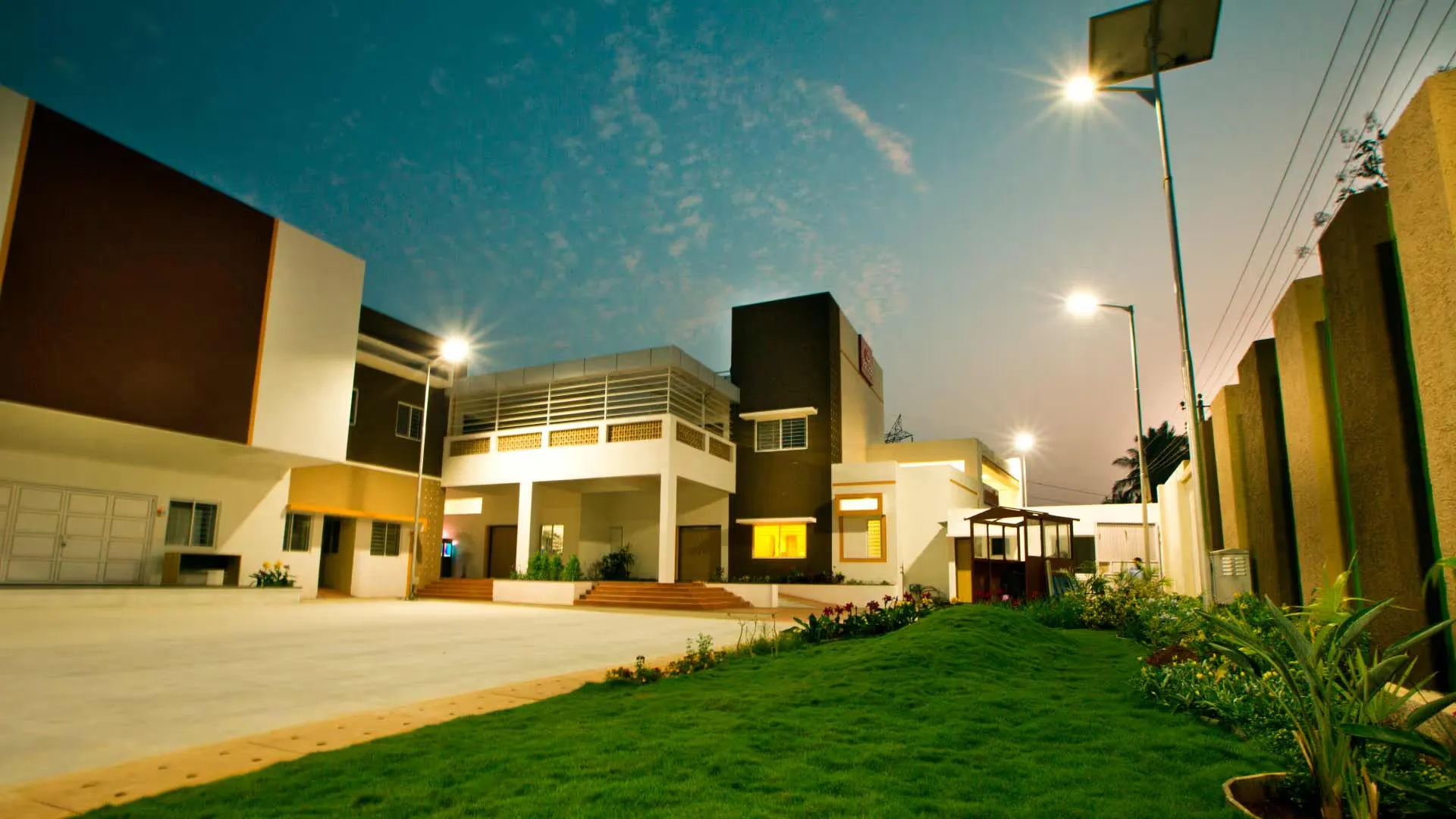
Our Specialised De-Addiction Centre in Bangalore
Read more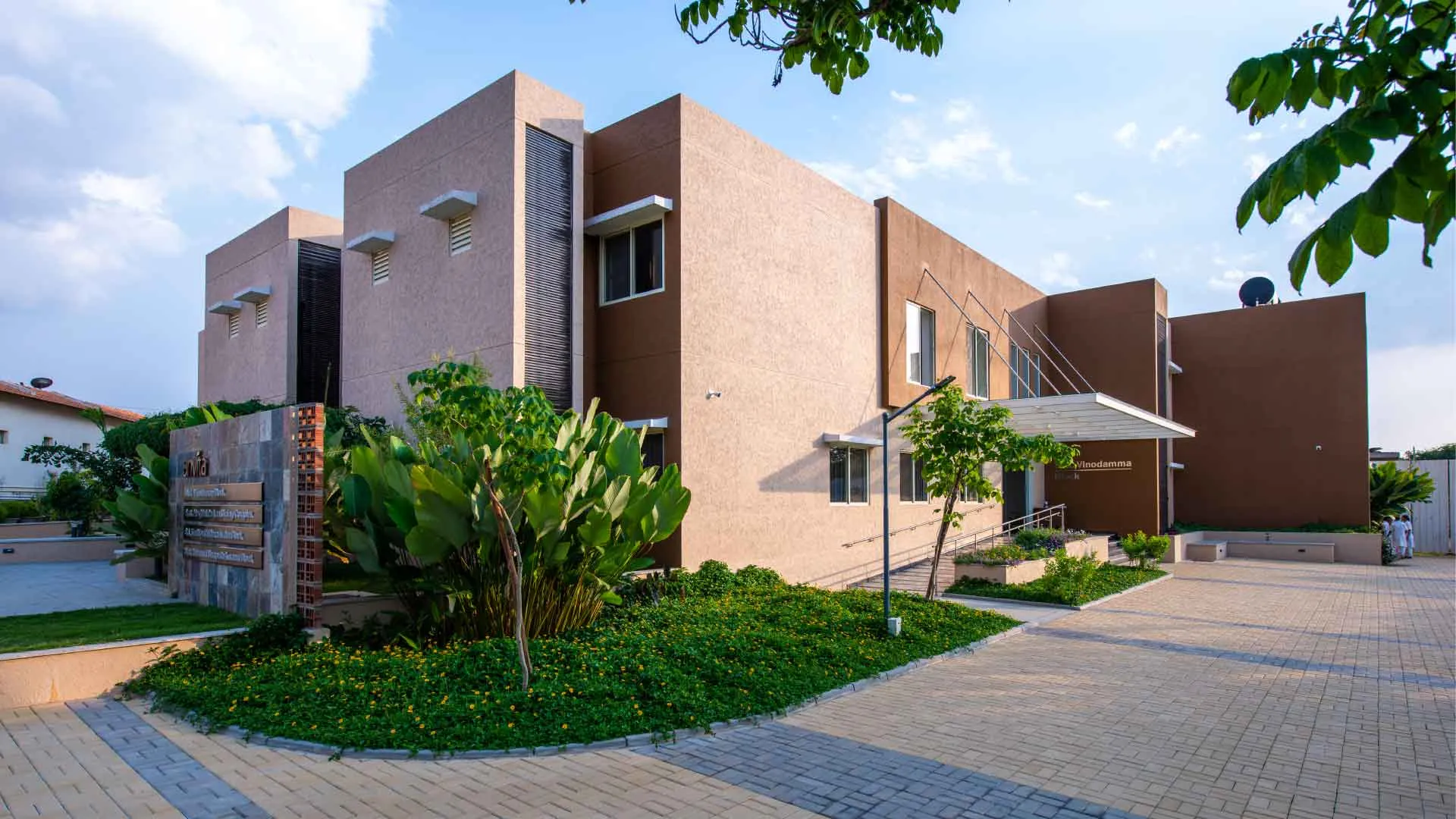
Long-Term Rehabilitation Center in Bangalore, India
Read more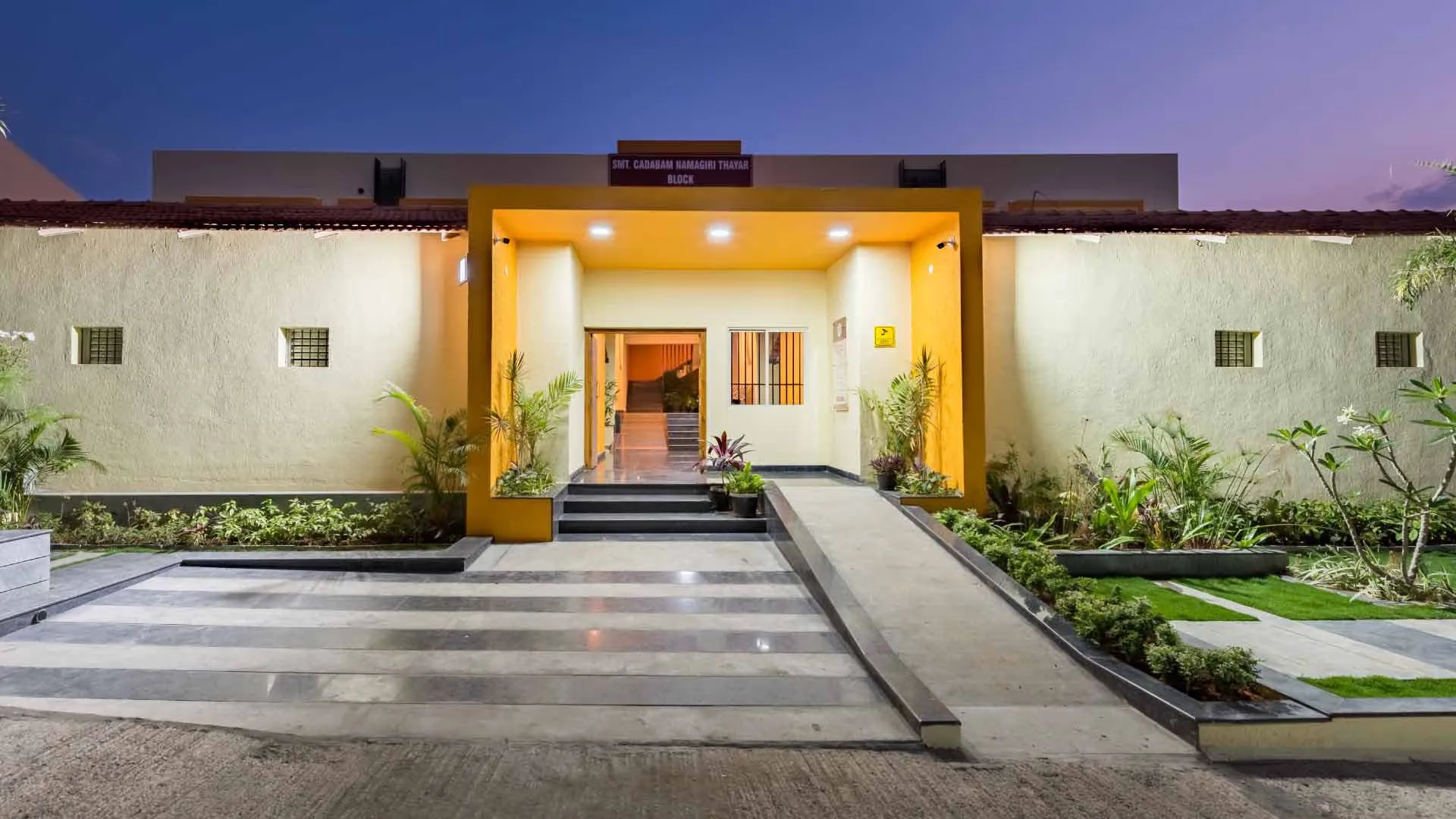
Advanced Psychiatric Rehab Centre in Bangalore
Read more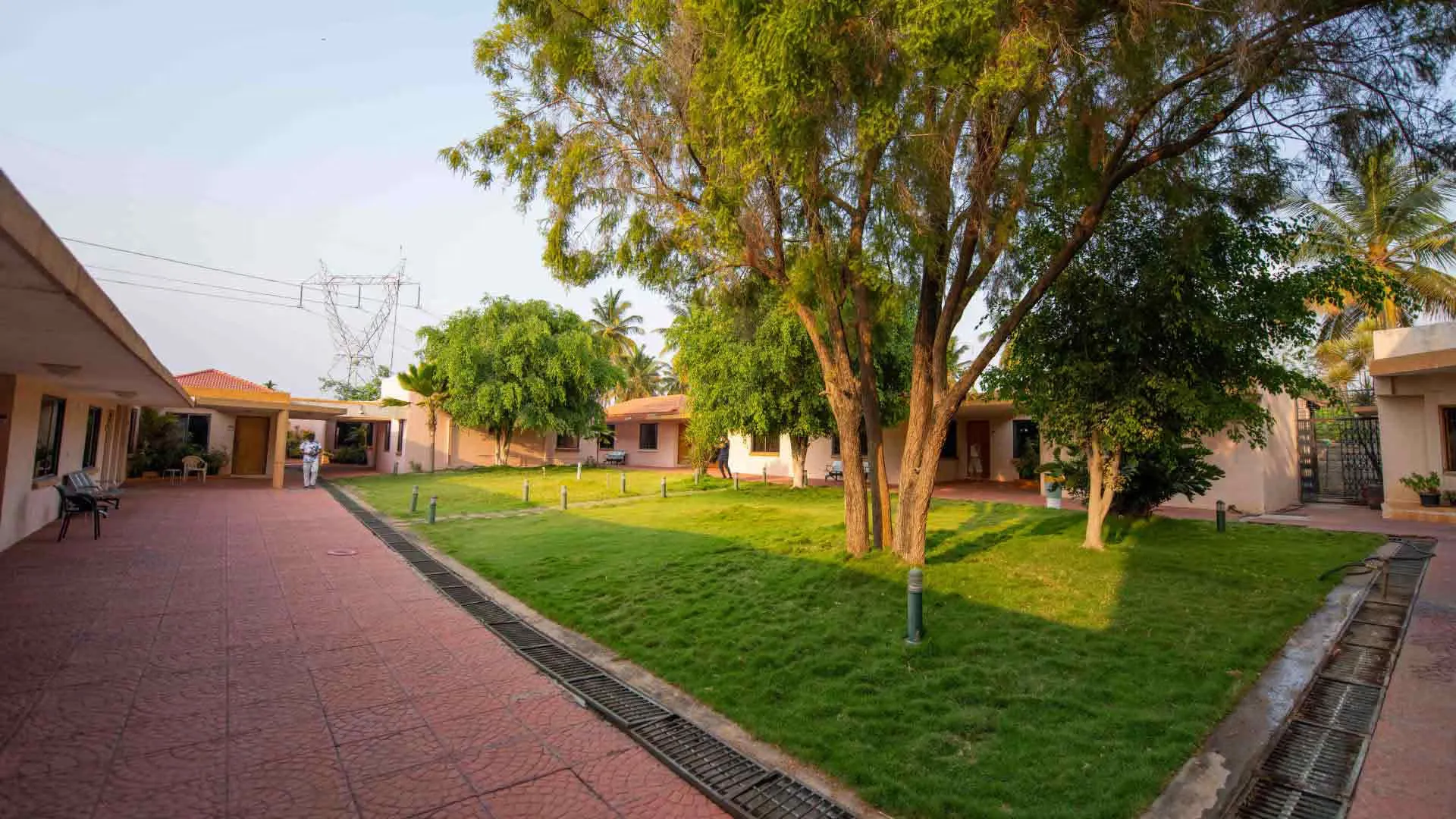
Luxury Rehabilitation Center in Bangalore, India
Read more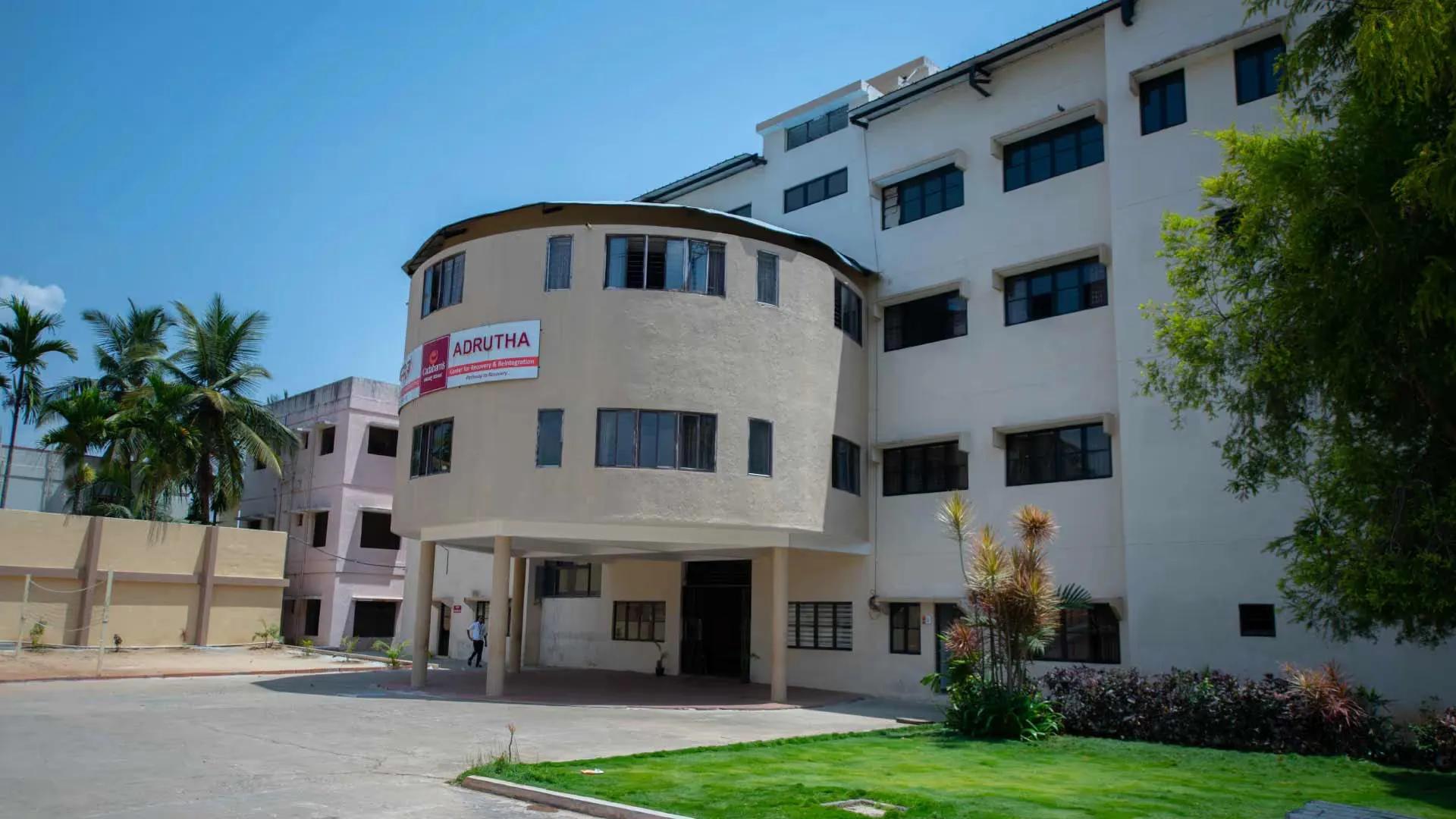
Our Affordable Rehab Centre in Bangalore
Read more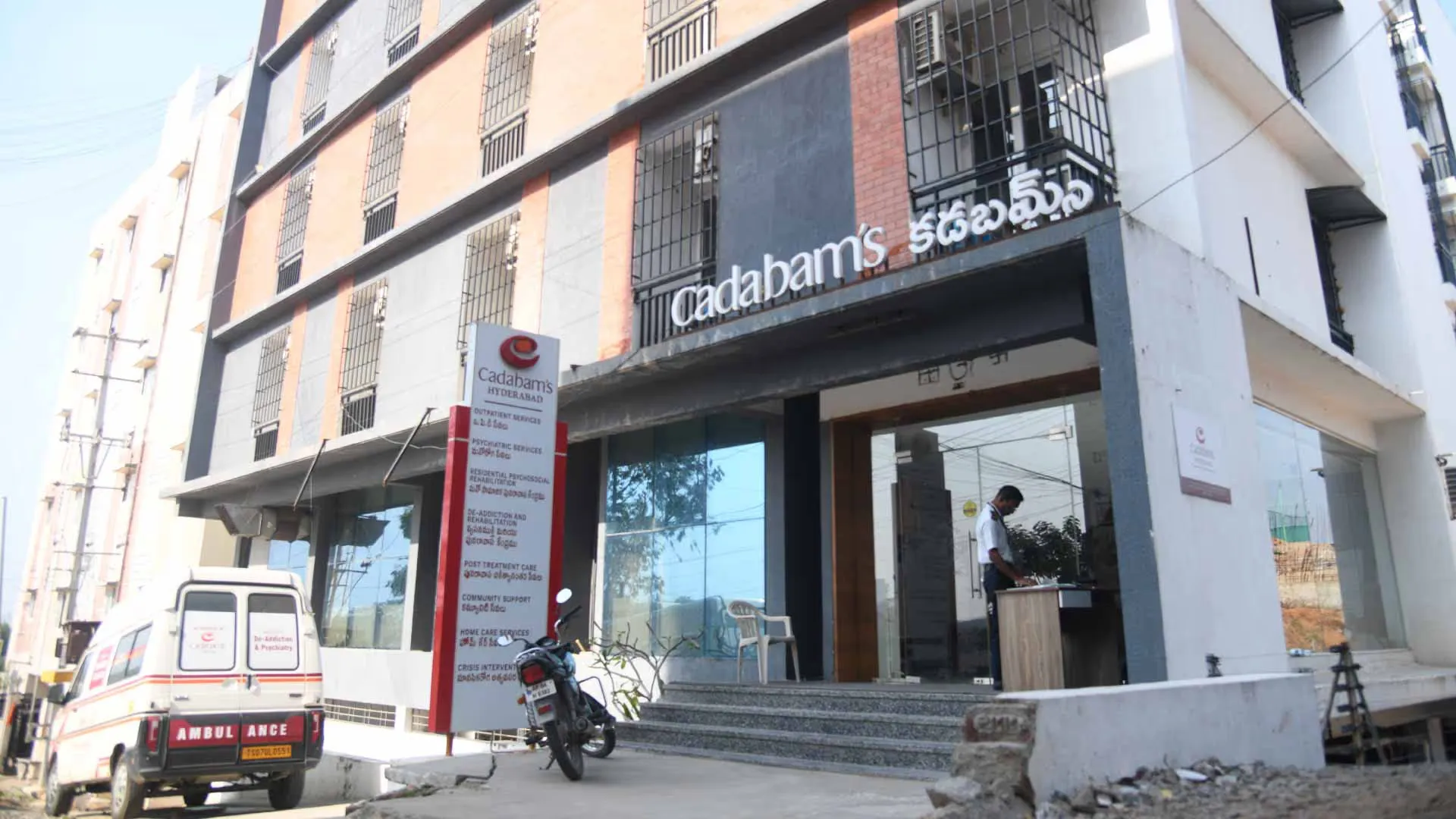
Our Advanced Mental Health Rehab Centre In Hyderabad
Read more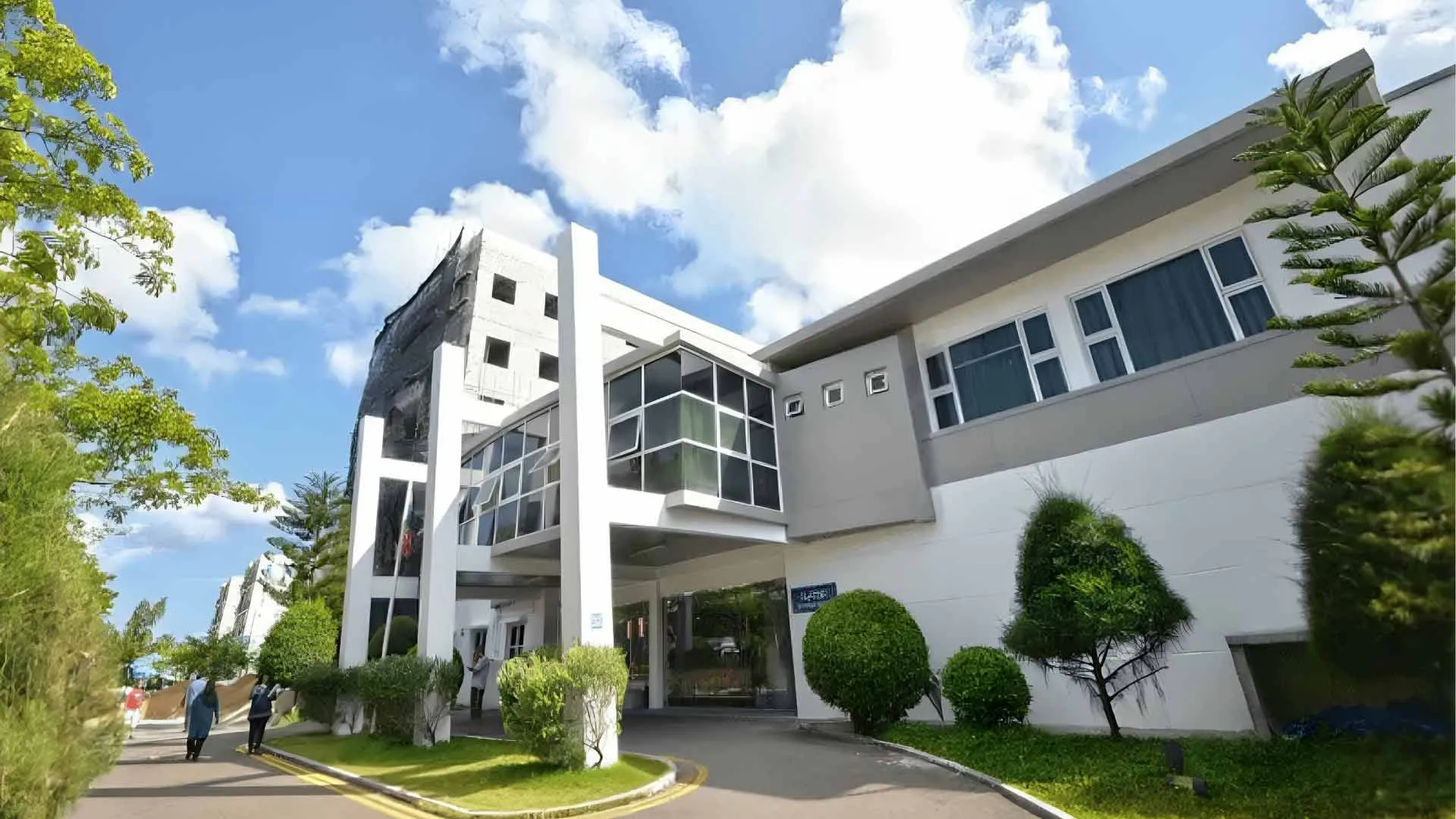
Premier Mental Health & Rehabilitation Centre in Maldives
Read moreDiagnosis
The diagnosis of Alcohol Dependence Syndrome involves a comprehensive evaluation by healthcare professionals, incorporating interviews, questionnaires, and medical assessments. Criteria include a strong desire to drink, difficulties in controlling consumption, withdrawal symptoms, tolerance, neglect of alternative pleasures, and persistent drinking despite harmful consequences. Accurate diagnosis considers the extent of dependence and its impact on the individual's life, guiding the pathway to effective treatment.
How we help
Treatment involves detoxification, counseling, medication, support groups, and lifestyle changes to manage cravings and promote long-term recovery.
Medical detoxification safely manages the acute physical symptoms of withdrawal from alcohol under medical supervision. This process often involves medication to ease withdrawal symptoms and constant monitoring for complications and can serve as the first step toward longer-term treatment and recovery from alcohol dependence.
Behavioral therapies for alcohol dependence focus on changing drinking behavior through skill development and support. Cognitive Behavioral Therapy (CBT) and Dialectical Behavior Therapy (DBT) help modify thought patterns and coping mechanisms. Contingency Management (CM) reinforces positive behaviors, while 12-step Facilitation promotes sobriety through peer support. Family and Couples Therapy addresses interpersonal issues contributing to alcohol use.
Support groups and peer support play a crucial role in recovery from alcohol dependence, offering a community of individuals with shared experiences. These programs provide emotional support, practical advice, and a structured approach to sobriety, fostering a sense of belonging and mutual encouragement.
Dual-diagnosis treatment addresses co-occurring alcohol dependence and mental health disorders, recognizing the interconnectedness of these conditions. It integrates care for both issues simultaneously, using a combination of psychiatric evaluation, medication, therapy, counselling, and support services to treat the whole person and improve overall outcomes.
Lifestyle and holistic approaches to alcohol dependence recovery encompass a broad spectrum of practices aimed at enhancing overall well-being. This includes nutrition, exercise, mindfulness, meditation, and stress management techniques. Such methods support physical health, reduce cravings, and promote emotional balance, contributing to sustained recovery.
Emergency service
Find nearest mental health center now

33+ years of focused mental healthcare, shaped by 1000+ real patient journeys.

State of the art mental health centres built for treatment and recovery.

A coordinated team of psychiatrists, psychologists, counsellors, and rehabilitation specialists supporting your care.

Support from early signs through treatment and recovery.

Treatment guided by clear plans that continue beyond diagnosis.

Planned follow ups and continued guidance to help maintain progress over time.
Inside our centres
FAQs
Patient journeys
Voices of Resilience
Paranoid Schizophrenia - Seeta's Story
Depression due to Abortion and Paranoid Schizophrenia
Read story →Voices of Resilience
Comorbid Disorders - Akash's Story
OCD, Bipolar and Substance Abuse Disoder along with Tic Disorder
Read story →Voices of Resilience
Bipolar Affective Disoder - Meena's Story
Depression, Bipolar Affective Disorder, and Obsessive Compulsive Disorder
Read story →Voices of Resilience
Borderline Personality Disorder - Sumadhra's Story
Emotionally Unstable with Borderline Personality Disorder
Read story →Watch & learn
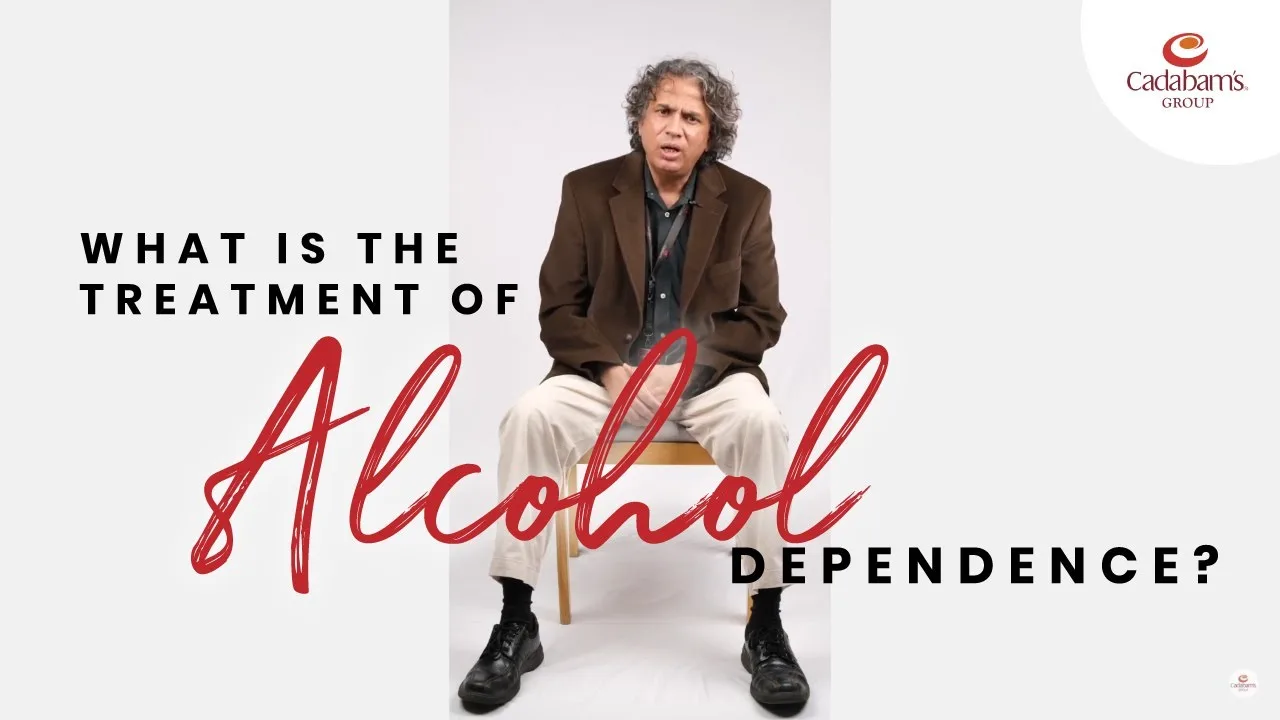
Voices of recovery
Thanks to Cadabam’s Deaddiction Center, my son has found a new lease on life free from the chains of addiction. Their compassionate support and expert guidance made his recovery journey possible, and I'm forever grateful for the positive impact they've had on our family
— Joseph Vijay
My son made great recovery at the rehabilitation centre, but he was having some problems after discharge. With post-rehabilitation care at Cadabam’s, they ensured that my son identified and dealt with his issues at an early stage. The dedication of the team is really commendable!
— Dhanvantri J
Cadabam’s were quite beneficial against my alcoholism. My life had been absolutely shattered as a result of it. I was able to get my life back on track thanks to a brief program here. Thank you very much.
— Manikantan
Anunitha gives hope, comfort, professional support when you need it the most. Dr. Priya is amazing. As for Ms. Raji, she's outstanding in her depth of understanding and tracking all the residents. Her thoughtful advice has been most valuable. I am very grateful for all the help my family member has received. Thank you!
— Bhanu Chandran
I never realised when my brother started slipping away. We thought it was too late when we realized he was addicted to alcohol. But, the folks at Cadabam’s reassured us, and took such good care of him. Rehabilitation at Anunitha really helped him, and we are grateful to Cadabam’s for bringing him back to us.
— Prithviraj Kumar
Alcohol Addiction had completely taken over my life. I was trying hard to fight it, but sometimes there's nothing you can do. Cadabam’s helped me rediscover my will to fight and their rehabilitation program made me feel healthy again. Thank you Cadabam’s.
— Khushi Sharma
My son had been addicted to alcohol for so long. It had affected his liver and we were really scared that he was going to suffer more. But, the detoxification and alcohol rehabilitation program at Cadabam’s really helped him overcome his addiction. It helped him give up the bottle.
— Vinay Kumar
Further reading
Care pathways
Psychiatrist care for Alcohol Dependence with personalised assessment, treatment planning, and ongoing support from experienced specialists.
Learn moreLooking for the best psychologist for alcohol addiction? Cadabam’s offers expert, compassionate care to support lasting recovery and a healthier future.
Learn moreTherapist care for Alcohol Dependence with personalised assessment, treatment planning, and ongoing support from experienced specialists.
Learn moreLooking for the best counselor for Alcohol Dependence in Bangalore? Get expert consultation, symptom management, and confidential clinical care.
Learn moreFind expert Alcohol Dependence rehabilitation at Cadabam’s. Our evidence-based rehabilitation for Alcohol Dependence supports stability and sustained recovery.
Learn moreSpecialised Alcohol Dependence treatment center in Hyderabad offering psychiatric diagnosis, medication management, and therapy to support long-term symptom stability.
Learn moreSpecialised treatment center for Alcohol Dependence offering psychiatric consultation, diagnosis, medication management, and therapy for long-term symptom stability.
Learn moreSpecialised Alcohol Dependence treatment center in Bangalore offering psychiatric diagnosis, medication management, and therapy to support long-term symptom stability.
Learn moreAt Cadabam’s, we provide the best treatment for Alcohol Addiction in Bangalore. Book appointment to get yourself treated for Alcohol Addiction.
Learn moreCounselor care for Alcohol Dependence with personalised assessment, treatment planning, and ongoing support from experienced specialists.
Learn moreAt Cadabam’s, we have the best Alcohol De-Addiction centre in Bangalore where you can get treatment for your Alcohol Addiction.
Learn moreCadabam’s have the best Alcohol De-Addiction Centre in Hyderabad, where you can get treatment for your Alcohol Addiction.
Learn moreYou can receive treatment for your alcohol addiction condition at Cadabam’s, Which offers the best de-addiction therapy in Hyderabad.
Learn moreGet professional alcohol addiction treatment in Hyderabad at Cadabam’s. Our evidence-based therapies support long-term recovery and well-being.
Learn moreComprehensive rehabilitation programs for Alcohol Dependence with personalised treatment plans, therapy, and long-term aftercare support.
Learn moreHelpline at your fingertips
+91 9611194949