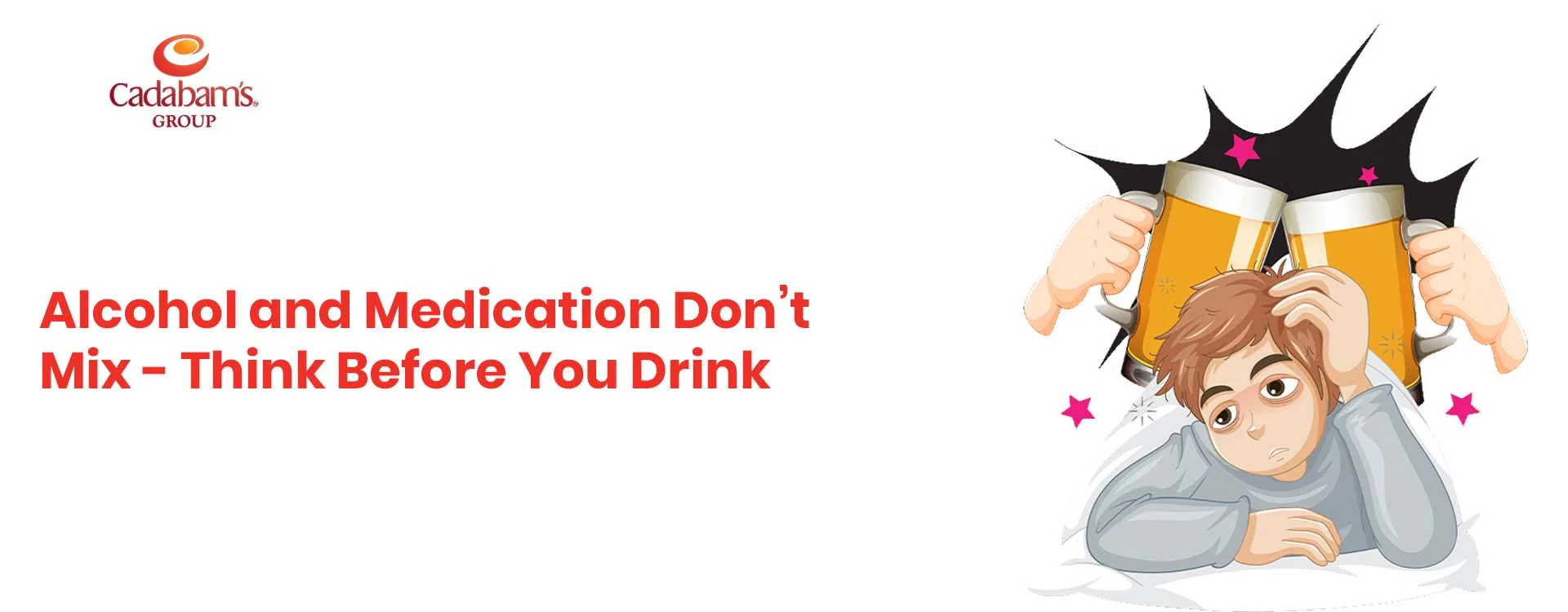
Mixing alcohol and medication can lead to serious health risks, including increased side effects, reduced drug effectiveness, and dangerous interactions in the body. The impact depends on the type of medication, how your body processes it, and how alcohol affects drug metabolism.
Understanding alcohol and medication interactions is essential for making safe decisions. Whether you are taking prescription drugs or over-the-counter medicines, knowing which medicines are dangerous with alcohol, how long after medication you can drink alcohol, and when to avoid combining them completely can help prevent complications.
How Does Alcohol Affect Medications and What Happens When You Mix Them?
Alcohol affects how medications are processed in the body, mainly by altering liver function and drug metabolism. This can either increase side effects, reduce effectiveness, or lead to harmful buildup, depending on the type of medication and your overall health.
When alcohol and medication are combined, the effects can include:
- Increased side effects and sedation: Alcohol can amplify drowsiness, dizziness, and impaired coordination.
- Reduced effectiveness of treatment: Some medications may not work properly when alcohol interferes with their absorption or action.
- Toxic buildup due to slower metabolism: Alcohol can slow liver processing, causing drugs to stay longer in the body and increasing the risk.
- Unpredictable reactions depending on the drug: Some interactions happen immediately, while others may be delayed.
These alcohol and drug interaction risks make it important to understand whether it is safe to take medication after alcohol and how timing affects safety.
Common Myths About Alcohol and Medication You Should Avoid
Many people assume certain combinations of alcohol and medication are safe, but these beliefs can lead to serious alcohol drug interaction risks. Here are some common myths you should not rely on:
- Alcohol is safe with over-the-counter medicines: Even common drugs like painkillers can cause liver damage, stomach irritation, or internal bleeding when combined with alcohol.
- Antibiotics do not interact with alcohol: While not all antibiotics react severely, alcohol can reduce effectiveness and increase side effects like nausea or dizziness.
- Small amounts of alcohol are always safe: Even low amounts can cause mixing alcohol with medication side effects, depending on the drug.
- You can take medication immediately after drinking alcohol: The safety of medication after alcohol depends on the drug type, dosage, and how your body processes both substances.
- Only strong prescription drugs are risky with alcohol: Many mild or commonly used medications can also interact negatively with alcohol.
How Does Alcohol Affect Medication Effectiveness in the Body?
Alcohol changes how medications are processed in the body, mainly by interfering with liver enzymes responsible for drug metabolism. This can either increase drug levels to unsafe limits or reduce how well the medication works.
- Slows or speeds up drug metabolism: Alcohol can inhibit or overstimulate liver enzymes, leading to higher toxicity or reduced effectiveness.
- Increases side effects and sedation : Combining alcohol with sedatives, antihistamines, or mental health medications can intensify drowsiness, dizziness, and impaired coordination.
- Raises risk of organ damage : Mixing alcohol with certain painkillers, especially acetaminophen, increases the risk of liver damage, while NSAIDs may increase the risk of stomach bleeding.
- Reduces treatment effectiveness: Alcohol can interfere with medications used for infections, blood pressure, or chronic conditions, making them less effective over time.
- Creates unpredictable reactions: The interaction depends on the type of drug, dosage, and individual factors like age, liver health, and frequency of alcohol use.
Which Medicines Are Dangerous with Alcohol and Should Be Avoided?
Certain medications can cause serious or life-threatening reactions when combined with alcohol. Understanding which medicines are dangerous with alcohol helps you avoid harmful interactions and make safer treatment decisions.
Antidepressants and Antipsychotics with Alcohol
When alcohol is combined with mental health medications, it can interfere with brain chemistry and treatment effectiveness in the following ways:
- Increased drowsiness, dizziness, and impaired coordination.
- Reduced effectiveness of antidepressants, potentially worsening symptoms of depression or anxiety.
- Higher risk of mood instability and emotional imbalance.
- Increased sedation with certain antipsychotics, affecting alertness and thinking.
- Impaired judgment, increasing the risk of unsafe decisions.
Pain Relievers (OTC and Prescription) with Alcohol
Combining alcohol with pain medications can significantly increase the risk of organ damage and other complications:
- Increased risk of liver damage when alcohol is taken with acetaminophen.
- Higher chances of stomach bleeding and ulcers with NSAIDs like ibuprofen.
- Risk of respiratory depression when mixed with opioid painkillers.
- Increased likelihood of overdose due to combined depressant effects.
- Reduced effectiveness of pain management over time.
Sleep Aids and Allergy Medications with Alcohol
These medications already have sedative effects, which can become dangerous when combined with alcohol:
- Severe drowsiness and sedation, increasing the risk of accidents.
- Slowed reaction time and impaired motor coordination.
- Increased confusion and cognitive impairment, especially in older adults.
- Breathing suppression when combined with certain sedatives.
- Reduced alertness affecting daily functioning.
Blood Pressure Medications and Alcohol Interactions
Alcohol can interfere with how blood pressure medications regulate your cardiovascular system in the following ways:
- Sudden drops or spikes in blood pressure, causing dizziness or fainting.
- Reduced the effectiveness of blood pressure treatment.
- Increased strain on the heart and blood vessels with regular alcohol use.
- Higher risk of complications such as stroke or heart-related issues.
- Variable effects depending on medication type and dosage.
How Long After Taking Medication Can You Drink Alcohol?
The safe gap between taking medication and drinking alcohol varies depending on the type of drug, dosage, and individual health factors. There is no single rule that applies to all medications, which is why understanding these influencing factors is important:
- Type of medication being used: Some medicines allow limited alcohol after a few hours, while others, such as sedatives or certain antibiotics, should not be combined with alcohol at all.
- Dosage and duration of treatment: Higher doses or long-term medications stay in the body longer, increasing the risk of interaction.
- Age and metabolism: Older adults may process alcohol and medication more slowly, leading to stronger effects.
- Liver health and medical conditions: Individuals with liver issues or chronic conditions may need longer gaps or complete avoidance.
- Frequency of alcohol consumption: Regular alcohol use can change how the body responds to medications over time.
Why Liver Function Plays a Key Role in Alcohol and Medication Interactions
The liver is responsible for breaking down both alcohol and medications, which makes it central to how these substances interact in the body. When both are present, the liver prioritises alcohol metabolism, which can delay or alter how medications are processed:
- Competition for liver enzymes: Alcohol and drug use share the same metabolic pathways, which can slow down drug breakdown.
- Increased risk of toxic buildup: Delayed processing can lead to higher drug levels in the body, increasing side effects.
- Reduced medication effectiveness: Some drugs may not work as intended if metabolism is altered.
- Higher strain on liver function: Repeated mixing can contribute to long-term liver damage and reduced detoxification ability.
- Unpredictable interaction patterns: The impact varies depending on the medication type, making timing difficult to estimate without guidance.
What Are the Risks of Mixing Alcohol and Medication?
Mixing alcohol and medication can lead to both immediate and long-term health complications. The severity of these risks depends on the type of medication, dosage, and frequency of alcohol consumption.
Short-Term Risks of Alcohol and Medication Interactions
When alcohol is combined with medications, it can cause immediate effects that impair your physical and mental functioning:
- Drowsiness, dizziness, and slowed reaction time.
- Impaired judgment and reduced decision-making ability.
- Increased risk of accidents, falls, and injuries.
- Nausea, vomiting, and gastrointestinal discomfort.
- Difficulty concentrating and reduced coordination.
- Sudden changes in blood pressure or heart rate.
Long-Term Effects of Mixing Alcohol and Medication
Regularly combining alcohol with medication can lead to chronic health complications and reduced treatment effectiveness over time:
- Long-term liver damage due to repeated metabolic strain.
- Kidney damage and reduced ability to filter toxins.
- Increased risk of gastrointestinal problems such as ulcers or bleeding.
- Worsening of chronic conditions like hypertension or diabetes.
- Reduced effectiveness of medications, leading to poor disease management.
- Higher risk of dependency, misuse, or harmful behavioural patterns.
How Can You Safely Manage Alcohol and Medication Use?
While some medications may allow limited alcohol consumption, combining alcohol and medication is not always safe. The impact depends on the type of drug, dosage, and your individual health condition. Understanding safe practices can help reduce alcohol drug interaction risks and prevent complications.
Know When Alcohol Should Be Completely Avoided
Certain medications, such as sedatives, opioids, and specific mental health drugs, should never be combined with alcohol. In these cases, even small amounts of alcohol can lead to serious side effects or dangerous interactions. If you are unsure whether your medication falls into this category, it is important to check with a healthcare professional.
Recognise Early Warning Signs of Harmful Interactions
If alcohol and medication have been combined, your body may show early signs of a reaction. Symptoms such as dizziness, nausea, confusion, or unusual drowsiness should not be ignored. More severe signs like breathing difficulty, fainting, or irregular heartbeat require immediate medical attention.
Follow Safe Timing and Medical Guidance
Understanding how long after medication you can drink alcohol is essential for safety. Since this varies for each drug, it is best to follow prescribed guidelines or consult your doctor. Avoid making assumptions about safety based on past experiences, as interactions can change depending on dosage and health status.
Free · Confidential
Book screening with our triage team
Speak to a clinician in minutes. We’ll help you figure out the right next step.
When Should You Seek Professional Help for Alcohol and Medication Risks?
In some situations, alcohol and medication interactions can become serious and require urgent attention. It is important to recognise these warning signs early to prevent complications:
- Severe dizziness, confusion, or unusual drowsiness that does not improve.
- Difficulty breathing, slowed breathing, or chest discomfort.
- Fainting, loss of consciousness, or extreme weakness.
- Persistent vomiting or signs of dehydration.
- Rapid or irregular heartbeat after combining alcohol and medication.
- Worsening of existing health conditions or unexpected reactions to medication.