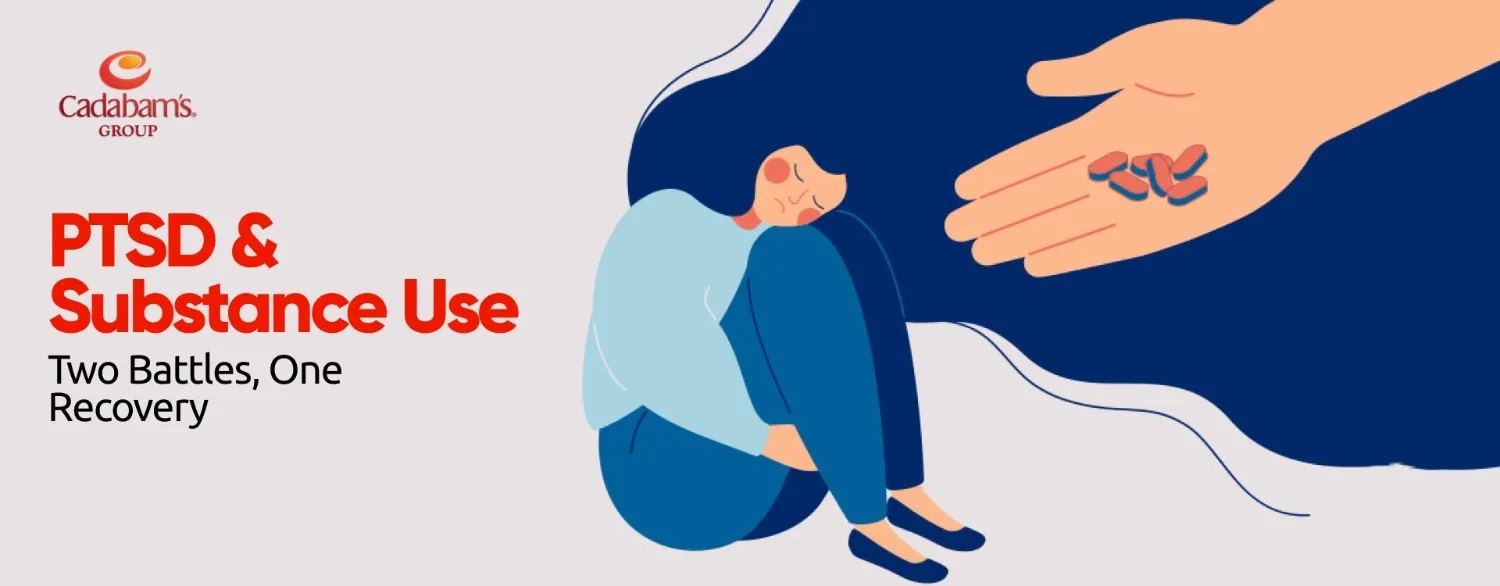
Group therapy for PTSD helps survivors heal by combining professional guidance with shared lived experiences in a safe, structured environment. By reducing isolation, building coping skills, and fostering peer support, group therapy plays a powerful role in trauma recovery and long-term emotional resilience.
For many individuals, healing from trauma can feel isolating. Group therapy for PTSD offers a shared space where survivors connect with others who understand their experiences, creating strength through community, empathy, and collective growth.
What Is PTSD and How Does Group Therapy Support Recovery?
Post-traumatic stress disorder affects both emotional and physical well-being, often disrupting daily life and relationships. Understanding PTSD and how Group therapy for PTSD works provides clarity on why this approach is widely used in trauma-informed care.
What Is Post-Traumatic Stress Disorder (PTSD)?
Post-Traumatic Stress Disorder (PTSD) is a mental health condition that can develop after experiencing or witnessing a traumatic or life-threatening event. It affects how the brain processes fear, safety, and memory, often making everyday situations feel overwhelming or unsafe.
Common PTSD symptoms include:
- Intrusive memories or flashbacks
- Avoidance of trauma-related reminders
- Negative changes in mood or self-perception
- Heightened alertness, irritability, or sleep disturbances
How Does Group Therapy Work for PTSD Survivors?
Group therapy involves one or more therapists working with several people simultaneously.
Unlike individual therapy, group sessions allow participants to:
- Learn through shared experiences
- Practice coping strategies in a supportive setting
- Build trust and interpersonal connections
This collaborative approach helps normalize trauma responses while encouraging personal growth and emotional regulation.
Why Is Group Therapy Especially Effective for PTSD?
While individual therapy is highly effective, group therapy for PTSD provides a distinct advantage: the power of community. It combats the intense isolation that often accompanies trauma, proving that you are not alone in your struggles. Witnessing others' progress and sharing your own journey creates a powerful, validating experience.
How Does Group Therapy Create a Safe and Healing Environment for PTSD?
Effective Group Therapy for PTSD follows a structured, trauma-informed approach designed to promote safety, trust, and emotional stability. Each component of the group experience plays a specific role in supporting recovery.
How Is Emotional Safety Maintained in Group Therapy for PTSD?
The foundation of any successful therapy group is a strict commitment to confidentiality and trust. Members agree that what is shared in the group stays in the group. This creates a safe container where individuals feel secure enough to be vulnerable, explore difficult emotions, and share their stories without fear of judgement.
How Do Shared Experiences Reduce Shame and Isolation in PTSD?
Listening to others describe feelings and challenges similar to your own is incredibly validating. This shared understanding builds deep, empathetic connections among members. The simple act of saying "me too" can dissipate shame and self-blame, replacing them with a profound sense of connection and mutual respect that accelerates healing.
What Happens During Group Therapy Sessions for PTSD?
Sessions within Group Therapy for PTSD are guided by trained therapists who balance structure with flexibility. Discussions may focus on trauma education, emotional regulation, or real-life coping challenges.
Therapists ensure conversations remain:
- Emotionally safe
- Goal-oriented
- Therapeutically effective
This guidance helps participants gain insight while preventing re-traumatization.
What Are the Key Benefits of Group Therapy for PTSD Survivors?
The benefits of Group Therapy for PTSD extend beyond symptom relief. Through connection, learning, and emotional support, survivors develop skills that contribute to long-term healing and improved quality of life.
How Does Group Therapy Provide Emotional Support for PTSD?
The collective strength of the group provides a powerful source of emotional support. When one member is struggling, others who have faced similar hurdles can offer genuine encouragement and hope. This shared journey fosters a sense of solidarity, reminding you that you have a team of people who truly understand and care.
How Does Group Therapy Help Build Coping Skills for PTSD?
A group is a practical learning environment. You will not only learn evidence-based coping skills from the therapist but also see how other members apply these strategies in their lives. Hearing about others' real-world successes and failures in managing symptoms provides invaluable, practical insights that you can adapt for your own recovery.
Reduction in Feelings of Isolation in PTSD Survivors
Trauma can make you feel profoundly disconnected from the world and those around you. A PTSD support group directly counteracts this by fostering a strong sense of belonging. Being part of a community that understands your pain without explanation breaks down the walls of isolation, which is a critical step in healing.
Real-Life Impact: Evidence and Stories That Support the Effectiveness of Group Therapy for PTSD
The effectiveness of Group Therapy for PTSD is supported by both lived experiences and clinical research. Together, these perspectives highlight its role in comprehensive trauma treatment.
Real-Life Experiences from Group Therapy for PTSD Participants
At Cadabam’s, we witness stories of hope every day. Individuals who once felt lost to their trauma find their voice and strength within the group. They describe the experience as "life-changing," highlighting how connecting with peers gave them the courage to confront their past and build a meaningful future, one shared step at a time.
What Does Research Say About Group Therapy for PTSD?
Numerous studies validate the efficacy of group therapy for PTSD. Research consistently shows that participants experience significant reductions in PTSD symptoms, depression, and anxiety. Evidence-based models demonstrate that the group format is highly effective in helping survivors improve social functioning and overall quality of life, affirming its vital role in treatment.
What Should You Know Before Joining a PTSD Support Group?
Joining a PTSD support group can feel intimidating, but understanding what to expect helps survivors feel prepared and confident. The right group fit plays a major role in healing outcomes.
How Do You Find the Right Support Group for PTSD?
Look for a PTSD support group led by a licensed mental health professional, often found at specialised centres like Cadabam’s. Consider whether you prefer a group focused on a specific type of trauma or a more general one. The right fit is crucial for feeling safe and understood in your healing journey.
What to Expect in Your First Session
Your first session is primarily for observation. You will not be pressured to share intimate details. The focus will be on understanding the group's rules, meeting the facilitator and other members, and getting a feel for the environment. It is normal to feel nervous; just allow yourself to be present and listen.
How Can You Get the Most Out of Group Therapy for PTSD?
True growth comes from active engagement and openness. The more you are willing to participate—by sharing when you feel ready and offering support to others—the more you will gain. This therapy is often a key part of a comprehensive mental health rehabilitation plan, working alongside other treatments to support holistic recovery.
Free · Confidential
Book screening with our triage team
Speak to a clinician in minutes. We’ll help you figure out the right next step.
How Can You Start a Safe and Effective PTSD Support Group?
Starting a PTSD support group requires careful planning, ethical responsibility, and trauma-informed leadership. When structured correctly, such groups can provide meaningful healing spaces for survivors.
What Are the Key Considerations When Starting a PTSD Support Group?
Starting a support group requires clear planning and responsible leadership. Key considerations include:
- Deciding whether the group will be peer-led or facilitated by a licensed mental health professional
- Defining the group’s purpose, target audience, and type of trauma focus
- Establishing clear rules around confidentiality, safety, and respectful communication
- Determining group size, session frequency, and overall structure to ensure consistency and trust
A well-defined foundation helps participants feel secure and supported from the outset.
Training and Resources Needed to Facilitate Group Therapy for PTSD
Effective facilitation is essential for trauma-focused groups. Facilitators should have access to:
- Training in trauma-informed care and group therapy principles
- Educational materials such as manuals, workshops, or certification programmes
- Ongoing professional supervision or mentorship, especially when complex emotional issues arise
- Support from established mental health organisations or rehabilitation centres for guidance and referrals
These resources help ensure the group remains safe, ethical, and therapeutically beneficial.
How Do You Build and Sustain a PTSD Support Group Community?
Growing and sustaining a support group depends on thoughtful outreach and engagement. This can include:
- Connecting with hospitals, clinics, community centres, and mental health professionals
- Using trusted online platforms to share information about the group’s purpose and structure
- Creating a welcoming, non-judgemental environment that encourages participation at each member’s comfort level
- Maintaining consistency and empathy to foster trust and long-term commitment
Over time, these efforts help build a strong, connected community rooted in shared understanding and mutual support.
How Does Group Therapy Support Long-Term Healing from PTSD?
The journey of healing from trauma is a testament to human resilience. Reflecting on this journey reveals immense personal growth and the profound impact of community.
Reflecting on the Journey of Healing
Healing from trauma is not a linear process—it is a journey marked by courage, resilience, and personal growth. Group therapy for PTSD is more than just a treatment; it's a shared space where isolated individuals come together to form a powerful, supportive network. This experience equips survivors with long-term coping strategies and a lasting sense of connection, ensuring that even after the sessions end, the support and strength gained continue to light the path forward.
Long-Term Growth Through Community Support
Beyond symptom management, group therapy fosters lasting connections that extend well beyond the sessions themselves. The sense of belonging, coping skills, and emotional insight gained within a PTSD support group continue to support long-term well-being. As part of a holistic mental health rehabilitation approach, group therapy empowers survivors to sustain growth, resilience, and connection—lighting a steady path toward a healthier, more fulfilling future.
If you are searching for a solution to your problem, Cadabam’s Rehabilitation Centre can help you with its team of specialised experts. We have been helping thousands of people live healthier and happier lives for 33+ years. We leverage evidence-based approaches and holistic treatment methods to help individuals effectively manage their Post-Traumatic Stress Disorder. Get in touch with us today. You can call us at +91 96111 94949