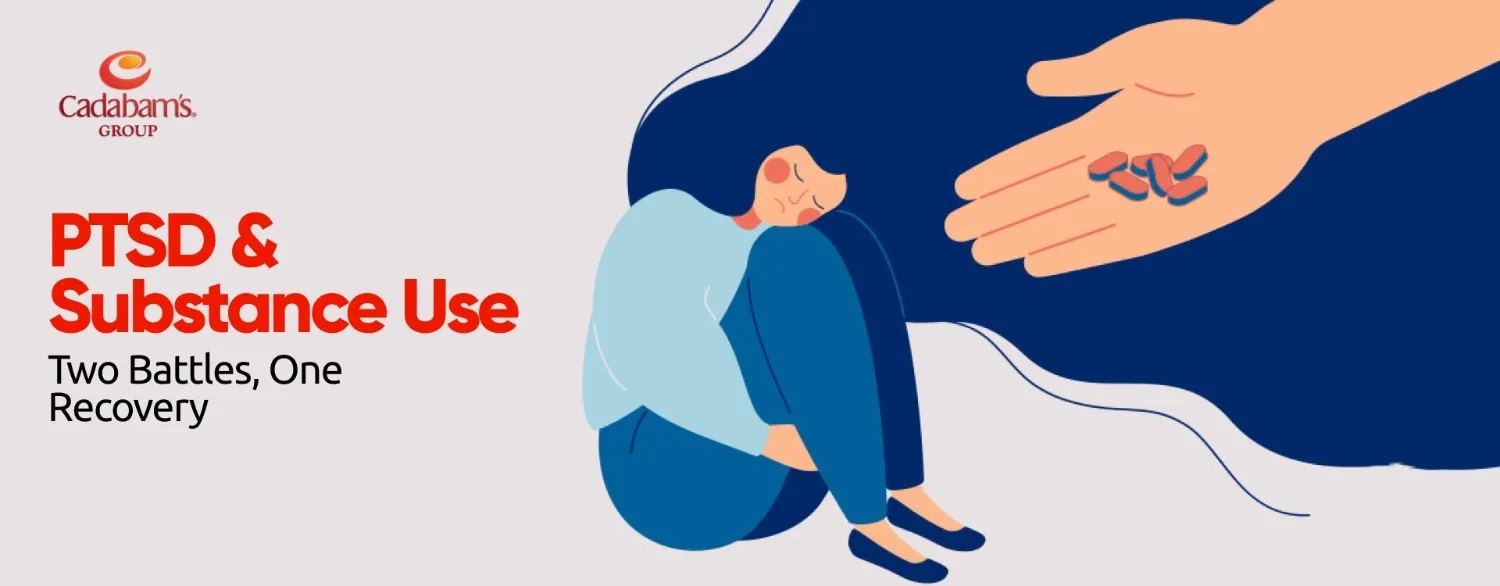
After a traumatic event, many people naturally try to avoid painful reminders. However, when this response becomes persistent, PTSD avoidance behaviors can significantly interfere with daily life and relationships. Over time, these patterns often lead to social isolation in PTSD, emotional disconnection, and difficulty healing from trauma. Understanding how avoidance develops, how it affects social well-being, and what strategies can help manage it is a crucial step toward recovery.
What Are PTSD Avoidance Behaviors and Why Do They Occur?
To navigate the path to healing, it is essential to first understand what Post-Traumatic Stress Disorder (PTSD) is and how avoidance becomes a central feature of the experience.
What is PTSD?
Post-Traumatic Stress Disorder (PTSD) is a mental health condition that can develop after a person experiences or witnesses a terrifying or deeply distressing event. It is not a sign of weakness but a complex psychological response to trauma that affects how the brain processes fear, memories, and emotions.
People with PTSD often experience symptoms such as:
- Intrusive memories or flashbacks of the traumatic event
- Ongoing negative changes in mood or thinking
- Heightened reactivity, anxiety, or emotional sensitivity
Why Is Avoidance a Core Symptom of PTSD?
Avoidance is a core symptom of PTSD. It is the brain's attempt to protect itself from further distress by steering clear of anything - thoughts, feelings, people, or places that serve as a reminder of the trauma. While it offers short-term relief, it ultimately reinforces fear and prevents long-term healing.
What Types of PTSD Avoidance Behaviors Commonly Occur?
PTSD avoidance behaviors can appear in both emotional and physical forms. Recognizing these patterns is essential for understanding how trauma impacts daily life and relationships.
Emotional avoidance in PTSD
This involves trying to suppress or numb internal experiences connected to the trauma. A person might try to push away difficult thoughts, memories, or feelings like fear, anger, and guilt. This internal battle is exhausting and often leads to emotional detachment from oneself and others, contributing to social isolation in PTSD.
Physical avoidance in PTSD
This is the more external form, where an individual actively stays away from people, places, activities, or conversations that could trigger distressing memories. This may look like changing daily routines, giving up hobbies, or withdrawing from friends and family, directly impacting their social world.
Why Does the Brain Reinforce PTSD Avoidance Behaviors?
There are strong neurological and psychological mechanisms behind PTSD avoidance behaviors. Trauma alters how the brain processes fear, safety, and emotional regulation.
How Does the Fear Response Influence Avoidance in PTSD?
Trauma can put the brain's alarm system, the amygdala, on high alert. This constant state of 'fight, flight, or freeze' makes the world feel like a dangerous place. Avoidance becomes a way to manage this persistent sense of threat by eliminating potential triggers from the environment and inner world.
How Do Avoidance Behaviors Become Habitual Over Time?
Avoidance begins as a coping strategy. When a person avoids a trigger and feels a moment of relief from anxiety, the brain learns that avoidance "works." Over time, this creates a powerful, reinforcing cycle that strengthens the PTSD avoidance behaviours, making them habitual and harder to break without professional support.
How Can You Start Recognizing Avoidance Behaviors in PTSD?
Recognizing avoidance behaviors in PTSD is a crucial step toward breaking unhealthy coping patterns. Awareness allows individuals to understand what triggers their avoidance and how it affects daily life.
What Are Common Avoidance Tactics Used in PTSD?
Avoidance can take many forms, often appearing in everyday routines and coping strategies. Here are some common ways avoidance manifests in daily life:
Refusing to discuss any aspect of the traumatic event
This includes shutting down conversations, changing the subject, or becoming irritable when the topic is approached. This tactic is a direct attempt to avoid the emotional pain associated with the memory, but it also prevents processing and healing, keeping the trauma's power intact.
Abusing substances like alcohol or drugs to numb feelings
Self-medication is a dangerous form of emotional avoidance. While substances may offer temporary escape from intrusive thoughts and overwhelming emotions, they often exacerbate PTSD symptoms in the long run and can lead to co-occurring addiction, complicating the path to recovery and deaddiction.
Staying excessively busy to avoid quiet moments
A person might throw themselves into work, obsessive cleaning, or other distracting activities. This keeps their mind occupied and prevents uncomfortable thoughts or feelings from surfacing during downtime. It is a frantic effort to outrun the internal echoes of trauma, which is ultimately unsustainable.
How Does Denial Contribute to Avoidance in PTSD?
Denial often works alongside avoidance by preventing individuals from acknowledging the full impact of trauma and creating a barrier to seeking help.
Recognizing denial in oneself or others
Denial can look like downplaying the impact of the trauma, insisting "I'm fine" when clearly struggling, or blaming external factors for their problems instead of acknowledging the root issue. It is a defence mechanism designed to protect the individual from a reality that feels too overwhelming to face.
Strategies for confronting denial
Confronting denial requires patience and compassion. It often involves gently pointing out the inconsistencies between a person's words and their actions. For someone experiencing denial, professional therapy offers a safe space to begin exploring these difficult truths at their own pace, guided by an experienced clinician.
What Strategies Help Manage PTSD Avoidance Behaviors?
Although avoidance feels protective, evidence-based therapies can help individuals gradually face triggers and reduce fear responses.
Which Therapeutic Approaches Are Most Effective for Avoidance?
At centres like Cadabam’s, professional treatment focuses on changing thought patterns and safely confronting trauma-related fears. Here are two primary approaches:
Cognitive Behavioural Therapy (CBT)
CBT helps individuals identify and challenge the unhelpful thought patterns that fuel avoidance. For instance, a therapist can help a person re-evaluate the belief that a specific place is inherently dangerous, gradually replacing fear-based thoughts with more balanced and realistic ones, thereby reducing the urge to avoid.
Exposure Therapy for PTSD Avoidance Behaviours
A component of CBT, this therapy involves gradually and safely confronting trauma-related memories, feelings, and situations. Under the guidance of a therapist, a person learns that they can manage their fear without resorting to avoidance. This process helps desensitise the fear response and builds confidence in one's ability to cope.
Why Is a Support System Important in PTSD Recovery?
Healing from trauma rarely happens in isolation. Recovery from trauma is more effective when individuals feel supported and understood.
Importance of social support
A strong support system provides validation, encouragement, and a sense of belonging that directly counters the effects of social isolation. Friends, family, and peers can offer practical help and emotional comfort, reminding the individual that they are not alone and that recovery is possible.
How to reach out for help
Reaching out can feel daunting. Start small by confiding in one trusted person, a friend, family member, or a professional. Simply saying, "I'm having a hard time and could use someone to talk to," is a courageous first step towards breaking the silence and beginning the healing journey.
How Do PTSD Avoidance Behaviors Impact Relationships?
As individuals withdraw emotionally and physically to protect themselves from distress, loved ones may feel confused, rejected, or unsure how to offer support. Over time, this disconnect can weaken communication and emotional bonds.
Navigating Personal Relationships
The inward retreat caused by trauma symptoms can be painful not only for the individual with PTSD but also for those around them. Partners, family members, and close friends may struggle to understand the sudden distance.
Communication Challenges Caused by Avoidance
Avoidance can make open communication feel impossible. A person with PTSD might seem distant, emotionally unavailable, or irritable, leaving partners and family feeling shut out and unsure how to help. This breakdown in communication can lead to mutual frustration and misunderstanding, weakening the relationship.
Strategies for supportive interactions
Loved ones can help by practising patient, non-judgemental listening. Avoid pushing the person to talk about the trauma before they are ready. Instead, create a safe space by saying things like, "I'm here for you whenever you want to talk," and offering support for practical tasks to reduce their overall stress.
Why Are Empathy and Understanding Important in PTSD Recovery?
Empathy plays a vital role in creating a healing environment for someone experiencing PTSD. When loved ones understand trauma responses, they can respond with compassion instead of frustration.
Educating friends and family about PTSD
Learning about PTSD and its symptoms, particularly recognizing avoidance behaviors in PTSD, can transform a loved one's perspective from confusion to compassion. Understanding that withdrawal is a symptom of the disorder, not a personal rejection, can help preserve relationships and foster a more supportive atmosphere at home.
Fostering a supportive environment
A supportive environment is one of safety, patience, and predictability. This involves respecting boundaries, celebrating small steps forward, and encouraging professional help without pressure or ultimatums. It is about being a steady presence on the difficult road to recovery.
Free · Confidential
Book screening with our triage team
Speak to a clinician in minutes. We’ll help you figure out the right next step.
How Can Cadabam’s Support Your PTSD Recovery Journey?
Living with the echoes of trauma is an immense burden, and the retreat into isolation can feel like the only way to cope. At Cadabam’s, we understand the complexities of PTSD avoidance behaviours and the profound loneliness they cause. With over 33 years of experience in evidence-based mental health care, our compassionate team is here to guide you through a personalised rehabilitation journey.
You do not have to navigate this path alone. Reach out to us to break the cycle of avoidance and rediscover connection and healing.
If you are searching for a solution to your problem, Cadabam’s Rehabilitation Centre can help you with its team of specialised experts. We have been helping thousands of people live healthier and happier lives for 33+ years. We leverage evidence-based approaches and holistic treatment methods to help individuals effectively manage their Post-Traumatic Stress Disorder. Get in touch with us today. You can call us at +91 96111 94949.