Psychiatrist
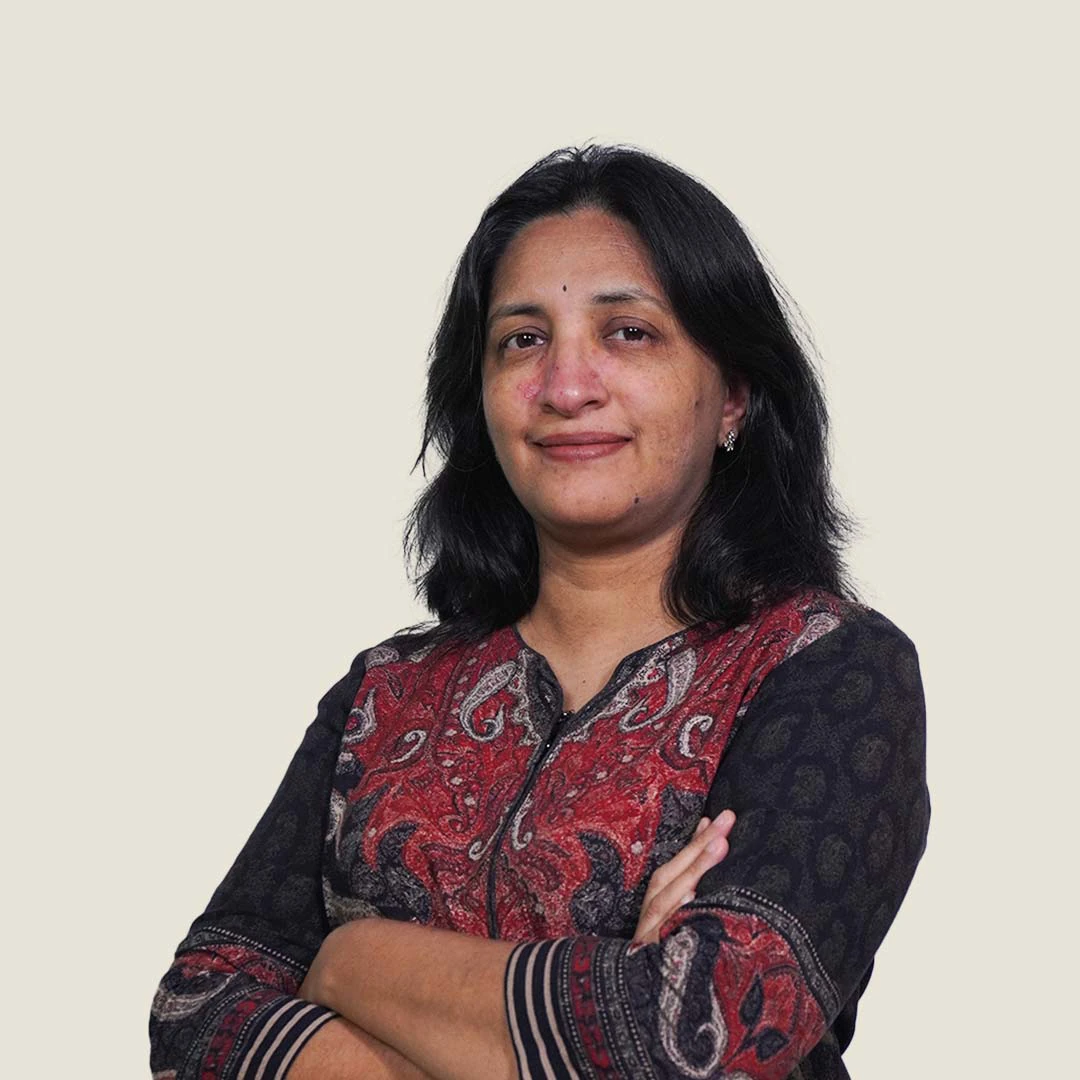
Dr. R. Priya Raghavan
Consultant Psychiatrist
21 years of experience
Treats: SLD, Autism Spectrum Disorder, Dementia, Schizophrenia, Bipolar Disorder, OCD, Drug Addiction
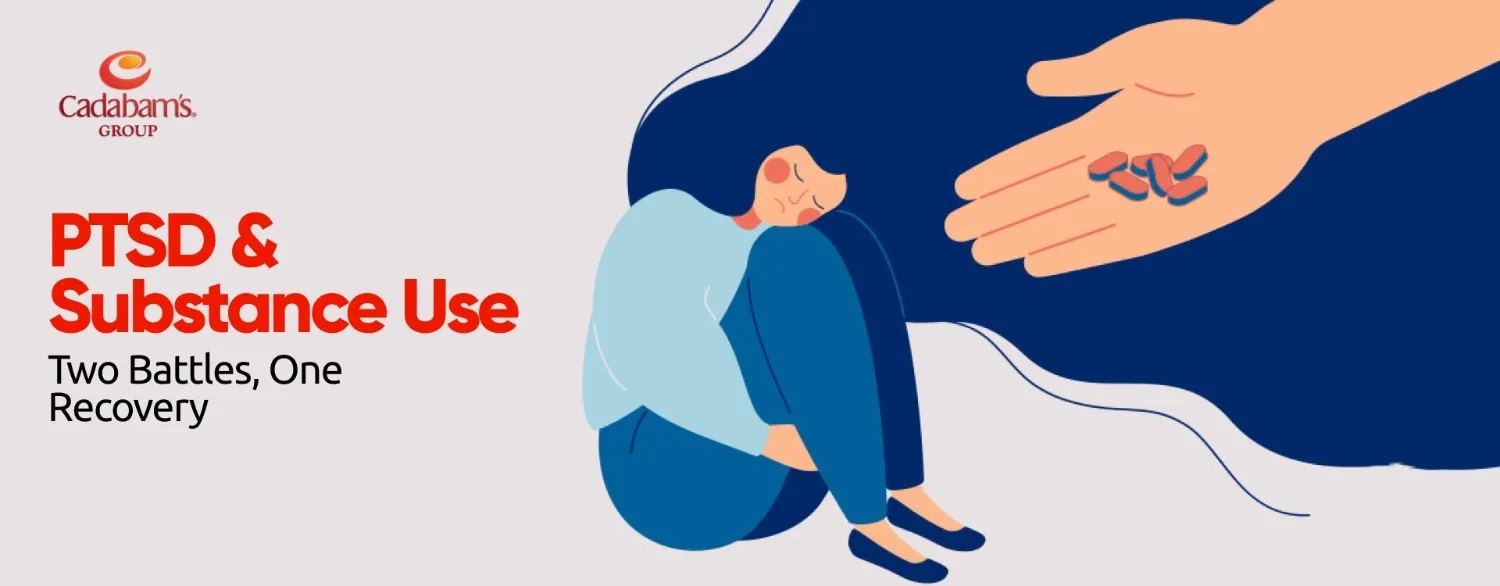
View profilePost-Traumatic Stress Disorder (PTSD) is a mental health condition that can develop after a person experiences or witnesses a traumatic event. It is characterized by intense, disturbing thoughts and feelings related to the trauma that last long after the event has ended.
Navigating the aftermath of trauma can be overwhelming, but understanding the condition is the first step toward healing. At Cadabam’s, our experienced mental health professionals are here to provide the support and treatment you need to reclaim your life.
Good to know
Post-Traumatic Stress Disorder, or PTSD, is an anxiety disorder that can occur following a terrifying or life-threatening event. It causes a person to feel stressed or frightened even when they are no longer in danger
What to look for
Symptoms of PTSD can disrupt daily life and are typically grouped into four categories. A person with PTSD may not experience all symptoms, but a combination is common.
Intrusive Memories
Negative Changes in Thinking and Mood
Meet the clinicians
Psychiatrist
Consultant Psychiatrist
21 years of experience
Treats: SLD, Autism Spectrum Disorder, Dementia, Schizophrenia, Bipolar Disorder, OCD, Drug Addiction
View profile
Psychiatrist
Consultant Psychiatrist
6 years of experience
Treats: Schizophrenia, Personality Disorder, OCD, Dementia, Autism, Drug Addiction
View profile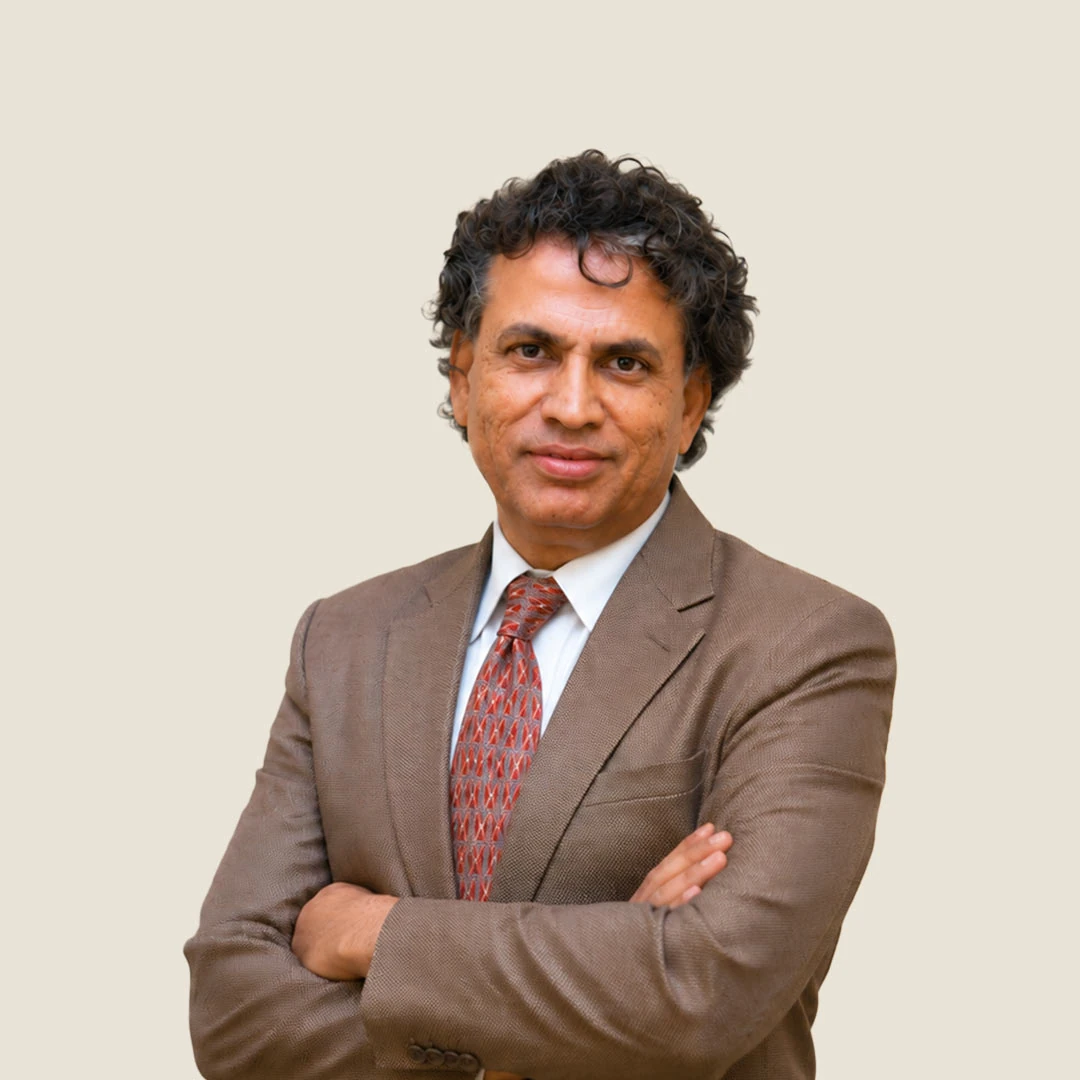
Psychiatrist
Medical Director
25 years of experience
Treats: Alcohol Dependence, Bipolar Disorder, Dementia, Schizophrenia, Drug Addiction, Personality Disorder, OCD
View profile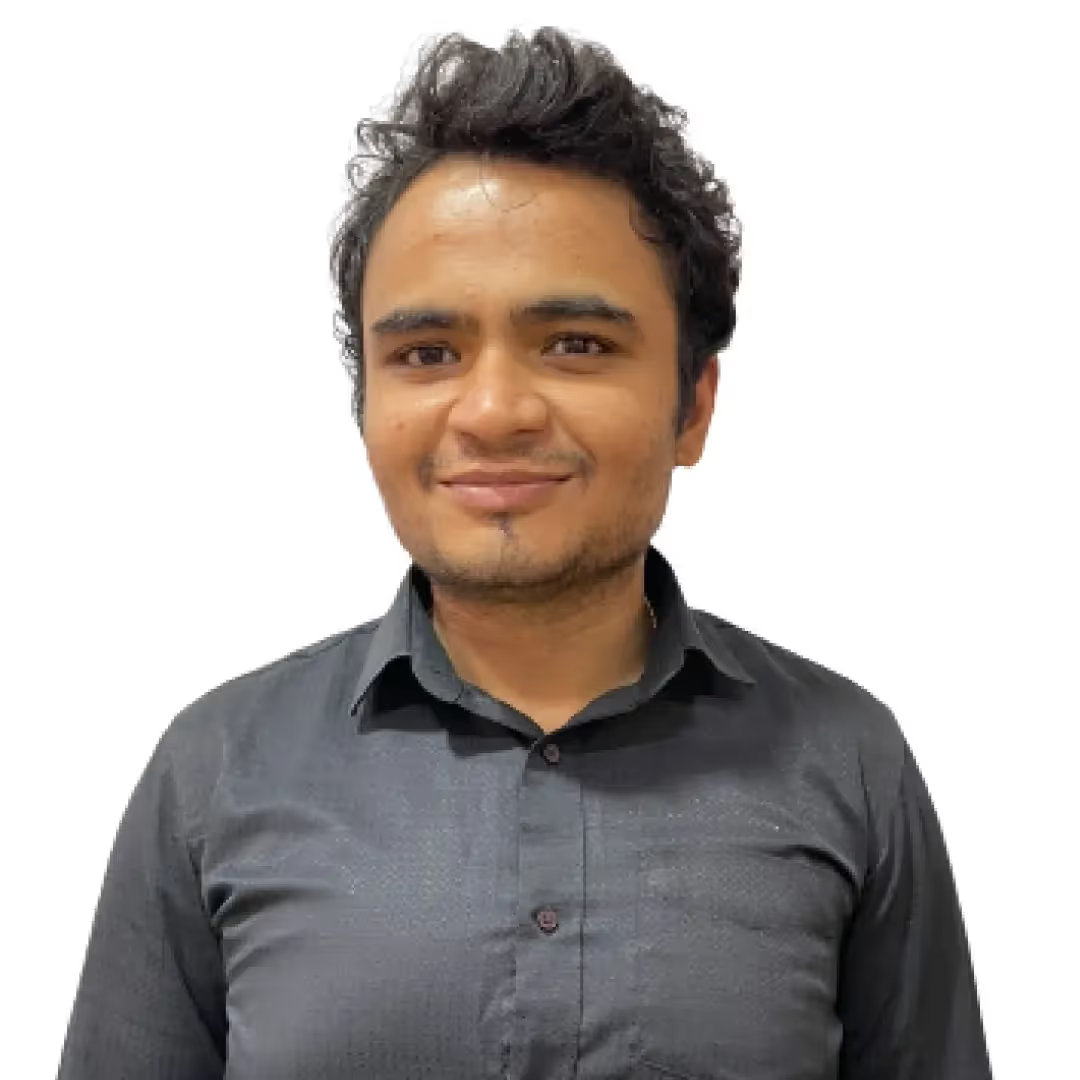
Psychologist
Clinical Psychologist
6 years of experience
Treats: Autism Spectrum Disorder, Bipolar Disorder, Dementia, OCD, Personality Disorder, Schizophrenia, SLD
View profileWhy it happens
PTSD is caused by exposure to a traumatic event. Not everyone who experiences trauma will develop PTSD, but certain types of events are more likely to lead to it.
Good to know
It is crucial to seek professional help if trauma-related symptoms persist for more than a month and significantly impact your quality of life.
Your symptoms are severe: If flashbacks, nightmares, or anxiety are making it hard to function at work, school, or in relationships.
You are using unhealthy coping mechanisms: This includes substance abuse (drugs or alcohol) to numb your feelings.
You feel constantly on edge: If you are hypervigilant, irritable, or have angry outbursts.
You are avoiding important aspects of life: If you isolate yourself from friends, family, or activities you once enjoyed.
You have thoughts of harming yourself or others: This is a medical emergency. Seek immediate help.
If you or a loved one are struggling, remember that help is available. Reach out to the experts at Cadabam’s to start your recovery journey.
Our centres

Our Specialised De-Addiction Centre in Bangalore
Read more
Long-Term Rehabilitation Center in Bangalore, India
Read more
Advanced Psychiatric Rehab Centre in Bangalore
Read more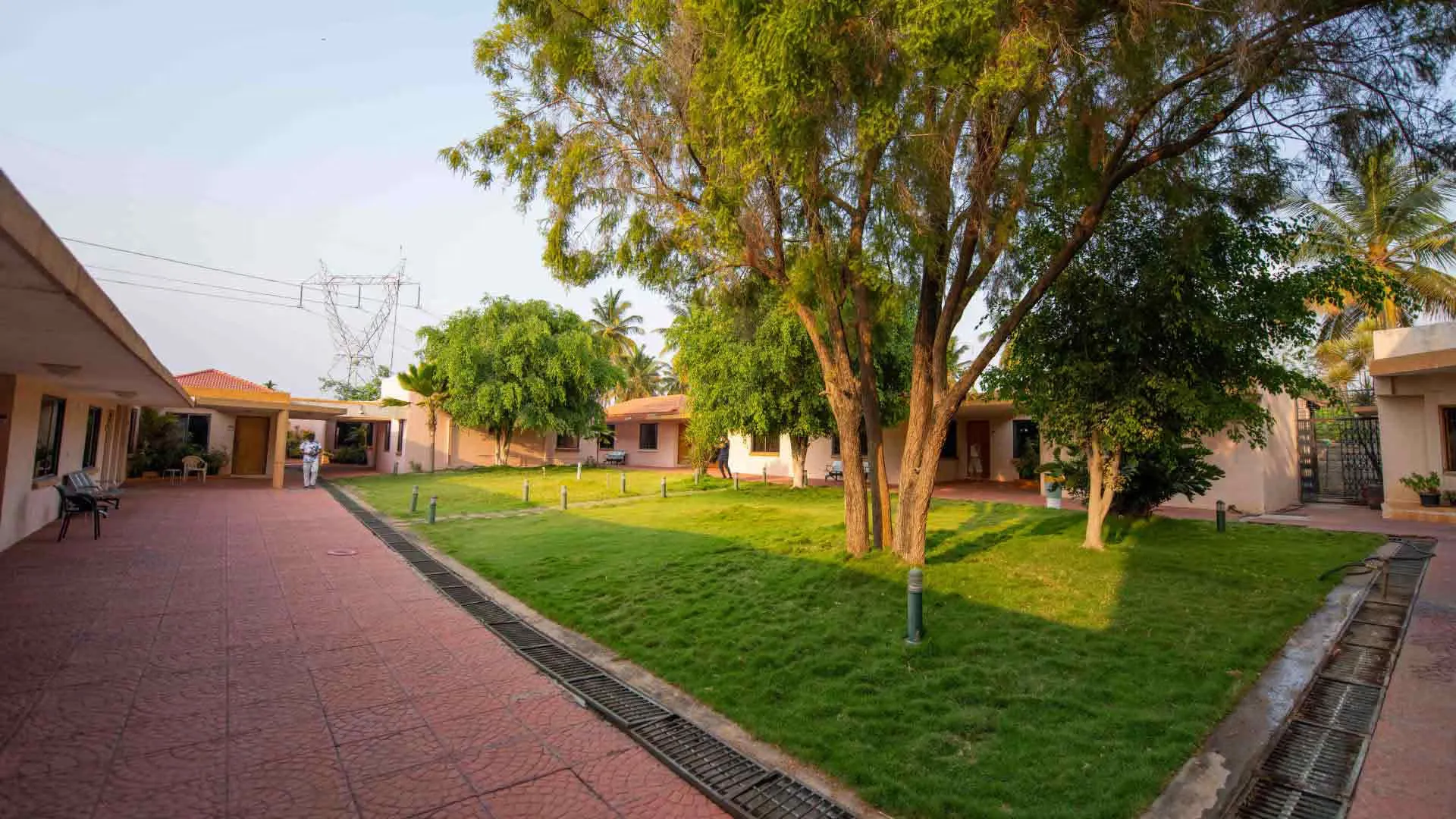
Luxury Rehabilitation Center in Bangalore, India
Read more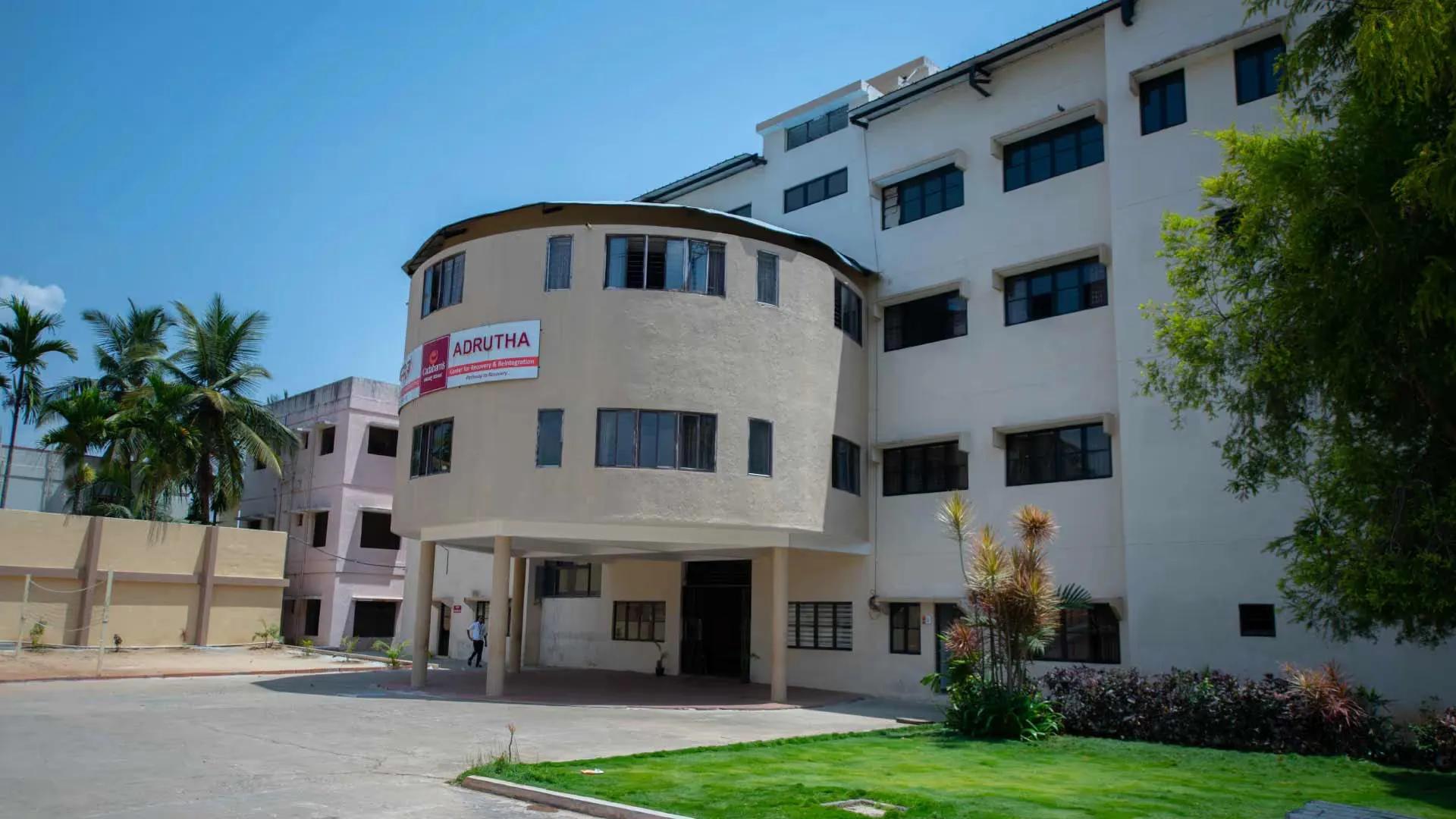
Our Affordable Rehab Centre in Bangalore
Read more
Our Advanced Mental Health Rehab Centre In Hyderabad
Read more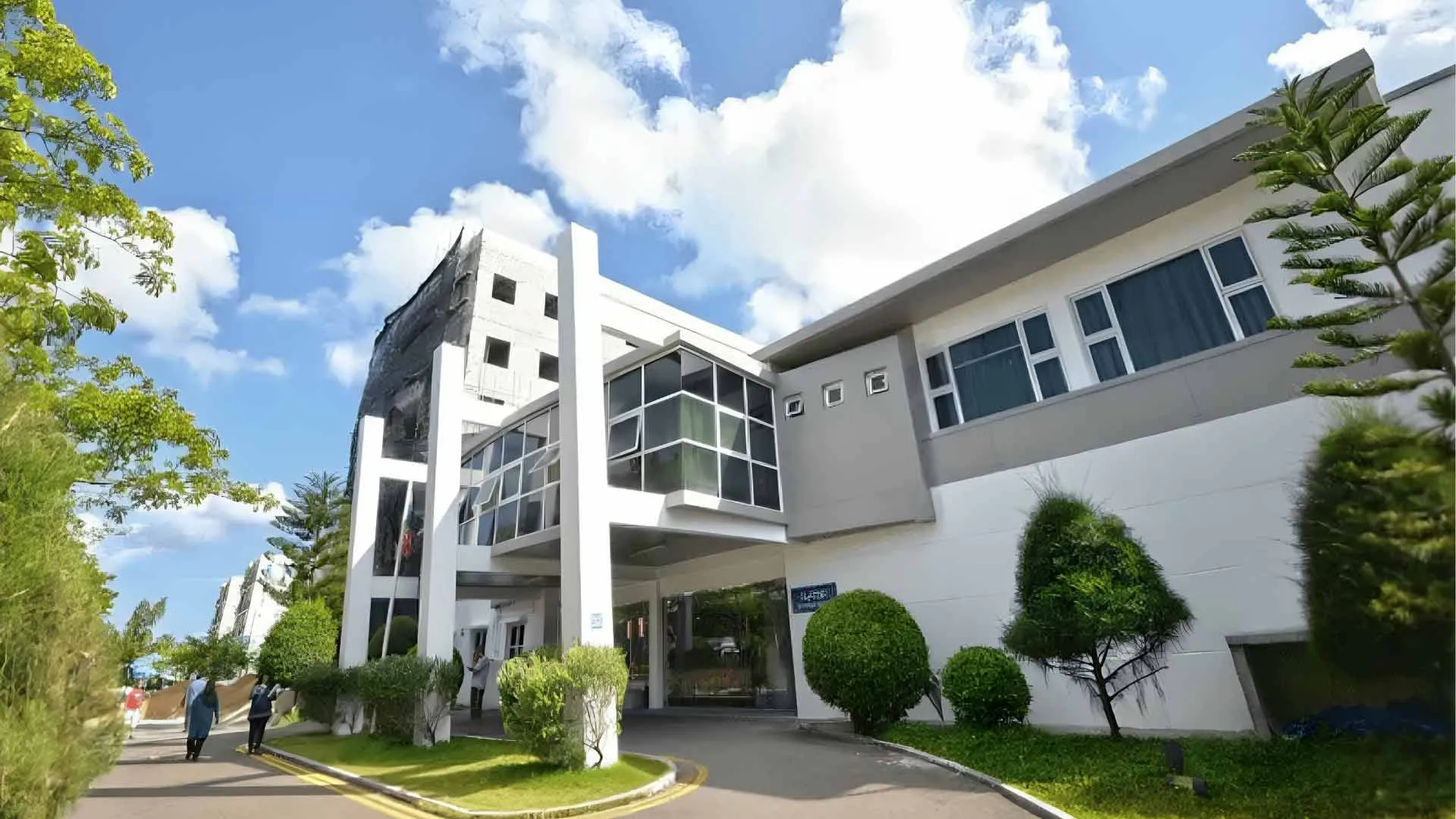
Premier Mental Health & Rehabilitation Centre in Maldives
Read moreHow we help
Treatment for PTSD is highly effective and focuses on processing the trauma and developing healthy coping skills. At Cadabam’s, our approach is tailored to each individual's needs.
Antidepressants: SSRIs (selective serotonin reuptake inhibitors) and SNRIs (serotonin-norepinephrine reuptake inhibitors) can help manage symptoms like sadness, worry, anger, and numbness.
Anti-anxiety medications: May be prescribed for a short period to relieve severe anxiety.
Prazosin: Often used to reduce or suppress nightmares related to PTSD.
Psychotherapy is the primary treatment for PTSD. Therapists work with individuals to process their traumatic experiences and develop coping strategies. Some of the most effective types include:
Cognitive Behavioral Therapy (CBT): This therapy helps you identify and change negative thinking patterns and behaviors related to the trauma.
Trauma-Focused CBT: A specific form of CBT that directly addresses the memory of the traumatic event, helping you process it in a safe environment.
Eye Movement Desensitization and Reprocessing (EMDR): This technique uses guided eye movements to help you process and make sense of traumatic memories, reducing their emotional impact.
Exposure Therapy: In a controlled and safe setting, this therapy gradually exposes you to the thoughts, feelings, and situations you have been avoiding, helping to reduce fear and avoidance behaviors.
Mindfulness and Relaxation: Techniques like deep breathing, meditation, and yoga can help manage anxiety.
Regular Exercise: Physical activity is a powerful tool for reducing stress and improving mood.
Healthy Diet: A balanced diet can support overall mental and physical well-being.
Strong Support System: Connecting with trusted family, friends, or a support group is vital.
Avoiding Alcohol and Drugs: These substances can worsen PTSD symptoms and interfere with treatment.
Emergency service
Find nearest mental health center now
Living with PTSD is challenging, but healing is possible. With the right support and evidence-based treatment, you can manage your symptoms and move forward. Cadabam’s offers comprehensive care programs designed to help you recover from trauma in a safe and supportive environment.
Take the first step today. Call us at +91 9611194949 for a confidential consultation.

33+ years of focused mental healthcare, shaped by 1000+ real patient journeys.

State of the art mental health centres built for treatment and recovery.

A coordinated team of psychiatrists, psychologists, counsellors, and rehabilitation specialists supporting your care.

Support from early signs through treatment and recovery.

Treatment guided by clear plans that continue beyond diagnosis.

Planned follow ups and continued guidance to help maintain progress over time.
Inside our centres
FAQs
Patient journeys
Voices of Resilience
Paranoid Schizophrenia - Seeta's Story
Depression due to Abortion and Paranoid Schizophrenia
Read story →Voices of Resilience
Comorbid Disorders - Akash's Story
OCD, Bipolar and Substance Abuse Disoder along with Tic Disorder
Read story →Voices of Resilience
Bipolar Affective Disoder - Meena's Story
Depression, Bipolar Affective Disorder, and Obsessive Compulsive Disorder
Read story →Voices of Resilience
Borderline Personality Disorder - Sumadhra's Story
Emotionally Unstable with Borderline Personality Disorder
Read story →Further reading
Care pathways
Psychiatrist care for PTSD with personalised assessment, treatment planning, and ongoing support from experienced specialists.
Learn morePsychologist care for PTSD with personalised assessment, treatment planning, and ongoing support from experienced specialists.
Learn moreTherapist care for PTSD with personalised assessment, treatment planning, and ongoing support from experienced specialists.
Learn moreCounselor care for PTSD with personalised assessment, treatment planning, and ongoing support from experienced specialists.
Learn moreRehabilitation for PTSD designed to support stability, independence, and sustained recovery through evidence-based mental healthcare.
Learn moreSpecialised treatment center for PTSD offering psychiatric consultation, diagnosis, medication management, and therapy for long-term symptom stability.
Learn moreComprehensive rehabilitation programs for PTSD with personalised treatment plans, therapy, and long-term aftercare support.
Learn moreHelpline at your fingertips
+91 9611194949