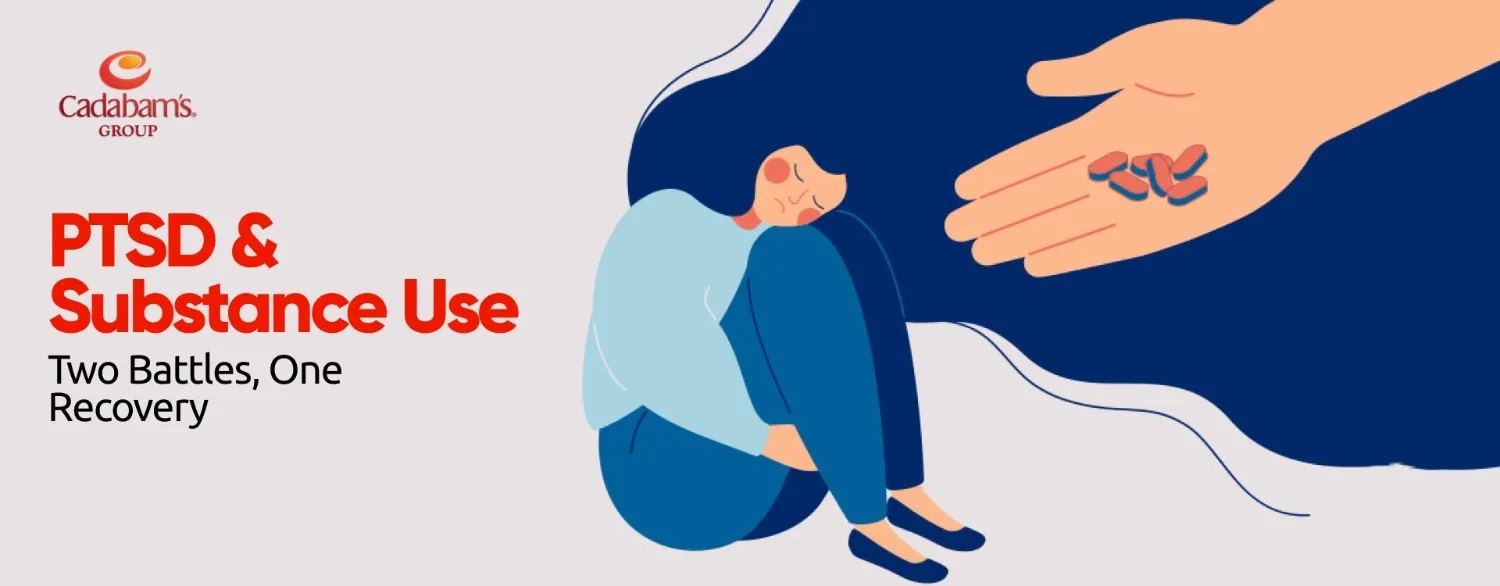
Cognitive dysfunction in PTSD affects how individuals think, focus, and remember, often disrupting daily functioning long after a traumatic experience has passed. Alongside emotional symptoms, PTSD commonly impacts attention, decision-making, and memory processes, making everyday tasks more challenging.
In this article, we explore how PTSD leads to cognitive and memory difficulties, the biological and psychological mechanisms behind these changes, how professionals identify cognitive dysfunction, and the most effective treatments and coping strategies for recovery.
What Is PTSD and How Does It Affect Cognitive Function?
Post-Traumatic Stress Disorder (PTSD) is a trauma-related mental health condition that not only affects emotions but also significantly disrupts cognitive processes such as memory, concentration, and decision-making. Understanding PTSD is essential to recognising how cognitive dysfunction in PTSD develops and impacts daily life.
What is PTSD?
Post-Traumatic Stress Disorder is a psychological response to trauma such as combat exposure, natural disasters, serious accidents, or physical assault. It is characterised by:
- Intrusive thoughts and distressing memories related to the trauma
- Avoidance of trauma-related reminders
- Negative changes in mood and beliefs
- Heightened arousal, such as irritability and hypervigilance
Prevalence and Overall Impact of PTSD
PTSD can affect anyone, regardless of age or background. It often leads to significant distress and can interfere with relationships, work, and the ability to perform everyday tasks. The condition's impact extends beyond emotional turmoil, frequently causing tangible physical and cognitive symptoms that require professional support.
How Does PTSD Lead to Cognitive Dysfunction?
PTSD affects several brain systems responsible for attention, learning, and memory, which explains why many individuals experience mental fog, slowed thinking, and forgetfulness. This direct connection between trauma and brain functioning is central to cognitive dysfunction in PTSD.
Key Cognitive Symptoms Linked to PTSD
People experiencing PTSD often report cognitive challenges such as:
- Trouble concentrating on tasks or conversations
- Forgetfulness or gaps in memory
- Negative beliefs about oneself or the world
- Difficulty processing information clearly
For a PTSD diagnosis, these symptoms must persist over time and cause significant functional impairment.
What is The Connection Between PTSD and Cognitive Issues?
The chronic stress and hyperarousal associated with PTSD directly impact brain regions responsible for thinking, learning, and memory. This link explains why so many individuals with PTSD report feeling "foggy" or mentally slowed down, a clear sign of cognitive dysfunction in PTSD that professionals can help manage.
What Are the Main Cognitive and Memory Problems in PTSD?
PTSD impacts both executive functioning and memory systems, creating a range of challenges that affect everyday decision-making and information recall. These difficulties are central to both cognitive dysfunction in PTSD and memory dysfunction in PTSD.
How Does PTSD Affect Concentration and Decision-Making?
Many individuals report a noticeable decline in their ability to think clearly and manage complex mental tasks after developing PTSD.
Concentration Difficulties in PTSD
Distracting thoughts, hypervigilance, and emotional distress can make it incredibly difficult to focus on tasks, conversations, or even enjoyable activities. This persistent lack of focus can impact performance at work or school and create feelings of frustration and inadequacy, requiring targeted therapeutic strategies to manage.
Decision-Making Challenges Related to PTSD
PTSD can impair executive functions, making it challenging to weigh options, anticipate consequences, and make sound decisions. Individuals may feel overwhelmed by simple choices or act impulsively to avoid the anxiety associated with deliberation, which can complicate personal and professional life.
What Types of Memory Dysfunction Occur in PTSD?
Challenges with memory are a core feature of the condition, ranging from forgetting everyday information to being haunted by intrusive recollections. The specific memory dysfunction in PTSD can be complex.
Everyday Memory Lapses in PTSD
Many individuals with PTSD experience difficulty recalling recent information or portions of the traumatic event. This occurs because extreme stress disrupts memory encoding processes, leading to:
- Forgetting appointments or conversations
- Trouble learning new information
- Partial amnesia surrounding trauma
These challenges reflect memory dysfunction in PTSD, not simple forgetfulness.
Intrusive Memories and Flashbacks in PTSD
A hallmark of PTSD, flashbacks are vivid, involuntary memories where a person feels as if they are reliving the traumatic event. These are not just bad memories; they are multisensory experiences that feel intensely real and can happen without warning, causing significant distress.
What Causes Cognitive Dysfunction in PTSD?
Cognitive difficulties in PTSD stem from both neurobiological changes in the brain and disrupted psychological processing of traumatic memories. Understanding the "why" behind these cognitive issues involves looking at both the brain's biology and psychological processing.
How Does Trauma Affect the Brain?
The extreme stress of a traumatic event sets off a cascade of changes in the brain that can have long-lasting effects.
Brain Region Changes Linked to PTSD
Trauma can alter the structure and function of key brain areas. The amygdala (the brain's fear centre) becomes overactive, while the prefrontal cortex (responsible for rational thought) and the hippocampus (crucial for memory) can be impaired. This imbalance contributes directly to the symptoms of PTSD.
Stress Hormones and Long-Term Cognitive Effects
Chronic stress from PTSD floods the body with hormones like cortisol and adrenaline. While useful in short bursts, prolonged exposure to these chemicals can damage neurons in the hippocampus, further hindering the ability to form new memories and regulate fear responses, solidifying the pattern of cognitive dysfunction in PTSD.
How Do Psychological Processes Contribute to Cognitive Issues?
Trauma disrupts how the mind processes experiences, leading to persistent negative thoughts and fragmented memories.
Cognitive Processing Difficulties in PTSD
This theory suggests that PTSD stems from conflicts between pre-trauma beliefs (e.g., "The world is a safe place") and the reality of the traumatic event. The cognitive dysfunction arises as the mind struggles to make sense of this new, conflicting information, leading to unhelpful thoughts and avoidance behaviours.
Emotional Processing Failures After Trauma
When a traumatic memory is not properly processed, it fails to become a normal, integrated part of a person's life story. Instead, it remains fragmented and emotionally charged. This failure in emotional processing is what allows intrusive memories and flashbacks to persist, disrupting current thoughts and focus.
How Is Cognitive Dysfunction in PTSD Identified?
Identifying cognitive problems related to PTSD requires a detailed clinical evaluation using structured interviews, cognitive testing, and symptom reports. Accurate diagnosis is important to distinguish PTSD-related impairments from those caused by other mental health conditions.
What Assessment Tools Are Used?
Professionals use a combination of tools to evaluate the cognitive impact of PTSD, providing a comprehensive picture of an individual's challenges.
Clinical Cognitive Assessments for PTSD
A clinician will conduct detailed interviews to understand the nature of a person's symptoms. At centres like Cadabam’s, specialists use structured diagnostic interviews and neuropsychological tests to objectively measure functions like attention, memory, and executive function, helping to tailor rehabilitation programmes effectively.
Self-Reported Cognitive Symptom Measures
Questionnaires and scales allow individuals to report their own experiences with attention, memory, and cognitive clarity. These self-reported measures are a vital part of the diagnostic process, offering valuable insights into the subjective and daily impact of the cognitive symptoms a person is facing.
How Is PTSD-Related Cognitive Dysfunction Differentiated from Other Conditions?
Many cognitive symptoms overlap with other mental health conditions, making an accurate differential diagnosis essential.
PTSD vs Depression Cognitive Symptoms
While both PTSD and depression cause concentration problems:
- PTSD cognitive issues are linked to trauma triggers and intrusive memories
- Depression-related difficulties are tied to low mood and reduced motivation
Understanding these differences guides effective treatment.
PTSD vs Anxiety Disorder Cognitive Symptoms
General anxiety can cause mental fog, but PTSD is characterised by:
- Trauma-related flashbacks
- Memory gaps related to the event
These features distinguish cognitive dysfunction in PTSD from other anxiety conditions.
What Does Research Show About PTSD and Cognitive Dysfunction?
Research consistently demonstrates that PTSD is associated with long-term changes in brain activity and cognitive performance. Studies using neuroimaging and long-term follow-ups highlight how trauma impacts memory systems and emotional regulation.
What Have Studies Found About Cognitive Impairments?
Modern research tools are providing unprecedented insight into how PTSD affects the brain's wiring and performance over time.
Neuroimaging Findings
Studies using fMRI and PET scans show clear differences in brain activity in people with PTSD. These images reveal patterns of hyper-reactivity in the amygdala and reduced activity in the prefrontal cortex during memory tasks, providing a visible neurological basis for symptoms like emotional dysregulation and poor concentration.
Longitudinal Studies
Longitudinal research, which follows individuals over many years, suggests that cognitive impairments can persist or even worsen if PTSD is left untreated. These studies highlight the importance of early intervention to mitigate long-term damage to cognitive health and improve overall quality of life.
What Research Reveals About Memory Dysfunction in PTSD?
Researchers are particularly focused on how trauma specifically impacts the brain’s ability to store and retrieve memories.
The Role of the Hippocampus
The hippocampus is vital for contextualising memories—placing them in time and space. Research confirms that sustained stress impairs hippocampal function, which explains why traumatic memories in PTSD lack context and feel as if they are happening in the present, a key feature of memory dysfunction in PTSD.
Memory Encoding and Retrieval Processes
Studies on memory dysfunction in PTSD show that trauma disrupts both the encoding (forming) and retrieval (recalling) of memories. While details of the trauma may be vividly remembered, the surrounding context is often lost. This fragmented memory storage contributes to both amnesia and intrusive flashbacks.
Free · Confidential
Book screening with our triage team
Speak to a clinician in minutes. We’ll help you figure out the right next step.
How Can Cognitive Dysfunction in PTSD Be Treated?
Treatment for cognitive dysfunction in PTSD typically combines trauma-focused therapies with supportive self-care strategies. These approaches aim to process traumatic memories, reduce emotional distress, and restore cognitive clarity over time.
What Therapies Help Improve Cognitive Function in PTSD?
Evidence-based psychological therapies are the most effective methods for reducing PTSD symptoms and improving cognitive functioning. These treatments focus on restructuring thought patterns and processing traumatic memories safely.
Cognitive Behavioural Therapy (CBT)
CBT helps individuals identify and challenge the unhelpful thinking patterns and beliefs that fuel PTSD. By restructuring these thoughts, a person can reduce feelings of fear and avoidance, which in turn improves concentration and allows for healthier cognitive processing and overall functioning.
Eye Movement Desensitisation and Reprocessing (EMDR)
EMDR is a structured therapy that helps the brain process and integrate traumatic memories. Using bilateral stimulation (like eye movements), it helps "unstick" these memories, reducing their emotional charge and making them less intrusive, thereby freeing up mental resources.
What Self-Help Strategies Support Cognitive Recovery?
Alongside professional treatment, daily coping strategies and social support play a vital role in recovery. These approaches help manage stress, improve focus, and build resilience over the long term.
Mindfulness and Meditation
Practising mindfulness helps ground you in the present moment, which is a powerful antidote to intrusive memories and hypervigilance. These techniques train the brain to gently redirect focus away from distressing thoughts, improving attention control, and reducing the feeling of being overwhelmed.
Building a Support Network
Connecting with trusted family, friends, or support groups creates a safe space to share experiences without judgement. This sense of community reduces isolation and provides encouragement, which is vital for long-term recovery from PTSD and its associated cognitive challenges.
How Can Cadabam’s Help You Overcome Cognitive Dysfunction in PTSD?
Overcoming cognitive dysfunction in PTSD is a journey, but it is one you do not have to walk alone. With the right professional guidance and support, it is possible to process trauma, regain mental clarity, and move forward toward a healthier future.
If you are searching for a solution to your problem, Cadabam’s Rehabilitation Centre can help you with its team of specialised experts. We have been helping thousands of people live healthier and happier lives for 33+ years. We leverage evidence-based approaches and holistic treatment methods to help individuals effectively manage their Post-Traumatic Stress Disorder. Get in touch with us today. You can call us at +91 96111 94949.