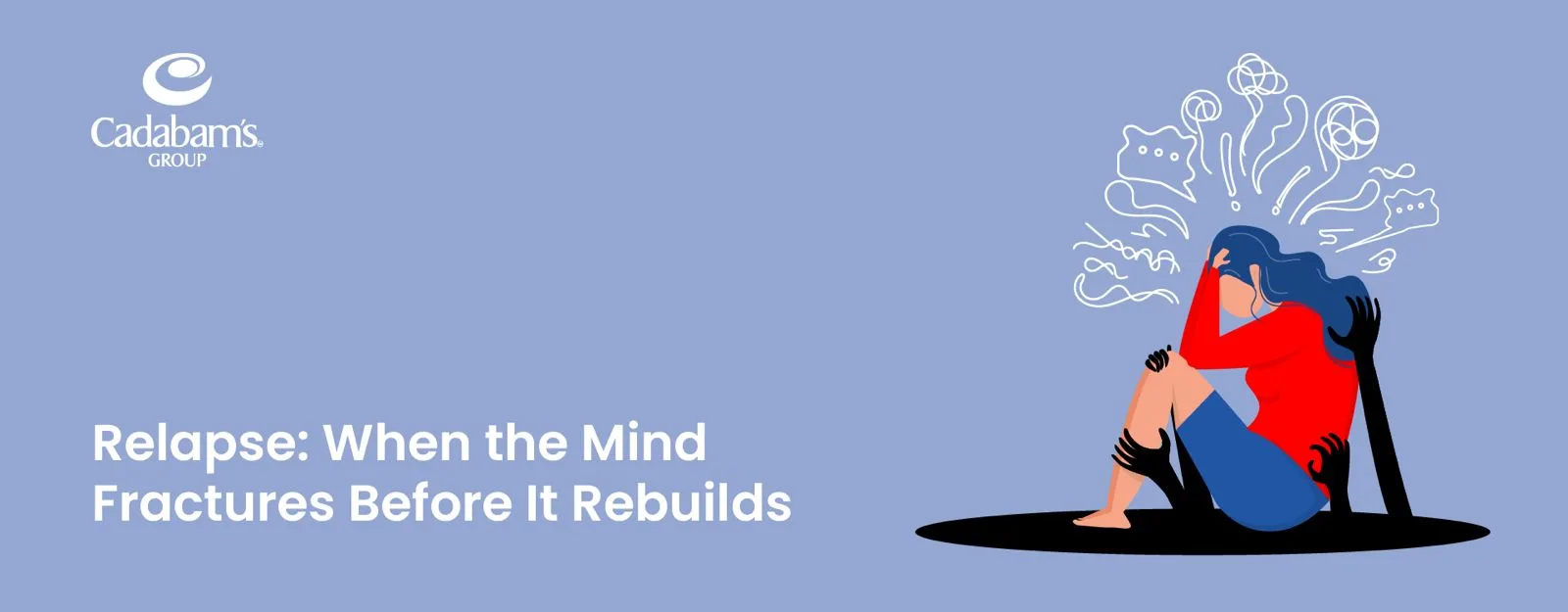
Opioid dependence is a medical condition in which a person's body and mind become reliant on opioids, whether prescription painkillers or illicit substances, to function normally. Over time, the brain adapts to the presence of the drug and begins to need it just to feel okay. It rarely develops suddenly. Recognising opioid dependence early is difficult because it builds gradually through small but meaningful changes in behaviour, emotions, and daily functioning.
This guide explains the early signs of opioid dependence, including behavioural, emotional, and social indicators. Whether you are a family member, colleague, or HR professional, understanding these changes can help you respond with awareness rather than assumption.
What Are The Early Behavioural Signs of Opioid Addiction in Adults?
Behavioural changes are often the most visible indicators of opioid dependence symptoms and usually appear across multiple areas of daily life. The key pattern is not a single off day, but a consistent and unexplained decline over time.
Decline In Work Performance And Inability To Manage Daily Responsibilities
One of the earliest areas affected is an individual’s ability to manage daily responsibilities. This is not about occasional lapses, but a steady drop in performance.
- At Work or School: Missed deadlines, reduced productivity, poor concentration, or frequent absences.
- At Home: Neglected chores, unpaid bills, and forgotten appointments.
- General Disorganisation: Increased confusion, poor time management, and difficulty staying organised.
Secretive Behaviour Patterns Linked To Hiding Opioid Use
As dependence develops, secrecy becomes more noticeable. Individuals may try to hide their substance use to avoid concern or intervention. These patterns often become clearer when recognising opioid dependence over time:
- Hiding Evidence: Empty pill bottles or medication found in unusual places, or using substances in private.
- Vague Explanations: Unclear or inconsistent answers about daily activities.
- Defensiveness: Irritation or anger when asked about health, routines, or behaviour.
What Do Disrupted Sleep and Declining Self-Care Say About Opioid Dependence?
Opioid use can disrupt the body’s natural rhythms, leading to noticeable changes in routine. These are key behavioural signs of opioid addiction.
- Sleep Disturbances: Irregular sleep, insomnia, or excessive drowsiness.
- Changes in Eating Habits: Loss of appetite or sudden cravings causing weight changes.
- Decline in Personal Hygiene: Reduced attention to grooming, clothing, and cleanliness.
What Are the Emotional Signs of Opioid Misuse?
Alongside behavioural shifts, emotional instability is a core component of recognising opioid dependence in its early stages. The emotional signs of opioid misuse can be confusing, as they often mimic symptoms of other mental health conditions like anxiety or depression.
Heightened Irritability and Mood Instability
Opioids act directly on the brain's emotional regulation centres, which means that even early-stage dependence can produce noticeable and uncharacteristic changes in how a person manages their feelings. These emotional changes can be key indicators when recognising opioid dependence beyond physical symptoms:
- Sudden Outbursts: The individual may have angry outbursts over small inconveniences that would not have bothered them before.
- Drastic Mood Shifts: They might rapidly switch between feeling agitated and anxious to being emotionally flat and disconnected, sometimes within the same conversation.
- Emotional Volatility: This difficulty in regulating emotions makes their reactions seem disproportionate to the situation at hand.
Anxiety, Guilt, and Persistent Shame
The internal conflict of hiding a dependence often manifests as pervasive anxiety and guilt. This emotional turmoil is a key aspect of identifying opioid misuse in adults.
- Constant Worry: A person may live with a persistent fear of being "found out," leading to heightened anxiety in social situations.
- Increased Defensiveness: Simple questions about their well-being can be perceived as accusations, triggering defensive or hostile responses.
- Emotional Distancing: To avoid the discomfort of guilt and shame, they may pull away from close relationships, creating an emotional chasm between themselves and those who care about them.
Emotional Numbness and Loss of Interest in Daily Life
While opioids are often taken to numb physical pain, they also numb emotions, leading to a state of apathy or anhedonia (the inability to feel pleasure).
- Loss of Interest: Hobbies, activities, and relationships that once brought joy now seem uninteresting and unworthy of effort.
- Social Withdrawal: This emotional bluntness is often paired with social isolation, as engaging with others feels exhausting and pointless.
- Inability to Connect: They may seem distant or "checked out," unable to express emotions or connect with the feelings of others.
Financial Warning Signs Associated with Opioid Dependence
Financial strain is one of the more concrete early signs of opioid dependence, and it often appears before people think to connect it to substance use at all. Sustaining a dependence has a real cost, and that cost has to come from somewhere.
Some of the most common financial red flags to be aware of:
- Unexplained money shortages: Borrowing from friends or family without a clear reason, or small loans that never seem to get paid back.
- Valuable items quietly disappearing: Electronics, jewellery, or other sellable belongings that go missing without a straightforward explanation.
- Basic expenses are being skipped: Rent, groceries, or utility bills are going unpaid, even when money seemed available not long before.
- Secrecy around spending: Vague or inconsistent answers when finances come up, and visible discomfort when asked where money has gone.
How Does Opioid Dependence Move from a Trigger to a Trap?
For people on the outside looking in, recognising opioid dependence can seem confusing. Why does someone keep going back to something that is clearly hurting them? The answer usually has nothing to do with willpower. It has everything to do with how the pattern takes hold, quietly and repeatedly, until it feels like the only way to cope. It tends to unfold like this:
- A trigger sets things off: Something painful happens, whether it is physical pain, a difficult emotion, loneliness, or a stressful situation that feels too big to handle. The discomfort is real, and it needs somewhere to go.
- The craving takes over: The mind starts fixating on relief. This is often when the most visible warning signs appear, the secrecy, the irritability, the pulling away from people, because the person is consumed by the need to feel okay again.
- The substance becomes the solution: Opioids are used not for pleasure but to make the pain stop. And for a while, they do. That temporary relief is the whole point.
- A false sense of calm follows: The pain fades, at least for now. But the brain registers what just happened and files it away. Next time things get hard, it will remember exactly what made it feel better. And so the pattern deepens, not because the person wants it to, but because the brain is doing exactly what brains do.
Free · Confidential
Book screening with our triage team
Speak to a clinician in minutes. We’ll help you figure out the right next step.
What Treatment Approaches Help With Opioid Dependence Symptoms?
Rehabilitation programs focus on more than just stopping opioid use. They combine medical care, therapy, and long-term support to address both the physical and psychological aspects of dependence. The most effective approaches typically include:
- Medically supervised detox: Helps manage withdrawal symptoms safely and reduces physical distress during early recovery.
- Medication-assisted treatment (MAT): Uses approved medications to reduce cravings and stabilise brain function.
- Cognitive behavioural therapy (CBT) : Helps identify and change harmful thought patterns linked to substance use.
- Motivational interviewing (MI): Builds readiness and commitment to recovery.
- Individual and group therapy : Provides emotional support and reduces isolation.
- Relapse prevention planning: Teaches coping strategies to handle triggers and high-risk situations.
- Family involvement and counselling: Strengthens support systems and improves communication.
When Should You Seek Professional Help for Opioid Dependence Symptoms?
Noticing the signs is one thing. Knowing when to actually do something about them is where most people get stuck. If you are seeing a consistent pattern across behaviour, emotions, and relationships, and it has been going on for more than a few weeks, that is enough reason to reach out.
Some signs that it is time to stop waiting and seek support:
- Responsibilities slipping significantly: Work, finances, or family commitments are being neglected in ways that are becoming hard to ignore or explain away.
- Physical health visibly declining: Changes in weight, hygiene, energy, or general appearance that have no other clear cause.
- Every conversation hits a wall: Attempts to talk about what you are noticing are consistently met with denial, anger, or complete shutdown.
- Safety is becoming a concern: Whether for the person themselves or for the people around them, something feels genuinely at risk.
Final Thoughts: Early Recognition Can Change the Course of Opioid Dependence
Opioid dependence rarely announces itself loudly. It shows up in small, easy-to-miss shifts across behaviour, emotions, and relationships. These signs are not character flaws — they are symptoms of a condition that responds well to early, compassionate support. Recognising opioid dependence at this stage can make a meaningful difference. Paying attention and acting on it early is one of the most meaningful things you can do for someone you care about.
If you are searching for a solution to your problem, Cadabam’s Rehabilitation Centre can help you with its team of specialised experts. We have been helping thousands of people live healthier and happier lives for 33+ years. We leverage evidence-based approaches and holistic treatment methods to help individuals effectively manage their Opioid Dependence. Get in touch with us today. You can call us at +91 96111 94949.