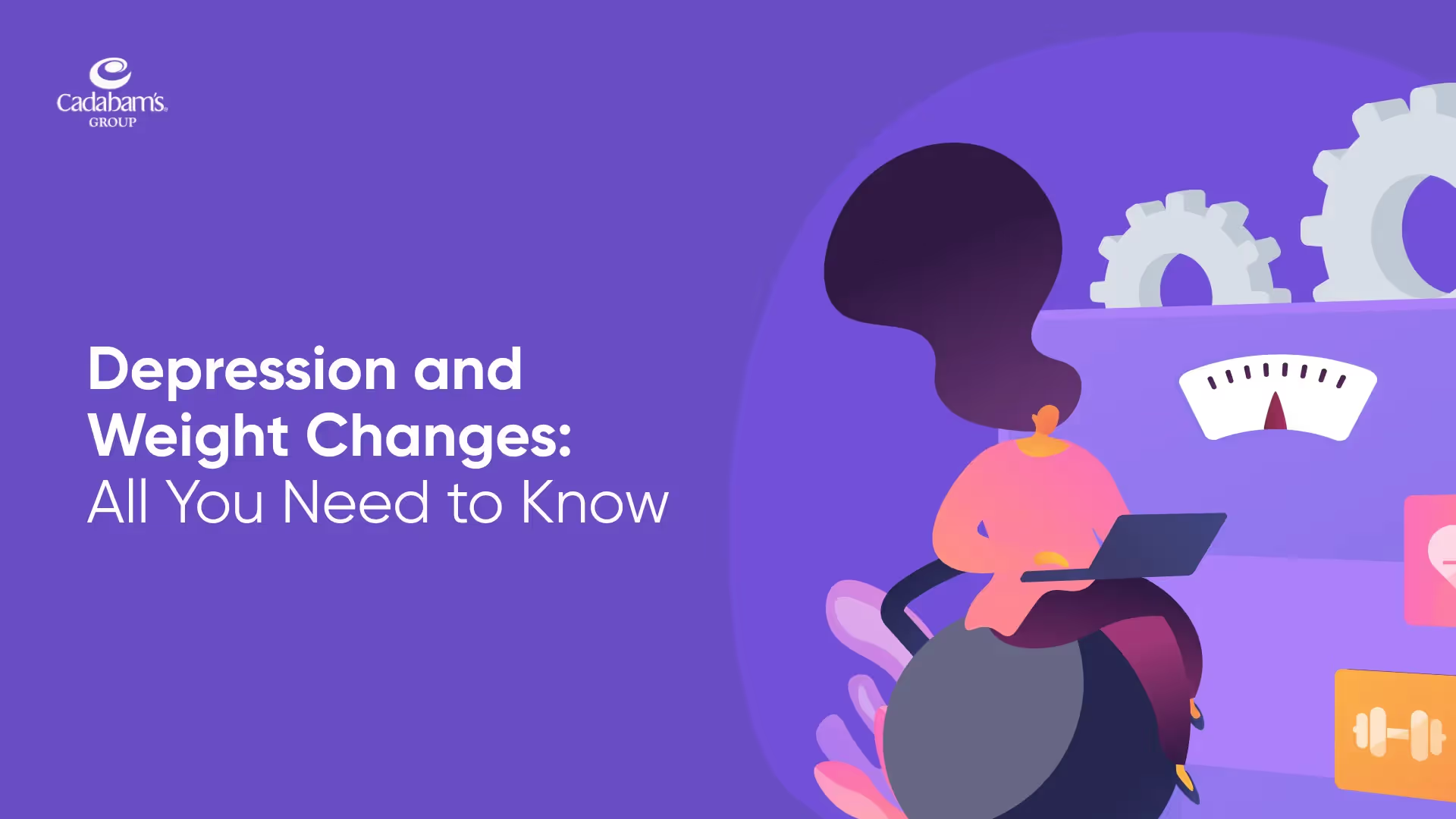
Food and mood often go together. You might reach for a comforting bag of chips when you feel low or feel extremely stressed. It is normal for difficult emotions to make you overeat or eat too little.
But if you live with depression, changes in food patterns and habits can be long term and lead to drastic weight gain or loss.
Weight gain and depression can stem from social, environmental or biological causes, further research has shown that patients with depressive symptoms are likely to experience an increase in BMI ( Body Mass Index) and waist circumference over subsequent years.
Depression can also cause a decrease in appetite that eventually leads to unintentional weight loss. This might leave you with aches and pains along with a sharp drop in energy levels, making it difficult to cope with the symptoms of depression.
How Depression Affects Weight
Depression can affect weight through various mechanisms, including altered eating patterns, reduced physical activity, and hormonal imbalances. Stress hormones like cortisol can also play a role.
The Link Between Weight Changes and Different Types of Depression
Depression is not a one-size-fits-all condition. Some people may experience atypical depression, which can lead to weight gain, while others may experience melancholic depression, often associated with weight loss.
Depression and Weight Loss
Some individuals with depression may experience significant weight loss due to reduced appetite and interest in food. This can result in nutritional deficiencies and further exacerbate their depression.
Example: A study published in the Journal of Psychiatric Research found that individuals with severe depression had a higher likelihood of experiencing weight loss, with a 10% decrease in body weight being common.
Depression and Weight Gain
On the flip side, depression can also lead to weight gain in certain individuals. Emotional eating, cravings for comfort foods, and decreased physical activity can contribute to this phenomenon.
Example: A review published in JAMA Pediatrics highlighted that adolescents with depression are at an increased risk of developing obesity.
Impact of Antidepressants on Weight
Antidepressant medications are commonly prescribed to manage depression. While they can be highly effective in improving mood, some of them are associated with weight gain as a side effect.
Example: Selective serotonin reuptake inhibitors (SSRIs) have been linked to weight gain in some patients. According to a study in JAMA Psychiatry, up to 25% of individuals on SSRIs experience significant weight gain.
Recognizing Unhealthy Weight Changes
It's crucial to distinguish between healthy and unhealthy weight changes. Rapid, unexplained weight loss or excessive weight gain can be signs of underlying issues, including depression.
Lifestyle Strategies for Combating Depression and Weight Issues
Managing depression and weight simultaneously can be challenging, but there are effective strategies. These include regular exercise, balanced nutrition, stress management, and seeking professional help.
Free · Confidential
Book screening with our triage team
Speak to a clinician in minutes. We’ll help you figure out the right next step.
Seeking Medical Attention for Severe Cases
If depression and its associated weight changes become severe and affect daily functioning, it's essential to consult a healthcare provider. They can offer tailored treatment plans, including therapy, medication adjustments, or referrals to specialists.
Conclusion
Depression's impact on weight is a nuanced and individualized experience. Some may lose weight, while others may gain it. Antidepressant medications can also play a role in weight changes. Recognizing these patterns and seeking help when needed is crucial to managing both mental and physical well-being. Remember the key is addressing depression while maintaining a healthy relationship with food and exercise.