Psychologist
Udisha Sarma
Clinical Psychologist
8 years of experience
Treats: Depression, Bipolar Disorder, Alcohol Dependence, Drug Addiction, Personality Disorder
View profileBipolar Disorder is a chronic mental health condition affecting emotions, thoughts, and behaviour. This guide is for individuals, families, and caregivers seeking structured support through Bipolar Disorder rehabilitation. At Cadabam’s, we provide experienced, evidence-based care to help manage symptoms and foster lasting recovery.
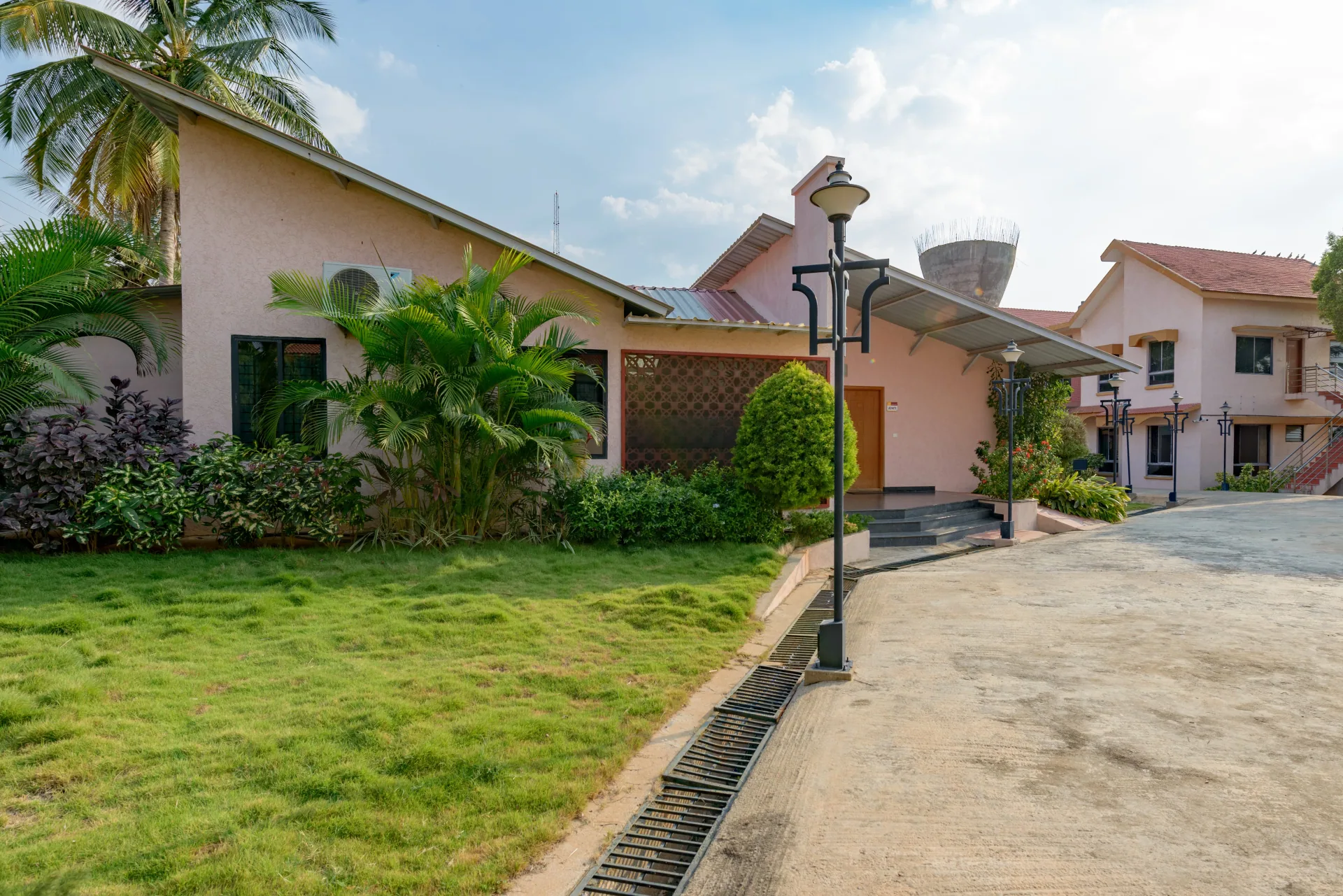
It can occur in individuals across age groups and can stay for a long time. This means that it is essential to have various forms of help and support to cope with dealing with Bipolar disorder. Rehabilitation can be one of the most effective ways of treating Bipolar, as it includes several holistic interventions. Cadabam’s has begun its state-of-the-art medical facility in Hyderabad, and with over 33 years of experience in quality mental health care under its banner; it offers one of the best care for people having to cope with Bipolar disorder. Our approach to bipolar rehabilitation focuses on offering a variety of support and treatments tailored to the individual's needs. With over thirty years of experience, our centers provide personalized care that goes beyond symptom control, aiming to help clients gain independence and return smoothly to everyday life.
Good to know
While Bipolar Disorder is a lifelong condition, it can be managed effectively, allowing individuals to lead stable and fulfilling lives. Successful management relies on a combination of medication to stabilise moods and psychotherapy to develop coping skills.
A comprehensive Bipolar Disorder rehabilitation treatment plan integrates these elements within a supportive environment. With consistent, personalised care, individuals can achieve symptom stability, improve daily functioning, reduce the frequency and severity of relapses, and regain a sense of control over their lives.
Meet the clinicians
Psychologist
Clinical Psychologist
8 years of experience
Treats: Depression, Bipolar Disorder, Alcohol Dependence, Drug Addiction, Personality Disorder
View profile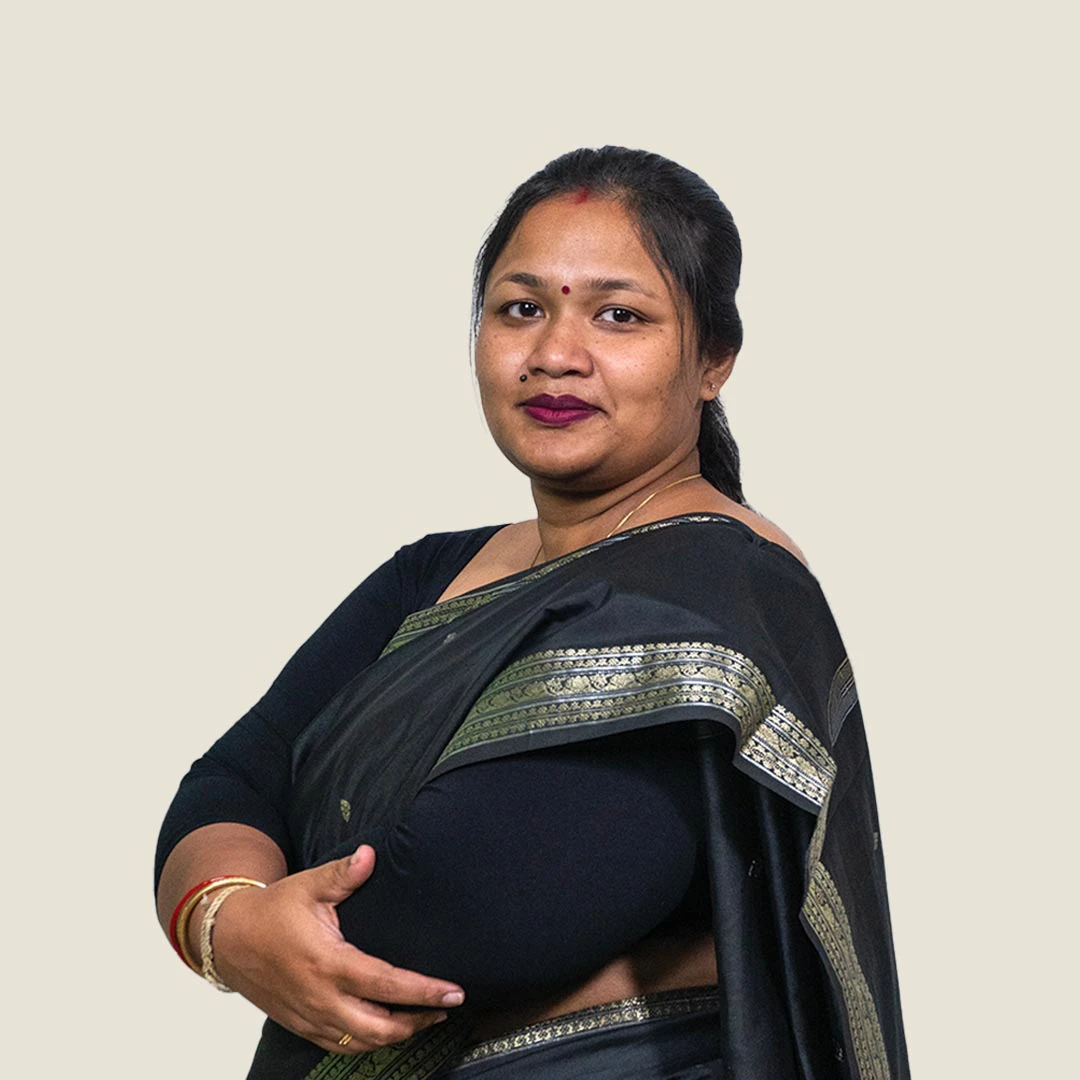
Psychologist
Clinical Psychologist
11 years of experience
Treats: OCD, Depression, Autism Spectrum Disorder, Dementia, SLD
View profile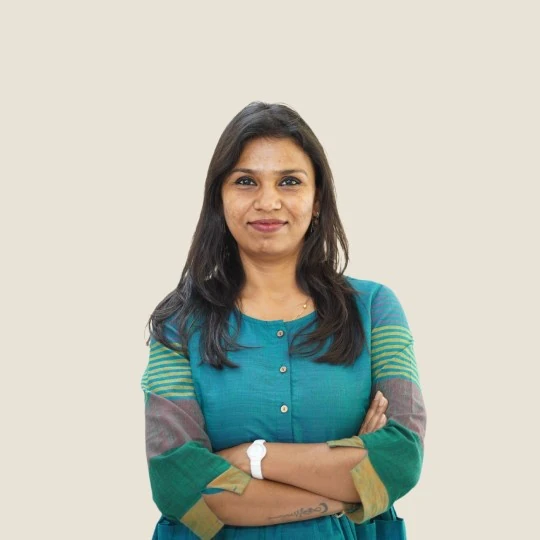
Psychologist
Consultant Clinical Psychologist
4 years of experience
Treats: Schizophrenia, Depression, OCD, Bipolar Disorder
View profile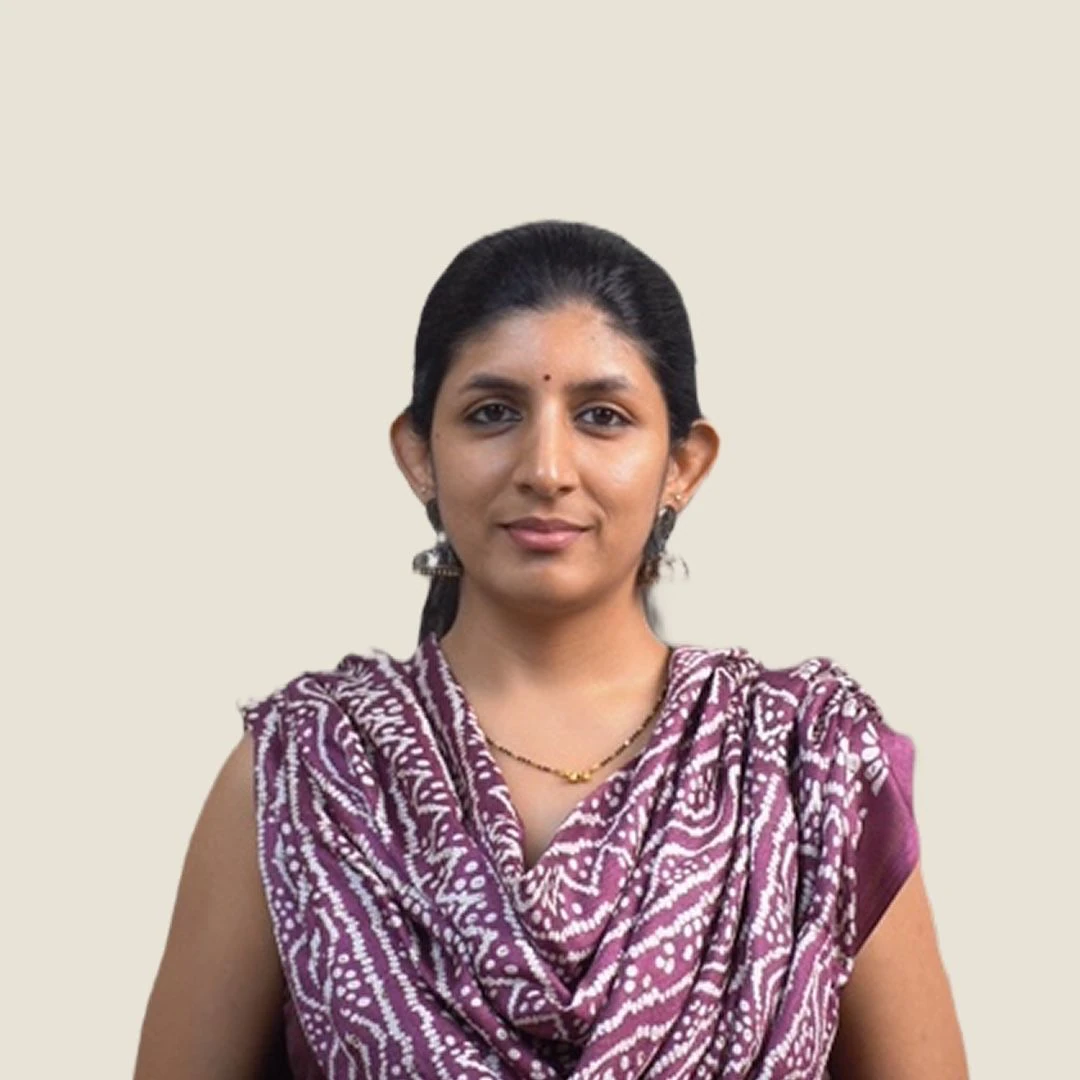
Psychologist
Consultant Clinical Psychologist
2 years of experience
Treats: Schizophrenia, Personality Disorder, Bipolar Disorder, OCD, Dementia, Autism Spectrum Disorder, Alcohol Dependence, Drug Addiction, SLD, Depression
View profileGood to know
Choosing the right care partner is a crucial step in the recovery journey. Cadabam’s brings over 33 years of specialised expertise in managing severe mental health conditions. Our multidisciplinary team creates personalised treatment plans within an outcomes-focused framework. We ensure continuity of care, guiding individuals and their families through every stage of their Bipolar Disorder recovery and rehabilitation with compassion and deep clinical knowledge.

33+ years of focused mental healthcare, shaped by 1000+ real patient journeys.

State of the art mental health centres built for treatment and recovery.

A coordinated team of psychiatrists, psychologists, counsellors, and rehabilitation specialists supporting your care.

Support from early signs through treatment and recovery.

Treatment guided by clear plans that continue beyond diagnosis.

Planned follow ups and continued guidance to help maintain progress over time.
Good to know
Recognising the right time to seek intensive, structured support can be challenging for families. Inpatient rehabilitation for Bipolar Disorder is often necessary when an individual's symptoms significantly disrupt their life and the lives of those around them. Key indicators include:
Bipolar Disorder profoundly impacts cognitive function, emotional regulation, relationships, and the ability to work or study. While medication is essential for managing the biological aspects of the illness, it often isn't enough to address these functional challenges.
This is where Bipolar Disorder rehabilitation becomes vital. It provides a structured framework for rebuilding routines, enhancing self-care, learning effective coping strategies, and improving social skills, paving the way for sustained independence and a better quality of life.
Rehabilitation centres offer a holistic and structured environment that is crucial for recovery. These facilities provide more than just treatment; they offer a therapeutic community where individuals can heal and grow. Inside a centre offering Bipolar Disorder rehabilitation services, a typical day involves structured routines, one-on-one and group therapy sessions, and supervised medication administration to ensure adherence.
Residents participate in life-skills training, behavioural monitoring, and relapse-prevention planning, all while receiving compassionate support from a multidisciplinary team of experts, with family involvement integrated throughout the process.
Our centres
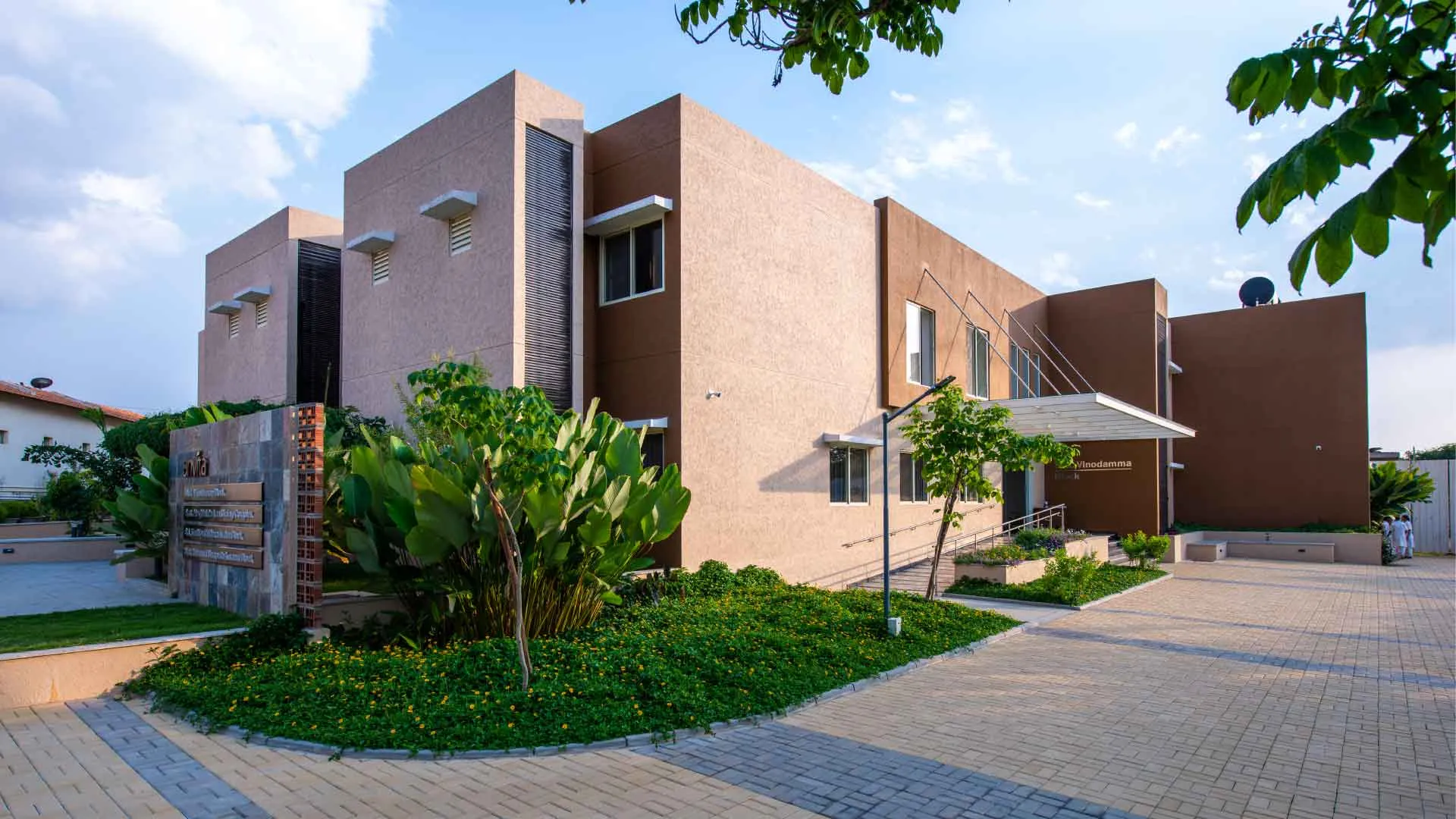
Long-Term Rehabilitation Center in Bangalore, India
Read more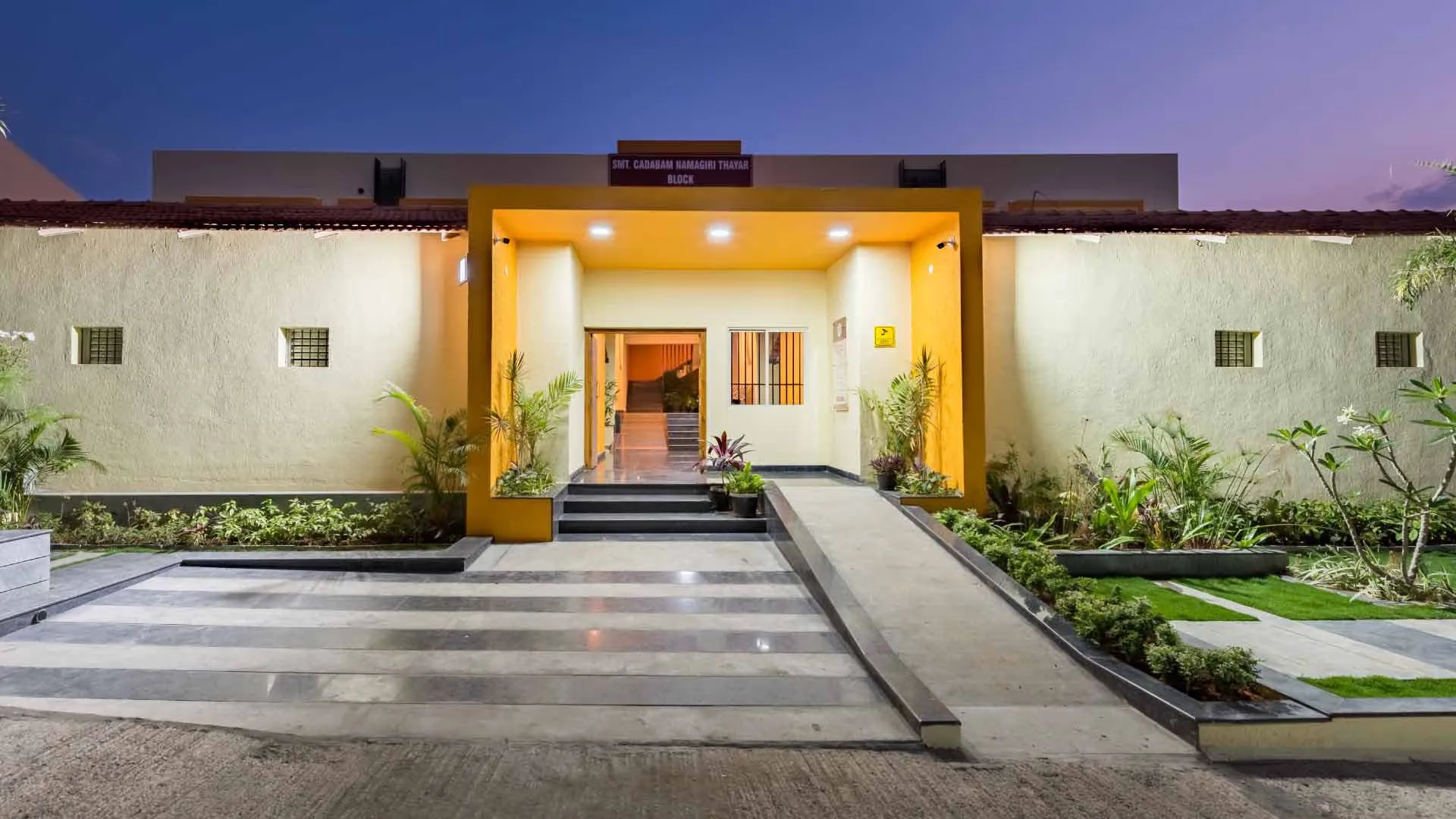
Advanced Psychiatric Rehab Centre in Bangalore
Read more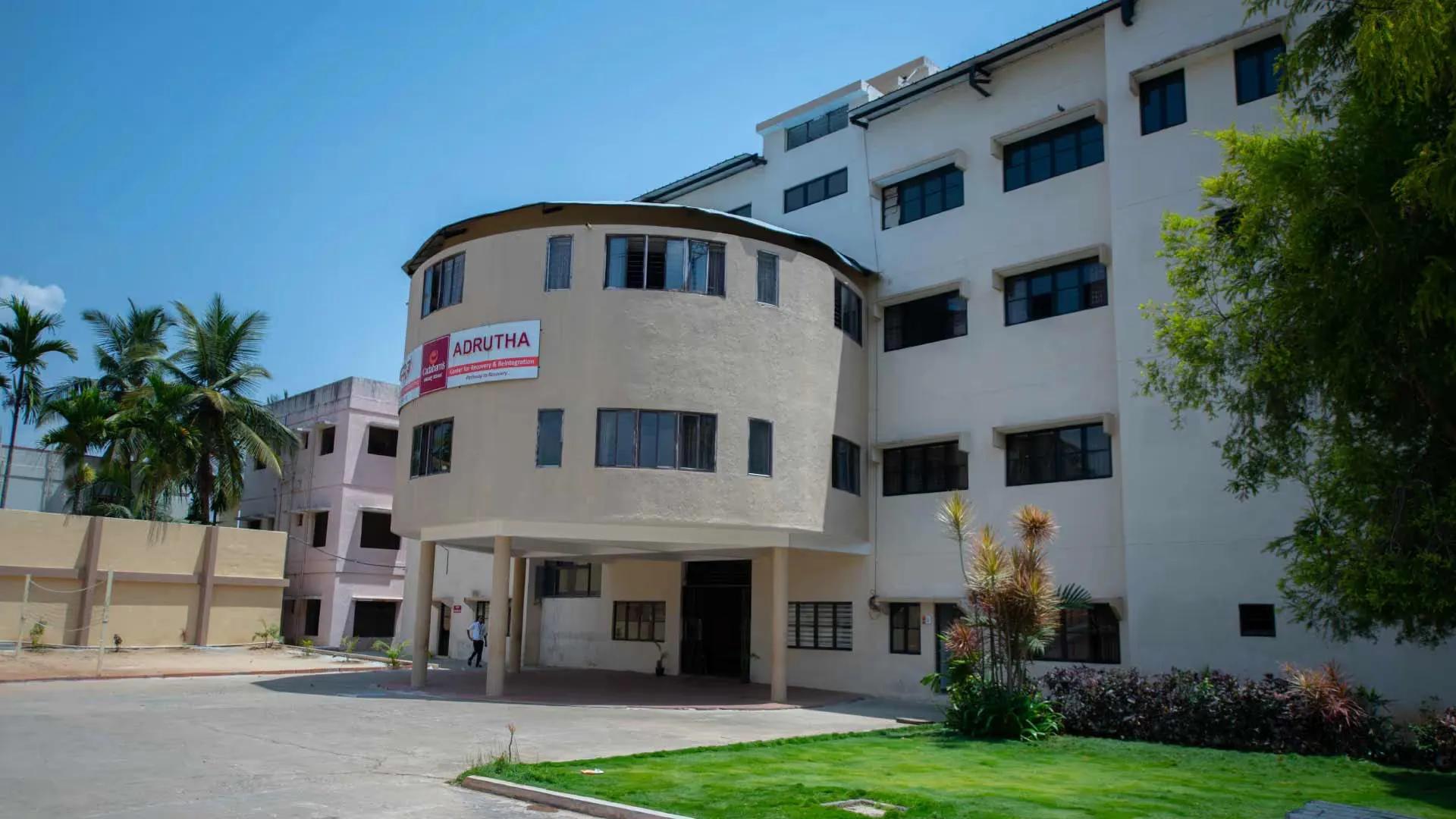
Our Affordable Rehab Centre in Bangalore
Read more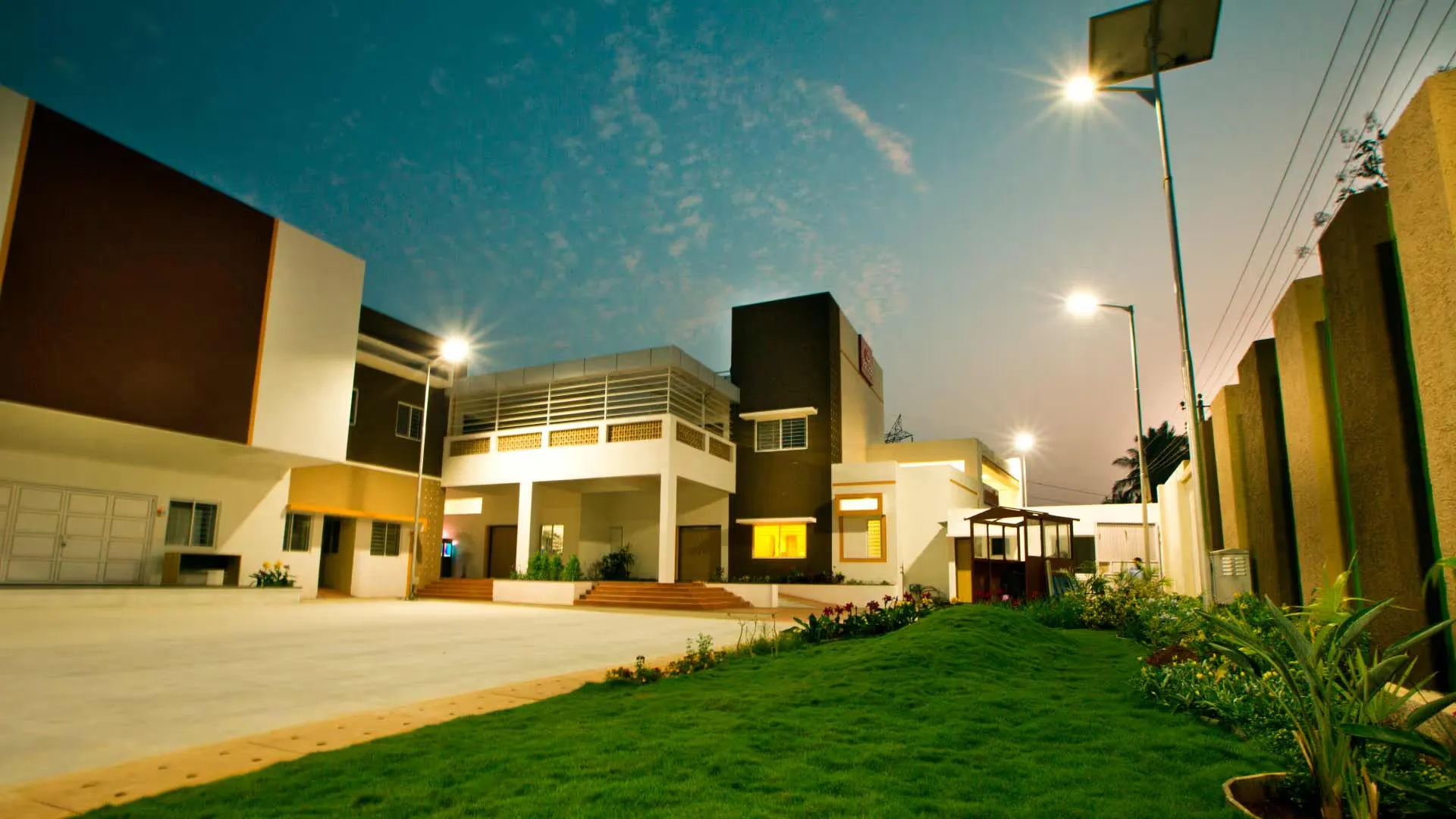
Our Specialised De-Addiction Centre in Bangalore
Read more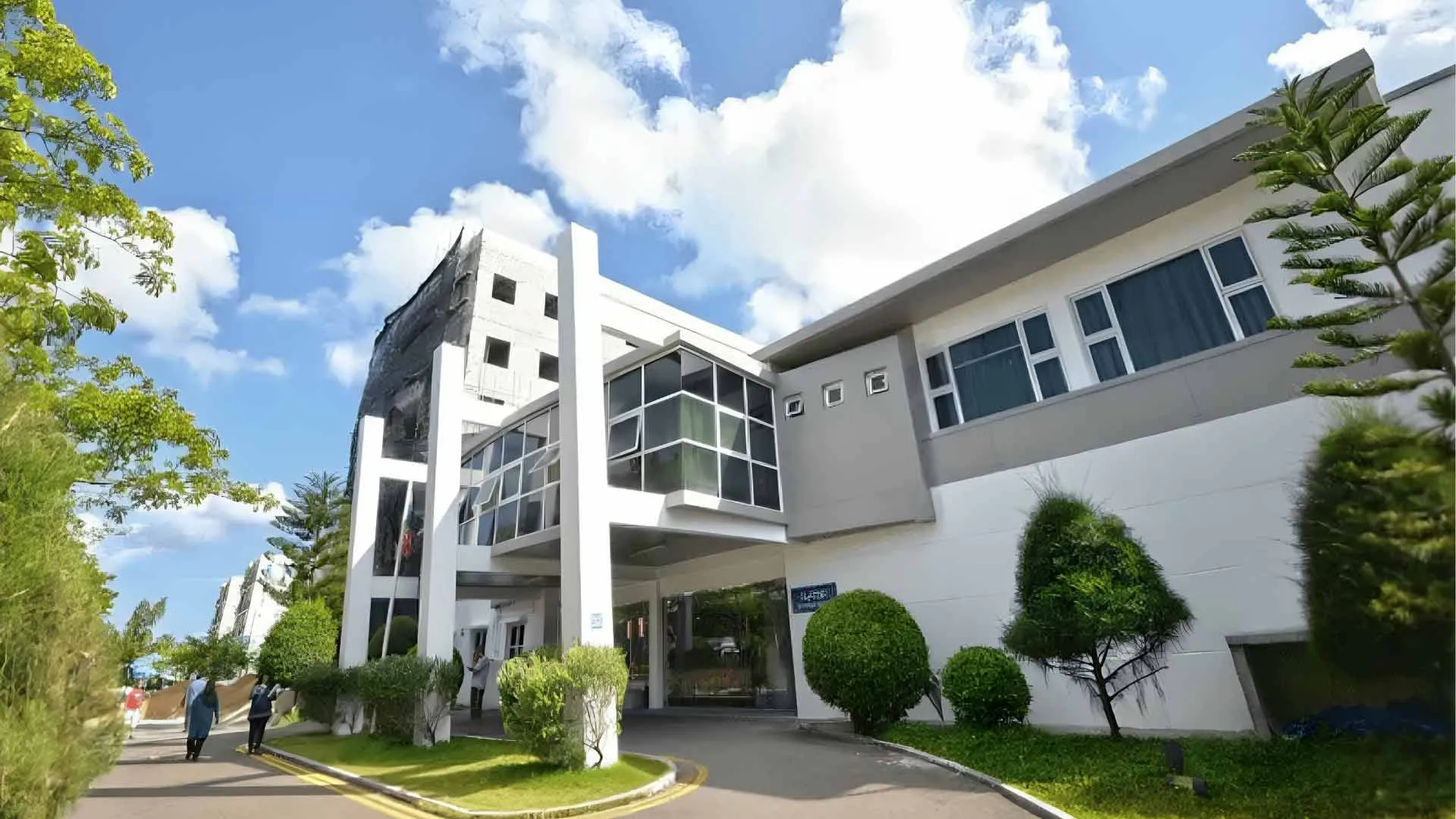
Premier Mental Health & Rehabilitation Centre in Maldives
Read moreDetails
As you search for Bipolar Disorder rehabilitation near me, it is important to understand the provider's philosophy. At Cadabam’s, our approach is guided by a personalised, evidence-based, and recovery-first philosophy. We believe that every individual's journey is unique, and their treatment plan should reflect their specific needs, strengths, and goals. This person-centred approach guides every decision we make throughout the rehabilitation for Bipolar Disorder journey.
Effective treatment begins with a thorough understanding of the individual. Our process starts with a comprehensive assessment that includes a detailed psychiatric evaluation, symptom severity review, and an analysis of cognitive and functional abilities. We also take time to understand the family dynamics and social context, as these elements play a crucial role in recovery. This detailed assessment is the foundation upon which we build an effective and personalised Bipolar Disorder recovery and rehabilitation plan.
Following the assessment, our multidisciplinary team collaborates with the individual and their family to create a truly individualised treatment plan. We set clear, achievable goals that are tailored to the person's unique needs and aspirations. This plan is not static; it is a dynamic roadmap that we review regularly to track progress. We remain flexible, adapting strategies and interventions over time to ensure the treatment remains effective and relevant to the person's evolving recovery journey.
Our treatment methodology is rooted in scientifically validated practices. We combine expert medication management to ensure mood stability with a range of psychotherapies. This includes Cognitive Behavioural Therapy (CBT) to modify unhelpful thought patterns and behaviours, as well as specialised family therapy to heal relationships and build a strong support system.
We also integrate Bipolar Disorder psychosocial rehabilitation to help individuals rebuild social, vocational, and independent living skills, ensuring a comprehensive approach to lasting wellness.
Inside our centres
Details
We understand that recovery is not a one-size-fits-all process. Cadabam’s offers distinct, structured rehabilitation programs that are carefully adapted to meet the individual's needs at different stages of their recovery. Whether a person requires immediate stabilisation or support for long-term reintegration, our programs provide the right level of care to facilitate meaningful progress towards their goals.
Our short-term program is designed for individuals who need immediate, intensive support to achieve stability. The primary focus is on effective symptom control, ensuring consistent medication adherence, and re-establishing healthy daily routines. This program provides a safe and structured environment where individuals can stabilise and build the foundational skills needed for the next phase of their recovery journey.
The long-term rehabilitation for Bipolar Disorder program is for individuals who have achieved initial stability but require continued support to maintain it. The focus shifts towards advanced skill development, robust relapse prevention planning, and gradual social and community reintegration. This program is designed to foster lasting independence, helping individuals build the confidence and competence to lead fulfilling, self-sufficient lives.
How we help
The cost and duration of a Bipolar Disorder rehabilitation treatmen plan vary based on several factors. These include the severity of symptoms, the required level of care (such as medical supervision and therapeutic intensity), and the length of stay needed to achieve sustainable recovery goals. At Cadabam’s, we prioritise transparency and work closely with families during the initial consultation to outline a clear and comprehensive plan that addresses both clinical needs and financial considerations.
Emergency service
Find nearest mental health center now
To ensure a holistic recovery, we offer additional programs that address co-occurring challenges and support long-term wellness. Our dual diagnosis care manages substance use issues that can accompany Bipolar Disorder, incorporating de-addiction principles into the treatment plan. We also provide supported employment programs and family support initiatives, all of which strengthen the foundation for a successful and sustained recovery.
Living with Bipolar Disorder can feel overwhelming, but you do not have to face it alone. Taking the first step towards structured, professional help can lead to lasting stability and a renewed sense of hope. If you are looking for compassionate and expert Bipolar Disorder rehabilitation near me, our team is here to help.
Reach out to us at +91 9611194949 to begin the journey towards recovery and a more stable future.
Podcast & video
FAQs
Voices of recovery
My brother was suffering from Bipolar Disorder. He just didn't seem to get better anywhere. At one point, we thought everything was lost, it really affected our parents the most. Since he has joined rehabilitation at Cadabam’s, he has slowly gotten better. Seeing the joy on both his and my parents’ face as he recovered was worth it. A great experience here with Cadabam’s.
— Mrityunjay A
Watching my husband go through bipolar disorder was one of the most difficult things. To see him recovered now, and back on his feet is an indescribable feeling. The short-term rehab program at Cadabam’s really helped him return to me.
— Mrs. V Shekhar
I had stayed here for treatment of Bipolar Disorder. It was a great experience, and staying here really helped my recovery. Thank you Cadabam’s!
— Ravi Kumar.
My son was suffering from Bipolar Disorder. We had tried everything to help him get better, and we were losing hope. We tried Cadabam’s as a last ditch effort, because it was so far away from home. From the moment we stepped into the premises, we knew this place was different. They have helped our son so much through rehabilitation. We now finally see the light at the end of the tunnel. Thank you Cadabam’s.
— Laila Rohan
I had fought Bipolar Disorder for so long, I thought I would not get better at all. Multiple doctors and treating centres tried. But, finally Cadabam’s changed my life. They helped me fight Bipolar Disorder and helped me understand that I could live a fulfilling and happy life while fighting the disorder.
— Vinyas Ravish
My brother was suffering from Bipolar Disorder. We didnt know what to do, but the team at Cadabam’s was so understanding. They have taken such good care of my brother. He is recovering and is so much better now.
— Parth Kumar
Watch & learn
Further reading
Helpline at your fingertips
+91 96111 94949