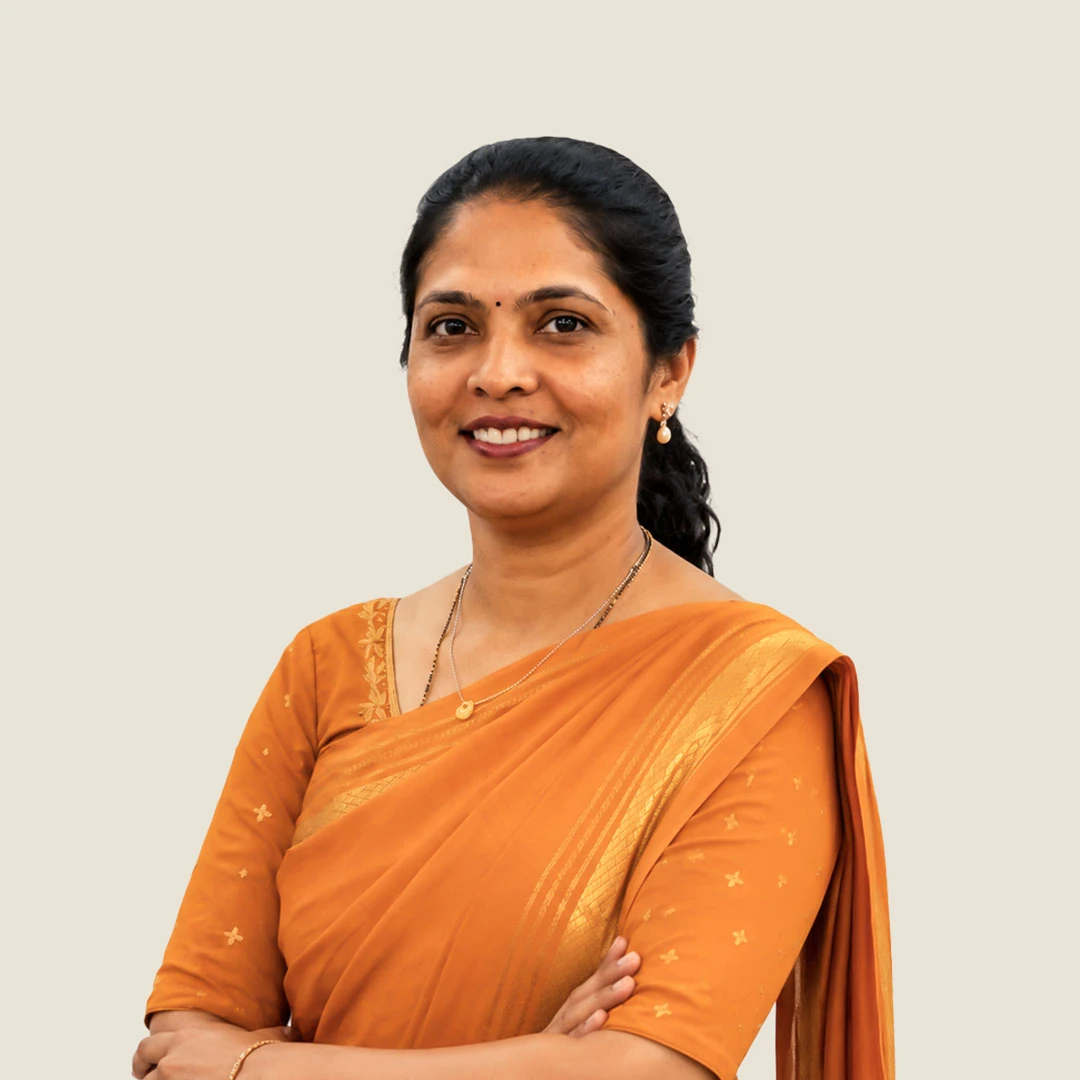
Dr Shilpa Avarebeel
Consultant Geriatrician
20 years of experience
Treats: Dementia, Alzheimer's, Geriatric Cases, Adult Cases
View profileBipolar Disorder is a mental health condition characterized by extreme mood swings that include emotional highs (mania or hypomania) and lows (depression). These shifts can significantly affect a person's thoughts, behaviour, energy, and ability to function in daily life. If you or a loved one are navigating the challenges of this condition, finding the right clinical care is a crucial first step. This page is designed to help individuals and families connect with an experienced counselor for Bipolar Disorder. At Cadabam’s, we provide expert consultation and comprehensive treatment plans to help manage symptoms and improve quality of life.
Good to know
Bipolar Disorder is a long-term illness that needs lifetime therapy. Medication and psychotherapy are used to treat the condition. A person with Bipolar illness can have a normal and meaningful life with early diagnosis and adequate treatment. The key is to stick to this treatment plan on a regular basis.
Meet the clinicians
Consultant Geriatrician
20 years of experience
Treats: Dementia, Alzheimer's, Geriatric Cases, Adult Cases
View profile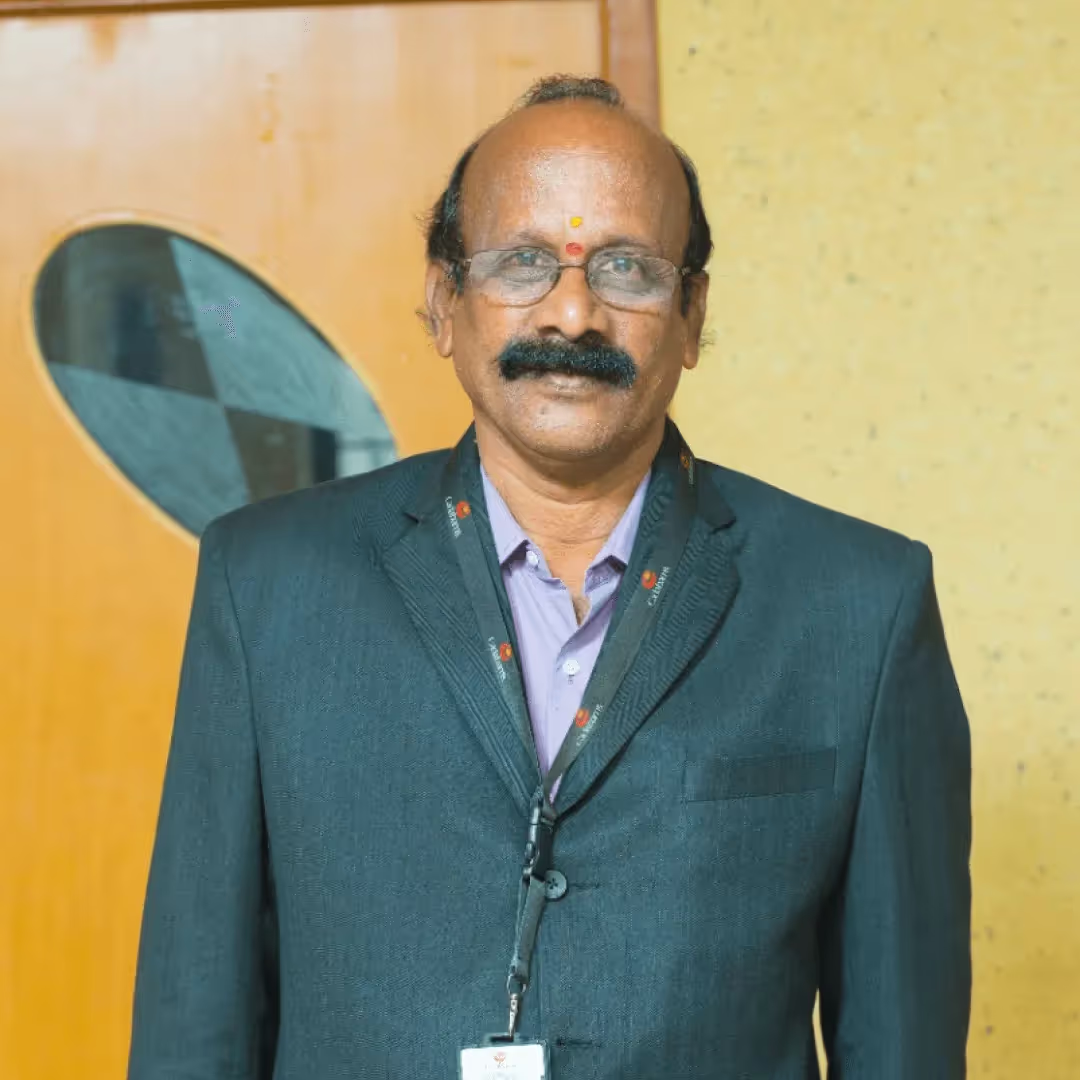
Director of Facilities
15 years of experience
View profile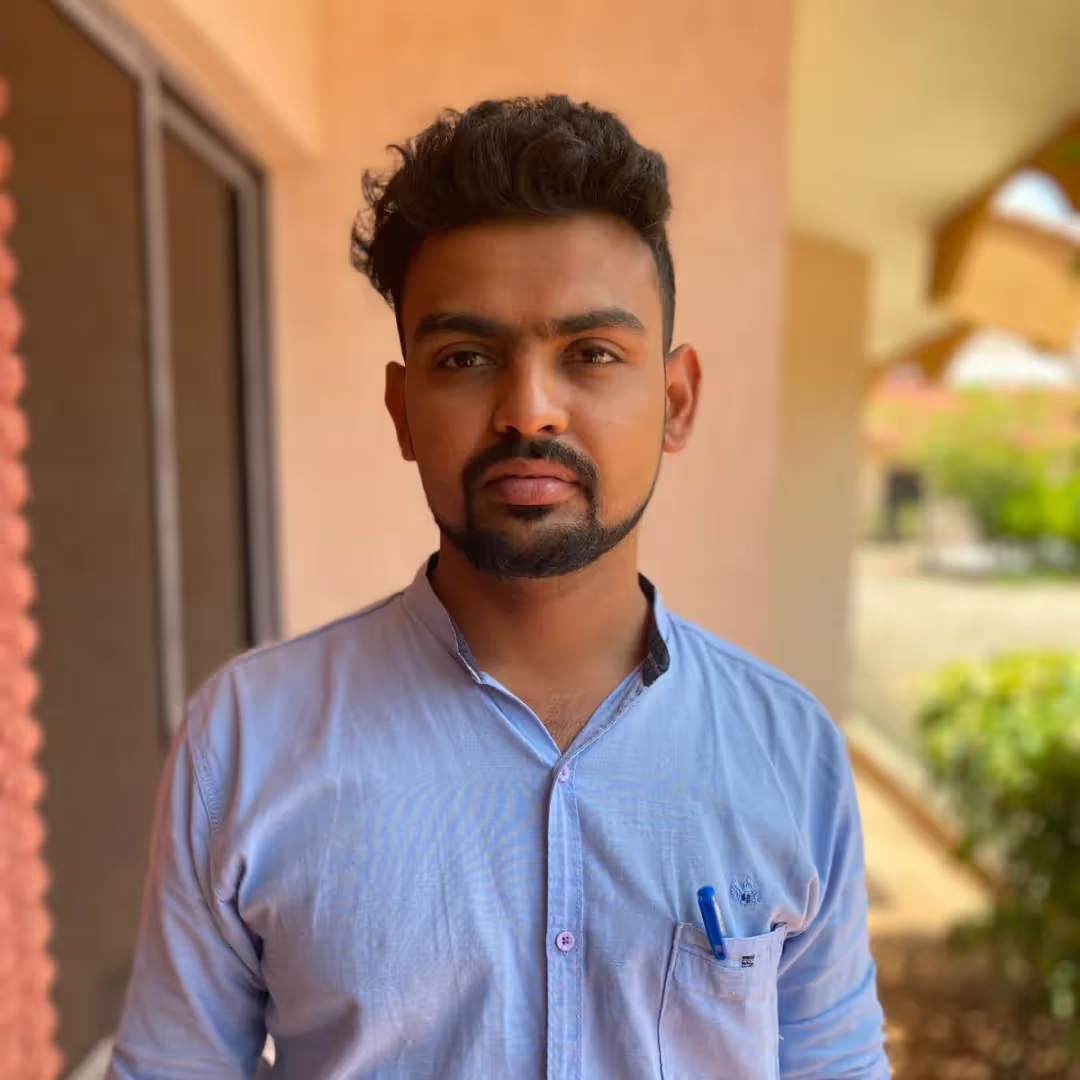
Counsellor
Case Manager
7 years of experience
Treats: Dementia, Depression, Schizophrenia, Autism Spectrum Disorder, Drug Addiction, OCD, Personality Disorder, SLD, Bipolar Disorder
View profile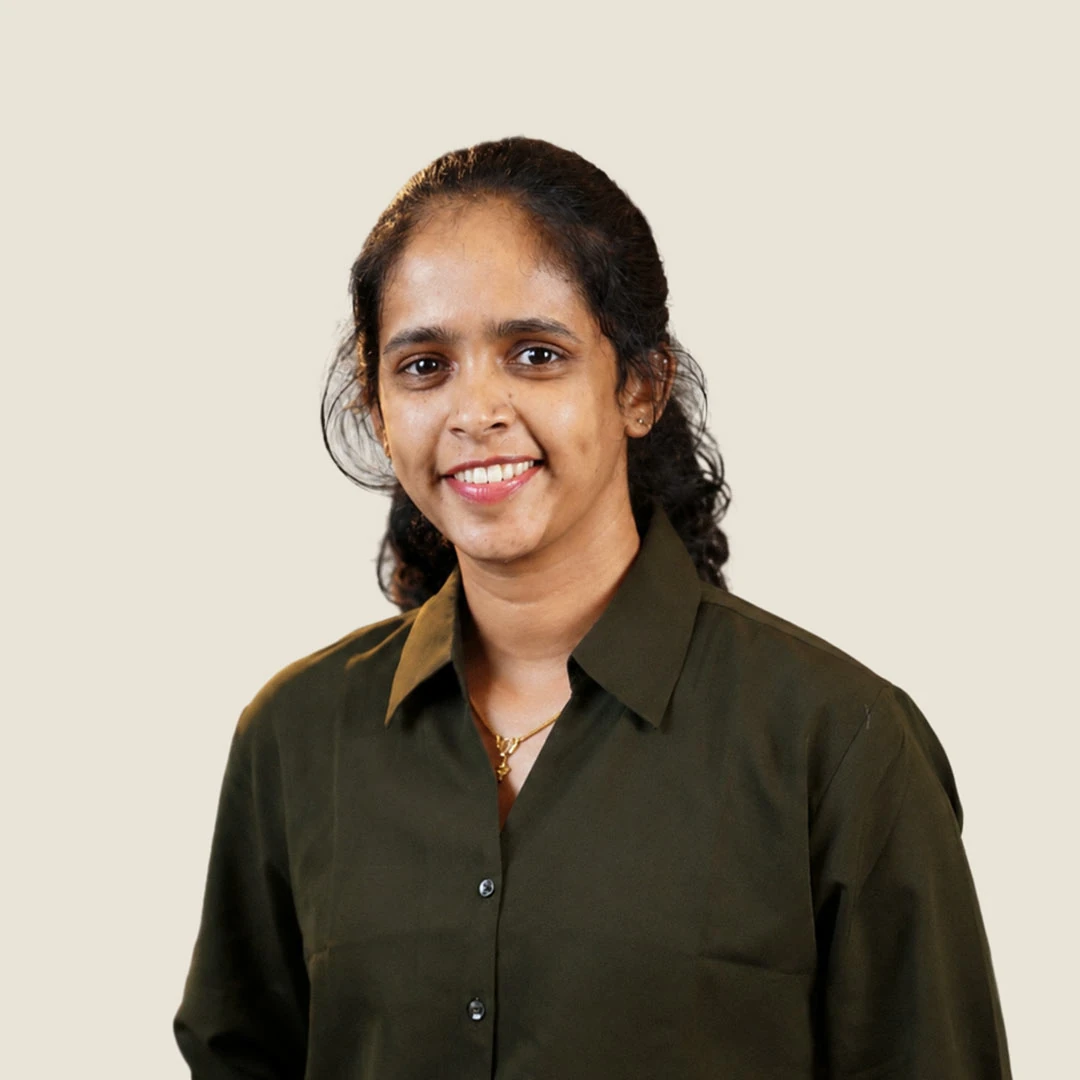
Psychologist
Psychologist
2 years of experience
Treats: Personality Disorder, Bipolar, ADHD, Autism, Learning Disability, Adult Cases, Child Cases (Less than 7 years), Child Cases (7-12 years), Anxiety, Depression, Stress, RTMS, Alcohol Addiction, OCD
View profile
Director Administration
15 years of experience
View profile
33+ years of focused mental healthcare, shaped by 1000+ real patient journeys.

State of the art mental health centres built for treatment and recovery.

A coordinated team of psychiatrists, psychologists, counsellors, and rehabilitation specialists supporting your care.

Support from early signs through treatment and recovery.

Treatment guided by clear plans that continue beyond diagnosis.

Planned follow ups and continued guidance to help maintain progress over time.
Good to know
Yes, a skilled counselor plays a vital role in the management of Bipolar Disorder. While a formal diagnosis is often made by a psychiatrist or clinical psychologist, counselors specialised in Bipolar Disorder are essential members of the treatment team.
Their role focuses on:
A counselor provides the therapeutic framework needed to effectively manage Bipolar Disorder for the long term.
Good to know
An experienced counselor for Bipolar Disorder provides structured support that goes beyond just talking. Their clinical approach is focused on delivering tangible skills and strategies to empower individuals.
A counselor helps by:
Good to know
Seeking professional help is a sign of strength. A consultation with counselors for Bipolar Disorder is recommended if you or a loved one experience any of the following:
If these signs are present, it is time to seek professional clinical care by counselors for Bipolar Disorder.
Our centres
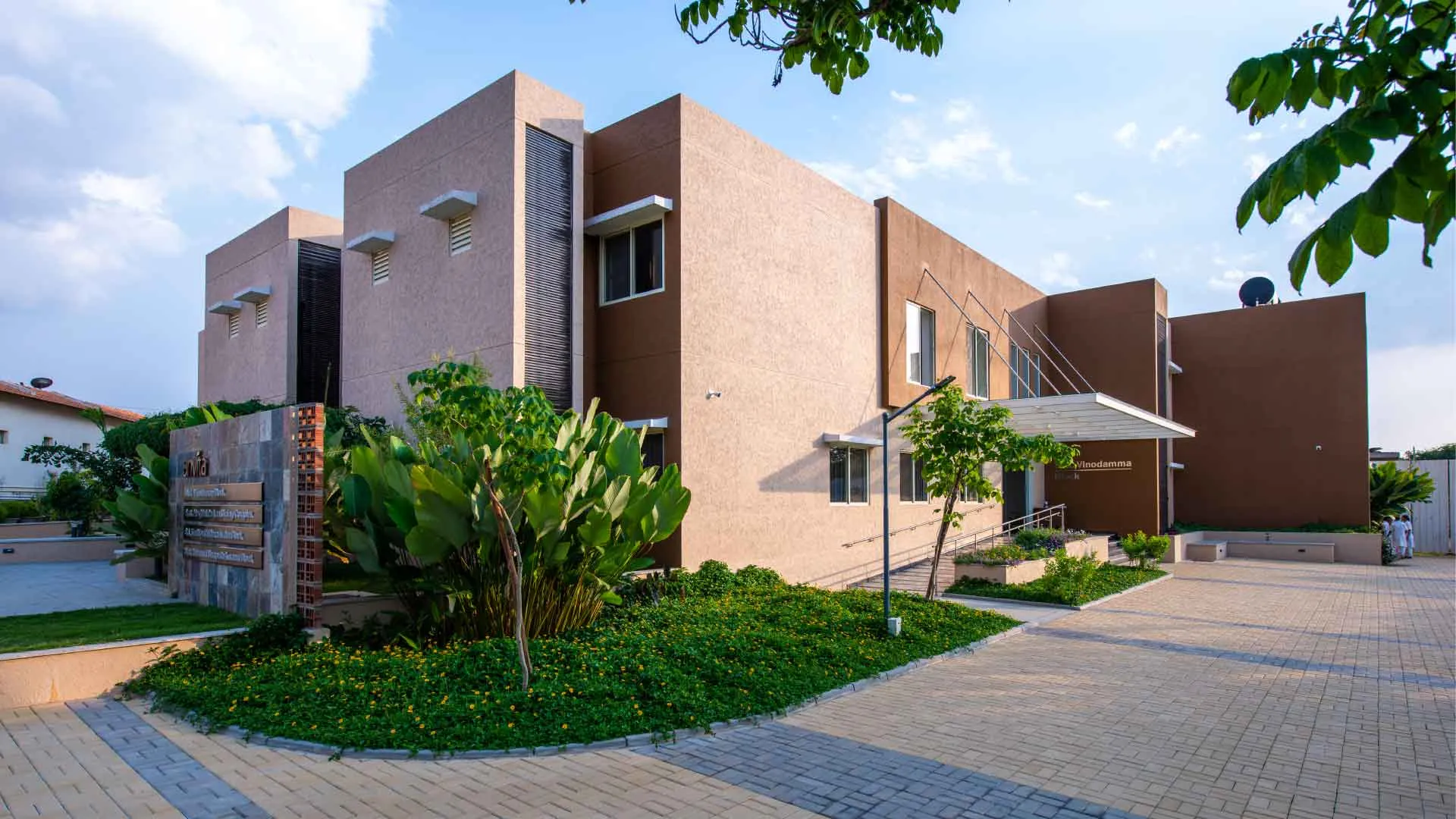
Long-Term Rehabilitation Center in Bangalore, India
Read more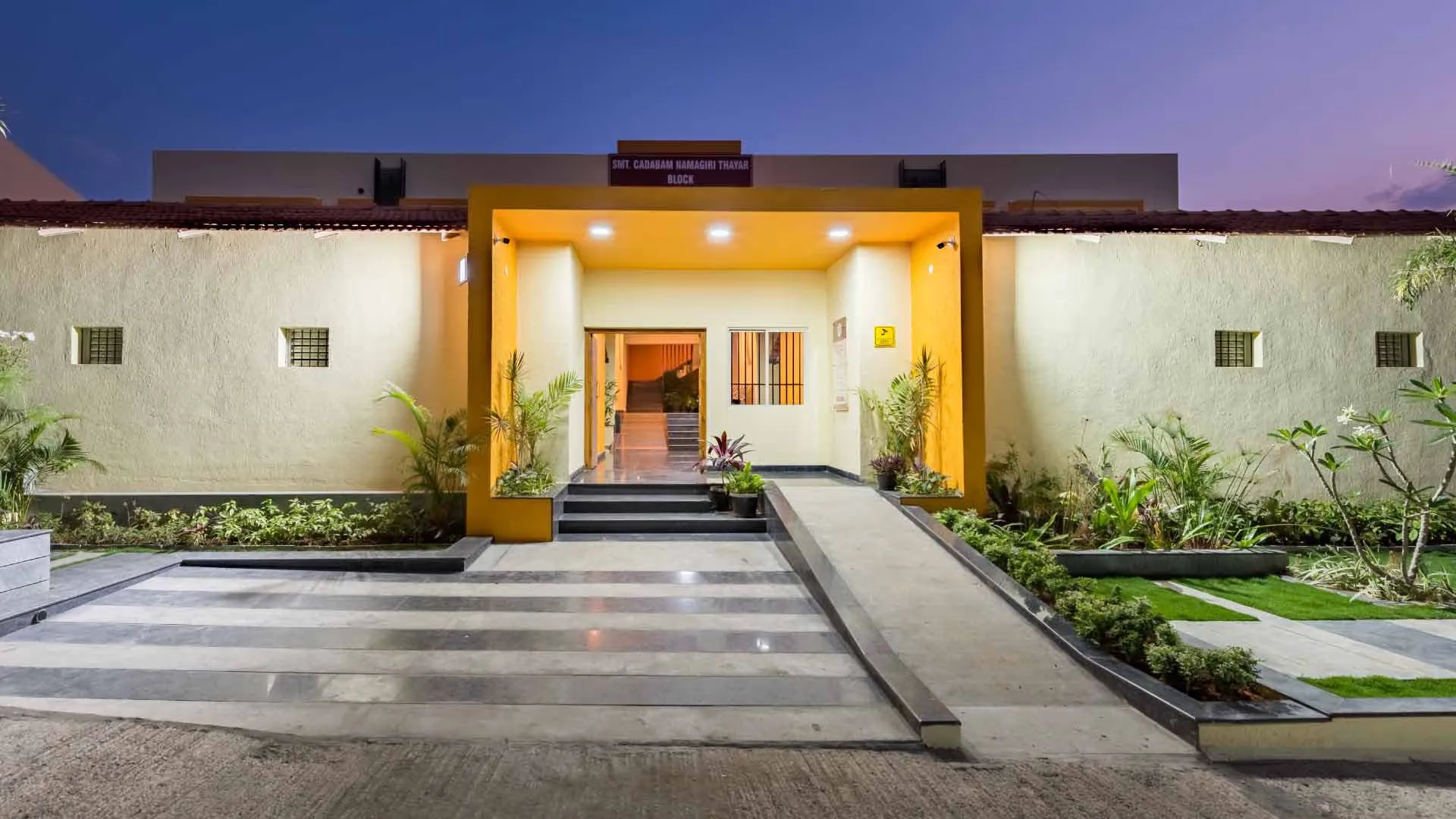
Advanced Psychiatric Rehab Centre in Bangalore
Read more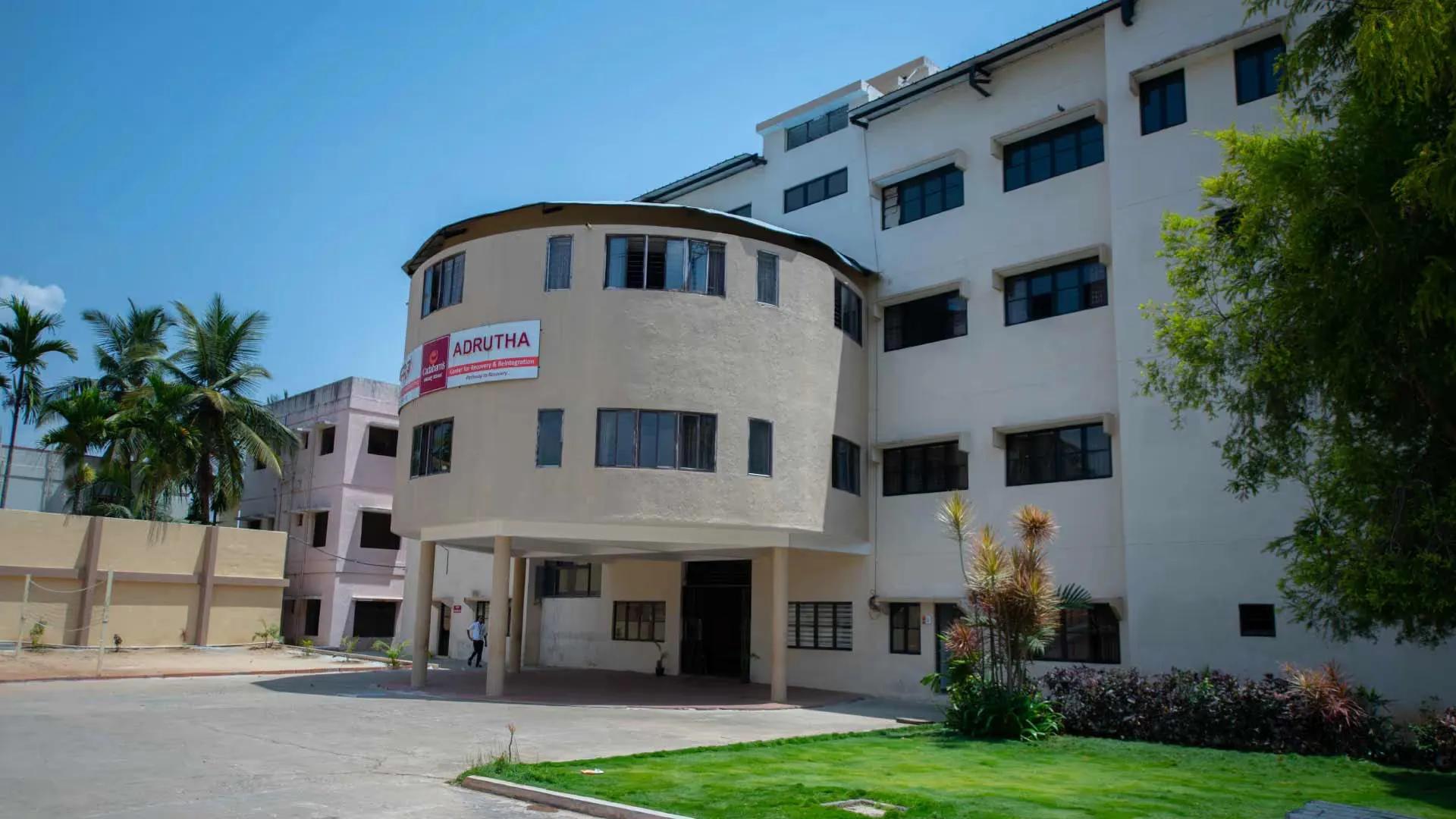
Our Affordable Rehab Centre in Bangalore
Read more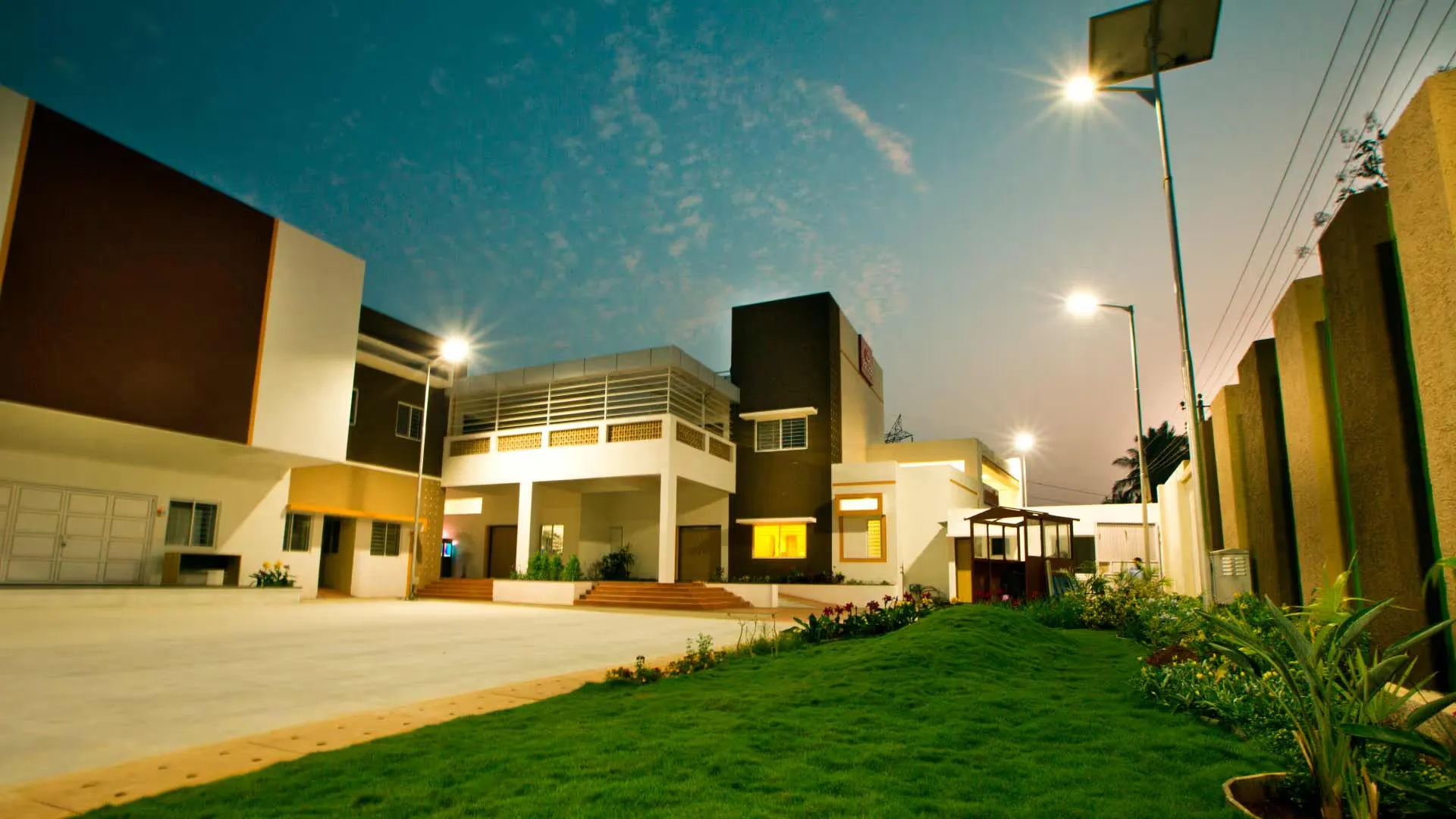
Our Specialised De-Addiction Centre in Bangalore
Read more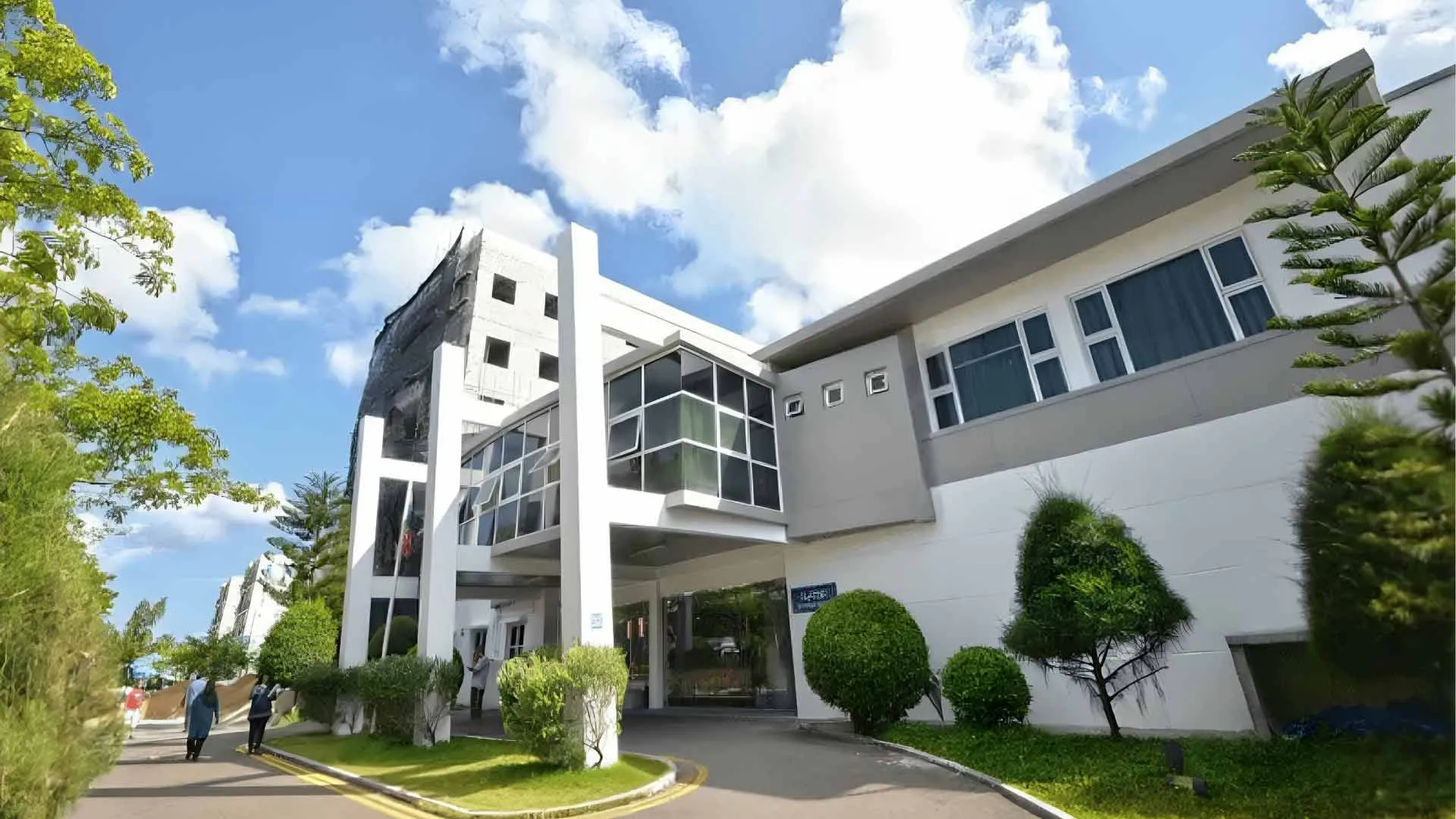
Premier Mental Health & Rehabilitation Centre in Maldives
Read moreGood to know
Counselors treating Bipolar Disorder use a multi-faceted approach. Treatment is not one-size-fits-all and is tailored to each person's specific needs. Key components of a counselor-led plan include therapy, skill-building, and collaborative care.
While counselors do not prescribe medication, they work very closely with a psychiatrist who does. Medication, such as mood stabilizers, is a cornerstone of Bipolar Disorder treatment. Your counselor supports this by:
A key goal of counseling is teaching you how to manage symptoms and reduce risks. A counselor helps you:
It is common for Bipolar Disorder to occur alongside other conditions like anxiety, PTSD, or substance use disorders. Counselors are trained to provide integrated treatment that addresses all concerns simultaneously. By treating the whole person, not just a single diagnosis, counselors help improve overall mental health and lead to better, more lasting outcomes.
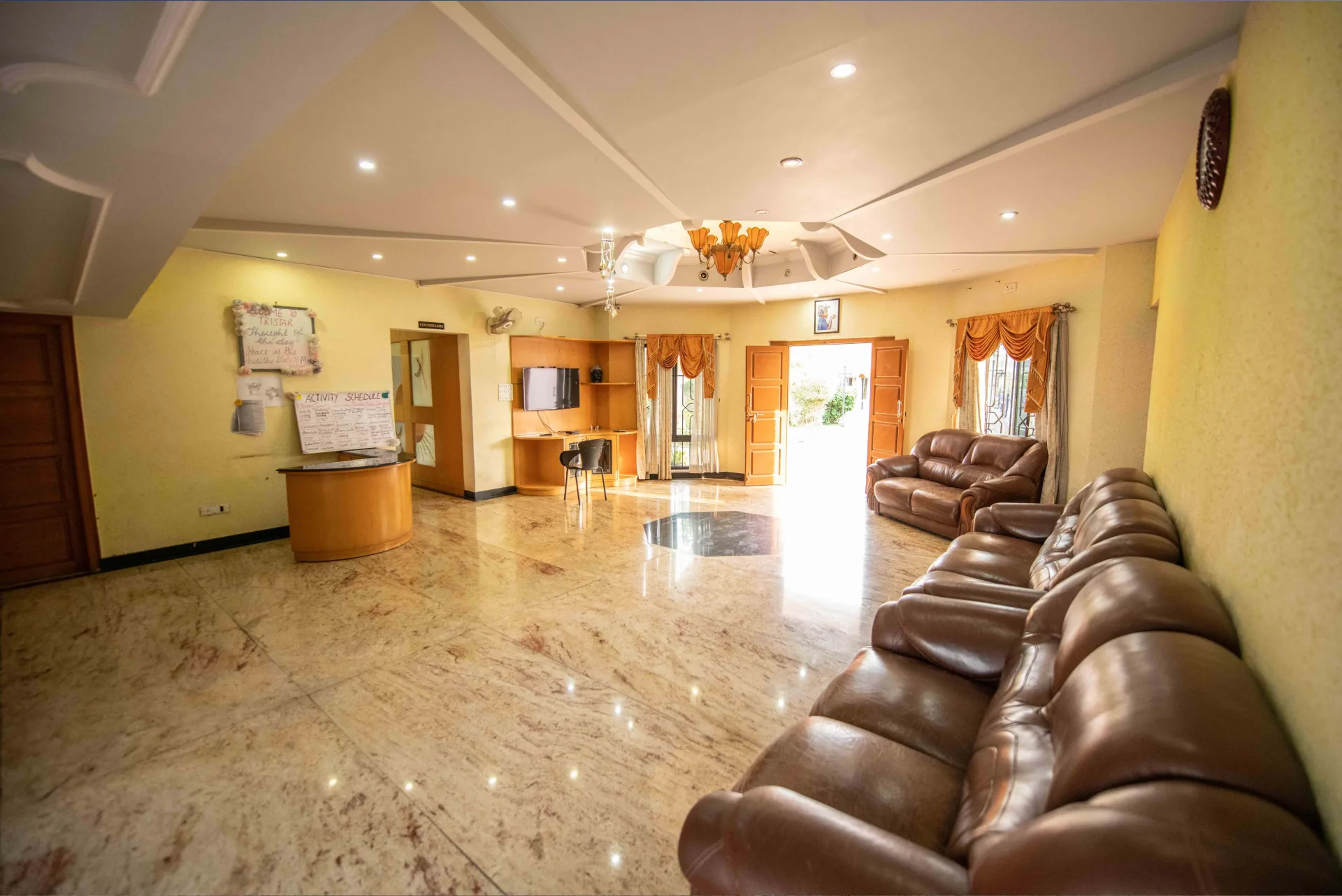
Inside our centres
Good to know
Your first appointment can feel daunting, but it’s a positive step forward. Here’s what you can expect:
1. Initial Discussion: You'll have a confidential conversation with the counselor about your concerns and what brought you in.
2. Information Gathering: The counselor will ask questions to understand your symptoms, history, and goals.
3. Treatment Planning: You will collaboratively discuss a potential treatment direction and therapeutic goals.
4. Questions & Next Steps: You’ll have the chance to ask any questions and schedule your next session. The entire process is designed to be a safe and supportive experience.
Good to know
The frequency of your visits to a counselor depends on your individual needs.
Your treatment plan is flexible and will be adjusted with your counselor to provide the right level of support at every stage.
Good to know
The cost of care varies depending on the type of consultation, the length of the sessions, and the overall complexity of the treatment plan. At Cadabam’s, we believe in transparency. We will provide you with a clear understanding of the costs involved before you begin treatment.
Good to know
Your privacy is our utmost priority. Every counselor at Cadabam’s adheres to strict ethical codes and confidentiality standards. We are committed to providing a secure, respectful, and non-judgmental environment where you can feel safe sharing your experiences and working toward recovery with complete peace of mind.
Podcast & video
FAQs
Voices of recovery
My brother was suffering from Bipolar Disorder. He just didn't seem to get better anywhere. At one point, we thought everything was lost, it really affected our parents the most. Since he has joined rehabilitation at Cadabam’s, he has slowly gotten better. Seeing the joy on both his and my parents’ face as he recovered was worth it. A great experience here with Cadabam’s.
— Mrityunjay A
Watching my husband go through bipolar disorder was one of the most difficult things. To see him recovered now, and back on his feet is an indescribable feeling. The short-term rehab program at Cadabam’s really helped him return to me.
— Mrs. V Shekhar
I had stayed here for treatment of Bipolar Disorder. It was a great experience, and staying here really helped my recovery. Thank you Cadabam’s!
— Ravi Kumar.
My son was suffering from Bipolar Disorder. We had tried everything to help him get better, and we were losing hope. We tried Cadabam’s as a last ditch effort, because it was so far away from home. From the moment we stepped into the premises, we knew this place was different. They have helped our son so much through rehabilitation. We now finally see the light at the end of the tunnel. Thank you Cadabam’s.
— Laila Rohan
I had fought Bipolar Disorder for so long, I thought I would not get better at all. Multiple doctors and treating centres tried. But, finally Cadabam’s changed my life. They helped me fight Bipolar Disorder and helped me understand that I could live a fulfilling and happy life while fighting the disorder.
— Vinyas Ravish
My brother was suffering from Bipolar Disorder. We didnt know what to do, but the team at Cadabam’s was so understanding. They have taken such good care of my brother. He is recovering and is so much better now.
— Parth Kumar
Watch & learn
Further reading
Helpline at your fingertips
+91 96111 94949