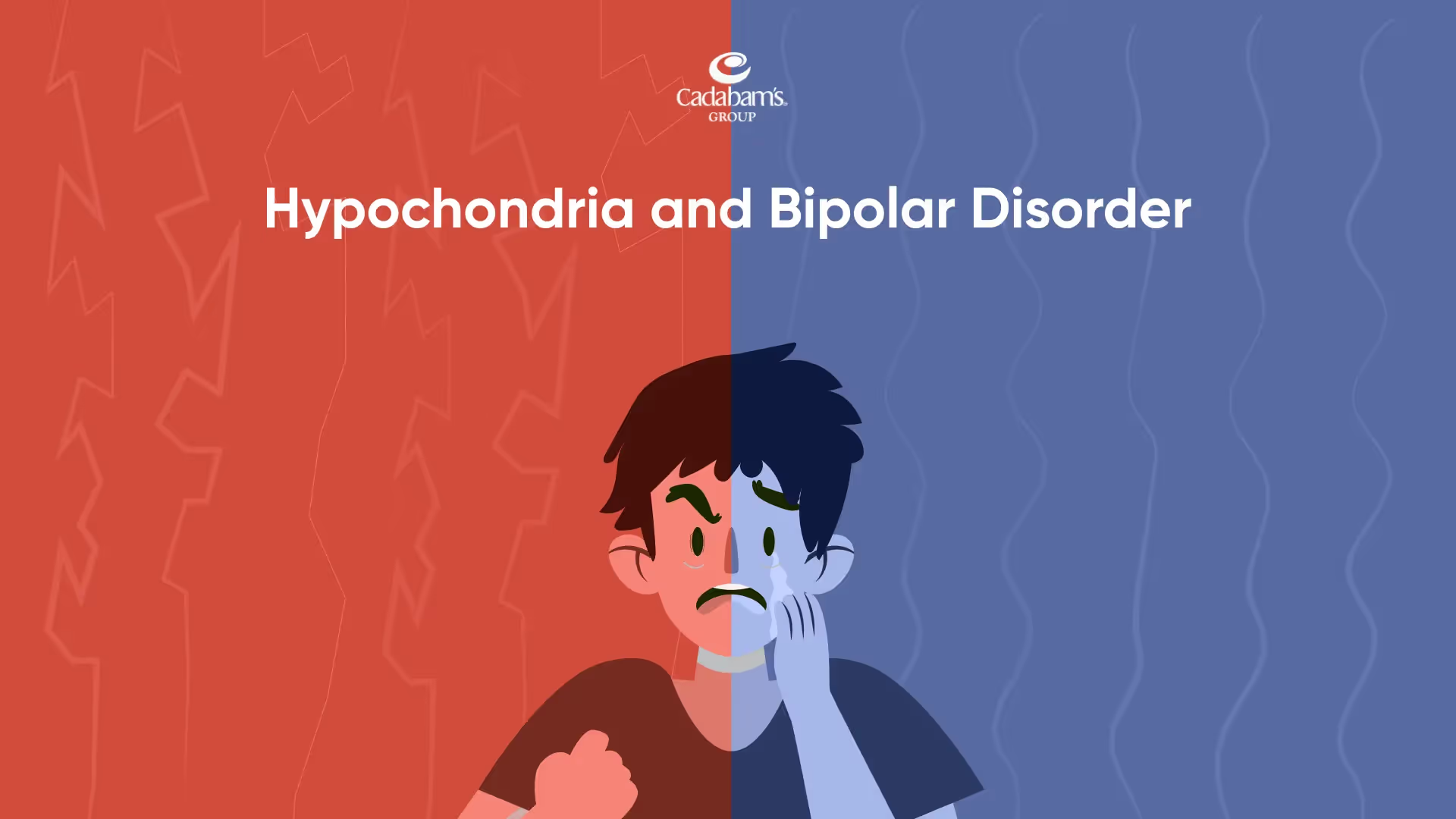
Worrying about things sounds relatable enough, but what if it reaches the extent of completely disrupting your ability to function? Hypochondria is one such phenomenon where a person is excessively fearful of either having a serious medical condition they don’t actually have or of the intensity of a condition they already have.
This aligns with some of the core symptoms of bipolar disorder including elevated or extreme feelings of anxiety and distress. Bipolar disorder may lead a person to switch between impulsive and risky behaviors or feelings of extreme sadness and hopelessness, either of which could be triggered by hypochondria. To understand the complex interplay between these mental health conditions, it is important to explore the symptoms further.
Recognizing the Signs and Symptoms of Hypochondria
In simple terms, hypochondria is a condition where a person believes they have some health concern despite repeated reassurance from medical experts that they are fine. This means that people with hypochondria tend to visit doctors more often than needed and insist on taking various medical tests despite usually coming out without any issues.
They may attempt to interpret any slight bodily sensations as potential signs of illness and may avoid certain foods or activities and adopt lifestyles that make them feel more safe from perceived medical threats. It is also common for them to extensively research illnesses across the board and take measures against it.
Unravelling the Complexities of Bipolar Disorder
Hypochondria can severely impair a person’s judgment and bipolar disorder can make matters even worse. Bipolar disorder is a condition that is characterized by extreme shifts in mood ranging from high energy mania episodes to depressive lows and hopelessness. Due to the impulsive nature of people with bipolar disorder, it impacts their ability to maintain social relationships.
The intensity of these behavioral shifts can often be difficult to diagnose, especially when paired with conditions such as hypochondria. Between manic and depressive episodes, treatment routines and medications can become one source of distress for a person for whom it is challenging to manage.
The Coexistence of Hypochondria and Bipolar: Prevalence and Links
The co-occurence of hypochondria and bipolar disorder is a matter that is being researched, but existing data shows that it is not so uncommon. While it is not clear if one can lead to the other, coping with both can be incredibly challenging. A person who is distressed with constant episodes of mania or depression, when also dealing with hypochondria may resist treatment or medication.
While heightened symptoms of hypochondria are not expressed when a person goes through a manic episode due to their perceived sense of invincibility, it could act as a cause or precede the episode. People who are more prone to depressive episodes feel the effects of hypochondria adversely are consumed with an engulfing feeling of fear and anxiety.
Differentiating Health Anxiety from Bipolar Symptoms
While health anxiety, normally observed in people with hypochondria, can sometimes overlap with symptoms of bipolar disorder, it is important to identify the differences between the two.
Hypochondria revolves around excessive fear about one’s own physical condition and health, which can exacerbate existing symptoms of bipolar disorder including impulsive behaviors during manic phases and feeling of extreme sadness during depressive phases. It is important to identify the distress that comes with hypochondria and how it is distinct from bipolar symptoms, for a more comprehensive diagnosis.
Managing Health Anxiety in Individuals with Bipolar Disorder
Managing co-existent bipolar disorder and hypochondria requires a multifaceted approach and professional assistance. The first step towards managing health anxiety is by identifying the symptoms and how it interacts with one’s bipolar disorder.
Keeping track of how hypochondria intensifies bipolar symptoms and the severity of it becomes key in designing the right kind of psychotherapy routine, medications and lifestyle changes for an individual. Education and encouragement are the other two pillars which will ensure that the person dealing with the conditions has the right support to handle it.
Coping Strategies for Dealing with Hypochondria and Bipolar
One of the most important aspects of the recovery journey from complex conditions such as hypochondria and bipolar disorder is to maintain open communication with your mental health professional and follow a personalized plan.
The combination of therapy, medication and lifestyle adjustment is the best formula for recovery, but having a supportive network around you can make a huge difference. They not just assist you with managing symptoms but also to empower you to stay on track and make gradual progress.
Seeking Professional Help: Diagnosis and Treatment Approaches
The first step towards dealing with bipolar disorder and hypochondria is seeking the help of a mental health professional. An expert is best equipped with the tools, knowledge and experience to provide the correct assessment and recommend a personalized treatment plan accordingly.
Based on the exact symptoms you exhibit and the severity of it, the type and amount of medication is decided, along with other therapeutic measures including Cognitive Behavioral Therapy or Exposure Therapy, if needed. They also provide a platform for you to communicate your concerns and keep track of your mental state and progress.
Free · Confidential
Book screening with our triage team
Speak to a clinician in minutes. We’ll help you figure out the right next step.
Lifestyle Modifications for Better Mental Health in Co-occurring Cases
People coping with co-occurring cases of hypochondria and bipolar disorder often have issues managing their everyday life. Therefore, ensuring the right balance through lifestyle modifications can go a long way in alleviating some symptoms.
Establishing the right diet and nutrition practices, sleep patterns, and exercise have proven to be a great way to stabilize one’s mood and bring a sense of control. Also engaging in relaxation practices have shown to be beneficial for some people, along with typical medications and therapy.
Building a Supportive Network: The Role of Family and Friends
As you grapple with the distressing symptoms of bipolar and hypochondria, emotional support from friends and family can be invaluable. They can ensure you stay on course with your treatment plan and instill confidence, positivity and motivation in you.
Education is key as having a clearer understanding of what you are going through will help create an environment of empathy and care. Their mere presence can bring you a sense of relief, and a reinforcement that you are not alone. Having that extra bit of strength and resilience that your loved ones transmit to you can make all the difference in your road to recovery.