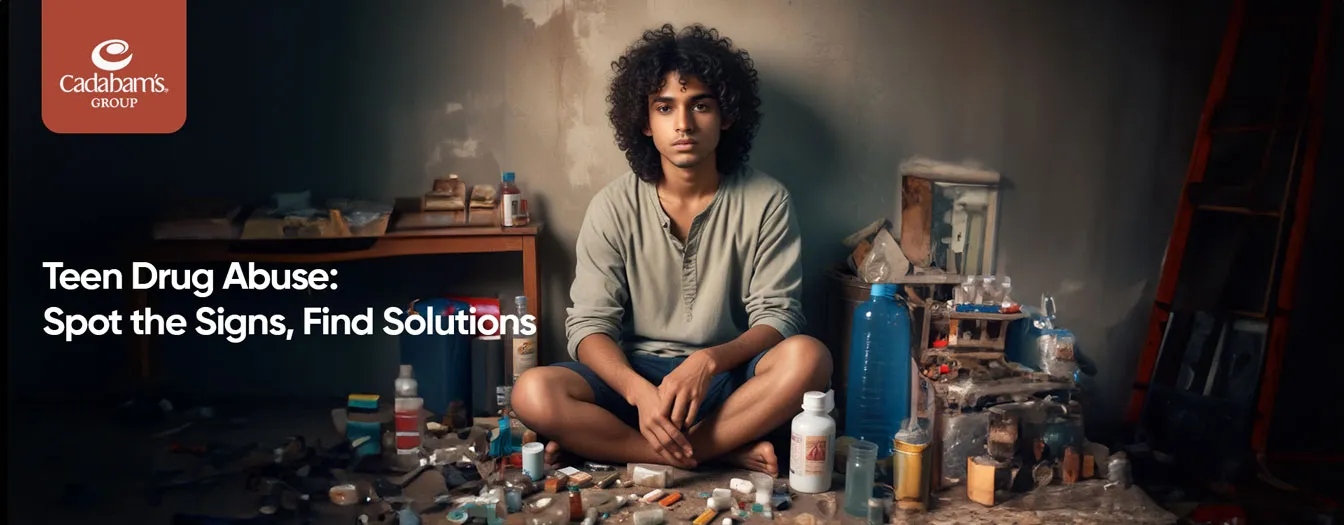

Drug addiction is hard to fight and what makes it more challenging is the fact that it’s a progressive disease. Even statistical reports indicate that the average consumption of illicit drugs in 2020 alone is approximately 46.6 %. You may not be able to spot the early signs but continuous ignorance to rapidly changing behaviour, mood swings, etc. can develop into a full-blown substance use disorder in no time.
Thus, appropriate prevention of drug addiction is vital as continuous intake of drugs can put your kids mental, emotional, and physical health at risk which can further turn into addiction problems if not addressed properly.
At Cadabam’s Hospital, our multispecialty team of experts is there to assist you round-the-clock and ensures that our primary care enables you to fight against drug addiction and live a substance-free life.
If you know someone who’s troubled by drug addiction, help them enroll today at Cadabam’s and give us a call @ +91 97414 76476.
Causes and Symptoms of Drug Abuse
Teenagers owing to their hormonal changes experience a sudden rush of emotions quite often. They may end up experimenting with drugs and alcohol despite knowing the significant risks it can have on their body and mind. Peer pressure is one of the most common causes of triggering drug abuse in teens.
Some other causes include:
- The need to fit in
- To explore their curiosity and poor impulse control
- To relieve the unwanted stress and anxiety
- To maintain a balance between different responsibilities
- Getting too dependent on them triggering addiction
- Easy availability at home
According to experts, the physical effects of every drug is different, however, the symptoms hardly differ from each other. Some common signs of teenage substance abuse include:
- Bad grades and neglecting other school responsibilities
- Bloodshot eyes
- Laughing for no reason
- Stealing money from home to support drug habit
- Loss of interest in activities once enjoyable
- Poor hygiene and grooming
- Unpleasant personal appearance
- Avoiding eye contact while speaking
- Frequent hunger
- Indulging in constant fights with peers and family members
- Smell of smoke on clothes
- Secretive behavior
- Unusual tiredness or constant fatigue
If you start noticing any of the above drug addict signs and symptoms in your kids, it’s time to reach out to an experienced doctor and take necessary steps to bring them out of the addiction phase.
Safeguarding your Teenage Kid from Drug Addiction?
Risk taking attitude is healthy and a critical part of adolescent development. However, the urge to try new things can often increase your kid’s tendencies to experiment with drugs exposing them to an alternate world.
If you’re confused about how can you prevent drug addiction in your kids, the following tips might help:
- Be open to all forms of communication and encourage them to express their thoughts/feelings with you openly
- Try becoming their friend and be involved in their life without compromising their privacy
- Give them a safe and clean environment at home by setting a good example
- Set out clear boundaries and rules for them and make them understand its importance and the consequences too
- Make them learn the art of saying NO to drugs and alcohol irrespective of the peer pressure.
How to Talk to Teens about Drug Abuse
Talking to your kids about alcohol and drug abuse can help in myriad ways. According to the experts, most parents wait for the right time, but often it gets too late leading to drastic consequences.
You’re their role model and hence it’s vital to have the conversation as early as possible. You must talk about the possible dangers of addiction and substance abuse and should make them feel love and protected at the same time.
Confused on how to initiate a conversation around drug addiction and prevention? Give the following tips a try:
- Chalk out a strategy and avoid feelings of anger as it may result in your kid stepping out of the conversation completely
- State out the facts openly so that your teen knows why are they being made a part of the conversation
- Maintain a record of their reactions and progress to identify any red flags (unwanted pattern of behaviour)
- Make it a two-way conversation and be open to listening out to what your kid/child has to say and respect their feelings
- If required, share your personal experiences around drugs and be honest about it. Also, tell them how you were able to deal with it.
- Discuss the next course of steps and set up multiple sessions to keep the conversation ongoing
- Ensure your teenager is following the rules laid down and keep a track of their whereabouts
Free · Confidential
Book screening with our triage team
Speak to a clinician in minutes. We’ll help you figure out the right next step.
Treatment Options for Drug Addiction
As per one of the major youth drug addiction study, nearly 35% of teenage individuals became addicted after trying out drugs for fun and out of curiosity. Thus, if your teenager is already exposed to drugs, reach out to authentic rehab centers today and get your kid treated on priority.
At these rehab centers, your child undergoes a proper diagnosis and their treatment plan is tailored as per the signs and symptoms being experienced by your kid. In general, the treatment options for drug abuse include a variation of the following modalities:
- Detoxification: involves flushing the drugs out of your body system to initiate actual treatment. It can continue for days/weeks based on your kids’ condition.
- Cognitive Behavioral Therapy [CBT]: The goal of CBT therapy is to understand the thought process of your child behind drug addiction and re-shape those thought patterns. The CBT sessions mostly encourage your kid to:
- Develop communication and problem-solving skills
- Implementing various strategies to avoid high-risk situations, places, and individuals
- Family Therapy: The primary objective of family therapy involves arranging family sessions wherein the parents can talk about the risks associated with alcohol and drug abuse with their kids. The central premise of this treatment method is that family can impart both good and bad behavior and beliefs in an addicted teen.
- Medication: these are primarily used to manage withdrawal symptoms, prevent relapse, and treat co-occurring conditions. These prevent your relapse by decreasing your cravings and re-establishing regular brain functions.
Why Cadabam’s?
- We provide comprehensive aftercare services in combination with various counselling sessions to prevent relapse and help you become a functional member of the society again
- Our multidisciplinary team of experts and psychologists try giving you a personalized treatment option and support in a holistic environment
- We recreate a home away from home experience for all our patients through our 24/7 medical assistance combined with a comprehensive diet plan which in turn speeds up their recovery