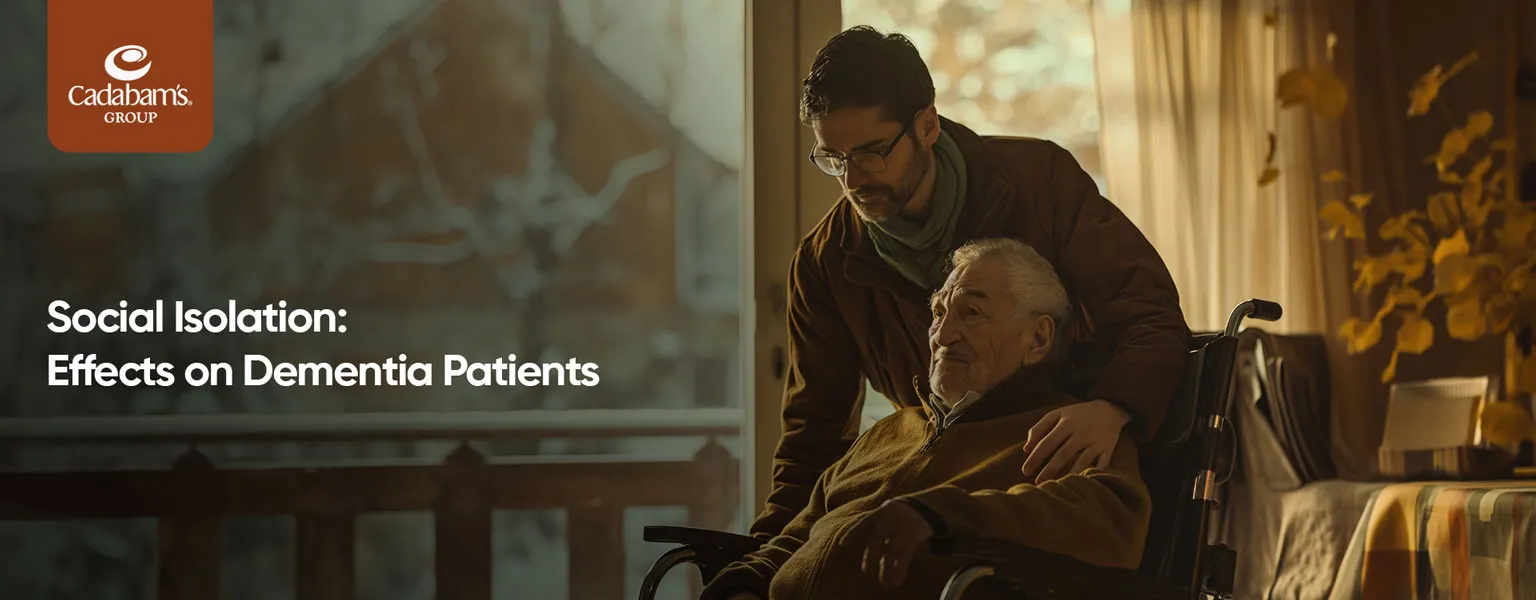
Memory changes can happen with age, but persistent patterns like repeated conversations, forgetting recent events, or struggling with familiar tasks may be early dementia indicators rather than normal ageing. Recognising these signs of early dementia helps individuals and families seek medical support, begin treatment, and plan for future care more effectively.
This guide explains the early dementia indicators, how they differ from normal ageing, when to seek medical help, and what steps can support brain health and independence.
What Are Early Dementia Indicators and Why Is It Important to Recognise Them Early?
Early dementia indicators are the earliest cognitive, behavioural, and memory-related changes caused by progressive brain disorders such as Alzheimer’s disease or vascular dementia. Recognising these early dementia indicators allows individuals and families to seek medical evaluation sooner, access treatments that may help manage symptoms, and make informed decisions about care and support.
What Happens in the Brain When Early Dementia Indicators Begin to Appear?
Early dementia indicators appear when brain cells become damaged, affecting memory, thinking, and the ability to process new information. These changes usually begin gradually and worsen over time, which is why early symptoms often involve subtle memory problems, repeated conversations, and difficulty with familiar tasks.
These early brain changes commonly affect:
- Short-term memory makes it difficult to retain recent conversations or events
- Learning ability, causing trouble remembering new information
- Attention and thinking speed, leading to slower understanding or confusion
- Task coordination makes familiar routines harder to complete
Because these changes develop progressively, early dementia indicators often appear before more severe symptoms. Recognizing these early warning signs helps ensure timely medical evaluation, proper diagnosis, and better symptom management.
How Can You Tell the Difference Between Early Dementia and Normal Aging?
Distinguishing dementia from aging can be challenging because both involve memory changes. However, early dementia indicators involve persistent memory loss and cognitive decline that disrupt daily life, while normal aging typically causes occasional forgetfulness without affecting independence.
Key differences include:
- Normal ageing: Occasionally forgetting names or appointments, but remembering them later
- Early dementia: Frequently forgetting recent conversations or events completely
- Normal ageing: Misplacing items occasionally but retracing steps successfully
- Early dementia: Placing items in unusual locations and being unable to find them
- Normal ageing: Slower thinking, but able to complete tasks
- Early dementia: Difficulty completing familiar tasks or following routines
Why Is It Important to Recognise Early Dementia Indicators as Soon as Possible?
Identifying early dementia indicators allows for timely intervention, which can significantly improve a person’s quality of life. An early diagnosis provides an opportunity to access support, participate in clinical trials, and make important decisions about future care and finances while the individual can still express their wishes.
What Are the Most Common Early Dementia Indicators to Watch For?
Observing changes in behaviour and cognitive ability can be concerning. Here are some common signs that may suggest more than just normal ageing. Recognising these early patterns can help families seek timely medical guidance and plan appropriate support.
Is Repeating Conversations or Asking the Same Questions a Sign of Early Dementia?
Repeatedly asking the same question or repeating conversations within a short period is one of the most recognisable early dementia indicators. This happens because the brain has difficulty forming and storing new memories.
This may appear as:
- Asking the same question multiple times despite receiving an answer
- Forgetting conversations that happened minutes or hours earlier
- Repeating the same stories without realising it
- Showing no memory of previously discussed information
Unlike normal forgetfulness, this repetition is frequent and persistent, making it one of the clearest signs of early dementia.
How Does Memory Loss Affect Daily Activities in Early Dementia?
Memory loss that disrupts daily activities is a major early dementia indicator. It goes beyond occasionally forgetting things and begins affecting independence and routine functioning.
This may include:
- Forgetting how to use familiar appliances
- Getting lost in familiar places
- Missing important appointments repeatedly
- Difficulty managing finances or bills
- Forgetting important recent events
These symptoms reflect changes in brain function that affect everyday life and require medical evaluation.
Why Do People with Early Dementia Struggle with Familiar Tasks?
Difficulty performing familiar tasks is another important early dementia indicator. Tasks that were once routine may suddenly become confusing due to changes in memory, planning, and concentration.
This may include difficulty:
- Preparing familiar meals
- Following instructions or directions
- Managing household responsibilities
- Understanding conversations or TV programs
- Completing tasks that require multiple steps
These challenges occur because dementia affects brain regions responsible for planning, organisation, and memory.
How Can You Distinguish Dementia from Ageing and Know When to Be Concerned?
Understanding what constitutes a normal cognitive change versus a concerning one is fundamental for families and individuals. This knowledge helps reduce anxiety and ensures that medical advice is sought at the right time.
What Memory Changes Are Normal With Ageing and Not Signs of Dementia?
Some memory changes are a normal part of ageing and do not indicate dementia. These changes typically involve slower recall rather than complete memory loss, and they do not interfere with independence or daily functioning.
Is Occasional Forgetfulness a Normal Part of Ageing?
Yes, occasional forgetfulness is a normal part of ageing and does not usually indicate dementia. As people age, the brain may take longer to retrieve stored information, but the memory itself is not lost.
This type of forgetfulness may include:
- Forgetting names but remembering them later
- Missing appointments occasionally, but recalling them afterwards
- Misplacing everyday items like glasses or keys
- Forgetting why you entered a room but remembering later
Why Does Thinking and Processing Speed Slow Down With Age?
Slower thinking and processing speed are common with ageing and do not necessarily indicate dementia. The brain may require more time to process information, but the ability to understand and complete tasks remains intact.
This may appear as:
- Taking longer to learn new information
- Needing more time to make decisions
- Slower problem-solving ability
- Taking longer to respond in conversations
What Memory and Behavioural Changes May Indicate Dementia Instead of Normal Ageing?
Memory and behavioural changes may indicate dementia when they are frequent, progressive, and interfere with daily functioning. Unlike normal ageing, these changes affect independence, decision-making, and the ability to perform routine tasks.
How Do Mood and Personality Changes Appear in Early Dementia?
If a person becomes uncharacteristically withdrawn, anxious, suspicious, or easily upset, it could be a neurological symptom. Significant shifts in personality, such as a sociable person becoming reclusive or a calm person becoming agitated, are often linked to changes in the brain caused by dementia.
How Does Dementia Affect Judgment and Decision-Making Abilities?
This can manifest as making poor financial decisions, neglecting personal hygiene, or dressing inappropriately for the weather. This decline in judgement is different from making an occasional bad choice; it is a consistent pattern that indicates a problem with executive functions, one of the central signs of early dementia.
Why Is Early Detection of Dementia Critical for Better Treatment and Care?
Early detection of dementia allows individuals to receive timely medical care, manage symptoms more effectively, and plan for future needs while maintaining independence. Identifying symptoms early helps slow functional decline, improve safety, and provide access to treatments and support services that improve quality of life.
What Are the Benefits of Diagnosing Dementia in Its Early Stages?
Diagnosing dementia early provides significant medical, emotional, and practical benefits. Early diagnosis allows individuals and families to understand the cause of symptoms and take proactive steps to manage the condition effectively.
Key benefits of early diagnosis include:
- Access to treatment: Medications may help manage symptoms and improve cognitive function temporarily
- Better care planning: Individuals can participate in decisions about their future care
- Improved safety: Early interventions help reduce risks such as falls, medication errors, or getting lost
- Lifestyle adjustments: Exercise, diet, and cognitive activities can help support brain health
- Emotional preparedness: Families can access counselling and support services
When Should You See a Doctor About Memory Loss or Possible Dementia Symptoms?
You should consult a healthcare professional if memory loss, repeated conversations, confusion, or difficulty performing familiar tasks become frequent or worsen over time. Early medical evaluation helps determine whether symptoms are due to dementia or other treatable conditions.
The evaluation process typically includes:
- Medical history review
- Cognitive and memory assessments
- Physical and neurological examination
- Blood tests to rule out other causes
- Brain imaging, if necessary
Free · Confidential
Book screening with our triage team
Speak to a clinician in minutes. We’ll help you figure out the right next step.
What Treatments and Lifestyle Changes Can Help Manage Dementia Symptoms?
While there is no cure for most types of dementia, various interventions and lifestyle changes can help manage symptoms, slow progression, and improve quality of life. Adopting these strategies early can support brain health, maintain independence, and enhance overall well-being.
Lifestyle Changes That Help Support Brain Health and Slow Cognitive Decline
Proactively managing your health can support brain function and may help reduce the risk or slow the progression of cognitive decline.
How Do Diet and Physical Exercise Support Brain Health in Dementia?
A healthy diet and regular physical exercise help support brain function and may slow cognitive decline by improving blood circulation and reducing inflammation.
Beneficial habits include:
- Eating a balanced diet rich in fruits, vegetables, whole grains, and healthy fats
- Following diets such as the Mediterranean diet, which supports brain health
- Engaging in regular aerobic exercise, such as walking, swimming, or cycling
- Maintaining healthy blood pressure, cholesterol, and blood sugar levels
- Exercising consistently to improve oxygen and nutrient supply to the brain
These habits support overall cognitive function and physical health.
How Do Mental and Social Activities Help Maintain Cognitive Function?
Mental and social stimulation help strengthen brain connections and support cognitive function. Engaging the brain regularly helps maintain memory, attention, and problem-solving abilities.
Helpful activities include:
- Reading books or learning new skills
- Solving puzzles or playing strategy games
- Participating in hobbies and creative activities
- Engaging in conversations with friends and family
- Participating in community or social activities
Staying mentally and socially active supports emotional well-being and brain health.
What Medical and Therapeutic Interventions Help Manage Dementia Symptoms?
A combination of medical and therapeutic support offers the most holistic approach to dementia care, addressing both cognitive symptoms and overall quality of life.
What Medications Are Used to Manage Dementia Symptoms?
While not a cure, certain medications can help manage cognitive and behavioural symptoms for a period. These treatments work by regulating neurotransmitters in the brain and can be effective in the early to middle stages of some types of dementia, helping to temporarily improve memory and thinking.
How Do Cognitive and Occupational Therapies Help People with Dementia?
Non-medical therapies help individuals maintain independence and improve daily functioning by strengthening cognitive and functional abilities.
Effective therapies include:
- Cognitive stimulation therapy to improve memory and thinking skills
- Occupational therapy to support daily living activities
- Structured routines to reduce confusion and anxiety
- Behavioural therapy to manage emotional and behavioural symptoms
- Rehabilitation programs are designed to maintain independence
These therapies help individuals maintain quality of life and functional ability.
What Should Individuals and Families Do After Recognising Dementia Symptoms?
Recognising dementia symptoms is the first step toward getting proper care, support, and guidance. After noticing memory changes or cognitive decline, individuals and families should focus on medical evaluation, emotional support, and long-term planning to ensure safety, stability, and quality of life.
Taking proactive steps early helps individuals maintain independence longer and reduces uncertainty for families.
What Support Is Available for People with Dementia and Their Families?
Emotional, medical, and practical support play a crucial role in helping individuals with dementia and their families manage the condition effectively. Support systems help reduce stress, improve coping, and ensure better care.
Important sources of support include:
- Medical professionals, including neurologists, psychiatrists, and general practitioners
- Support groups, where individuals and caregivers share experiences and advice
- Counselling services, which help families cope emotionally
- Caregiver support services, providing guidance and assistance
- Respite care services allow caregivers time to rest and recharge
Why Is Early Planning Important After a Dementia Diagnosis?
Early planning empowers the person with dementia to be involved in decisions about their future. This includes legal planning, such as appointing a power of attorney, and financial planning to manage long-term care costs. Discussing preferences for future care ensures their wishes are understood and respected as the condition progresses.
Concerned About Dementia Symptoms? Cadabam’s Experts Are Here to Help
Recognising these signs is the first crucial step. If the early dementia indicators mentioned in this article resonate with your experience or that of a loved one, it's important not to face the uncertainty alone. Timely and professional guidance can provide the clarity you need and open the door to effective management and support.
At Cadabam’s, our compassionate team of specialists is here to help you navigate your concerns with expert assessments and personalised care plans. Take control of your health journey and find the answers you deserve.
If you are searching for a solution to your problem, Cadabam’s Rehabilitation Centre can help you with its team of specialised experts. We have been helping thousands of people live healthier and happier lives for 33+ years. We leverage evidence-based approaches and holistic treatment methods to help individuals effectively manage their Dementia. Get in touch with us today. You can call us at +91 96111 94949.