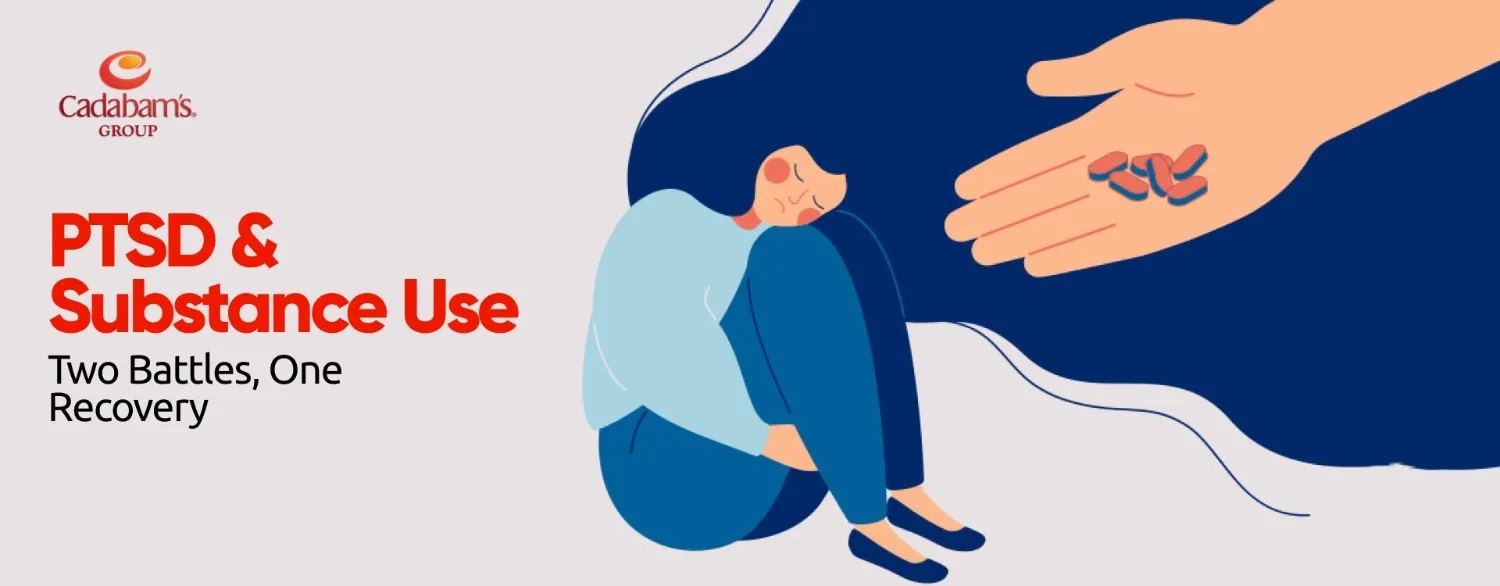
Adolescence is already a period of emotional change, but when trauma occurs, the effects can be stronger and more persistent. PTSD symptoms in adolescents can appear as emotional distress, behavioral changes, physical complaints, and academic struggles. Recognizing these signs early allows parents to seek timely support and improve recovery outcomes. This guide explains how PTSD affects teenagers, what symptoms to look for, and how families can support healing.
What Is PTSD in Adolescents and How Does It Affect Them?
Post-Traumatic Stress Disorder (PTSD) is a mental health condition that can develop after a teenager experiences or witnesses a traumatic event. It is vital for parents to first grasp the fundamentals of Post-Traumatic Stress Disorder (PTSD) and how it uniquely affects teenagers.
What Is Post-Traumatic Stress Disorder (PTSD)?
PTSD is a condition that develops after exposure to a frightening or life-threatening experience. It causes ongoing distress long after the danger has passed and can interfere with daily functioning, relationships, and emotional health. It can significantly disrupt an individual's life, making it crucial to seek timely, evidence-based support.
How Does PTSD Present Differently in Adolescents Compared to Adults?
While adults might be able to articulate their distress, adolescents may show symptoms differently. They might exhibit more impulsive or aggressive behaviours, struggle with guilt and shame about the traumatic event, or develop a negative worldview, believing the world is an entirely dangerous place, which requires specialised understanding and care.
What Events Commonly Trigger PTSD in Teenagers?
PTSD can develop after a wide range of traumatic experiences. Some events are more likely to overwhelm a teen’s coping ability, increasing the risk of long-term stress reactions.
Which Traumatic Experiences Can Lead to PTSD in Adolescents?
Various events can trigger PTSD in an adolescent, including serious accidents, physical or sexual assault, natural disasters, the sudden death of a loved one, or severe bullying. Witnessing violence at home or in the community can also be a significant factor, leading to lasting psychological distress if not addressed.
How Do Family Environment and Genetics Influence PTSD Risks?
Not every teen who experiences trauma develops PTSD. A combination of environmental and biological factors plays a role.
Key influences include:
- Supportive family relationships that encourage emotional expression
- Access to early mental health care
- Family history of anxiety, depression, or trauma
- Ongoing stress or instability at home
A strong support system can act as a protective buffer against PTSD.
Why Is Early Recognition of PTSD in Adolescents Important?
Spotting trauma-related symptoms early allows for faster intervention and better long-term outcomes. Delayed treatment can increase emotional, social, and physical complications.
What Happens If PTSD in Adolescents Goes Untreated?
Untreated PTSD can have severe, long-term consequences, including a higher risk of other mental health disorders like depression and anxiety. It can also lead to substance use issues, difficulties with relationships, and chronic physical health problems, significantly impacting their transition into a healthy and fulfilling adulthood.
How Does Early Treatment Improve PTSD Recovery?
Early intervention significantly improves the chances of a successful recovery. Prompt professional support can help your teen process the trauma, develop healthy coping skills, and reduce the severity of symptoms. This proactive approach helps prevent long-term complications and supports their journey towards healing within a structured rehabilitation framework.
What Are the Most Common PTSD Symptoms in Adolescents?
PTSD can affect multiple areas of a teen’s life. Symptoms typically fall into emotional, physical, academic, and social categories. Understanding these warning signs supports identifying signs of PTSD in teens early.
What Emotional and Behavioral Changes May Signal PTSD?
Emotional and behavioral shifts are often the first warning signs parents notice when PTSD develops in teenagers.
Mood swings and aggression
Adolescents with PTSD may display sudden and intense mood swings, shifting from irritability to sadness without a clear reason. Uncharacteristic aggression, angry outbursts, or a generally hostile attitude towards others can be a direct manifestation of their inner turmoil and inability to process the traumatic memories they are experiencing.
Social Withdrawal and Loss of Interest Caused by PTSD in Teens
A clear sign of distress is when a teen starts pulling away from friends and gives up activities they once enjoyed. This social withdrawal is often driven by a feeling of detachment, a loss of interest, or an attempt to avoid situations or people that might trigger memories of the trauma.
What Physical Symptoms Can PTSD Cause in Adolescents?
Alongside emotional distress, PTSD symptoms in adolescents often appear as physical complaints linked to chronic stress and anxiety.
Sleep Disturbances and Appetite Changes Linked to PTSD in Adolescents
Significant changes in appetite, either eating much more or less than usual, are common. Sleep disturbances are also a hallmark, including insomnia, frequent nightmares related to the trauma, or a constant feeling of tiredness during the day due to poor sleep quality, which can further exacerbate their emotional distress.
Stress-Related Physical Pain and Discomfort From PTSD in Teens
Your teen might complain of physical symptoms like headaches, stomach aches, dizziness, or other pains that have no clear medical cause. These somatic complaints are often the body's way of expressing psychological stress and anxiety when the mind is unable to process the overwhelming emotions associated with the trauma.
How Do PTSD Symptoms Affect School Performance and Social Life?
Trauma can interfere with concentration, motivation, emotional regulation, and relationship-building, significantly affecting daily functioning. Proper support is key to recognizing PTSD in teenagers.
Difficulty Concentrating and Declining Academic Performance
Difficulty concentrating, memory problems, and a general lack of motivation are some of the core PTSD symptoms in adolescents that can lead to a noticeable drop in academic performance. Your teen may struggle to complete homework, see their grades fall, or express a complete disinterest in their school activities.
Struggles With Friendships and Family Relationships
The emotional volatility and withdrawal associated with PTSD can make it hard for a teen to maintain healthy relationships. They may push friends away, have conflicts with family members, or feel profoundly misunderstood and isolated, further deepening their sense of loneliness and making recovery more challenging without professional guidance.
How Can Parents Differentiate PTSD Symptoms From Normal Teenage Behavior?
While emotional ups and downs are normal during adolescence, PTSD-related symptoms tend to be more intense, persistent, and disruptive across different areas of life.
What Emotional and Behavioral Changes Are Normal During Adolescence?
Understanding normal developmental behaviors helps parents avoid confusing typical changes with PTSD symptoms in adolescents.
Emotional volatility and independence seeking
Adolescence is naturally a time of emotional ups and downs as teens navigate hormonal changes and seek greater independence from their parents. Moodiness, challenging authority, and testing boundaries are all normal parts of this developmental stage as they work towards forming their own identity separate from their family unit.
Risk-taking behaviors
Experimenting and taking some risks are also typical aspects of teenage development. This might include minor rule-breaking or trying new things as they explore their limits and learn from experience. These behaviours are usually transient and part of their journey towards understanding consequences and becoming more responsible individuals.
How Are PTSD Symptoms in Adolescents Different From Normal Teen Behavior?
While typical teen behaviors come and go, trauma-related symptoms tend to be intense and long-lasting. PTSD symptoms in adolescents often interfere with daily life and emotional stability across multiple settings.
Duration and intensity of PTSD symptoms
While typical teenage moodiness is often brief and situational, PTSD symptoms in adolescents are persistent, intense, and pervasive. The distress does not fade quickly and consistently impacts the teen's mood and behaviour across different settings, from home to school, indicating a more severe underlying issue that requires attention.
How Does PTSD Impact Daily Functioning in Adolescents?
Normal teenage issues might cause temporary disruptions, but they generally do not paralyse a teen’s life. Conversely, PTSD significantly impairs their ability to function. This includes severe difficulties at school, an inability to maintain relationships, or a complete withdrawal from their daily life, which signals a critical need for support.
How Can Parents Support Teenagers Experiencing PTSD Symptoms?
Parental support is essential in helping teens feel safe and understood after trauma. A stable home environment combined with emotional reassurance can greatly support recovery from PTSD symptoms in adolescents.
What Home Support Strategies Help Teens With PTSD Recovery?
A safe and stable home life can make a significant difference. Creating a safe and predictable environment helps teens regain emotional balance and trust.
Encouraging open communication
Create a safe, non-judgemental space where your teen feels comfortable sharing their feelings without fear of criticism.
Parents can encourage healing by:
- Listening without judgment
- Validating emotions and experiences
- Allowing teens to share at their own pace
- Avoiding pressure to discuss trauma details
Stable Daily Routines That Support Adolescents With PTSD
A predictable daily routine can provide a sense of safety and stability for a teen feeling overwhelmed by trauma. Consistent schedules for meals, homework, and sleep help restore a sense of normalcy and control in their lives, which can be incredibly grounding when their internal world feels chaotic and unpredictable.
When Should Parents Seek Professional PTSD Treatment for Adolescents?
Some PTSD symptoms require expert care to ensure safety and long-term recovery. Recognising when your support is not enough is a sign of strength.
Warning Signs That Indicate Need for Professional PTSD Help
If your teen's symptoms are severe, persistent, or worsening over time, and they are significantly impacting their daily life, it is time to seek professional help. Professional intervention is crucial when you notice signs of self-harm, substance use, or expressions of hopelessness, ensuring their safety and well-being.
How to Choose Trauma-Informed Mental Health Professionals for Teens?
Look for a mental health professional, such as a psychologist or psychiatrist, who has experience working with adolescents and specialises in trauma. At Cadabam’s, our experts are trained in evidence-based therapies for PTSD and offer compassionate care tailored to the unique needs of teenagers on their journey towards recovery.
What Professional and Community PTSD Resources Are Available for Adolescents?
Recovery is strongest when therapy is combined with family and community support. Various treatment and educational resources can guide families through the healing process.
What Therapy Options Are Most Effective for PTSD Symptoms in Adolescents?
Evidence-based therapies are designed specifically for trauma recovery in young people. Early treatment greatly improves long-term outcomes for PTSD symptoms in adolescents.
What Evidence-Based PTSD Therapies Help Adolescents Recover?
Several proven therapy approaches are commonly used to treat trauma-related stress in teens. These methods focus on emotional healing and skill development.
The most widely recommended therapies include:
- Trauma-Focused Cognitive Behavioral Therapy (TF-CBT)
- Individual trauma counseling sessions
- Structured family-based therapy programs
How Can Parents Find the Right PTSD Therapist for Adolescents?
Finding a therapist with whom your teen connects is crucial for effective treatment. It is important to look for someone experienced in identifying signs of PTSD in teens. At Cadabam’s, we carefully match our clients with professionals who fit their specific needs, ensuring a strong therapeutic alliance from the start.
How Do PTSD Support Groups and Online Resources Help Adolescents and Families?
Support beyond therapy can strengthen recovery and emotional well-being. Community connections help families feel less isolated during the healing process. These resources complement professional PTSD treatment.
What Benefits Do PTSD Support Groups Offer Teens and Parents?
Support groups provide shared understanding and emotional encouragement. They allow families to learn from others facing similar challenges.
Support groups can help by:
- Reducing feelings of isolation and stigma
- Offering emotional reassurance
- Sharing coping strategies and experiences
- Building a sense of community
What Online PTSD Education and Support Resources Are Helpful for Families?
Reputable organisations like the National Institute of Mental Health (NIMH) and online communities managed by trusted mental health centres can provide valuable information. Cadabams.org also offers a wealth of resources, articles, and support options to help you navigate your teen's mental health and recovery with confidence.
Free · Confidential
Book screening with our triage team
Speak to a clinician in minutes. We’ll help you figure out the right next step.
What Should Families Expect During PTSD Recovery in Adolescents?
PTSD recovery is a gradual process that varies for each teen. Progress may occur in stages rather than all at once. Consistent support and patience are essential throughout healing.
How Long Does PTSD Recovery in Adolescents Typically Take?
There is no set timeline for trauma recovery. Some teens improve within months, while others may need longer-term treatment.
Understanding Different PTSD Recovery Timelines in Teens
Recovery from PTSD is a unique and personal journey; there is no fixed timeline. Some teens may show improvement in a few months, while others may need longer-term support. It is important to be patient and celebrate small steps forward, understanding that setbacks can be a normal part of healing.
Why Are Patience and Resilience Important in PTSD Healing?
Patience and resilience are essential for both you and your teen. Healing is not linear, and there will be good days and bad days. Your unwavering support, understanding, and encouragement provide the stable foundation your teen needs to navigate the ups and downs of their recovery and build lasting resilience.
How Can Families Build Resilience and Coping Skills for Adolescents With PTSD?
Developing healthy coping strategies helps teens manage stress and emotional triggers. Resilience empowers adolescents to regain control and confidence. These skills support long-term recovery.
What Healthy Coping Strategies Help Teens Manage PTSD Symptoms?
Positive coping methods help regulate emotions and reduce stress. These activities provide a positive outlet for difficult emotions and can help regulate the nervous system. Encouraging these strategies empowers them to actively participate in their own healing process.
Helpful strategies include:
- Regular physical exercise
- Mindfulness or breathing practices
- Journaling or creative activities
- Relaxation routines
Role of family in reinforcing resilience
The family plays a vital role in reinforcing resilience. By modelling healthy emotional expression, promoting problem-solving skills, and maintaining strong, positive connections, you create an environment where your teen can thrive. Your family’s collective strength and support are powerful tools in your child’s comprehensive rehabilitation and long-term well-being.
How Can Cadabam’s Help Adolescents Recover From PTSD Symptoms and Build Emotional Strength?
It is incredibly painful to watch your child struggle, but there is hope and help available. Recognizing PTSD in teenagers early and seeking professional guidance can set them on a path to healing. You are not alone in this journey.
If you are searching for a solution to your problem, Cadabam’s Rehabilitation Centre can help you with its team of specialised experts. We have been helping thousands of people live healthier and happier lives for 33+ years. We leverage evidence-based approaches and holistic treatment methods to help individuals effectively manage their Post-Traumatic Stress Disorder. Get in touch with us today. You can call us at +91 96111 94949.