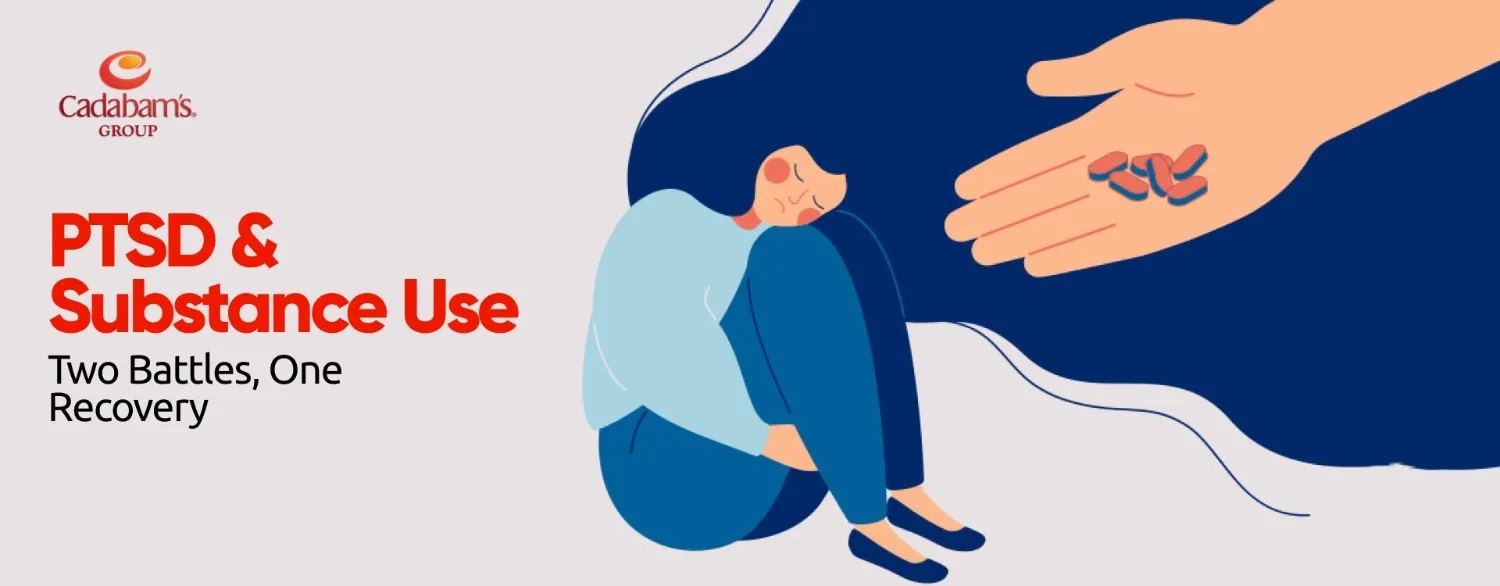
Completing a PTSD treatment programme is a major milestone, but PTSD rehab recovery truly begins when you transition back into everyday life. The first few months after rehab are critical for maintaining progress, preventing relapse, and strengthening emotional stability.
PTSD rehab recovery involves continuing therapy, using coping strategies after rehab, building structured routines, and maintaining strong support systems. This guide explains exactly what to expect after rehab, how to adjust safely, and the most effective strategies for managing triggers and stressors so you can maintain long-term recovery and emotional wellbeing.
What Should You Expect During The Early PTSD Rehab Recovery Phase?
The early PTSD rehab recovery phase is a transition period where you apply the skills learned in treatment to real-world situations. This stage can feel both empowering and challenging because you are moving from a structured therapeutic environment to greater independence.
What Should You Do Immediately After Completing PTSD Rehab?
Before leaving rehab, work with your care team to create a clear post-rehab plan. This plan helps you transition safely and ensures continuity of care.
Your immediate post-rehab priorities should include:
- Scheduling follow-up therapy sessions to continue trauma processing and reinforce coping strategies after rehab
- Creating a daily routine that includes sleep, meals, exercise, and relaxation
- Identifying trusted support contacts you can reach out to when needed
- Preparing your home environment to feel safe, calm, and predictable
- Avoiding overwhelming situations until you feel emotionally stable
Structuring your early days provides stability and helps your nervous system adjust to independent living, which is essential for successful PTSD rehab recovery.
How Long Does PTSD Rehab Recovery Take, and What Should You Realistically Expect?
PTSD rehab recovery is a gradual process that continues long after formal treatment ends. While rehab provides essential tools and emotional support, healing occurs over time as you apply those skills in everyday life.
It is important to understand that recovery does not mean symptoms disappear immediately. Instead, progress typically includes both improvements and occasional setbacks. Expect good days and challenging ones. It is vital to acknowledge your progress without demanding perfection, allowing yourself the grace to adapt to life after intensive treatment.
Why is a Strong Support System Essential For PTSD Rehab Recovery?
A strong support network is a cornerstone of sustained recovery. Identify family, friends, or peers who understand and respect your journey. Communicate your needs clearly and schedule regular check-ins. This network provides emotional reinforcement and practical help, reducing feelings of isolation and strengthening your resolve.
What Coping Strategies After Rehab Help Maintain Long-Term PTSD Recovery?
The most effective coping strategies after rehab include building healthy routines, practicing emotional regulation techniques, and continuing professional support. Applying these strategies consistently strengthens resilience and helps you maintain progress achieved during PTSD rehab recovery.
How Do Healthy Daily Habits Support PTSD Rehab Recovery?
Healthy daily habits create structure, stability, and predictability, which are essential for nervous system regulation after trauma treatment. Consistent routines help reduce anxiety, improve emotional balance, and strengthen your ability to handle daily challenges.
Focus on establishing these core habits:
- Maintain a consistent sleep schedule, as quality sleep improves emotional regulation and reduces PTSD symptoms
- Engage in regular physical activity, such as walking, yoga, or stretching, to reduce stress hormones
- Eat balanced and nutritious meals to support brain function and mood stability
- Practice daily relaxation techniques, such as deep breathing or meditation
- Follow a predictable daily routine to create a sense of control and safety
Emotional Regulation Techniques That Help After PTSD Rehab
Practicing emotional regulation regularly strengthens coping strategies after rehab and improves your ability to function confidently in daily life.
Some of the most effective emotional regulation techniques include:
- Mindfulness meditation, which helps you stay present without becoming overwhelmed by emotions
- Grounding exercises, such as focusing on your five senses to reconnect with the present moment
- Deep breathing techniques, which calm the nervous system and reduce anxiety
- Progressive muscle relaxation, which releases physical tension stored in the body
- Positive self-talk, which helps challenge fear-based or negative thoughts
Using these techniques consistently helps you respond to stress safely and reduces the intensity of trauma-related reactions.
Why is Continued Professional Support Important After PTSD Rehab?
Your recovery journey doesn't end when you leave the rehabilitation centre. Ongoing therapy with a professional who specialises in PTSD is vital for processing experiences and reinforcing skills. Support groups also offer a sense of community and shared understanding, reminding you that you are not alone.
How Can You Effectively Manage Triggers and Stressors After PTSD Rehab?
Learning effective strategies for managing triggers and stressors helps you stay in control, reduce emotional overwhelm, and protect the progress made during PTSD rehab recovery. With awareness, preparation, and consistent coping techniques, you can respond to difficult situations safely and confidently.
How Can You Identify Your PTSD Triggers After Rehab?
By recognising your triggers early, you can prepare coping strategies after rehab and reduce the intensity of emotional reactions.
Common PTSD triggers may include:
- Specific places, such as crowded environments or locations associated with trauma
- Certain sounds, smells, or visual reminders
- Stressful life events, such as conflict or major changes
- Emotional states, such as fear, anger, or helplessness
- Physical sensations, such as increased heart rate or tension
Keep a journal to document situations, places, sounds, or even internal feelings that cause distress. Recognising these personal triggers allows you to anticipate challenges and develop proactive strategies to cope with them or avoid them.
What Are The Most Effective Strategies For Managing Triggers and Stressors in Daily Life?
Consistently applying coping strategies after rehab strengthens your resilience and improves your ability to function safely in everyday situations.
Effective stress management strategies include:
- Deep breathing exercises, which calm the nervous system and reduce anxiety
- Grounding techniques, such as focusing on your surroundings or physical sensations
- Taking breaks from stressful situations, allowing your body to reset
- Engaging in calming activities, such as listening to music, walking, or journaling
- Practicing mindfulness, which helps reduce emotional reactivity
- Maintaining healthy routines, including sleep, exercise, and nutrition
What Should You Do if You Experience a Severe PTSD Trigger or Emotional Crisis?
Create a personalised action plan for moments when you encounter an unexpected or overwhelming trigger. This plan should include specific coping skills to use immediately, as well as the contact information for trusted supporters or your therapist. Having this safety plan provides reassurance and a clear path forward.
What Milestones And Challenges Should You Expect During Early Recovery?
Recovery involves continuous improvement in emotional regulation, confidence, and independence. Recognising progress and preparing for challenges helps reinforce coping strategies after rehab and supports long-term emotional stability.
Recognizing Progress During PTSD Recovery
Celebrate every step forward, no matter how small. Acknowledging your growth, such as handling a trigger well or maintaining a routine for a week, reinforces positive change and builds momentum. Keep a progress journal to remind yourself of how far you have come during difficult moments.
How Should You Handle Setbacks During PTSD Recovery?
Recovery is not a straight line; setbacks are a normal part of the process. Rather than viewing a difficult day as a failure, see it as an opportunity to learn and adjust your approach. Having a plan for these moments can help you navigate them without losing hope.
When setbacks occur, focus on these steps:
- Remind yourself that setbacks are temporary and manageable
- Use coping strategies after rehab to calm your emotional response
- Identify what triggered the setback to improve future awareness
- Reach out to your therapist or support system for guidance
- Return to healthy routines as soon as possible
Adjusting PTSD Rehab Recovery Plans as Needed
Your needs will evolve as you progress in your recovery. Be flexible and willing to adjust your plan with your therapist. This proactive approach ensures your coping strategies after rehab remain effective and relevant to your current challenges, supporting your continued growth and long-term healing from trauma.
Free · Confidential
Book screening with our triage team
Speak to a clinician in minutes. We’ll help you figure out the right next step.
What Ongoing Support And Resources Help Maintain Long-Term Recovery After Rehab?
Ongoing support and access to helpful resources play a critical role in maintaining emotional stability and preventing relapse after treatment. Recovery continues beyond rehab, and having reliable support systems ensures you can manage challenges safely and confidently.
Local and Online PTSD Support Networks
Connecting with others who have similar lived experiences can be immensely validating. Seek out local or online support groups dedicated to PTSD. These communities offer peer support, shared wisdom, and a sense of belonging that complements professional therapy and reduces feelings of isolation on your journey.
Leveraging Apps and Digital Tools for PTSD Management
Technology can be a powerful ally in your recovery. Use mindfulness apps for guided meditations, mood trackers to monitor your emotional state, and digital journaling tools to document your progress. These resources provide accessible, on-demand support right at your fingertips, bolstering your daily coping efforts.
Professional Help Beyond PTSD Rehab
Continuing with specialised PTSD therapy is crucial for navigating complex emotions and reinforcing the skills learned during your rehabilitation. At Cadabam’s, our experts offer ongoing therapeutic support, ensuring you have professional guidance as you face new challenges and continue to build a resilient, fulfilling life after treatment.
How Can You Build Hope And Emotional Resilience After PTSD Rehab?
Developing a positive mindset, practicing self-reflection, and setting meaningful goals strengthen coping strategies after rehab and support emotional stability. Focusing on growth and future possibilities helps you regain a sense of purpose and control over your life.
Cultivating a Positive Mindset
Actively practice gratitude and focus on your strengths. Challenge negative thought patterns with the cognitive techniques you learned in therapy.
You can cultivate a positive mindset by:
- Practicing daily gratitude, focusing on small positive experiences
- Recognising your progress, even if improvements feel gradual
- Challenging negative thoughts, using techniques learned in therapy
- Focusing on your strengths and personal growth
- Being patient and compassionate with yourself
Building Resilience Through Self-Reflection and Growth
Use your experiences as opportunities for personal growth. Regular self-reflection helps you understand your values, strengths, and goals more clearly. This process builds resilience, transforming you from someone who survived trauma into someone who is thriving because of the strength and wisdom you have gained along the way.
Planning for the Future
Begin to set meaningful short-term and long-term goals that are separate from your recovery. Whether it is pursuing a hobby, education, or career path, envisioning a future you are excited about is a vital step. This helps shift your identity from being defined by PTSD to being a whole person with dreams.
Continue Your Healing Journey With Expert PTSD Support At Cadabam’s
Your journey to healing is deeply personal, and taking the first step after rehabilitation requires courage and support. If you or a loved one is navigating PTSD rehab recovery, know that you are not alone. Cadabam’s provides evidence-based, compassionate, and ongoing support to help you build a life of resilience and hope.
If you are searching for a solution to your problem, Cadabam’s Rehabilitation Centre can help you with its team of specialised experts. We have been helping thousands of people live healthier and happier lives for 33+ years. We leverage evidence-based approaches and holistic treatment methods to help individuals effectively manage their Post-Traumatic Stress Disorder. Get in touch with us today. You can call us at +91 96111 94949.