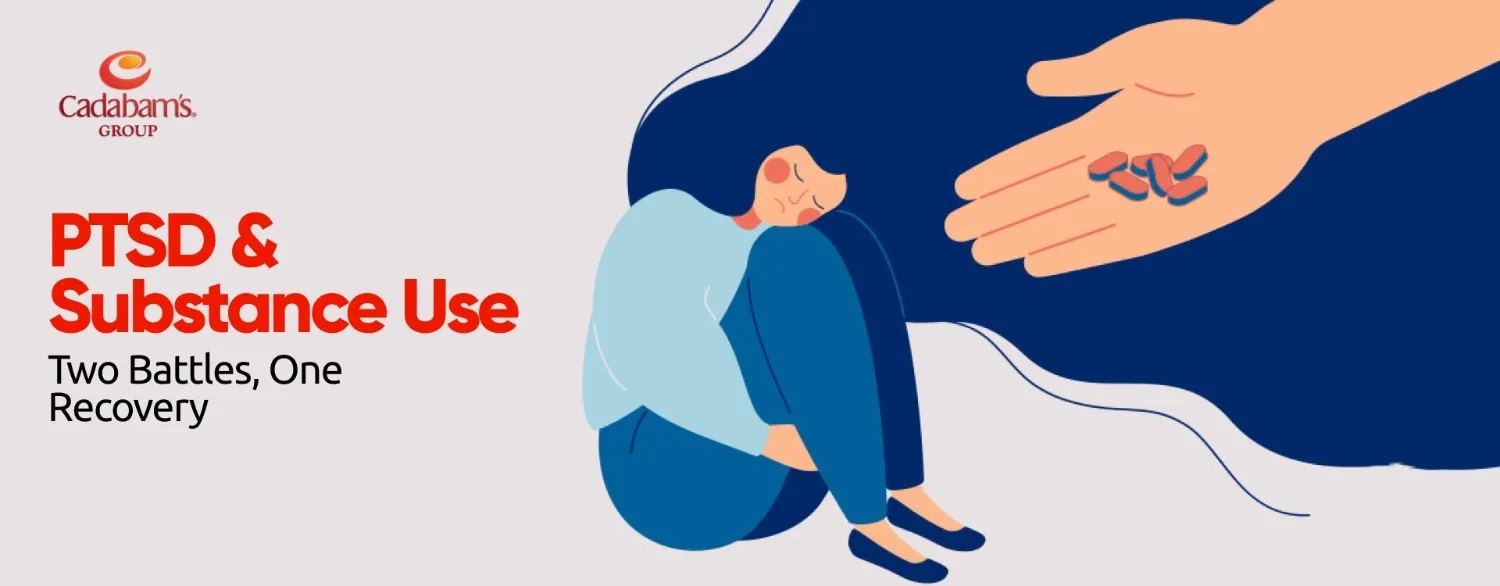
Recovering from trauma is a deeply personal journey. Post-traumatic stress disorder (PTSD) can feel isolating, but healing is possible with the right support. This guide explores how specialised PTSD rehab in India offers a compassionate, evidence-based path towards reclaiming your life and well-being.
What Is PTSD Rehab and How Does It Support Trauma Recovery?
PTSD rehab is a structured, immersive treatment programme designed specifically to address the complex emotional, psychological, and behavioural effects of trauma. Unlike standalone therapy sessions, PTSD rehab provides continuous, multidisciplinary care in a safe and supportive environment.
At Cadabam’s, we focus on a rehabilitation model that restores not just mental health but also overall quality of life.
What Are the Core Goals of PTSD Rehabilitation?
The core goals of PTSD rehab focus on creating a strong foundation for long-term recovery rather than short-term symptom relief. These goals guide every aspect of treatment and ensure care remains personalised, structured, and sustainable.
This involves several key goals:
- Provide a safe environment for trauma recovery. A secure and non-judgemental space is essential for healing. Our facilities are designed to be sanctuaries where individuals feel safe to process traumatic memories and emotions without fear of judgement, supported by round-the-clock professional care and a community of peers who understand their journey.
- Support emotional regulation and resilience. Trauma can disrupt the ability to manage emotions. Rehabilitation focuses on teaching practical skills to handle triggers, reduce hypervigilance, and manage anxiety. Through evidence-based therapies, we help individuals build the inner strength and resilience needed to navigate life’s challenges long after they leave our care.
- Offer personalised treatment plans for long-term stability. Every individual's experience with trauma is unique. A one-size-fits-all approach is ineffective. Effective rehab involves creating a customised treatment plan that addresses specific symptoms, histories, and recovery goals, ensuring the strategies learned are relevant and sustainable for long-term mental wellness and stability.
How Is PTSD Rehab Different From General Therapy?
While general therapy can be helpful, PTSD rehab offers a more intensive and integrated level of care. General counselling typically involves weekly sessions, whereas PTSD rehab provides continuous therapeutic support within a structured environment.
PTSD rehab differs by offering:
- Trauma-specific therapies such as EMDR and Trauma-Focused CBT
- Integrated psychiatric care and medication management
- Group therapy, family therapy, and holistic wellness practices
The immersive nature of PTSD rehab allows for deeper therapeutic work and consistent emotional support, which is often essential for safely addressing complex or long-standing trauma. At Cadabam’s, our approach ensures every aspect of the individual’s environment is geared towards healing.
Who Can Benefit from PTSD Rehab?
PTSD rehab is beneficial for individuals whose daily functioning and emotional well-being are significantly affected by trauma. This includes people who have experienced accidents, violence, natural disasters, military combat, or ongoing emotional distress.
PTSD rehab may be appropriate if trauma is causing:
- Persistent anxiety or hypervigilance
- Flashbacks or intrusive memories
- Emotional numbness or withdrawal
- Difficulty maintaining relationships or daily responsibilities
Even individuals who do not identify their symptoms as PTSD can benefit from structured PTSD rehab if trauma continues to interfere with their quality of life.
How Do Medication Therapy and Holistic Care Work Together in PTSD Rehab?
Medication therapy holistic care for PTSD, plays a crucial role in comprehensive PTSD rehab by addressing both biological symptoms and emotional healing. The integration of medical treatment with holistic practices creates a balanced and person-centred recovery approach
By combining medication therapy holistic care for PTSD, individuals receive stabilisation for acute symptoms while also developing long-term self-regulation and resilience.
What Role Does Medication Play in PTSD Rehab?
Medication can be a vital tool in managing the debilitating symptoms of PTSD. Under the guidance of an expert psychiatrist, specific medications like Selective Serotonin Reuptake Inhibitors (SSRIs) are often prescribed. These do not cure trauma but can significantly reduce the intensity of anxiety, depression, and hyperarousal. This stabilisation creates the mental space needed for an individual to engage more effectively in therapeutic work.
In a comprehensive PTSD rehab programme, medication is always part of a broader strategy that includes therapy and skills-building, ensuring that it acts as a supportive component rather than a standalone solution.
How Do Holistic Therapies Support PTSD Recovery?
Holistic therapies focus on the powerful connection between the mind and body, which is often disrupted by trauma. Practices like yoga help release physical tension and regulate the nervous system, while mindfulness meditation trains the brain to stay grounded in the present moment, reducing the power of intrusive memories. Other modalities available in leading Indian centres include art therapy, breathwork (pranayama), and Ayurvedic wellness principles.
These approaches empower individuals with self-soothing techniques, improve emotional awareness, and promote a sense of inner peace, complementing traditional therapeutic methods beautifully.
What Are the Benefits of Integrating Medication and Holistic Care for PTSD?
Integrating medication therapy holistic care for PTSD ensures recovery addresses both symptom management and long-term emotional growth. Medication provides stability, while holistic practices build resilience and self-awareness.
This integrated approach:
- Enhances therapy participation
- Supports long-term relapse prevention
- Promotes whole-person healing rather than symptom suppression
As a result, PTSD rehab becomes more effective and sustainable.
What Are Integrative Treatment Strategies for PTSD in Rehab Settings?
A modern approach to trauma recovery goes beyond isolated treatments, weaving different methods into a seamless and personalised plan. These integrative treatment strategies PTSD are designed to heal the mind, body, and spirit in unison.
How Does Trauma-Informed Care Shape PTSD Rehab in India?
Trauma-informed care is a foundational principle in advanced rehabilitation centres across India. It shifts the focus from "What's wrong with you?" to "What happened to you?". This empathetic approach ensures that every interaction and aspect of the treatment environment is designed to promote physical and psychological safety.
At Cadabam’s, our professionals are trained to understand the pervasive impact of trauma and avoid re-traumatisation. By prioritising trust, collaboration, and empowerment, we create a space where individuals can heal with dignity and a renewed sense of control over their lives, forming the bedrock of our integrative treatment strategies PTSD.
Why Is CBT Combined With Holistic Practices in PTSD Rehab?
Cognitive-Behavioural Therapy (CBT) helps individuals identify and reframe trauma-related thought patterns. When combined with holistic practices, its effectiveness is significantly enhanced.
In PTSD rehab, this combination allows individuals to:
- Regulate physiological stress responses through mindfulness
- Process emotions non-verbally through art or movement therapy
- Reinforce cognitive skills learned in therapy
This blended approach strengthens integrative treatment strategies PTSD by addressing both thought patterns and bodily responses.
How Do Group and Family Therapy Support PTSD Rehab?
Trauma can breed intense feelings of isolation. Group therapy powerfully counteracts this by bringing together individuals with shared experiences in a professionally facilitated setting. This fosters a sense of community and validation, reminding participants that they are not alone.
Family therapy is equally crucial, as trauma impacts the entire family system. It helps educate loved ones about PTSD, improves communication, and rebuilds trust. This is especially vital in cases with co-occurring issues like substance misuse, where a strong support system is key to successful deaddiction and long-term rehabilitation.
How Can You Find the Right PTSD Rehab in India?
Finding the right PTSD rehab in India can feel overwhelming, especially when trauma already makes decision-making difficult. However, understanding what to look for in a rehabilitation centre can simplify the process and ensure you receive safe, effective, and long-term support.
What Should You Look for When Choosing a PTSD Rehab Centre?
Choosing the right facility is a critical first step towards recovery. Here are the essential factors to consider when evaluating a centre for PTSD rehabilitation:
Accreditation and Trauma-Qualified Mental Health Professionals
A reputable centre must be officially accredited and staffed by a multidisciplinary team of licensed professionals. This includes psychiatrists, clinical psychologists, and therapists who specialise in trauma. Ensuring the team is qualified guarantees that the care provided is evidence-based, safe, and tailored to treat the complexities of PTSD effectively.
Availability of Medical, Psychological, and Holistic Treatment Options
Comprehensive PTSD treatment goes beyond a single method. Look for a facility that integrates medical management (medication) with proven psychological therapies like EMDR and CBT. The inclusion of holistic practices such as yoga, mindfulness, and art therapy helps heal the mind and body together, fostering a more sustainable recovery.
Aftercare Planning and Relapse Prevention Support
Recovery is an ongoing process that continues long after leaving a residential programme. An effective rehabilitation plan includes robust aftercare support, such as outpatient counselling, support groups, and relapse prevention strategies. This continued guidance is vital for managing triggers, reinforcing coping skills, and ensuring long-term emotional well-being.
What Emerging PTSD Treatment Options Are Available in India?
The field of trauma recovery continues to evolve, and several advanced therapies are now being introduced in select PTSD rehab centres across India. These emerging approaches offer new ways to process trauma safely and effectively.
Innovative PTSD rehab options may include:
- Virtual Reality (VR) exposure therapy to process traumatic memories in controlled environments
- Neurofeedback to improve emotional regulation and brain functioning
- Integrative psychiatry that combines neuroscience with psychotherapy
These advancements strengthen integrative treatment strategies PTSD by expanding the tools available for personalised trauma care. At Cadabam’s, we are committed to exploring and integrating such pioneering trauma therapy techniques to provide the best possible outcomes.
How Much Does PTSD Rehab Cost in India and How Accessible Is It?
The cost of PTSD rehab in India varies depending on the type of facility, duration of treatment, and level of care provided. Options range from government-supported and NGO-run centres to premium private facilities offering intensive, personalised services.
Key factors influencing cost include:
- Residential vs outpatient programmes
- Length of stay and therapy intensity
- Staff-to-patient ratio and amenities offered
While cost is an important consideration, PTSD rehab should be viewed as an investment in long-term mental health and quality of life. Many private centres also offer flexible payment or financing options to improve accessibility.
Free · Confidential
Book screening with our triage team
Speak to a clinician in minutes. We’ll help you figure out the right next step.
Path Forward for Healing Through PTSD Rehab in India
Healing from PTSD is not about erasing the past, but about integrating the experience into your life in a way that no longer controls you. Modern PTSD rehab in India embraces this philosophy by blending evidence-based medicine, specialised psychotherapies, and holistic wellness practices.
Choosing a centre that champions a trauma-informed, patient-first approach is the most important step towards sustainable recovery. With the right support, it is entirely possible to move forward and build a life defined not by trauma but by resilience and hope.
Take the First Step Towards Healing with Cadabam’s
Living with the weight of trauma is exhausting, but you do not have to carry it alone. At Cadabam’s, we offer a sanctuary for healing, combining over 33 years of expertise with compassionate, evidence-based care. Our integrative approach to PTSD rehabilitation is designed to help you find your path back to peace and wholeness.
If you are searching for a solution to your problem, Cadabam’s Rehabilitation Centre can help you with its team of specialised experts. We have been helping thousands of people live healthier and happier lives for 33+ years. We leverage evidence-based approaches and holistic treatment methods to help individuals effectively manage their Post-Traumatic Stress Disorder. Get in touch with us today. You can call us at +91 96111 94949.