
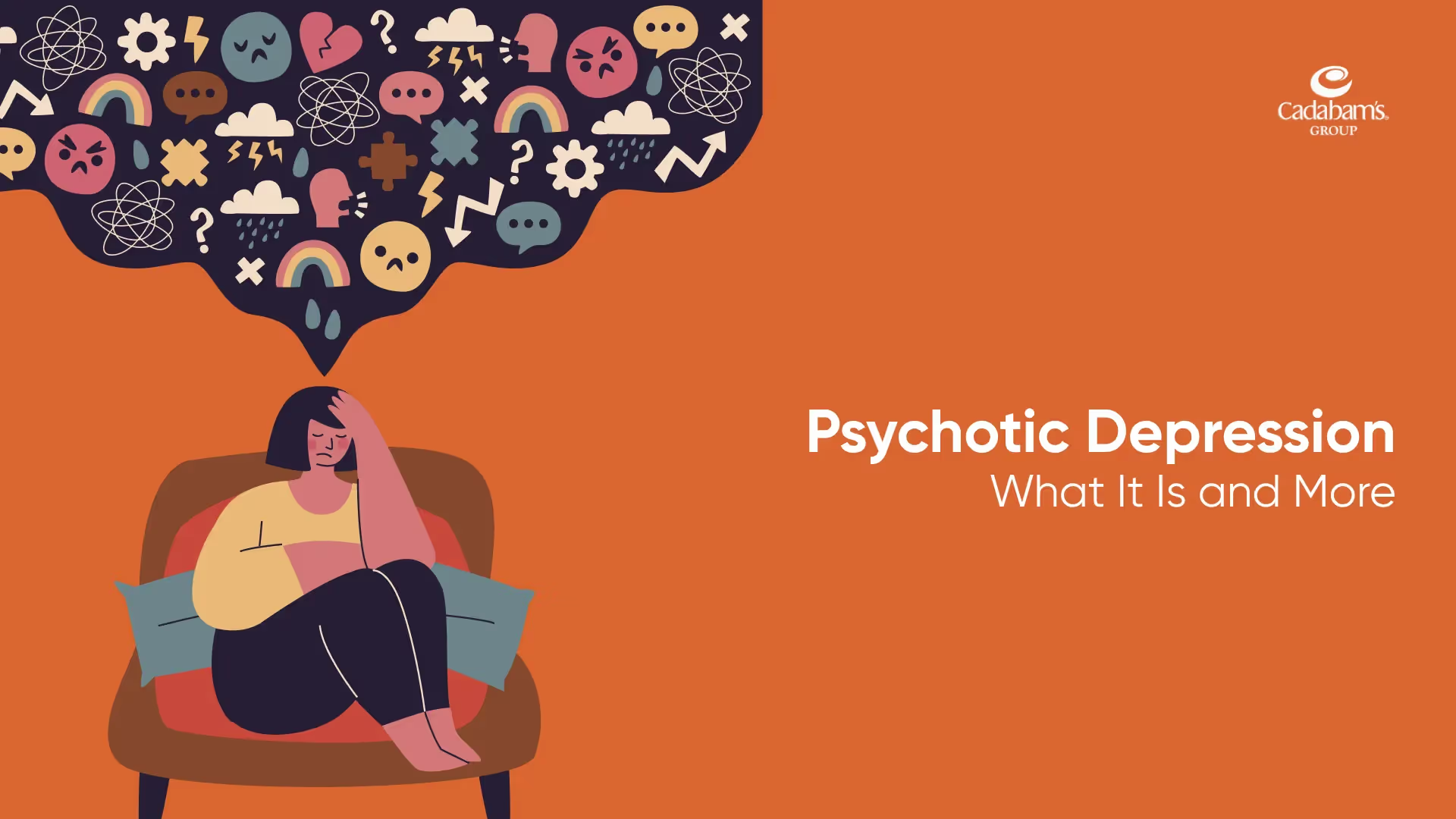
Psychotic depression is a severe mental health disorder affecting around 3% of people with depression. It combines depressive symptoms with psychosis, such as delusions and hallucinations. It's often misdiagnosed or untreated, leading to higher suicide rates than other forms of depression. Treatment includes therapy and medication, with a 60-80% response rate. Timely diagnosis and proper management are crucial for improving the quality of life for those affected by this complex condition.
Symptoms and Diagnostic Criteria
Psychotic depression is a severe form of depression characterized by depressive symptoms accompanied by psychosis. Common symptoms include profound sadness, loss of interest, and psychomotor agitation or retardation. However, the hallmark of psychotic depression is the presence of delusions or hallucinations. These delusions are often centered around themes of guilt, personal inadequacy, or nihilism.
To be diagnosed with psychotic depression, one must meet specific criteria outlined in the Diagnostic and Statistical Manual of Mental Disorders (DSM-5), which include the presence of psychotic features during a major depressive episode. Typically, these symptoms last for at least two weeks.
The Underlying Mechanisms
Psychotic depression's exact cause is not fully understood, but several factors contribute to its development. Neurotransmitter imbalances, particularly involving serotonin and dopamine, are believed to play a role. Genetics also seem to influence a person's susceptibility.
How Psychotic Depression Differs from Other Forms of Depression
Unlike other forms of depression, psychotic depression is distinguished by the presence of psychosis. Individuals with psychotic depression experience delusions and/or hallucinations, which can make the condition more challenging to diagnose and treat effectively.
Co-occurring Conditions and Risk Factors
Psychotic depression often co-occurs with other mental health conditions, such as anxiety disorders or substance abuse. Risk factors include a family history of depression, a personal history of mood disorders, and severe life stressors.
Understanding Psychosis
Psychosis refers to a mental state in which a person experiences a disconnection from reality. Delusions involve fixed, false beliefs, while hallucinations are sensory perceptions without a real external source. In psychotic depression, these symptoms are closely tied to the individual's depressive thoughts and emotions.
Treatment Approaches
Effective treatment for psychotic depression typically involves a combination of psychotherapy, medication, and psychosocial interventions. Antidepressant medications and antipsychotic drugs are commonly prescribed. Psychotherapy, particularly cognitive-behavioral therapy (CBT) and supportive therapy, can help individuals cope with their symptoms.
Hospitalization and Crisis Management
In severe cases of psychotic depression, hospitalization may be necessary to ensure the safety of the individual. Crisis management involves closely monitoring the patient, adjusting medications, and providing a safe and structured environment.
Living with Psychotic Depression
Living with psychotic depression can be challenging, but with proper treatment, many individuals can manage their symptoms and lead fulfilling lives. Support from family and friends, along with lifestyle adjustments, can make a significant difference.
Support and Resources Available
Numerous organizations, such as the National Alliance on Mental Illness (NAMI) and the Depression and Bipolar Support Alliance (DBSA), offer resources and support groups for individuals with psychotic depression and their loved ones. These resources can provide invaluable assistance during the recovery process.
Family and Caregivers Perspectives
Family and caregivers play a crucial role in supporting individuals with psychotic depression. Understanding the condition, attending therapy sessions, and providing emotional support can make a significant positive impact on the patient's well-being.
Free · Confidential
Book screening with our triage team
Speak to a clinician in minutes. We’ll help you figure out the right next step.
Research and Advancements
Ongoing research seeks to better understand psychotic depression's underlying mechanisms and improve treatment options. Advances in neuroimaging, pharmacology, and psychotherapy techniques offer hope for more effective interventions.
Breaking the Stigma
One of the significant challenges individuals with psychotic depression face is the stigma associated with mental illness. Education, awareness campaigns, and open conversations can help break down these barriers and foster a more understanding and compassionate society.
Conclusion
Psychotic depression is a complex and challenging mental health condition that affects millions of people worldwide. Understanding its symptoms, diagnosis, and treatment options is crucial for both patients and their support networks. By raising awareness, reducing stigma, and advancing research, we can improve the lives of those living with psychotic depression and offer hope for a brighter future.