
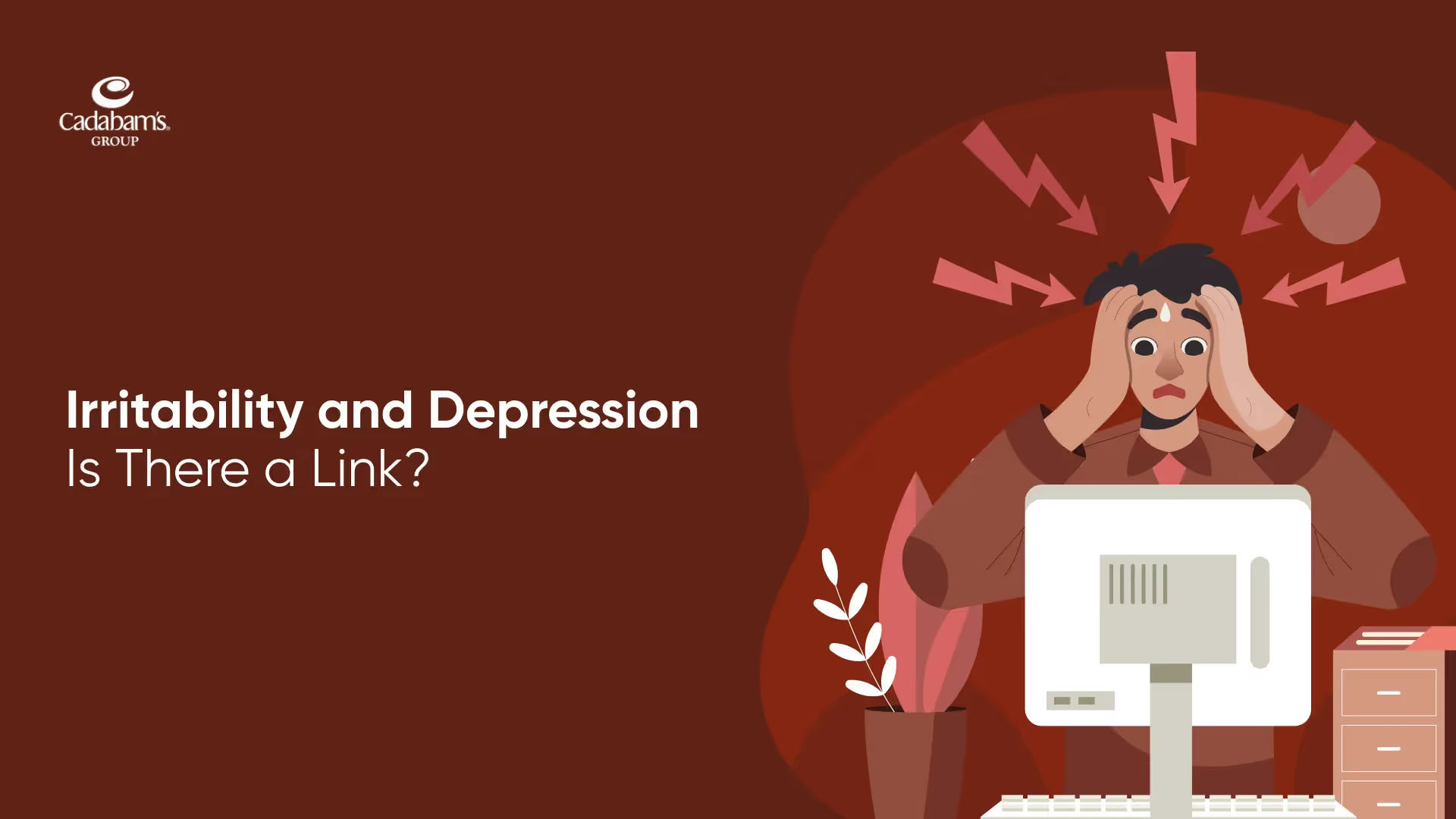
Irritability and depression often go hand in hand, creating a complex and challenging emotional landscape for those affected. While depression is commonly associated with feelings of sadness and hopelessness, irritability can be a prominent but overlooked symptom. Besides depression, irritability is listed as a cardinal or associated symptom of several behavioral and emotional psychiatric disorders in the DSM-5, particularly in children and adolescents. However, in a recent analysis, It has been proven that irritability can be a direct indicator of disorders like depression, anxiety, or even ODD.
The Prevalence of Irritability in Depression
Contrary to popular belief, irritability is more common in depression. According to studies, irritability is a prominent symptom for as many as sixty percent of those suffering from depression. This data emphasizes the importance of irritation as a key component of the depressed state.
Exploring Irritability as a Symptom of Depression
Irritability can be a symptom of depression, alongside more recognized signs like persistent sadness and loss of interest. Depression affects people differently, with some experiencing irritability as a prominent symptom. This can result from mood disturbances, increased sensitivity to stressors, cognitive difficulties, physical symptoms like fatigue, social withdrawal, and potential comorbidity with other mental health conditions. Proper evaluation and treatment by a mental health professional is essential for individuals experiencing these symptoms.
Irritability vs. Agitation: Defining Distinctions
While irritability and agitation may seem similar, they have distinct characteristics. Irritability is often an emotional response, while agitation is more physical and restlessness-driven. Recognizing these differences is vital for accurate diagnosis and effective treatment.
The Impact of Irritability on Daily Life
Irritability, a common symptom of various mental health conditions, can cast a dark shadow over daily life. It hampers productivity, strains relationships, and diminishes one's quality of life. In conditions like depression, anxiety, or bipolar disorder, irritability may manifest alongside other symptoms, making early recognition and intervention crucial for addressing its impact effectively.
Irritability in Different Age Groups
Irritability varies across age groups due to factors like basic needs in infants, exploration in preschoolers, academic pressure in school-age children, hormonal changes in adolescents, transitional stress in young adults, work-family balance in adults, and health concerns in seniors. Effective support is essential across all ages.
The Link Between Irritability and Suicidality
Irritability has a concerning link to suicidality. While research in this area hasn’t made major developments, it has been shown that individuals with irritability and depression are at a higher risk of suicidal thoughts and behaviors. Identifying and addressing irritability at an early stage can be a critical factor in preventing tragic outcomes.
Assessing and Diagnosing Irritable Depression
Achieving a precise diagnosis is the primary step in effectively managing irritability in depression. Mental health experts employ diagnostic instruments and conduct interviews to evaluate the extent and intensity of irritability in individuals suffering from depression.
Treating Irritability in the Context of Depression
Treating the irritability associated with depression is imperative for holistic and comprehensive care. Psychotherapy, in combination with medication and lifestyle modifications, are some commonly known methods employed by professionals that have proven beneficial.SSRIs, for instance, can assist in mood regulation, including irritability.
Free · Confidential
Book screening with our triage team
Speak to a clinician in minutes. We’ll help you figure out the right next step.
Lifestyle Modifications for Managing Irritability and Depression
Incorporating lifestyle adjustments can help significantly with irritability and depression management. Systematic exercise, a balanced diet, stress-reduction techniques, and adequate sleep can all contribute to keeping your mood stable.
Conclusion
Irritability in depression is a nuanced and impactful symptom that deserves attention. Acknowledging its presence, distinguishing it from agitation, and addressing it in diagnosis and treatment can lead to improved outcomes for individuals struggling with depressive disorders. Understanding the complicated link between irritation and depression is essential for providing appropriate support and care to individuals in need. Book an appointment with us.