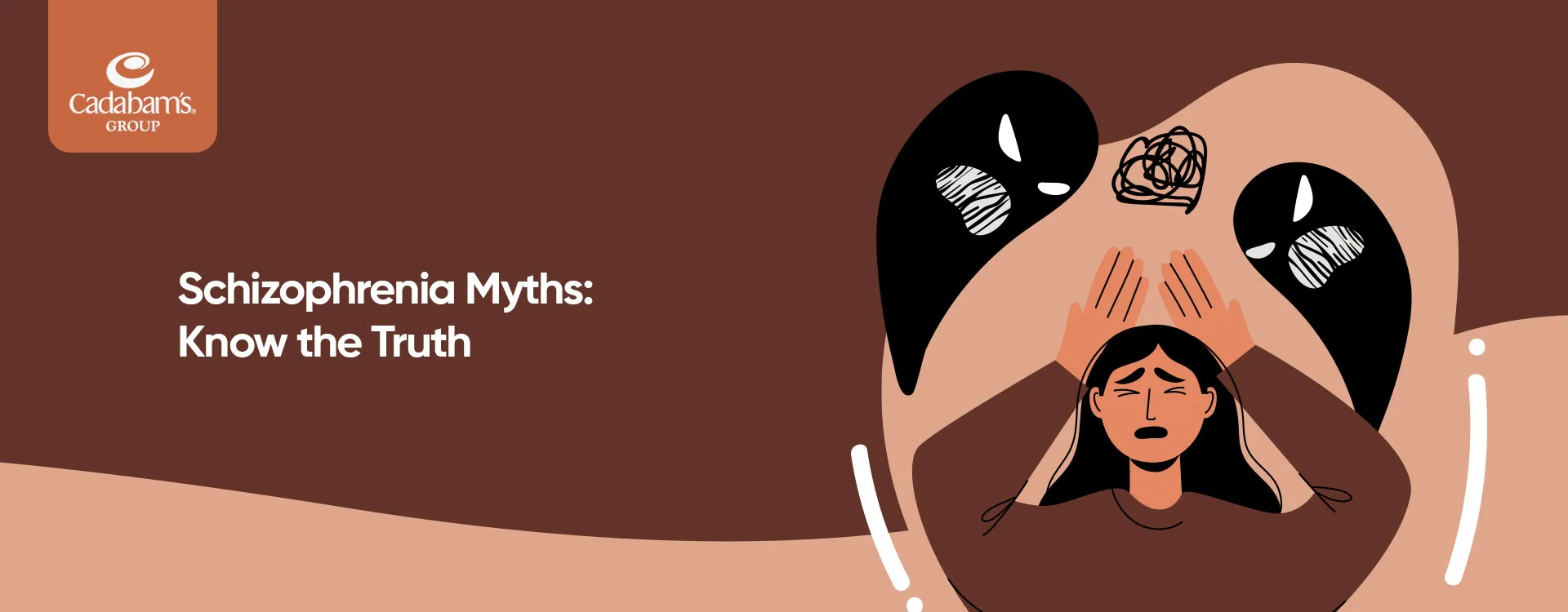
Schizophrenia Truth: Genetics, Brain Science, Myths, Recovery & New Treatments
Think schizophrenia is just “genetic”? Or that recovery is impossible? Think again. In this deep dive, we uncover what science really says about schizophrenia, how it affects the brain, and why hope is real.
🔥 What you’ll discover in this episode:
- Myth-busting genetics: Why schizophrenia isn’t just “in your family.”
- Brain explained simply: How dopamine drives hallucinations and social withdrawal.
- Shocking twin study data: 80% vs 10% risk explained. Identical vs fraternal risk differences.
- Hopeful recovery: 1/3 of people fully recover—and early treatment multiplies your odds.
- Newest medications: Fix both hallucinations and sadness with fewer side effects.
Whether you’re a patient, family member, or mental health enthusiast, this episode gives clear, evidence-based insights that break stigma, inspire hope, and explain the latest breakthroughs.
✅ Don’t forget to subscribe for more science-backed mental health insights!
If you are your loved one has any questions, or they just want to talk to a mental health professional.
Please reach out to our team at +91 96111 94949 or website our website: https://www.cadabams.org/ for all the mental health resources.
#schizophreniamyths, #mentalhealthrecovery, #dopamineexplained, #newschizophreniadrugs, #brainscience, #early treatment
Transcript
Episode: Understanding Schizophrenia – Causes, Brain Areas, and Treatment
Introduction: What is Schizophrenia?
Host:
What is this, you know, schizophrenia? Where is it located, you know?
Dr. Priya:
Yes. If you look at the causes, the basic one, one of the first things we look at is genetics. So many people ask, does it run in families?
Instead of saying “run in families,” maybe a minority could be familial, that is where there is genetic mutation. Genes cause some changes. What happens could be subtle things, like I said, information processing can be different in people with schizophrenia who have these genetic changes.
Because of these genetic changes we have other things like what we say neurogenesis. How many? The fundamental unit of the brain is called neuron. You have to see under a microscope, yes. The number of neurons that are developed, or the connections in between the neurons, the way the brain functions for all of us. I'm talking so much now.
The way the brain functions is all these neurons kind of talk to each other by release of chemicals, what we call neurotransmitters. You may have heard of dopamine, you may have heard of GABA, glutamine. So when these genetic changes happen, subtle deficits happen in the release of these or the way the messages are passed amongst the neurons and in the number of neurons.
We know that people with schizophrenia, their brain volumes are a bit lesser than other people of the same age. About the size of the brain, saying okay, what we say is 2% reduction, we have seen in various studies, and that is important because that's—you may have seen—the brain has gray bits and white bits, and schizophrenia affects the gray volume as well. 2% reduction is what you can see, so speed of processing, understanding, all of these can be impacted when you look at the number of genes involved.
But that's not enough to cause the syndrome of psychosis. As I said, they may cause subtle deficits. As years go by, the next important thing after genes would be what we call developmental factors. Things going wrong in pregnancy, too much alcohol, for example, too many drugs, or some infections, or anything that goes wrong in the pregnancy, any insult to the baby's brain—that could happen.
So it's all a combination of these factors that could eventually cause the psychosis. Genetic factors alone are important in some people. For example, twin studies are done: if they are identical twins, where they look exactly the same, they're more likely if one twin has it, then the other twin is likely to get it—by 80%. Okay, 80% chance is there.
Let's say they are non-identical, they don't look the same, which means the twins are born out of two different cells of the mother. Then the increased risk drops down to 10%.
Let's say we have a parent—many studies are done—if we have a parent with schizophrenia, then it is more likely that their child has a 10% excessive risk compared to the rest of the population.
So one is genetic risk factors, only when there's a mutation. When we say mutation, there's a change in the way the gene expresses the protein. Then it's a much higher chance than all this put together—it’s certain that they will develop schizophrenia, and that's very rare in some syndromes.
What I'm saying is, genes are important, but that's not the entire story. We also look at the developmental issues, like the womb factors, and then early insults to the brain, especially in the early formative years.
We also consider environmental factors. It could be things like growing up in socially deprived areas, economic deprivation, lack of access to basic things like hygiene and nutrition. All of these can add to these risk factors of genes, developmental history, and environment.
Social factors, like how parents interact within the house—do they shout at each other? Do they know how to cope? Do they know how to solve problems or do they just blame each other? This is what children observe. This is what we call high expressed emotions in the family.
These are all some of the risk factors. So genes are one part of the story, developmental insults another, and the environment in which they are growing up is another. Let us say somebody is not having a good combination of any of these—they are extremely likely to develop schizophrenia.
So it's not just one reason; multiple factors come together. While talking about schizophrenia, the reasons why schizophrenia happens include genes, environment, social context—all can influence and probably trigger the development of this severe mental illness.
Brain Areas Affected in Schizophrenia
Host:
Is there a part of the brain that you can point fingers at and say, “This part of the brain is affected, and this is schizophrenia?”
Dr. Priya:
It would be difficult to pinpoint just one part of the brain. Studies show that different interconnected areas of the brain are affected. When I say interconnected, these are different spots on the brain which carry out similar functions—they are like a network. They all help each other in carrying out a particular function.
We have first genetic changes, which cause microcellular changes in the brain, then they manifest as slight information processing and cognitive deficits. Then, when environmental or developmental insults happen, the full-blown illness manifests.
Research shows deficits in different brain circuitry. A circuit consists of connected areas that perform a particular function. These pathways are connected by neurons, which communicate via neurotransmitters.
Some main neurotransmitters affected in schizophrenia are dopamine, GABA, serotonin, and glutamate. Ultimately, they affect the GABA pathway. Structures in the brain like the mesolimbic pathway and the mesostriatal pathway, and also the prefrontal cortex, are involved.
- Prefrontal cortex: important for cognition and higher processing functions.
- Mesolimbic pathways: generally responsible for positive symptoms, as dopamine secretion is increased, leading to psychosis, aggression, hallucinations.
- Mesostriatal pathway: involved more in negative symptoms due to reduced dopamine.
Medicines target both pathways: reducing dopamine in one to control psychosis, increasing it in the other to improve negative symptoms. Other chemicals are also involved, and medications are tailored accordingly.
Role of Environmental Stressors
Host:
You mentioned genes and brain areas being affected, but also environment and social circumstances. If someone experiences life stressors—failure, loss, separation—can these trigger schizophrenia?
Dr. Priya:
Absolutely. Everyone goes through stressors, but only those with underlying brain deficits are at risk. The interaction between deficits and stressors triggers full psychotic symptoms. Not everyone with stressors develops schizophrenia, and not everyone with gene changes does—it's the combination, nature and nurture together.
Family History and Marriage Considerations
Host:
If there is a family history of schizophrenia, like a parent or sibling, can I marry a person from that family?
Dr. Priya:
The risk goes up. For example, if a parent has schizophrenia, a child’s risk increases by 10%. Genetic testing for schizophrenia is not yet advanced enough to predict who will or won’t develop it. It’s a matter of judgment, social support, and personal comfort.
Natural Course of Schizophrenia
Host:
What happens when someone has schizophrenia? Do they just take medication and get well?
Dr. Priya:
It depends on the diagnosis and comorbid conditions. Roughly:
- One-third recover to functional levels with treatment.
- One-third have a relapsing-remitting course.
- One-third remain impaired despite treatment.
Early recognition and treatment are crucial. First episode psychosis and duration of untreated psychosis are important concepts. Early treatment leads to better outcomes, while discontinuing medication increases relapse risk.
Treatment Overview
Host:
Treatment must consider genetics, environment, and life stressors. How is schizophrenia treated?
Dr. Priya:
Treatment is multi-faceted:
- Medication:
- Mainstay: antipsychotics (first-generation and second-generation / atypicals).
- Addresses chemical imbalances in dopamine, serotonin, etc.
- Helps positive symptoms more than negative symptoms.
- Psychological Therapy:
- Psychologists help confirm diagnosis and provide tests.
- Cognitive Behavioral Therapy (CBT) helps change thinking patterns.
- Behavioral Treatments:
- Mobilize patients with negative symptoms (lack of motivation, social withdrawal).
- Rehabilitation is critical.
- Neuromodulation:
- RTMS (Repetitive Transcranial Magnetic Stimulation) – generates small electric currents in the brain to bring chemical changes.
- ECT (Electroconvulsive Therapy) – reserved for severe cases, including severe suicidality or catatonia.
Treatment Settings
Host:
Can these treatments be done at home, or is admission necessary?
Dr. Priya:
Depends on illness stage and symptom severity:
- Mild/stable cases can be managed at home.
- First episode psychosis often requires admission for safety and monitoring.
- Serious mental illness does not automatically require admission; it’s individualized.
Treatment in India vs. UK
Host:
Would you treat a person differently in India compared to the UK?
Dr. Priya:
Pharmacological treatment is the same, but delivery may differ.
- UK: community mental health teams, inpatient services, emergency teams.
- India: depends on available resources and hospital protocols.
Advances and New Medications
Host:
Is schizophrenia a new problem? Have we progressed in treatment?
Dr. Priya:
- Schizophrenia has existed for centuries.
- First termed dementia praecox in 1912.
- First drug: chlorpromazine (1950s), then first-generation antipsychotics, then atypicals (second-generation).
Newer drugs:
- Cariprazine, Amisulpride, Clozapine – effective with fewer side effects.
- Cobenfy – FDA-approved, targets positive/negative symptoms with manageable side effects.
Other Medical Systems
Host:
Can patients explore Ayurveda or other AYUSH systems?
Dr. Priya:
- Options are available, but do not mix allopathic and other systems due to drug interactions.
- Allopathic treatment is evidence-based and scientifically monitored.
- Patients may choose other systems, but early allopathic intervention is recommended.
Rapid-Fire Myths and Facts
Host:
Some common questions about schizophrenia—short answers, please:
- Are people with schizophrenia dangerous?
Dr. Priya: No, not always. - Are they aggressive?
Dr. Priya: Rarely. - Can a person with schizophrenia marry?
Dr. Priya: Yes, if the spouse understands and everyone agrees. - Can they lead a normal life?
Dr. Priya: Yes, as much as possible. - Can I live without medication?
Dr. Priya: Unlikely. Medication is needed long-term.
Our Centres


.webp)

.jpg)
-min.webp)


.jpg)
.avif)