Psychiatrist
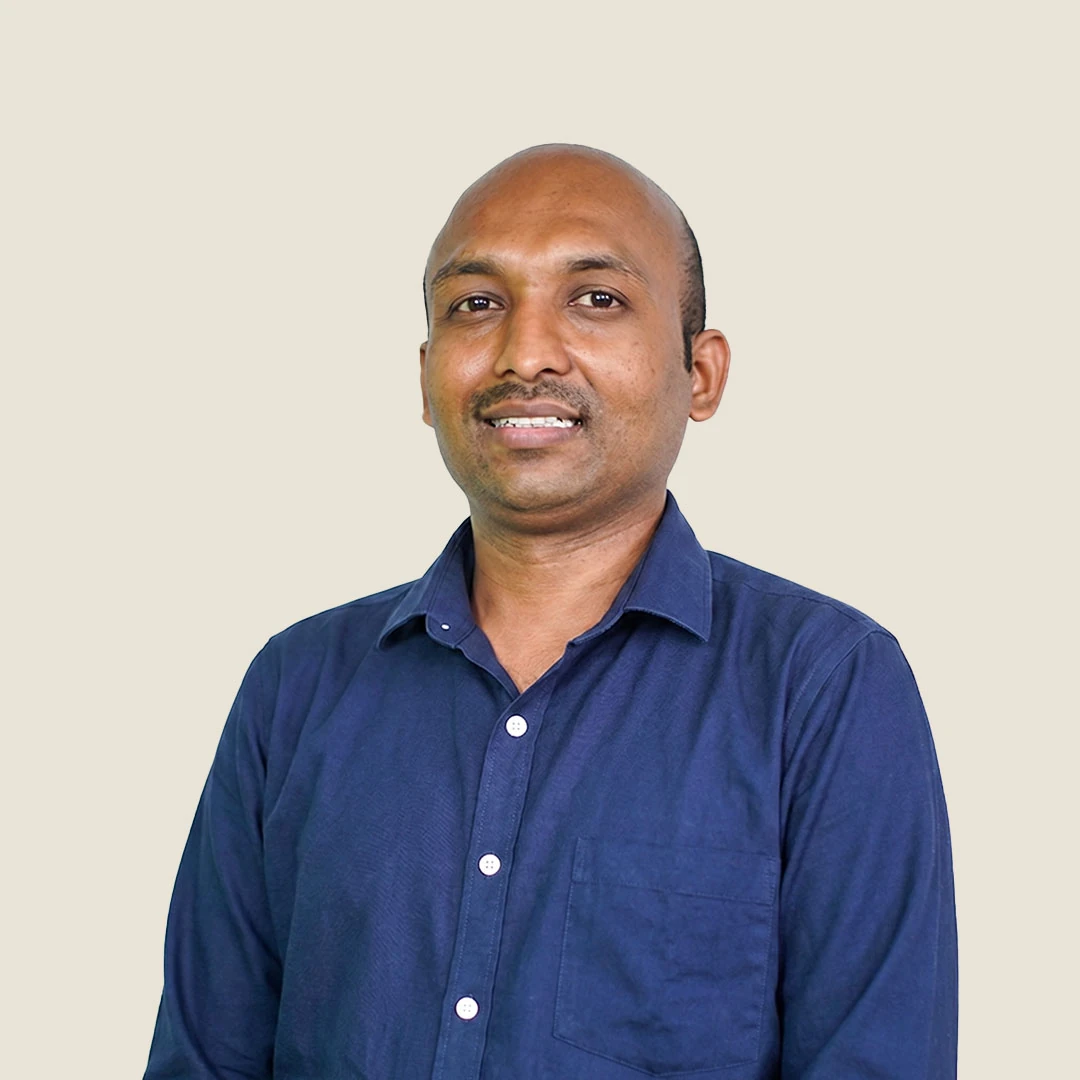
Dr. Vishal Kasal
Consultant Psychiatrist
15 years of experience
Treats: Drug Addiction, Alcohol Dependence, Dementia, Depression, Bipolar Disorder, OCD, Personality Disorder, Schizophrenia, Autism Spectrum Disorder
View profilePersonality Disorder is a chronic mental health condition affecting thoughts, emotions, and behaviour. This guide is for individuals, families, and caregivers seeking structured rehabilitation support. Cadabam’s offers experienced, evidence-based care to help manage this condition and support lasting recovery.
Good to know
While Personality Disorder is a long-term condition, it can be managed effectively to enable a fulfilling life. A comprehensive treatment approach that combines medication, psychotherapy, and structured rehabilitation is crucial for success.
This integrated care model helps stabilise symptoms, improve daily functioning, and significantly reduce the risk of relapse. With consistent and personalised support, individuals can achieve lasting stability and wellness. Our goal is to empower patients and their families with the tools needed for sustained recovery.
Meet the clinicians
Psychiatrist
Consultant Psychiatrist
15 years of experience
Treats: Drug Addiction, Alcohol Dependence, Dementia, Depression, Bipolar Disorder, OCD, Personality Disorder, Schizophrenia, Autism Spectrum Disorder
View profile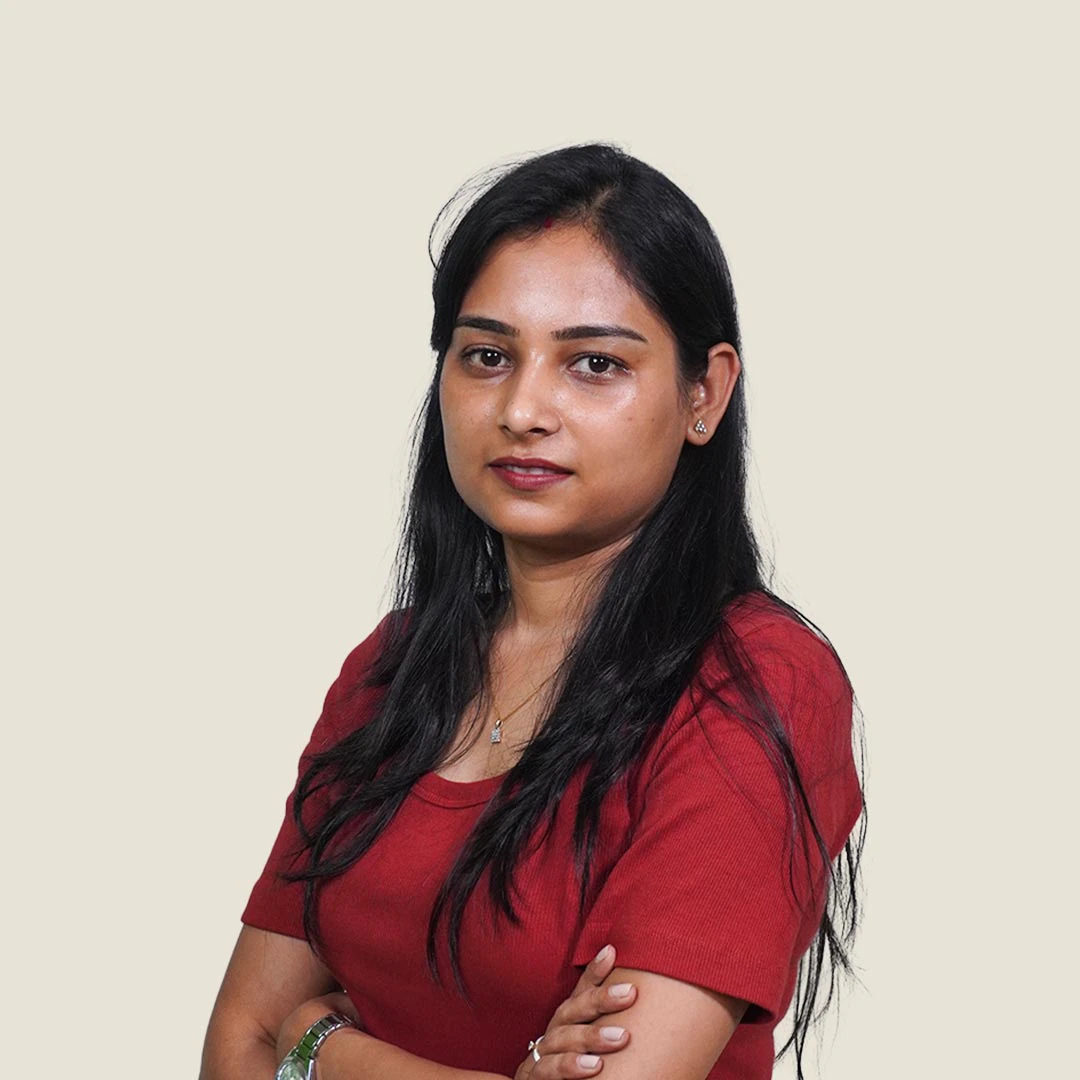
Psychologist
Consultant Clinical Psychologist
9 years of experience
Treats: Bipolar Disorder, Dementia, Depression, OCD, Personality Disorder, Schizophrenia, SLD, Autism Spectrum Disorder
View profile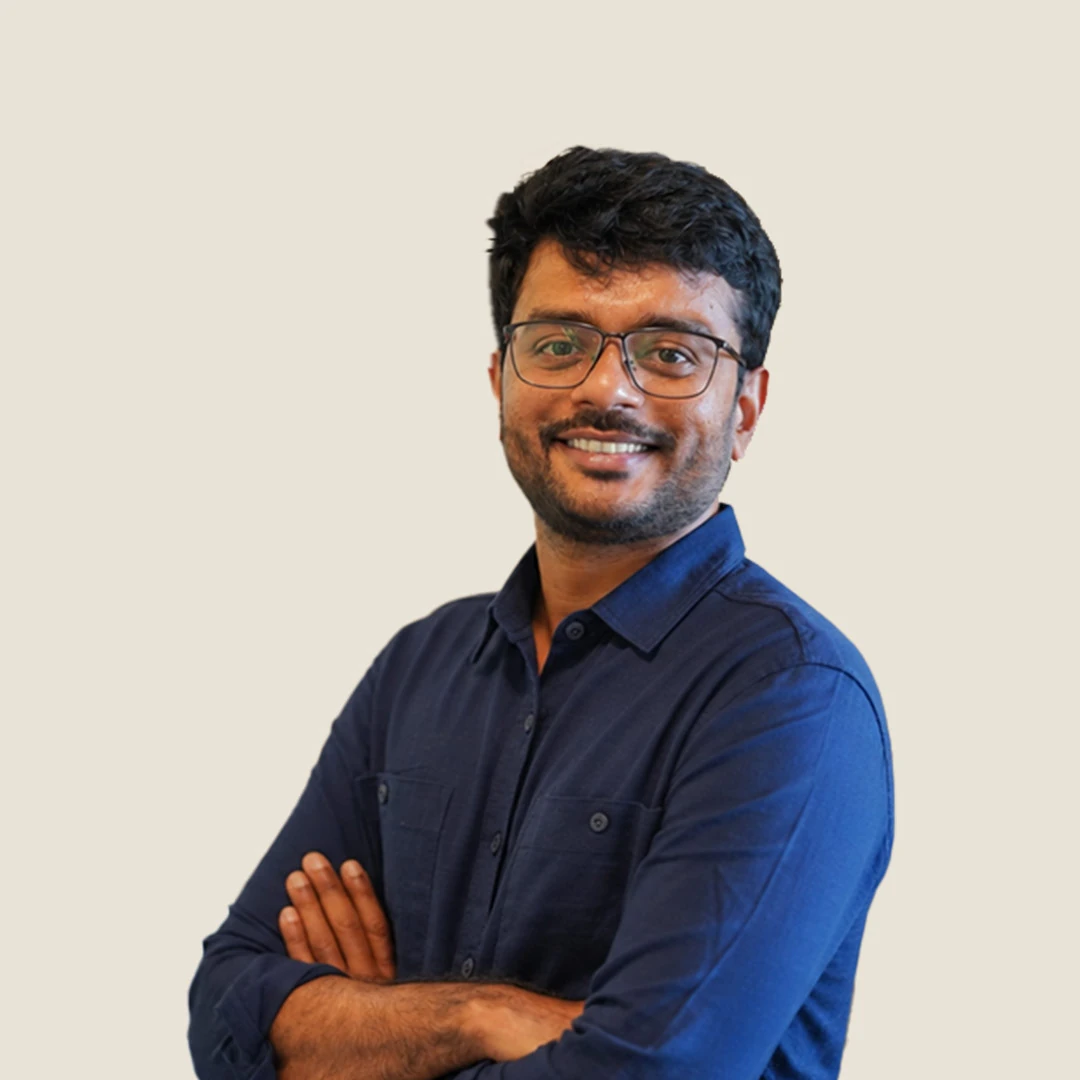
Psychiatrist
Consultant Psychiatrist
3 years of experience
View profile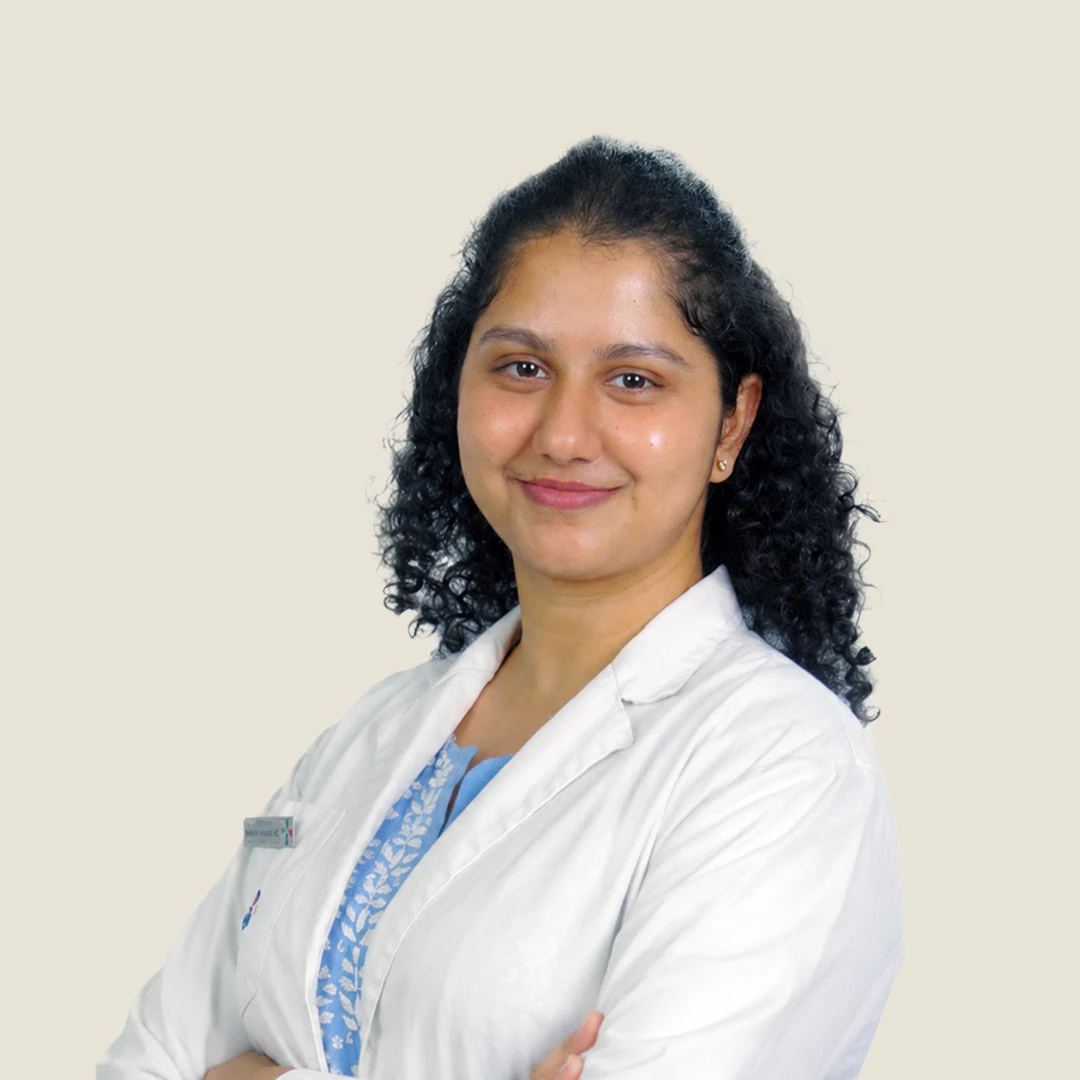
Psychiatrist
Consultant Psychiatrist
5 years of experience
Treats: Schizophrenia,Personality Disorder,Bipolar,OCD,Dementia,Alzheimer's,Addiction (General),ADHD,Autism,Drug Addiction,Alcohol Addiction,Geriatric Cases,Adult Cases,Adolescent Cases,Child Cases (7-12 years),Anxiety,Depression,Stress,Relationship Issue,Family Issues,Queer Affirmative,Abuse/Trauma
View profile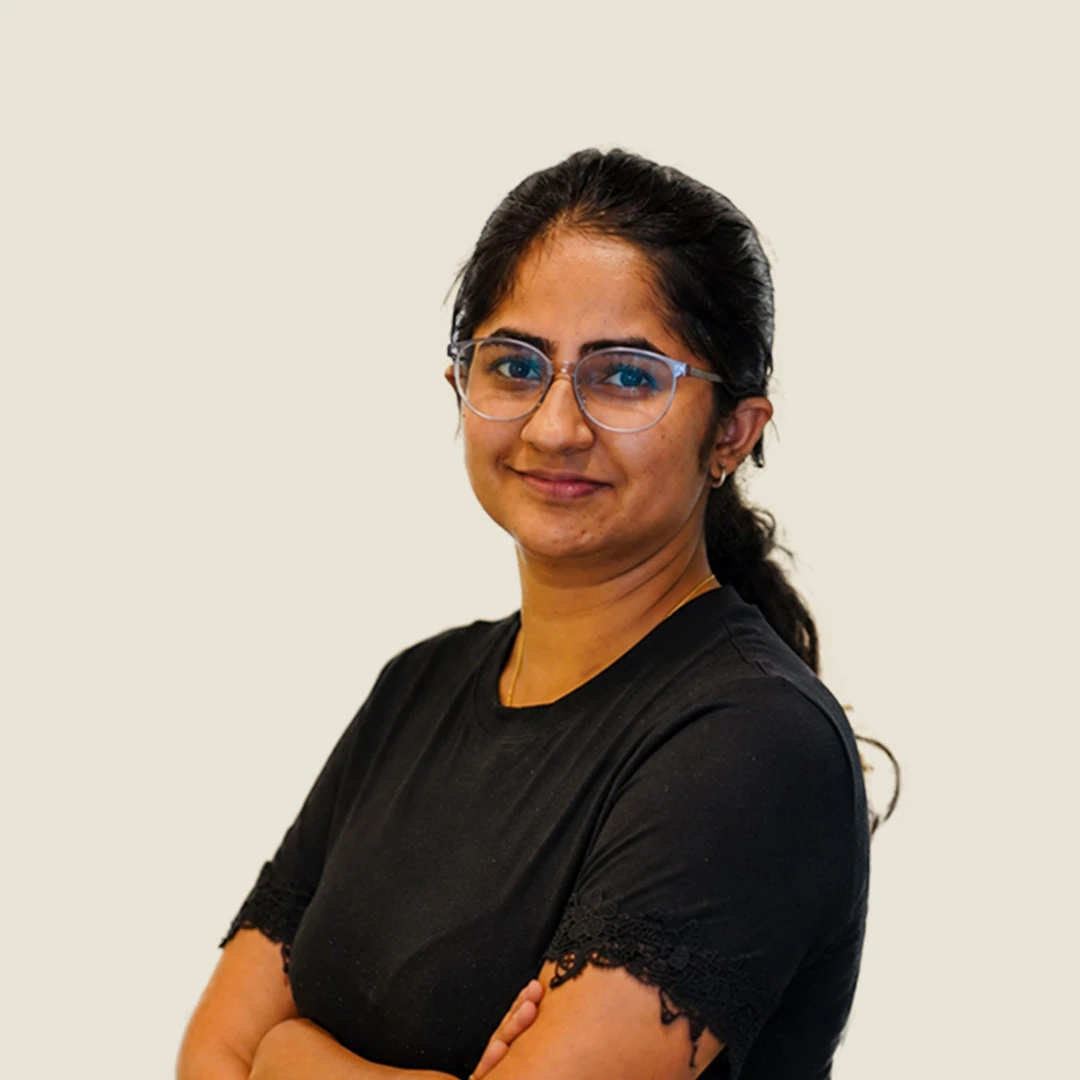
Psychiatrist
Child Psychiatrist
4 years of experience
Treats: Schizophrenia ,OCD, Anxiety, Depression, Personality-Disorder, Bipolar-Disorder, Learning-Disability, Drug-Addiction, Alcohol-Addiction, Autism, Addiction
View profileGood to know
With a legacy of over 33 years in mental healthcare, Cadabam’s specialises in treating severe mental health conditions. Our multidisciplinary team creates personalised treatment plans focused on long-term outcomes. We ensure continuity of care from assessment to reintegration, providing a compassionate and structured environment for recovery. Our outcomes-focused rehabilitation approach is designed to help individuals regain control and build a meaningful life. Need expert support for Personality Disorder? Contact us at +91 9611194949 to learn more about our rehabilitation services.

33+ years of focused mental healthcare, shaped by 1000+ real patient journeys.

State of the art mental health centres built for treatment and recovery.

A coordinated team of psychiatrists, psychologists, counsellors, and rehabilitation specialists supporting your care.

Support from early signs through treatment and recovery.

Treatment guided by clear plans that continue beyond diagnosis.

Planned follow ups and continued guidance to help maintain progress over time.
Good to know
Deciding on rehabilitation can be challenging. It's often necessary when an individual experiences:
If you are a caregiver concerned about these signs, a structured rehabilitation environment can provide the intensive support needed to break the cycle and establish stability.
Good to know
Personality Disorder impacts cognition, emotions, behaviour, and relationships, making daily life challenging. While medication is vital for managing symptoms, it often isn't enough to address functional impairments. Rehabilitation fills this gap by providing a structured framework to rebuild a person's life.
It focuses on developing essential life skills, building healthy routines, improving social interaction, and learning effective coping strategies. This holistic support is crucial for fostering self-care, promoting long-term independence, and achieving sustained recovery.
Good to know
Rehabilitation centres provide a safe and structured environment essential for recovery. A typical day involves a balanced mix of activities designed to promote wellness and stability. This includes:
Our centres
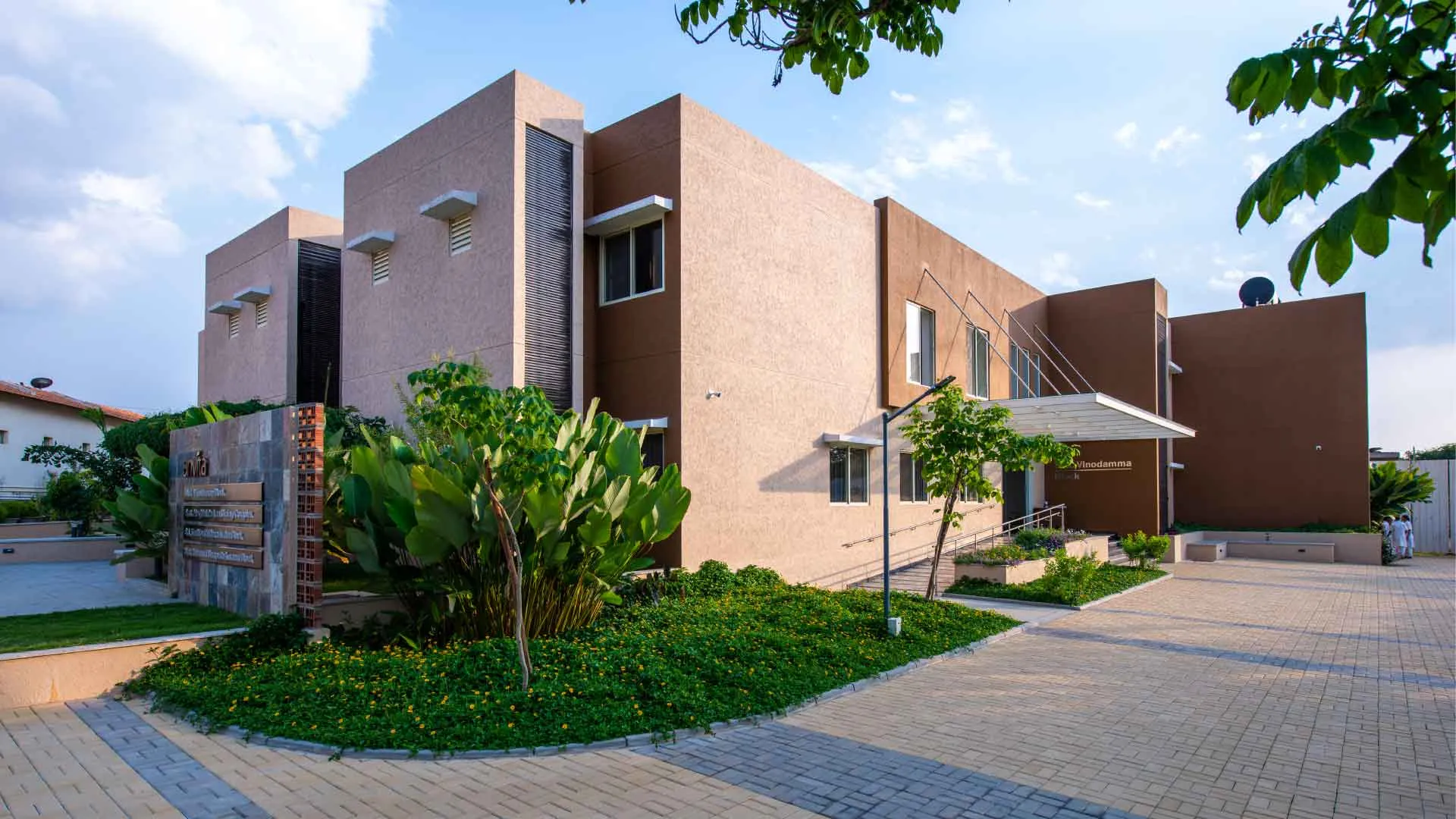
Long-Term Rehabilitation Center in Bangalore, India
Read more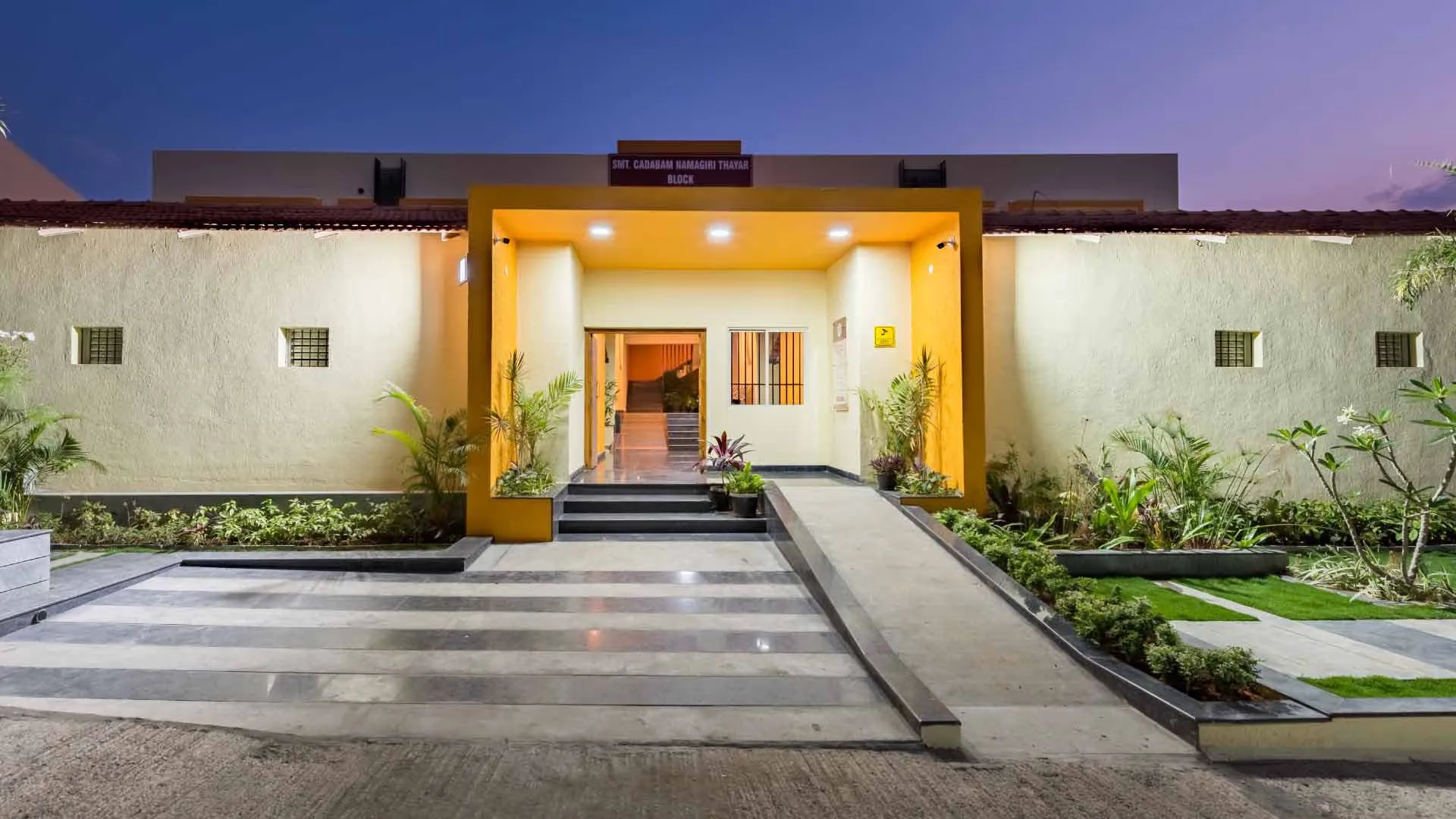
Advanced Psychiatric Rehab Centre in Bangalore
Read more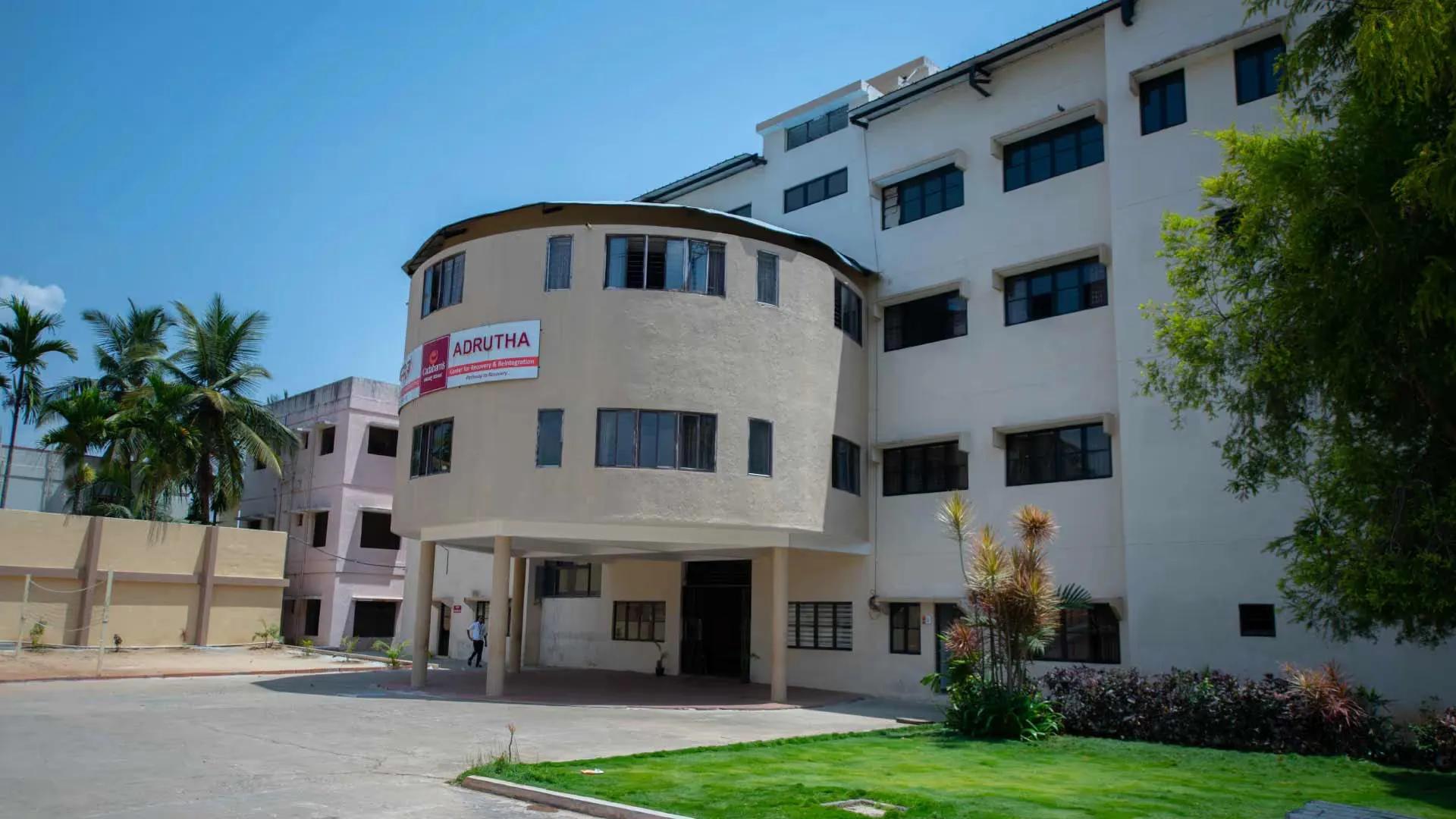
Our Affordable Rehab Centre in Bangalore
Read more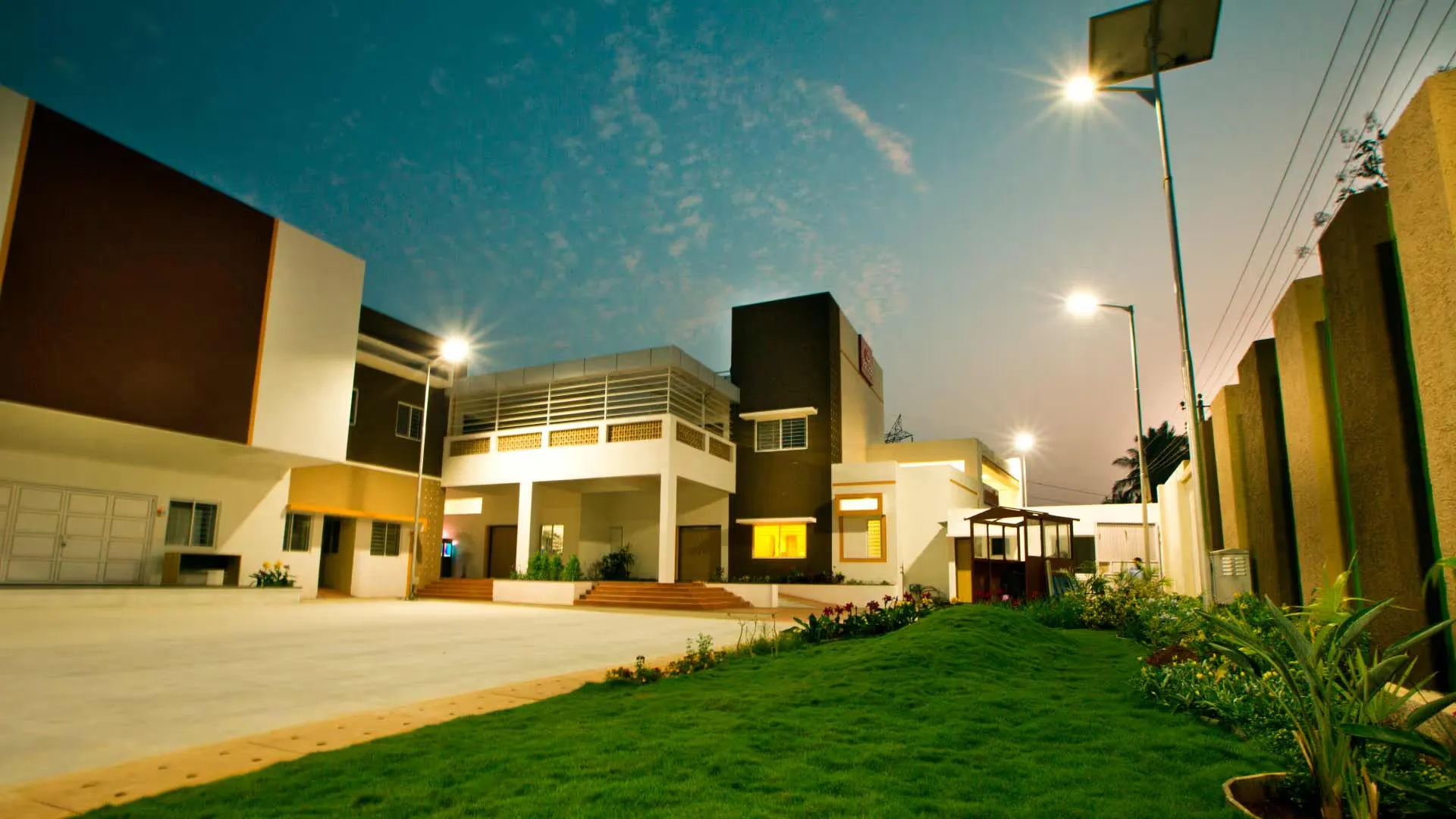
Our Specialised De-Addiction Centre in Bangalore
Read more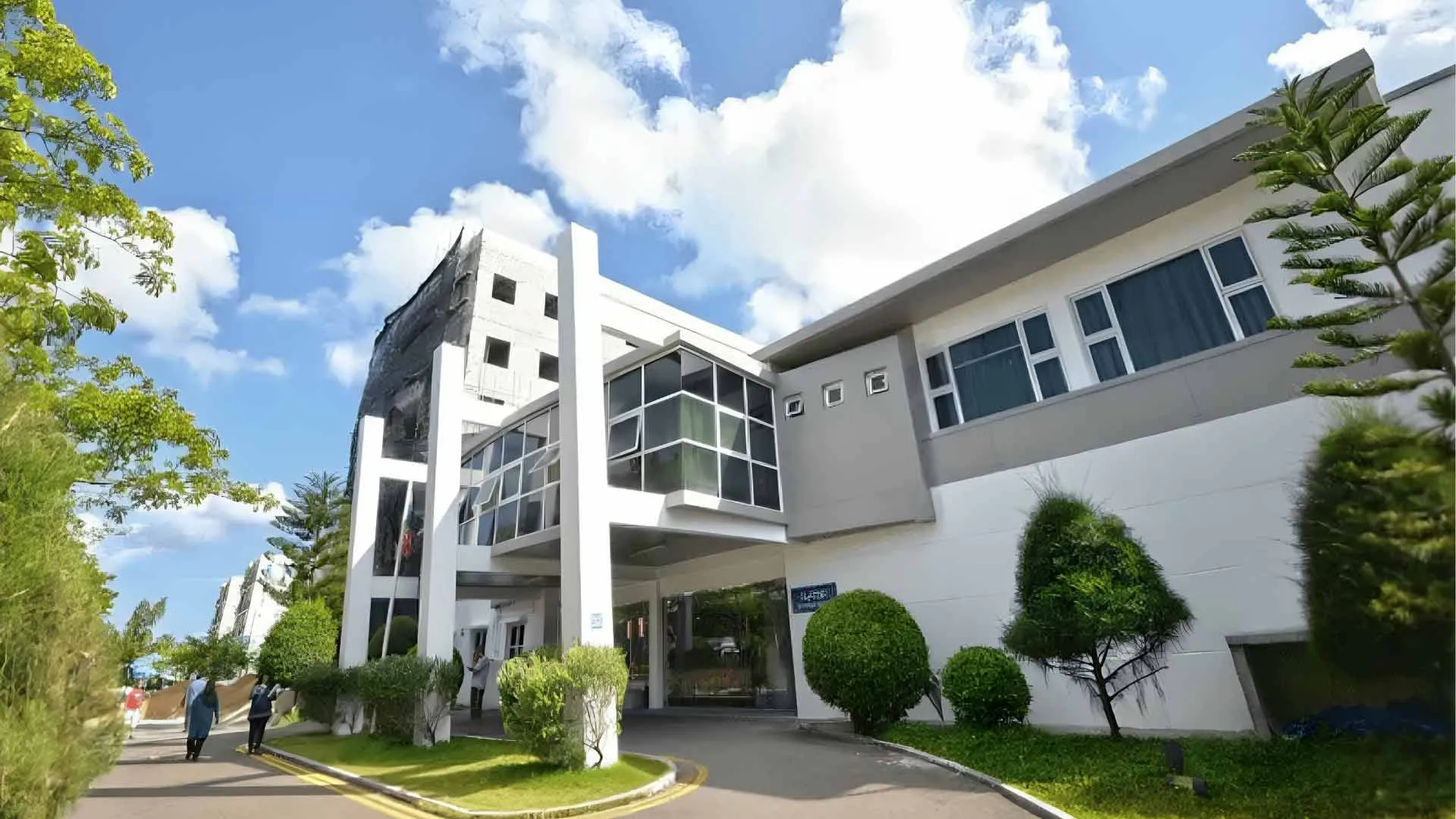
Premier Mental Health & Rehabilitation Centre in Maldives
Read moreGood to know
At Cadabam’s, our approach is guided by a personalised, evidence-based, and recovery-first philosophy. We believe that every individual's journey is unique and requires a tailored plan. Our focus is not just on managing symptoms but on empowering individuals to achieve their personal recovery goals, regain independence, and build a meaningful life beyond their diagnosis.
Effective rehabilitation begins with a thorough assessment. Our multidisciplinary team conducts a psychiatric evaluation to understand symptoms, a cognitive assessment to gauge functional abilities, and a review of the individual’s social context. This deep understanding is crucial for diagnosing co-occurring conditions and identifying specific challenges. This holistic assessment forms the foundation upon which we build a truly effective and personalised rehabilitation plan.
Based on the comprehensive assessment, we collaborate with the individual and their family to create an individualised treatment plan. This plan outlines specific, achievable recovery goals tailored to their unique needs and aspirations. Progress is monitored closely and reviewed regularly, allowing us to adapt strategies and interventions as the individual progresses, ensuring the treatment plan remains relevant and effective.
Our Personality Disorder rehabilitation services integrate a range of evidence-based therapies to ensure the best possible outcomes. These include:
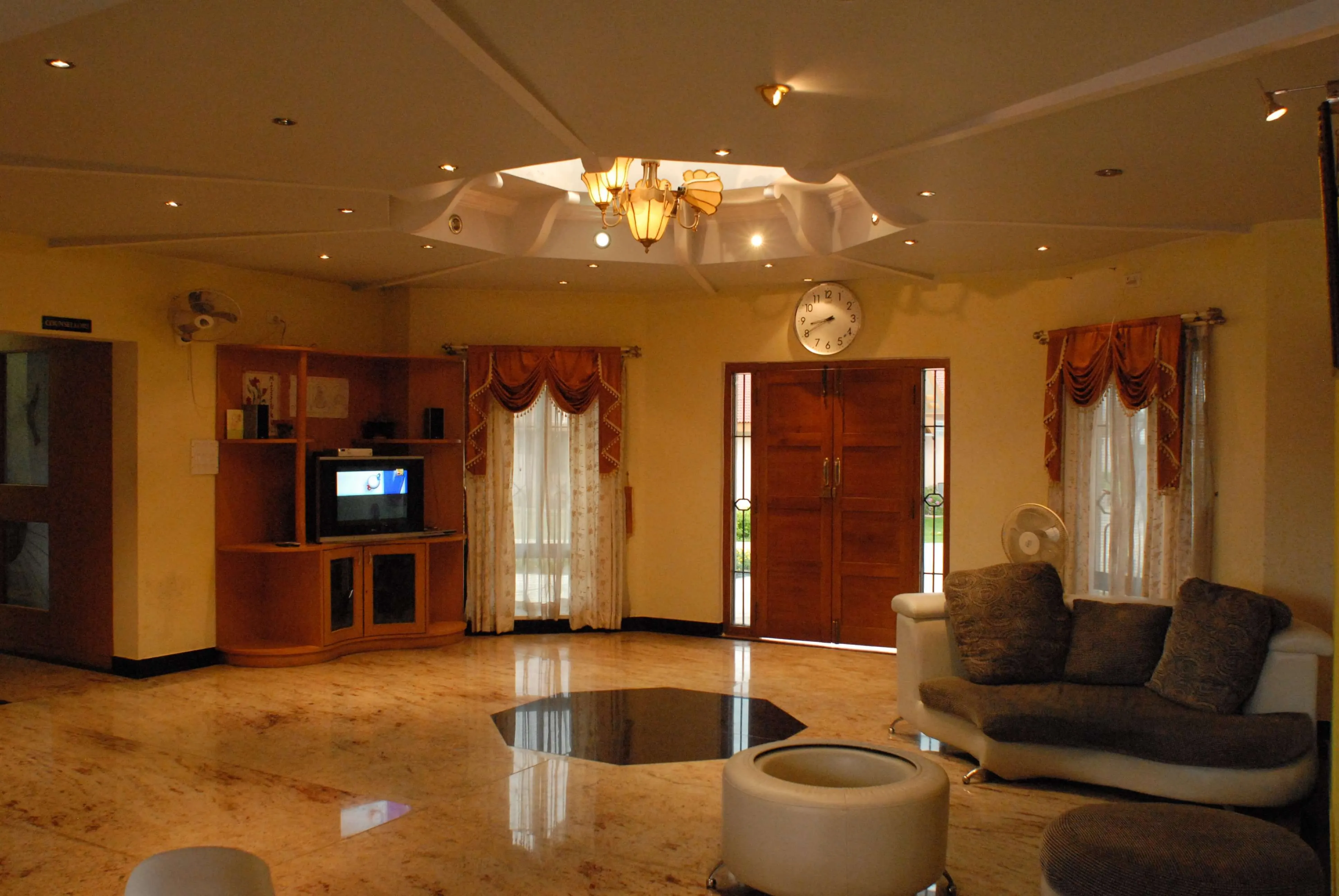
Inside our centres
Details
Cadabam’s offers structured rehabilitation programs that are adapted to meet the individual at their specific stage of recovery. Whether a person needs short-term crisis stabilisation or long-term support for sustained independence, our programs provide the right level of care, creating a seamless path toward lasting wellness.
Our short-term program is ideal for individuals needing immediate stabilisation. The primary focus is on managing acute symptoms, ensuring medication adherence, and re-establishing healthy daily routines in a safe, supervised environment to prepare for long-term recovery.
The long-term rehabilitation for Personality Disorder is designed for sustained recovery. It focuses on advanced skill development, robust relapse prevention planning, improving social and vocational functioning, and empowering individuals to achieve maximum independence and a high quality of life.
How we help
The cost and duration of Personality Disorder rehabilitation vary for each individual. Key factors include the severity of symptoms, the required level of clinical care, and the length of stay. At Cadabam’s, we prioritise transparency. We discuss all aspects of the treatment plan and associated costs during a detailed consultation. Our goal is to work with you to create a sustainable plan that meets your loved one’s needs.
Emergency service
Find nearest mental health center now
To strengthen long-term recovery, we offer additional programs including dual diagnosis care for co-occurring disorders, supported employment services, and dedicated family support initiatives to ensure a holistic healing process.
Taking the first step toward recovery is a sign of immense strength. If you or a loved one is struggling with Personality Disorder, structured rehabilitation can make a profound difference. Don't wait for the condition to worsen. Reach out to our compassionate team at Cadabam’s to begin the journey toward stability and a better future.
Start your recovery journey with us. Call +91 9611194949 for a consultation.
FAQs
Voices of recovery
Cadabam’s is a really good place for longer period rehabilitation, we had a really good experience.
— Chandana K
I stayed here for a year and saw a huge difference in my own life. My family were also so happy with my progress. Thank you so much for everything to the doctors, and the rest of the team.
— Chintan Gowda
It was a good experience. The team members were very understanding and helpful throughout the stay. Counselors have worked sincerely to help the family. Thank you Team Amitha and Cadabam’s!
— Mansoor Khan
I am extremely pleased with the entire staff for their ability, care, and expertise for the treatment, rehabilitation work, and timely action during emergencies.
— Christopher Neal
My husband suffered from Borderline Personality Disorder. It was really difficult to see him in a rehabilitation center. But Cadabam’s did such a great job at helping him recover. We are doing much better in life now. Thank you Cadabam’s!
— Neha Malhotra
My niece suffered from Borderline Personality Disorder. It was affecting her relationships and her work as well. We decided to bring her to Cadabam’s so that she could undergo comprehensive rehabilitation. She is now able to manage life so much better, and I am so proud of her. Thank you for helping her, Cadabam’s.
— Charith Kumar
Watch & learn
Further reading
Helpline at your fingertips
+91 96111 94949