Psychiatrist
Dr. B. R. Madhukar
Medical Director
25 years of experience
Treats: Alcohol Dependence, Bipolar Disorder, Dementia, Schizophrenia, Drug Addiction, Personality Disorder, OCD
View profileDissociative amnesia is a complex mental health condition where memory loss goes beyond ordinary forgetfulness. Often linked to trauma or extreme stress, it can disrupt daily life and identity.
Understanding dissociative amnesia and its symptoms is crucial to recognising it early and accessing the right support and treatment options.
What to look for
Meet the clinicians
Psychiatrist
Medical Director
25 years of experience
Treats: Alcohol Dependence, Bipolar Disorder, Dementia, Schizophrenia, Drug Addiction, Personality Disorder, OCD
View profile
Psychologist
Chief Clinical Executive
14 years of experience
Treats: Drug Addition, Alcohol Dependence, Schizophrenia, Bipolar Disorder, Personality Disorder, Dementia, Depression
View profile
Psychiatrist
Consultant Psychiatrist
15 years of experience
Treats: Drug Addiction, Alcohol Dependence, Dementia, Depression, Bipolar Disorder, OCD, Personality Disorder, Schizophrenia, Autism Spectrum Disorder
View profile
Psychiatrist
Consultant Psychiatrist
7 years of experience
Treats: Depression, Schizophernia, Alcohol Dependence, Bipolar Disorder Drug Addiction, OCD, Personality Disorder
View profile
Psychiatrist
Consultant Psychiatrist
35 years of experience
Treats: Autism Spectrum Disorder, Bipolar Disorder, Dementia, Depression, Schizophrenia, SLD, Personality Disorder
View profileWhy it happens
Dissociative amnesia is most often triggered by overwhelming stress or trauma.
Factors like PTSD, co-occurring mental health conditions, genetics, or substance use may also increase vulnerability to dissociative memory disruptions.
Dissociative amnesia is frequently linked to intense psychological trauma.
Events like abuse, accidents, disasters, or loss can overwhelm the mind’s ability to cope.
It's especially common among survivors of emotional, physical, or sexual abuse, where memory loss serves as a protective response to unmanageable distress.
PTSD and dissociative amnesia often occur together, especially in individuals exposed to war, abuse, or extreme trauma.
The DSM-5 recognises dissociative symptoms, such as memory gaps or identity confusion, as features within PTSD.
These symptoms may emerge suddenly or intensify during periods of high emotional stress.
Beyond trauma, several other factors can increase the risk of dissociative amnesia.
These include a family history of dissociative disorders, substance use, chronic stress, and childhood neglect.
Environmental instability or growing up in unsafe, high-conflict homes can also shape dissociative coping mechanisms over time.
How it presents
Dissociative amnesia can appear in different forms, depending on how memory loss occurs and what memories are affected. Below are the main types, each presenting unique patterns and challenges:
Localised Amnesia: Inability to recall specific events from a limited period, often following trauma.
Selective Amnesia: Partial memory loss, where some parts of a traumatic event are forgotten while others remain.
Generalised Amnesia: Complete loss of personal history, identity, or life events—rare and usually sudden.
Continuous Amnesia: Inability to form new memories after a specific point in time.
Systematised Amnesia: Loss of memory related to a particular category, like a person, place, or event.
Fugue State (Dissociative Fugue): Sudden, unexpected travel away from home with no memory of the journey or past identity.
Diagnosis
Dissociative amnesia is diagnosed using DSM-5 criteria, clinical interviews, and by excluding other medical or psychiatric causes.
Diagnostic Criteria in DSM-5: Involves inability to recall traumatic autobiographical information, not due to injury or substance use.
Clinical Tests: Includes SCID-D, DDIS, and neurological exams to rule out other conditions.
Differentiation: Unlike dementia or PTSD, memory loss is reversible and not linked with hallucinations or flashbacks.
Details
Living with dissociative amnesia involves managing memory gaps while building a stable sense of self.
With the right support, individuals can reclaim confidence, rebuild identity, and navigate everyday challenges more effectively.
Take a moment to reflect on how the following everyday difficulties might be influenced by dissociative amnesia symptoms, often creating challenges that are hard to trace back to a clear cause:
Uncertainty in Routine – Forgetting appointments, tasks, or conversations can disrupt daily life
Emotional Disconnection – Feeling numb or unsure about relationships and reactions
Self-Doubt – Questioning memories or identity
Coping Strategy – Use reminders, journaling, and calming techniques to stay grounded
With consistent therapy and support, many individuals with dissociative amnesia experience recovery and improved quality of life.
Structured routines, safe environments, and strong therapeutic relationships help prevent relapse.
Regular mental health check-ins, mindfulness practices, and nurturing social connections all play a key role in maintaining emotional stability and memory integration.
When considering ways to cope, it’s important to understand that practical strategies and supportive connections play a key role in managing dissociative amnesia and improving daily life:
Keep a memory journal – Track thoughts, emotions, and events daily
Use grounding techniques – Deep breathing or sensory cues to stay present
Create structured routines – Predictability reduces confusion
Educate trusted friends or family – Helps build a support network
Engage in creative therapies – Art or music can aid emotional expression and identity connection
Our centres

Our Specialised De-Addiction Centre in Bangalore
Read more
Long-Term Rehabilitation Center in Bangalore, India
Read more
Advanced Psychiatric Rehab Centre in Bangalore
Read more
Luxury Rehabilitation Center in Bangalore, India
Read more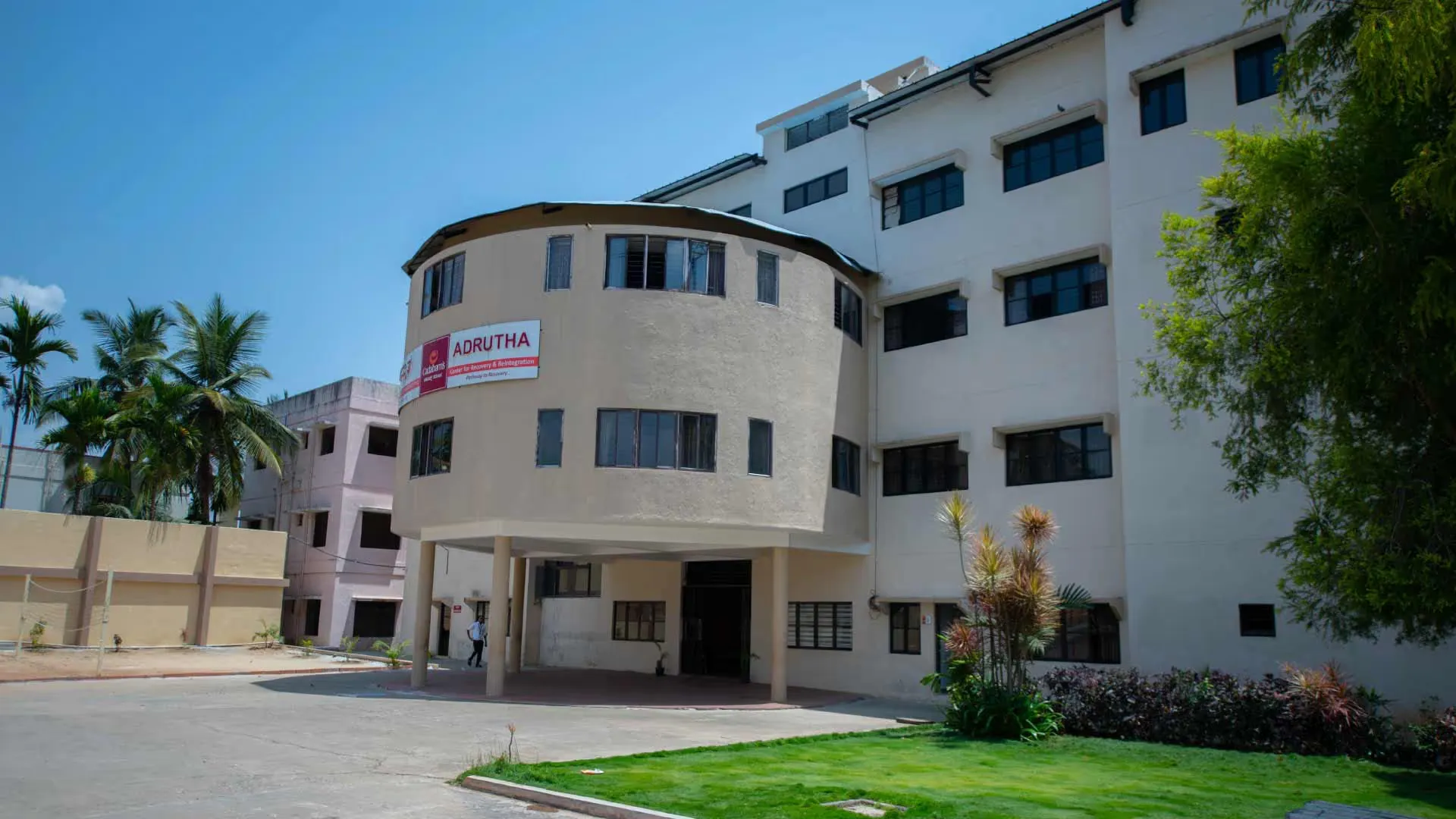
Our Affordable Rehab Centre in Bangalore
Read more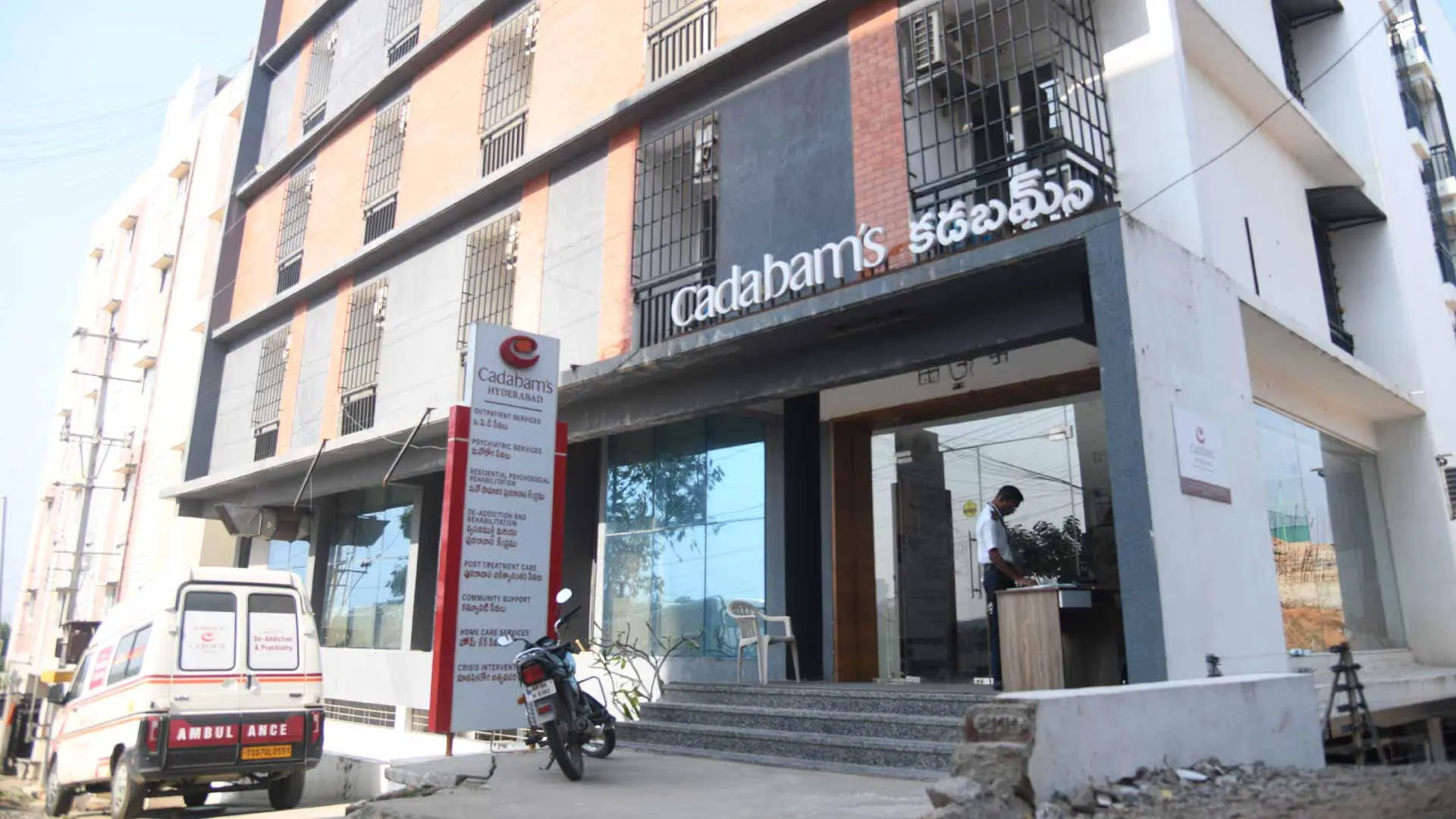
Our Advanced Mental Health Rehab Centre In Hyderabad
Read more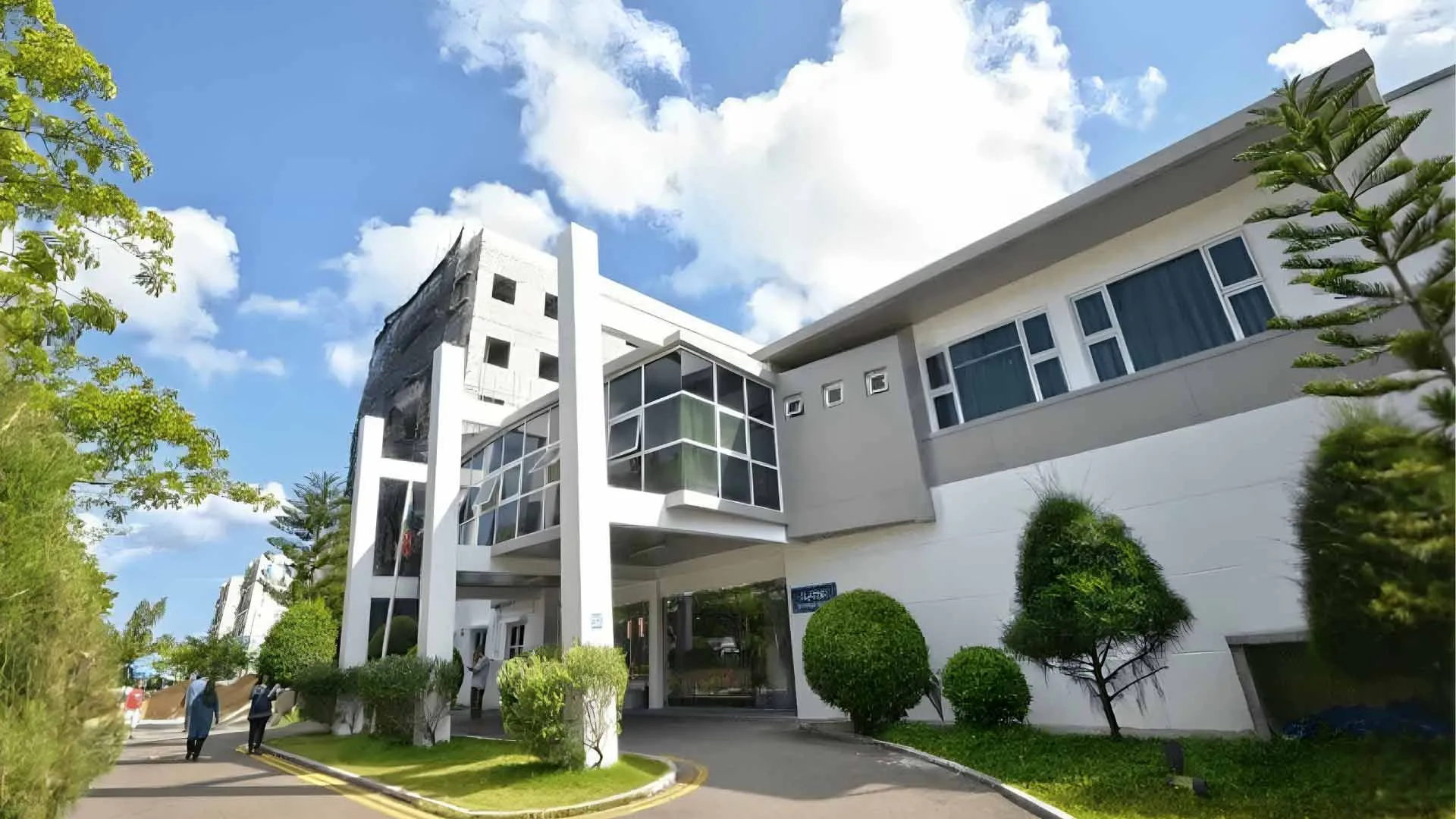
Premier Mental Health & Rehabilitation Centre in Maldives
Read moreHow we help
Treatment for dissociative amnesia often combines psychotherapy, medication, and rehabilitation.
A personalised dissociative amnesia treatment plan focuses on memory recovery, emotional regulation, and addressing the root causes linked to trauma or stress.
When exploring treatment options, it’s helpful to know that specific psychotherapy approaches can effectively address the complexities of dissociative amnesia and support healing:
Trauma-Focused Cognitive Behavioural Therapy (TF-CBT) – Helps manage trauma-related thoughts, build resilience, and reduce avoidance
Eye Movement Desensitisation and Reprocessing (EMDR) – Facilitates safe processing of distressing memories
Dialectical Behaviour Therapy (DBT) – Supports emotional regulation and distress tolerance, especially helpful when dissociative amnesia co-occurs with mood or personality disorders.
While no specific drug treats dissociative amnesia directly, medications like SSRIs (e.g., sertraline), mood stabilisers, or anti-anxiety agents may help manage co-occurring conditions such as depression, PTSD, or severe anxiety.
These are used as stabilising tools alongside therapy, not as standalone treatments.
In severe cases, short-term hospitalisation may be necessary, especially when there’s a risk of self-harm, suicidal thoughts, or extreme disorientation.
It can also be required during dissociative fugue episodes, where individuals lose awareness of their identity.
Hospital settings offer immediate safety, stabilisation, and a structured environment for crisis intervention.
For individuals facing persistent dissociative episodes or significant life disruption, long-term rehabilitation programs provide intensive support.
Multidisciplinary teams at Cadabam’s create personalised treatment plans combining therapy, medication, and psychosocial support.
These programs focus on memory recovery, emotional regulation, identity integration, and reintegrating individuals into meaningful daily routines.
Emergency service
Find nearest mental health center now
If you’re experiencing memory gaps, identity confusion, or unexplained absences affecting your daily life, seek professional help.
Consult clinical psychologists, psychiatrists, or trauma-informed therapists experienced in dissociation. Specialised mental health centres and online therapy platforms can also offer support.
Early intervention improves memory recovery, reduces emotional distress, and helps individuals regain a sense of identity, stability, and confidence in their everyday functioning.
Cadabam’s combines clinical expertise with deep empathy to support individuals living with dissociative amnesia.
Our multidisciplinary team specialises in trauma care, memory disorders, and long-term rehabilitation.
With structured inpatient programs, personalised therapy plans, and round-the-clock care, we help you recover at your own pace.
If you are searching for a solution to your problem, Cadabam’s Rehabilitation Centre can help you with its team of specialised experts. We have been helping thousands of people live healthier and happier lives for 33+ years. We leverage evidence-based approaches and holistic treatment methods to help individuals effectively manage their dissociative amnesia. Get in touch with us today. Take the first step toward clarity and healing . Reach out to Cadabam’s today—your story matters, and we’re here to help you reclaim it. You can call us at +91 96111 94949.

33+ years of focused mental healthcare, shaped by 1000+ real patient journeys.

State of the art mental health centres built for treatment and recovery.

A coordinated team of psychiatrists, psychologists, counsellors, and rehabilitation specialists supporting your care.

Support from early signs through treatment and recovery.

Treatment guided by clear plans that continue beyond diagnosis.

Planned follow ups and continued guidance to help maintain progress over time.
Inside our centres
FAQs
Patient journeys
Voices of Resilience
Paranoid Schizophrenia - Seeta's Story
Depression due to Abortion and Paranoid Schizophrenia
Read story →Voices of Resilience
Comorbid Disorders - Akash's Story
OCD, Bipolar and Substance Abuse Disoder along with Tic Disorder
Read story →Voices of Resilience
Bipolar Affective Disoder - Meena's Story
Depression, Bipolar Affective Disorder, and Obsessive Compulsive Disorder
Read story →Voices of Resilience
Borderline Personality Disorder - Sumadhra's Story
Emotionally Unstable with Borderline Personality Disorder
Read story →Voices of recovery
We had the best experience at the Adrutha campus and their counsellors are so nice and cooperative.
— Nasima Meyor
Deaddiction is a difficult process. Cadabams made it easier for my family. A special thanks to Dr. Swarupa for helping me reconnect with my family, I am a lot happier now.
— Mohit
Cadabams Amitha is the best place for recovery. My sister recovered very well here.
— Varshith H
Thanks, Anunitha. My son had gone for deaddiction. Ms. Raji, Jobin, and Sufia have done wonders. He was treated professionally and there is a vast difference in his behavior from before admission and after 2 months of treatment. He liked the food out there. Raji is fantastic. She understands the patient closely and is very attentive. She is completely dedicated. We have constantly been after Raji, Jobin, and Sufia for the ongoing developments in my Son but they have always attended to us calmly and understood our concern. My Son is back to his studies and other activities and leading a normal life. Thanks to the entire staff who was involved in treating my son. Anunitha is a very good place for treating Deaddiction.
— Nilesh Jing
We had a very satisfying experience at Anunitha. The professional approach and the diligent personal involvement were exemplary. I would particularly put on record the contribution of Mr. Rajsekhar for handholding and for providing us the clarity and direction of the process and for Mrs. Renuka, Mr. Biju, and Mrs. Saji for taking care of all the requirements of professional service during the course.
— Rajnish Kumar
It was a good experience. The team members were very understanding and helpful throughout the stay. Counselors have worked sincerely to help the family. Thank you Team Amitha and Cadabams!
— Mansoor Khan
Further reading
Helpline at your fingertips
+91 9611194949