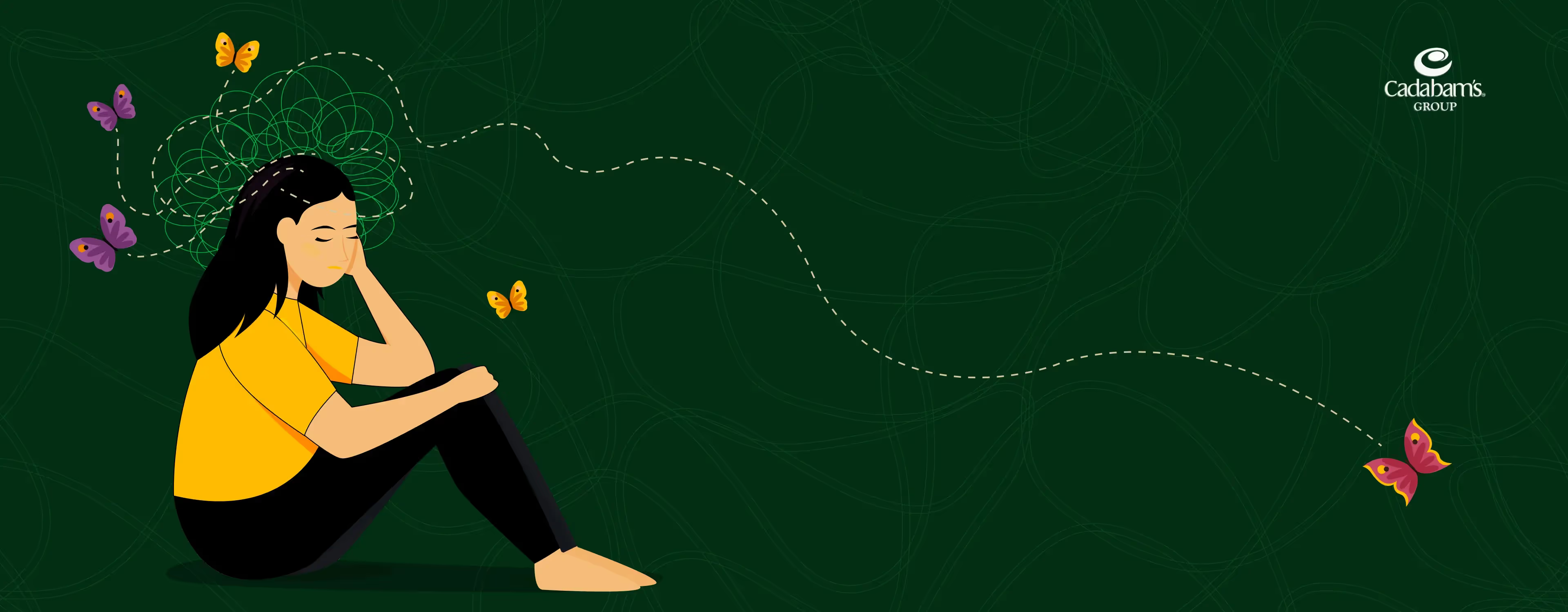
Living with Intermittent Explosive Disorder (IED) can make anger feel sudden and difficult to control. Learning practical relaxation techniques for IED can help calm the nervous system, reduce emotional intensity, and create a pause before reacting. When practised regularly, these techniques become powerful anger management strategies for IED, helping individuals regain control and improve daily relationships.
How Does Intermittent Explosive Disorder Affect Anger And Emotional Control?
Intermittent Explosive Disorder (IED) is a mental health condition marked by sudden episodes of intense anger that may feel difficult to control. These reactions are often disproportionate to the situation and may include shouting, verbal aggression, or physical actions.
For many people with IED, anger builds very quickly and feels overwhelming in the moment. This happens because the brain areas responsible for impulse control struggle to regulate strong emotional reactions. As a result, learning structured coping skills, such as relaxation techniques for IED, can be essential for managing anger more effectively.
Why Are Relaxation Techniques Helpful For Managing IED Anger?
For a person with IED, the body's 'fight or flight' response is easily and intensely activated. It works to counteract this physiological arousal. By intentionally calming the nervous system, you can create a crucial pause between a trigger and your reaction. This space allows for clearer thinking and a chance to choose a non-aggressive response, forming a core part of anger management strategies for IED.
What Relaxation Techniques Help Control Anger In IED?
Learning structured relaxation techniques for IED can help interrupt this escalation and bring the body back to a calmer state. These techniques work by slowing breathing, reducing muscle tension, and helping the brain regain control over impulsive reactions.
Below are some effective relaxation methods for IED that many individuals find helpful in managing anger and emotional stress.
Deep Breathing Exercises For Calming Sudden Anger
Deep breathing is one of the simplest and most accessible relaxation techniques for IED. When anger begins to rise, breathing often becomes shallow and rapid, which increases physical tension and emotional intensity.
How To Practice Deep Breathing?
To practise deep breathing effectively, follow these steps:
- Sit or stand in a comfortable position with your shoulders relaxed.
- Inhale slowly through your nose for four seconds.
- Hold your breath gently for four seconds.
- Exhale slowly through your mouth for six seconds.
- Continue this breathing cycle for several minutes while focusing on your breath.
What Are The Benefits of Deep Breathing for IED?
Regular practice of this technique can provide several benefits for people managing IED, including:
- Reducing heart rate and physical tension during anger episodes
- Slowing impulsive reactions triggered by emotional stress
- Helping create a pause before responding to a triggering situation
- Supporting healthier anger management strategies for IED in daily life
Over time, deep breathing becomes easier to use during stressful situations, making it one of the most practical relaxation techniques for IED.
Progressive Muscle Relaxation (PMR) For Releasing Built-Up Anger Tension
PMR helps individuals become more aware of this tension and teaches the body to release it before anger escalates. Because it directly targets physical stress, PMR is considered one of the most effective relaxation methods for IED.
Step-By-Step Guide to PMR
To practise progressive muscle relaxation, follow these steps:
- Sit or lie down in a comfortable place where you can relax without interruption.
- Start by tightening the muscles in your feet for about five seconds.
- Release the tension completely and allow the muscles to relax for 20–30 seconds.
- Move gradually upward through the body — legs, abdomen, arms, shoulders, and face.
- Focus on noticing the difference between tension and relaxation in each muscle group.
PMR's Effectiveness in Reducing Anger Outbursts
Individuals with IED often experience intense physical tension before an outburst. Practising PMR regularly can support emotional regulation in several ways:
- Reducing physical stress that often triggers anger outbursts
- Increasing awareness of the early warning signs of tension
- Helping the body relax more quickly during stressful moments
- Strengthening effective relaxation methods for IED used in anger management
With consistent practice, this technique helps people respond to emotional triggers with greater awareness and control.
Mindfulness Meditation For Improving Emotional Control In IED
Mindfulness meditation is another helpful technique for people learning to manage sudden anger. This practice trains the brain to become more aware of thoughts and emotions without reacting immediately.
How To Begin a Mindfulness Practice to Control IED?
To begin a simple mindfulness meditation practice, follow these steps:
- Sit comfortably in a quiet place where you will not be disturbed.
- Close your eyes or soften your gaze and focus on your breathing.
- Pay attention to the sensation of air moving in and out of your body.
- When thoughts or emotions appear, acknowledge them without judgement.
- Gently bring your attention back to your breath and continue for five minutes.
The Impact of Meditation on Emotional Regulation
Meditation has a profound impact on emotional regulation by strengthening the prefrontal cortex, the brain region responsible for impulse control. Regular practice helps you detach from intense emotions, viewing them as temporary events rather than overwhelming truths, which is crucial for managing IED.
How Can You Integrate Relaxation Techniques For IED Into Your Daily Routine?
Learning relaxation techniques for IED is helpful, but they become most effective when practised consistently. Regular practice helps the body respond more calmly to stress and makes it easier to use these techniques when anger begins to build.
You can integrate these techniques into daily life by:
- Setting aside 10–15 minutes each day to practise breathing exercises, meditation, or progressive muscle relaxation.
- Practising at consistent times, such as in the morning to start the day calmly or in the evening to release stress.
- Linking relaxation practice to existing habits, such as after brushing your teeth or before going to bed.
- Using phone reminders or meditation apps to build a consistent routine.
- Practising brief breathing exercises during minor stressful moments to build the habit before stronger triggers occur.
- Keeping a quiet space at home where you can practise relaxation without distractions.
Over time, consistent practice helps these skills become automatic responses, making relaxation techniques for IED more effective during emotionally challenging situations.
Evidence Supporting Relaxation Techniques For Managing IED
Many studies suggest that relaxation techniques can help people manage intense anger and emotional reactions. Practices such as deep breathing, mindfulness, and progressive muscle relaxation work by calming the body’s stress response and lowering the physical tension that often builds before anger outbursts.
- Research suggests that calming activities such as breathing exercises and meditation can help reduce anger and aggression.
- Other studies indicate that progressive muscle relaxation helps release built-up tension in the body, making it easier to manage strong emotional responses.
- Evidence from anger-management research also shows that mindfulness practices can improve emotional awareness and help people respond more calmly when they feel triggered.
Together, these findings support the use of relaxation techniques for IED as practical tools for improving emotional control and strengthening anger management strategies for IED.
When Should You Consider Professional Support For Managing IED?
Relaxation techniques for IED can be helpful, but some people may need additional support to manage frequent or intense anger outbursts. Professional guidance can help identify triggers and develop healthier ways to respond to them.
Signs That Professional Help May Be Needed For IED
You may benefit from speaking with a mental health professional if:
- Anger episodes feel uncontrollable or happen frequently.
- Outbursts are affecting relationships with family or friends.
- Anger is creating problems at work or school.
- You often feel regret, distress, or guilt after an episode.
A mental health professional at a specialised centre like Cadabam’s can help assess symptoms and guide you toward appropriate treatment.
Why Combining Relaxation Techniques With Therapy Can Help
Relaxation techniques for IED can help calm the body during stressful moments, while therapy focuses on understanding the triggers behind anger outbursts. Approaches such as Cognitive Behavioural Therapy (CBT) help people recognise harmful thought patterns and develop healthier coping responses.
Using relaxation techniques alongside therapy can strengthen anger management strategies for IED and support better emotional control over time.
Additional Tools And Support For Managing IED
Managing anger becomes easier when relaxation techniques for IED are supported by helpful tools and reliable guidance. Digital resources and supportive communities can make it easier to stay consistent with these practices and continue improving emotional regulation.
Apps That Can Help Practise Relaxation Techniques For IED
Several mobile apps offer guided breathing exercises, meditation sessions, and mindfulness practices that support relaxation and emotional control. Apps such as Calm, Headspace, Insight Timer, and Breathwork provide structured sessions that can help individuals practise relaxation techniques regularly and build healthier responses to stress.
Support Communities And Mental Health Resources
Connecting with others who are working on anger control can make the process feel less isolating. Online discussion spaces such as anger management communities on Reddit or peer support groups listed on Meetup allow people to share experiences, discuss coping strategies, and learn from others facing similar challenges. Many individuals also find helpful discussions in broader mental health forums where people talk about managing stress, emotional triggers, and anger in everyday life.
Free · Confidential
Book screening with our triage team
Speak to a clinician in minutes. We’ll help you figure out the right next step.
Looking For Professional Help To Manage IED? Cadabam’s Can Support You
Living with IED is challenging, but lasting change is possible. The consistent practice of relaxation techniques for IED can empower you to manage your emotions and lead a more peaceful life. If you or a loved one needs support, Cadabam’s is here to help. Our compassionate experts specialise in evidence-based treatment and rehabilitation for IED.
If you are searching for a solution to your problem, Cadabam’s Rehabilitation Centre can help you with its team of specialised experts. We have been helping thousands of people live healthier and happier lives for 33+ years. We leverage evidence-based approaches and holistic treatment methods to help individuals effectively manage their Intermittent Explosive Disorder. Get in touch with us today. You can call us at +91 96111 94949.