Feeling hopeless after another relapse is a heavy burden to carry. It is natural to question if recovery is possible or if seeking rehab after multiple relapses is even worthwhile. The answer is a definitive yes. With the right approach, lasting recovery is not just possible; it is probable.
Relapse as Part of the Recovery Journey
Before exploring solutions, it is crucial to understand that setbacks are a recognised part of the path to sobriety, not an end to it, and that multiple relapse recovery is both possible and a normal part of many individuals’ journeys.
Defining Lapses vs Relapses
It can be helpful to distinguish between a lapse and a full-blown relapse. A lapse is a brief, temporary return to substance use, often followed by an immediate recommitment to sobriety. In contrast, a relapse signifies a return to previous patterns of regular, uncontrolled substance use, abandoning the goal of recovery for a period.
Why Relapse Is Common in Recovery
Addiction is a chronic condition that fundamentally changes brain chemistry, particularly in areas related to reward, stress, and self-control. These changes can persist long after substance use stops, making individuals vulnerable to triggers. This is not a sign of weakness but a clinical reality of the recovery journey.
Prevalence of Multiple Relapses
Research shows that many people require multiple attempts at sobriety before achieving long-term success. This pattern is similar to other chronic health conditions like diabetes or hypertension, where managing symptoms involves ongoing adjustments and sometimes setbacks. Acknowledging this can help reduce feelings of shame and encourage persistence in seeking effective de-addiction treatment.
Why Structured Rehab Still Works After Setbacks
For many, enrolling in a programme specifically designed as rehab after multiple relapses can offer the extra support and structure needed to rebuild confidence and sustain sobriety. Even if previous attempts have failed, a new approach within a structured environment can provide the missing pieces for a successful recovery.
Addiction as a Chronic Condition, Not a Failure
Viewing addiction as a chronic health condition reframes relapse from a moral failure to a predictable, manageable symptom. Just as someone with asthma might need to adjust their treatment after an attack, a person in recovery might need to re-engage with rehabilitation to strengthen their coping mechanisms and address new triggers.
Evidence-Based Components of Structured Rehab
Effective structured recovery programs are built on a foundation of proven methods. This typically includes medically supervised detoxification, individual and group therapy, and medication-assisted treatment where appropriate. Central to this is creating robust relapse prevention strategies that equip individuals with practical tools to navigate cravings and high-risk situations they will face outside the centre.
Building Self-Efficacy Through Structure and Routine
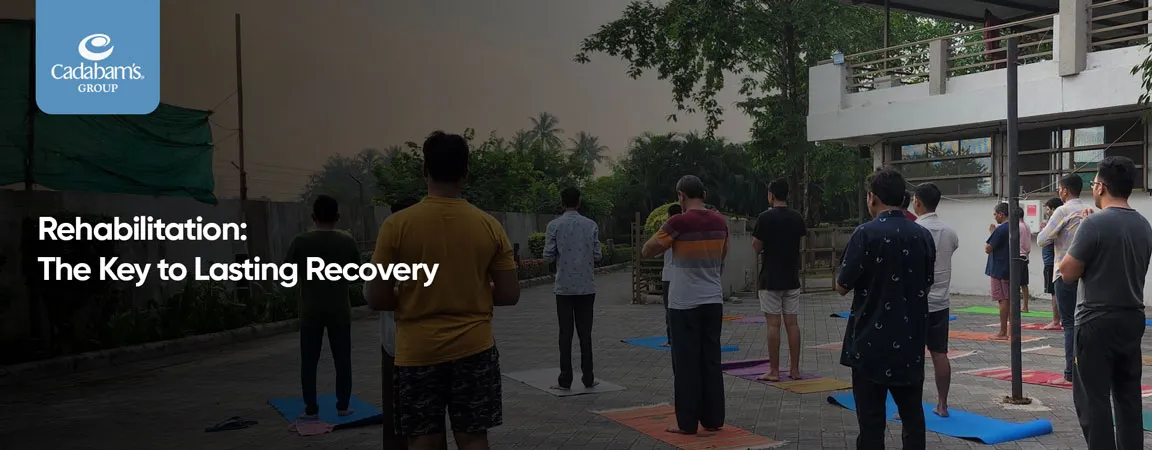
A key benefit of inpatient rehabilitation is the environment itself, providing consistent support and routine that makes rehab after multiple relapses more successful by reinforcing coping skills and self-belief. The reliable daily schedule, consistent support from professionals and peers, and freedom from external triggers help rebuild a sense of control and stability. This routine fosters new, healthy habits and empowers individuals, restoring the belief in their own ability to maintain sobriety.
Proven Relapse Prevention Strategies in Rehab
A modern de-addiction programme focuses not just on stopping substance use, but on building a life where substances are no longer needed. Structured recovery programs integrate these relapse prevention strategies in a systematic way, giving individuals clear steps and practical tools that support long-term multiple relapse recovery.
Cognitive-Behavioural Therapy & Relapse Prevention
Cognitive-Behavioural Therapy (CBT) is a cornerstone of effective addiction treatment. It helps individuals identify the specific thoughts, feelings, and situations that trigger cravings. By learning to anticipate these triggers and developing practical coping strategies, a person can change their behavioural responses and significantly reduce the likelihood of relapse.
Aftercare, Support Groups, and Sober Living
The journey does not end after leaving the rehabilitation centre. High-quality aftercare, including ongoing therapy, participation in support groups like Alcoholics Anonymous or Narcotics Anonymous, and sober living arrangements, is critical. This continuous support system provides accountability and community, reinforcing the lessons learned in rehab and improving relapse and rehab effectiveness.
Family & Peer-Based Reinforcement Models
Addiction often impacts the entire family, and their involvement can be a powerful force for change, especially for those seeking rehab after multiple relapses. Involving family and peers in recovery can offer critical alcohol relapse help, creating a supportive network that strengthens long-term sobriety. Programmes that engage family members help heal relationships and create a supportive home environment. Peer support within rehab provides a unique source of encouragement from others who truly understand the challenges of multiple relapse recovery.
Realistic Recovery: What the Data Shows
Looking at relapse and rehab effectiveness through research helps normalize setbacks and highlight the value of evidence-based treatment programs. Understanding the statistics behind recovery can provide a more realistic and hopeful perspective on the process one is undertaking.
Typical Number of Attempts Before Recovery
While it is a deeply personal journey, data suggests that it is common for individuals to make several serious attempts at recovery. Some studies indicate a median of two serious attempts, while the average can be as high as five before long-term sobriety is achieved. This highlights that persistence is key, and seeking rehab after multiple relapses is a normal part of the process.
Trends in Relapse Rates Over Time
Initial relapse rates can feel disheartening, with studies showing that a significant percentage of individuals may relapse within the first year. However, the outlook improves dramatically with sustained sobriety. The likelihood of relapse decreases substantially after one year of abstinence and continues to fall, demonstrating that the longer a person stays sober, the stronger their recovery becomes.
Free · Confidential
Book screening with our triage team
Speak to a clinician in minutes. We’ll help you figure out the right next step.
Key Elements to Include in a Structured Rehab Plan
When considering rehab after multiple relapses, it is vital to know what components make a programme effective. Here is what to look for in high-quality structured recovery programs.
At Cadabam’s, we believe a comprehensive and individualised plan is essential for a successful rehabilitation journey. The following elements form the core of our evidence-based approach:
Comprehensive Components
An effective plan must integrate multiple layers of care. This starts with a medically supervised detox to manage withdrawal symptoms safely, followed by intensive psychotherapy (like CBT and motivational interviewing), medical and psychiatric care for any co-occurring conditions, and a strong focus on relapse prevention planning before discharge.
Personalisation & Flexibility
No two recovery journeys are the same. A truly effective programme adapts to the individual’s unique history, substance of choice, past relapse triggers, and any underlying mental health needs like depression or anxiety. The plan should be a living document, refined as the person progresses, offering specialised support like alcohol relapse help where needed.
Importance of Long-Term Follow-Up
Sustainable recovery requires a bridge back to everyday life. This means a robust aftercare plan is non-negotiable. It should include scheduled follow-up therapy sessions, connections to local peer support groups, and options for sober living environments to provide a crucial safety net during the challenging transition period post-rehabilitation.
Your Journey to Lasting Recovery Can Start Today
Feeling defeated by relapse is understandable, but it is not the end of your story. Every step back toward treatment is a step fuelled by courage and hope. The relapse and rehab effectiveness is not diminished by past attempts; in fact, each experience can make the next one stronger. At Cadabam’s, we specialise in creating personalised, evidence-based de-addiction programmes that address the root causes of relapse and build a foundation for a fulfilling, sober future.
If you are searching for a solution to your problem, Cadabam’s Rehabilitation Centre can help you with its team of specialised experts. We have been helping thousands of people live healthier and happier lives for 33+ years. We leverage evidence-based approaches and holistic treatment methods to help individuals effectively manage their Alcohol Dependence. Get in touch with us today. You can call us at +91 96111 94949.