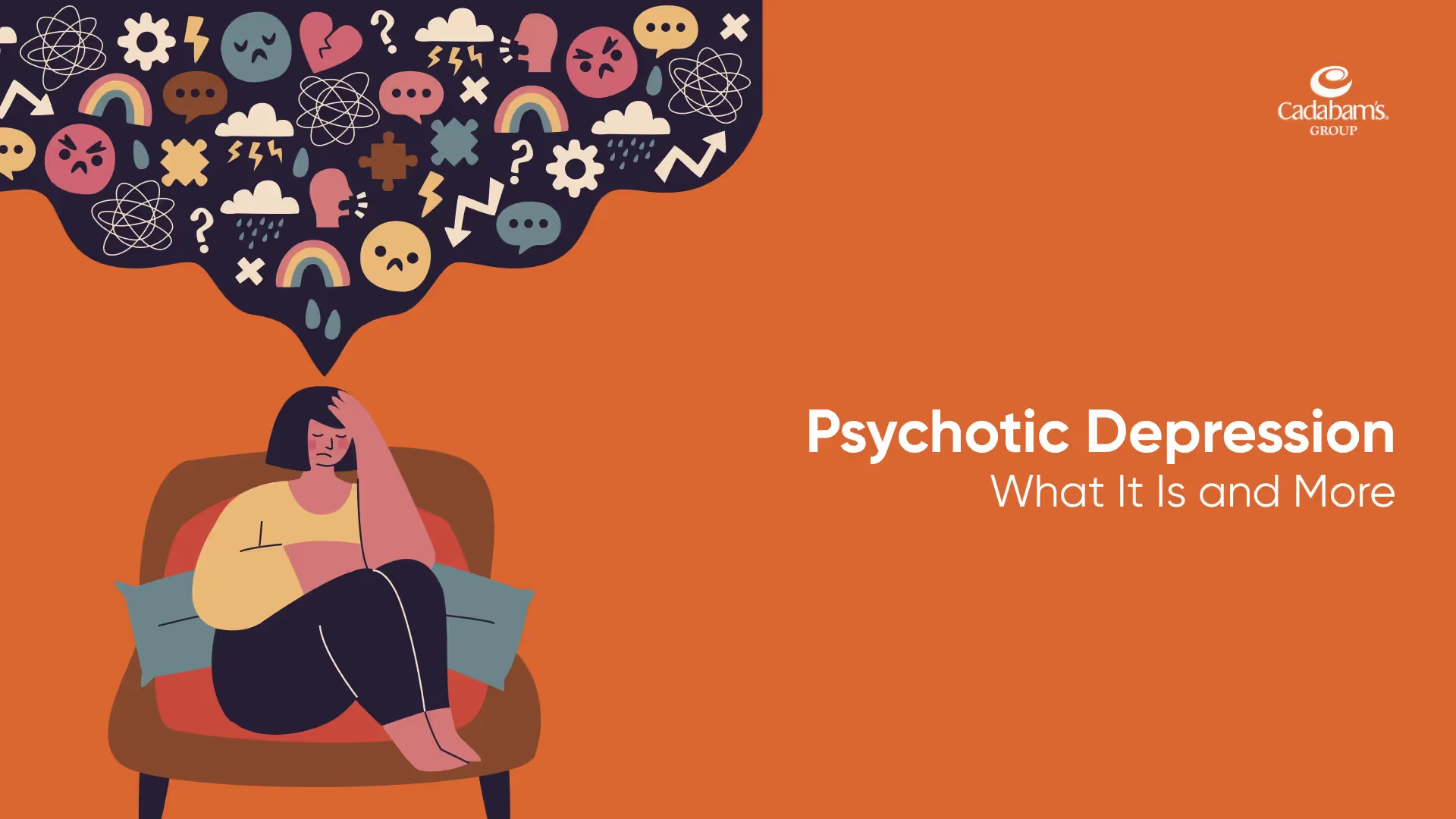
Depression is often seen as a purely emotional struggle, but it profoundly affects the body. Many individuals experience persistent physical symptoms of depression without realising the root cause. Understanding these signs is the first step towards getting the right kind of help for both mind and body.
Why Depression Often Shows Up as Physical Symptoms
Depression affects both the mind and body, which is why emotional distress often appears as persistent physical symptoms of depression, such as pain, fatigue, and digestive problems. Exploring this connection helps explain why emotional distress can manifest as physical discomfort.
What Is The Mind-Body Connection In Depression?
The relationship between the mind and body is a complex, two-way street where emotional states directly influence physical well-being. When you experience depression, your brain chemistry changes, affecting neurotransmitters like serotonin and dopamine that regulate mood, sleep, and pain. Furthermore, the constant mental strain can trigger the body’s stress response, releasing hormones like cortisol that, over time, can cause inflammation, weaken the immune system, and result in tangible depression and body symptoms.
Why Are The Physical Signs Of Depression Often Overlooked?
One of the primary reasons these physical manifestations are missed is because individuals often focus solely on the physical ailment. A person experiencing chronic back pain is more likely to visit an orthopaedist than a psychiatrist. Additionally, the lingering stigma around mental health can make it difficult for people to consider or discuss the possibility that their physical pain might be linked to their emotional state, leading them to search for purely medical explanations for the hidden signs of depression.
What Are The Most Common Physical Signs Of Depression?
Recognising the various ways depression can impact the body is essential for a timely and accurate diagnosis. These are some of the most common physical signs of depression to be aware of.
Chronic Fatigue and Low Energy
This is far more than simple tiredness; it is a profound and persistent exhaustion that sleep does not relieve. People often describe it as feeling heavy or weighed down, making even simple daily tasks like showering or preparing a meal feel overwhelming and impossible to complete.
Sleep Disturbances
Depression frequently disrupts sleep patterns. For some, this means insomnia, the inability to fall asleep or stay asleep. For others, it can lead to hypersomnia, or sleeping far more than usual yet never feeling rested. This poor sleep quality creates a vicious cycle, worsening both mood and energy.
Digestive Issues
The brain and gut are closely linked, so it is no surprise that depression often causes stomach problems. These can include a significant loss of appetite, an increase in cravings for "comfort foods", persistent nausea, constipation, or symptoms resembling Irritable Bowel Syndrome (IBS), such as stomach cramps and diarrhoea.
Aches, Pains, and Headaches
Many people with depression report an increase in chronic pain. This includes dull headaches, persistent muscle aches, back pain, or joint soreness that has no clear physical cause. This phenomenon of unexplained pain and depression is linked to how the condition alters pain-processing pathways in the brain.
Changes in Weight or Appetite
Significant and unintentional weight loss or gain is a common red flag. Some individuals lose all interest in food, leading to weight loss, while others may turn to food for comfort, resulting in weight gain. These shifts are directly tied to mood fluctuations and hormonal changes caused by depression.
Why Do Physical Symptoms Of Depression Persist?
When physical symptoms are rooted in depression, they tend to linger because they are part of a larger, unaddressed issue. Understanding the underlying mechanisms reveals why simply treating the pain or fatigue is often not enough.
How Do Brain Chemicals Cause Depression And Body Symptoms?
Key brain chemicals, particularly serotonin and norepinephrine, do more than just regulate mood; they also play a vital role in how your body perceives pain. When depression causes these neurotransmitters to become dysregulated, your pain sensitivity can increase, making you feel aches more intensely. This is why the somatic symptoms of depression can feel so real and debilitating, as they have a legitimate neurochemical origin.
How Does Stress And Cortisol Worsen Physical Symptoms?
Depression places the body under a state of chronic stress, leading to elevated levels of the stress hormone cortisol. Over time, high cortisol levels can cause widespread inflammation, suppress the immune system, and contribute to physical strain. This constant physiological stress can manifest as muscle tension, headaches, and a general feeling of being unwell, perpetuating the persistent physical symptoms of depression.
How Does Delayed Treatment Prolong Physical Symptoms?
If a person and their doctor focus only on treating the physical complaints, like prescribing painkillers for body aches or antacids for stomach issues, the underlying depression remains untreated. This allows the root cause to continue, meaning the physical symptoms will likely persist or even worsen over time, prolonging suffering and delaying effective recovery.
What Are The Risks Of Misinterpreting Physical Symptoms Of Depression?
Failing to connect physical symptoms with an underlying mental health condition can lead to significant negative consequences, prolonging distress and complicating the path to recovery.
Delayed Diagnosis
When the focus remains solely on physical causes, the true diagnosis of depression can be delayed by months or even years. During this time, the individual continues to suffer, moving from one specialist to another without finding answers. This delay not only extends their period of poor health but also allows the underlying depression to become more entrenched and severe, making recovery more challenging.
Misdiagnosis and Overtreatment
A relentless search for a physical cause can lead to unnecessary, expensive, and sometimes invasive medical tests. It can also result in overtreatment with medications that are ineffective because they do not address the root problem. This cycle of misdiagnosis and inappropriate treatment can be frustrating and demoralising, further exacerbating feelings of hopelessness associated with depression.
Worsening Depression
When physical symptoms are not acknowledged as potential physical signs of depression, the individual may start to feel invalidated or that their pain is "not real." This, combined with the lack of effective treatment, can cause the underlying depression to worsen. Functional impairment increases, affecting a person's ability to work, maintain relationships, and engage in daily life.
When Should You Seek Help For Physical Symptoms Of Depression?
Knowing when to talk to a professional about your symptoms is a critical step towards healing. If physical ailments persist despite medical treatment, it may be time to consider a mental health perspective.
Red Flags That Point to Depression
Pay attention if you experience the following, as they are strong indicators that your symptoms may be linked to depression:
- Physical symptoms (like fatigue, pain, or digestive issues) lasting for more than two weeks.
- Your symptoms do not respond to standard medical treatments.
- You are also experiencing emotional symptoms like sadness, hopelessness, or loss of interest.
- Your physical discomfort is significantly impacting your daily life and ability to function.
How Is Depression Diagnosed When Physical Symptoms Are Present?
The best approach is integrated care, where your physical and mental health are assessed together. Start by speaking with your primary care doctor about all your symptoms, both physical and emotional. They can rule out other medical conditions and provide a referral. A psychiatrist or psychologist can then conduct a comprehensive psychological evaluation to confirm a diagnosis and create a treatment plan for the somatic symptoms of depression.
Free · Confidential
Book screening with our triage team
Speak to a clinician in minutes. We’ll help you figure out the right next step.
How Can You Manage Persistent Physical Symptoms Of Depression?
Effective management involves a holistic approach that treats the mind and body simultaneously. At Cadabam’s, we use evidence-based strategies to help you regain control over your well-being.
What Treatment Approaches Help Manage Persistent Physical Symptoms Of Depression?
A combination of psychotherapy and, if needed, medication is often the most effective strategy for managing the persistent physical symptoms of depression.
Psychotherapy
Psychotherapy focuses on treating both emotional distress and the physical discomfort caused by depression.
- Cognitive Behavioural Therapy (CBT) : Helps identify and change negative thought patterns that contribute to emotional and physical distress
- Interpersonal Therapy (IPT): Addresses relationship stressors that can worsen depression and body symptoms
- Mindfulness-based therapy : Teaches coping skills to manage symptoms and reduce physical stress
Antidepressant Medication
Antidepressant medication works by correcting the brain chemistry changes that contribute to both emotional and physical symptoms.
- Restores neurotransmitter balance: Improves mood, sleep, and pain perception
- Reduces physical discomfort: Helps relieve somatic symptoms of depression
- Supports emotional recovery: Treats both emotional and physical aspects of depression
Lifestyle Support
Alongside professional treatment, certain lifestyle changes can provide significant support for your recovery and are often a core component of a comprehensive rehabilitation plan.
Small, consistent lifestyle habits can strengthen both physical and emotional well-being, including:
- Regular exercise: Releases endorphins that improve mood and can help alleviate pain
- Balanced diet: Stabilises energy levels and supports overall physical health
- Good sleep hygiene: Helps restore healthy sleep cycles and improve restfulness
- Consistent daily routine: Provides structure and a sense of accomplishment
Building a Support System
Recovery is not a journey you have to take alone. Involving trusted family members and friends provides a vital source of encouragement and understanding. Joining a support group or participating in a structured rehabilitation programme can also connect you with peers who share similar experiences, reducing feelings of isolation.
How Can Cadabam’s Help You Heal From Unexplained Pain And Depression?
The link between the mind and body is undeniable. If you are struggling with persistent physical symptoms of depression, it is a sign that your body is asking for help. Ignoring these signals can prolong your suffering, but acknowledging them is the first brave step toward recovery. At Cadabam’s, our empathetic experts specialise in diagnosing and treating depression in all its forms, using a holistic, evidence-based approach that honours your unique journey.
You do not have to live with unexplained pain and exhaustion. Reach out to us to understand the connection between your physical and mental health.
If you are searching for a solution to your problem, Cadabam’s Rehabilitation Centre can help you with its team of specialised experts. We have been helping thousands of people live healthier and happier lives for 33+ years. We leverage evidence-based approaches and holistic treatment methods to help individuals effectively manage their Depression. Get in touch with us today. You can call us at +91 96111 94949.