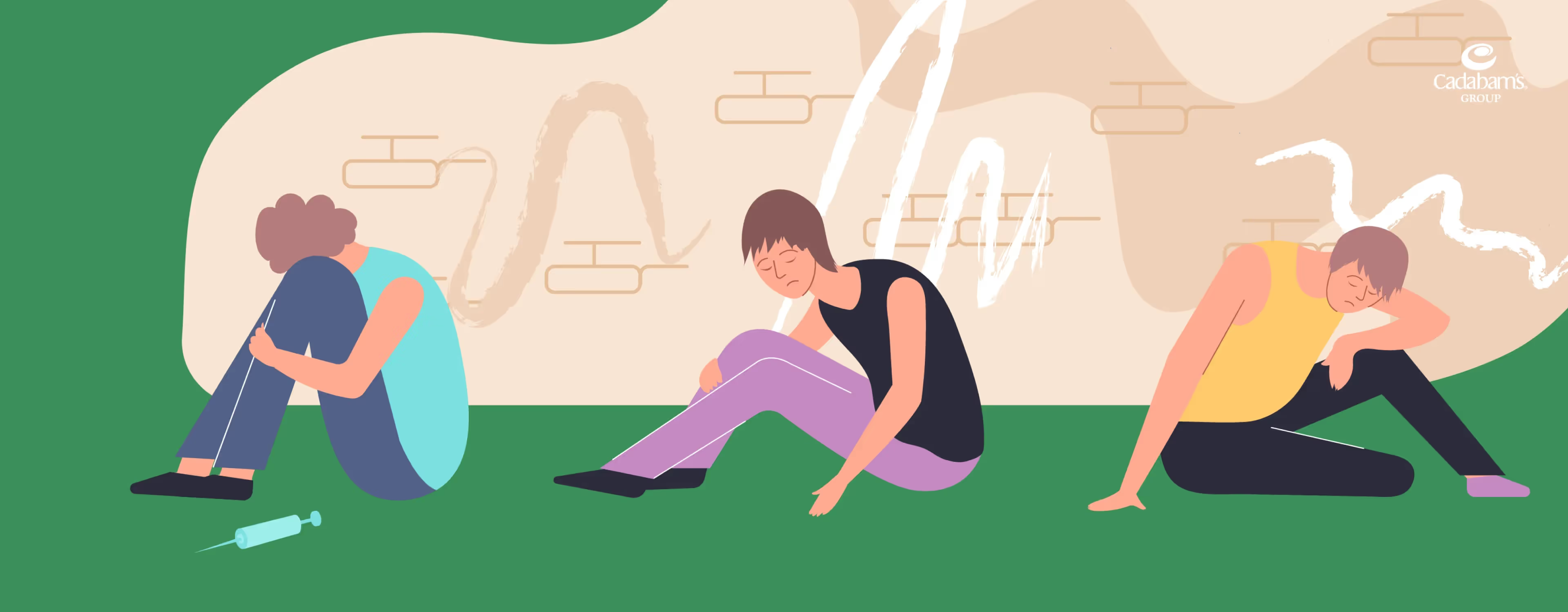
In 2024, Times Entertainment uncovered the gripping story of Jordan Brielle, a 32-year-old American woman whose occasional vaping became an addiction.
Brielle's casual habit, which seemed harmless, turned life-threatening. Her lungs were filled with a black and bloody liquid due to vaping.
Jordan's tale is not an exception. People around the world enjoy using this “smoking alternative” and consider it to be less hazardous. Does that mean there are no risks involved?
Understanding Vaping: A Deep Dive into Its Meaning and Impact
Certainly, vaping is not a phase. It has sparked worldwide discussions about its safety and side effects.
The truth lurks in the shadows, and vaping, like everything else, needs a simple but comprehensive understanding.
What is Vaping?
Vaping is inhaling vapor from electronic cigarettes, referred to as e-cigarettes. Users inhale straight into their lungs.
Instead of burning tobacco, people use battery powered devices to heat liquid into aerosol, which is then inhaled. Understanding vaping meaning is essential, as it differs from traditional smoking, even though it resembles it in many ways.
Types of Vaping Devices
The variety of options makes vaping highly customisable.
Like all devices, each works differently, but all vaporise nicotine and other substances into the user's lungs, which raises concerns in the long term.
Some of the most popular types are:
-
E-Cigarettes – Sleek, disposable, or rechargeable devices often designed to mimic traditional cigarettes.
-
Vape Pens – Slightly larger than e-cigarettes, these have refillable cartridges and longer battery life.
-
Pod Systems – Compact devices that use pre-filled or refillable pods, often favoured for their convenience.
-
Box Mods – Advanced, customisable devices that allow users to control temperature, vapour production, and nicotine levels.
Is Vape and Hookah the same?
At first glance, vaping and hookah might seem similar; they both involve inhaling flavoured smoke or vapour, often in social settings.
Hookah burns tobacco with charcoal, releasing harmful toxins, whereas vapes heat liquid nicotine. Both pose health risks, but vaping is often perceived as more discreet.
While both have risks, their health impacts vary depending on frequency and substance use.
Difference between Smoking and Vaping
A controversial debate assumes that smoking may be better than vaping or vice versa, despite the lack of evidence supporting this claim.
Since vaping does not burn tobacco, chemicals are inhaled instead, which are harmful to lung health.
While Vaping, the inhalation of aerosols, reduces exposure to certain toxic compounds, it is not without risks.
Research continues to examine its long-term health effects, especially concerning lung conditions like popcorn lung, a rare disease linked to inhaling certain flavouring chemicals.
Is Vaping Harmful?
As mentioned above, vaping is often seen as a "lesser evil" compared to smoking, but does that mean it’s safe?
While it eliminates tar and some harmful byproducts of combustion, it introduces other risks.
The aerosol from vaping contains nicotine, flavouring agents, and chemicals that can cause lung irritation and inflammation.
Long-term effects remain unclear, but studies suggest a link to respiratory conditions and cardiovascular strain.
What does Vaping do to your lungs?
Vaping can cause lung inflammation, irritation, and reduced lung function.
Prolonged use has been linked to conditions like “popcorn lung,” chronic bronchitis, and increased susceptibility to respiratory infections.
Many people also ask, “Can you get lung cancer from vaping?” While studies are ongoing, there are concerns about the long-term risks, including potential cancer development.
Harmful Effects of Vaping
New studies are investigating the serious health risks associated with vaping. Although research into the long-term effects is still ongoing, preliminary results suggest that the inhalation of aerosolised substances may affect multiple organ systems.
Many people tend to overlook the vapor cigarette side effects, assuming that vaping is a harmless alternative to smoking. The effects of vaping go far beyond the initial assumption that it is harmless vapour and range from lung damage to heart disease.
Respiratory Issues
Vaping can lead to chronic lung irritation, inflammation, and reduced lung function. The inhalation of toxic chemicals can cause coughing, wheezing, and shortness of breath.
Prolonged use has been associated with an increased risk of bronchitis, pneumonia, and other respiratory complications.
Heart and Cardiovascular Risks
Nicotine in vapes constricts blood vessels, increasing heart rate and blood pressure. This strain on the cardiovascular system elevates the risk of heart disease and stroke.
Studies suggest vaping may contribute to arterial stiffness and reduced oxygen flow, affecting overall heart health.
EVALI (E-cigarette or Vaping-Associated Lung Injury)
Nicotine from vaping increases the heart rate and blood pressure because it constricts the blood vessels.
This cardiovascular stress increases the risk of stroke and heart disease. Research studies suggest that vaping may also exacerbate reduced oxygen supply and stiffening of the arteries, which has a negative impact on heart health.
Does Vape cause Cancer?
The long-term cancer risks of vaping are still under study, but exposure to formaldehyde, acetaldehyde, and other carcinogens raises concerns.
While vaping eliminates tobacco combustion, some chemicals in e-liquids may damage DNA and increase the potential for lung and oral cancers.
Vaping Dangers: Popcorn Lung
Consider feeling out of breath with just a basic stroll. This is because of Popcorn lung, or bronchiolitis obliterans. The chemical diacetyl is responsible for this disease. Diacetyl is found in some vape flavours, making it dangerous when inhaled.
This illness results in scarring of the airways with permanent damage to the lungs, along with:
-
Chronic cough with wheezing, comparable to bronchitis.
-
Lung tissue has irreversible damage.
-
The freedom to breathe is greatly limited.
-
The involuntary process of movement is made cognitively and physically exhausting due to the deficit in gas exchange within the system.
Addiction
Vaping, like any other form of tobacco consumption, releases nicotine. Nicotine is highly addictive and alters the brain's circuitry.
Studies show that most people who start vaping do not give up smoking cigarettes and even return to smoking.
This contradicts the hypothesis that vaping as an electronic cigarette to support smoking cessation has some benefits.
Side Effects of Vaping
As already mentioned, vaping is seen as a “safer” option compared to smoking. However, the truth is not quite that simple.
In terms of health, the same concerns can be raised as with e-cigarettes. The effects range from physical and mental well-being to social life and are not limited to just one category.
Some impacts arise instantly, while others take time. That is why the necessity to learn more about vaping and its impact is necessary.
Short-Term Effects: These become apparent shortly after vaping and can be different based on usage frequency. The effects present themselves as:
-
Respiratory Issues – Coughing, throat irritation, and shortness of breath.
-
Increased Heart Rate – Nicotine spikes heart activity, leading to palpitations.
-
Dizziness & Nausea – Common in new users or those inhaling high nicotine doses.
-
Dry Mouth & Dehydration – Propylene glycol in vape liquid can cause excessive dryness.
Long-Term Effects: Regular vaping has the potential to cause chronic and serious damage to one’s health. This might look like:
-
Damaged Lungs– The inflammation of the lungs due to the inhalation of various chemicals can bring about chronic conditions like bronchiolitis obliterans, known as ‘popcorn lung.’
-
Cardiovascular Issues– Heart problems are bound to develop due to an increase in blood pressure caused by nicotine.
-
Reduced Mental Abilities– Memory and focus tend to decline with the extension of nicotine intake.
-
Higher Chance of Cancer– Although some components of vape liquid are said to be correlated with lung cancer, more research still needs to be conducted in this area.
Social & Mental Implications: Vaping not only affects physical fitness but also affects daily life, interpersonal relationships, and mental health. The effects include:
-
Addiction and overdependence- The nicotine contained in vapes is highly addictive and similar to that of traditional cigarettes, making it almost impossible to quit.
-
Psychological problems- Vaping has been shown to increase symptoms of anxiety and depression, especially in younger people. This is exacerbated with regular use.
-
Economic burden- The habit of smoking can put a big hole in your wallet over a long period of time.
-
Social discrimination- Vaping is banned in many schools, workplaces, and public places, leading to discrimination and potential litigation.
Nicotine-Free Vaping and Its Misconceptions
People tend to think that vaping without nicotine is safe, but is it really true?
Most young adults opt for nicotine-free vaping because they think it is neither cosmetically nor physiologically dangerous.
However, new evidence seems to disprove these assumptions, so further research is needed to learn more about the hidden dangers.
Is Nicotine Free Vaping Safe?
Vaping without nicotine does seem like a better option than traditional vaping or smoking. But it still poses an array of problems.
Even though there is no nicotine to stir up an addiction, the absence of it does not change the fact that there are other harmful chemicals present that can cause irritation of the lungs and cause inflammation.
Side Effects of Non-Nicotine Vaping
Common side effects include respiratory irritation, coughing, and throat discomfort. Continuous exposure can lead to inflammation and vulnerability to infections.
The lack of nicotine doesn't negate other harmful chemicals present in vape aerosols, raising valid concerns over prolonged health impacts, even without nicotine's addictive properties.
Is Vaping Safe? Understanding the Health Effects
In most cases, the discussion surrounding vaping safety tends to revolve around smoking.
But, vaping has unique threats that need discerning - especially in regard to its short-term effects and its lasting impact.
Short-term effects: throat irritation, dizziness, dehydration.
While short-term effects might seem mild, they're early warnings of potentially serious long-term health issues from regular vaping. These effects are:
-
Immediate throat and respiratory irritation from aerosol chemicals
-
Frequent dizziness or nausea linked to the inhalation of chemical substances
-
Increased dehydration, leading to dryness in the mouth and throat
-
Occasional coughing and discomfort as the lungs react to foreign vapours
Long-term risks: lung disease, nicotine addiction, cardiovascular concerns.
Long-term vaping can cause chronic lung disease, persistent nicotine addiction, and increase the risk of heart problems due to ongoing chemical exposure and systemic inflammation.
Impact on youth and brain development.
-
Important changes to typical teenage years (13–18 years of age) in brain functioning.
-
Greater vulnerability to becoming addicted to nicotine or other drugs.
-
Reduced capacity to remember important facts, pay attention for long periods, and think.
-
Higher chances of developing worrying and depressive illness and other psychological issues as a result of prolonged exposure to nicotine and its constituents.
Free · Confidential
Book screening with our triage team
Speak to a clinician in minutes. We’ll help you figure out the right next step.
The Popularity of Vaping Among Teens & Young Adults
Vaping's rising appeal among young people raises critical concerns. Marketing strategies, appealing scents, and peer pressure are some of the distinct factors leading to the expansion of vaping’s popularity among the younger generations.
Rise of vaping among teenagers (due to flavours, marketing, peer influence)
Several factors make vaping increasingly attractive to teenagers, particularly due to targeted marketing and peer pressure:
-
Attractive flavours specifically targeting young users
-
Aggressive marketing portrays vaping as trendy and safe
-
Peer influence encourages experimentation and habitual use
-
Widespread accessibility is making vaping popular in teen social circles
Laws and age restrictions on vaping.
Governments worldwide are imposing age limits, typically from 18 to 21 years, to curb youth vaping. Despite stringent regulations, enforcement remains challenging, with teenagers often finding ways around these age restrictions.
Social media’s role in promoting vape culture.
Social media significantly shapes teen attitudes towards vaping by normalising and glamorising its use:
-
Social media influencers glamorising vaping lifestyles
-
Sponsored ads depicting vaping as fashionable and harmless
-
Viral trends and videos are increasing teen curiosity and acceptance
-
Platforms are unintentionally becoming hubs for peer-to-peer promotion of vaping
How to Quit Vaping – A Step-by-Step Guide
Quitting vaping might feel daunting, but with the right approach, you can successfully overcome addiction and reclaim your health. Here’s a structured plan to help you get started.
Steps to Overcome Vaping Addiction
Follow these clear steps to effectively overcome your vaping habit:
-
Set a specific quit date and mentally prepare
-
Remove vaping devices and related triggers
-
Identify healthy alternatives to manage cravings
-
Seek support from family, friends, or support groups
-
Consider professional help if cravings become overwhelming
Professional Help and Resources
Seeking professional assistance can significantly improve your chances of quitting vaping permanently:
-
Consult healthcare providers for personalised medical advice
-
Consider behavioural therapies to address underlying habits
-
Join structured addiction support groups for emotional support
-
Explore digital apps designed specifically to aid smoking cessation
-
Utilise counselling services for ongoing guidance
Recovery After Vaping
Recovery is achievable. Ceasing vaping allows lungs to gradually heal. Improvements in lung function typically occur within weeks, with substantial health gains continuing over several months and years.
Can Your Lungs Heal from Vaping?
When vaping is frequent, the lungs seem to heal after stopping, but it varies with intensity and duration of use.
Respiratory improvements are evident soon after quitting vaping.
Quitting alongside adopting better diets and engaging in lung-strengthening activities speeds recovery. This truly restores lung vitality over time.
Steps to Promote Lung Recovery
These exercises significantly improve lung capacity, decrease inflammation, aid healing, and help overall respiratory rehabilitation, leading to a healthier, vape-free lifestyle.
-
Regular cardiovascular exercise
-
Daily breathing exercises
-
Staying hydrated