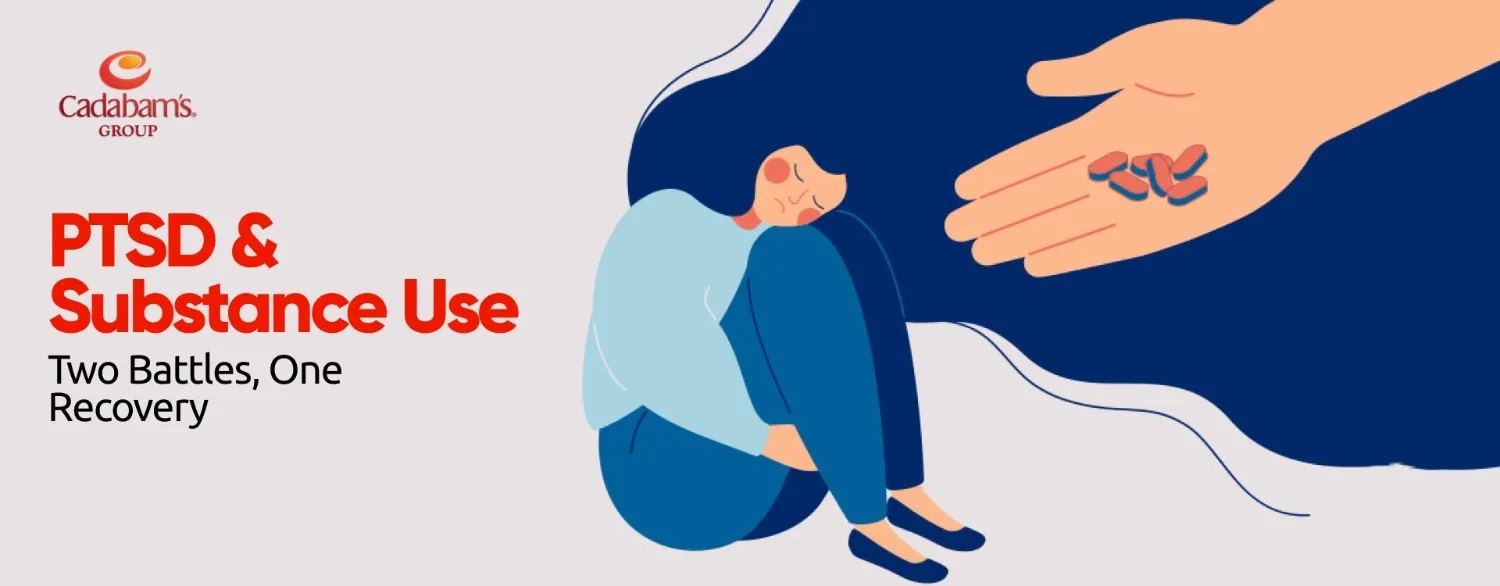
Post-Traumatic Stress Disorder (PTSD) extends beyond the individual, creating ripples that affect the entire family. Engaging loved ones in the healing journey through family therapy for PTSD is a powerful way to build a supportive environment, strengthen relationships, and sustain long-term recovery.
What Is Family Therapy for PTSD and How Does It Support Recovery?
Family therapy for PTSD is a structured therapeutic approach that involves both the individual experiencing PTSD and their close family members in guided therapy sessions. The goal is to improve communication, strengthen emotional support, and address how trauma affects the entire family system. This approach enhances PTSD treatment progress by helping families understand trauma responses and actively contribute to recovery.
Unlike individual therapy, which focuses only on the patient, family-based therapy recognises that recovery outcomes improve when the home environment becomes stable, informed, and supportive.
What Is the Core Purpose of Family Therapy for PTSD?
Family therapy focuses on strengthening the family unit through education, emotional support, and practical coping strategies. This improves both the individual’s recovery outcomes and the family’s overall well-being.
Family therapy achieves this through the following key objectives:
- Engages key family members in therapy sessions: This approach intentionally involves spouses, parents, children, or other significant relatives in the treatment process. Creating a safe space for shared dialogue helps everyone understand their roles and contributions to the recovery journey, fostering a unified front against the challenges of PTSD.
- Addresses trauma’s ripple effect on family dynamics: Trauma can disrupt communication, create emotional distance, and strain relationships. Therapy directly confronts these issues by helping families identify unhelpful patterns and replace them with healthier ways of interacting, ensuring that the home environment supports, rather than hinders, healing and progress.
- Promotes resilience and strengthens support networks: A primary goal is to empower the family unit with coping skills and greater emotional resilience. By learning to manage stress together and provide effective PTSD recovery support, families become a robust and reliable network that can endure challenges long after formal therapy sessions have concluded.
Why Is Family Involvement in PTSD Essential for Long-Term Recovery?
Family involvement in PTSD plays a critical role in recovery because family members provide daily emotional support, stability, and encouragement. PTSD symptoms such as irritability, avoidance, emotional numbness, and anxiety can significantly affect relationships and household functioning. Without proper understanding, families may unintentionally respond in ways that increase stress or worsen symptoms.
Family involvement supports recovery in several important ways:
- Improves emotional safety and trust: When family members understand PTSD symptoms, individuals feel safer expressing their emotions without fear of judgment.
- Reduces misunderstandings and conflict: Therapy teaches families how to interpret trauma-related behaviours accurately, reducing frustration and relationship strain.
- Encourages treatment adherence: Family members can motivate individuals to attend therapy sessions, follow treatment plans, and continue maintaining treatment progress after rehab.
- Strengthens long-term PTSD recovery support: A supportive family environment provides ongoing emotional stability, which reduces relapse risk and improves recovery outcomes.
At Cadabam’s, we have observed that informed and supportive families significantly improve recovery success by providing consistent emotional reinforcement and practical assistance.
What Happens During Family Therapy for PTSD Sessions?
Family therapy sessions follow a structured process designed to improve communication, build coping skills, and strengthen the family’s role in recovery. These sessions help families understand PTSD, address relationship challenges, and develop practical strategies to support healing and maintain treatment progress after rehab.
Key Components of a Family Therapy Programme for PTSD:
- Initial assessment with family history and PTSD impact: The process begins with a comprehensive evaluation where the therapist gathers information about the family's history, communication styles, and strengths. This initial stage helps map out how PTSD symptoms are specifically affecting relationships and the overall functioning of the family unit, setting a clear baseline for therapy.
- Joint goal-setting for therapy outcomes: The therapist collaborates with all participating family members to establish shared, realistic goals. This may include improving communication, reducing conflict, or learning how to co-regulate during moments of distress. This step ensures everyone is invested in the process and working towards the same positive outcomes.
- Practice-based sessions (role-play, communication exercises): Therapy moves beyond discussion into active skill-building. Sessions often include guided exercises like role-playing difficult conversations or practising active listening techniques. This hands-on approach allows families to build practical skills and confidence in a supportive and controlled therapeutic environment before applying them to daily life.
What Are the Most Effective Approaches Used in Family Therapy for PTSD?
Several evidence-based approaches are used in family therapy for PTSD to improve communication, reduce symptoms, and strengthen long-term recovery outcomes.
Different therapy models focus on improving emotional connection, reducing avoidance behaviours, and helping families actively support maintaining treatment progress after rehab.
How Does Cognitive Behavioral Conjoint Therapy (CBCT) Help Families Support PTSD Recovery?
CBCT treats PTSD as a shared challenge rather than an individual problem, helping both the person with PTSD and their family develop skills that improve emotional safety and recovery outcomes.
CBCT typically includes the following components:
- Education about PTSD and trauma responses: Families learn how trauma affects thoughts, emotions, and behaviour. This improves understanding and reduces blame, frustration, or confusion.
- Reducing avoidance of trauma-related situations: Avoidance can slow recovery. CBCT helps families gradually address triggers in a safe and supportive way.
- Improving communication and emotional connection: Families learn practical communication techniques that improve trust, empathy, and emotional regulation.
- Challenging unhelpful beliefs related to trauma: Therapy helps individuals and families identify negative thought patterns and replace them with healthier perspectives.
These strategies strengthen PTSD recovery support and help families play an active role in maintaining treatment progress after rehab.
How Does Multi-Family Group Therapy Improve PTSD Recovery Support?
Families often feel alone or misunderstood when coping with PTSD. Group therapy helps normalise their experiences and provides emotional validation, which improves confidence and treatment engagement.
This approach provides several key benefits:
- Reduces feelings of isolation: Families realise they are not alone in their experiences, which improves emotional resilience.
- Encourages peer learning and shared coping strategies: Families learn practical solutions from others facing similar challenges.
- Improves understanding of PTSD symptoms and recovery: Observing others’ experiences helps families better understand trauma and recovery processes.
- Strengthens motivation and maintains treatment progress after rehab: Support from other families encourages continued treatment participation and recovery efforts.
How Does Psychoeducation Help Families Provide Better PTSD Recovery Support?
Psychoeducation is a foundational component of family-based PTSD treatment in India. These structured workshops are designed to arm families with knowledge and practical skills. Topics often include understanding the neuroscience of trauma, recognising signs of relapse, implementing stress management techniques, and the importance of maintaining predictable daily routines for sleep, meals, and exercise. This empowers families to become proactive and confident partners in care.
What Other Family Therapy Models Are Used to Support PTSD Treatment Progress?
In addition to established approaches, several emerging therapy models are used within family therapy for PTSD to support recovery and improve treatment outcomes. These models focus on helping families process trauma, strengthen communication, and support emotional healing.
Important emerging therapy models include:
- Trauma-Focused Cognitive Behavioral Therapy (TF-CBT) : This approach helps individuals and families understand trauma, develop coping skills, and process traumatic memories safely.
- Narrative Therapy: This model helps individuals and families reframe trauma experiences and build a healthier personal and family narrative.
- Culturally adapted family therapy approaches: In India, therapists adapt treatment to reflect family structures, social norms, and cultural values, improving engagement and effectiveness.
Maintaining PTSD Treatment Progress After Rehab
Transitioning from a structured rehabilitation centre back to daily life is a critical phase. Lasting recovery depends heavily on the family’s ability to continue providing a supportive and structured environment.
What Can Families Do to Support PTSD Recovery After Rehab?
Families play an essential role in helping individuals adjust to daily life after treatment. Providing structured support, emotional reassurance, and practical assistance helps reinforce recovery and maintaining treatment progress after rehab. These actions strengthen emotional stability and ensure continued PTSD recovery support.
Here are some practical examples of post-rehab support families can provide.
- Daily routine planning (sleep, meals, exercise): A predictable daily schedule helps regulate the nervous system and provides a sense of stability and safety. Families can work together to establish and maintain consistent times for waking up, eating nutritious meals, engaging in light physical activity, and winding down for a restful night’s sleep.
- Medication adherence support: If medication is part of the treatment plan, family members can offer gentle, non-judgmental reminders to ensure it is taken as prescribed. This simple act of support removes the sole responsibility from the individual and reinforces the idea that they are not alone in their recovery.
- Therapy follow-up scheduling: Life can get busy, and it can be easy to let follow-up appointments slide. A family member can assist with scheduling and arranging transport for ongoing therapy sessions. This practical support demonstrates commitment and helps ensure the individual remains connected to professional PTSD recovery support.
How Can Families Recognise Early Signs of PTSD Relapse and Provide Support?
By understanding warning signs and responding appropriately, families help protect recovery progress and maintaining treatment progress after rehab.
Important early warning signs include:
- Increased emotional withdrawal or isolation: Avoiding social interaction or family activities may indicate emotional distress.
- Heightened irritability, anger , or mood swings: Emotional instability may signal increased stress or trauma triggers.
- Sleep disturbances or nightmares: Changes in sleep patterns can indicate worsening PTSD symptoms.
- Avoidance of previously manageable situations: This may suggest increased anxiety or emotional overwhelm.
When families notice these signs, they should respond with empathy, open communication, and encouragement to reconnect with therapists or support systems. Early intervention strengthens PTSD treatment progress and reduces relapse risk.
Balancing Caregiving and Self-Care When Supporting Someone With PTSD
Supporting a loved one with PTSD is demanding work that can lead to caregiver burnout if not managed carefully. It is vital for family members to prioritise their own well-being. This includes setting healthy boundaries, seeking their own therapeutic support or joining peer groups, and making time for self-care activities that replenish their energy. A caregiver who is rested and emotionally regulated is far more effective and resilient.
Building Relapse Prevention Plans to Support Long-Term PTSD Recovery
Relapse prevention plans provide clarity, structure, and confidence for both the individual and their family.
A comprehensive relapse prevention plan typically includes:
- Identification of personal triggers: Recognising emotional, environmental, or social triggers that may increase stress.
- Early warning signs of symptom recurrence: Understanding behavioural or emotional changes that signal potential relapse.
- Specific coping strategies: Techniques such as grounding exercises, breathing techniques, and emotional regulation strategies.
- Emergency contact and professional support information: Clear instructions on when and how to contact therapists or mental health professionals.
- Defined family support roles: Family members understand how to provide appropriate emotional and practical support.
These plans strengthen PTSD recovery support and ensure families are prepared to respond effectively during challenging periods.
Is Family Therapy for PTSD Available in India, and How Effective Is It?
Yes, family therapy is increasingly available across India and is becoming an important component of trauma care. Family-based PTSD treatment India focuses on involving relatives directly in the recovery process to improve emotional support, treatment adherence, and long-term outcomes.
Where Can Individuals Access Family-Based PTSD treatment in India?
Family-based PTSD treatment in India is available at specialised mental health hospitals, rehabilitation centres, and trauma recovery clinics, particularly in major urban areas. These programmes integrate family participation into therapy to strengthen PTSD recovery support and improve treatment outcomes.
At Cadabam’s, family involvement is a core part of the treatment approach. We recognise that PTSD recovery does not happen in isolation, and our structured family therapy programmes help relatives understand trauma, develop coping skills, and actively contribute to recovery.
What Challenges Affect Access to Family-Based PTSD Treatment in India?
Although access to family-based PTSD treatment India is improving, several challenges still limit availability for many families. Addressing these barriers is essential to ensure more individuals receive effective PTSD recovery support.
Key challenges and opportunities include:
- Urban vs rural disparity in access: Specialised mental health services, including family therapy, are predominantly concentrated in major urban centres. This creates a significant barrier for families living in rural or remote areas, who often have limited access to trained professionals and must travel long distances for care.
- Shortage of trained family therapists: There is a notable shortage of mental health professionals who are specifically trained and experienced in family systems therapy, particularly in the context of trauma. Building this workforce capacity is crucial to meeting the growing demand and ensuring high-quality care is available to more families.
- Growing telehealth adoption and awareness campaigns: The increasing adoption of telehealth platforms presents a significant opportunity to bridge the urban-rural divide. Virtual therapy sessions can connect families with specialised therapists regardless of their location, while growing public awareness campaigns are helping to reduce stigma and encourage more people to seek help.
Why Cadabam’s
Why Choose Cadabam’s for Family-Based PTSD Treatment and Long-Term Recovery Support?
Ultimately, family therapy for PTSD is not just an add-on treatment; it is a fundamental component of sustainable healing. By educating families, repairing communication, and building a network of unconditional support, it transforms the home into a place of recovery. In India, expanding access to these integrated interventions is key to improving PTSD treatment progress, lowering relapse rates, and fostering lasting resilience for individuals and the families who stand with them.
If you are searching for a solution to your problem, Cadabam’s Rehabilitation Centre can help you with its team of specialised experts. We have been helping thousands of people live healthier and happier lives for 33+ years. We leverage evidence-based approaches and holistic treatment methods to help individuals effectively manage their Post-Traumatic Stress Disorder. Get in touch with us today. You can call us at +91 96111 94949.
Free · Confidential
Book screening with our triage team
Speak to a clinician in minutes. We’ll help you figure out the right next step.